
Hormonal Health • Hustle • Healing
From Basement Clinics to Better Data: Mike Stratton’s Long Road to Marek Health
The story of a kid who found the iron, chased performance the hard way, burned himself down building a company, and learned that the strongest move is sometimes slowing down long enough to tell the truth.
In This Article
The modern world is not built for recovery. We live caffeinated, over-scheduled, under-slept, and convinced that pushing harder will eventually solve the problems created by pushing too hard in the first place. Your body does not make caffeine, but it does make testosterone. Figuring out where your baseline really is requires honesty, diagnostics, and the willingness to cut through the noise.
For years, the hormonal health and performance world was clouded by underground gym talk, basement-clinic energy, and bro-science passed from one big guy to the next. Mike Stratton, co-founder of Marek Health, lived through that era, built inside it, survived startup burnout, and ultimately helped push the conversation toward advanced diagnostics, coaching, and risk mitigation.
This is not a glossy founder story. It is a raw strength-culture story: insecurity, iron, ambition, hormones, sales floors, panic, spiritual collapse, and a hard reset back to health.
The Arc: From Fear to Ownership
A teenager finds the weight room because he no longer wants to be pushed around.
Strongman culture teaches him standards, grit, and respect earned under the bar.
Sales, training, HRT clinics, and healthcare systems become the resume he did not know he was writing.
The company grows while his own health collapses under fear-driven entrepreneurship.
Diagnostics, training, presence, and ownership bring the founder back to the mission.
Iron Roots and the Hustle
Mike’s entry into fitness did not begin as a polished wellness journey. It started with a simple need: he did not want to get beaten up anymore. Around 13 or 14 years old, the weight room became his physical outlet. He wanted stature. He wanted armor. He wanted the kind of presence that made people think twice.
That drive eventually put him inside a hardcore strongman crew in Michigan. It was old-school and unforgiving. The crew barely spoke to him for a year, calling him “Sally” until he earned his place. But every Sunday, he trained around elite strength athletes, including Jared Spybrook and Mike Caruso. Without a father figure in his life, that room became a hard classroom for manhood, discipline, and learning how to grind.
He became obsessed with progress. While mainstream magazines pushed cookie-cutter bodybuilding splits and miracle shortcuts, Mike lived on elitefts, reading real training logs, hardcore journals, and strength content from people actually under the bar. He wore the beanie, the Converse, the belt, and the identity. The iron was not a hobby. It was a way out.
A college dropout who barely made it through high school, Mike turned that obsession into a job as a personal trainer at Life Time Fitness. At 18, the big-box gym felt like a mecca. Then the commission structure taught him the real rule: hunt, provide value, or go hungry.
On day one, management told him to walk the floor and close an appointment just to prove he could get someone to commit. Mike quickly realized he was “Mike Incorporated.” To survive, he had to connect, communicate, and transfer value fast. Later, group boot camps taught him how to manage energy, lead a room, and adapt on the fly.
The Dark Side of Bro-Science and Basement Clinics
Mike’s do-it-yourself mentality and hunger for performance eventually led him into risky territory. Around 19 or 20, he began experimenting with performance-enhancing drugs and testosterone, looking for the same shortcuts he thought his heroes were using. He was young, anxious about the trade-offs, and operating without real medical guidance.
When he realized he was in over his head, he went to a local HRT clinic hoping to find a safe PCT, or post-cycle therapy, path off. Instead, he was told that people did not come there to get off. The suggestion was to stay on testosterone and add growth hormone.
That was the industry reality at the time. Clinics operated out of basement offices and served lifters, police, firefighters, military personnel, and people who wanted “legal quality monitoring” more than a long-term health strategy. High doses, stimulant stacks, and endless protocols were common. People looked full and vascular, but lab values such as HDL could be off.
Clients were outsourcing their health to bro-scientists, clinic sales scripts, or the biggest guy in the gym. Mike saw the flaw and began steering his own training clients toward a better approach: pull back when needed, run maintenance phases, watch markers, and treat health as the platform for performance instead of an obstacle to it.
Old Model vs. Better Model
| Old Performance Culture | Better Optimization Culture |
|---|---|
| More compounds, more often, less context. | Advanced diagnostics, coaching, and risk mitigation. |
| Protocol copied from the biggest lifter in the room. | Protocol built around labs, symptoms, goals, history, and response. |
| Short-term look and feel over long-term function. | Performance, longevity, and health markers move together. |
| Outsource responsibility. | Own the data and the decisions with qualified medical oversight. |
The Wilderness of Sales and Building a Resume
Eventually, Mike left fitness to chase higher financial targets. He entered industrial machine sales, driving from plant to plant, pitching boring mills and EDM tooling. He hated the product, but the experience forced him to walk into unfamiliar environments, speak with decision-makers, and build comfort under pressure.
To stay connected to his real passion, he would cold-call strength figures like Dave Tate and Chris Duffin, trying to sell them manufacturing equipment. It was a strange bridge between a job he disliked and the world he could not stop thinking about.
Then came executive recruiting and headhunting: a relentless, commission-only grind. His manager demanded tracked talk time, 50 outbound calls, and 50 outbound emails every day. Missed the weekly interview quota, and the job was at risk. It felt like Groundhog Day, but it turned into a masterclass in communication, human resources, stress management, systems, and screening.
Without realizing it, Mike was building the toolkit he would later need: sales, clinical understanding, communication, leadership, systems, and the ability to operate under high pressure.
The Genesis of Marek Health
Mike reentered the medical world when a former client asked him to help launch a hormone-optimization division within a regenerative medicine practice. This time, he wanted to do it right. That meant standard medical procedures, SOAP notes, hard diagnostics, and more structure between patients and physicians. The focus shifted away from pure performance enhancement and toward bioidentical hormones, thyroid optimization, longevity, and long-term outcomes.
Then the business collapsed for reasons outside of his control while he was on a trip to Australia. Mike refused to go back to industrial sales, partnered with friends, and launched his first independent telemedicine company. It worked, reaching more than a million dollars in revenue in its first year. But differences with partners forced him to walk away from a successful, functioning business and start again.
At the end of 2020, during the COVID-19 era, Mike partnered with Derek of More Plates More Dates. Derek is publicly listed as a co-founder of Marek Health and is known for his health, fitness, and human-performance content. Together, they formed Marek Health around a more consultative, diagnostic-first model.
Starting Marek was a Hail Mary. Mike had only enough organic capital for a one- or two-month runway, immediately hired a specialized team, and spent most of the money on payroll. He bet that cash flow would arrive by month three or four. Behind the scenes, he wrote SOPs, developed clinical guidelines, and created an internal educational database for hundreds of interventions.
Why this matters
The point was not to create a prescription vending machine. The point was to build a customizable, consultative service that used diagnostics, coaching, and medical oversight to help people understand what was actually happening inside their bodies.
The Deal with the Devil: Entrepreneurial Burnout
The cost of willing Marek into existence was Mike’s own destruction. The man who had spent his life obsessed with training, health, and hormone optimization abandoned his own well-being. He even stopped his own TRT while building the company.
The mindset was brutal: ignore feelings, ignore health, survive the war. He treated the company as a matter of life or death and accepted a devil’s bargain: if the company worked, the personal cost did not matter.
For years, he lived in tunnel vision, fueled by fear, anxiety, and a chip on his shoulder. It was not a pull toward a peaceful vision. It was a sprint away from hell. He became cold, lost touch with friends, alienated his family, and operated in a constant state of urgency.
The physical toll was severe. He ate once a day, usually right before bed, and relied on sleeping pills to shut his brain off. Despite being lean and historically active, his blood sugar reportedly spiked into the 300s. He was fatigued, sick often, dealing with autoimmune reactions, and breaking out in rashes. He had built a company that helped optimize other people’s health while becoming a biological wreck himself.
The Beond Ibogaine Reset: Peeling Back Reality
Desperate to break the psychological loop, Mike sought an extreme psychedelic intervention through Beond in Cancún, Mexico. Beond describes its model as medically supervised ibogaine treatment delivered with hospital-grade clinical care.
Ibogaine is often talked about as the “Mount Everest” of psychedelics. For Mike, the experience was not soft, aesthetic, or easy. It was a hell ride: hours of intense thought loops, old fear, fury, and trauma surfacing without an escape hatch. He went to bed furious and still under the effects, plotting how to leave.
Then, the next afternoon, as the medicine wore off while he was in the pool, something shifted. He felt peace. He felt like a kid again. The experience stripped away the blinders and exposed how much of his life had been driven by terror, ego, and the need to outrun discomfort.
He learned how to breathe, how to meditate, and how to sit with discomfort without numbing it or sprinting away. The reset changed his trajectory: he stopped believing in a finish line where business success would finally end the pain. He reintegrated training, eating, presence, family, friendships, and ownership.
Instead of chasing anxiety-fueled dopamine spikes through entrepreneurship, Mike began choosing controlled discomfort: cold plunges, sauna, hard training, and getting humbled on Brazilian Jiu-Jitsu mats.
Full Circle: Healing the Founder and Expanding the Vision
With a transformed mindset, Mike finally began using the very kind of service his company provided. Working with Marek’s medical leadership and health-coaching resources, he conducted advanced diagnostics to investigate lingering health problems.
A Vibrant tick-borne illness panel reportedly showed a Lyme strain that may have contributed to chronic autoimmune issues. Genetic testing also suggested MODY (Maturity-Onset Diabetes of the Young). That helped explain why blood sugar could spike despite a lean body and a training history: the issue was not simply discipline, but physiology.
For Mike, heavy resistance training became one of the most powerful tools for glucose disposal. That brought him back to the iron in a deeper way. Not as armor. Not as punishment. As medicine, structure, and truth.
Today, Marek Health presents itself as a guided optimization and telehealth company built around lab work, personalized strategy, coaching, and clinician-prescribed care. Mike’s broader vision now extends beyond digital care to encompass performance, education, community, and in-person experiences. Publicly, Phil Daru is known as a world-renowned strength and conditioning coach whose work centers on performance, resilience, and strength that carries into life.
Build the Base: elitefts Product Suggestions
The article is about optimization, but the elitefts answer is still simple: earn your foundation. These picks support the kind of training themes that run through Mike’s story—strongman roots, heavy basics, joint-friendly lower-body work, warm-ups, and bracing.
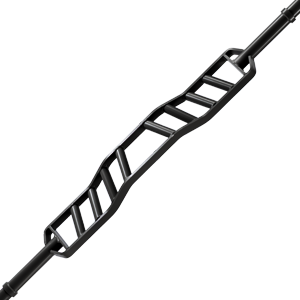
Super Yoke
For strongman carries, brutal conditioning, and real-world strength that does not hide.
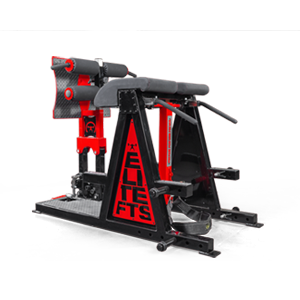
Shop Super YokeTiger Belt Squat
Hammer legs while reducing spinal loading from traditional barbell squats.
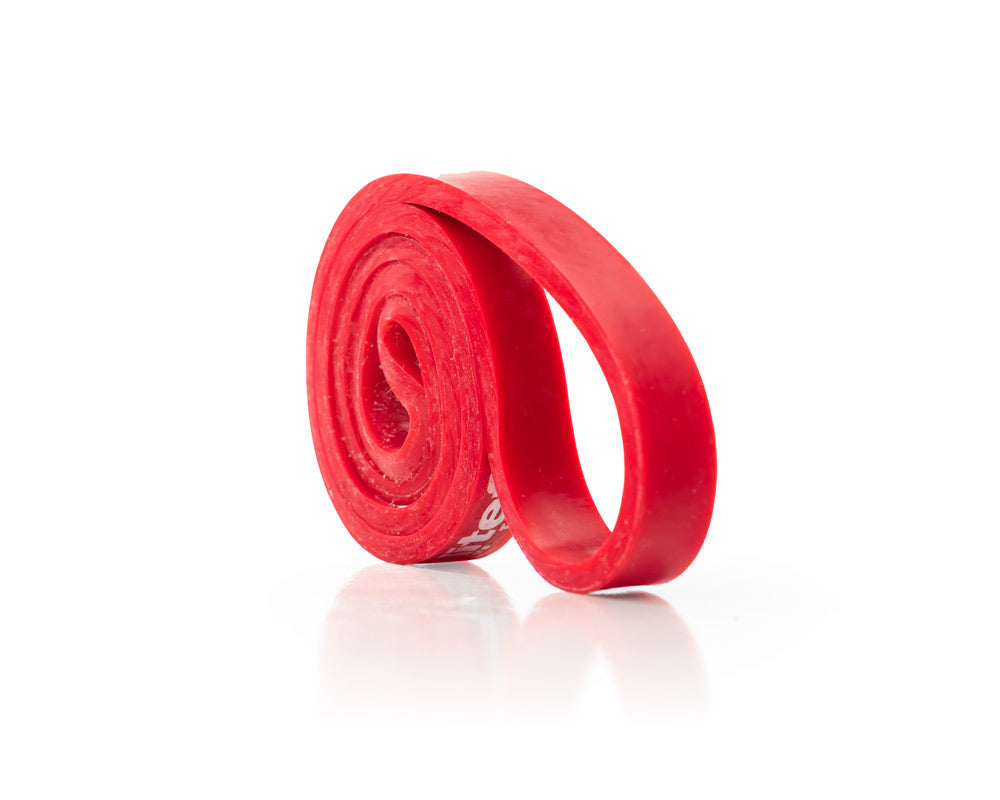
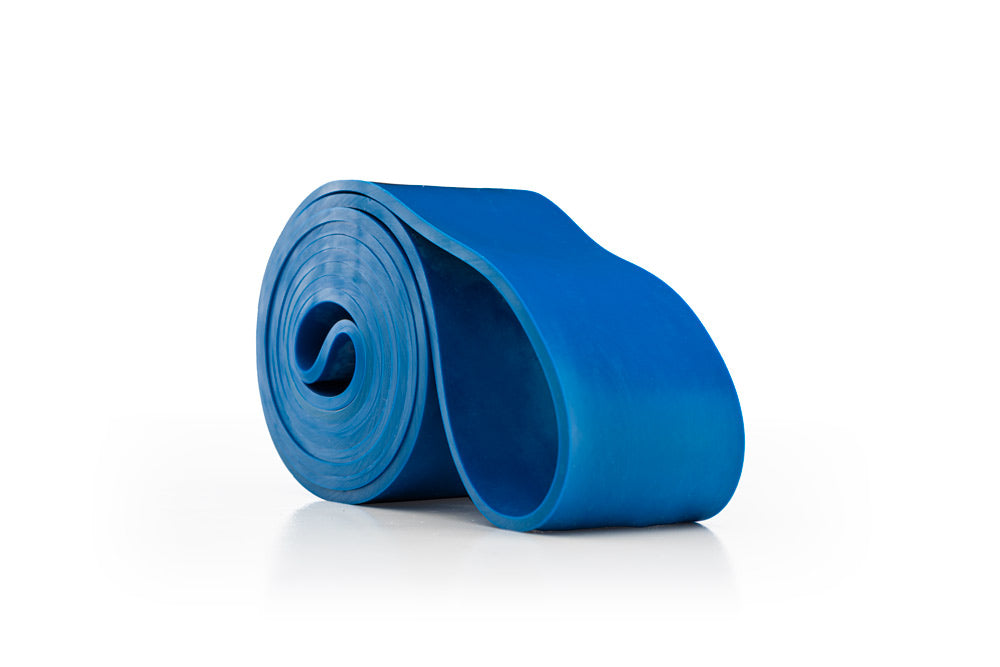
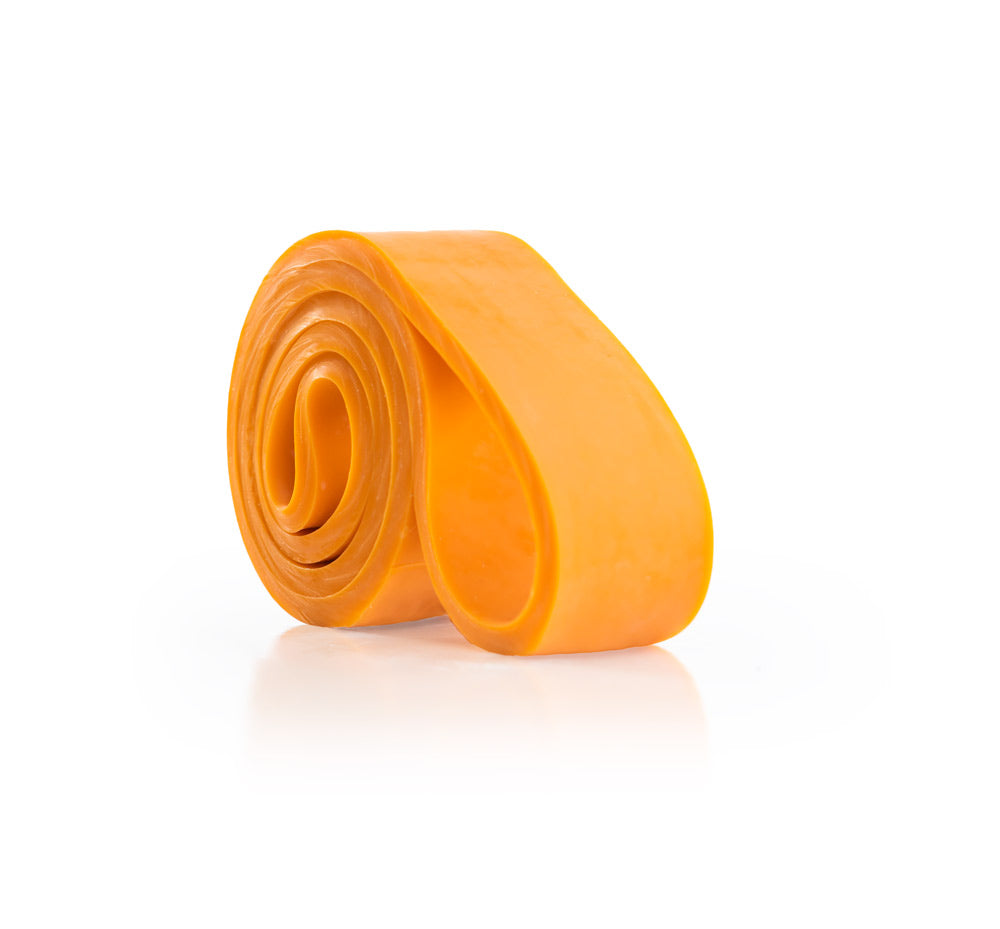
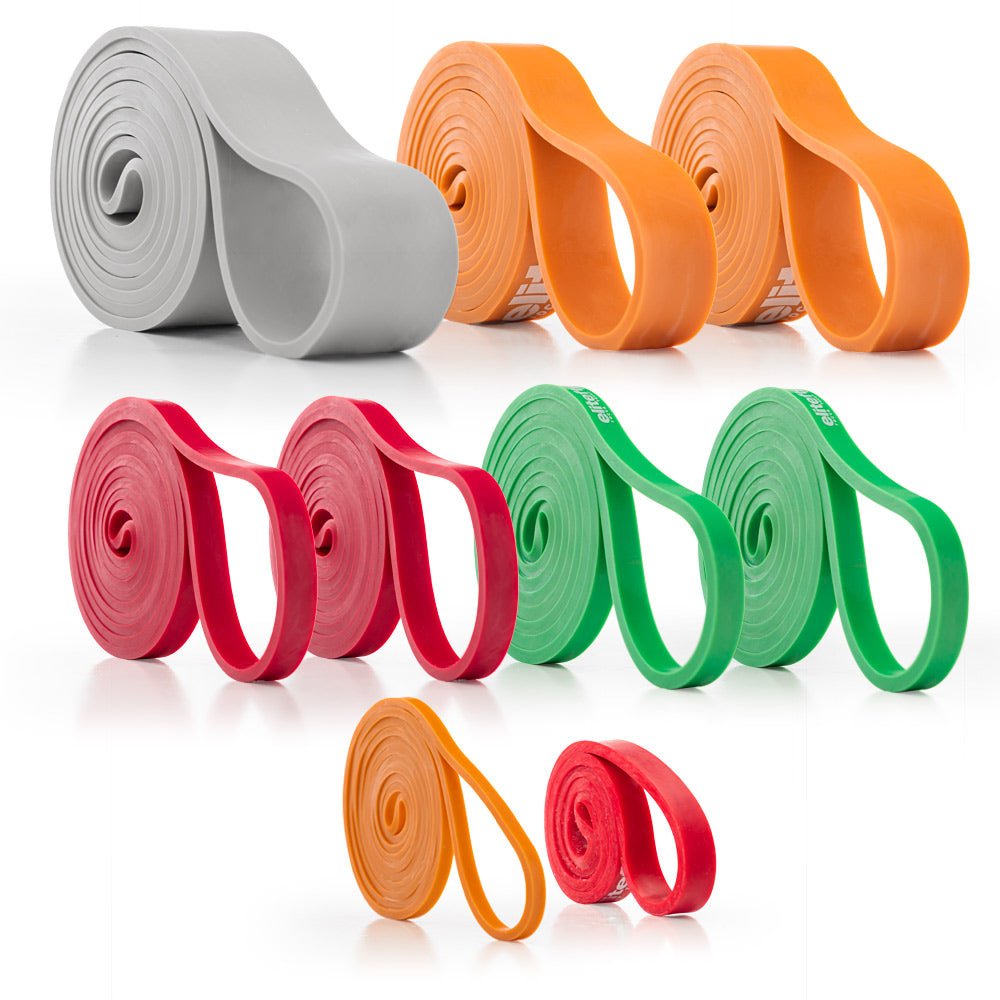
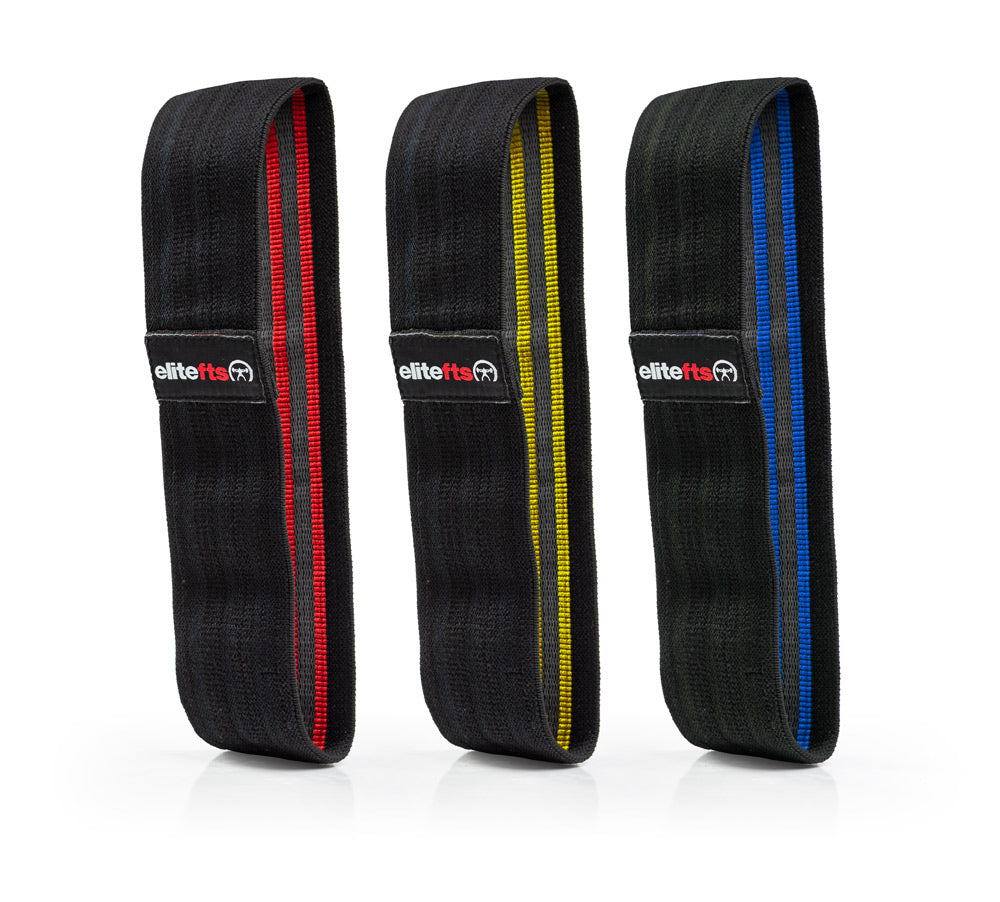
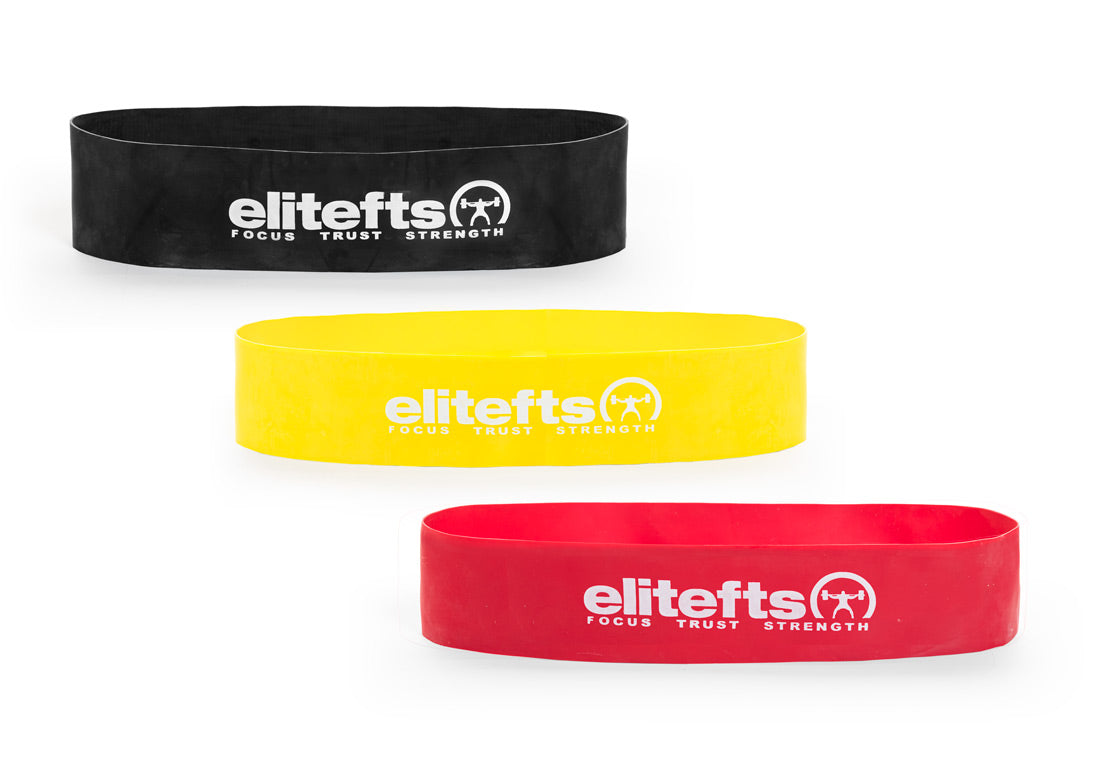
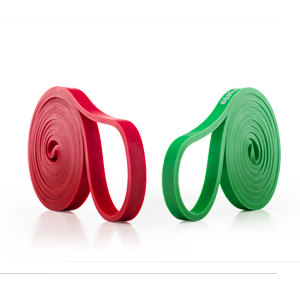
Shop Tiger Belt SquatUltimate Band Pack
Warm-ups, mobility, dynamic work, accessory training, and travel-friendly GPP.
Shop Band Pack13mm P3 Power Belt
Heavy bracing support for lifters who take their main work seriously.
Shop Power BeltWhat Lifters Can Take From This
Do not guess your way through hormones, blood sugar, recovery, or health markers.
Training, sleep, food, stress, and consistency still matter before any advanced intervention.
Coaches and clinicians can guide you, but the decisions still belong to you.
Mike Stratton’s story is not just about hormones, telemedicine, or startup grit. It is about what happens when a person builds an identity around survival and then has to decide whether survival is still enough.
He went from a teenager seeking size for protection, to a young lifter experimenting in the dark, to a salesman building skills under pressure, to a founder who nearly burned himself alive creating the company he needed. The evolution was not clean. It was earned.
And in the end, the lesson is very elitefts: the truth is usually under the bar, in the data, and in the mirror. Cut the bullshit. Do the work. Build something that can survive success.
Train Like the Lesson Matters
Optimization is not a shortcut around the work. It is a better way to aim for the work. Start with the basics, build your environment, and choose tools that can take abuse.
Shop bars and weights • Shop resistance bands • Shop support gear
Editorial and medical note: This article discusses hormones, medications, psychedelics, and medical testing for storytelling and education only. It is not medical advice, diagnosis, or treatment guidance. Readers should work with qualified medical professionals before making decisions about hormones, medications, bloodwork, psychedelics, or treatment protocols.