
The Swolefessor’s Manifesto
Ten years of PRs, a leukemia scare, and the harder truth behind long-term strength: the bar builds more than totals when the lifter is willing to learn.
Marcellus Williams, known across powerlifting as The Swolefessor, is not another coach selling hype, panic, or a secret spreadsheet. He is a drug-tested lifter, a kinesiology graduate, a national-level competitor, an educator, and a coach who has spent a decade proving that strength is not built by crashing out.
In a sport where lifters often burn hot for three years and disappear, Williams has done something far more impressive than one big meet total: he has stayed in the game. Ten years. Annual PRs. A large coaching roster. World-level athletes. Average lifters. Beginners. Masters. People with jobs, families, nerves, and lives outside the gym.
His message cuts through the noise: powerlifting is not just about loading the bar. It is about building the person under it.
1. Compete More Often
The “one meet a year” mindset sounds disciplined, but for many lifters, it is fear disguised as patience. Williams treats meets as data, not judgment day.
If you compete once a year and miss the mark, you just gambled 365 days of training on one afternoon. That is not a feedback loop. That is a roulette wheel.
In his 10th-anniversary year, Williams blacked out on his third deadlift at SBD Austin and missed his goal total by 2.5kg. Instead of disappearing into a long offseason, he found another meet four weeks later. He and his coach used the failed attempt as clean data, adjusted intensity, and came back with a 10kg PR.
The lesson: compete often enough that the platform becomes familiar. Skill expression improves when meet day stops feeling like a supernatural event.
2. Work Capacity Is Not Workload
Lifters love saying they need “more work.” Sometimes they do. More often, they need a better engine.
```| Feature | Workload | Work Capacity |
|---|---|---|
| What It Means | The stressor: sets, reps, weight, and total volume. | The athlete’s ability to recover from and adapt to stress. |
| Simple Analogy | The cargo loaded onto the truck. | The horsepower, frame, brakes, and cooling system. |
| Short-Term Effect | Creates fatigue and fitness at the same time. | Builds systemic resilience and long-term training tolerance. |
| Programming Goal | Use the least amount needed to keep progress moving. | Build the engine so the lifter can handle future stress. |
Williams does not add training days just to look hardcore. He milks lower workloads while they still produce progress. When the athlete stalls, he asks the right question: is the problem not enough stress, or not enough capacity to adapt to that stress?
That might mean adding a third day. But that third day does not have to be another heavy barbell day. It may be hypertrophy work, belt squats, accessories, or lower-stress training that builds muscle without burying the athlete.
```3. Powerlifting Is a Motor Skill
Powerlifting gets treated like an effort sport: scream louder, grip harder, go heavier. Williams sees it differently. Squat, bench, and deadlift are motor skills.
A baseball player does not practice swinging once a week and expect elite skill. So why would a lifter expect to master a 600-pound squat by only touching the pattern once every seven days?
```Motor Learning
Use more frequent exposures to reinforce position, timing, and execution.
The 50–60% Zone
Light enough to practice, heavy enough to feel the movement honestly.
The Deadlift Wedge
Too light, and the bar leaves the floor before the lifter can create real tension.
When technique breaks down under load, the answer is not always more ugly heavy reps. Often, the answer is a more frequent, lower-stress practice that teaches the lifter how to own the position before the weight exposes them.
```4. Protect the Power Bar
Williams treats mental arousal like a finite battery. You cannot scream, snort ammonia, max caffeine, and enter an out-of-body state every session while pretending recovery is optional.
```| Training Window | Mental State | Purpose |
|---|---|---|
| Weeks 1–3 | Intentional but calm. | Build skill, accumulate quality work, and keep the nervous system under control. |
| Week 4 Primary Day | Meet-day mindset allowed. | Express strength when it matters instead of wasting emotional output early. |
| After the Top Set | Bring the system back down. | Reduce back-off work or accessories so the athlete does not stay redlined. |
The counterintuitive piece is the backend deload. After the heavy primary work, the lifter does not keep trying to prove something. Volume comes down. The load comes down. The athlete gets the stimulus without turning the rest of the session into punishment.
```5. The Leukemia Scare
The emotional center of this story is not a squat, bench, or deadlift. It is the 2024–2025 health scare that forced Williams to sit with uncertainty.
After a viral infection, he dealt with persistent swollen lymph nodes and a falling white blood cell count. Because his older sister, Brandy, had died from leukemia before age 30, the situation carried a weight no training cycle could prepare him for.
While his wife was pregnant, Williams moved from specialist to specialist, waiting for answers and facing the fear that his unborn son might never know him and his daughter might grow up without a father.
```The tests eventually came back clear. Williams has described the issue as a rare reaction connected to protein filtration and muscle mass, but the real takeaway is not the medical detail. It is the shift in perspective.
His new mantra became simple: be still and know.
```6. Ethics Still Matter
In an industry full of clout-chasing, poaching, federation drama, and “look at me” coaching, Williams holds a harder line.
```- No poaching: He will not consult with a lifter who has not respectfully ended the relationship with their current coach.
- Service over clout: During federation turbulence, he stayed where the bulk of his athletes needed him most instead of chasing the brightest spotlight.
- Do the job: Be honest. Reply on time. Deliver blocks on time. Coach the person, not just the number.
His business strategy is brutally simple: be good enough and ethical enough that your athletes do not become easy to poach.
```7. Behavior Modification Comes First
Williams has evolved from a programmer into a problem solver. The difference matters.
A programmer writes sets and reps. A problem solver knows what to do when an athlete misses a top set and spirals into the identity crash: “I failed the lift, therefore I am failing.”
```Use Voice Memos
Text can miss tone. Voice can carry empathy, clarity, and leadership.
Do the Accessories
If the top set goes badly, the session is not over. Anchor the athlete to the process.
Find the Root Later
Fix the immediate behavior first. Diagnose the deeper cause once the athlete is grounded.
The boring work after a missed lift matters because it teaches the athlete that identity cannot be tied to a single set.
```elitefts Product Suggestions
This article is about principles, not gadgets. But the right tools can help reinforce those principles when used with intent. Here are Elitefts suggestions that fit the themes of skill practice, work capacity, controlled intensity, and long-term training.
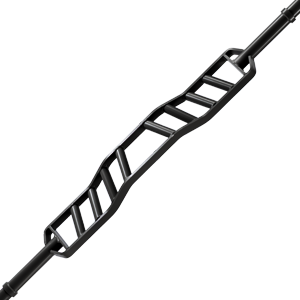
elitefts Aggressive Power Bar
A serious power bar for squat, bench, and deadlift practice when the goal is consistency under the same tool you will compete with.
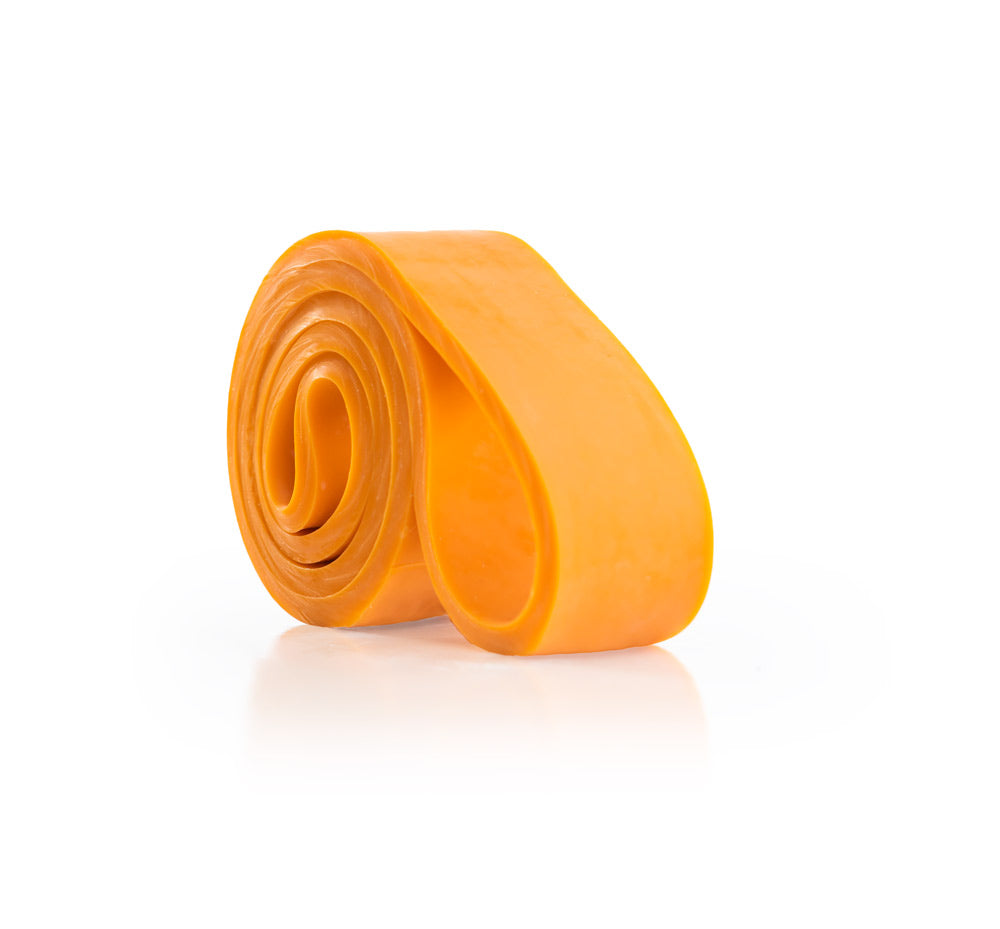
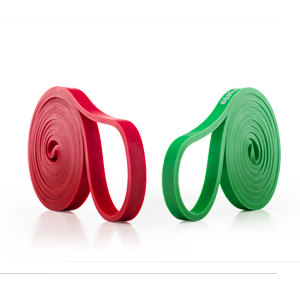
Shop Power Barelitefts Pro Resistance Band Pack
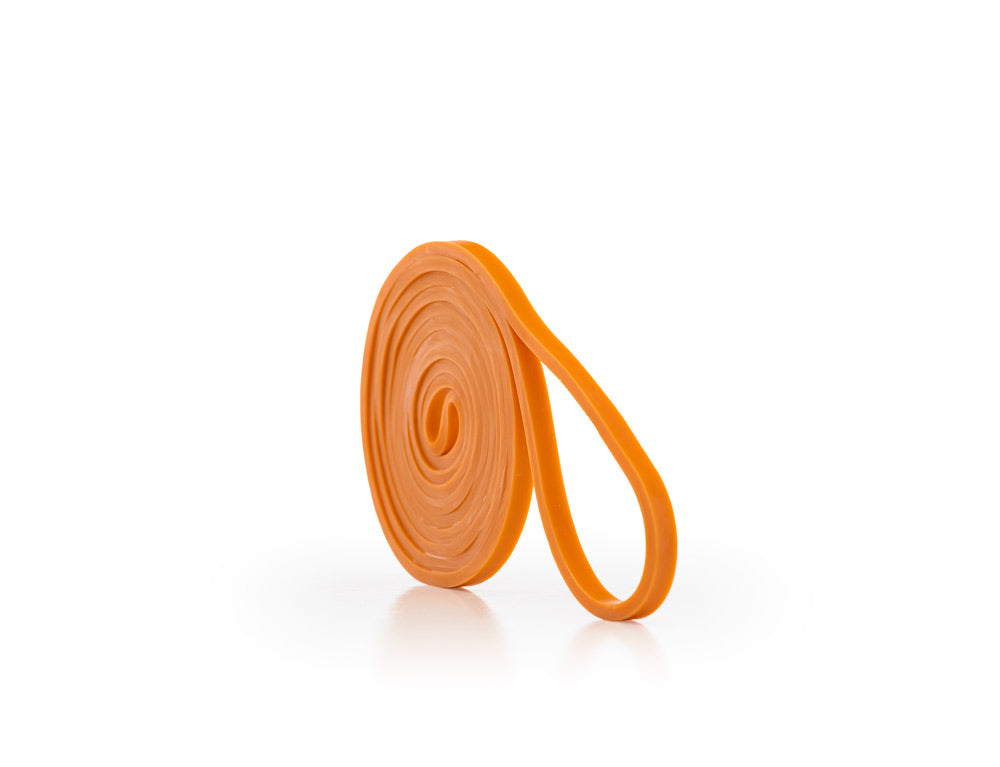
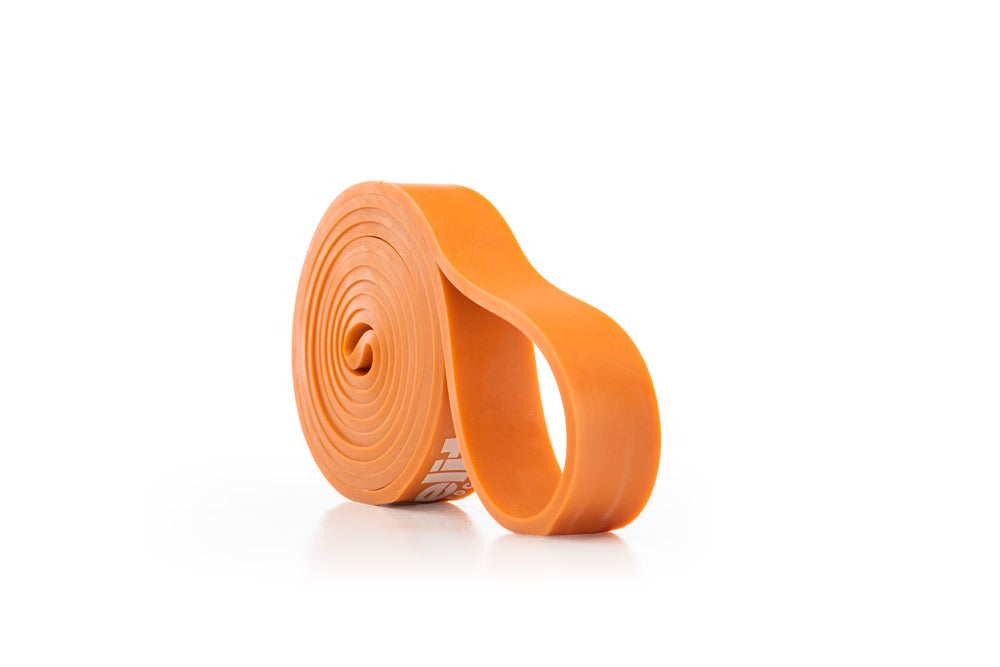
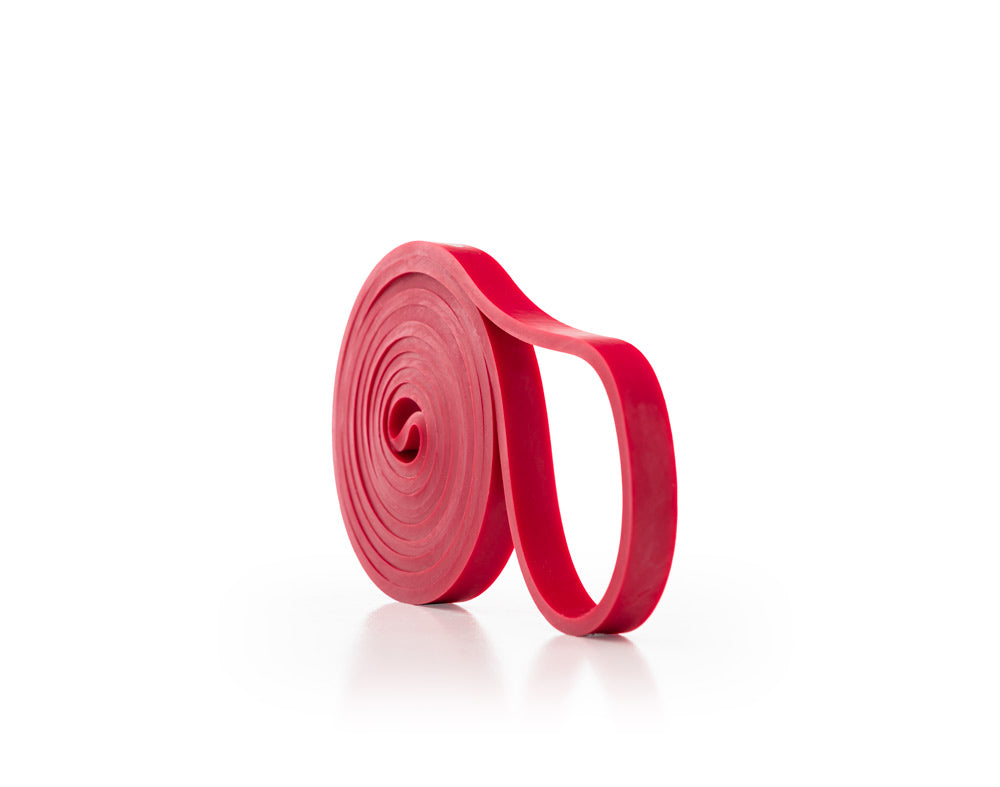
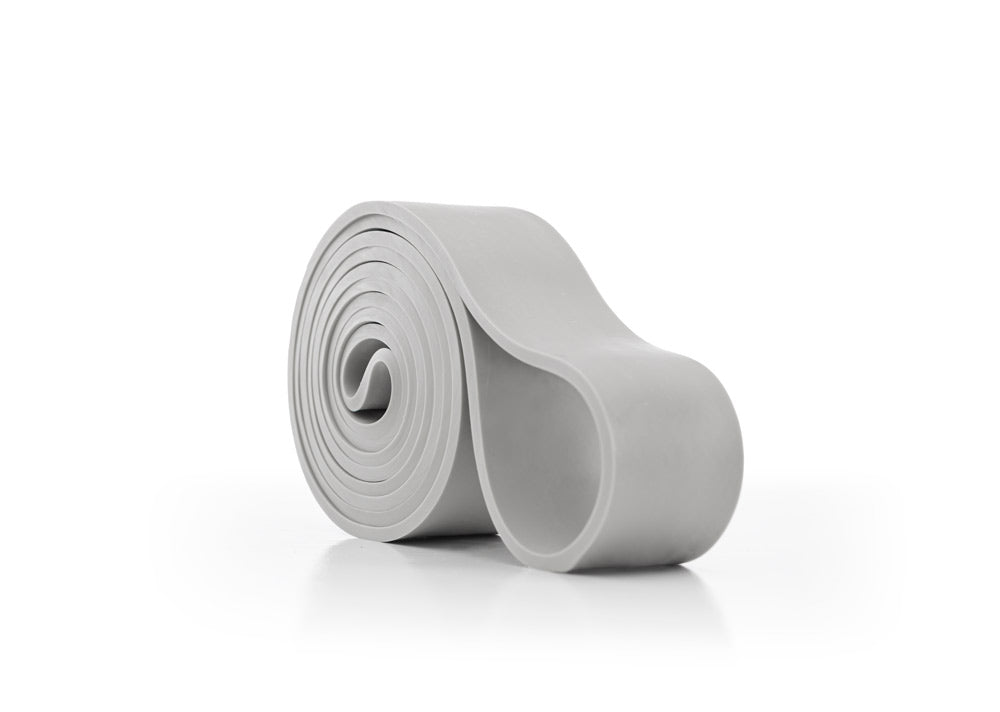
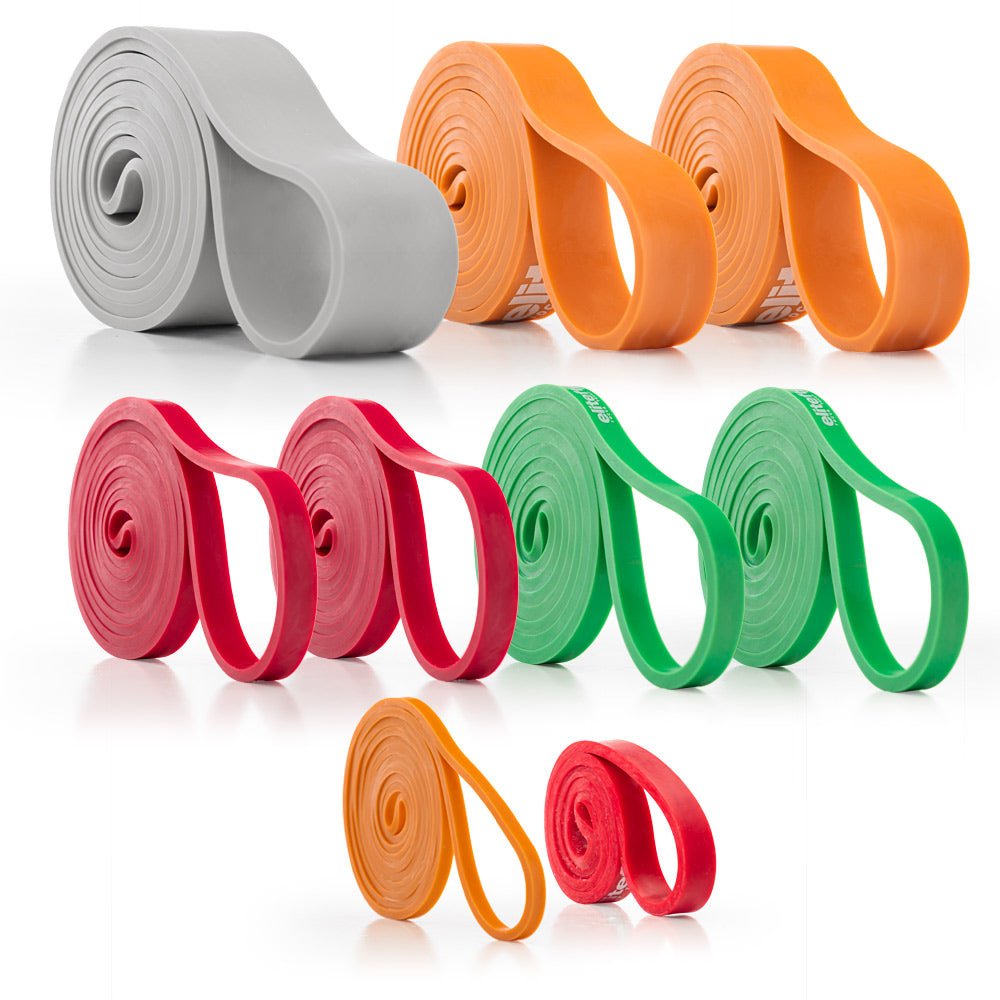
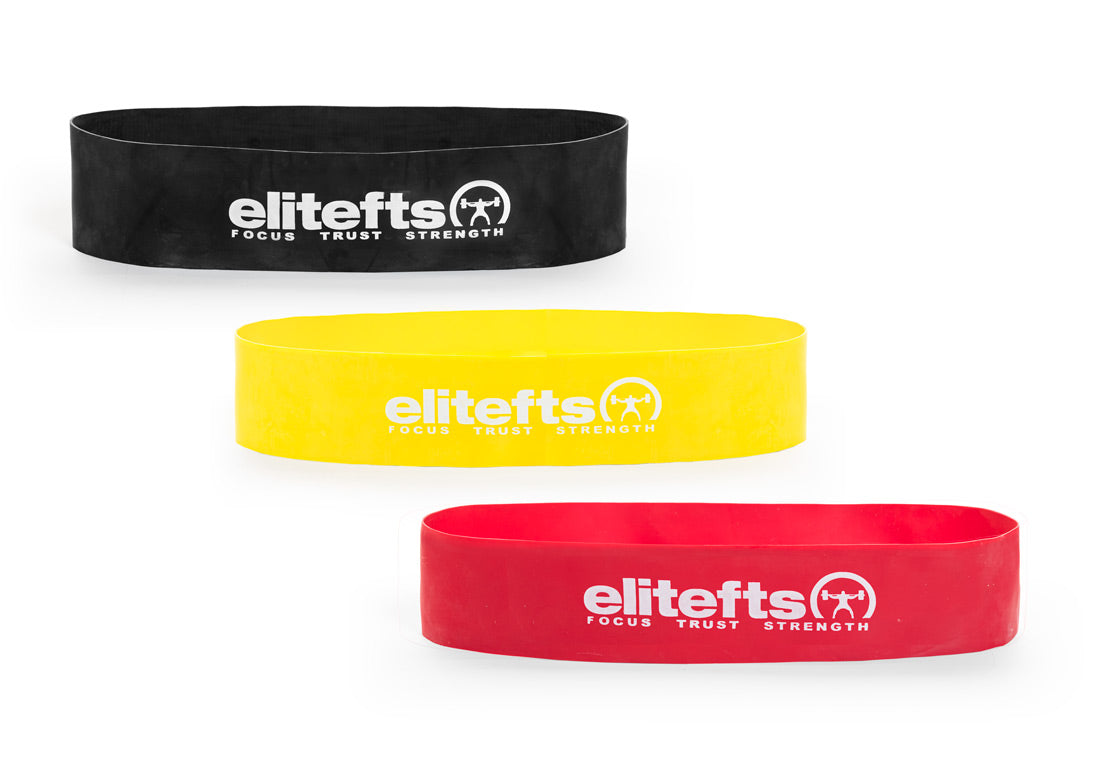
Use bands for warm-ups, speed work, accommodating resistance, mobility, and lower-stress accessory work that builds the engine.
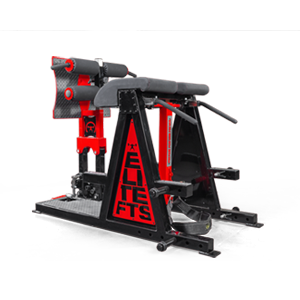
Shop Band Packelitefts Deluxe Belt Squat Compact with Storage
A smart option for building legs while managing spinal loading, especially when work capacity is the goal and fatigue needs to be controlled.
Shop Belt Squatelitefts Squat Box
Useful for teaching consistency, depth awareness, posterior-chain strength, and controlled squat variations.
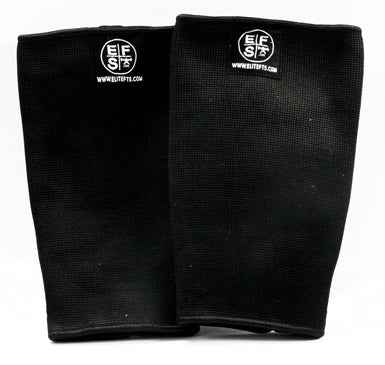
Shop Squat Boxelitefts Heavy Knee Sleeve
Supportive sleeves for lifters who need knee warmth, stability, and confidence through squat volume.
Shop Knee Sleeveelitefts Super Heavy Wrist Wraps
Built for advanced lifters who need firm wrist support when bench intensity climbs.
Shop Wrist WrapsSimple. Specific. Scientific.
That is the legacy of The Swolefessor’s approach.
Simple does not mean lazy. Specific does not mean narrow. Scientific does not mean soulless. The point is to remove the bullshit so the lifter can train with clarity.
If you hit a 20kg PR but your family life is wrecked, your health is ignored, and your identity collapses every time you miss a lift, you have not mastered strength. You have only survived long enough to look strong.