

Training / Programming
How to Adjust Workload When Progress Stalls
When the easy gains are gone, adding more work is usually the lazy answer. The better answer is learning which dial to turn, when to turn it, and what kind of lifter is standing in front of you.

Watch the full elitefts video below.
The Beginner Problem Is Not the Advanced Problem
The mistake most lifters make with a stall is assuming every stall means the same thing. It does not. A newer lifter who has been training seriously for one to three years is not stuck for the same reasons an advanced lifter is stuck after a decade under the bar.
In the first few years, progress is still being built. The lifter needs muscle, better positions, more exposures to the lifts, and enough accessory work to build the weak links that technique alone cannot hide. This is where a lot of lifters would be better served by doing the work they skip: hamstrings, upper back, abs, single-leg work, lower back, and the boring repetition that gives the big lifts somewhere to go.
An advanced lifter is different. At that point, the goal may not be to become wildly stronger every cycle. The goal is often to display strength better, stay healthy enough to keep training, and squeeze one percent out of the same body that has already taken years of abuse.
That matters because powerlifting is still mostly a hobbyist sport. People get married, have kids, take full-time jobs, travel, get hurt, and eventually have to decide how much of their life can orbit around a total. A good plan has to respect that reality without letting the lifter use life as an excuse for lazy execution.
If you treat every stall like a motivation problem, you will eventually try to outwork something that needed to be adjusted.
Workload Is a Dial, Not a Badge
More sets can work. More volume can work. More frequency can work. The issue is that none of those things are automatically the right answer. Workload is a dial. It is not proof that you are tough.
The better question is what the lifter is actually failing to do. Are they under-trained, or are they just under-executing? Are they losing position because they need more muscle, or because they are too fatigued to show what they have? Are they skipping the assistance work that would fix the problem, or are they buried under too much work to make the main lift productive?
| What You See | What to Check First |
|---|---|
| Top set moves, back-downs fall apart | Intent, fatigue, and whether the back-down structure is killing focus |
| Technique breaks the same way every week | Weak muscle groups and accessory consistency |
| Motivation spikes only near maxes | Clear testing dates and psychological buy-in |
| Everything feels heavy for weeks | Total stress, recovery, and whether workload needs to come down |
Give the Lifter a Reason to Stay on Plan
One of the strongest points in the transcript is that programming is not only math. It is psychology. Lifters want to lift heavy. That is why they got into powerlifting in the first place. If the plan never tells them when they get to push, test, or have some fun, do not be shocked when they start freelancing.
This does not mean maxing every week. It means giving the athlete a clear runway. If the next twelve weeks are building toward a rep PR, a heavy single, or a meaningful indicator set, say that. The reward is coming. The work has a point. That kind of certainty helps the lifter hold back when holding back is the right move.
Some lifters need that certainty. Other lifters need novelty. Some need hard rules. Others need room to make decisions. The art is knowing which one you are coaching.
For Beginners
Build the base. Keep the main lifts clean. Hammer accessories. Teach them how to train through normal setbacks without turning every week into drama.
For Advanced Lifters
Preserve intent. Manage fatigue. Use workload changes to create better execution, not just a bigger spreadsheet.
Change the Structure Before You Add More
A top set plus back-down work is not magic. It is just one structure. If a lifter shuts off mentally once the weight drops, changing the order may fix more than adding another set ever will. Ascending sets can keep intent high because every set feels like it is moving somewhere. Fatigue drop sets can also work because the lifter has to earn the right to stay at a weight by keeping the prescribed RPE under control.
The point is not that one method is the answer. The point is that the coach has more tools than simply adding volume. If the lifter needs more work, add it. If the lifter needs better work, change the setup so the execution improves.
This is where the coach earns his keep. Anybody can write four sets of five. The difference is seeing that the lifter always undershoots the top set, loses focus on the back-downs, skips the accessories that expose him, or turns every hard day into a test day. The workload adjustment should attack the behavior, not just the number of sets on paper.
Three Practical Adjustments
First, move accessory work from optional to accountable. If a beginner is weak everywhere, the accessories are not fluff. They are the work. Track them, progress them, and stop pretending the main lift alone will solve every problem.
Second, use planned tests. Give the lifter a clear point where they get to push. This keeps the competitive lifter from turning every training day into a meet and gives the bored lifter something to aim at.
Third, adjust the set structure. If back-downs are treated like junk work, try ascending sets. If the lifter needs to learn restraint, use RPE caps. If the lifter needs more confidence, use small wins that build toward the next heavy exposure.
Productive Tools for Better Work
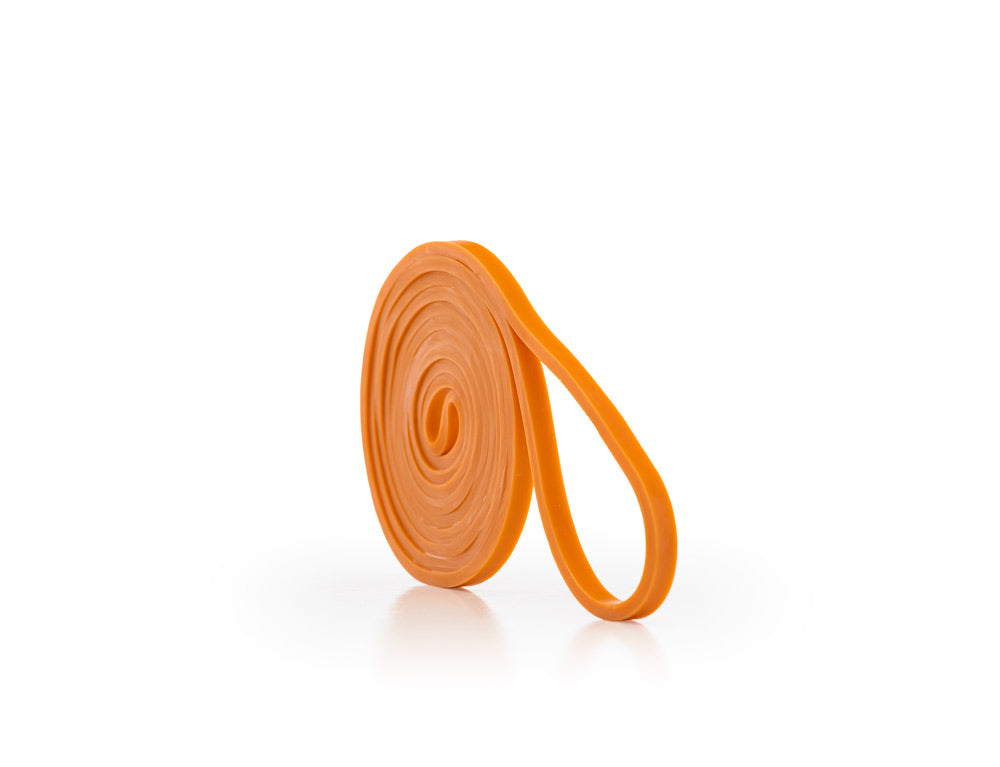
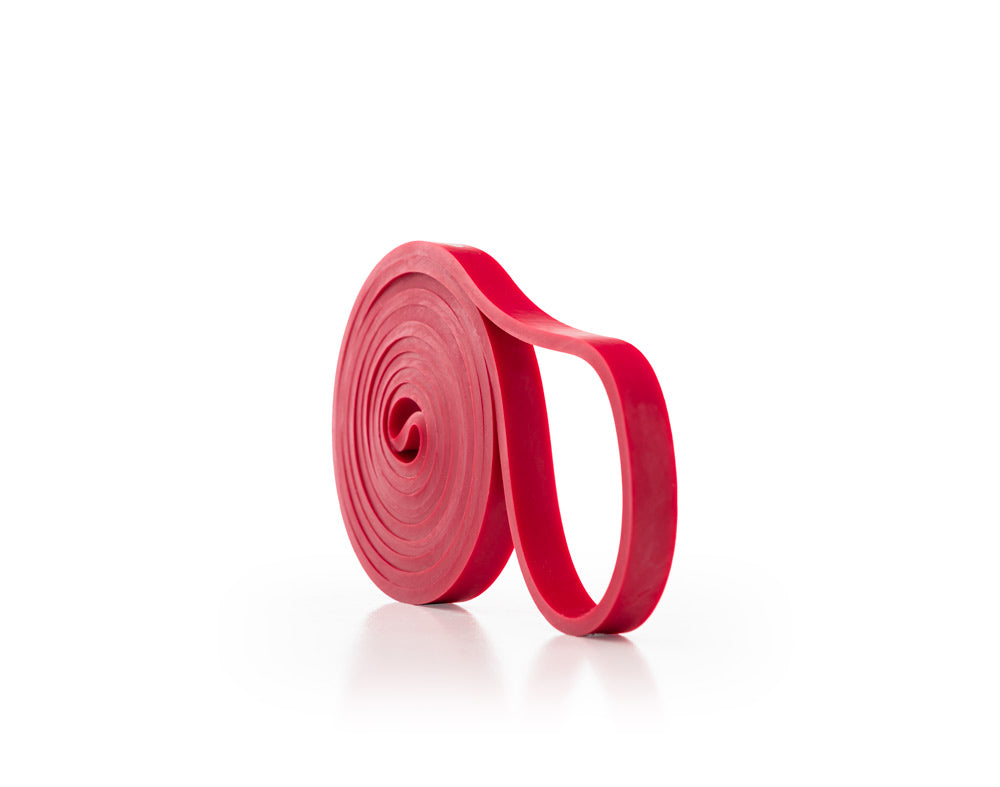
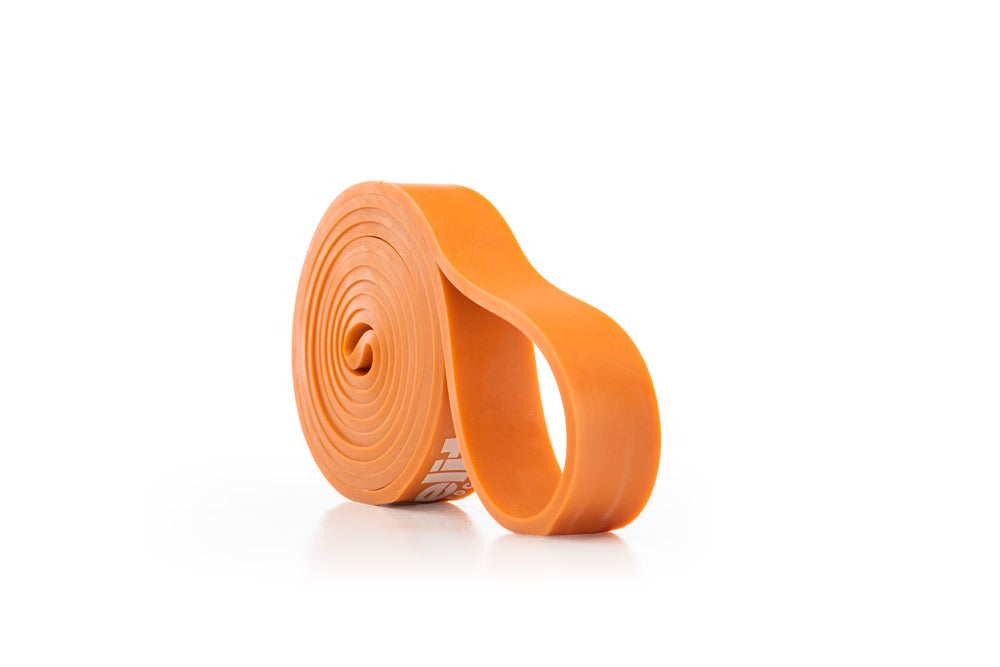
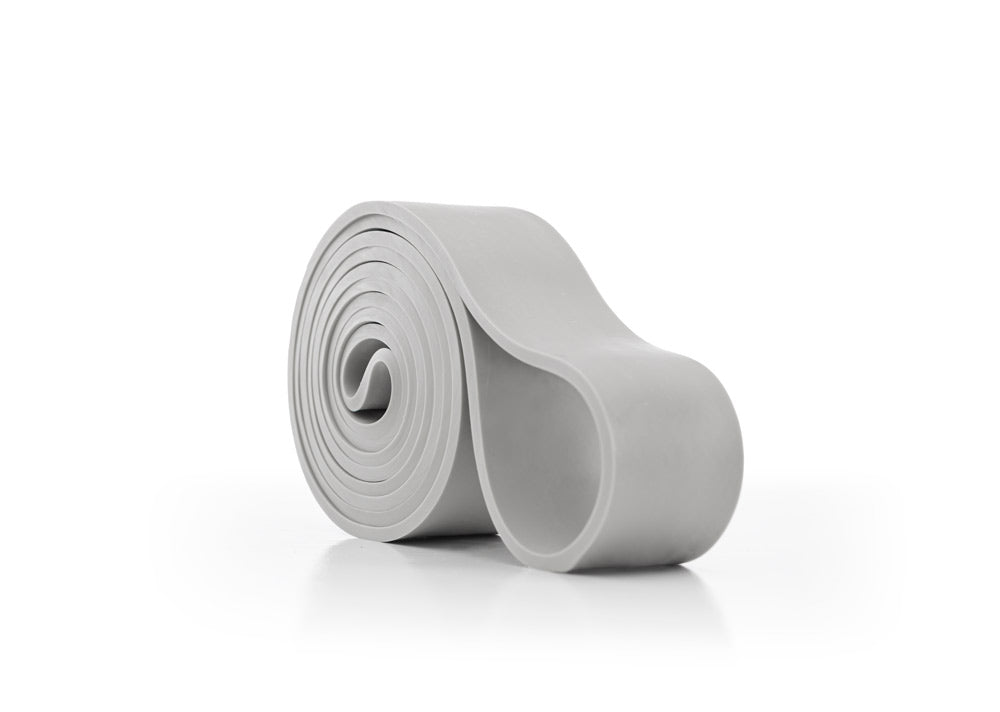
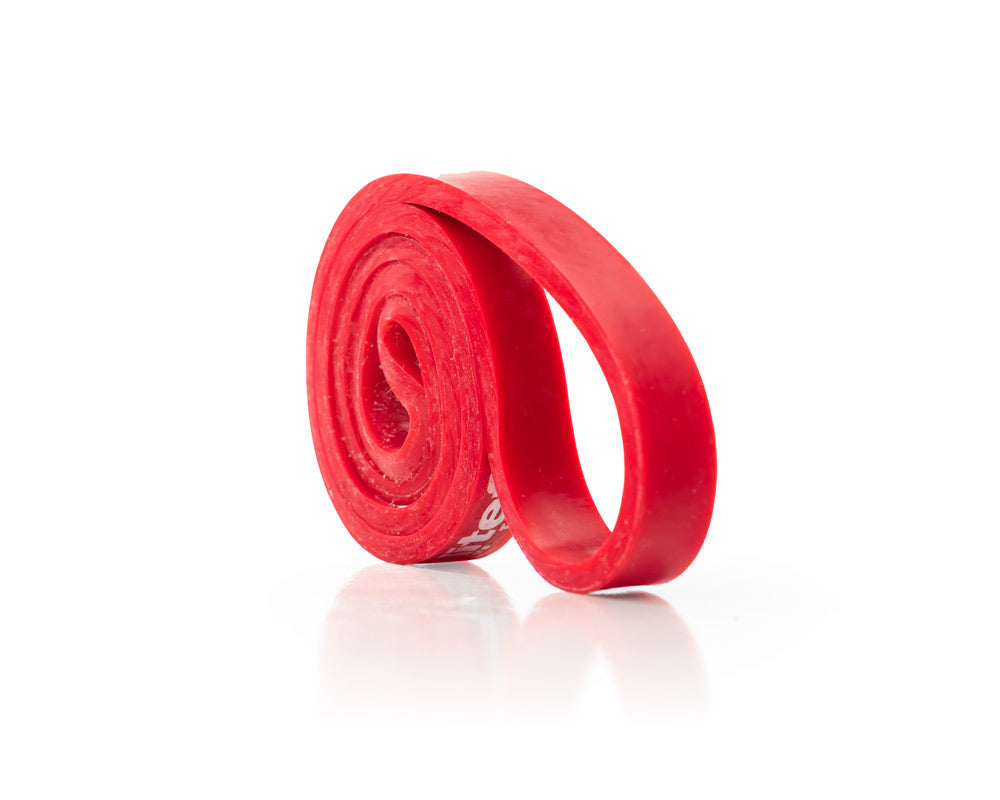
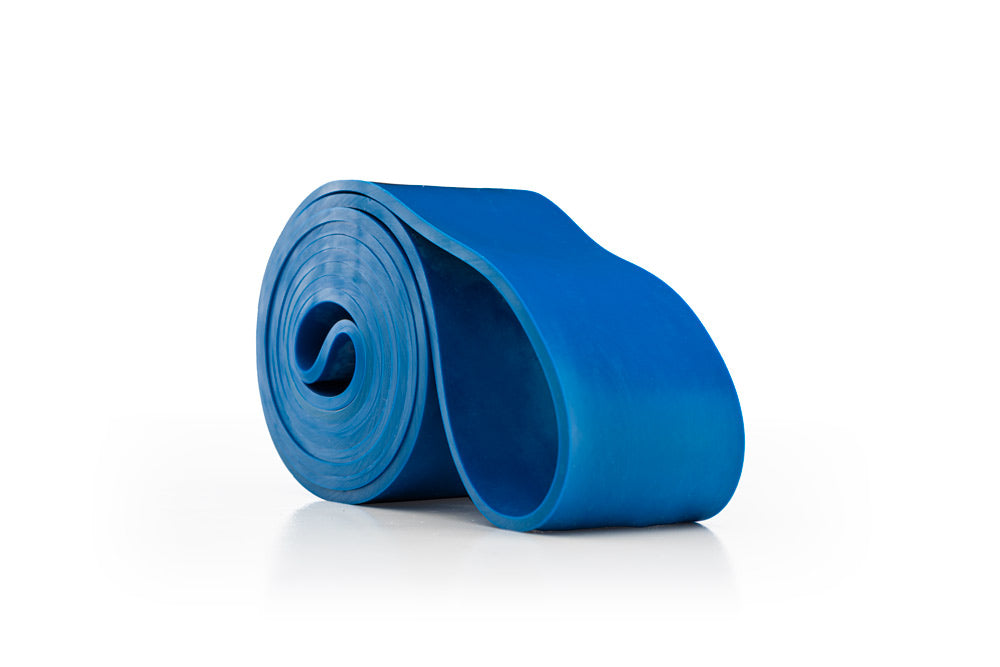
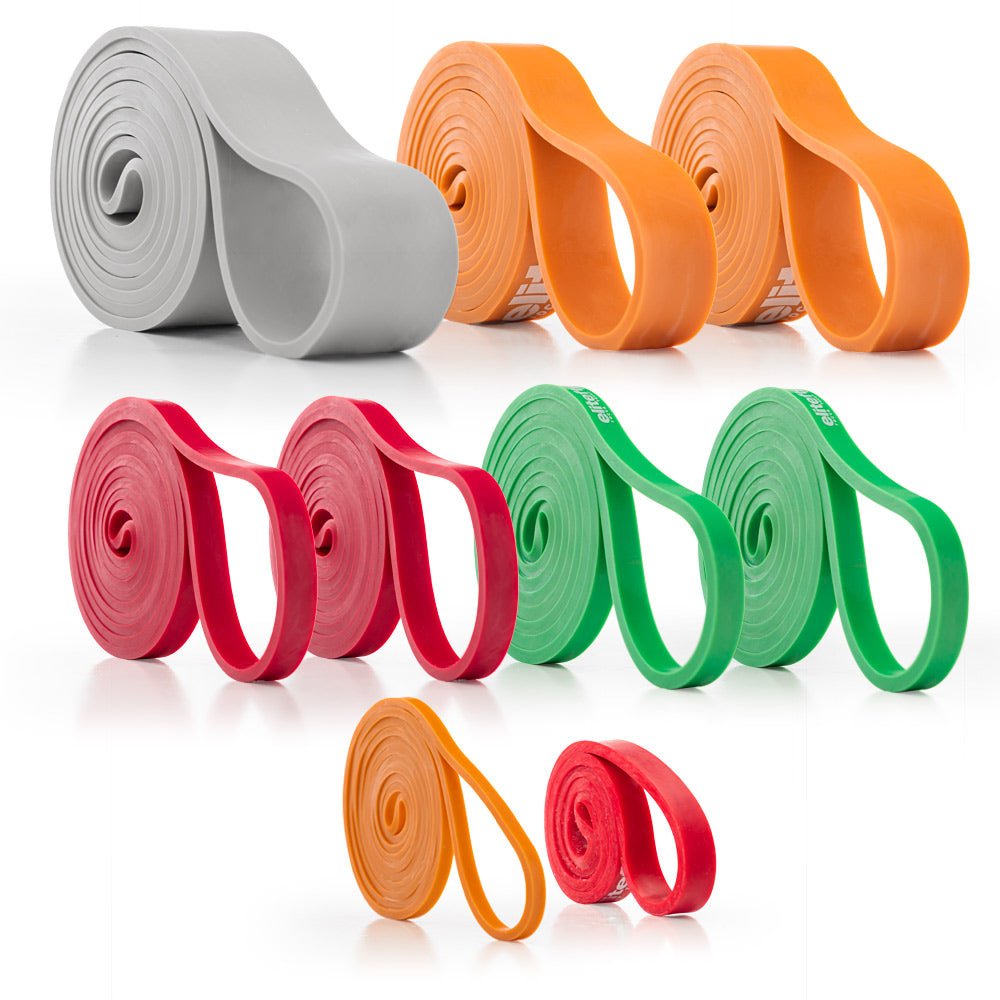
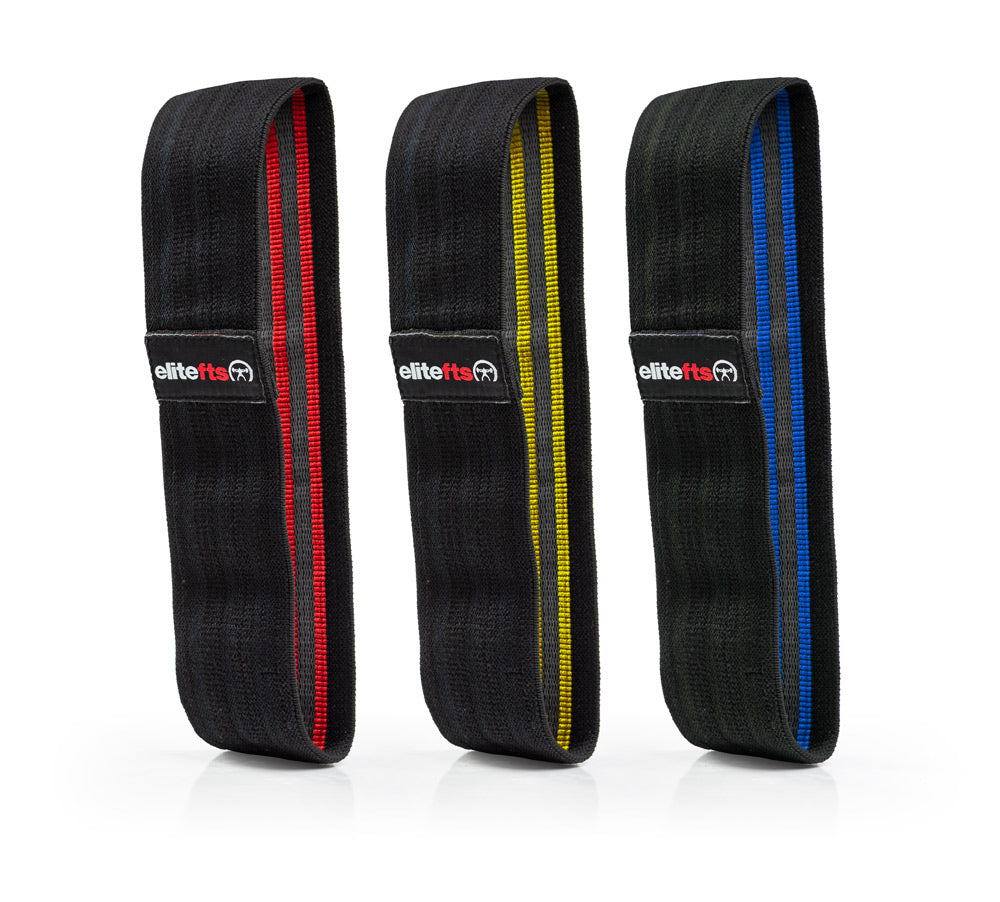
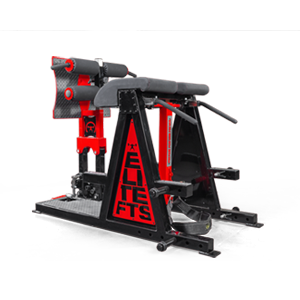
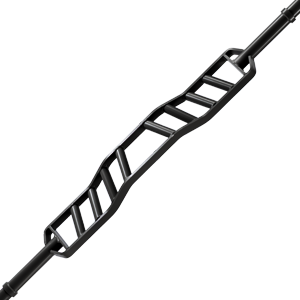
When workload has to change, the right tools make the change easier to execute. Bands can add accommodating resistance or build targeted accessory work. Specialty bars can keep a lifter training hard while reducing joint irritation. A strong rack and bench setup gives the lifter repeatable positions. GHRs and back raises build the posterior chain that carries over when the main lift stalls.
Useful elitefts links
Bands | Specialty Bars | Power Racks | Benches | GHR | 45 Degree Back Raise
The Bottom Line
A stall is information. It is not an insult, and it is not always a command to do more. Sometimes the lifter needs a bigger base. Sometimes they need less fatigue. Sometimes they need a reason to trust the boring work long enough for it to pay off.
Before you add sets, ask what problem the set is supposed to solve. If you cannot answer that, you are not programming. You are guessing with volume.
Transcript-based notes used for this article
This article was built from the elitefts video transcript discussing lifter development timelines, beginner versus advanced coaching needs, accessory work, psychology in programming, planned testing, top sets, back-down work, ascending sets, fatigue drop sets, and workload manipulation.