

Precision Biomechanics for Maximum Back and Chest Hypertrophy
Stop chasing exercises. Start chasing tension. Bigger pecs and lats come from smarter joint angles, better elbow paths, cleaner wrist movement, and brutal intent where it matters most.
Chest Training Is About Elbows, Not Just Bench Angle
One of the most common bodybuilding mistakes is assuming that the bench angle automatically determines which part of the chest is trained. Incline equals upper chest, flat equals mid-chest, decline equals lower chest — clean and simple, right?
Not exactly.
The bench angle matters, but it does not override your arm path. The pecs are trained when the line of force matches the line of pull across the chest. That means your elbow position, shoulder angle, and degree of abduction are what determine whether the pecs are actually doing the job.
If you tuck your elbows too aggressively during an incline press, the movement can drift away from the pecs and shift more tension toward the triceps, front delts, and upper-back stabilization. If you flare too hard without control, the anterior delts can take over, and your shoulders may feel the movement more than your chest.
EliteFTS Rule
Do not ask, “What bench angle hits the chest?” Ask, “Where do my elbows need to travel to keep tension across the pecs?”
The pecs insert near the upper arm, so pressing for hypertrophy requires an arm path that lets the chest shorten and contract under load. Some lifters may feel their upper chest better on a low incline. Others may hit it well from a flat position because of their size, limb length, ribcage, and shoulder structure.
The point is simple: your setup has to match your body. The bench is only part of the equation. The elbows finish the job.
How to Make Dips Actually Hit Your Chest
Dips can be an elite chest builder, but only when the setup targets the right muscles. Many lifters turn dips into a shoulder-and-triceps movement, then blame the exercise. The movement is not the problem. The position is.
To bias the pecs, set your body so you can sink into the chest without dumping stress into the anterior shoulder. For many lifters, this means keeping the feet slightly forward, controlling torso angle, letting the elbows move out enough to load the pecs, and avoiding a hard triceps lockout at the top.
Three-quarter reps can work extremely well here. Drop into the loaded range, drive up through the pecs, and stop before the movement turns into a pure triceps pressout. The goal is not to win a range-of-motion contest. The goal is to keep tension where you want growth.
Chest-Focused Dip Checklist
- Keep the ribcage and torso controlled — do not just collapse into the bottom.
- Let the elbows travel in a way that loads the pecs, not just the triceps.
- Use a controlled bottom range and avoid bouncing.
- Stop short of a lockout if the top turns into triceps dominance.
- Add load only after you can consistently feel the target muscle.
There is nothing wrong with a shoulder- or triceps-dominant dip if that is the goal. But if you are chasing chest hypertrophy, you need to set the movement up so the pecs stay locked in from the first rep to the last.
Training Around Injury, Fear, and Heavy Loading
Biomechanics is not only physical. They are psychological, too.
After a serious pec injury, especially one that was not surgically repaired, the meaning of “training to failure” changes. Heavy pressing may not be limited by muscular strength alone. It may be limited by fear, memory, and the body’s protective response.
That matters because a lifter who is afraid of losing the bar, tearing tissue again, or getting trapped under a heavy weight may shut down a set before the pecs reach true muscular failure.
One solution is to use lighter loads, a cleaner technique, and higher-effort sets. The reduced external threat can let you push closer to actual muscle failure without the same psychological block. That does not mean light training is always better. It means the tool has to fit the lifter standing under the bar that day.
Rethinking Back Training Beyond the Deadlift
The deadlift is a powerful strength movement, but it is not automatically the best hypertrophy tool for every lifter’s back. Some lifters get a massive return from deadlifting. Others get more lower-back fatigue, hip stress, and recovery cost than actual lat or upper-back growth.
John Meadows was a great example of this practical mindset. He moved away from traditional deadlifting when it no longer aligned with his structural, recovery, and physique goals. Instead, he used movements that hammered the back without forcing the same stress from the floor.
High-rep chain pulls from a platform, dead-stop row variations, stiff-leg deadlift-to-row hybrids, chest-supported rows, and controlled pulldown work can all create brutal back contractions without making the lower back the limiting factor.
The Back Training Question
Are you training your back, or are you just surviving the movement?
If an exercise lets you load the target, recover from it, and repeat it with intent, it belongs in the toolbox. If it beats up your joints and spine while the target muscle barely gets touched, it may be time to change the tool.
Lat Training Starts With Elbow Intent
A pulldown is not automatically a lat exercise. A row is not automatically a back exercise. The cable or handle can move perfectly while the target muscle does almost nothing.
For lat-focused pulling, lock the body in and drive the elbows down and back. The hands are hooks. The elbows guide the rep. The lats finish it.
Many lifters chase an extreme stretch at the top of pulldowns. Some stretch can be useful, but if you let the shoulders drift too far overhead or lose your torso position, tension can move away from the lats. Instead of rushing the top, own the range where the lats can contract hard.
Spend more time in the bottom range. Drive the elbows toward the floor. Pause. Flex. Make the lats do the work before you start the next rep.
Grip Position and Wrist Freedom Change Everything
Grip orientation can completely change what you feel during a pull.
A semi-supinated or underhand grip often encourages more external rotation at the shoulder. For many lifters, that makes it easier to drive the upper arm down and back, giving the lats a better shot at doing the work.
But forcing the wrist into one fixed position can also create problems. Straight bars and rigid handles may stress the wrists, elbows, biceps tendons, or shoulders — especially for lifters who do not comfortably supinate or externally rotate.
This is where independent handles shine. Handles that rotate and move independently allow each wrist to find its own path. Instead of forcing your joints to match the attachment, the attachment works with your structure.
Quick-Reference Charts
| Movement | Common Mistake | Better Fix | What You Should Feel |
|---|---|---|---|
| Incline Press | Assuming the angle alone guarantees upper chest tension. | Adjust the elbow path until tension runs across the pecs, not just the shoulders. | Upper and mid-pec contraction with stable shoulders. |
| Dips | Dropping into the bottom with no torso or elbow control. | Use controlled three-quarter reps and stop before lockout if triceps take over. | Deep pec loading without shoulder irritation. |
| Pulldowns | Pulling with the hands and chasing the handle. | Lock in, drive elbows down, pause, and flex the lats. | Lats cramping or burning in the shortened range. |
| Rows | Turning every rep into a low-back heave. | Use chest support, dead-stop reps, or straps when the target is back hypertrophy. | Mid-back and lat contraction, not just spinal fatigue. |
| Cable Work | Forcing the wrists into a fixed bar position. | Use rotating or independent handles when needed. | Cleaner contractions with less wrist and elbow stress. |
| Goal | Primary Cue | Tool That Helps | Why It Works |
|---|---|---|---|
| Better chest tension | Elbows track with the pec fibers. | Shoulder-friendly specialty press bars. | Allows a more natural pressing path for many lifters. |
| Safer loaded dips | Stay controlled through the bottom range. | Dip belt or Sling Shot. | Adds load or assistance without losing position. |
| More lat contraction | Drive elbows down, not hands back. | Rotating handles or lat pulldown station. | Let the shoulder and wrist find a cleaner path. |
| Less wrist stress | Let the hand rotate naturally. | Independent cable handles. | Reduces forced joint positions during heavy cable work. |
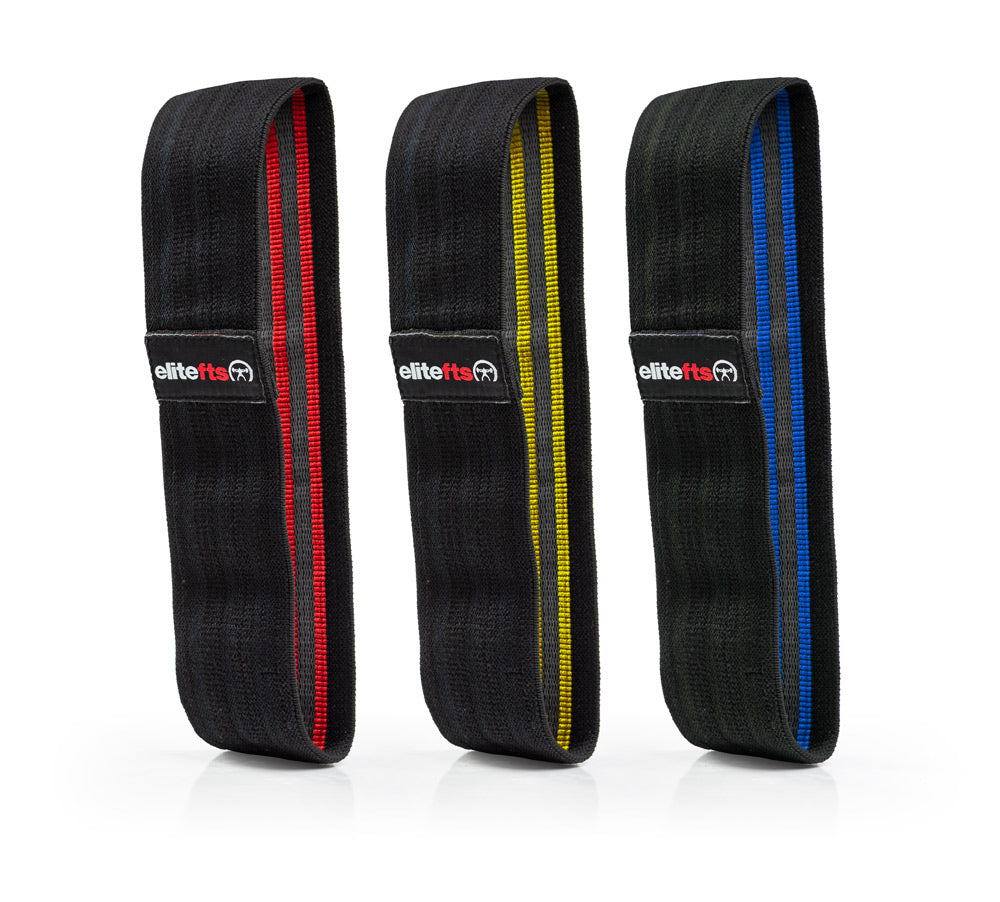
| Better warm-up and shoulder position | Create tension before loading. | Powerloop or bands. | Reinforces scapular position and upper-body awareness. |
EliteFTS Product Suggestions
These tools align with the training principles in this article: better joint position, cleaner elbow drive, greater wrist freedom, and stronger tension where it belongs.
PRIME RO-T8 Handles
Rotating cable handles for lifters who want more natural wrist movement and better back contractions.
Shop HandlesLat Pulldown + Low Row
A serious back station for pulldowns, rows, controlled contractions, and lat-focused work.
Shop Pulldownelitefts Black Nylon Dip Belt
Add load to dips and pull-ups once your bodyweight mechanics are locked in.
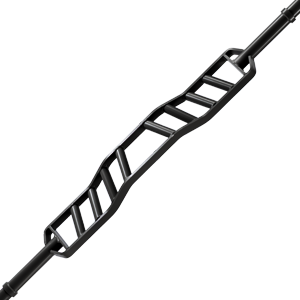
Shop Dip BeltSuper Shoulder Saver Bar
A pressing tool built to reduce shoulder strain and keep bench work productive.
Shop BarOlympic Cambered Bench Bar
Use the camber for a deeper chest stretch when your shoulders tolerate the range.
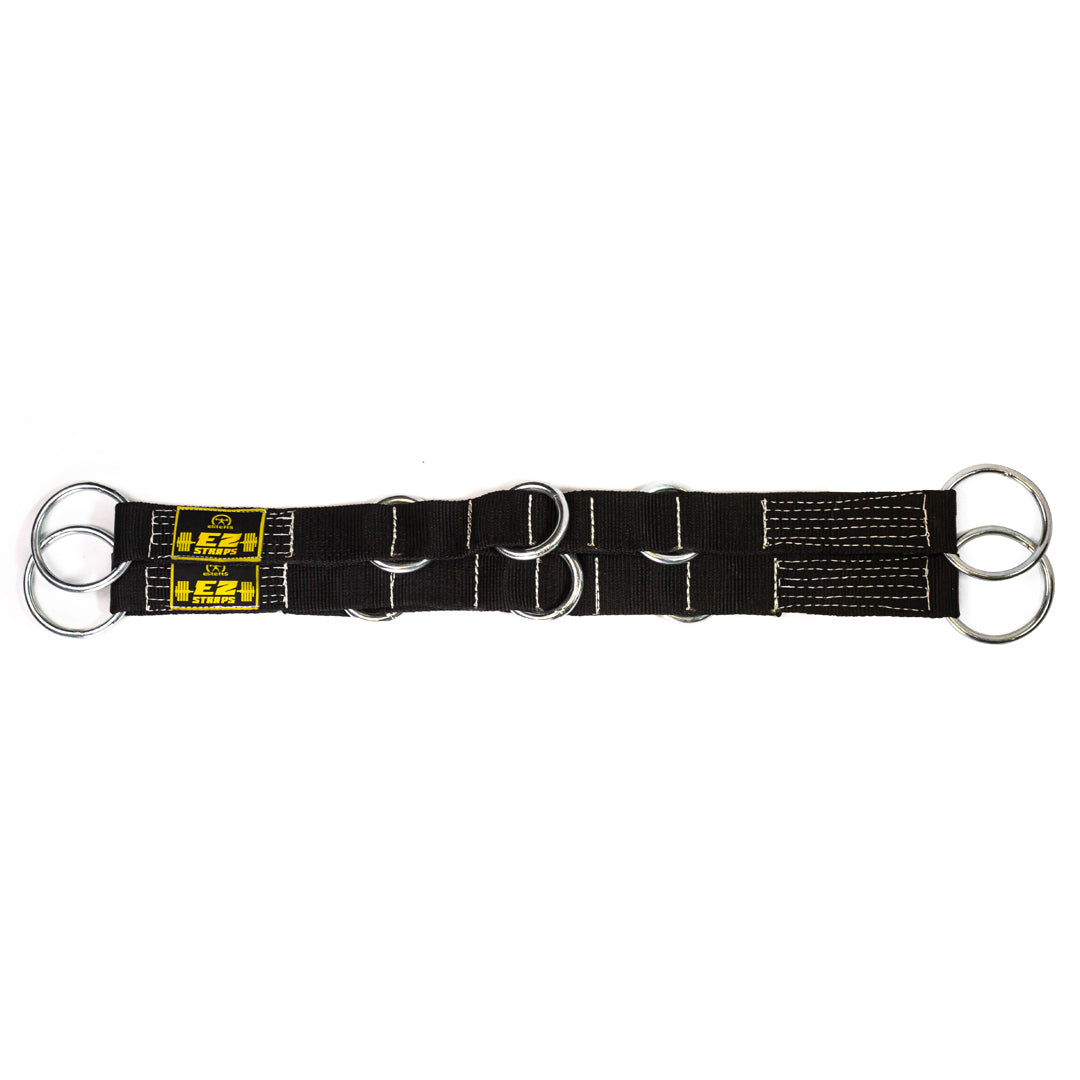
Shop Cambered BarEliteFTS Blast Straps
Push-ups, rows, dips, and stability work with adjustable bodyweight loading.
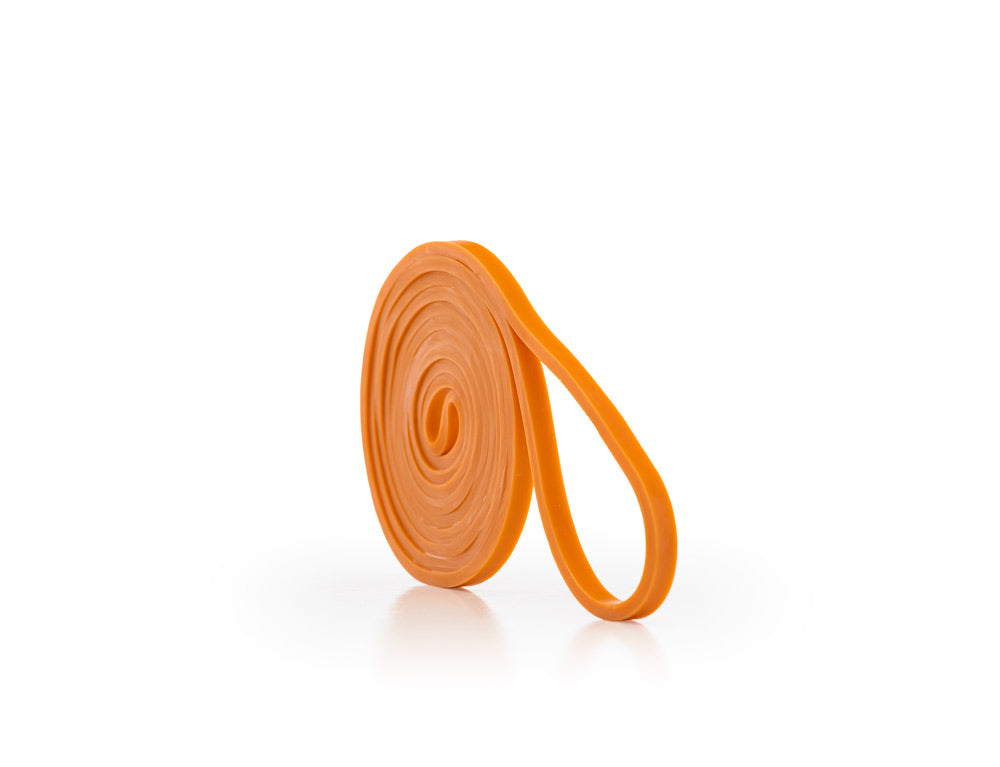
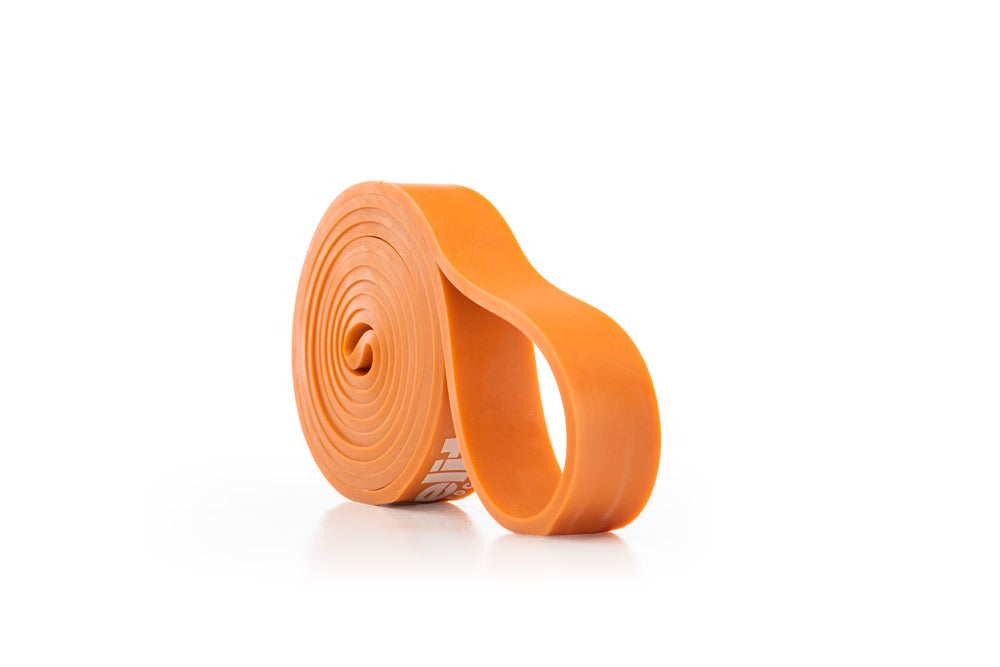
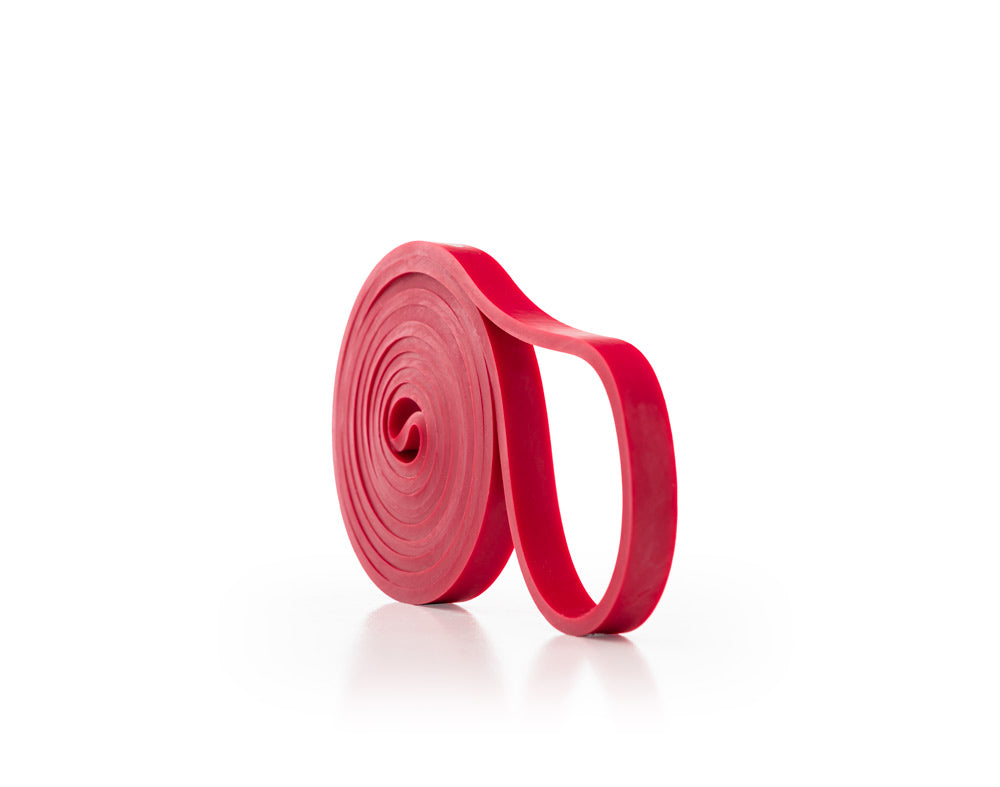
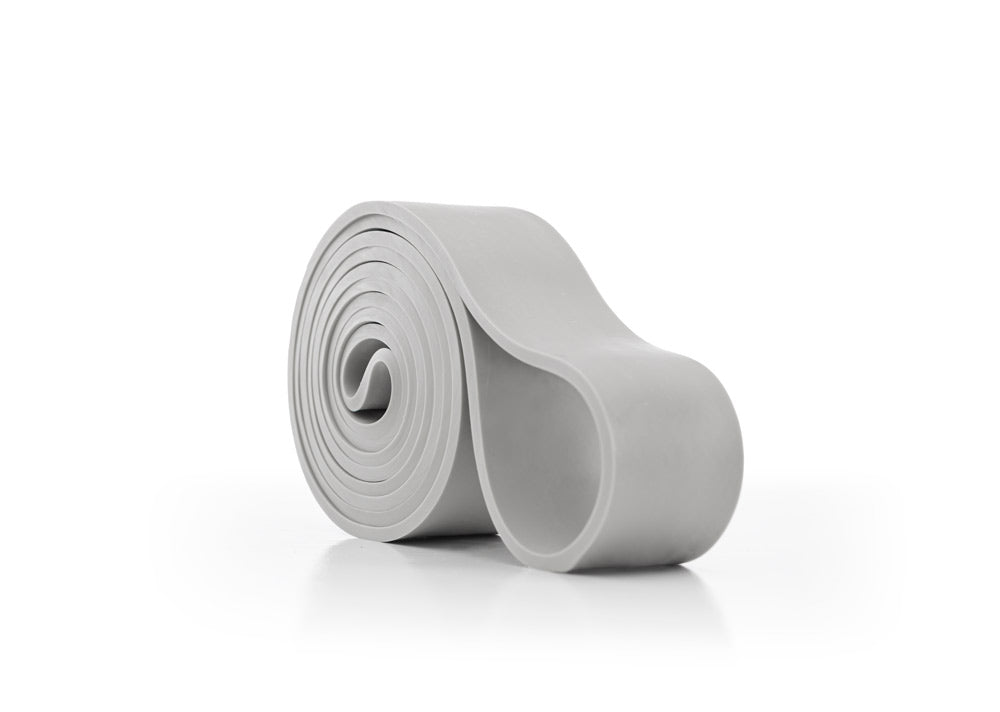
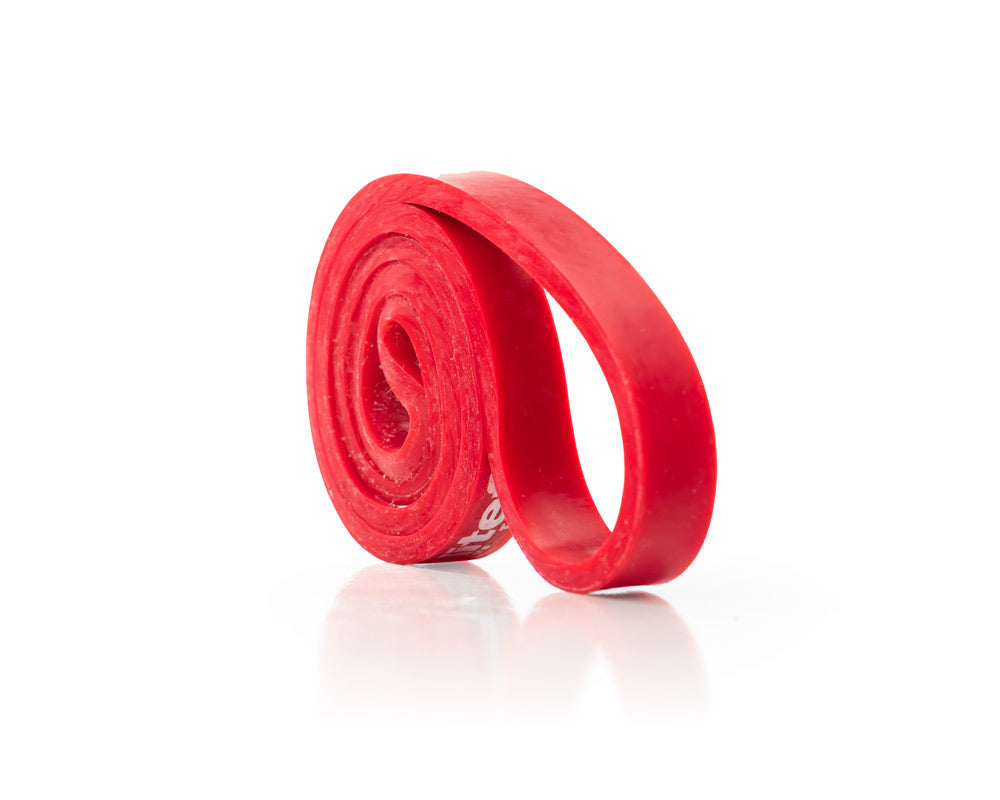
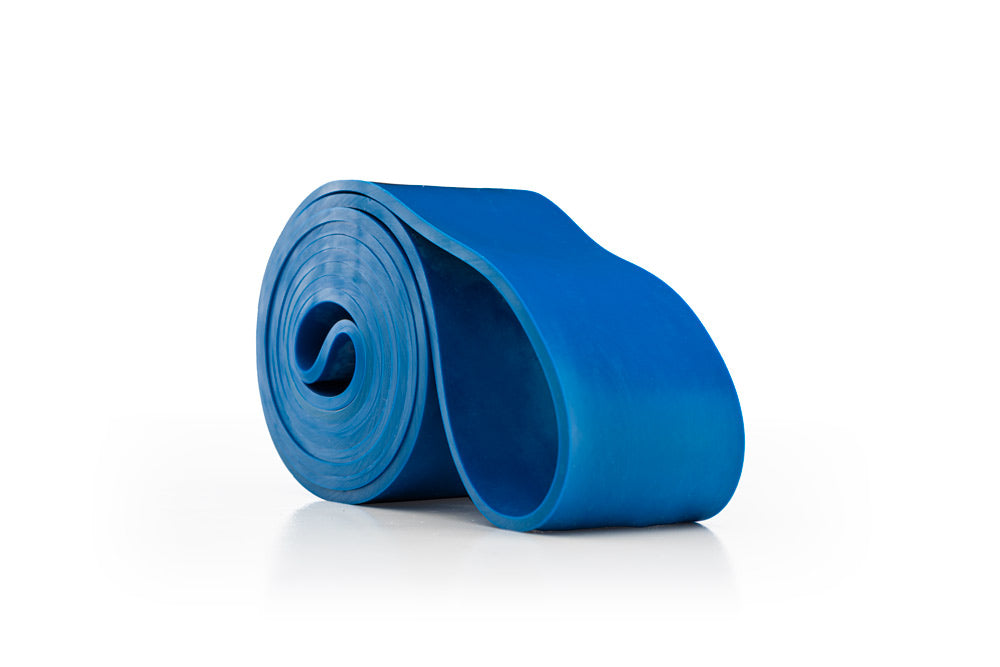
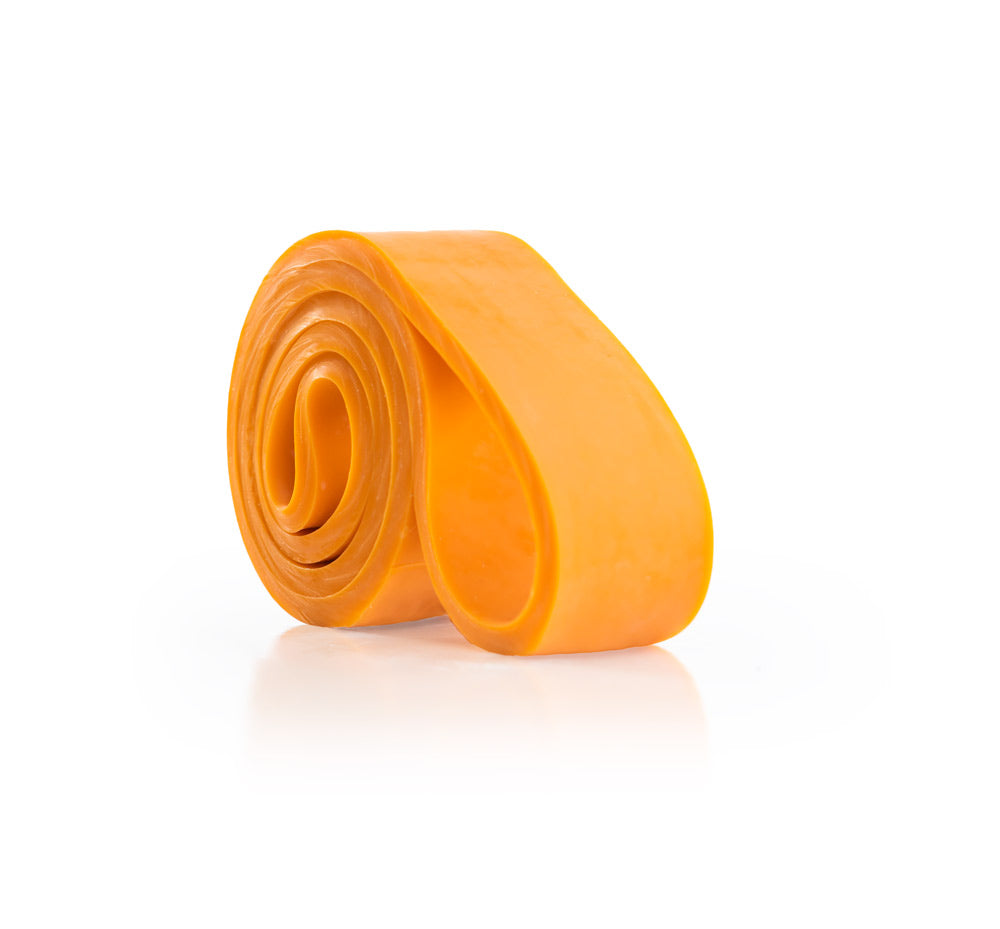
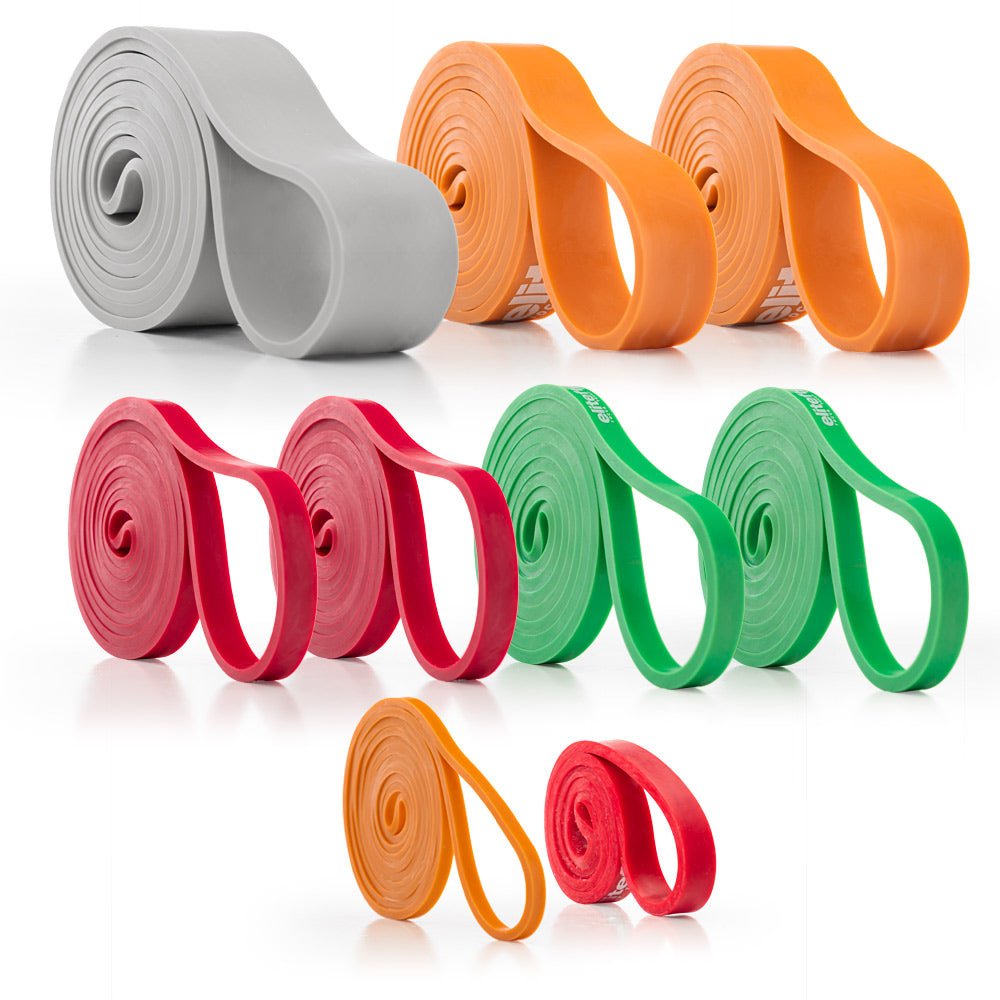
Shop Blast StrapsThe Powerloop
A simple tool for shoulder positioning, scapular awareness, and better warm-ups before pressing.
Shop PowerloopSling Shot® Original
Useful for bench overload, supported pressing, push-ups, and dips when used appropriately.
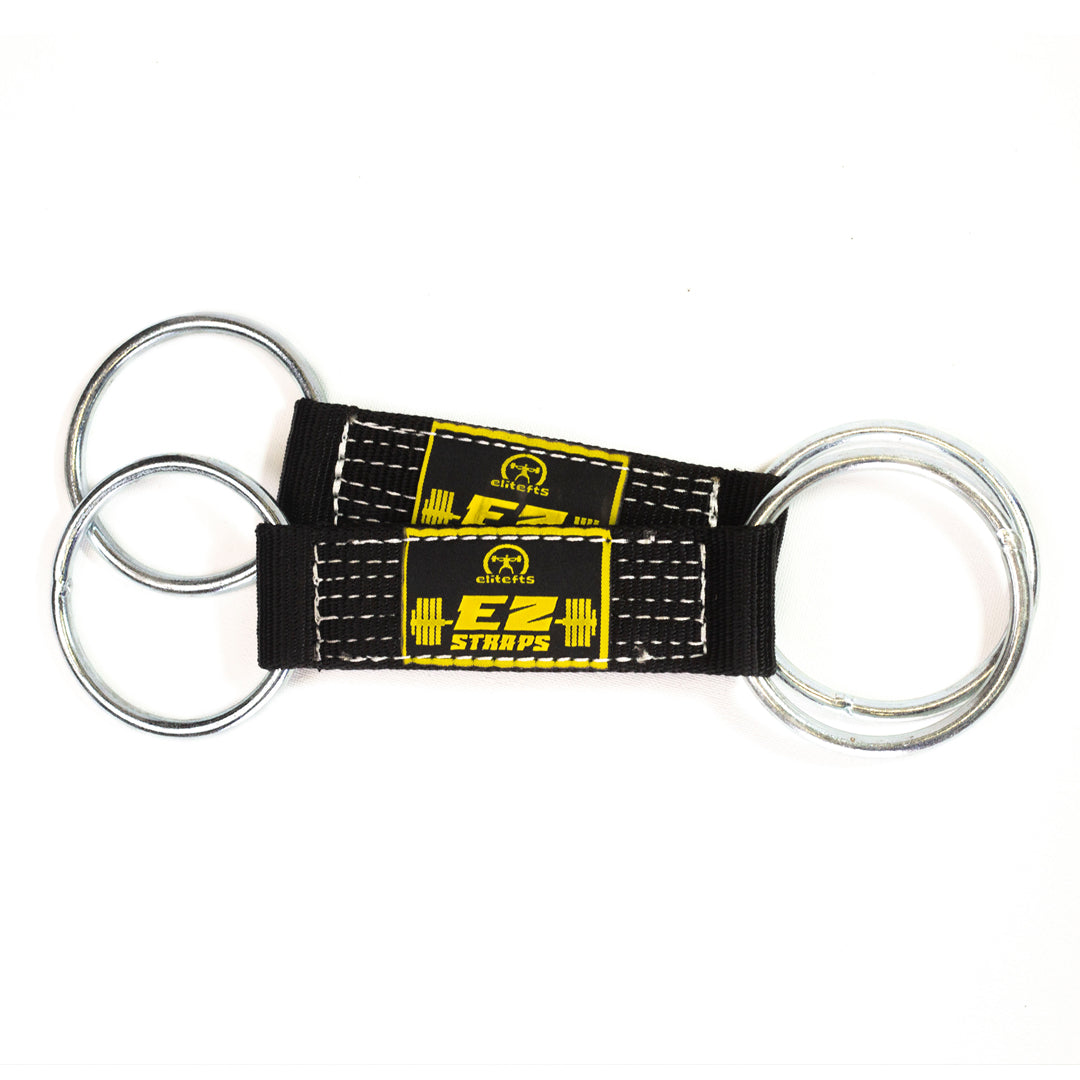
Shop Sling ShotCable Attachments
Build your handle lineup so you can match the attachment to your structure, not the other way around.
Shop AttachmentsThe Bigger Lesson: Customize the Movement to the Muscle
Advanced hypertrophy training is not about copying how an exercise looks. It is about understanding what the exercise is supposed to do.
A chest press is ineffective because the bench is set at a specific angle. It is effective when the elbows and line of force place tension across the pecs.
A dip is not a chest movement just because your body moves between parallel bars. It becomes a chest movement when the torso, elbows, and range of motion keep the pecs under tension, with the load.
A pulldown is not a lat movement just because the handle moves down. It becomes a lat movement when you lock in, drive the elbows, and make the lats finish the rep.
Do This Next Workout
Pick one chest movement and one back movement. Reduce the load slightly. Slow the reps down. Adjust only your elbow path and wrist position until the target muscle lights up. Then build from there.
Maximum chest and back development requires more than effort. It requires precision.
The elbows determine whether a press actually trains the chest. Foot position, torso control, and range of motion determine whether dips load the pecs or drift into the shoulders and triceps. Grip orientation and wrist freedom determine whether pulldowns and rows hit the lats or become arm-dominant movements.
For lifters with a history of injury, biomechanics becomes even more important. The right setup can reduce fear, protect irritated connective tissue, and allow the target muscle to work hard without forcing the body into positions it does not own.
The goal is not to force your body into the exercise. The goal is to make the exercise fit your body.
When the joints are positioned correctly, the wrists can move naturally, and the elbows track with purpose, the target muscle has nowhere to hide.