

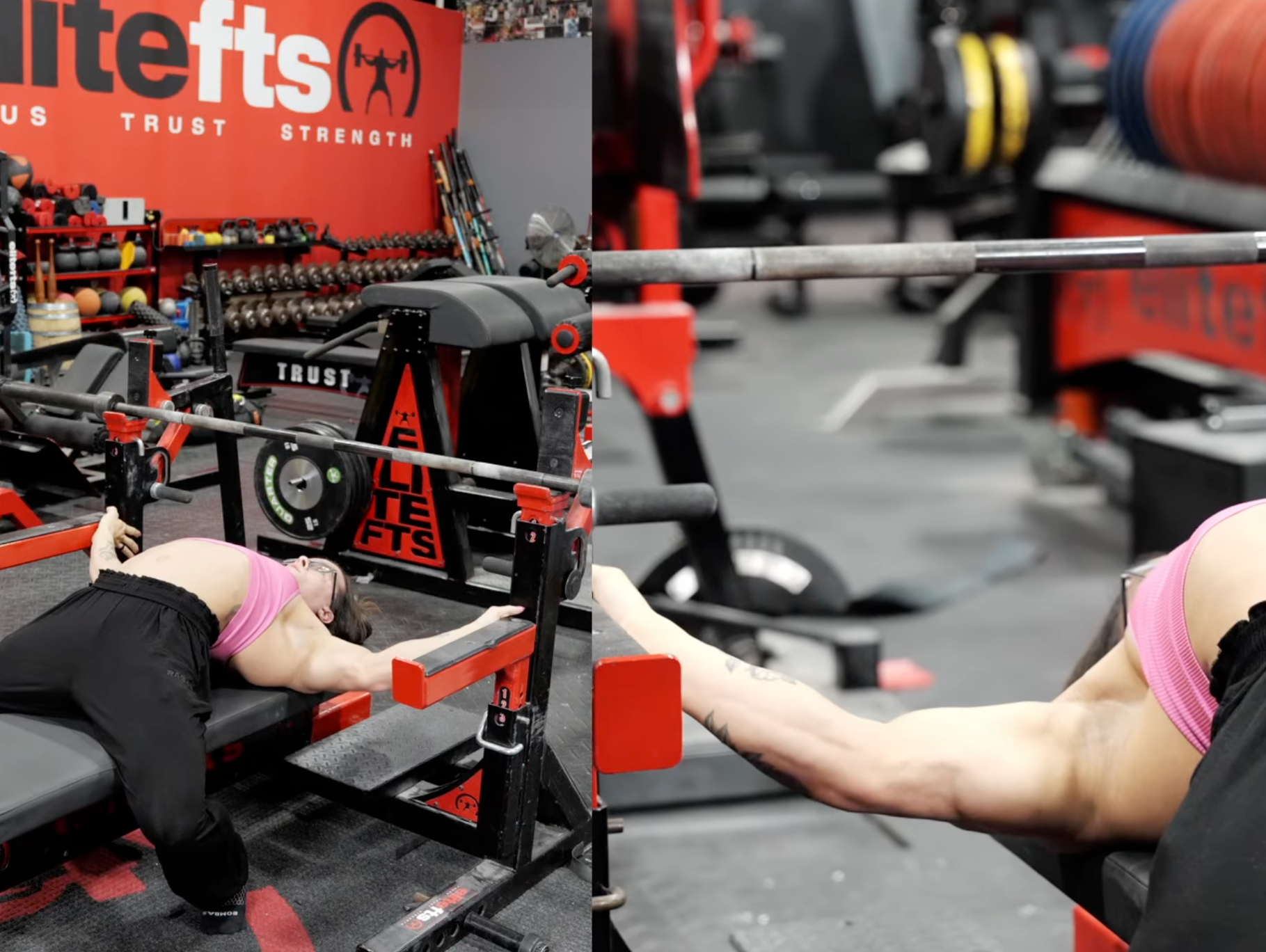
Stop Squeezing Your Shoulder Blades: Why Your Bench Press Setup Is Holding You Back
"Arching is not just a trick to reduce range of motion, but a method to anchor the shoulder and use the legs to fortify upper back stability. Instead of jamming the scapula into maximal retraction, lifters should aim to lengthen the neck and spread the collarbones wide to create a larger, more stable footprint on the bench pad."

5 Surprising Lessons from World-Class Strength Athletes on the Art of the Pivot
"I really started to lean into like let's be as healthy as we can while we wreck our bodies... and then as I've gotten older and my priorities have shifted, my avatar has shifted with me."

Stop Debating the Percentage. Here's How to Actually Find Your Speed Bench Weight.
The right weight for speed bench isn't found in a book — it's found under the bar, using a simple method that tells you exactly what to use based on your own strength and skill level.
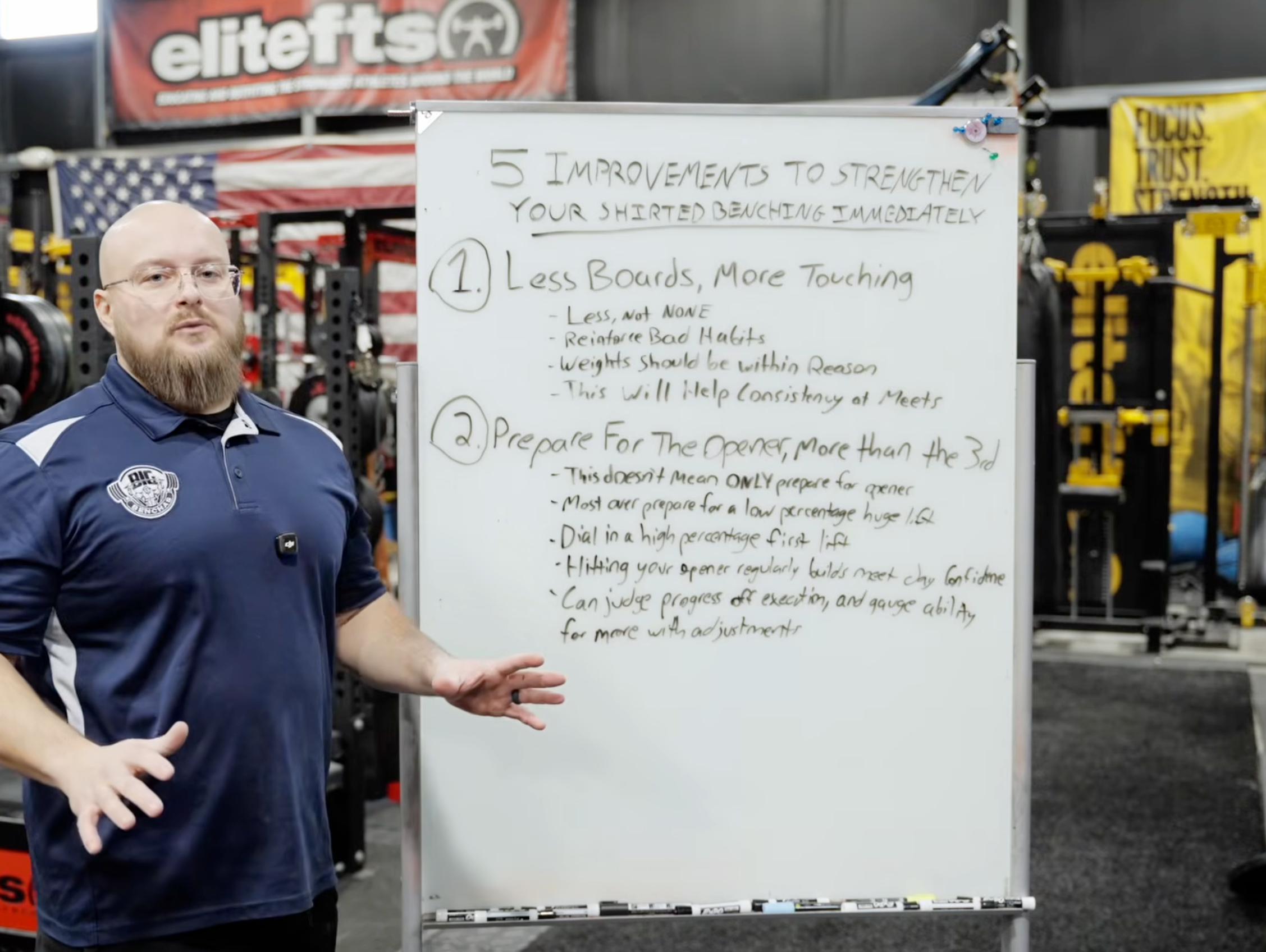
Stop Benching Like a Helicopter: 5 Counter-Intuitive Secrets to a Massive Shirted Bench
"When you're in the poly bench shirt, there is a large horizontal travel with that bar, so you want to land like an airplane, not a helicopter, to reinforce proper elbow tucking mechanics".
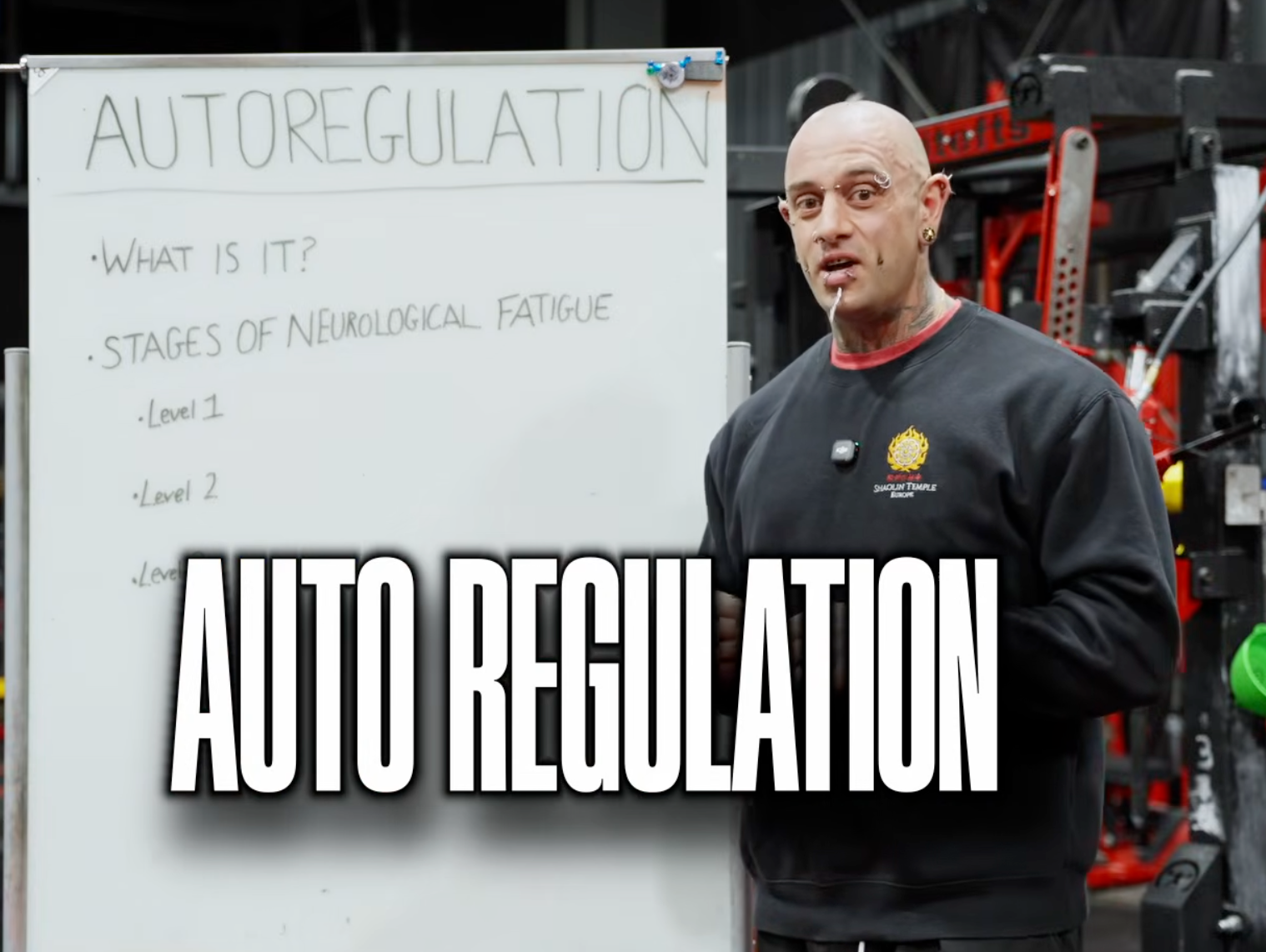
Why You’re Actually Getting Weaker: The Neurological Secret to Breaking Plateaus
Autoregulation is fundamentally about managing your neurological fatigue by strategically adjusting training volume, intensity, and load to prevent overtaxing your central nervous system.

You're Tweaking the Wrong Knobs: Why Volume and Intensity Still Run the Show
Most lifters spend their time obsessing over sleep, supplements, and nutrition while the two variables that actually drive progress sit untouched. Here's why volume and intensity are still the volume controls on your training board.
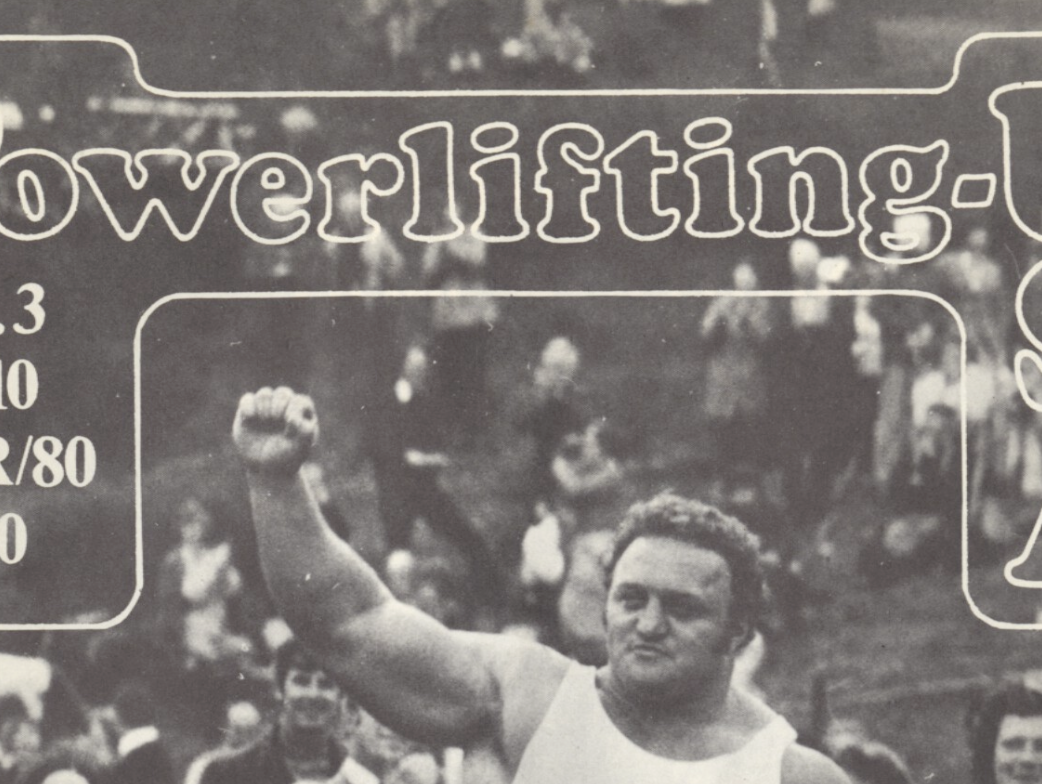
April 1980: The Rise of Kaz and the Strength Revolution
The April 1980 issue of Powerlifting USA captures a pivotal moment in the history of strength. Bill Kazmaier is on the rise, organizational politics are heating up, and the training advice is as gritty as it gets. From roundback rack pulls to the secrets of the Spanjian Supersuit, we’re looking back at the legends who built the sport.
4 Unexpected Lessons on Strength and Life from a PhD 'Meathead'
"Bodybuilders don't need sports science to be big, but it can take sport to the next level and help us iron out details".
Meta Description Dr. Eric Helms joins Dave Tate to discuss bridging the gap between "meathead" passion and academic rigor, detailing the origins of 3D Muscle Journey, the science of autoregulation and RPE, and optimal approaches to protein intake and hypertrophy for natural athletes.
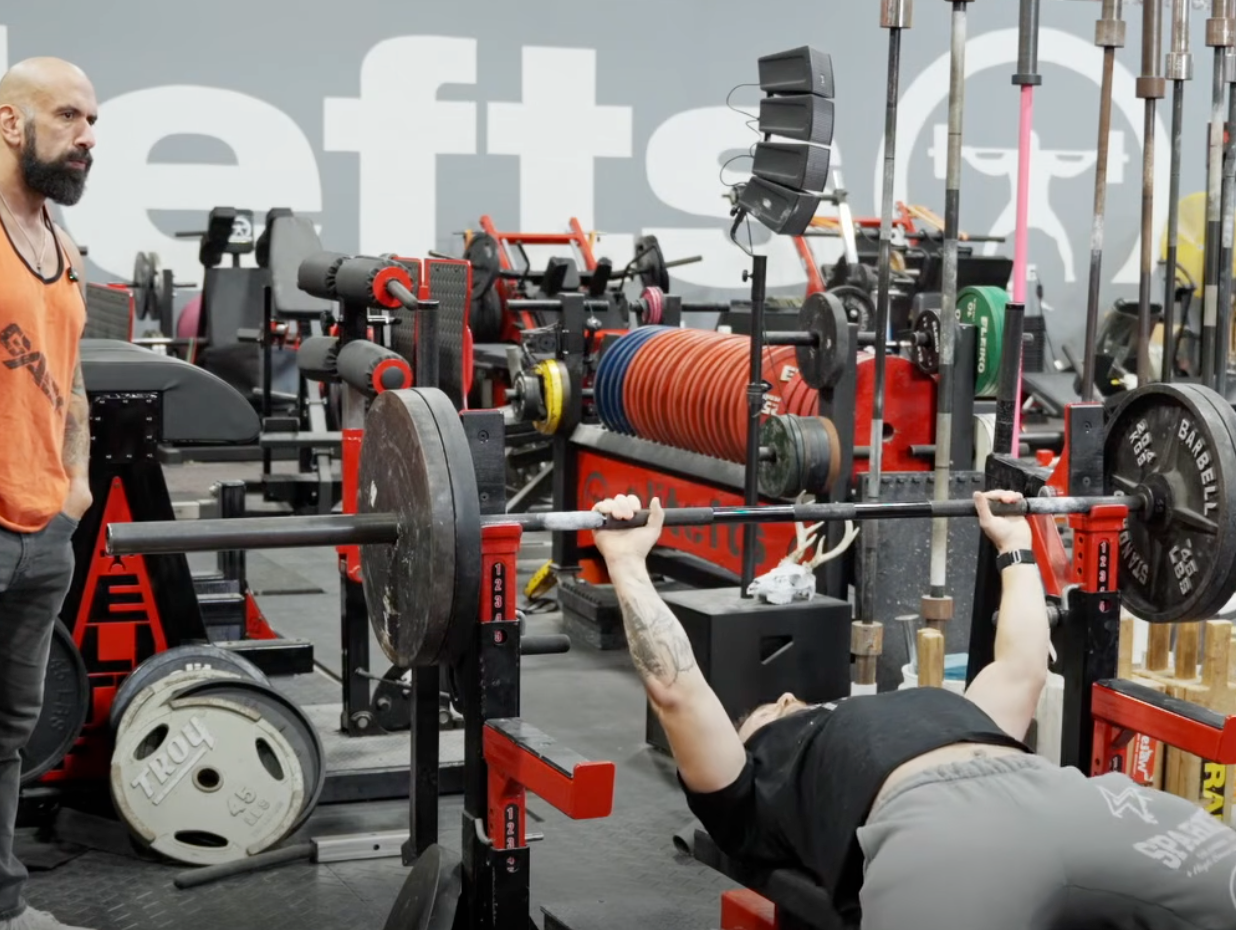
Why "Blindness is Anabolic": 5 Counter-Intuitive Secrets to a Massive, Injury-Free Bench Press
"When moving heavy weight on the bench press, holding your breath through the entire repetition maximizes full-body stability, leading to the lifting mantra that 'blindness is anabolic' because staying tight and safe is more important than having perfect vision."
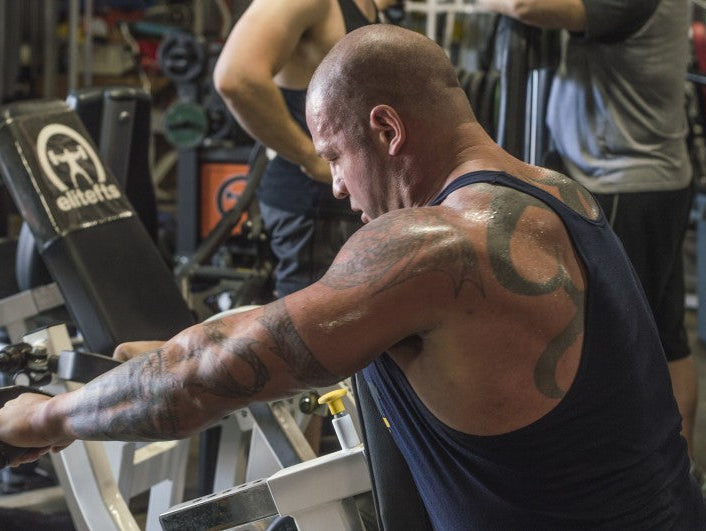
The Beginner Strongman Program by Matt Mills
Matt Mills (AOS, PN1, CSCS) is a strength coach and owner of Lightning Fitness, helping athletes and lifters build strength, resilience, and performance that carries over outside the gym. A long-time elitefts columnist, he shares practical coaching lessons from the trenches. Learn more at Lightning-Fitness.com.
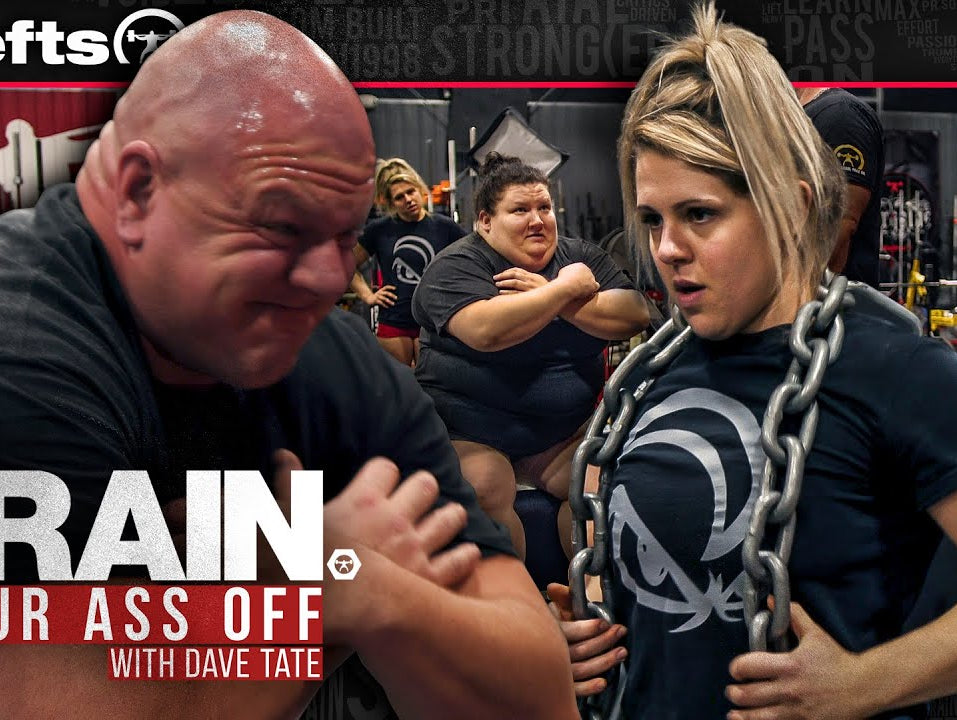
Train Your Ass Off 2026
Applications for the 2026 Train Your Ass Off events close March 15th. Here's what past attendees said about it, in their own words.

50 Years in the Weight Room by Ashley Jones
A 50-year training recap from Ashley Jones—what works, what doesn’t, and why “program promiscuity” stalls progress—followed by a structured off-season plan using 3-week cycles and progressive intensification.
10 Strategic Questions for Radical Self-Mastery and Professional Evolution
In this deeply personal case study, coach and educator Tom opens up about his transformative journey from battling severe depression, self-harm, and eating disorders to finding genuine self-worth by dedicating his career to helping others succeed.
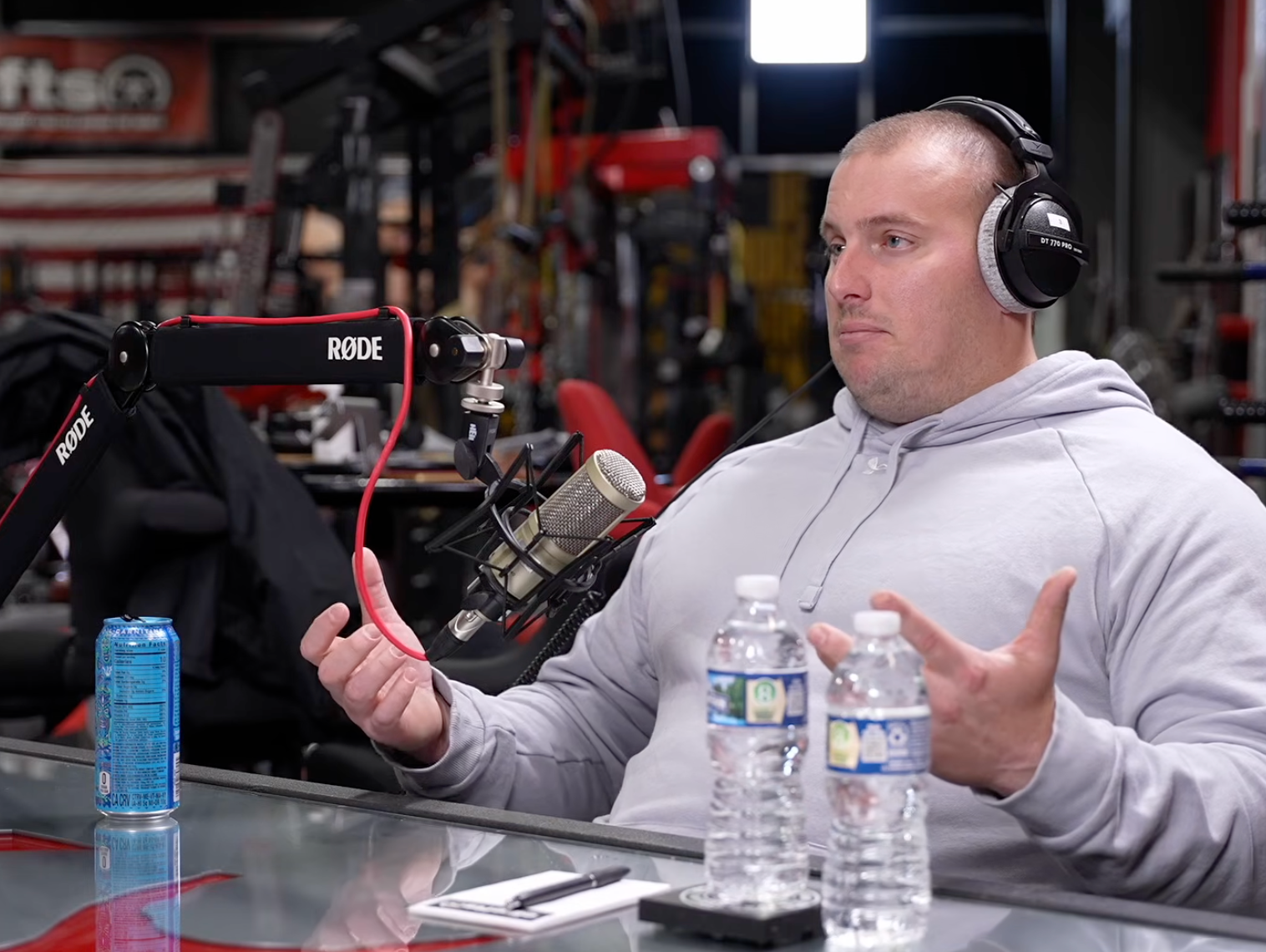
Strategic Insights into In-Season Strength Training and Athletic Development
"The most important person in the room is not the athletes, it's the coach, because if the coach is not successful, the kids have no chance of being successful".
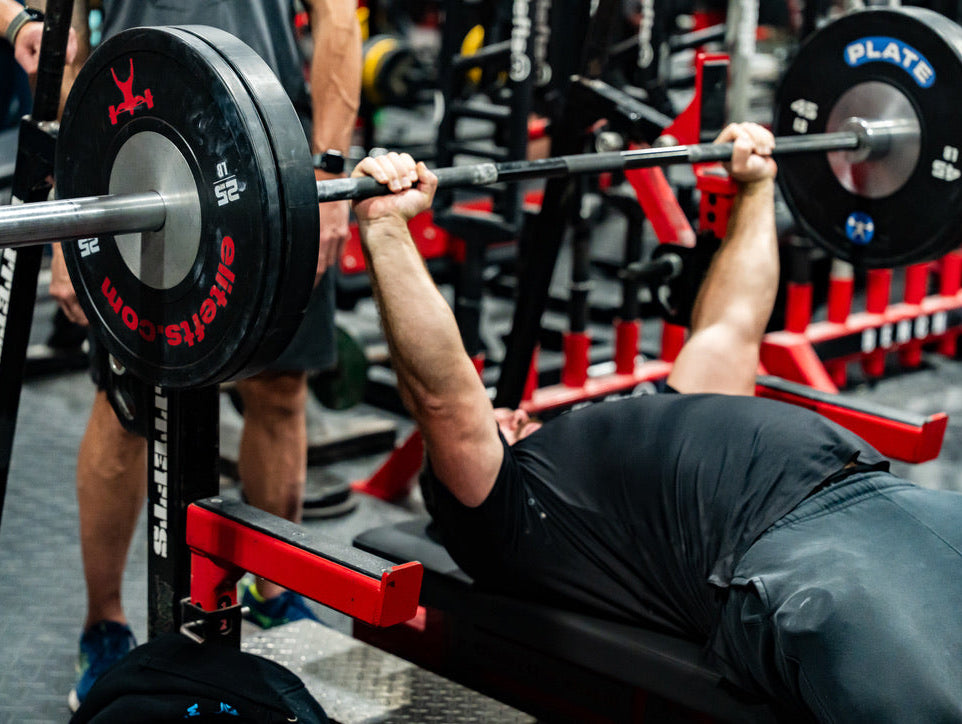
Your Blueprint to Bench Press Four Plates
To reach a 405-pound bench press, you must transition from random lifting to a structured program like the "Cast Iron" template that prioritizes specific bench volume and linear progression targets. Simultaneously, master technical efficiency by creating total body tightness and ensuring your elbows flare back toward the rack to keep the joint directly under the load.

5 Brutal Fitness Truths You're Probably Ignoring
Dave Tate argues that while the fitness industry hyper-focuses on the "black margin" of complex nuances like peptides and exact RIR, the vast majority of progress actually comes from the ignored "white space" of common sense fundamentals. He contends that mastering basic compound lifts, training with sufficient effort, and maintaining consistency are far more critical for growth than obsessing over the optimization minutiae often found in online discourse.
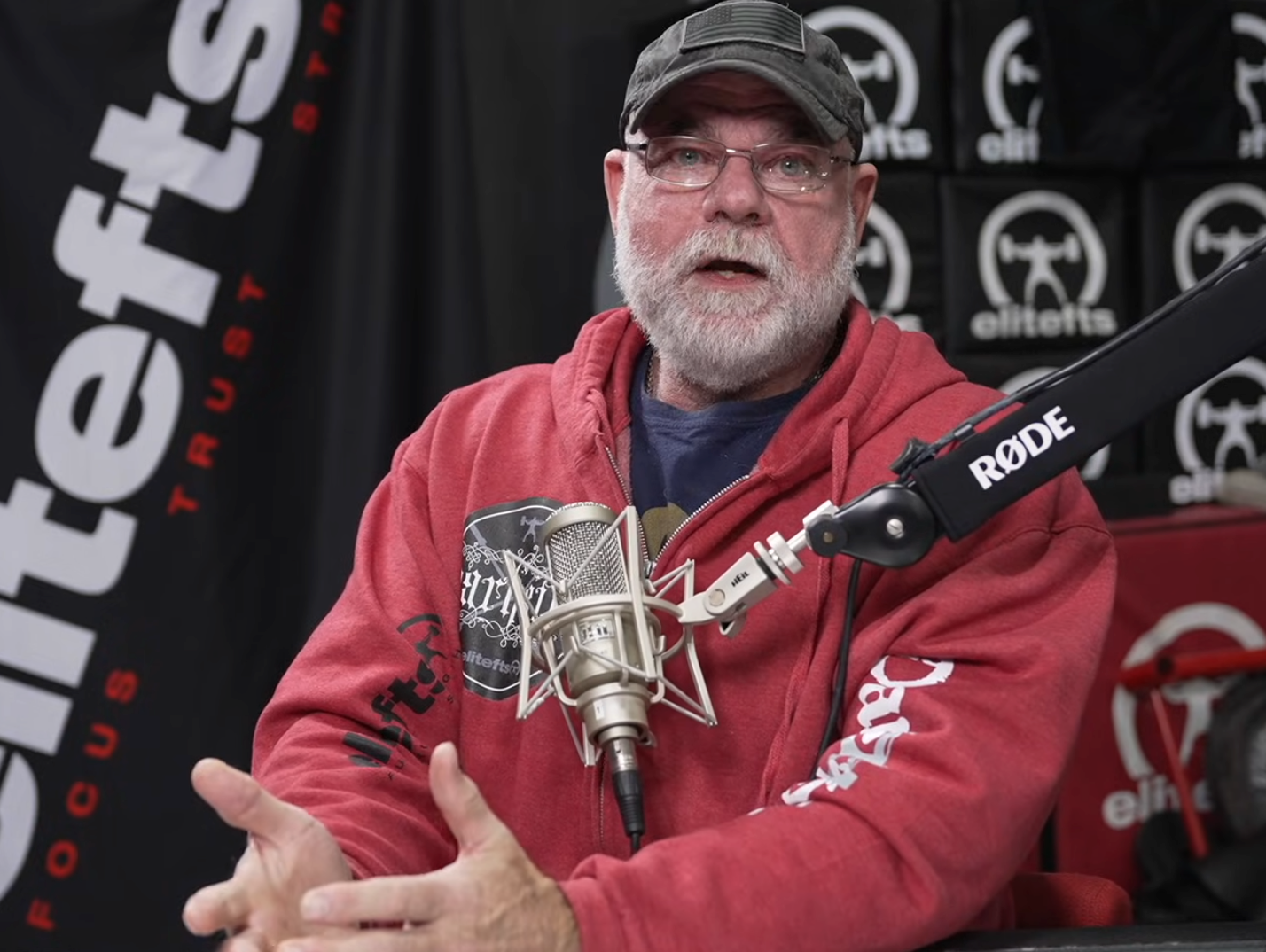
Rethink Everything You Know About Strength: 5 Brutal Lessons From the Iron Game
The deciding factor for success in lifting is confidence, requiring lifters to work on their inner dialogue and reframe negative thoughts, such as the limiting belief of a sticking point that "always" happens.The only consistent variable among top strength athletes across all disciplines is the ability to autoregulate training, a crucial skill that prescriptive programming often inhibits.

Mastering Wave Loading Techniques
Wave loading is a powerful strength training technique that involves cycling through sets with different weights and reps in the same session to challenge the body and break through plateaus. By strategically manipulating intensity and volume, this method drives genuine improvements in strength, muscle growth, and overall performance.
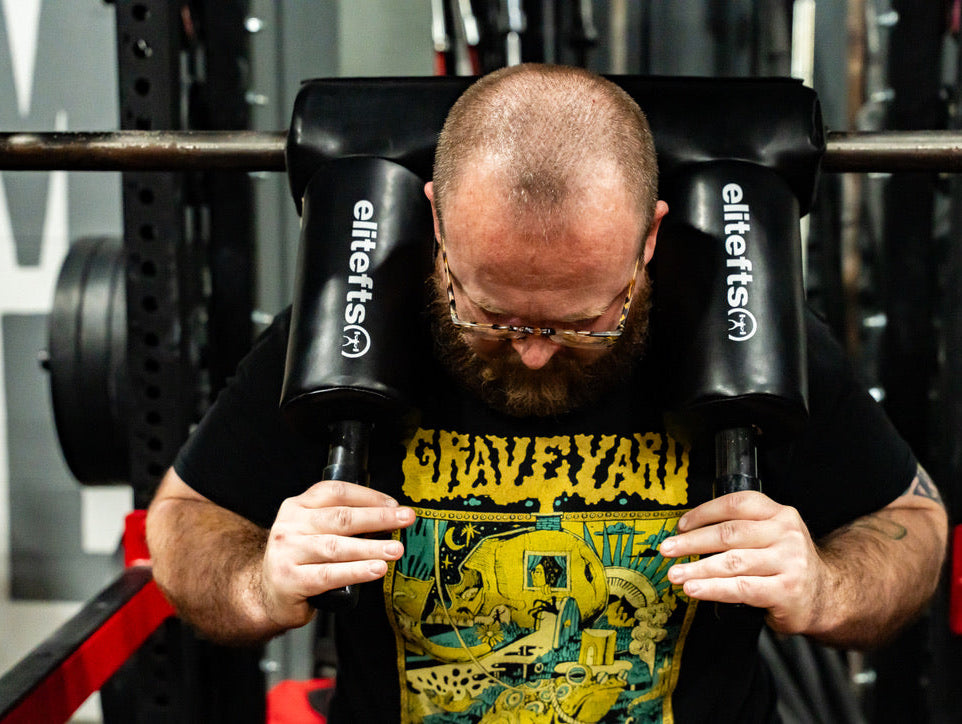
Why Athletes Shouldn't Stop Lifting In-Season
Continuing to lift weights during the season is crucial for athletes to maintain their hard-earned off-season gains and significantly reduce the risk of non-contact injuries. By debunking common myths about soreness and time constraints, this article explains why in-season training is essential for peak performance and long-term athletic success.
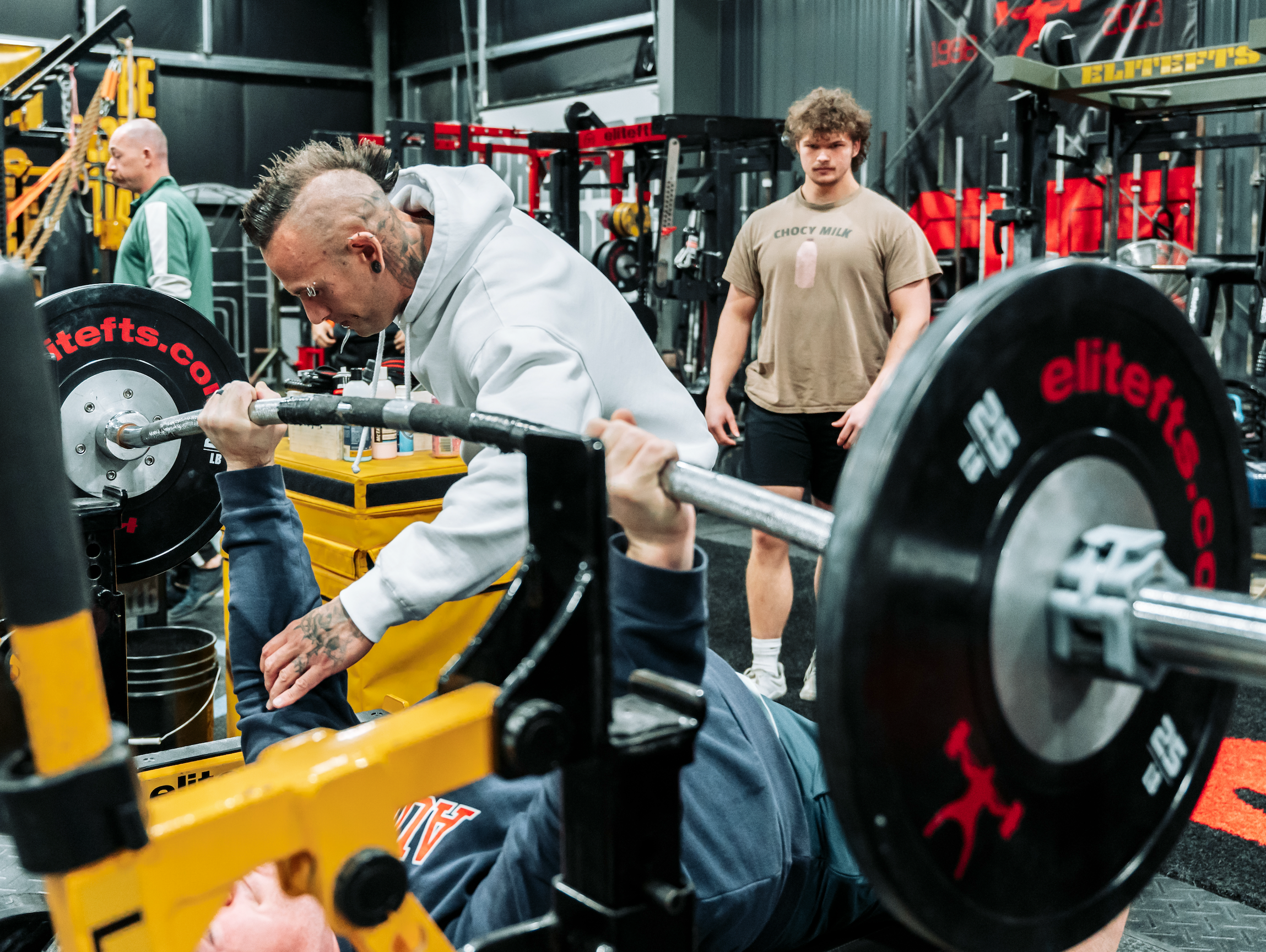
Your Guide to the Strength Mastery
The Strength Mastery Event is a two-day, hands-on coaching experience designed to help participants master the squat, deadlift, bench, and overhead press while learning foundational mechanics such as breathing, bracing, and foot rooting. Attendees work in a small-group setting to receive practical feedback and clear cues, ensuring they leave with improved positions and a training plan they can use immediately.

Stop Pushing, Start Pulling: 4 Secrets to Unlocking Your True Strength and Stability
Rooting, or grounding, stabilizes the body from the hip or pelvis down to the floor, whereas bracing stabilizes the structure from the pelvis up to the shoulder. Since they are interdependent, performing both rooting and bracing correctly is essential for creating a whole, rigid structure and achieving maximum strength and stability.
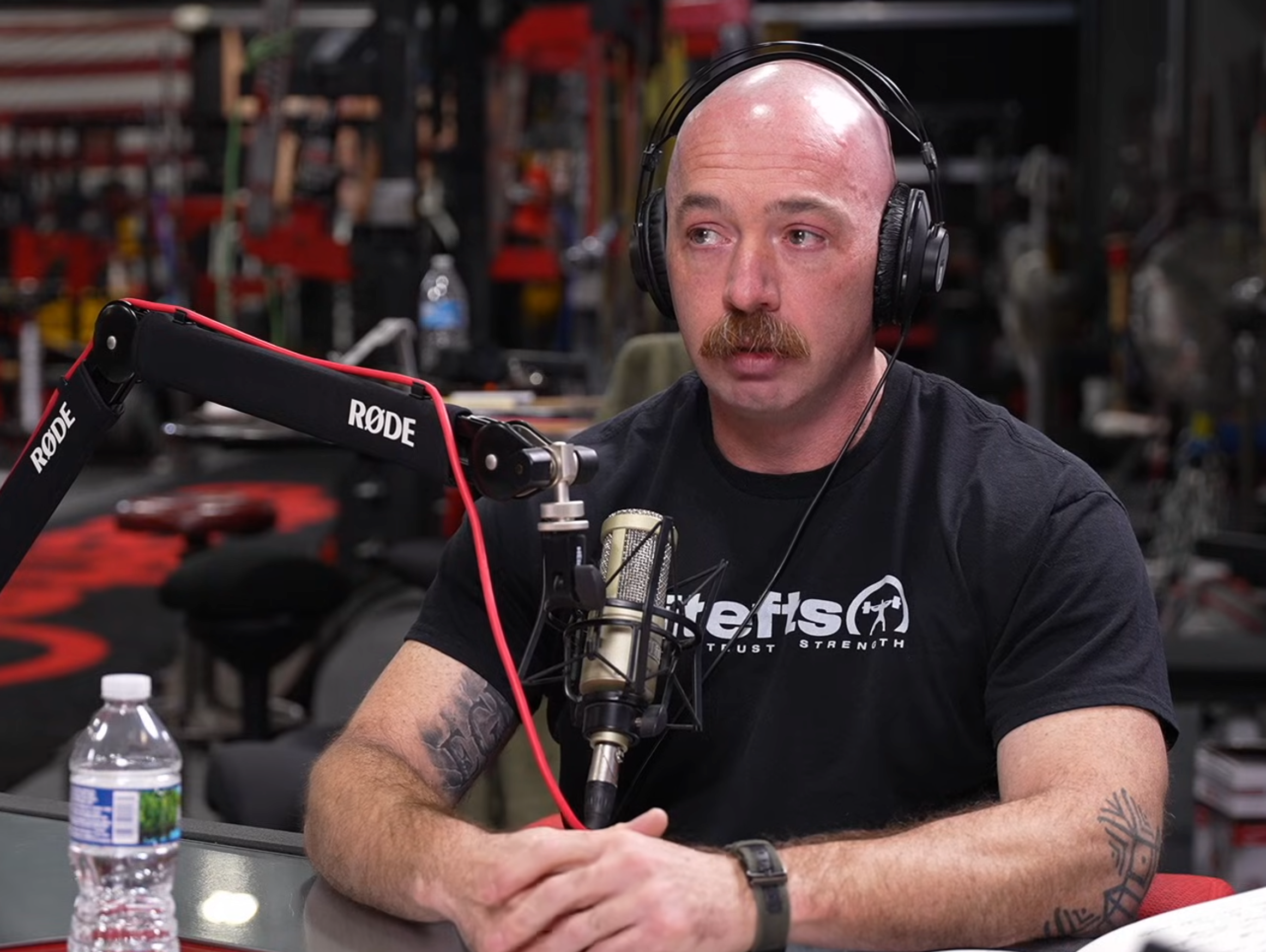
How a Firefighter-Powerlifter Conquered a World Championship and a Promotional Exam in the Same Sleep-Deprived Week
"If you work shift work, if you're a first responder, if you're a nurse, if you're a new parent, there are things that you can be doing to improve the amount of sleep you're getting, to improve the quality of that sleep, to reduce that overall cortisol. You don't just have to suffer through it. It's not the cost of doing business, like I chose to do this job, and I made the choice to suffer for as long as I did before I found somebody who could help me write the ship."
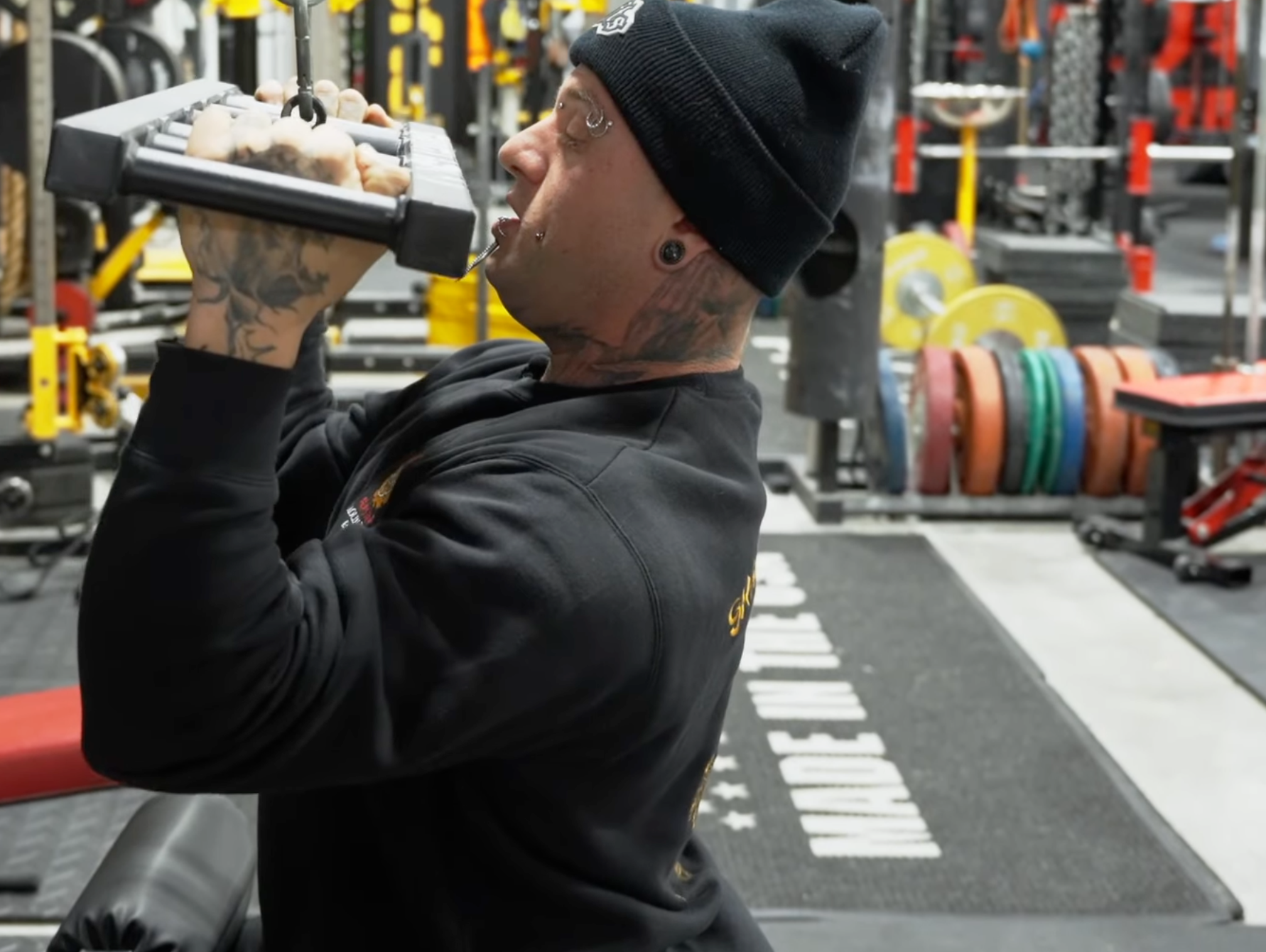
Stop Wasting Your Reps: The Biomechanics Secrets to a Bigger Back
So first off remember just because you're doing what is a lat exercise doesn't mean it's necessarily hitting your lats very well. And then also you have the ability to take a certain exercise and bias it towards whatever your goal is very very easily by just adjusting the grip width how you put pressure on your hands and ultimately change that upper arm angle relative to your body.
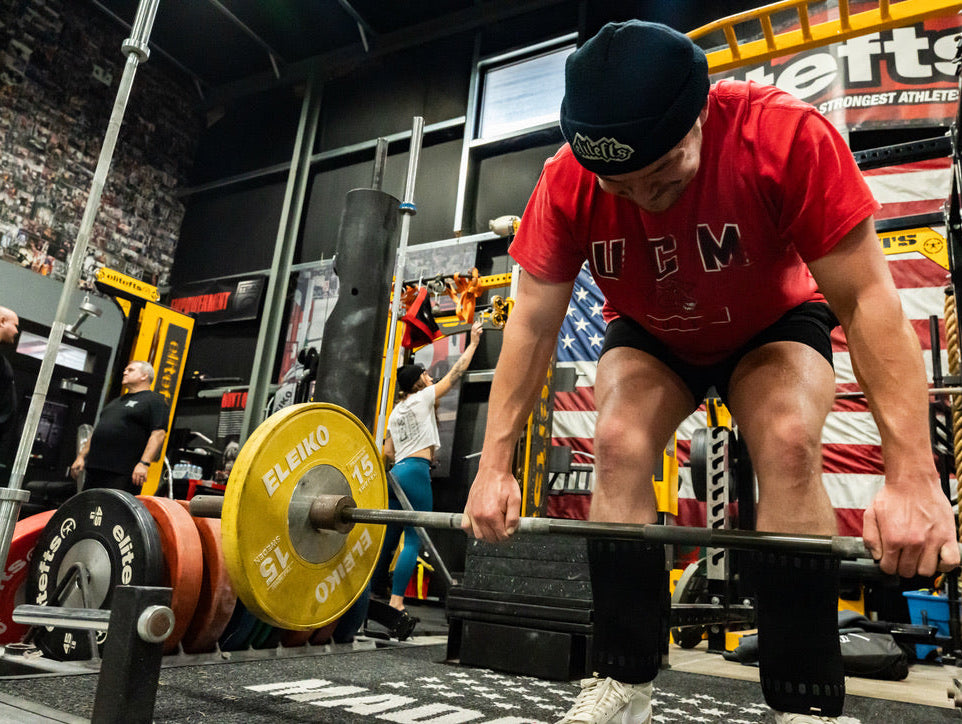
Why Your Grip Strength Is Limiting Every Power Lift
Consider this: your body can only apply as much force as your grip can withstand. If your hands can’t control the bar, your power leaks before it even transfers through your arms and torso.
