


F*ck Your Micronutrients: Get Your Training Priorities Straight

You Don't Need a Periodized Program to Build Strong Athletes

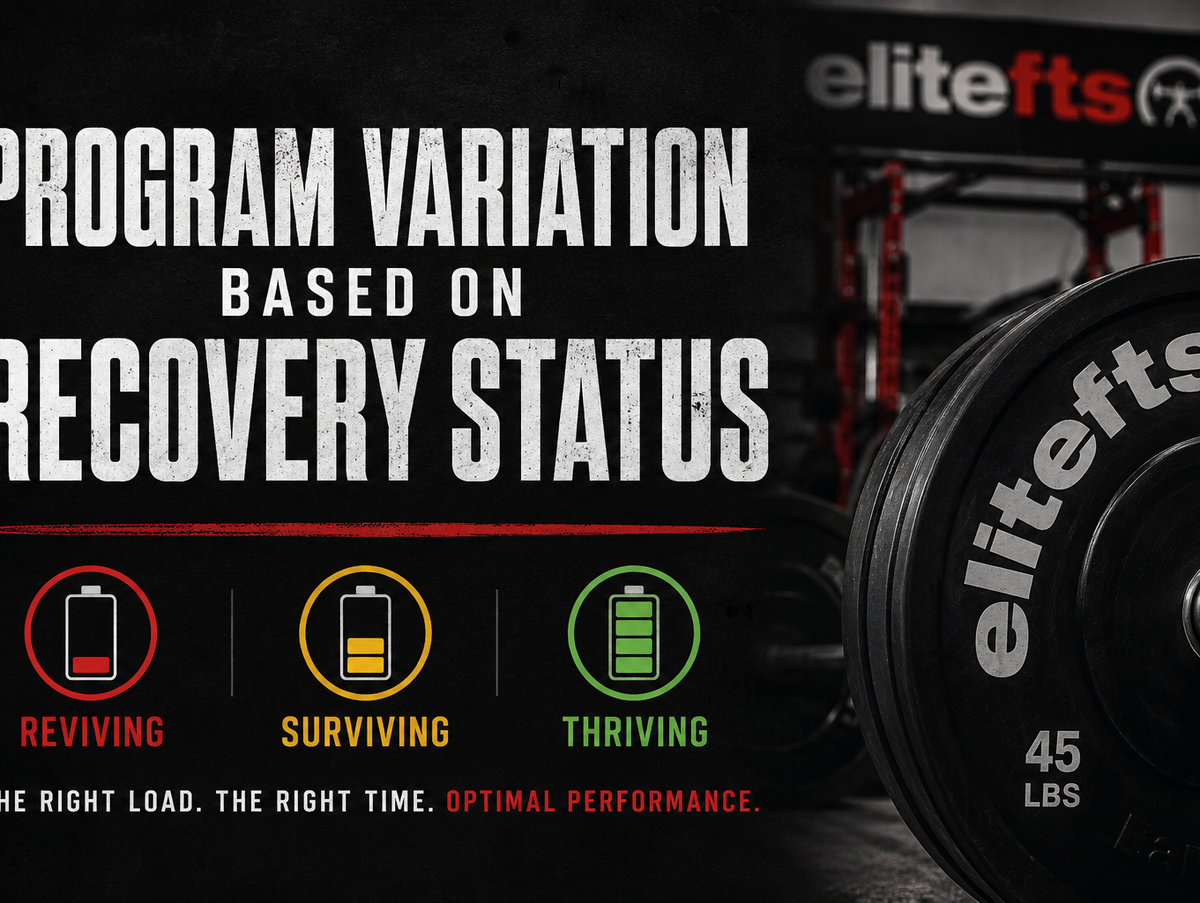
How to Adjust Workload When Progress Stalls

Why Olympic Lifting Still Belongs in Football | Evan Barr #445
Evan Barr explains why Olympic lifting still belongs in football when the lifts are coached as tools for force production, coordination, load absorption, and intent instead of treated like a separate sport.

The Rest Period Mistake Ruining Your Strength and Muscle Gains

Conditioning Games for Rugby: Building Fitness Through Competition
Conditioning games give rugby coaches a smarter way to build fitness without separating training from the demands of the game. These competitive formats develop aerobic and anaerobic capacity, acceleration, support play, defensive organization, tactical awareness, and decision-making under fatigue.
The Best Educated Guess
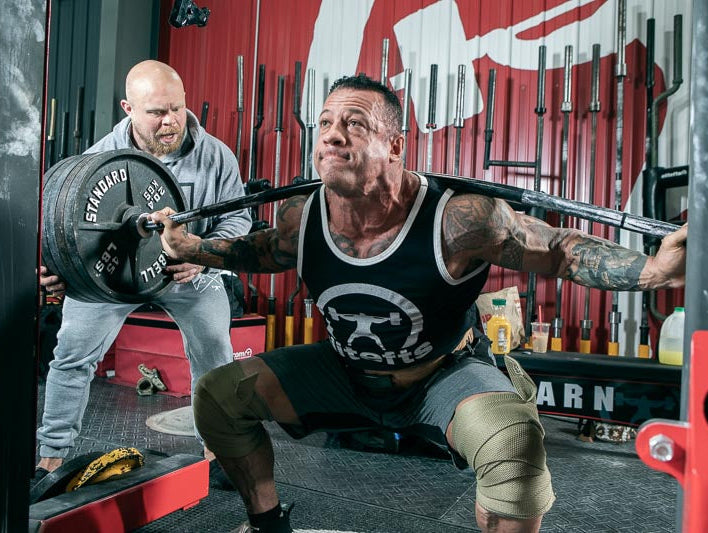
The honest truth about training that most coaches won't admit: it all comes down to the best educated guess for the specific person, on the specific day.

Master the Fundamentals
Technology, training tools, and programming methods will continue to evolve, but the fundamentals of athletic development remain the same. Drawing on more than three decades of coaching professional rugby, Ashley Jones explains why mastering basic movement patterns, building strength and power, managing recovery, and holding athletes to high standards will always matter more than chasing the latest trend.
Avoiding Accommodation: Stay on the Gain Train
Progress stalls when the stimulus gets stale. Ashley Jones explains how to avoid accommodation through planned variation, three-week training blocks, exercise rotation, and smarter loading strategies that help athletes stay on the gain train.
The Holy Grail
Individualizing training inside a team environment is one of the hardest jobs in strength and conditioning. Ashley Jones explains how his four-stage Quadrant Management System shifts decision-making from coach to player without sacrificing structure, readiness, or care.
I Thought I Had Nothing Left to Say by Chad Faria
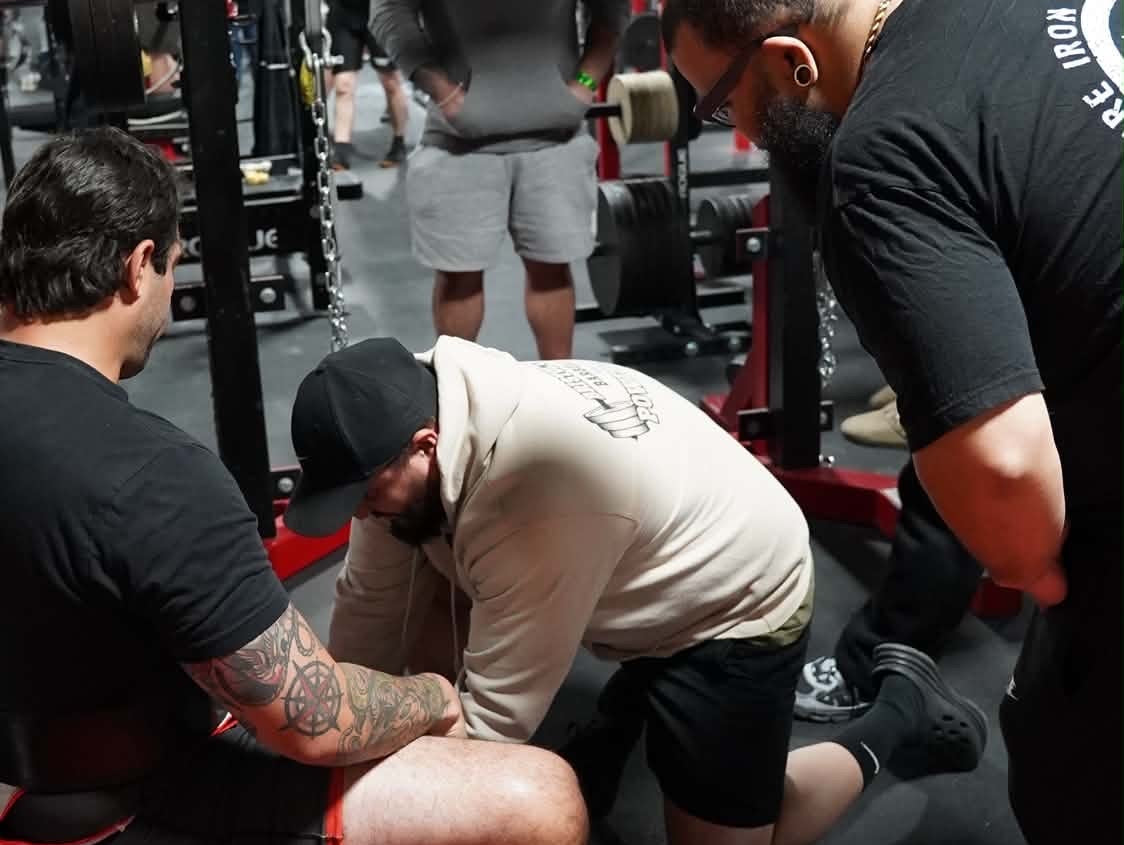
After years away from writing, Chad Faria realized he never ran out of things to say—he just stopped believing they were worth saying. From family challenges and coaching growth to an 1,800-pound total and lessons learned under pressure, he reflects on consistency, self-doubt, mentorship, and why sharing experience is simply another form of coaching.
Bad Sleep Can Cut Your Fat Loss By 50%
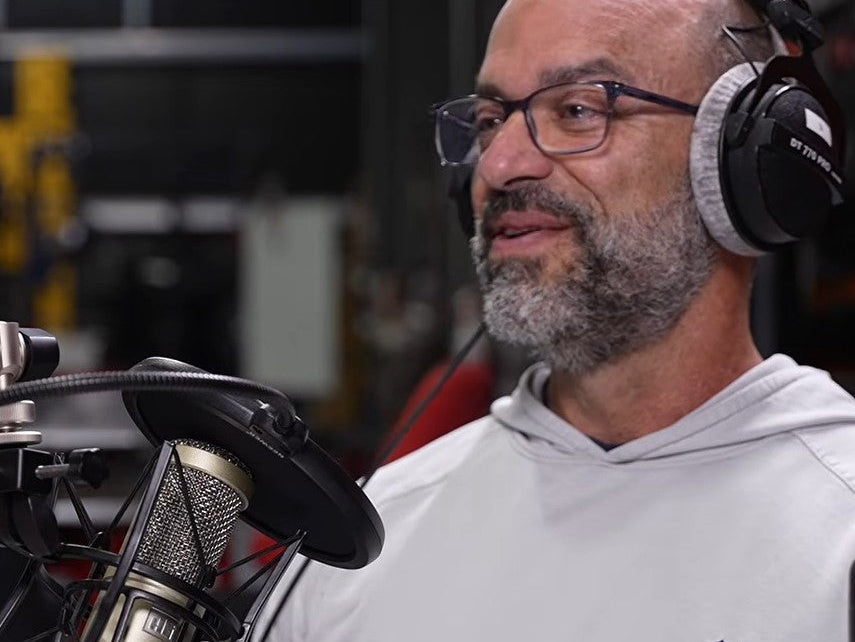
The Shiny Object Trap and the Ultimate Free Drug
The fitness industry is obsessed with the next peptide, supplement, hormone, and recovery shortcut. But none of it matters if the foundation is weak. This article breaks down the training, nutrition, sleep, hydration, recovery, and cellular principles that drive real physical progress—and explains why exercise remains the most powerful performance tool available.
Armor Plating the Upper Body
Upper-body size only matters when it carries over to contact. Ashley Jones breaks down how rugby athletes can build functional “armor plating” through heavy pressing, rowing, chin-up strength, shoulder stability, 3D movement patterns, smart weekly programming, and brutal 6-12-25 hypertrophy finishers.
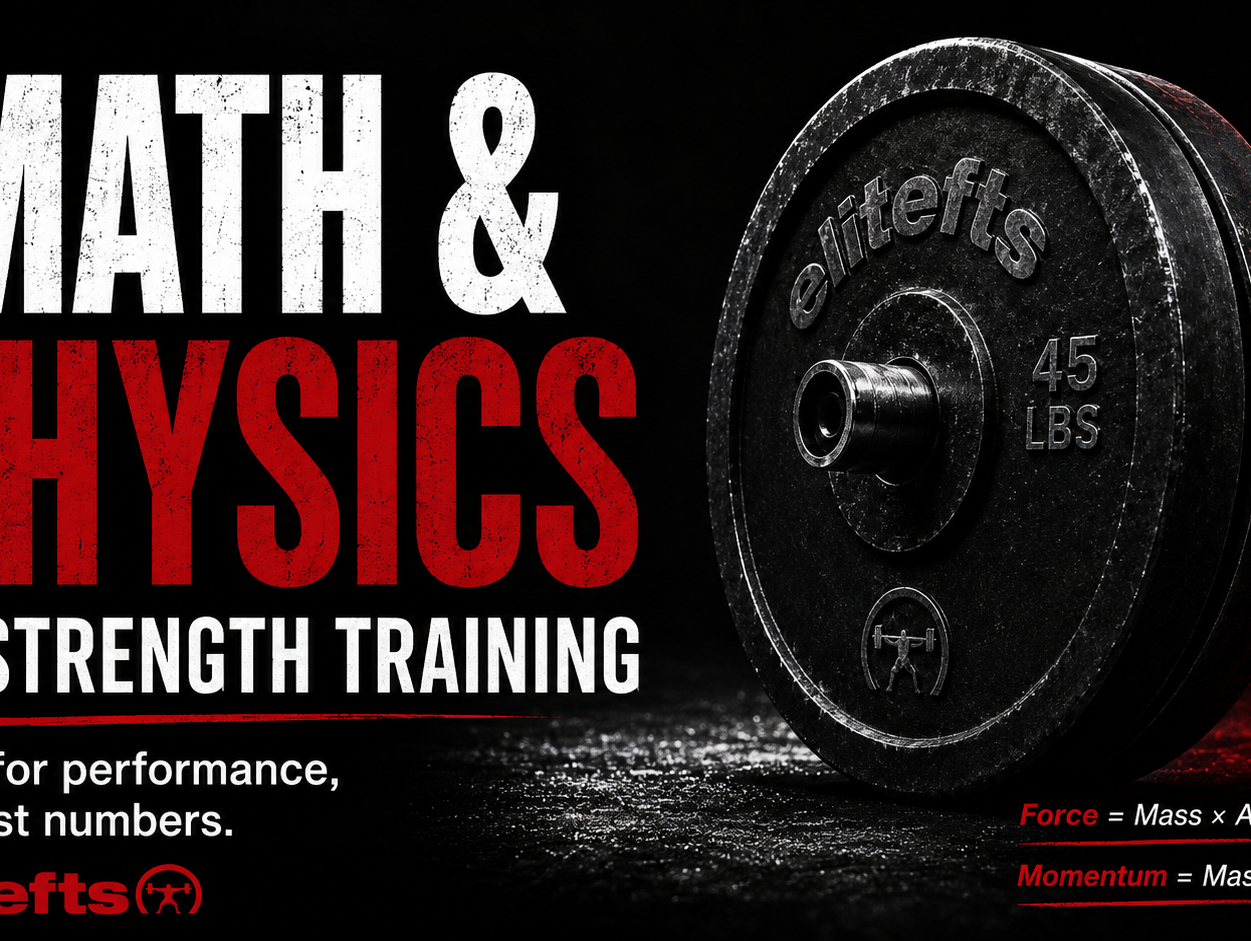
Math & Physics by Ashley Jones
Programming Simplicity
Programming complexity should be earned, not forced. Ashley Jones explains how training age should guide exercise methods, weekly frequency, block length, and progression—from beginner straight sets to advanced conjugate programming.
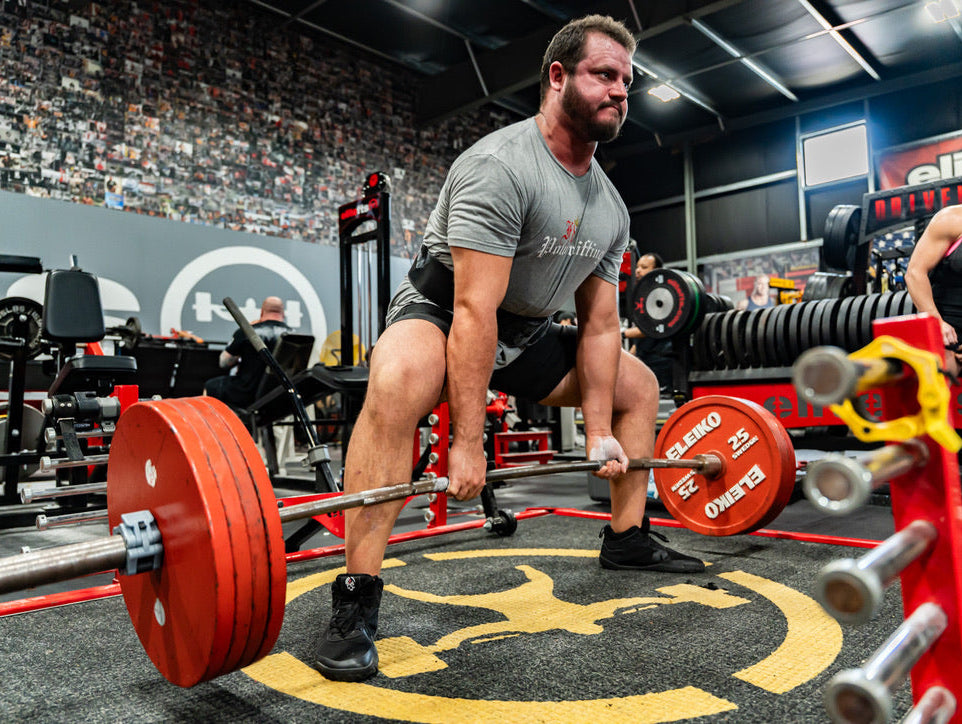
Your Leverages Are Not a Liability
The lifter who spends their career trying to look like someone else's highlight reel will never find out what they were actually built to do.
Living Above the Line
Elite performance is not built on one perfect program, exercise, or recovery method. It is built through daily choices. Ashley Jones explains what it means to live above the line, take ownership, master the basics, and build the character required for long-term success.
The Professional Blueprint for Calculating Performance Macros
Learn how to calculate performance macros from the ground up. This blueprint breaks down calories, protein, carbs, fats, muscle gain, fat loss, and real-world adjustments so lifters can build a nutrition plan that actually supports training.
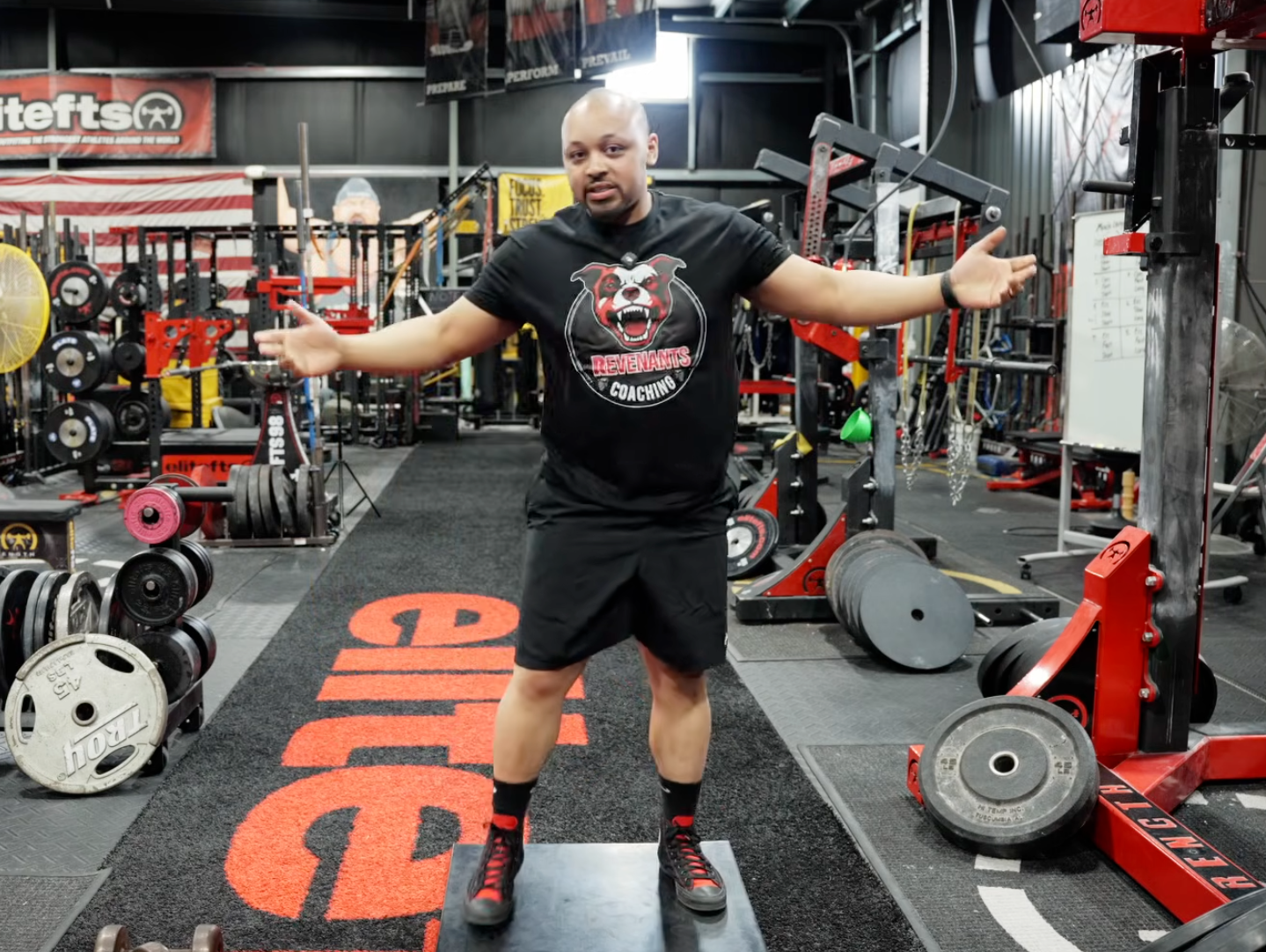
Why Your Athletes Are Leaving Explosive Power on the Table
Sports performance coach Khalil Sharad breaks down the three-tool progression he uses to build stronger, more explosive athletes, starting with the belt squat and ending with resisted jumping.
What Actually Works for Speed and Strength
A stripped-down, no-BS guide to conjugate training structure: how to organize max effort, dynamic effort, secondary work, accessories, bands, chains, and auto-regulation without overcomplicating the system.
The Neural Calibration Protocol: Master the Psychobiological Margin of Max Strength
By predicting a lift's perceived exertion and comparing it to the actual physical outcome, athletes develop crucial "neural encoding" that trains the central nervous system to consistently achieve true high performance.