



Master the Fundamentals
Technology, training tools, and programming methods will continue to evolve, but the fundamentals of athletic development remain the same. Drawing on more than three decades of coaching professional rugby, Ashley Jones explains why mastering basic movement patterns, building strength and power, managing recovery, and holding athletes to high standards will always matter more than chasing the latest trend.
Avoiding Accommodation: Stay on the Gain Train
Progress stalls when the stimulus gets stale. Ashley Jones explains how to avoid accommodation through planned variation, three-week training blocks, exercise rotation, and smarter loading strategies that help athletes stay on the gain train.
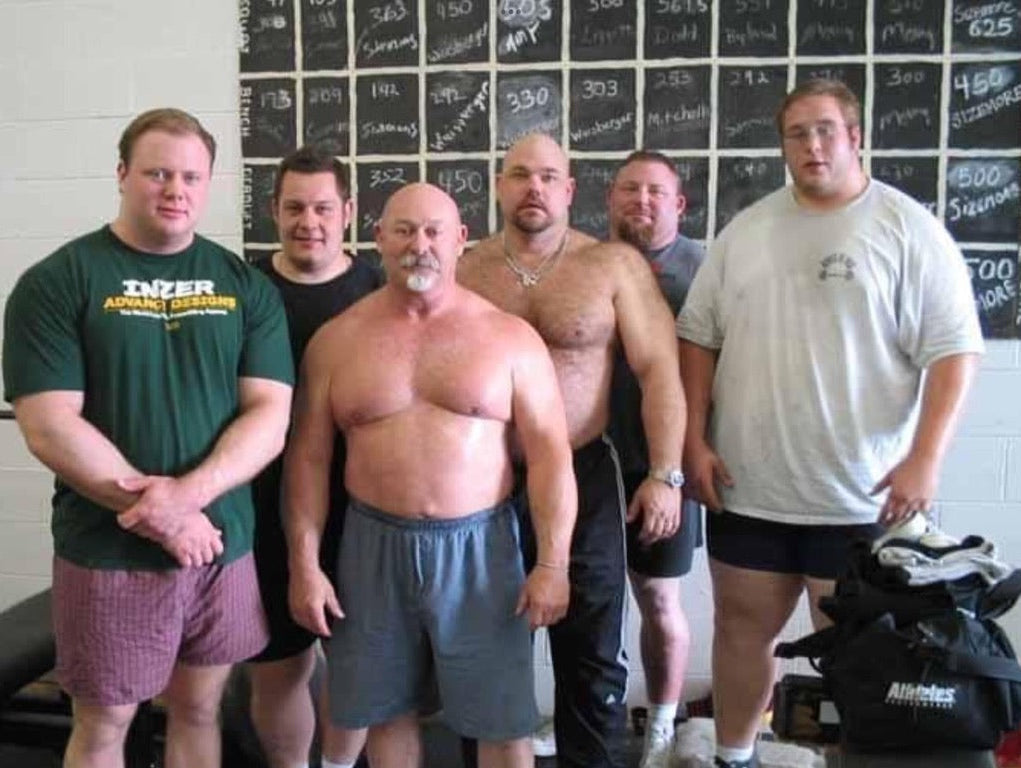
Brothers or Fools: What Westside Taught Me About Cooperation
What made Westside Barbell the strongest gym in the world was not the methodology. It was the people in the room and what they demanded from each other.
Are You Training Better Rugby Players or Better Test Takers?
Modern rugby programs are filled with GPS data, velocity trackers, testing batteries, and performance dashboards. Ashley Jones challenges coaches to look beyond the numbers and ask the question that matters most: Is the program actually helping players perform better when the game is on the line?
The Standards Before the Sets
The perfect program means nothing without the standards to execute it. Drawing on more than three decades in professional sport, Ashley Jones explains why discipline, intent, professionalism, recovery, and personal responsibility matter more than any set-and-rep scheme.
The Holy Grail
Individualizing training inside a team environment is one of the hardest jobs in strength and conditioning. Ashley Jones explains how his four-stage Quadrant Management System shifts decision-making from coach to player without sacrificing structure, readiness, or care.
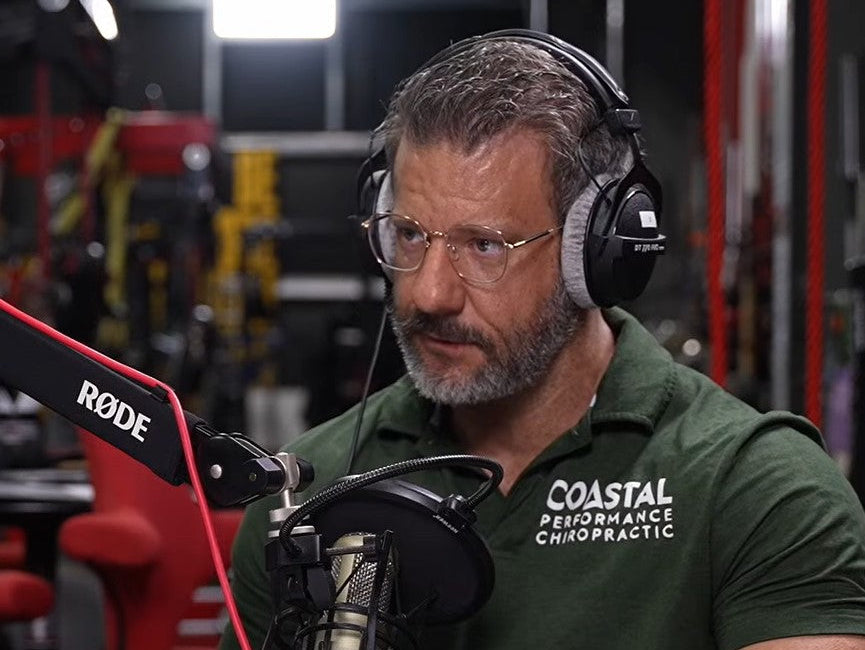
The Medical Lie Keeping Strength Athletes Injured l Table Talk Episode 440
Dr. Christopher "Marv" Marvin joins Dave Tate for a hard look at patient-first rehab, hypertrophy, pec-tear warning signs, bracing, blood-flow restriction, imaging, and what it really takes to keep training.
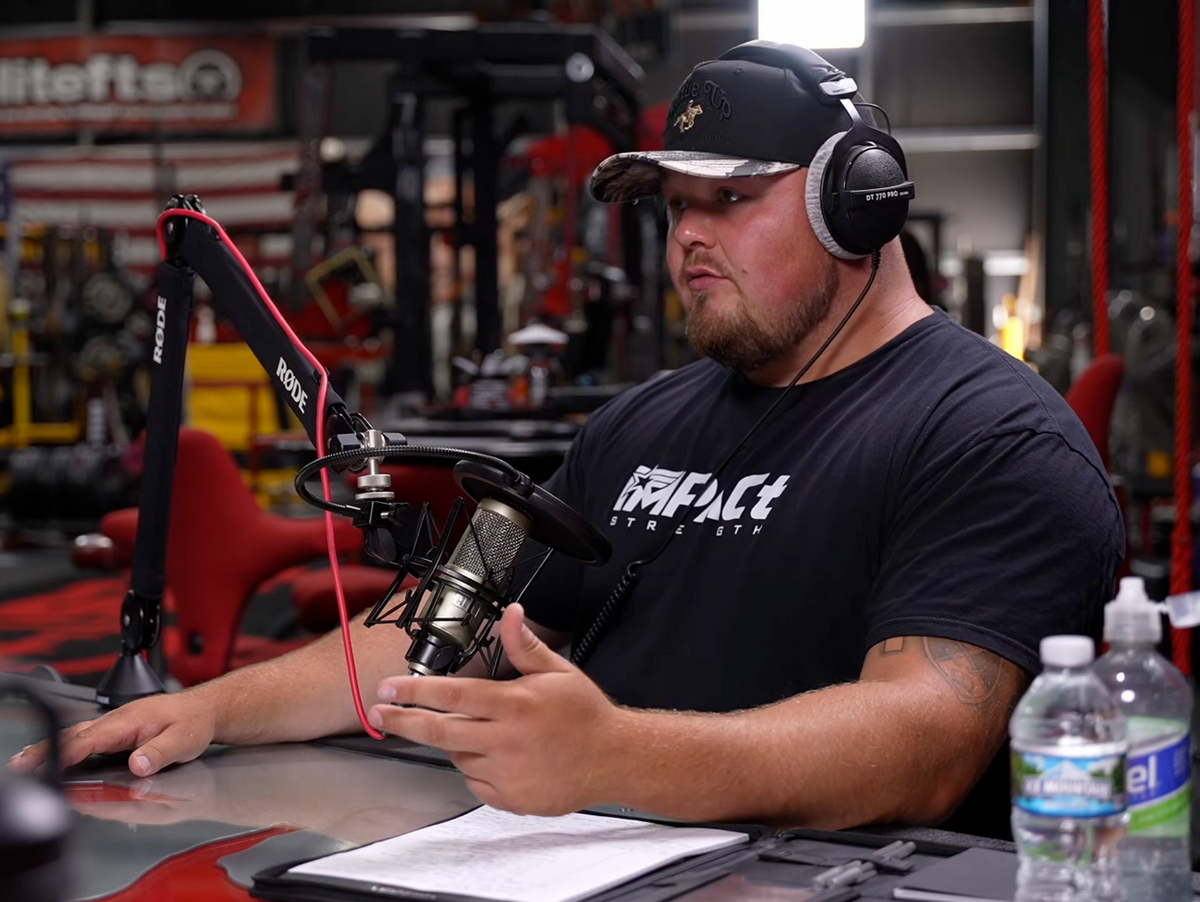
How 47 Football Players Hit 20+ MPH in One Off-Season
Fordham strength coach Mark Uptegraff took his team from nine athletes over 20 mph to 46 in a single offseason, and cut the grade-two MCL return-to-play time from 6 weeks to 11 days.

Building Rugby Athletes Through Progressive Loading, Education, and Targeted Physical Preparation
Progressive pre-season planning gives rugby athletes the runway they need to build strength, speed, conditioning, and durability without rushing straight into full workloads. This article breaks down a practical three-phase model—break-in week, standard loading, and shock loading/deload—designed to prepare athletes for competition while minimizing unnecessary injury risk.
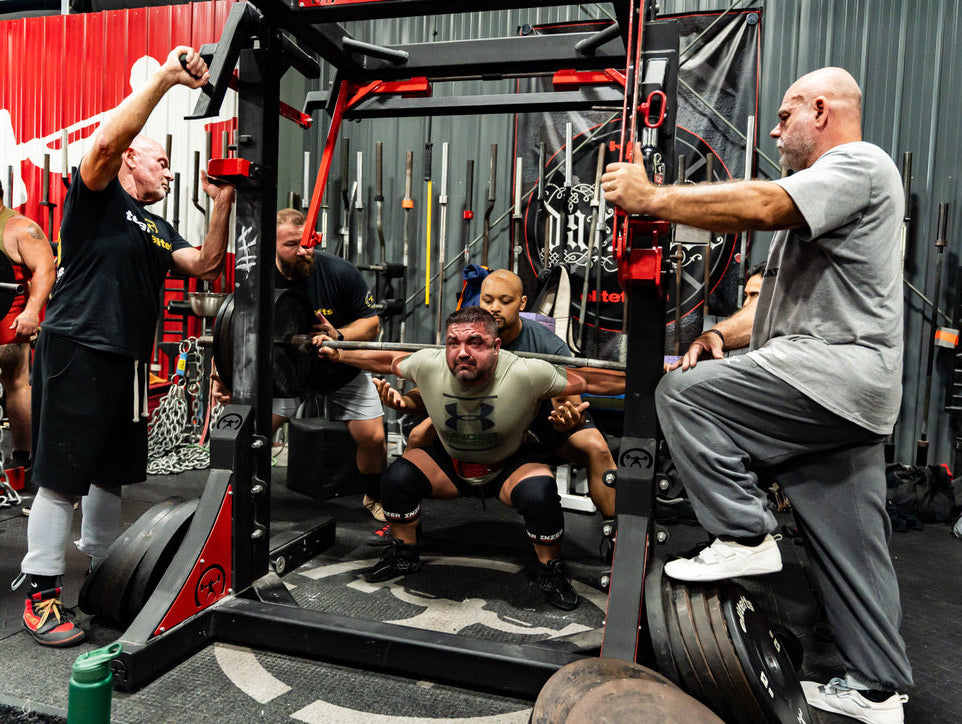
The Forty-Four-Pointed Buck: What a Fable About Sacrifice Taught Me About Training, Coaching, and Building Something That Lasts
A chance re-read of Ethan Hawke's Rules for a Knight uncovered a fable that maps directly to everything elitefts was built on, and everything the training process asks of you.
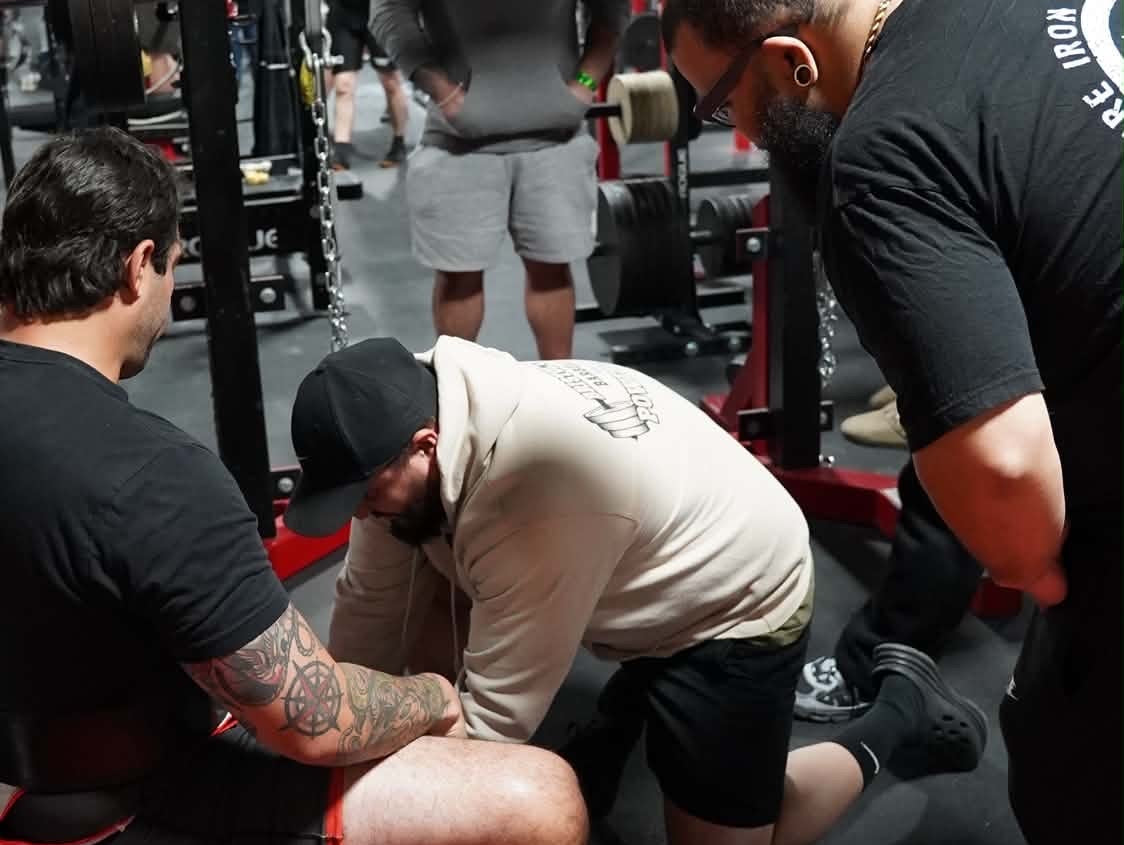
I Thought I Had Nothing Left to Say by Chad Faria
After years away from writing, Chad Faria realized he never ran out of things to say—he just stopped believing they were worth saying. From family challenges and coaching growth to an 1,800-pound total and lessons learned under pressure, he reflects on consistency, self-doubt, mentorship, and why sharing experience is simply another form of coaching.
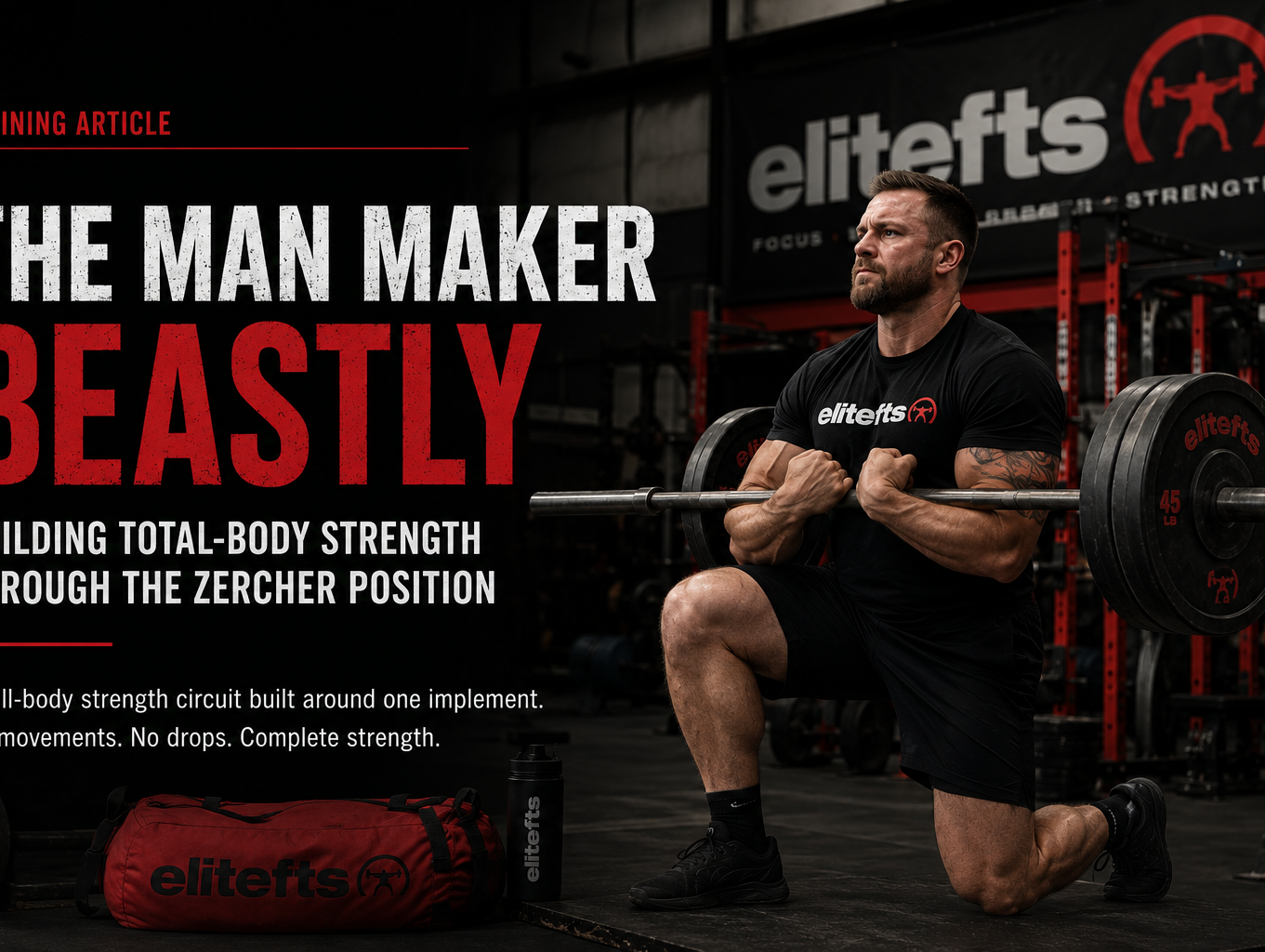
The Man Maker Beastly: Building Total-Body Strength Through the Zercher Position
The Man Maker Beastly is a full-body strength circuit built around one implement and the Zercher position. Using lunges, squats, good mornings, step-ups, and loaded carries, this sequence challenges athletes to stay braced, move efficiently, and build strength that transfers beyond the weight room.
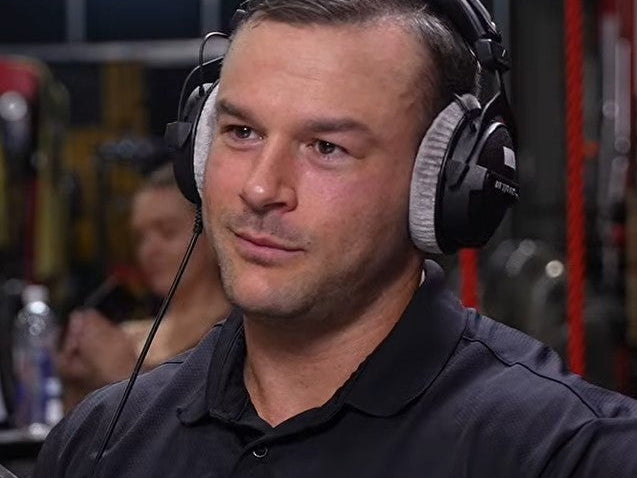
Beyond the Barbell: The Mental Side of Elite Performance l Ben Mayfield-Smith #436
The hardest part of elite performance isn’t always the training. It’s managing identity, pressure, suffering, recovery, relationships, and the person you become along the way. This article breaks down the psychological architecture behind contest prep—and why building the mind matters just as much as building the body.

Build It. Test it. Tune It. Race It.
Build the athlete before the season demands performance. Ashley Jones uses a Formula 1 framework to show how coaches can structure the training year: build strength, durability, and capacity in the off-season; test and refine those qualities in preseason; and manage readiness, recovery, and performance during the competitive season.
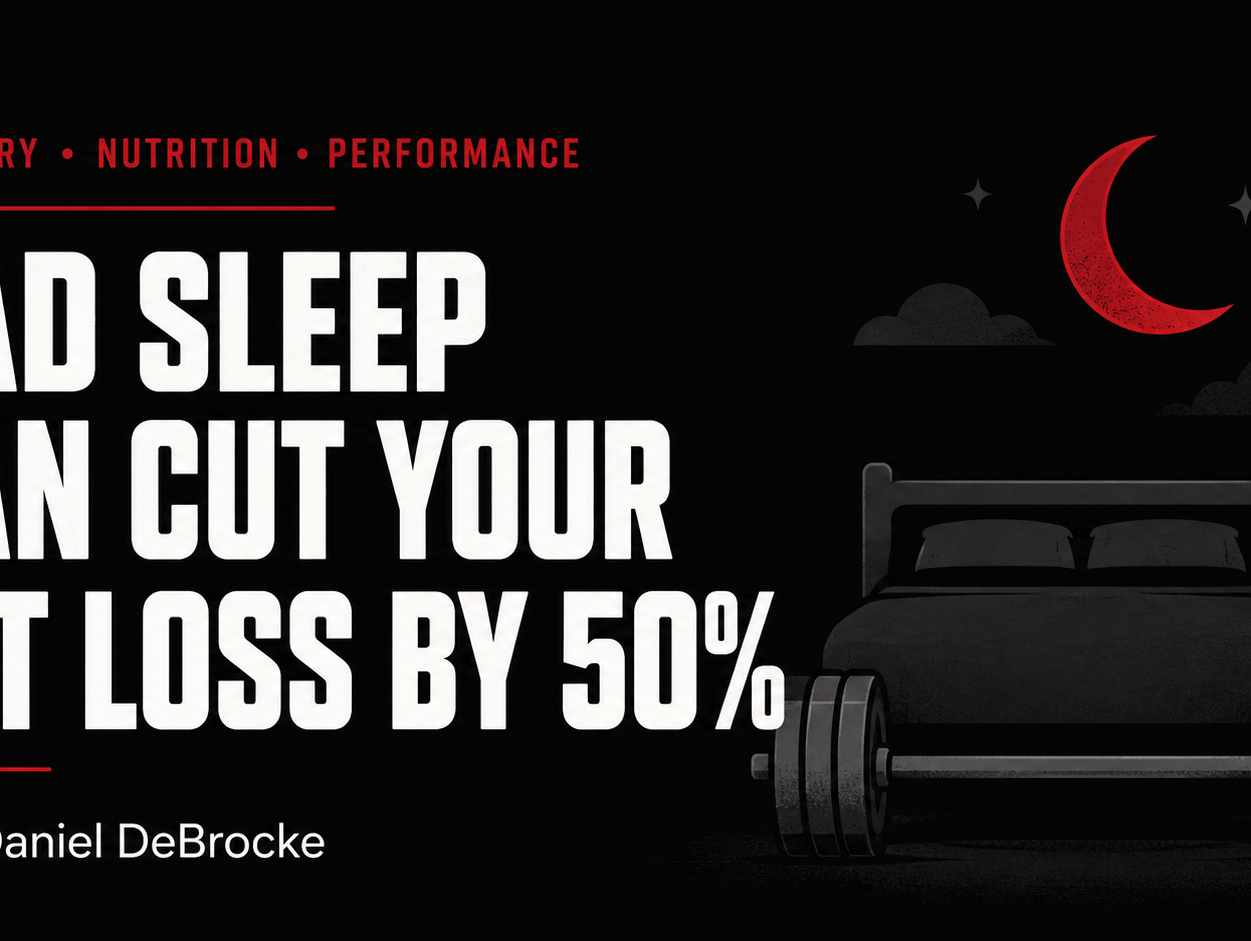
Bad Sleep Can Cut Your Fat Loss By 50%
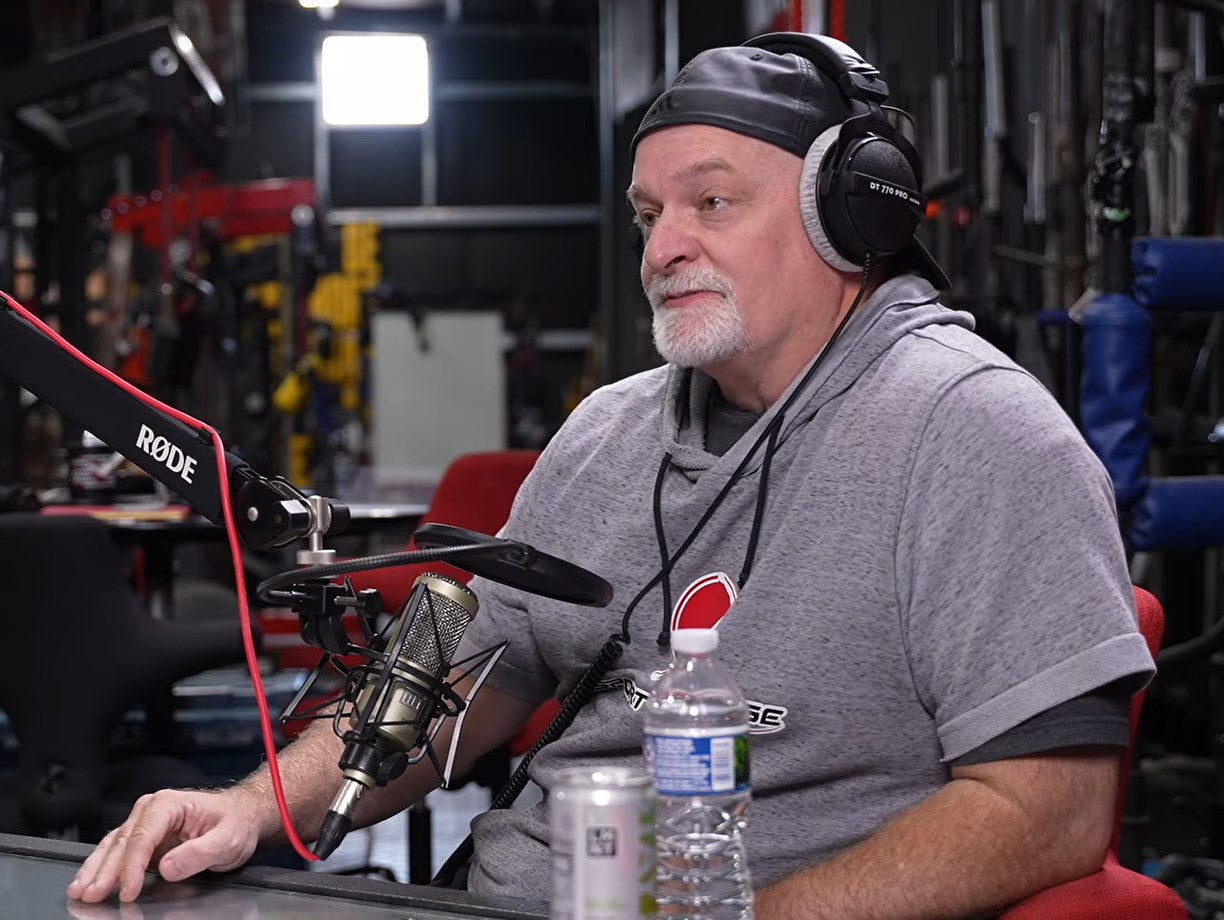
The High Stakes of Collegiate Strength and Conditioning
Former Wisconsin strength coach Brian Bott joins Dave Tate to unpack the realities of collegiate strength and conditioning—from rebuilding broken movement patterns and maintaining power deep into the season to creating a weight room culture built on accountability, resilience, and long-term athlete development.
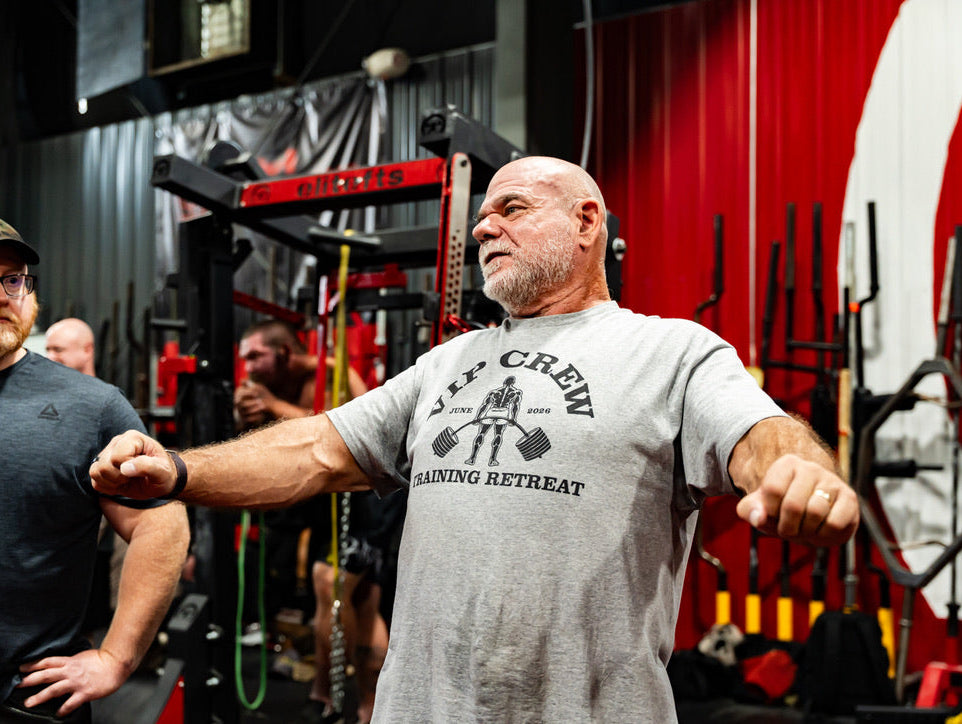
The Pain They Never Warn You About
The lifters who last are not the ones who felt nothing; they are the ones who learned to read the difference between the pain that builds them and the pain that ends them.

Armor Plating the Upper Body
Upper-body size only matters when it carries over to contact. Ashley Jones breaks down how rugby athletes can build functional “armor plating” through heavy pressing, rowing, chin-up strength, shoulder stability, 3D movement patterns, smart weekly programming, and brutal 6-12-25 hypertrophy finishers.
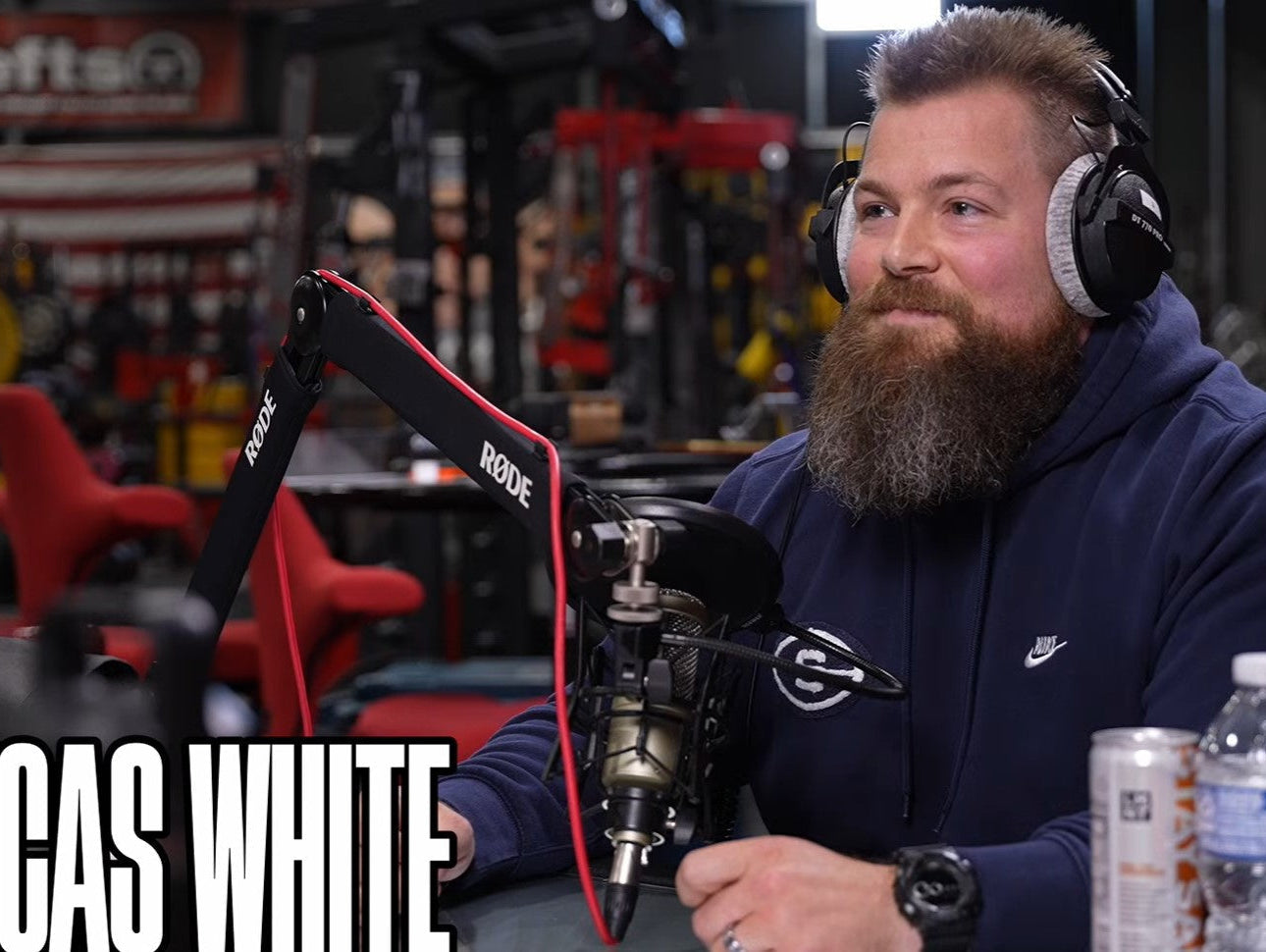
Keep It Real and Cut the Bullshit
Lucas White’s road through college strength and conditioning was not clean or comfortable. From cement weights in a basement to unpaid internships, smashed glasses, SEC weight rooms, conjugate training, and in-season football programming, this article keeps it real on what the profession actually demands: coaching, communication, strain, and the ability to build athletes who do not fold when it matters.
Programming Simplicity
Programming complexity should be earned, not forced. Ashley Jones explains how training age should guide exercise methods, weekly frequency, block length, and progression—from beginner straight sets to advanced conjugate programming.
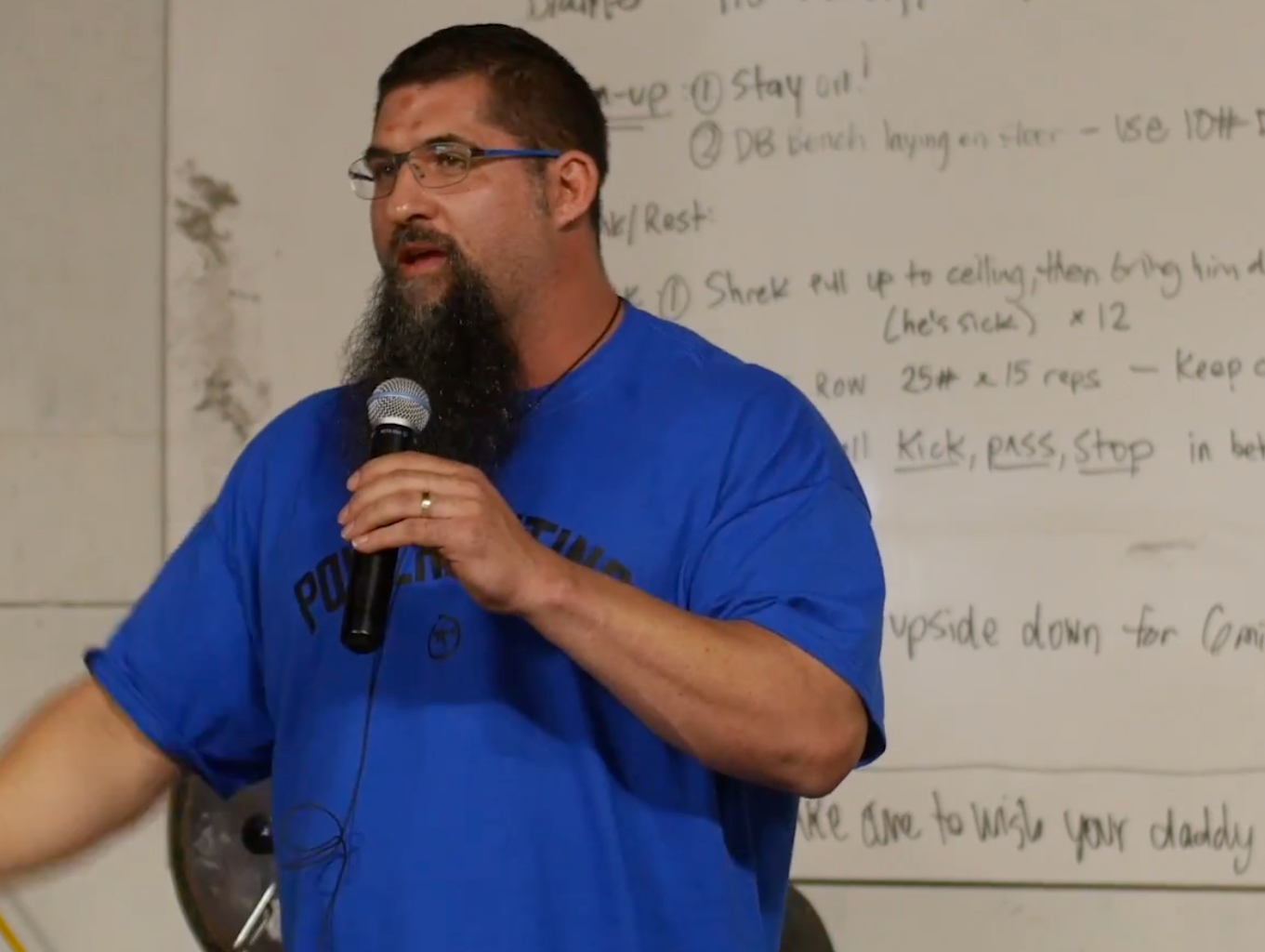
The Powerlifter’s Paradox: Strength, Mortality, and the Mandate of the Platform
"I can promise you one thing: my body has been dying for 2 years, but I'm living more than any other person in this room."

What I'd Tell the 300-Pound Version of Me (And Why He Wouldn't Listen)
Dave revisits the article he wrote over 20 years ago and gives his honest assessment of what he got right, what he got wrong, and what he would have actually done differently if he could go back

I Read a Football Book and It Changed the Way I Train People
In 1995, a book picked up at a Franklin Covey store in downtown Columbus reshaped how Dave Tate thinks about coaching, autoregulation, and building elitefts.
Living Above the Line
Elite performance is not built on one perfect program, exercise, or recovery method. It is built through daily choices. Ashley Jones explains what it means to live above the line, take ownership, master the basics, and build the character required for long-term success.
