

The Myth of the "Thug Gym."
For decades, the name West Side Barbell has been whispered with a mix of reverence and trepidation. To the outsider, it was often portrayed as a "thug gym"—a lawless gathering of outlaws and giants operating out of a dark corner of Columbus, Ohio. But if you stepped inside the legendary 800-square-foot "box" on Industrial Drive, or the earlier "Sullivan’s" location, you’d realize the aesthetic was far grittier than the myth.
At Sullivant, there was a literal hole in the floor where a boxer lived behind a curtain, taking "bird baths" in a common basin sink while world-record totals were being moved overhead. The gym floor was so lopsided that if you didn't keep a hand on the barbell, it would roll to the other side of the room. When the crew deadlifted, the floor would "boom" with such violence that they thought they might crash into the basement, an impact so severe it would rattle the clay figurines off the shelves of the business next door.
Yet the men inside weren't the chaos agents the public imagined. The roster comprised correction officers, police, and entrepreneurs who balanced 60-hour workweeks with the pursuit of absolute strength. These weren't thugs; they were a high-performance law-enforcement unit and blue-collar professionals who happened to be the strongest people on earth.

The Team Behind the Individual: The "Back Room" Mentality
Powerlifting is, on the surface, a solitary pursuit: you against the gravity of the iron. However, West Side Barbell functioned as an elite team sport where hierarchy was everything. The gym was partitioned; the "D-crew" and the beginners lifted in the front, and only those who proved their mettle and technical consistency were invited into the "back room"—the inner sanctum of the elite.
Louis Simmons acted as the puppet master of this ecosystem, using "The Board" as his primary psychological weapon. The Board wasn't just a list of numbers; it was a tool Simmons used to "fuck with everybody," pitting teammates against each other to ensure no one felt safe in their records. He engineered a culture where you were directly responsible for the lifter next to you. If a teammate was weak, you were expected to get in their ear and coach them up, not because of altruism, but because a stronger teammate forced you to move the needle further.
"You had an obligation and accountability to show up... and you got shit if you were late."
The Counter-Intuitive Path to Power: Less Weight, More Speed
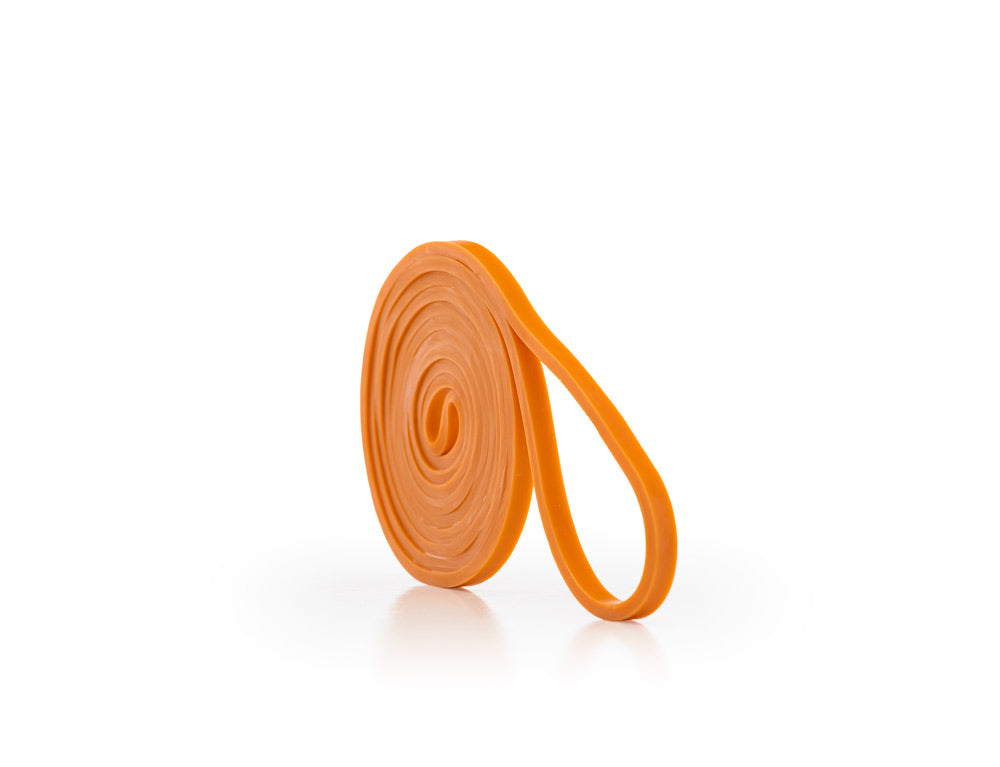
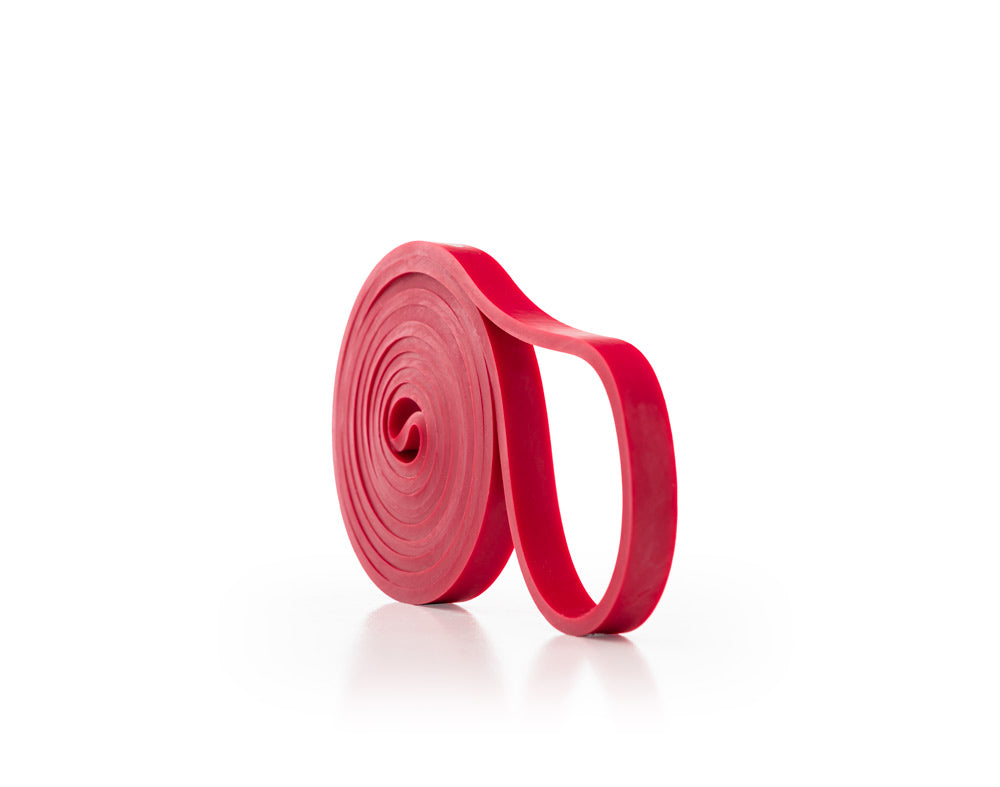
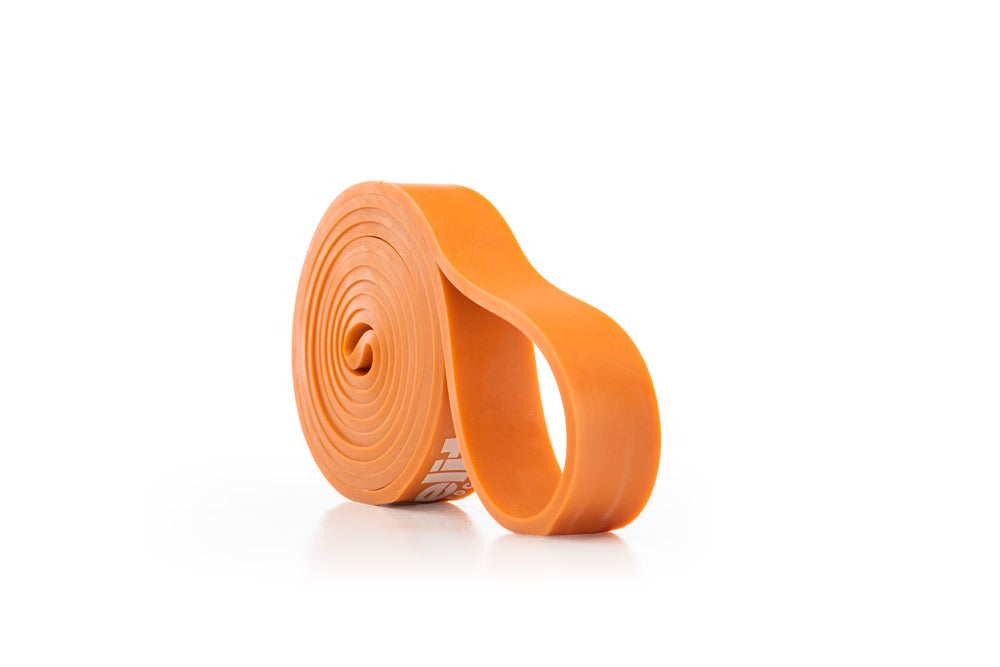
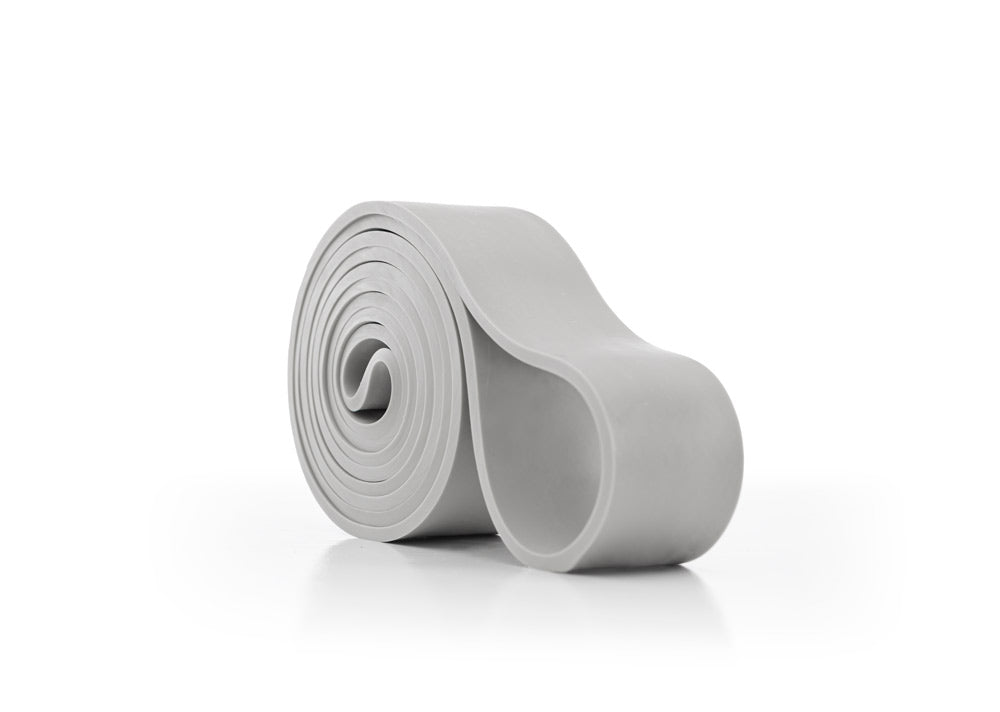
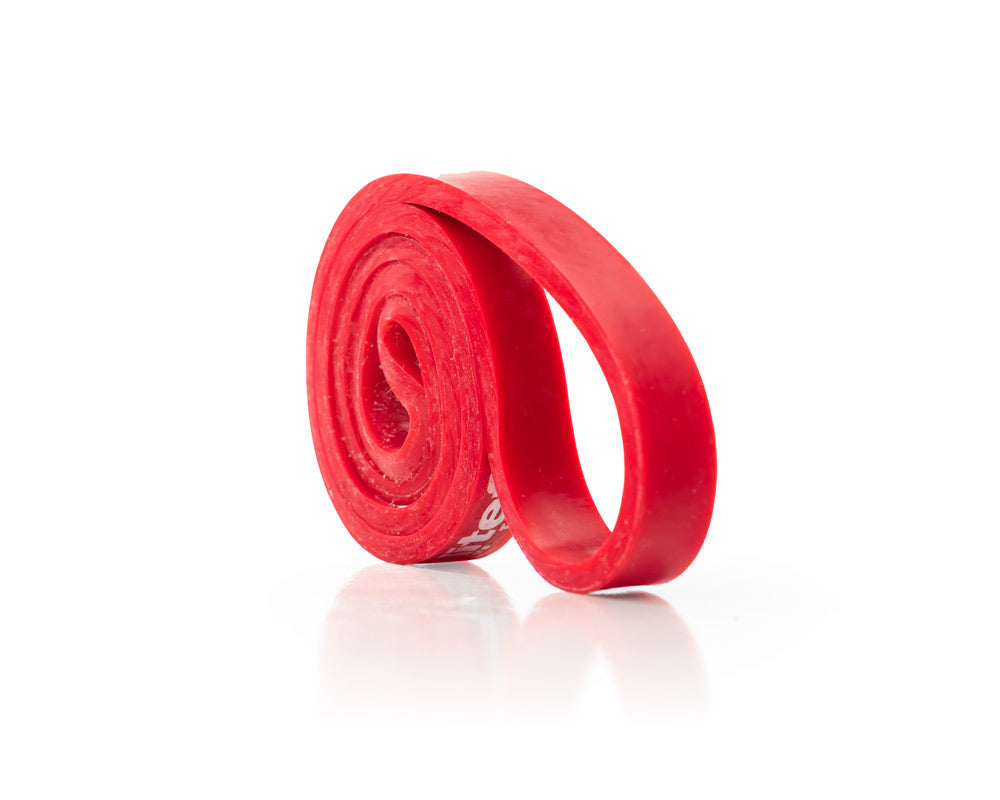
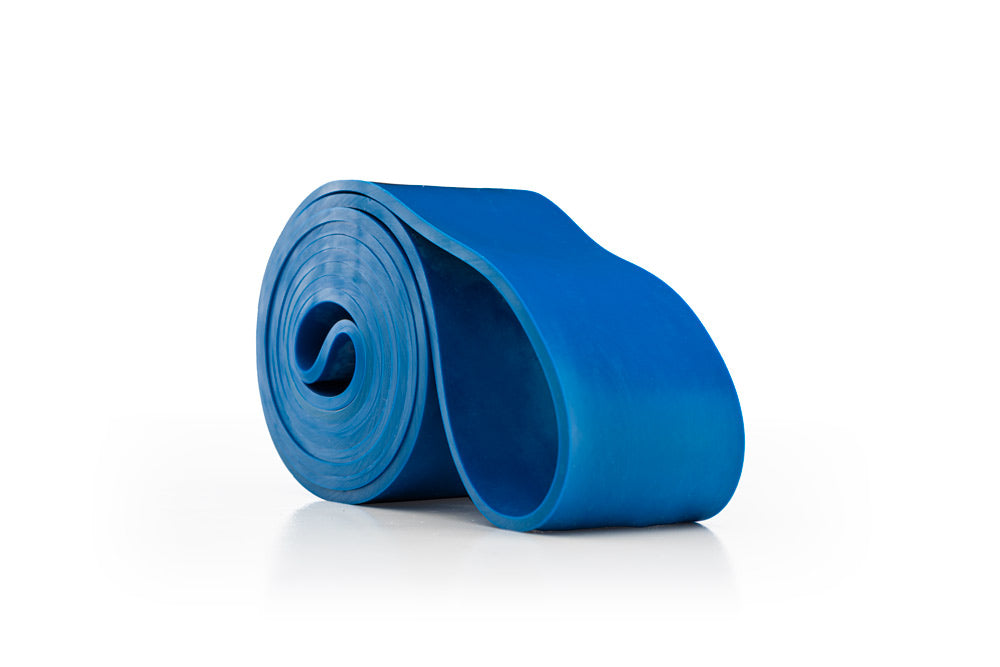
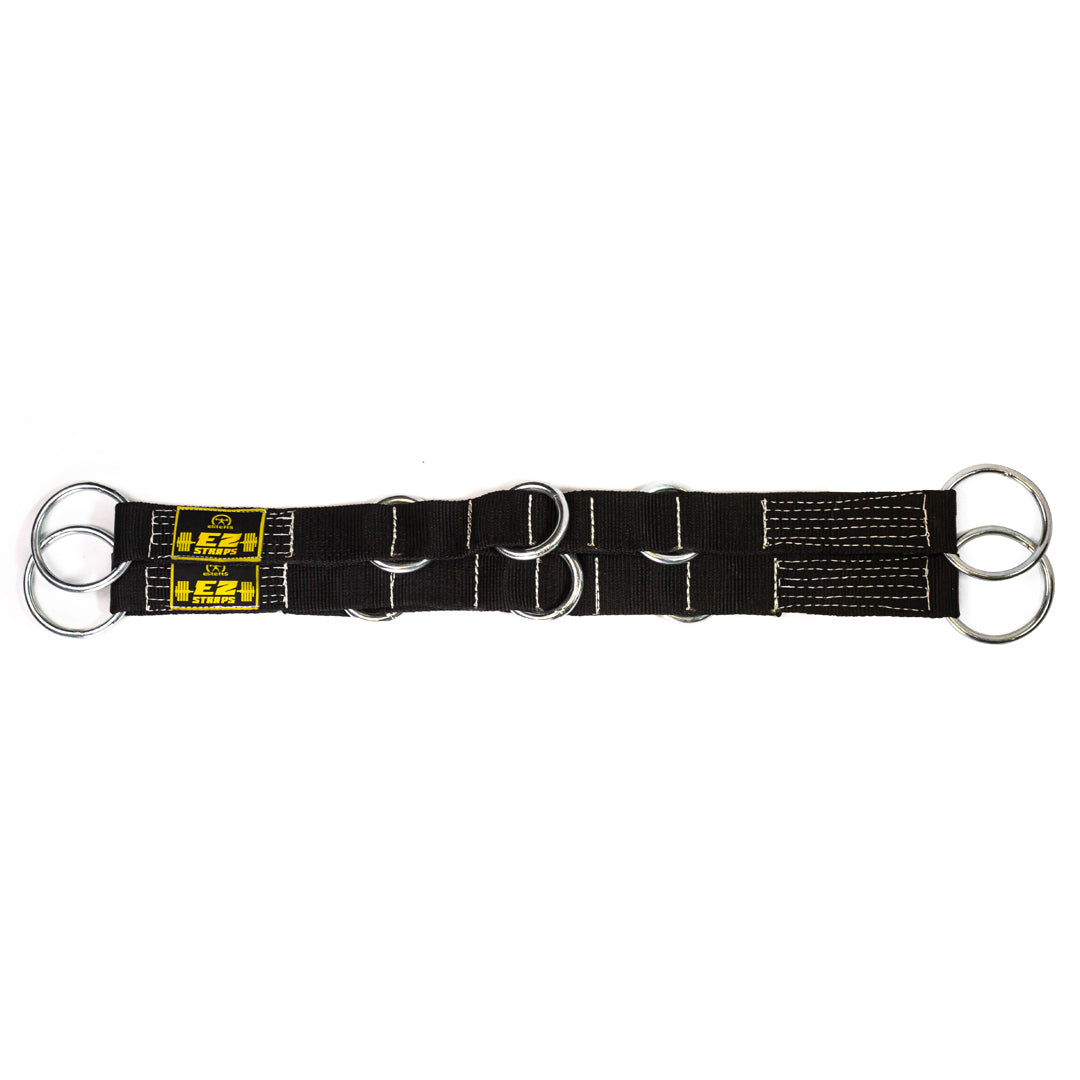
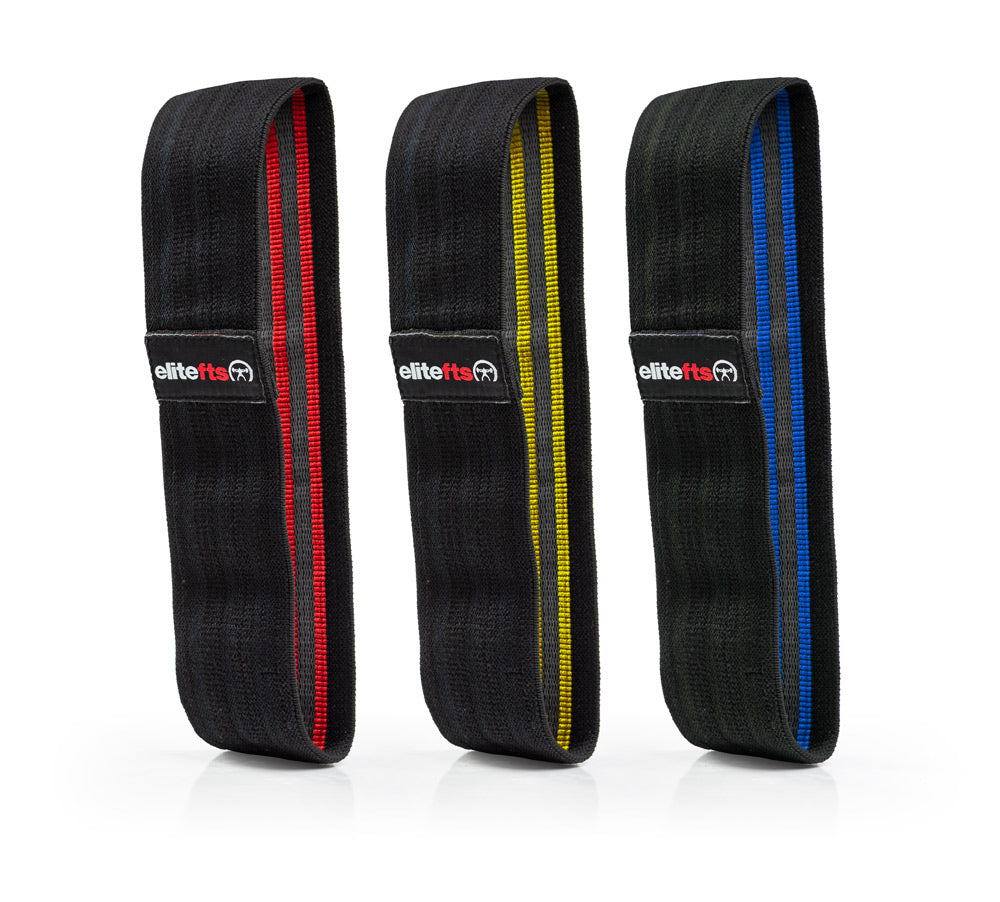
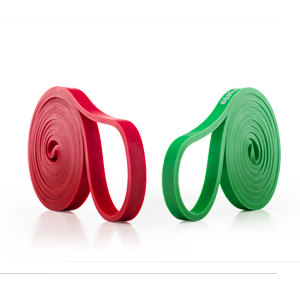
Perhaps the greatest technical revolution of the West Side era was the rejection of traditional linear programming in favor of "accommodating resistance." Before West Side, the standard was simple: add more weight to the bar every week until you plateau. The veterans recall a radical, almost offensive shift when Simmons introduced bands, chains, and the "speed curve."
Initially, the strength community viewed these tools as "stupid" or gimmicky. Even the West Side veterans were skeptical when told to abandon their standard speed work—previously consisting of eight sets of triples at 405 lbs—for a mere 185 lbs with light bands. But the science was undeniable. By using bands and chains to "slow the speed curve" at the top of the lift, they could move sub-maximal weights with maximum "intent" and velocity. This technical nuance allowed them to perfect their form under tension without the systemic burnout of constant heavy maxing, leading to massive PRs that redefined the sport’s ceiling.

The "All-In" Identity Crisis: Strength Beyond the Bar
In the culture of elite performance, "all-in" is often used to describe someone who has sacrificed everything for their sport. However, the West Side legends offer a surprising take: the secret to their longevity was actually real-world stability. While they were "all-in" during training, powerlifting was treated as a "1B priority."
The legends—men who held 30-year careers in manufacturing or law enforcement—argued that having a stable home life was their "emotional anchor." It provided the funding for travel and equipment, but more importantly, it prevented the identity crisis that destroys many elite athletes. While the sport was a visceral obsession, Simmons himself eventually warned lifters to "get out while you can still walk," acknowledging the brutal toll of bicep tears, broken necks, and nerve damage. Having a life outside the 800-square-foot kingdom meant they had somewhere to go when the iron was done with them.
"Your number one priority is what allowed you to do it... it funded traveling for meets or equipment."

Psychological Warfare: The "I Lost My Confidence" Sin
The West Side environment was famously brutal, serving as a filter for mental toughness. "Busting balls" served as a constant stress-test. Louie Simmons would even walk through the gym with "metal sticks," whacking lifters in the stomach during heavy squats to force them to stay tight and braced.
The ultimate social failure in this culture wasn't a missed lift or a bicep tear; it was a failure of the will. The veterans recount the story of a lifter who, pinned under a heavy squat, called for the spotters to take the bar because he "lost his confidence." The crew didn't just take the weight; they made the man stay pinned under it for three seconds while they laughed at him. In a gym where you were expected to fake a popped rib or a legitimate injury rather than admit to a mental lapse, "losing confidence" was the unforgivable sin. The lack of "options"—there were no other serious gyms to run to—forced these men to grow or vanish.
"I remember telling him later, like dude... you got to make up an injury... say you popped a rib out... but that is not acceptable at all."

The Legacy of the 800-Square-Foot Kingdom
The era of the 800-square-foot West Side Barbell proves that excellence is not a product of pristine equipment or high-tech facilities, but of collective obsession and technical mastery. The lessons learned in that cramped, lopsided room—perseverance through injury, the necessity of team accountability, and the courage to try "stupid" things in search of progress—apply far beyond the monolift.
The veterans of West Side didn't just build world-record totals; they built a culture that demanded you check your ego at the door and your feelings at the curb. As they reflect on their decades of brotherhood, they remind us that the strongest bonds are forged when there is no option to hide and no cell phone to distract you from the work.
If you had no other options and no cell phone to distract you, how much stronger—in life or in sport—could you actually become?