
Elitefts Table Talk Episode #422 Recap
The Barbell Giveth, and the Barbell Taketh Away
A look at aging, coaching, training longevity, and the hard-earned strength lessons from Jim Wendler, Matt Rhodes, and Vincent Dizenzo.
The True Cost of the Iron
Every serious lifter signs the same unwritten contract the first time they chalk their hands, wedge under a bar, and decide that average is no longer acceptable. The barbell gives. It gives strength, muscle, confidence, structure, discipline, numbers, memories, and a tribe of people who understand why you keep coming back even when the smart thing would be to rest.
But the same barbell also takes. It takes cartilage. It takes mobility. It takes easy mornings. It takes the illusion that you can keep training like a bulletproof twenty-five-year-old forever. Eventually, the price tag shows up.
That is the heart of Elitefts Table Talk Episode #422, featuring Jim Wendler, Matt Rhodes, and Vincent Dizenzo. The conversation is funny, blunt, uncomfortable, and useful. It is exactly the kind of strength talk that sounds like it came from people who have lived under the bar, paid the bill, and still refuse to quit.
Young lifters obsess over what the barbell gives. Older lifters learn to respect what it takes.
This is not a retirement speech. It is not a warning to avoid hard training. It is a field manual for staying in the game longer, coaching better, training smarter, and redefining what strength means once the body stops pretending it is bulletproof.
The Big Takeaways
Part I: The Physical Toll and the Comedy of Aging
When lifters spend decades chasing the edge, the body keeps receipts. In this episode, the crew moves from eyesight problems to cataract surgery, joint replacements, cardiac concerns, and the strange mental math that happens when every ache feels like it might be something serious.
The strength world loves the dramatic side of training: the max-effort lift, the big meet, the blood, the nosebleed, the screaming, the ammonia, the loaded bar that looks like it shouldn't move. But aging does not usually arrive as a dramatic movie scene. It arrives as reading glasses. It arrives as a hip that does not like stairs. It arrives as a doctor telling a former elite lifter to keep all lifting under a weight that would barely count as a loaded backpack.
The episode does not frame this as a tragedy. That is what makes it useful. These are not lifters begging for sympathy. They meet the decline with dark humor, brutal honesty, and the understanding that nobody gets to out-tough biology forever.
There is also a practical lesson here: older strength athletes often have to become better advocates for themselves. Standard medical advice is not always written for someone who spent a lifetime under heavy bars. That does not mean you ignore doctors. It means you find professionals who understand your training history, your risk profile, and the difference between reckless lifting and meaningful movement.
The older lifter still needs to train. The body does not get better by becoming fragile. But the training has to earn its place. Every lift, exercise, and loading choice needs a reason beyond nostalgia.
Part II: Echoes of the Golden Era
The nostalgia in the episode hits hard: old training logs, grainy videos, freezing gyms, bench shirts, message-board battles, questionable squat depth, and the early years of elitefts. It is funny because it is ridiculous. It is meaningful because it is real.
Strength culture did not always look polished. It was not always filmed in perfect lighting with captions, affiliate codes, and thumbnails. A lot of it happened in basements, garages, warehouses, and gyms, where the heat may or may not have been paid for. The lifters were figuring things out with whatever information they could get, and sometimes the best education came from getting humbled in public.
Elitefts was built from that world. It was created to solve a problem: lifters needed better information and better tools. The brand was never meant to be polished fluff. It was, and still is, about giving serious lifters access to equipment, coaching ideas, and hard-earned lessons from people who actually did the work.
The crew also reflects on Louie Simmons and Westside Barbell. Louie could be cryptic, funny, brilliant, abrasive, and dense all at once. You did not always understand the lesson immediately. Sometimes you had to sit with it, train through it, and let the meaning reveal itself under the bar.
The golden era was not clean. That was the point. It was loud, imperfect, physical, and honest.
The important part is not to worship the past. The important part is to understand what made it valuable: experimentation, accountability, hard training, real coaching, and a willingness to learn from people who had already made the mistakes.
Part III: Transitioning to the Whistle
For Jim Wendler, coaching high school football reframed the entire purpose of training. The target is not the genetic outlier. The target is the average kid—the one who needs confidence, structure, basic strength, and enough physical competence to become useful on the field.
That is where one of the episode’s clearest coaching ideas lands: make your average kid beat their average kid. Not with circus testing. Not with weekly maxes. Not with complicated programs that look impressive on a whiteboard and fall apart in a weight room full of teenagers. The answer is repeatable, submaximal, technically sound work.
Wendler’s trap bar programming is the perfect example. Instead of chasing maximal loads, athletes build strength through consistent sets, moderate weights, and honest effort. The result is stronger athletes who are not wrecked, beat up, or afraid of the weight room. For coaches looking to build this pattern, start with the principles in Elitefts Trap Bar Deadlift 101.
Pull-ups are another pillar. The point is not to embarrass the kid who cannot do one. The point is to create a path so every athlete has a way in. Band-assisted pull-ups, rack chins, and inverted rows keep the standard alive while giving athletes a progression they can actually use. For a practical setup, see Band Assisted Pull-Ups.
| Coaching Problem | Better Question | Practical Move |
|---|---|---|
| Kids are weak, untrained, or intimidated. | How do we give them a starting point they can win? | Use trap bars, bodyweight regressions, sleds, and simple progressions. |
| Testing becomes the program. | Are we building athletes or just collecting numbers? | Test less often. Train more consistently. Track rep quality and attendance. |
| Strong kids get stronger while average kids fall behind. | How do we raise the floor? | Build standards around movement, participation, and repeatable effort. |
| The weight room feels separate from the sport. | Does this make them better on the field? | Prioritize strength, sprinting, jumping, pulling, carrying, and conditioning that transfers. |
The best coaching moment in the episode is not about a record. It is about a kid who kept showing up, got stronger, earned a bigger role, and had a moment on the field that made everyone lose their minds. That is coaching. That is the point.
Part IV: The New Blueprint for Training Longevity
The most useful part of the conversation is the shift from max-strength identity to long-term physical ownership. When training has been your sport, outlet, language, and social structure for decades, walking away is not realistic. The better answer is to change the rules.
1. Stop Worshiping the 1-Rep Max
At some point, testing maxes out and becomes more expensive than productive. The goal is no longer to prove what you can survive. The goal is to build sessions you can recover from and repeat. That means more submaximal work, more technical reps, and fewer lifts that require a full emotional support team afterward.
This does not mean you have to train softly. It means the intensity has to be aimed. A hard set of ten on a trap bar, a brutal sled push, a loaded carry, or a dense circuit can be plenty challenging without the same joint cost as a grinder single.
2. Rebrand “Junk Volume” as GPP
In modern hypertrophy talk, junk volume is treated like wasted work. For an aging lifter, some of that “junk” might be the difference between feeling ready and feeling glued together. Light sled drags, face pulls, carries, warm-up work, easy bodyweight movement, band pull-aparts, and low-stress machine work can build capacity without crushing the central nervous system.
The key is intent. Junk volume becomes useful when it improves blood flow, reinforces movement, restores positions, or lets you add work without stealing from the next session.
3. Use Pacing Instead of Max Loading
Dense circuits change the stimulus. Pair a main movement—trap bar deadlifts, carries, pull-ups, rows, lunges, or presses—with assistance work. Keep the pace honest. The weights will be lighter, but the training effect can be massive.
This is where older lifters can still feel dangerous. You may not want to grind a max bench anymore, but you can still build a session that makes younger lifters question their choices. The difference is that the goal is work capacity, not gym theater.
4. Find the Minimum Effective Dose
The best plan is not the one that destroys you. It is the one you can execute consistently. For some lifters, that means a few hard sets. For others, it means lighter machine work, walking, bands, sleds, and short circuits. The common thread is leaving enough in the tank to train again.
If you are older, beat up, or coming back from a long layoff, your first job is not to prove you still have it. Your first job is to make training a normal part of your week again. Momentum comes before heroics.
5. Get Lighter if Your Body Needs It
Powerlifting rewards size until life starts charging interest on it. Carrying extra mass—muscle or fat—can become expensive over time. Losing weight slowly, without panic dieting or an identity crisis, can be one of the smartest longevity plays a lifter makes.
The goal is not to become small. The goal is to become sustainable. Strong enough to train. Light enough to move. Fit enough to recover. Durable enough to still be in the room.
Old Rule vs. New Rule
The longer you train, the more your rules need to evolve. The standard can stay high while the strategy changes.
| Old Rule | New Rule |
|---|---|
| Max strength is the main proof. | Consistency, recovery, and useful strength are the proof. |
| If it hurts, push through. | If it hurts, investigate, modify, and keep training around it. |
| Assistance work is secondary. | Assistance work, GPP, and warm-ups may be what keep you lifting. |
| Bodyweight goes up when strength stalls. | Bodyweight is managed to improve life, joints, and conditioning. |
| Training is about what you can lift today. | Training is about what you can keep doing for years. |
Practical Application
A Sample Longevity-Based Training Week
This is not a prescribed program. It is a template inspired by the episode’s themes: moderate loads, repeatable effort, bodyweight strength, sled work, carries, and enough restraint to recover.
Day 1: Lower Body + Pull
Trap bar deadlift 3-5 sets of moderate reps, pull-up progression, split squats, sled drags, easy trunk work.
Day 2: Upper Body Density
Press variation, rows, push-ups, band pull-aparts, face pulls, curls, triceps, all paced with short rests.
Day 3: GPP / Restoration
Sled walking, backward drags, light carries, mobility, breathing, and enough work to leave feeling better.
Day 4: Full-Body Circuit
Goblet squat or dumbbell squat, pull-ups or rows, carries, light hinge, abs, and sled finisher.
The point is not to copy exercises perfectly. The point is to build a week that lets you train hard, stay athletic, recover, and come back without needing three days to feel human again.
For Coaches
The Wendler-Inspired Coaching Checklist
This episode is especially useful for coaches because it strips training down to what matters. You are not coaching a spreadsheet. You are coaching people with different bodies, confidence levels, histories, and needs.
- Raise the floor. Do not build the entire program around the best athlete in the room.
- Keep the standards simple. Show up, move well, get stronger, pull your bodyweight, condition, and be useful.
- Make regressions respectable. A band-assisted pull-up is not a failure. It is the road to the first real rep.
- Limit testing. If the athletes are always testing, they are rarely building.
- Condition without chaos. Sleds, carries, and circuits are simple, scalable, and hard to fake.
- Celebrate the right wins. The kid who went from no pull-ups to one pull-up changed his life more than the already-strong kid, adding five pounds to his max.
For Lifters
How to Know When It Is Time to Change the Plan
Lifters are loyal to what made them strong. That loyalty is usually a strength, but it can become a trap. The program that built you may not be the program that keeps you going.
Changing the plan is not quitting. It is an adaptation. The strongest lifters are not the ones who refuse to change. They are the ones who keep finding ways to train.
Build the Longevity Toolbox
Product Suggestions from elitefts
The gear below aligns with the episode's themes: submaximal strength, GPP, pull-up progression, carries, density work, and conditioning that builds rather than breaks.
For submaximal pulls and carries
EliteFTS Rackable Trap Bar
A joint-friendlier way to keep hinge work, rows, loaded carries, shrugs, and lower-body strength in the rotation without turning every session into a max-effort test.
Shop NowFor GPP and recovery work
Elitefts Compact Dragging Sled
Built for walking, dragging, building capacity, and keeping joints moving. This is the kind of simple work that supports hard training without stealing from it.
Shop NowFor pull-up assistance and prep work
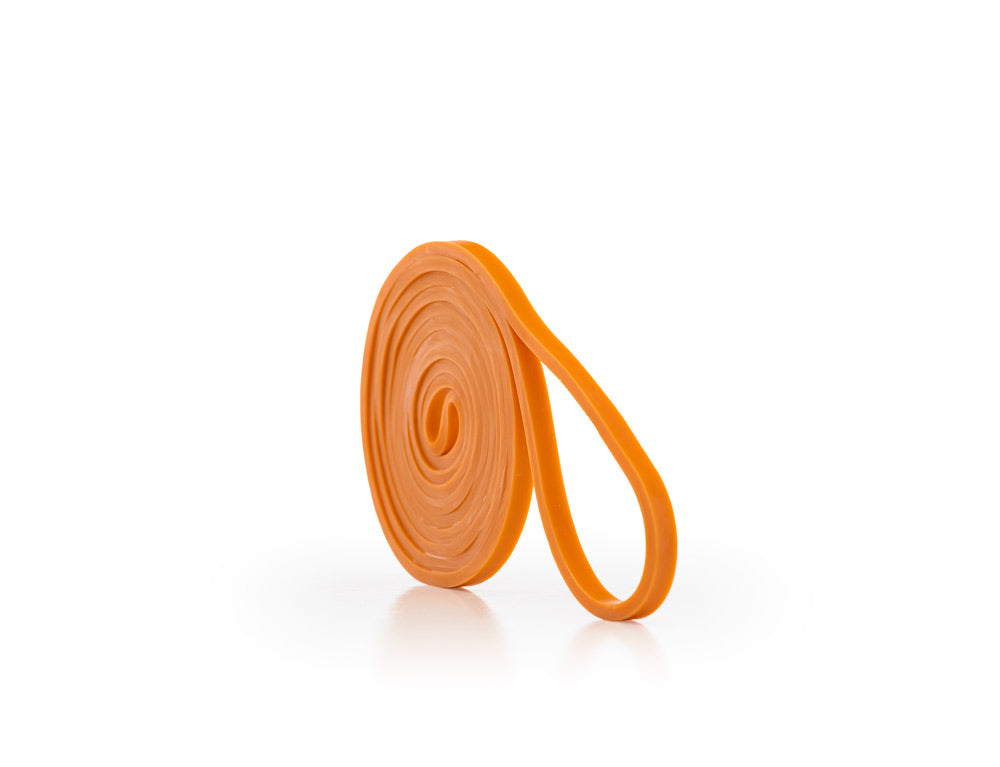
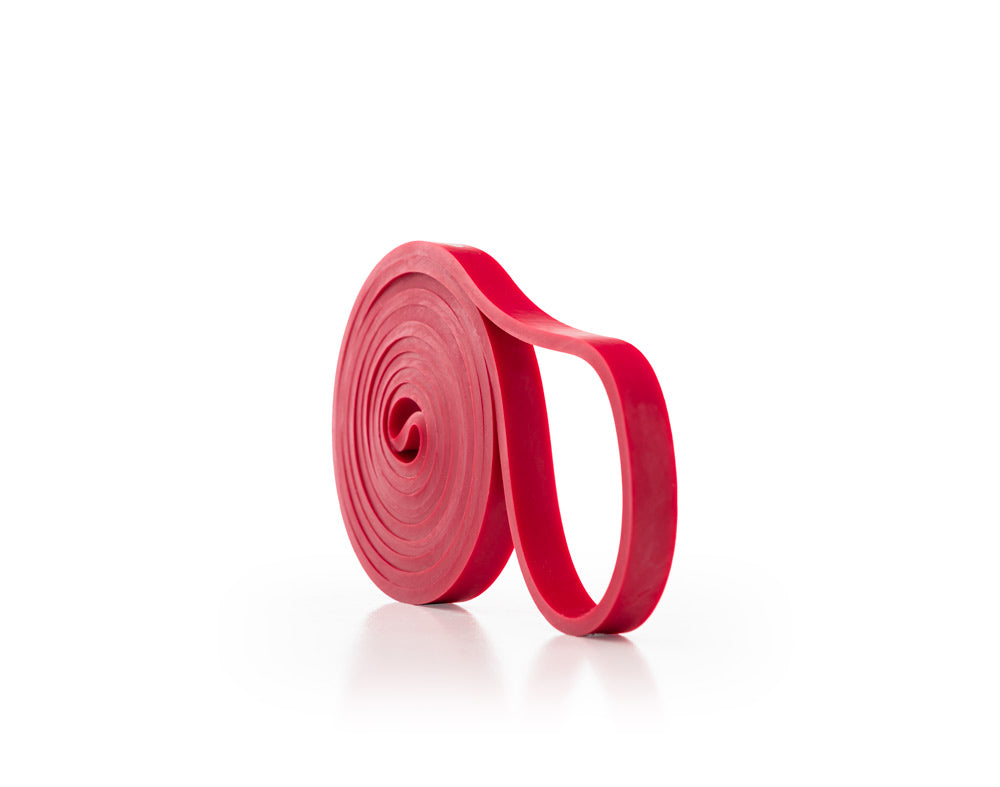
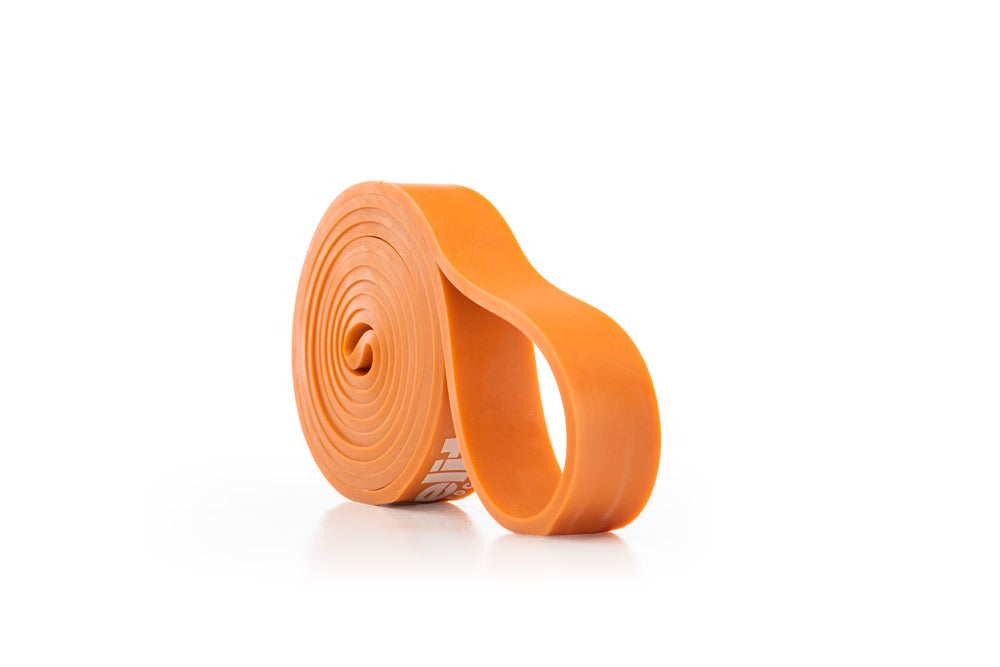
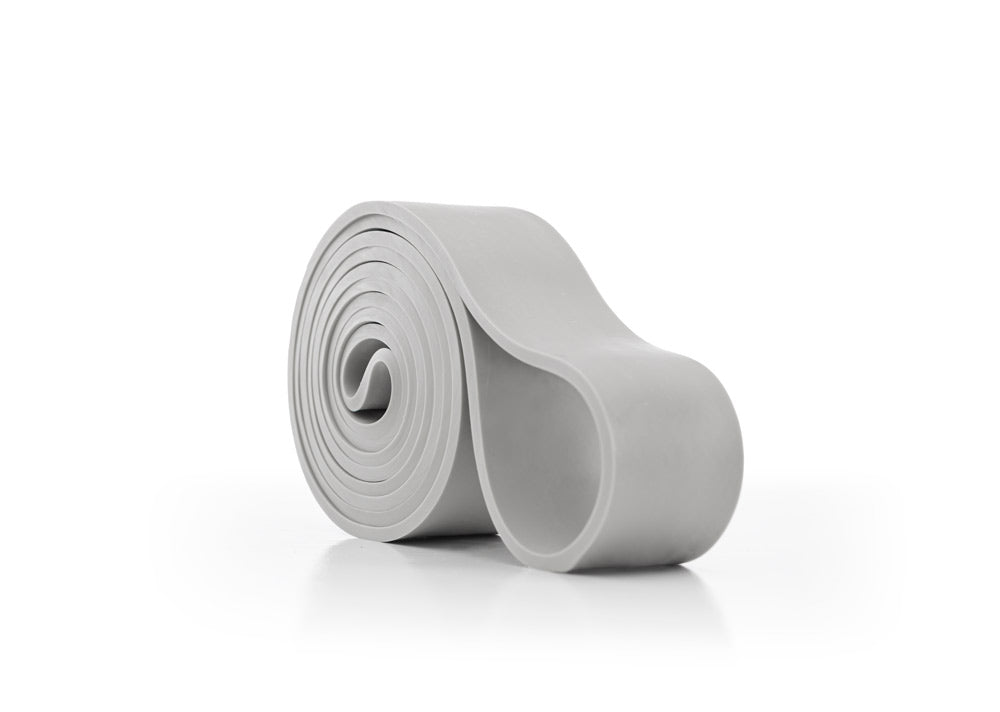
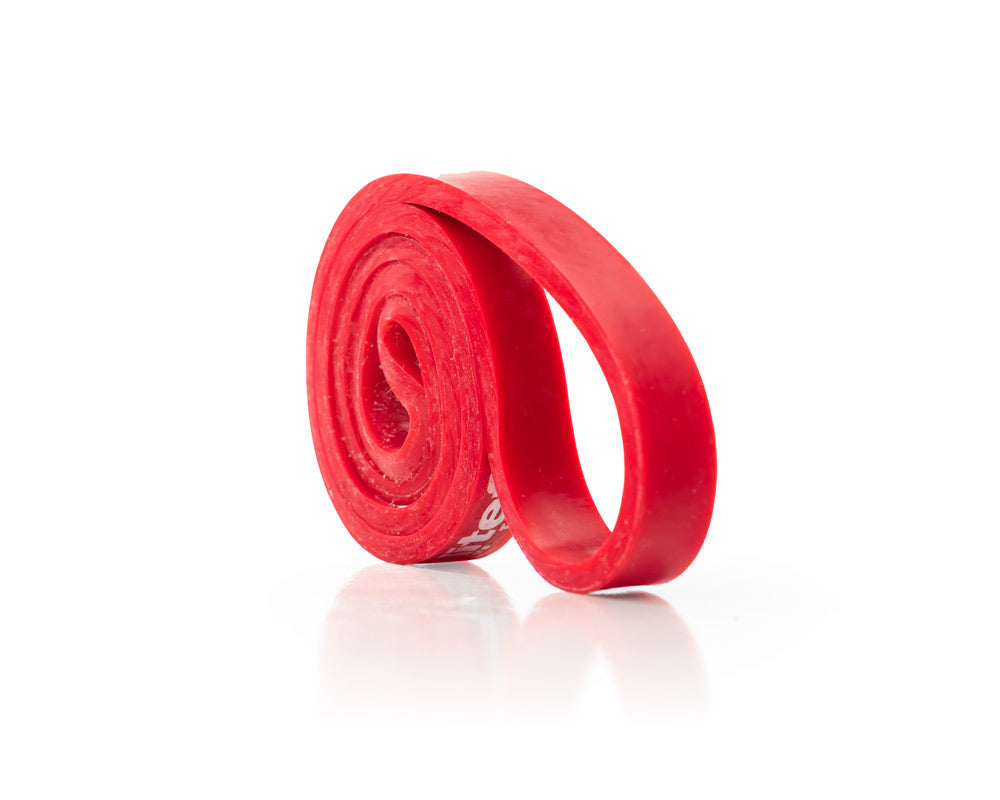
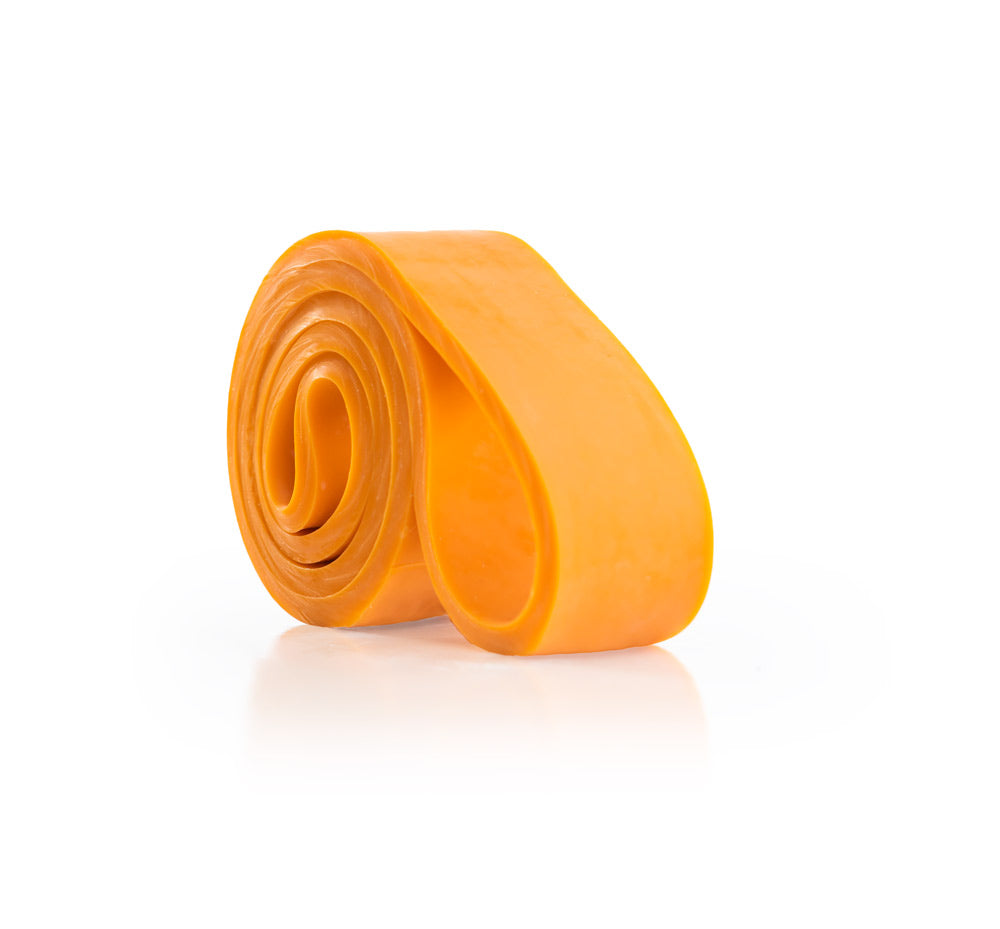
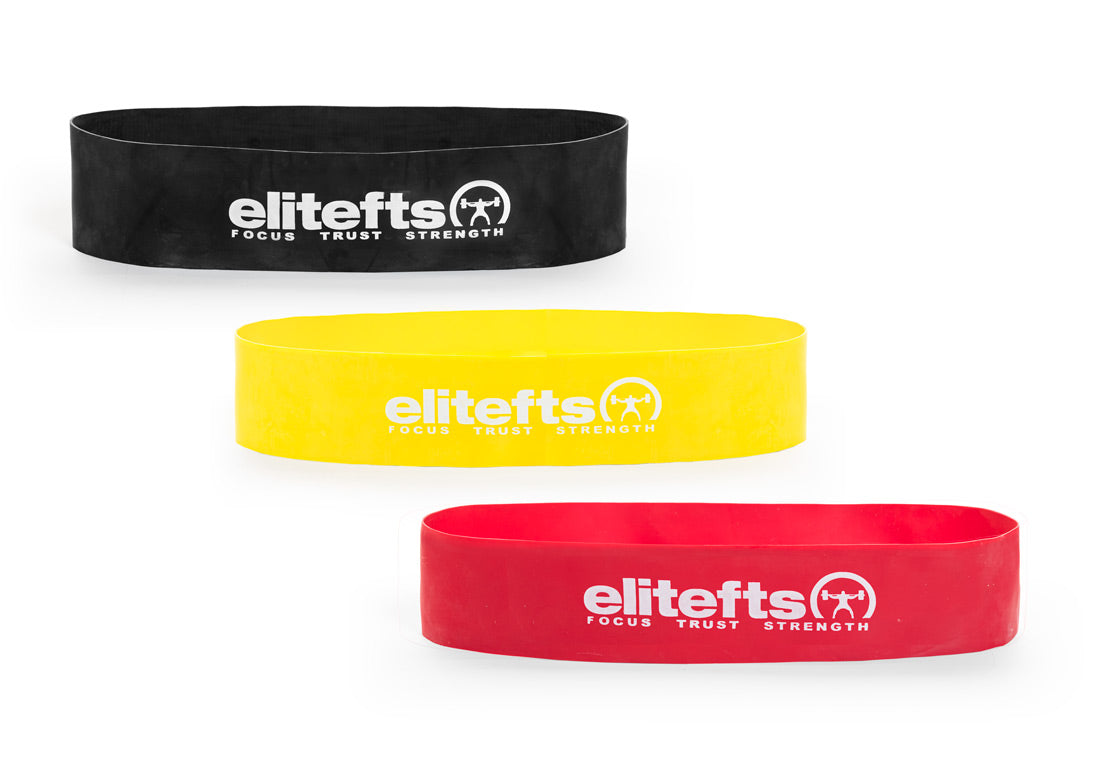
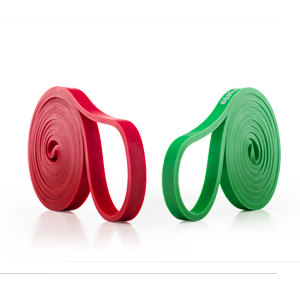
Elitefts Short Band Pack
A simple toolbox for pull-up regressions, warm-ups, floor presses, speed pulls, rehab applications, and shoulder-friendly accessory work.
Shop NowFor coaches and teams
Prowler 2
A brutal, simple conditioning tool for athletes who need to build legs, lungs, speed, and work capacity without making conditioning complicated.
Shop NowFor full-band versatility
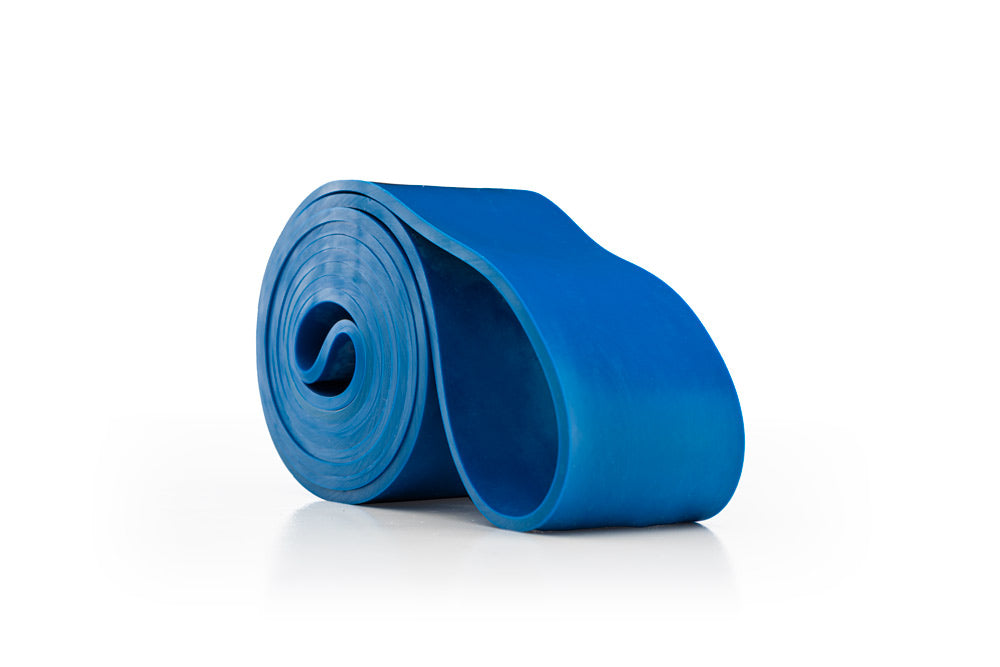
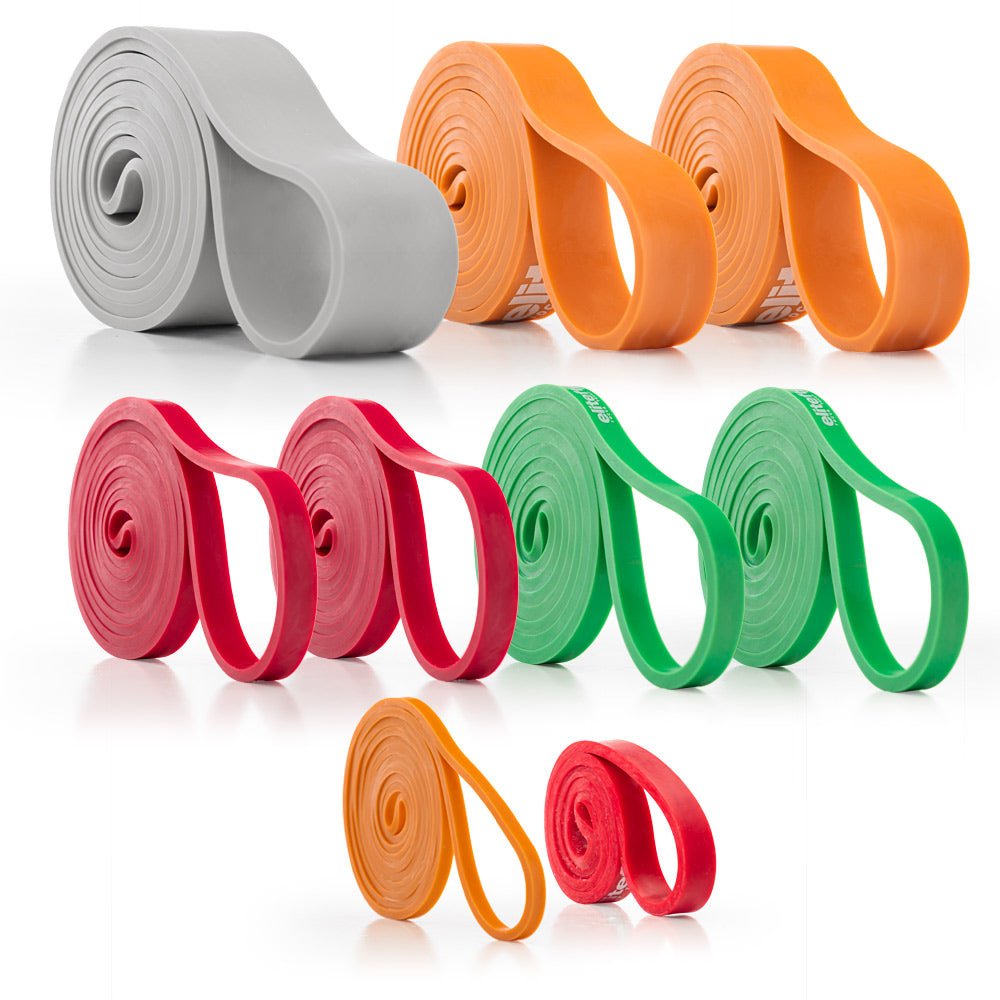
Elitefts Ultimate Band Pack
A broader resistance band setup for warm-ups, mobility, accommodating resistance, explosive training, and accessory work in a home gym or team setting.
Shop NowFor pressing and accessory work
Elitefts QUICK SHIP Flat Bench - Bolt Together
A stable bench option for pressing, rows, dumbbell work, and the accessory volume that helps keep older lifters strong without making every session a competition.
Shop NowMore Useful Links
You Never Touch the Same Barbell Twice
The “same river twice” idea is often attributed to Heraclitus, and it fits lifters perfectly. Every time you touch the bar, you are a slightly different person: older, smarter, more beat up, better coached, more humbled, or more aware of what matters.
For Wendler, Rhodes, and Dizenzo, the barbell was a tool for domination. Now it is a tool for survival, service, coaching, and staying connected to the life that built them. That is not a downgrade. That is evolution.
The weights may change. The goal may change. The standard does not: show up, do the work, tell the truth, and pass on what the iron taught you.