

The Bench Press Stability Masterclass
Pressing power matters. But when the weight gets heavy, the lifter who can stay tight wins. Use band-driven “chaos” training to build a stronger unrack, tighter lats, a more stable upper back, and a bench setup that does not fold under pressure.
A missed bench is not always a chest problem. Often, it is a position problem: the shoulders drift, the upper back softens, the lats shut down, the ribs drop, and the bar path becomes a matter of damage control.
Matt Lavine, owner of Legacy Barbell in Clearwater, Florida, uses light and average Elitefts bands to add “chaos” to accessory movements. The band tremor forces the lifter to stabilize rather than just move from point A to point B. That is the difference between doing an exercise and building a bench press that holds up under max effort loads.
1. Why Band “Chaos” Works
A cable handle is predictable. A band is alive. Once it is stretched, it recoils, shakes, and pulls your hands out of position. That instability forces your body to fight for position in real time.
Predictable resistance
Linear path. Less tremor. Easier for the body to map and control.
Unstable resistance
Elastic recoil. Micro-shakes. More demand on the stabilizers around the shoulder and upper back.
Positional strength
Stronger lats, better scapular control, and more endurance in the exact posture you bench from.
The elitefts rule here: earn the heavier band.
If the band makes you shake but you keep position, it is doing its job. If it makes your shoulders roll forward, your ribs drop, or your elbows drift, the band is too heavy for the purpose of the drill.
2. Product Suggestions
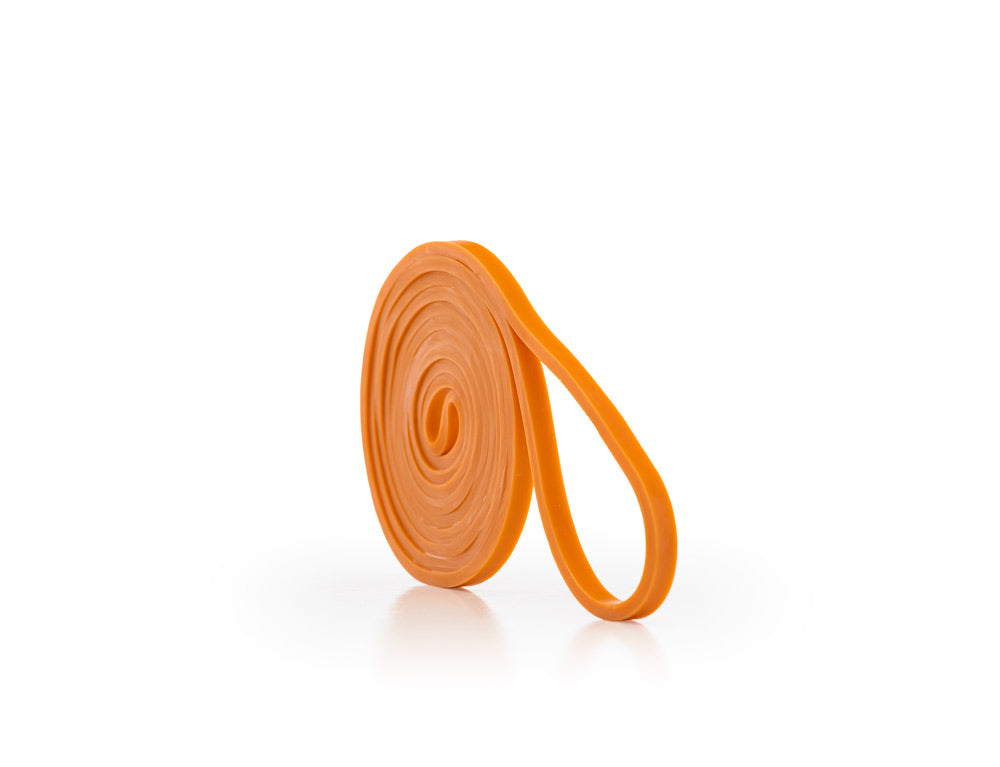
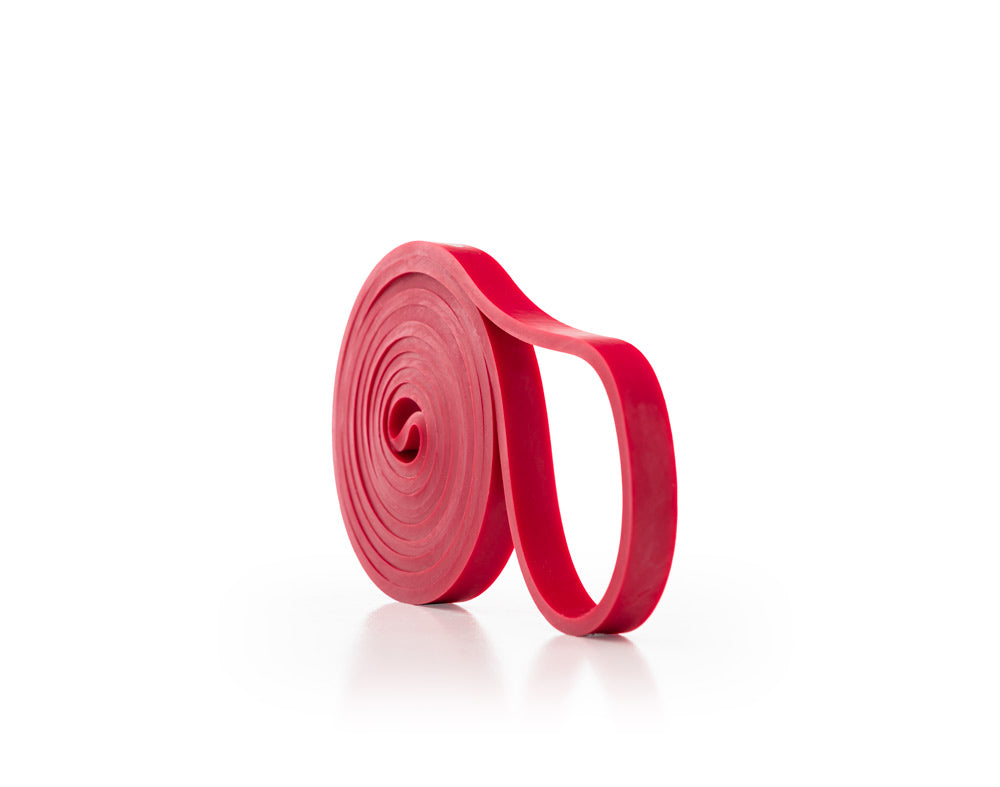
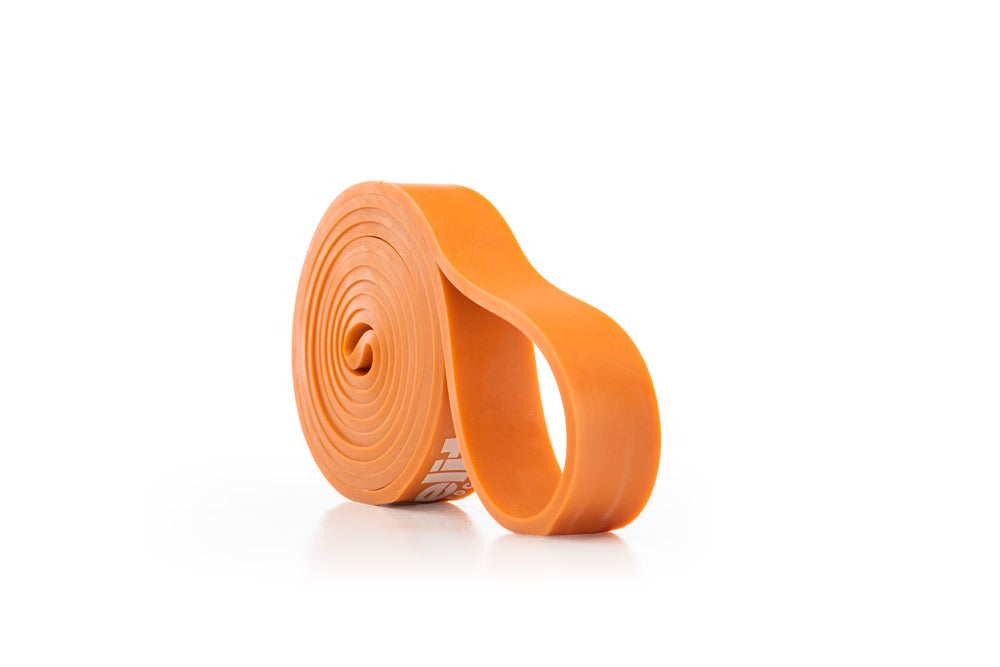
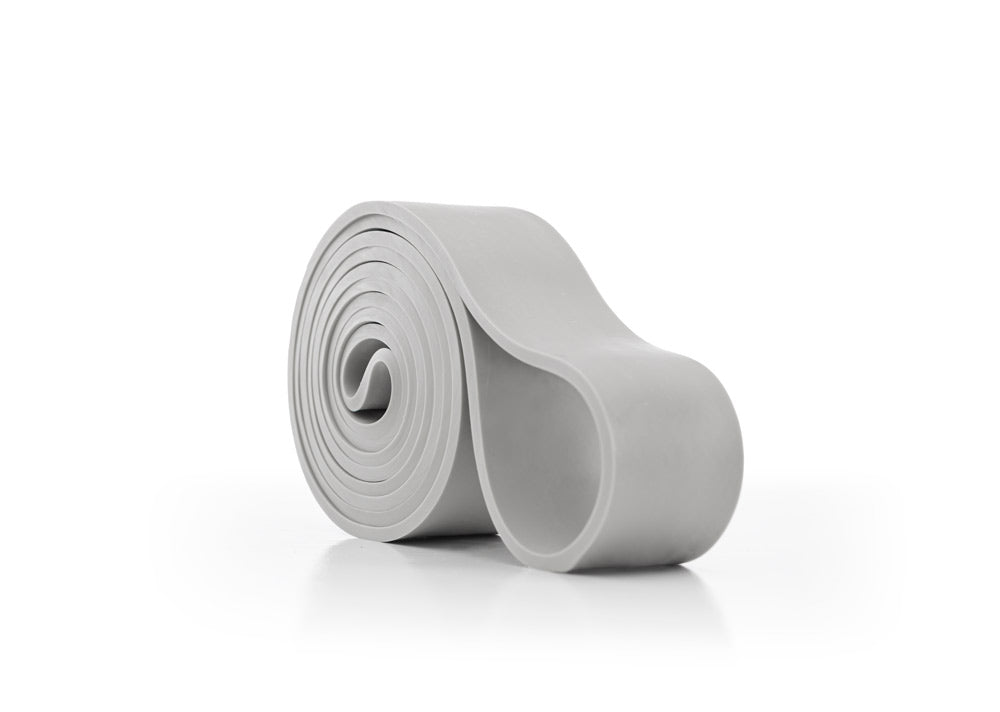
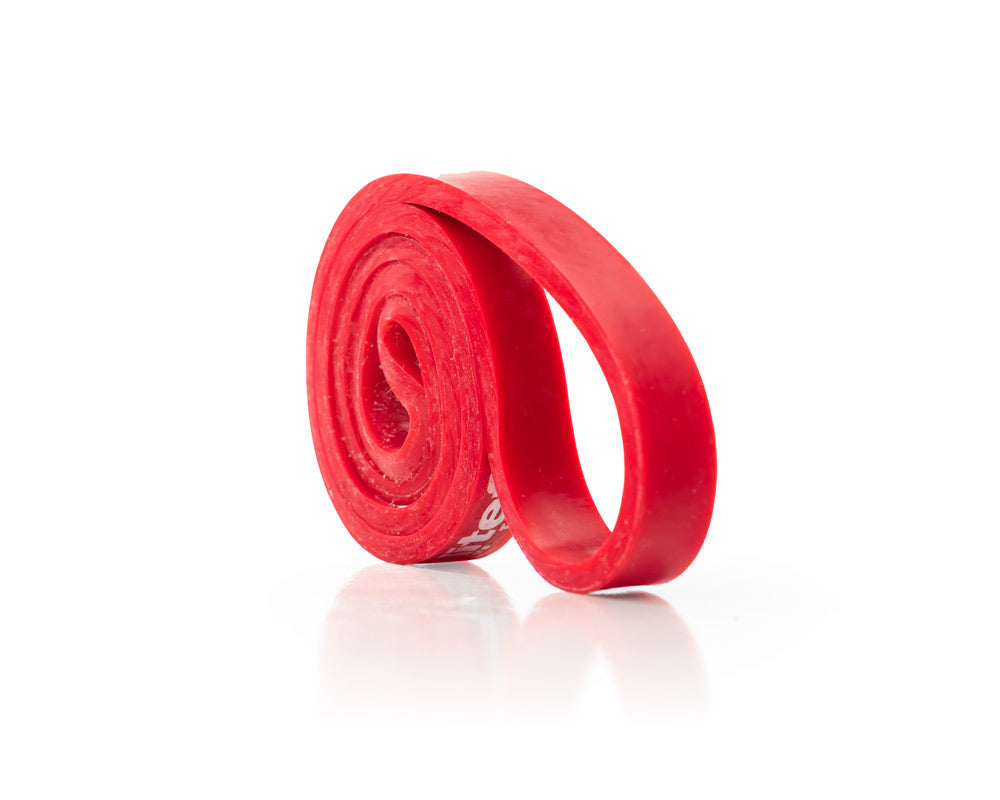
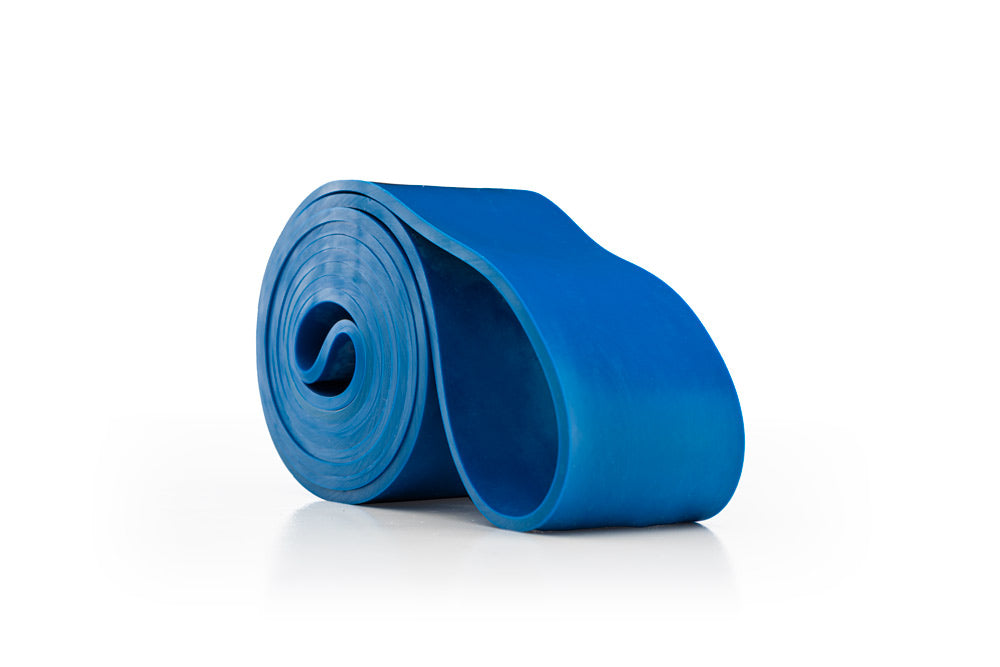
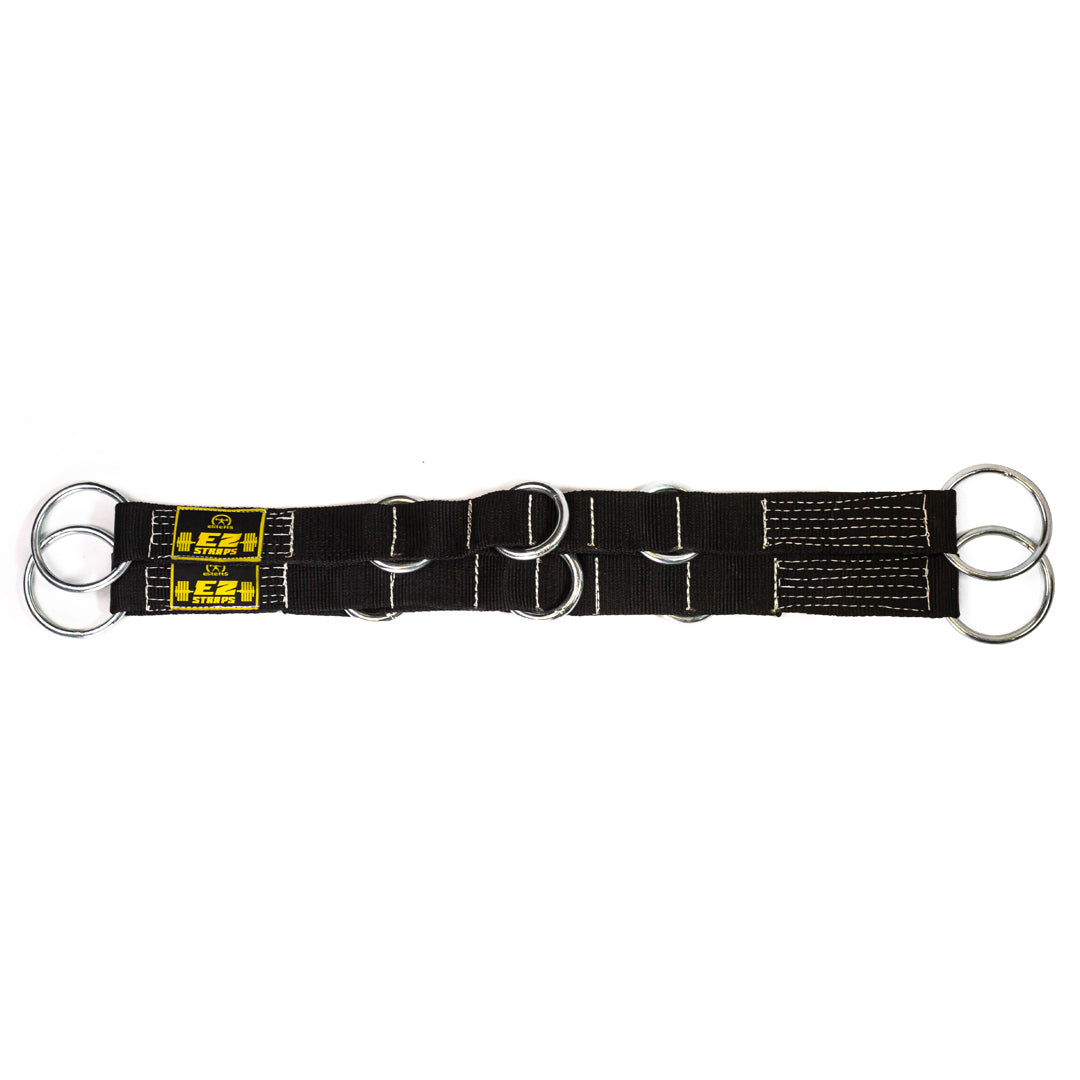
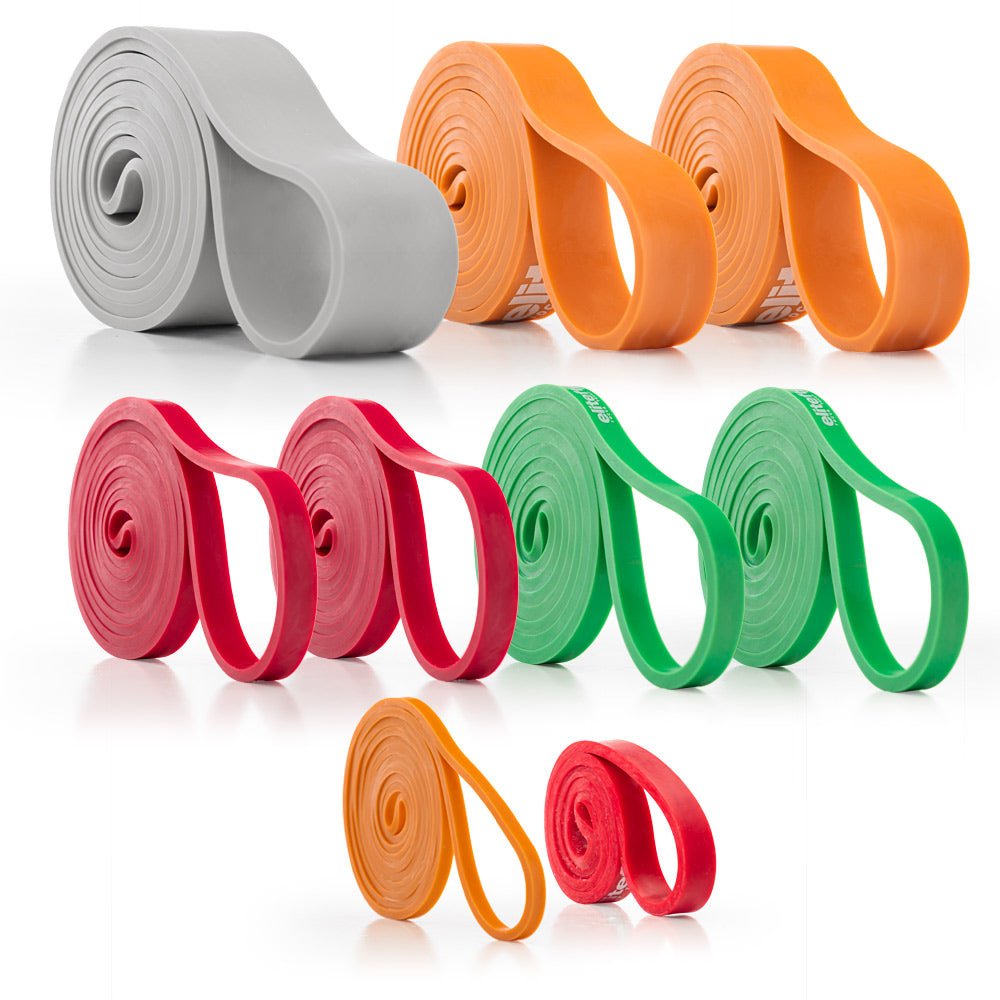
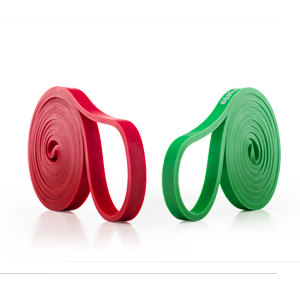
Use bands that challenge stability without turning the drill into a wrestling match. The Elitefts Pro Resistance Band Pack includes multiple matched pairs for strength, speed, mobility, and assisted work. The mini band is a better fit for warm-ups and lighter accessory work, while short, light, and short-average bands can be useful for compact setups and higher-tension drills.
elitefts Pro Resistance Band Pack
Use for: complete band setupMatched pairs that cover the most useful resistance levels for strength training, speed work, mobility, and assisted training.
elitefts Pro Mini Resistance Band
Use for: face pulls, pull-aparts, activationA light-resistance option for warm-ups, rehab-style work, speed training, and accessories.
elitefts Pro Short Light Resistance Band
Use for: pullover primers and triceps workA compact band option for high-anchor pullovers, triceps extensions, and controlled setup work.
elitefts Pro Short Average Resistance Band
Use for: reverse band holdsA compact, higher-tension band for stronger lifters who can keep position while fighting the recoil.
3. Prime the Unrack with Banded Pullovers
The unrack can make or break the lift. When lifters reach for the bar, the shoulder blades slide forward, the upper back flattens, and tightness disappears before the first rep starts.
Lavine uses a light-band pullover into a triceps extension to teach the lifter to pull the bar out of the rack with the lats rather than lift it out with loose shoulders.
How to Do It
- Anchor a light band high. Start with a band you can control for clean reps.
- Set your bench posture while standing. Arms long, chest up, lats locked down, upper back extended.
- Pull with straight arms. Bring the hands down to mid-height like a pullover.
- Flow into a triceps extension. Keep the lats on while the elbows extend.
- Use 2 sets of 15–20 reps. Treat it as a primer before the empty bar.
4. Fortify the Upper Back with Banded Face Pulls
Face pulls are already a bench-friendly accessory. The band version adds the missing piece: instability. The band shakes, the hands drift, and the upper back has to fight to keep the shoulders pinned.
How to Do It
- Anchor the band at upper-chest or face height.
- Reach your wrists through the loops and grab the band.
- Pull toward the face. Do not turn it into a shrug.
- Spread the band east to west. Pull apart while pulling back.
- Pause at peak contraction. Own the position before returning.
| Movement | Main Target | Stability Demand | Bench Press Carryover |
|---|---|---|---|
| Banded Pullover + Triceps Extension | Lats/triceps |
|
Cleaner unrack and stronger lat engagement |
| Banded Face Pull | Upper back / rotator cuff |
|
More rigid upper-back shelf |
| Reverse Band Hold | Lats / bracing endurance |
|
Prevents chest collapse under heavy loads |
| Lying Banded Triceps Extension | Triceps/lats / serratus |
|
Builds lockout strength without losing bench position |
The upper back is the launch pad for the bench press. If that launch pad gets soft, pressing force leaks everywhere except into the bar.
5. Stop the Chest Collapse with Reverse Band Holds
The reverse band hold is brutally specific. It teaches the lats and upper back to hold the same brace you need when the bar touches your chest.
How to Do It
- Set up exactly like your bench press. Ribs high, legs on, lower back engaged, upper back wedged into the pad.
- Attach average bands from a high point. The bands should hang over the bench.
- Pull to your normal touch point. Follow your bench bar path.
- Use your lats. Do not pull with your biceps, forearms, or hands.
- Hold for five seconds. Keep the position until the pause is actually over.
The brutal version
After your main bench work, use 5 sets of 5 reps with a strict 5-second pause on every rep. That gives you 125 seconds of focused positional work. Put it at the end of the workout so it builds capacity without wrecking your heavy bench sets.
Do not chase heavier bands just to make the drill look harder. If the band tension pulls you out of position, it is no longer teaching the position you need on the bench.
6. Train Triceps Without Losing the Bench Position
These triceps variations are not just pump work. They reinforce the same “stretch the bar” and lat-tension cues that carry over to pressing.
Standing Banded Triceps Pushdowns
Use an average band and slow the movement down. At the bottom, spread the band east to west. This mimics the bench cue of stretching the bar while keeping the lats active as the triceps finish the rep.
Lying Banded Triceps Extensions
Lie on a bench with a low cable or band setup. Set your bench position first: shoulder blades down, lats tight, ribs high. Perform the extension while keeping outward tension on the band.
7. Programming Chart
Do not throw every drill into every session at max intensity. Place each one where it supports the main bench work.
| Training Slot | Exercise | Sets x Reps | Band Choice | Goal |
|---|---|---|---|---|
| Warm-Up Primer | Banded Pullover into Triceps Extension | 2 x 15–20 | Short Light or light full-length band | Prime lats and practice the unrack pattern |
| Warm-Up Primer | Light Reverse Band Hold | 1–2 x 3 with 3-second holds | Light to moderate tension | Wake up the brace without creating fatigue |
| Accessory Builder | Banded Face Pull | 3 x 12–15 | Mini or light band | Build upper-back stiffness and shoulder stability |
| Accessory Builder | Standing or Lying Banded Triceps Extension | 3–4 x 12–15 | Light to average tension | Train triceps while reinforcing lat position |
| Capacity Finisher | Reverse Band Hold | 5 x 5 with 5-second holds | Short Average or appropriate average tension | Build bracing endurance and prevent chest collapse |
Before You Add More Band Tension, Check This
- Can you keep your ribs up?
- Can you keep your shoulder blades pinned?
- Can you pull with the lats instead of the arms?
- Can you pause without shaking out of position?
- Can you finish without shoulder irritation?
- Can you repeat the same setup next bench day?
8. Why High-Rep Band Work Belongs in a Bench Program
Heavy benching is rough on elbows and shoulders. High-rep band work adds blood flow, movement quality, and controlled tension without the same joint stress as heavier barbell work.
That does not make bands magic rehab. It makes them useful. Use them to practice better positions, build the muscles that hold those positions, and add volume that supports the main lift instead of competing with it.
For more pressing support tools, check out Elitefts board press boards and shoulder savers.
FAQ
Should I use these drills before or after benching?
Use light pullover and reverse-hold work before benching as a primer. Use heavier reverse band holds after your main bench work so fatigue does not compromise your heavy sets.
What band should I start with?
Start lighter than you think. The best band is the one that makes you stabilize without making you lose position. For many lifters, mini or light tension is enough for warm-ups and face pulls.
Why does “east to west” tension matter?
Pulling the band apart reinforces the same outward tension lifters use when they cue themselves to stretch the bar. It helps keep the lats and upper back involved instead of letting the shoulders drift forward.
Can beginners use this?
Yes, but the goal should be learning position, not chasing fatigue. Beginners should use lower tension, cleaner pauses, and fewer total sets.
Training note: Use loads and band tension you can control. Stop any movement that causes pain, numbness, or joint irritation. When in doubt, work with a qualified coach who can evaluate your bench setup in person.