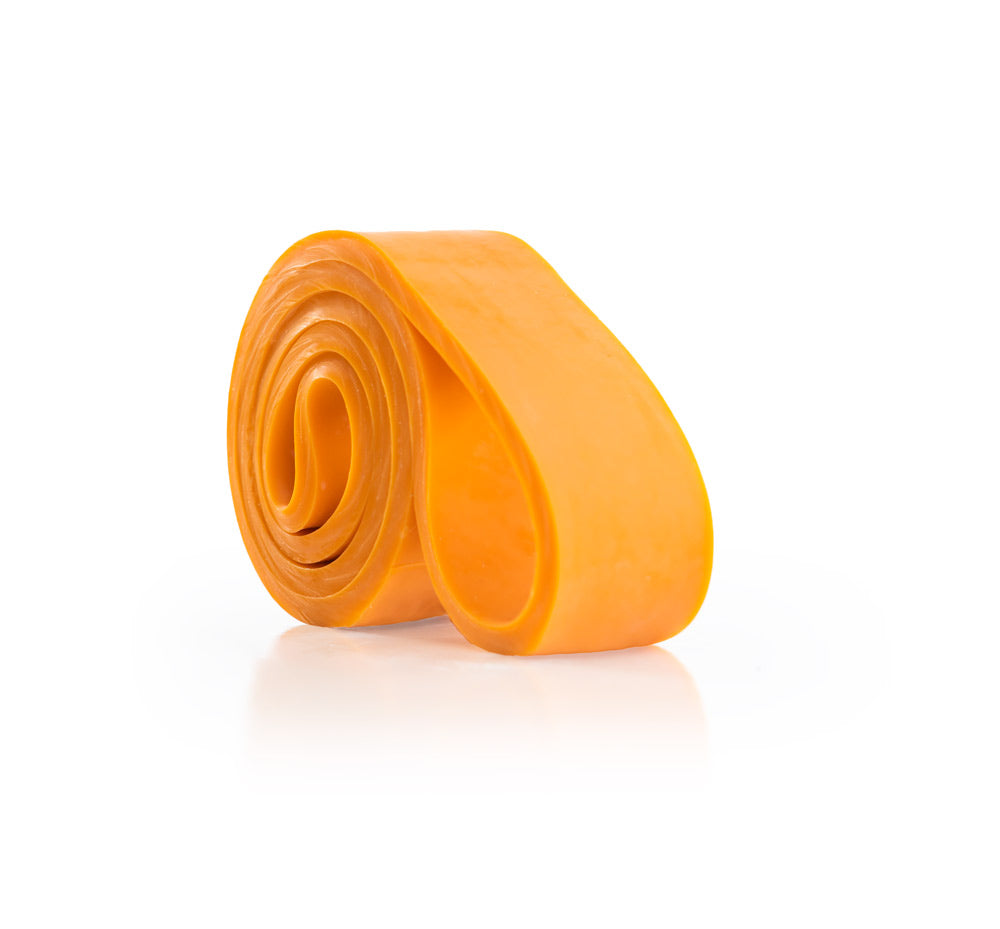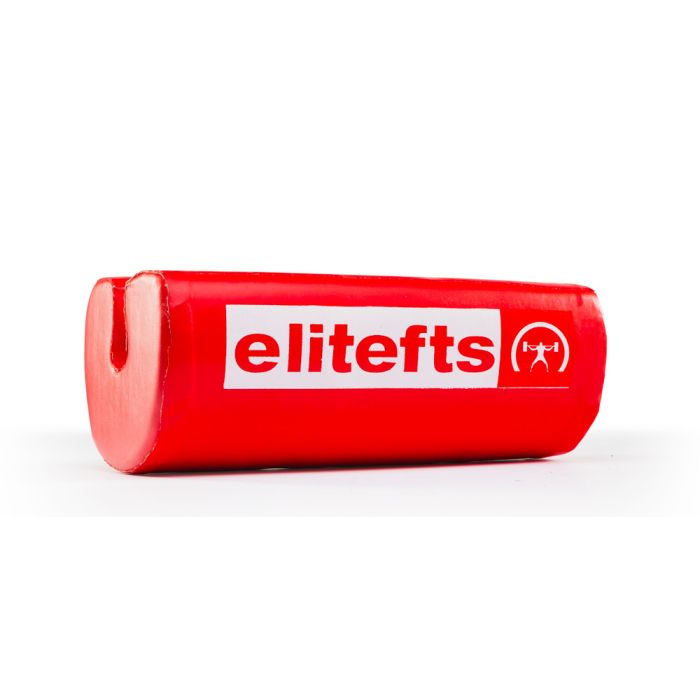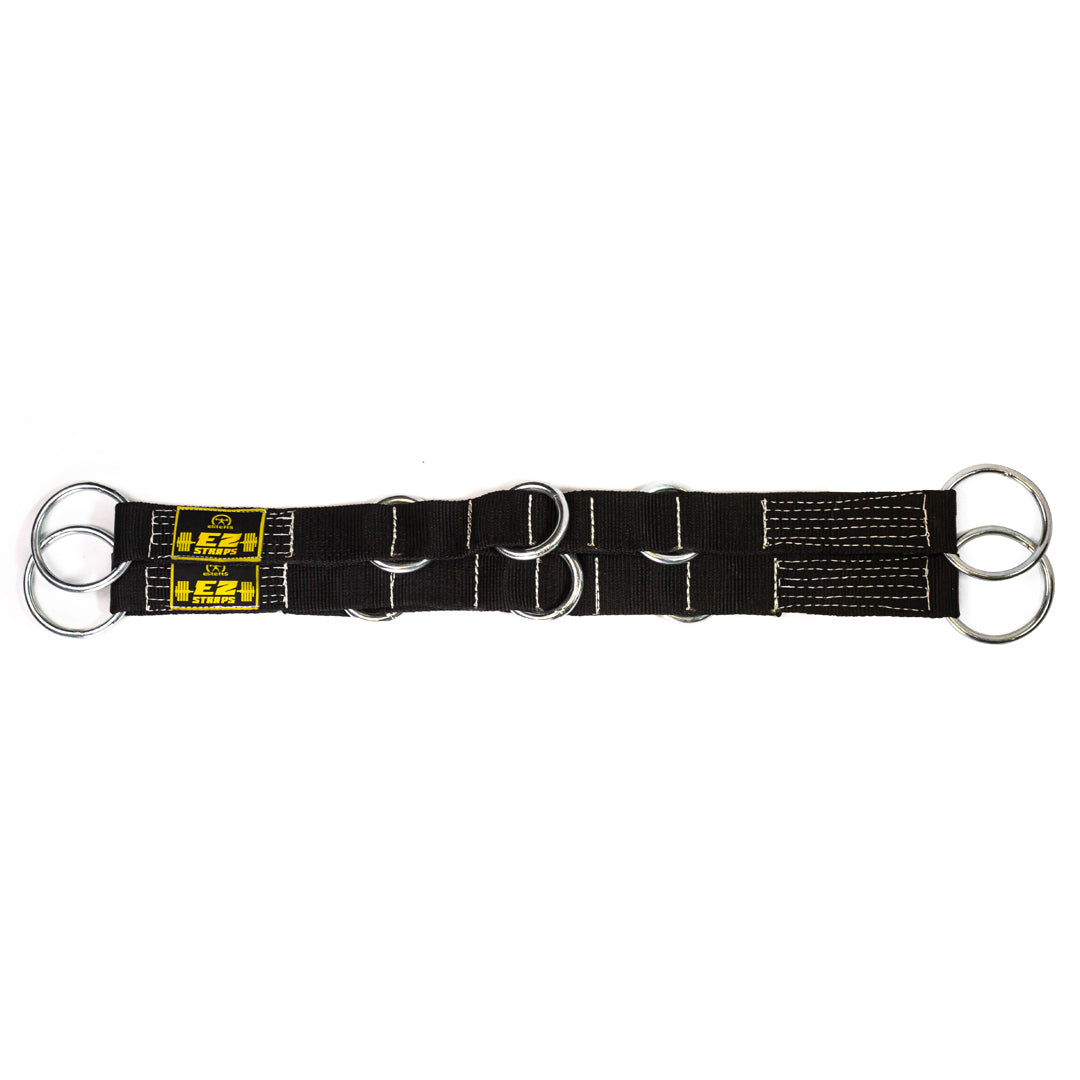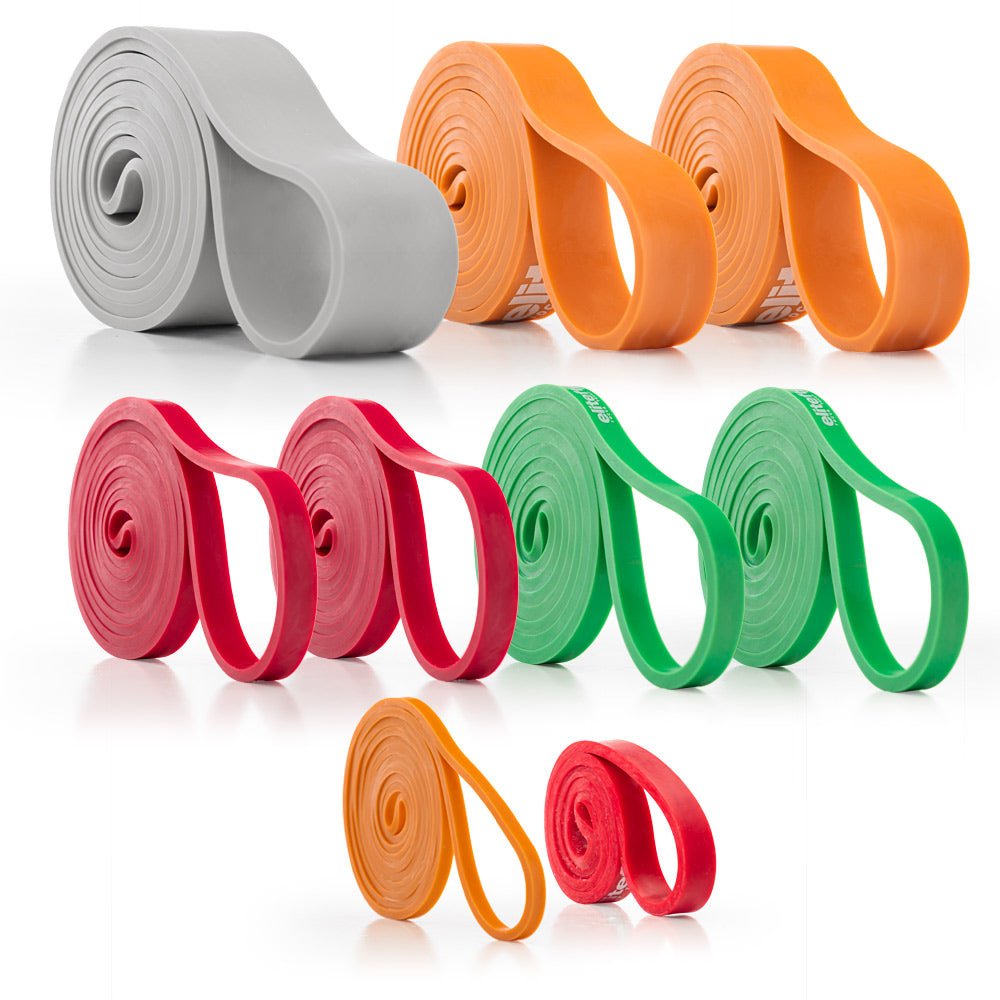
When the brace has to hold
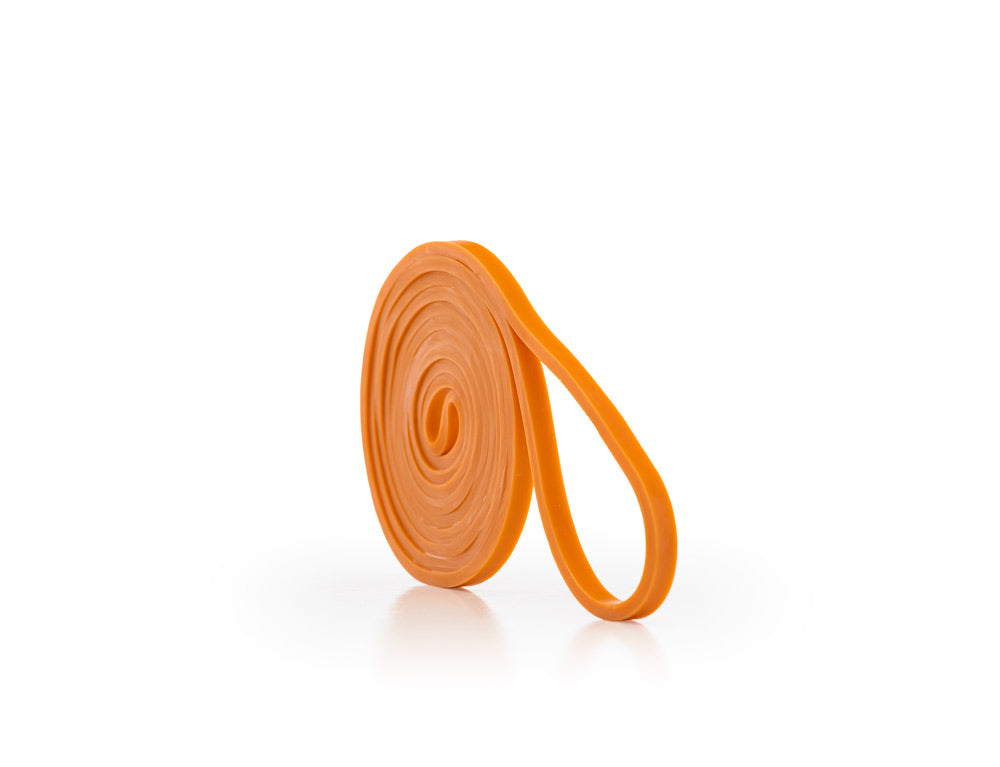
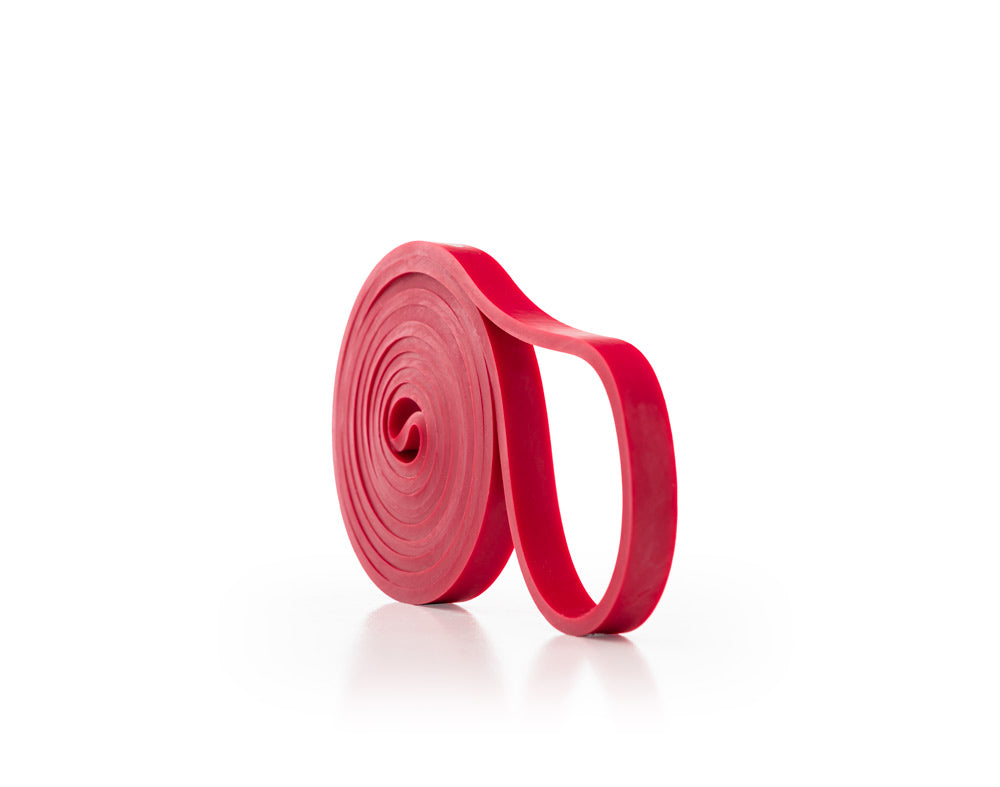
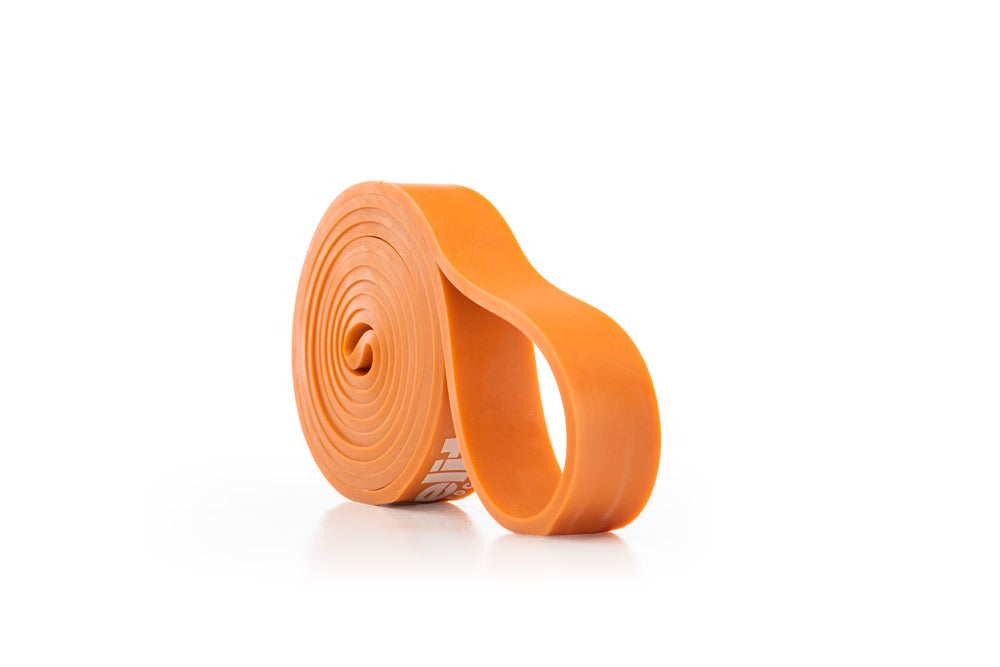
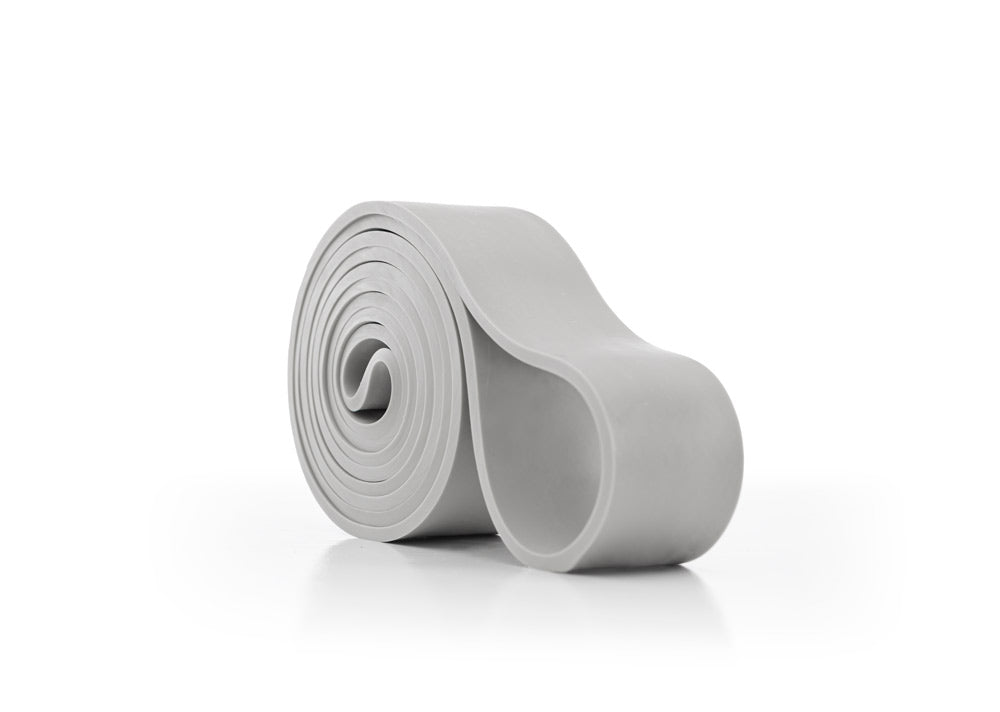
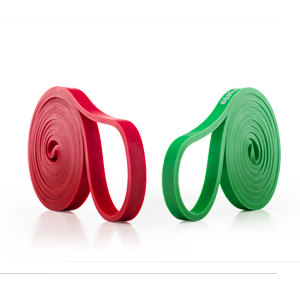
elitefts Premium 13mm P2 Power Belt
For the lifter who has learned that confidence under the bar starts before the walkout. Brace hard, stay tight, and make the weight earn its say.
Load It
Matt Levine on powerlifting’s future, training wisdom, longevity, coaching, fatherhood, and why the strongest lifters are still coming.
The numbers are not decoration. They are the landmarks in the story: the athletes, the chaos, the missed warm-ups, the work capacity, and the reality that the weight never cares how perfect your setup was supposed to be.
This is not gear for the lifter waiting on the perfect day. It is for the lifter who still has to brace, unrack, press, pull, and show up when the room gets loud, and the plan starts falling apart.
For the lifter who has learned that confidence under the bar starts before the walkout. Brace hard, stay tight, and make the weight earn its say.
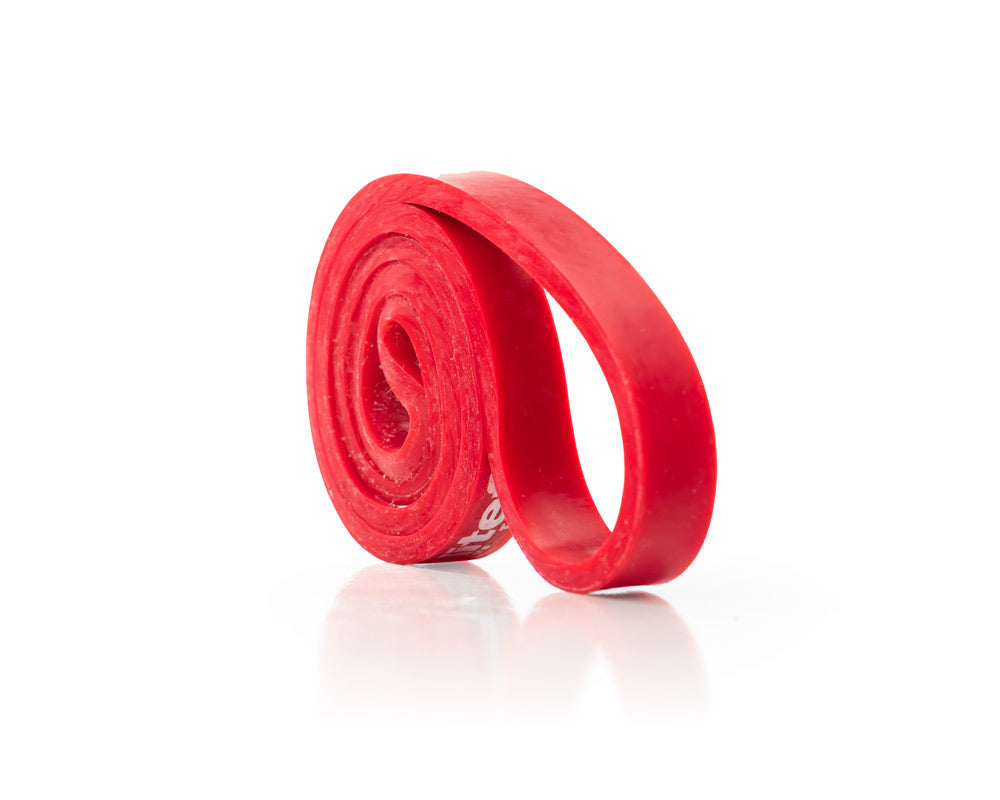
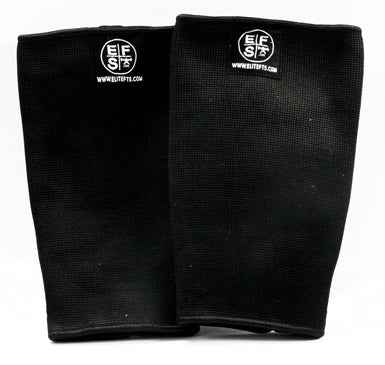
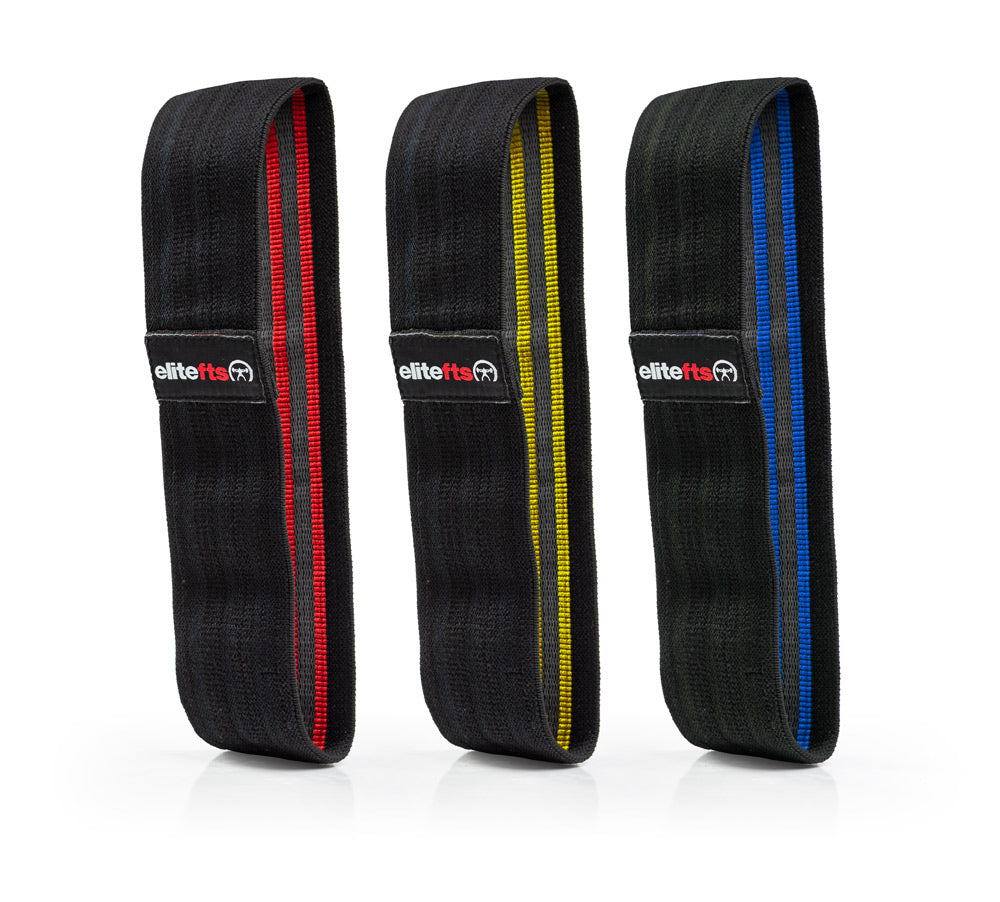
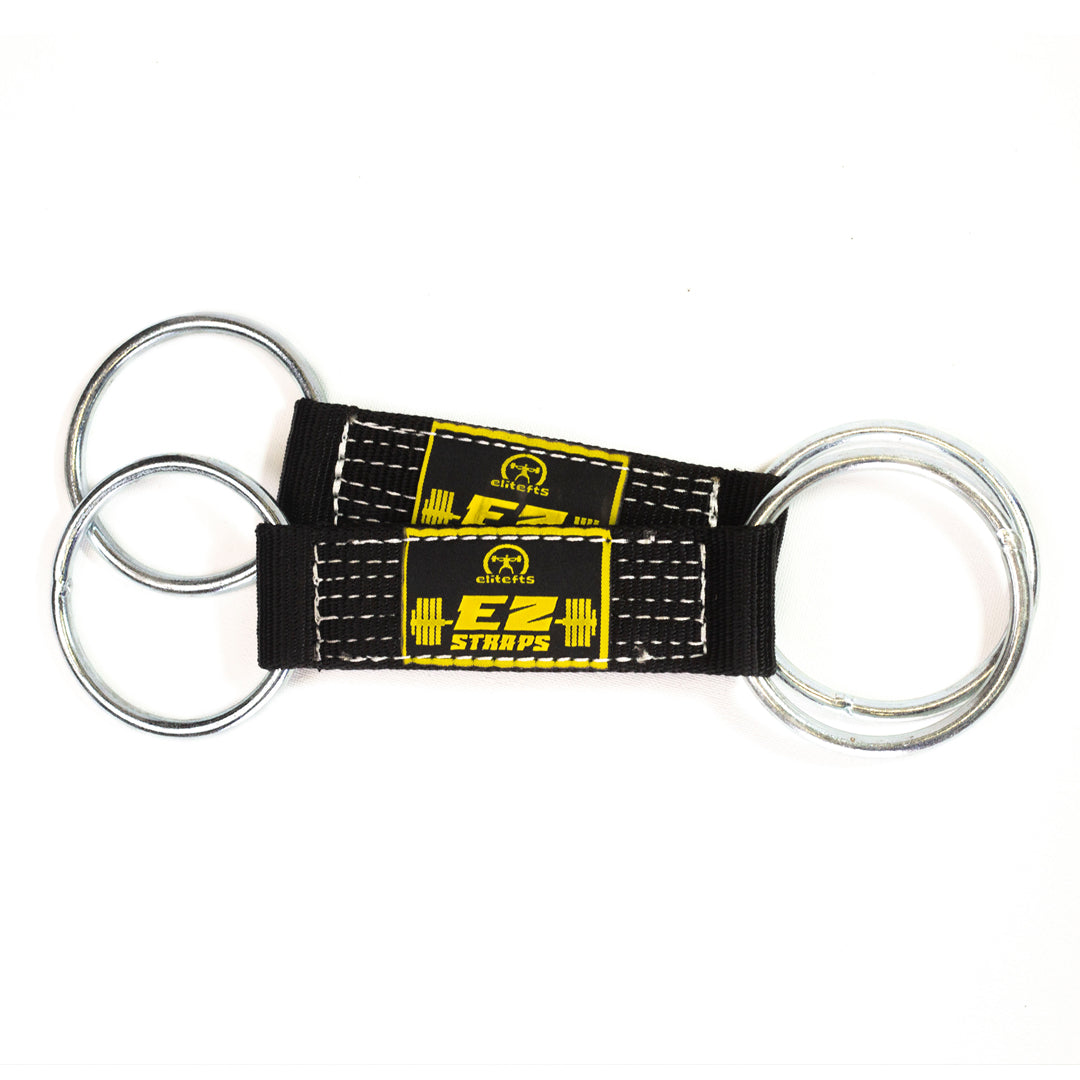
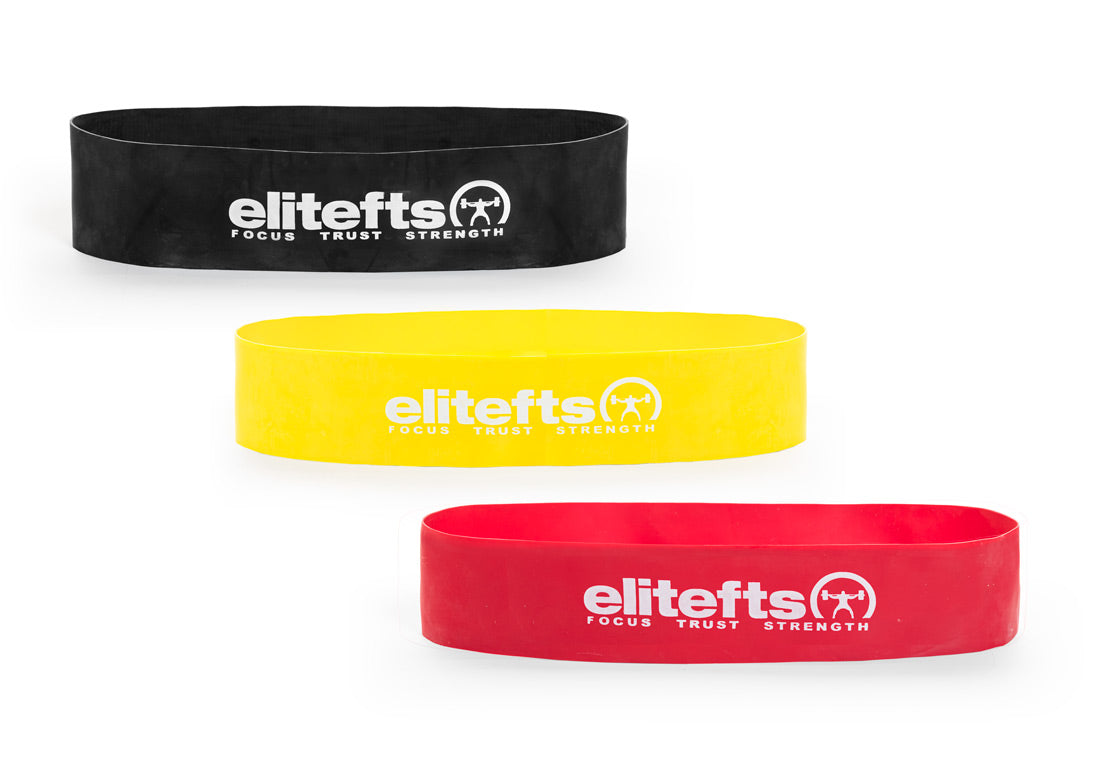
Load ItThe bench does not care about excuses. These are for the days when the wrist needs to stay stacked, and the intent needs to stay violent.
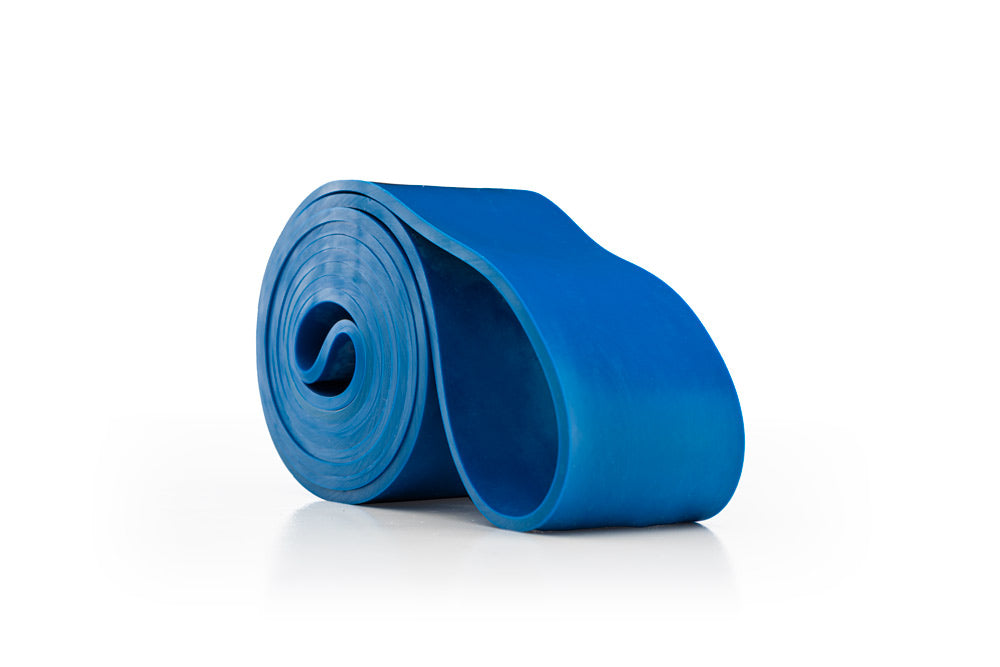
Load ItNot soft, not forgiving, and not made for casual work. These belong under squat attempts where the lifter already knows the cost.
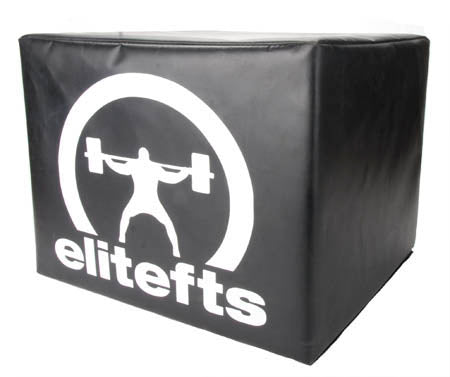
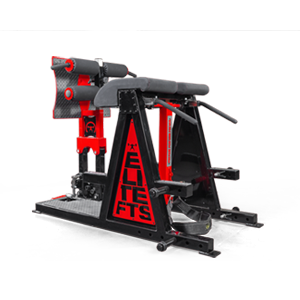
Load ItA hard tool for the long game: keep squatting, keep building, and stop pretending every strong lifter has to move the same way.
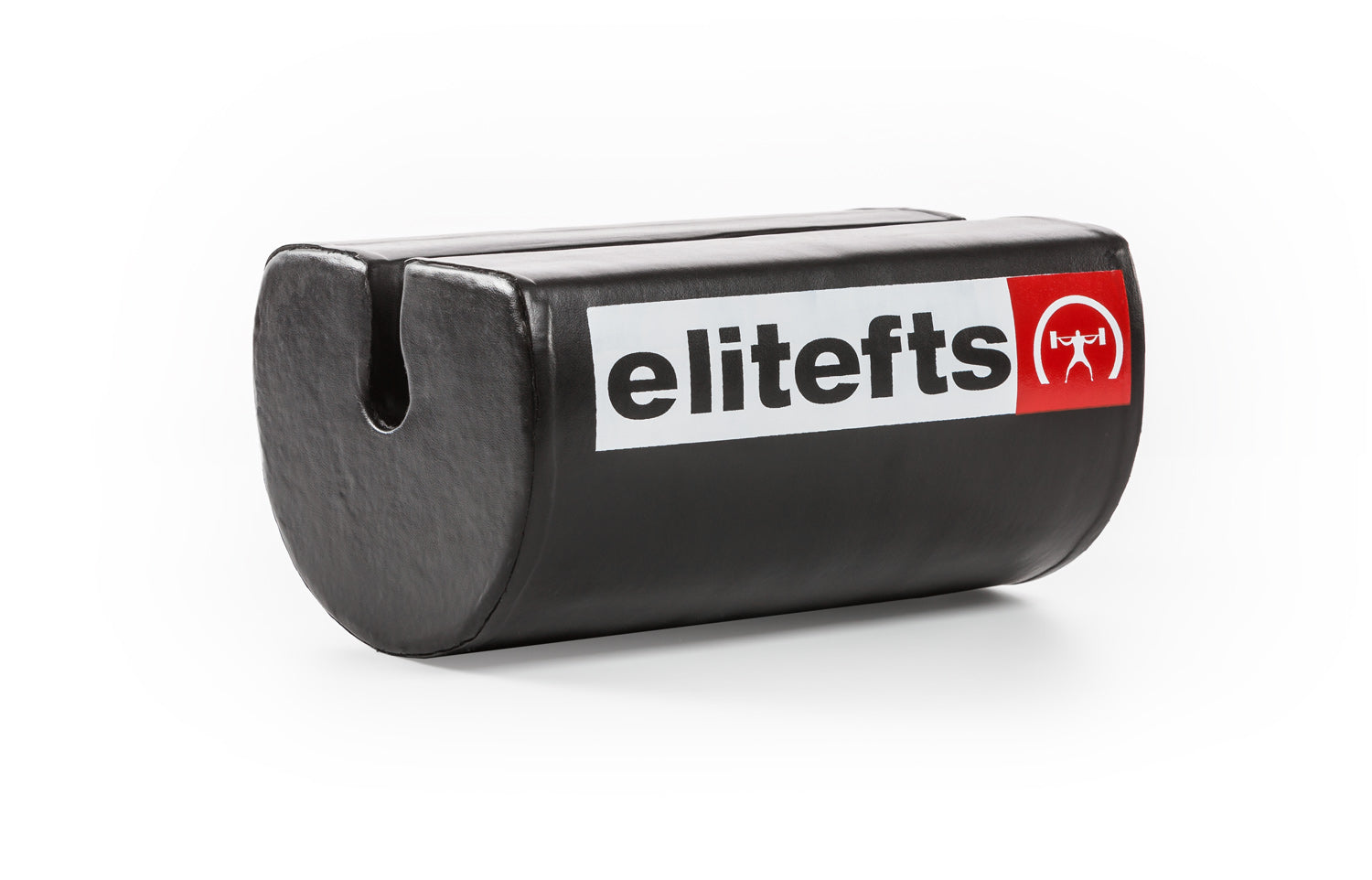
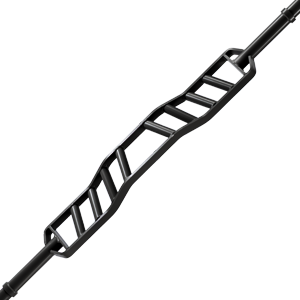
Load ItA straight answer for the squat, bench, and deadlift. No theater. No gimmick. Just a bar that belongs in a room where the numbers matter.
Load ItFor decades, the sport of powerlifting existed in the shadows, relegated to gritty commercial gyms, basements, and back rooms where heavy weights and high intensity ruled over biomechanical science. However, as the sport matures, so does its talent pool. According to veteran powerlifter, coach, and business owner Matt Levine, the absolute ceiling of human strength has not even been scratched yet. Strength is legitimately based on the room that you're in, and as the sport gains notoriety, the caliber of athletes entering that room is fundamentally changing.
In the early days, powerlifting was largely composed of athletes who were not quite genetically gifted enough to play professional sports or those who had retired from higher-level athletics due to injury. That dynamic is shifting dramatically. With the rise of the internet, the influence of CrossFit is expanding the net of barbell athletes, and the potential for monetary compensation in powerlifting, true top-tier genetic anomalies are beginning to pick up barbells instead of footballs or baseballs. Levine recalls a conversation with a strength coach for the New York Yankees, who noted that his athletes routinely used powerlifting methods, with several players capable of squatting and deadlifting 500 pounds for reps without specialized equipment. If the top 10 percent of the world's absolute best athletes were explicitly trained for powerlifting today, all the current world records would likely be obliterated.
Every strength athlete eventually faces a transition from the "beginner gains" phase into the grueling reality of accumulated wear and tear. Looking back on almost two decades in the sport, Levine reflects on the specific changes he would have made to extend his peak competitive years.
His primary regret is his fixation on staying in a lighter weight class to chase specific records. Standing at 6'0" tall, forcing his body to remain at 198 pounds artificially lowered his physical ceiling and likely cost him years of healthy lifting. The old-school golden rule of powerlifting—to keep gaining weight as long as you are getting stronger, and only drop a weight class when the strength stalls—holds merit. Levine admits he would tell his younger self that it is entirely acceptable to fill out the frame and move up to heavier classes.
Furthermore, Levine recognizes the error of trying to juggle too many physical endeavors at once. Growing up playing high-level ice hockey, he continued to compete in the sport alongside his powerlifting career. "Hockey and powerlifting don't necessarily mix," he notes, admitting that bouncing between the two extreme physical demands was deeply detrimental to his longevity in the barbell sports. If he had pulled back on aesthetic goals and recreational sports to focus solely on the variables that made him stronger, his absolute output would have been much higher.
In the modern fitness era, lifters are obsessed with finding the "optimal" training program. However, Levine argues that optimal is simply what works for the specific phase of life and training you are currently in.
During his late teens and early twenties, Levine trained with a crew of massive, incredibly strong older men who benched 500 pounds for reps and squatted 800 to 900 pounds in multi-ply gear. Their training was objectively chaotic by today's scientific standards. A typical Sunday squat session consisted of leg presses to absolute failure, followed by heavy squats, max deadlifts, more leg presses to failure, and finishing with 45-degree wide-grip pull-ups and 100 hanging leg raises. This grueling four-hour marathon was justified by the old-school logic that the spine was the limiting factor, so they needed to pre-exhaust the legs on the press.
While this volume might be classified as "junk volume" by modern exercise scientists, it was highly optimal for Levine at the time because it built immense physical grit, mental focus, and work capacity. The body inevitably adapts to the stimulus, and being surrounded by men pulling 700 pounds naturally warped his perception of what was heavy, allowing him to push past self-imposed mental barriers.
The evolution of coaching information has been a double-edged sword for the strength community. In the early 2000s, lifters relied heavily on the limited information available in magazines like Powerlifting USA and on the specific cues used by legendary gyms. Because there was no widespread biomechanical data, cues were often misapplied.
Levine recalls a period where internet coaching dogma insisted that lifters needed to squat more upright and lean into their quads. Trusting a well-known coach, Levine spent three years trying to overwrite his natural movement pattern to fit this new "quad-dominant" mold. The result? His squat numbers plummeted, and his back pain skyrocketed. He realized that his natural anatomy favored utilizing his thick erectors, hips, and glutes to explosively sit back into the squat. This painful trial and error highlighted the danger of abandoning a working technique simply because a new internet trend dictates otherwise.
Today, the problem is not a lack of information, but a severe overload of it. Modern coaches have a tendency to "peacock"—using complex physical therapy terminology like "thoracic extension," "anterior pelvic tilt," or "scapular depression" to sound authoritative, often without a true understanding of how to apply these concepts. There is a profound difference between possessing the knowledge to regurgitate a textbook and possessing the wisdom that only comes through time, assessment, and practical application. Every piece of coaching knowledge is simply another arrow in a quiver; a true coach understands that they are merely shooting arrows at a target until they find the specific intervention that works for the individual athlete in front of them.
As the Director of Education for the USPA, Levine is actively working to bridge the gap between lifting heavy weights and running a sustainable fitness business. The industry is littered with the corpses of incredible, culture-defining gyms that were forced to close their doors because the owners relied purely on passion rather than business acumen.
Many brilliant coaches spend decades acquiring lifting wisdom but end up working regular corporate jobs because they never learned how to monetize their skills. To survive, coaches and gym owners must separate the emotional attachment of helping people from the objective reality of business management. A successful coaching business relies on three foundational pillars: systems (which make the business repeatable), processes (which make the business scalable), and boundaries (which prevent the coach from being taken advantage of).
There is also a massive distinction between operating a "hard" brick-and-mortar business and a "soft" online coaching business. A physical gym requires dealing with fixed expenses such as rent, equipment repairs, insurance, and workers' compensation. It forces total commitment because failure means bankruptcy. In contrast, online coaching has almost zero overhead (requiring little more than a Wi-Fi connection), which can sometimes dilute a coach's focus if they treat it merely as a side hustle to plug financial leaks.
To thrive in either space, coaches must understand who they are speaking to. Levine categorizes clients into three overlapping types:
By identifying the client's psychological archetype, a coach can tailor their behavioral style to match, though they must always remain authentic to themselves. Ultimately, in a highly saturated digital market, clients "don't care how much you know until they know how much you care".
A powerlifter's career is inevitably punctuated by catastrophic physical adversity. For Levine, one of the most defining moments of his career occurred just ten days before he was scheduled to compete at the Olympia. While playing in the final hockey game of the season, he suffered a severe and highly audible tear of his ACL.
Despite a ruptured knee, Levine felt a deep obligation to compete. He was backed by a paying sponsor who covered his single-ply gear, travel, and entry fees, and he refused to break his commitment. Walking out of his 705-pound squat attempt on a completely unstable leg, he bombed out of the meet, unable to complete the lift due to a justifiable fear of his leg snapping. While he admits the decision to compete was medically foolish, it fundamentally changed his outlook on integrity—proving to himself that he was a man who would show up and do what he promised, regardless of the physical cost.
Another perspective-shattering moment occurred at the 2014 WPC World Championships. After missing his weight class and getting stuck in terrible Florida traffic, Levine arrived at the venue mere minutes before he was supposed to lift, walking through the doors in his flip-flops while the national anthem played.
In a state of pure panic, he ran to the back room. His training partner loaded 135 pounds for a single rep, then jumped to 350 for a single, and finally to 500 for a single while Levine frantically threw on his lifting suit. With his knee completely cold and zero time for mobility drills, he walked onto the platform and successfully hit a 705-pound opener, followed by a 750-pound second attempt, essentially going from an empty bar to 700 pounds in six minutes.
This chaotic experience permanently altered how Levine views meeting-day preparation. Modern lifters often obsess over having the perfect bar, the right plates, the optimal shoes, and a two-hour sequence of foam rolling and McGill mobility drills before they can unrack a weight. Levine’s WPC experience showed that if physical adaptations have been made in the gym, environmental variables do not dictate the outcome. "You're a representation of your training," Levine states. "You're either strong, or you're not. You make the decision at the chalk bowl".
This sentiment echoes the gritty roots of the sport. In the past, lifters would warm up by taking weights out of squat stands perched precariously on audio speakers in tiny recreational center closets, or they would lift at 2:00 a.m. at the tail end of a 16-hour meet. The modern luxury of having identical competition combo racks and calibrated plates in the warm-up room is a massive sign of progress, but it has perhaps softened the psychological calluses required to excel when things go wrong.
As lifters crest the five-year mark in their competitive journeys, the initial thrill of setting personal records begins to wane. Plateaus hit, severe injuries occur, and life circumstances—like marriages, divorces, or career shifts—take priority. To survive in the sport long-term without becoming bitter, a lifter must transition their focus away from chasing mere numbers and begin giving back to the community, often by mentoring the next generation.
For Levine, the birth of his daughter acted as a massive catalyst for this identity shift. Fatherhood obliterated his free time, forcing him to adapt to sleepless nights and highly restricted schedules. He now manages his entire life in strict 30-minute blocks. Surprisingly, this restriction has been entirely liberating. Without the luxury of "doom scrolling" or wasting time, he is forced to be hyper-efficient in his training, his nutrition, and his business meetings. Fatherhood dictates that he cannot waste energy on trivial frustrations, making him better at everything he does.
This evolution brings to light the great myth of the modern professional: the concept of "balance". For years, individuals have tried to perfectly compartmentalize their lives, balancing the separate buckets of business, family, and training. "That's a lie. It's all one thing," the men reflect. There is no separation between the recovery, nutrition, and discipline required to be a champion powerlifter and the focus required to be a successful business owner or father. They are all interconnected facets of the exact same life.
By stepping away from the singular, rigid identity of "the powerlifter," an athlete frees themselves to simply become the best possible version of themselves across all domains. A lifter never knows when they have taken the heaviest squat of their life; nobody rings a bell to tell you that your absolute peak has passed. By letting go of the desperate need to constantly break records, athletes can learn to appreciate the immense body of work they have compiled, the resilience they have forged under the bar, and the deep relationships they have built in the chalk-dusted rooms of the gyms that raised them.
As a new generation of coaches and lifters takes the torch, the strength landscape is changing faster than ever. Artificial Intelligence is rapidly approaching a point where it can write better, more mechanically sound powerlifting programs than human coaches. However, AI cannot replace the human elements of coaching: communication, empathy, and the deeply ingrained desire for physical community. The gyms that survive the coming decades will be the ones that foster authentic connection and agile business practices, while never forgetting that at the core of all this science and technology is a human being choosing to do something incredibly hard. The heavyweight will always remain heavy; it is up to the lifter to decide if they are strong enough to carry it.
The article repeatedly points back to the same principle: strength is not just programming. It is environment, execution, constraints, and consistency.
Strength is shaped by the people around you, the standards you accept, and the tools you trust when the weight is no longer theoretical.

EliteFTS Table Talk— Where strength meets truth. Hosted byDave Tate, Table Talk cuts through the noise to bring raw, unfiltered conversations about training, coaching, business, and life under the bar. No fluff. No hype. Just decades of experience — shared to make you stronger in and out of the gym.

Support us and access premium content monthly!