
The Evolution of “The Sheriff”: Matt Sharafinski’s 2,000-Pound Journey
A cleaner, sharper look at addiction, identity, bodyweight, coaching, and the weight room—built for Shopify, formatted for scanning, and grounded in the difference between building strength and being healthy enough to display it.
Table of contents
Table Talk: the conversation behind the article.
The article below is built around the same themes as the requested episode: hard living, hard training, bodyweight, health, programming, coaching, and the discipline to do the work anyway.
Video fallback: open the episode on YouTube.
The strongest version was not just the heaviest version.
Powerlifting usually rewards size. Gain weight, move up a class, and let the extra mass support a bigger squat, bench, and deadlift. Matt Sharafinski’s story cuts against that simple rule. His 2,000-plus-pound totals came during his heavyweight run, but his best pound-for-pound score came later, after he reduced bodyweight and cleaned up the system that had to recover from the training.
That distinction matters. This is not a story about becoming smaller and magically stronger. It is a story about building a massive engine, realizing the chassis was breaking down, and then becoming healthy enough to display more of the strength he had spent years accumulating.
| Milestone | Class / bodyweight | Squat | Bench | Deadlift | Total | DOTS |
|---|---|---|---|---|---|---|
| First listed meet USAPL Wisconsin State Open, Jan. 18, 2014 |
242 class / 231 lb | 500 lb | 255 lb | 550 lb | 1305.1 lb | 357.31 |
| Top raw total Badger Brawl by Iron Rebel, May 14, 2022 |
275 class / 261 lb | 755 lb | 446 lb | 832 lb | 2033 lb | 532.19 |
| Another 2,000+ total Power Surge VI, Oct. 7, 2022 |
275 class / 256.6 lb | 771 lb | 419 lb | 816 lb | 2006 lb | 528.06 |
| Best DOTS WPPL Pro Invitational, Mar. 1, 2025 |
198 class / 197.5 lb | 683 lb | 397 lb | 794 lb | 1874 lb | 550.85 |
Pound values are rounded from listed meet results. The key correction: his best DOTS came in the 198-lb class, while the 2,000+ totals were achieved at heavier bodyweights.
The barbell became order after years of escape.
Before the nickname, before coaching, and before the 2,000-pound total, Sharafinski describes himself as quiet, shy, and deeply uncomfortable in his own skin. In high school, he drifted into a drug-heavy clique where escape became the easiest identity to wear. The substances were not framed as a celebration. They were a shut-off valve.
The lowest points in the story are blunt: alcohol hidden in a thermos before class, drugs sold to fund more use, expulsion from school, and heroin used before walking into the building. The pattern was not rebellion with a plan. It was dissociation with no brakes.
Substances gave him temporary distance from anxiety and depression, but they also made identity smaller, confidence weaker, and consequences harder to outrun.
- The thermos ritual: liquor brought into school to numb the day before it started.
- Criminality as currency: selling drugs to fund use and create a false sense of utility.
- Institutional fallout: expulsion, reinforcing the “kid you don’t mess with” reputation.
- The heroin threshold: hard narcotics used not for joy, but for total disconnection.
Running taught him effort. Lifting taught him agency.
The first spark came from realizing that his lifestyle was hurting his parents. Without a sport to organize the change, he reached for the most accessible form of discipline available: distance running. During senior year and the summer before college, he dropped roughly 40 pounds and felt the first rush of visible transformation.
At first, the reward was external. People noticed. Confidence improved. But shin splints eventually pushed him off the road and into his parents’ basement with a pair of 20-pound dumbbells. That is where the lesson changed. The high was no longer the only attention. It was effort, failure, and the first real feeling of self-efficacy.
Psychology became the coaching advantage.
Sharafinski originally chased Exercise Science, imagining a life built around opening a gym and lifting stress-free. The classroom version of training never fully matched the reality he was learning under the bar. Nutrition and programming debates exposed a gap between academic correctness and practical coaching.
The pivot came after a brutal Anatomy and Physiology failure. He missed the required mark by a microscopic margin, and the standard did not move. In the moment, it closed one path. In the long run, Psychology and Sociology gave him the tools that matter when coaching real people: environment, belief, rapport, stress, and the stories athletes tell themselves.
| Exercise Science frustration | Psychology / Sociology carryover |
|---|---|
| Memorizing systems did not automatically teach him how to coach behavior. | Understanding the “why” behind effort, fear, avoidance, confidence, and drug use helped him coach the person, not just the program. |
| Academic answers often felt detached from what worked in a hard-training gym. | Communication, rapport, and public-speaking skills translated directly to the platform and coaching floor. |
| The 79.9997% incident was a hard lesson in standards. | Boundaries became part of his coaching language: the bar does not care what you intended to do. |
5/3/1, Elitefts articles, a camera, and a first meet.
Sharafinski entered powerlifting through the old practical path: read, train, film, adjust, repeat. Jim Wendler’s 5/3/1 and Elitefts articles helped turn “working out” into training. Without a formal coach, he used a camera to check depth, pauses, and positions between sets.
His first listed full meet was the USAPL Wisconsin State Open in January 2014. The corrected meet detail is important: he squatted 500 pounds, benched 255, deadlifted 550, and totaled 1305.1 pounds at roughly 231 pounds bodyweight. That meeting gave him something drug use never did: measurable proof of agency.
Mass moved mass—until mass started choking the system.
As the total climbed, Sharafinski leaned into a common powerlifting trap: if big lifters are strong, then getting bigger must be the answer. The climb toward the 275-lb class worked for performance, but it came with a cost. His neck reached roughly 22 inches, sleep quality collapsed, and the day became a chain of micro-naps.
The most alarming detail was the “bulldog” sound: snorting and gasping while awake because soft tissue was obstructing his airway. Even the breathing machine meant to protect him at night was being pushed toward its limits.
| Symptom / metric | Early college around 230 lb | Peak heavyweight crisis around 275 lb |
|---|---|---|
| Respiratory sound | Heavy snoring at night | Awake “bulldog” snorting and gasping |
| Daytime fatigue | General lethargy | Falling asleep in class and between sets |
| Self-directed fix | Mattress propping | Didgeridoo-style breathing practice |
| Medical support | CPAP / breathing support | BiPAP pressure reportedly maxed at 25 |
| Neck size | About 18.5 inches | About 22–23 inches |
| Risk level | Moderate warning signs | High enough that performance and health were no longer separable |
This section is not medical advice. It is part of the athlete narrative and a reminder that performance choices have system-wide costs.
The lesson moved from “more work” to “better display.”
His programming arc reads like a lifter maturing in public. 5/3/1 gave structure. Sheiko taught technical patience and delayed transformation. Linear periodization brought heavier exposure and specificity. JuggernautAI introduced more auto-regulation and the permission to stop being a slave to percentages.
| Phase | What it taught | Risk if taken too far |
|---|---|---|
| 5/3/1 foundation | Simple progression, repeatable work, and long-term training structure. | Too little specificity if the lifter never learns to meet execution. |
| Sheiko influence | Technique under fatigue and faith in delayed transformation after tapering. | Volume can bury a lifter who does not manage recovery. |
| Linear heavy exposure | Confidence under maximal loads and specificity in wraps. | Maximal loading can become an identity rather than a strategy. |
| Auto-regulated model | Readiness, RPE, and adjusting work to the lifter in front of the bar. | Auto-regulation only works when the lifter tells the truth. |
The inverse move: down in bodyweight, up in quality.
The turn came when the cost of being huge became impossible to ignore. Instead of continuing to chase the heavyweight solution, he moved down. The 198-lb class forced a new standard: not just macros, but food quality, nutrient timing, inflammation control, recovery, and the daily habits that decide whether strength can actually be displayed.
That is the useful distinction: building strength versus displaying strength. At the heavier bodyweight, he built the engine. At the lighter bodyweight, he improved the system around the engine. He did not erase the heavy years; he learned to make them useful without letting them destroy him.
| Old target | New target | Why it mattered |
|---|---|---|
| Scale weight and bigger leverages | Recoverability and consistency | Heavy training only works if the body can adapt to it. |
| Macros only | Macros plus micronutrient quality | Healthier inputs reduced friction in the recovery process. |
| More mass for bigger lifts | Better system for better display | The best DOTS came from strength plus health, not strength alone. |
| Looking like a threat | Becoming approachable again | Identity widened beyond being the biggest person in the room. |
Control the controllables. Click to the next frame.
Sharafinski’s mental game is practical. He builds control through ritual: hand on the bar, foot placement, breath, setup, and the same sequence repeated until the meet platform feels like another rep in training. The routine narrows attention.
For intrusive thoughts, the metaphor is a child’s View-Master. Thoughts click by like images. Some are useful. Some are ugly. The skill is not pretending the bad frame never appears; it is recognizing it and clicking to the next one.
| Mental rehearsal checkpoint | Purpose |
|---|---|
| Sensory anchoring | Visualize the knurling, command, sound, and feel before the attempt. |
| Habitual rigidity | Make the hand and foot sequence identical to the reps that built the lift. |
| Intrusive-thought dismissal | Treat failure thoughts as a frame, not a prophecy. |
| Red/blue state shifting | Move between high arousal and restorative calm when the situation demands it. |
The cake is only as good as the ingredients.
As a coach, Sharafinski uses the cake analogy. The ingredients are sleep, food, hydration, stress management, and effort. The oven is what the athlete cannot fully control: genetics, training age, and other external factors. Bring poor ingredients to the gym, and even the best oven can't produce a good cake.
He also tests effort. A beginner may call a set RPE 7, then perform 10 or 15 extra reps on an AMRAP. That is not lying; it is an undeveloped relationship with effort. Coaching is teaching the lifter what maximal force actually feels like.
Gear that fits the article: simple, useful, brutally practical.
These are not magic fixes. They are the kind of tools that match the article's themes: build the big three, protect the joints, warm up better, grip harder, and keep showing up.
Elitefts Aggressive Power Bar
A straight, aggressive-knurl power bar for lifters who want one bar to squat, bench, and deadlift with confidence.
Shop on elitefts →Elitefts 13mm P3 Pioneer Cut Painted Power Belt
A serious power belt option for heavy squats and pulls when bracing consistency matters.
Shop on elitefts →elitefts Krait Knee Wraps
A strong knee-wrap option for lifters who train or compete in wraps and want rebound out of the hole.
Shop on elitefts →Elitefts WarGrip Training Knee Sleeves
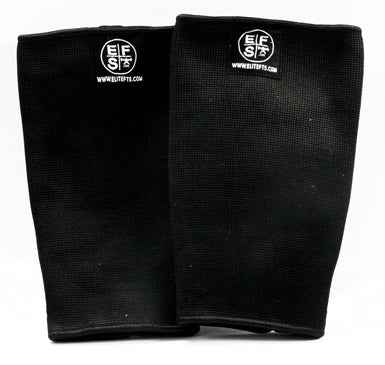
Training sleeves for repeated sessions, warm knees, and support without turning every workout into meet day.
Shop on elitefts →Elitefts HEAVY Wrist Wraps
Support the wrist position on heavy pressing, close-grip work, and max-effort bench variations.
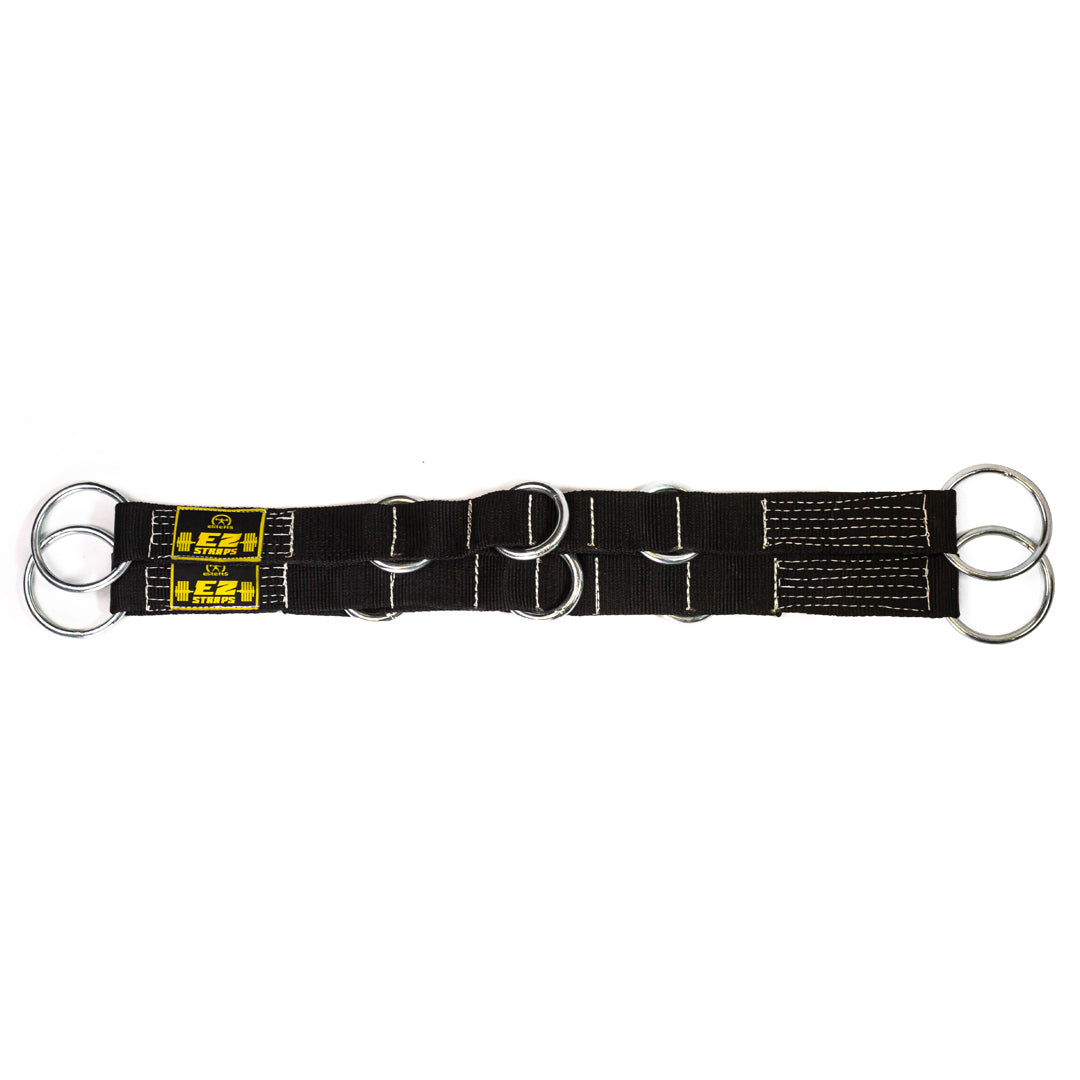
Shop on elitefts →Elitefts Third Generation GripMax™ Wrist Strap
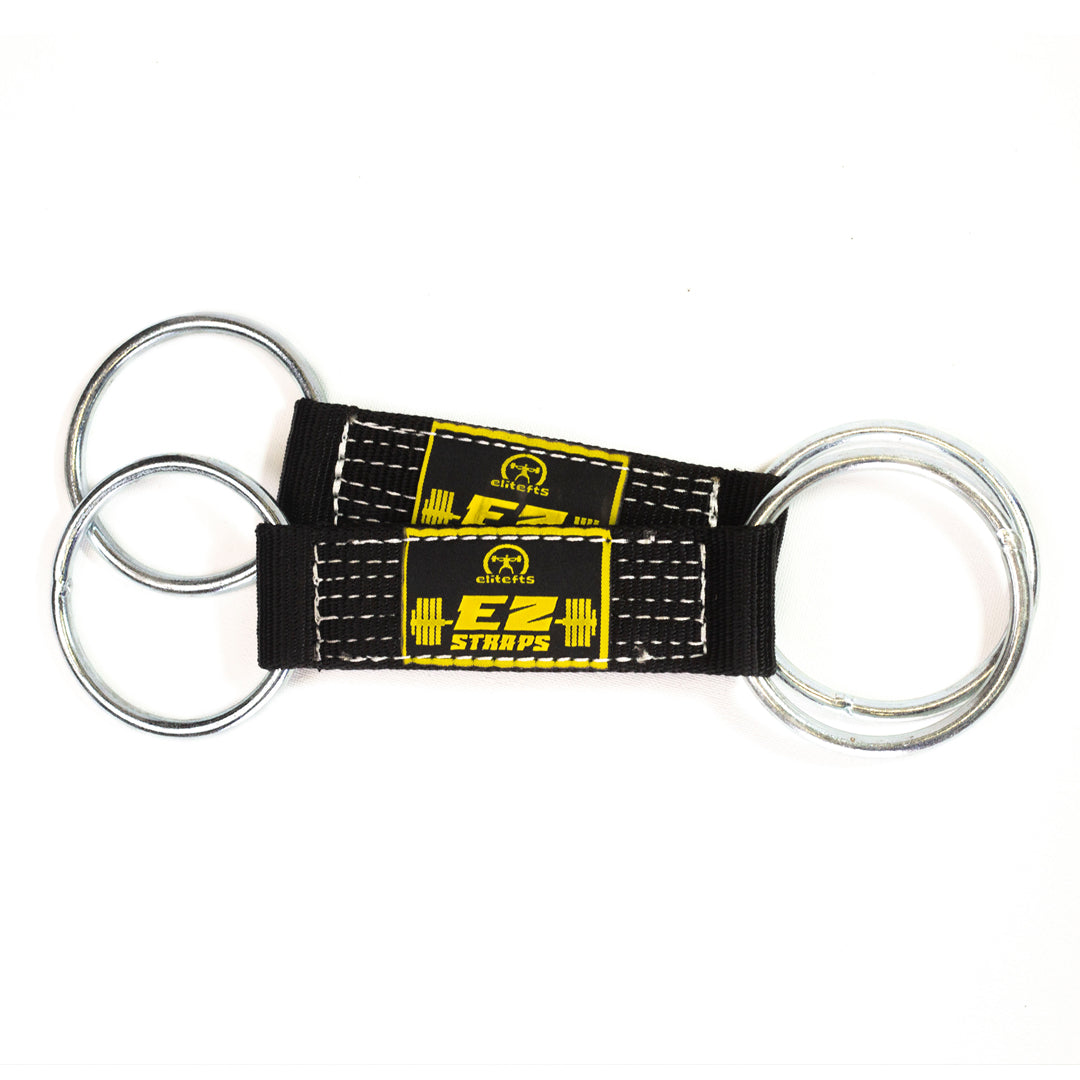
A strap choice for heavy rows, deadlift accessories, and back work when grip should not be the limiting factor.
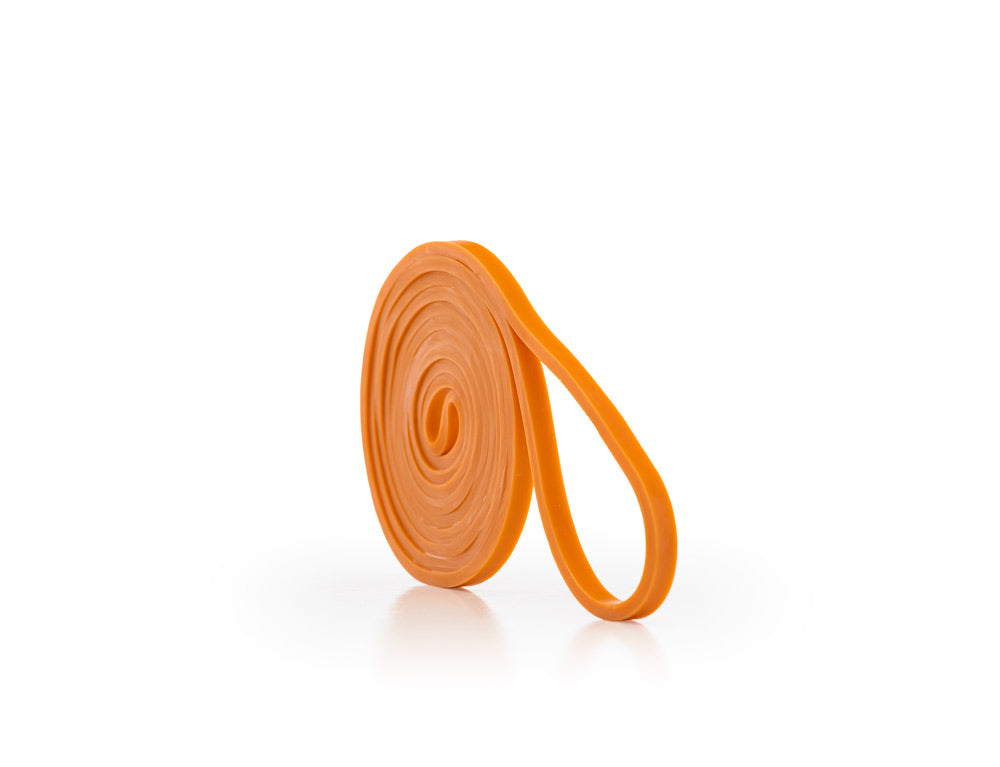
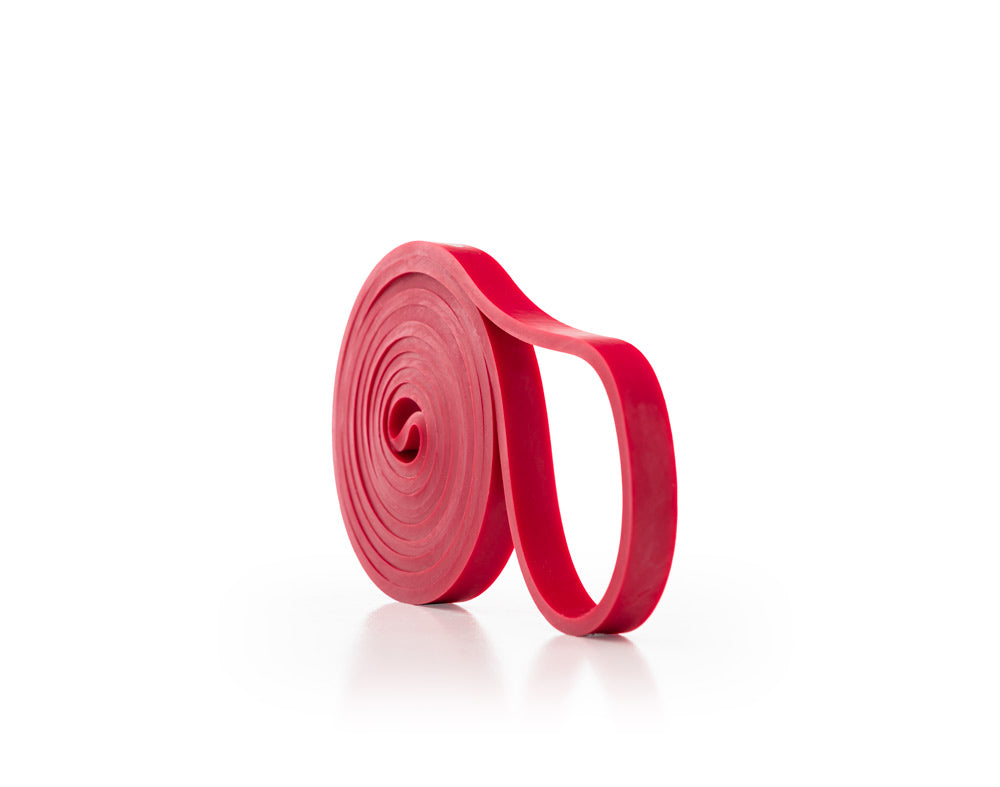
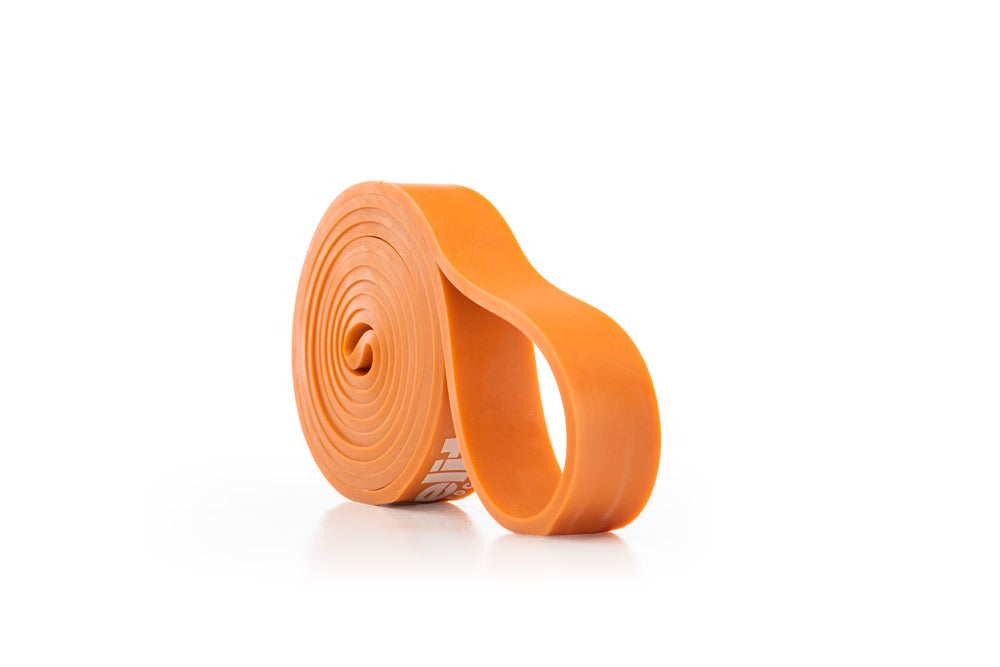
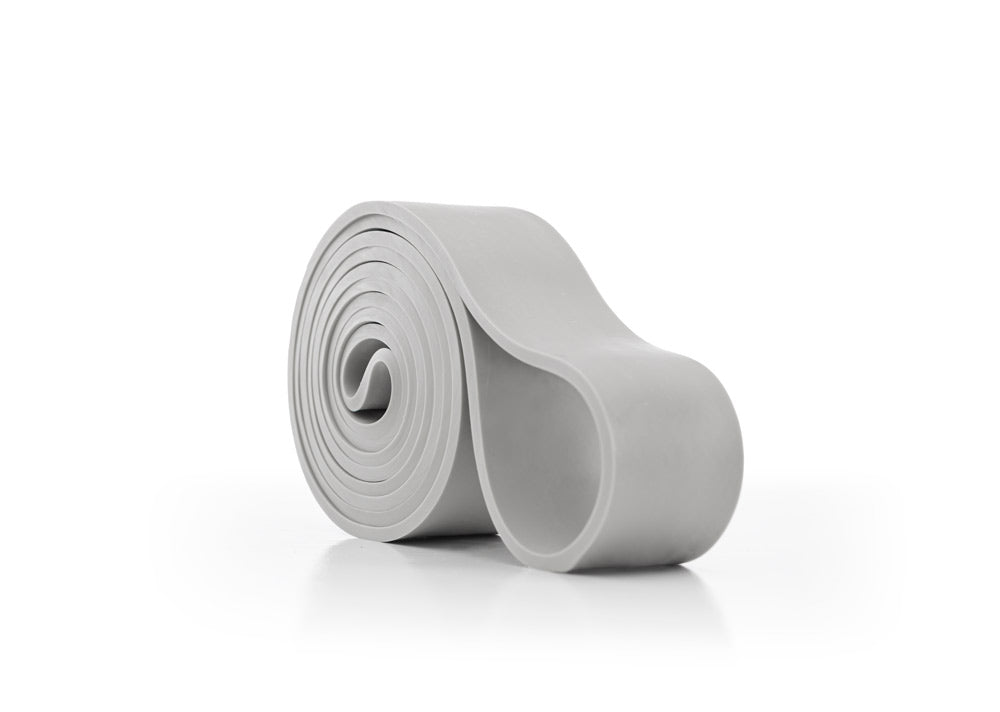
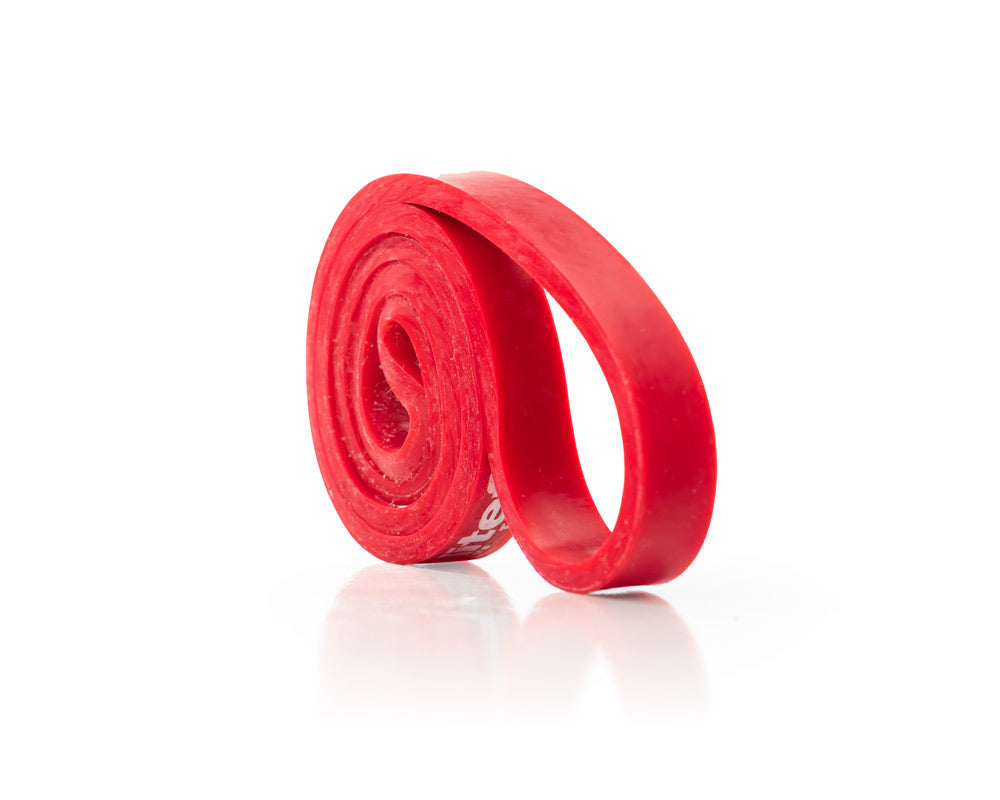
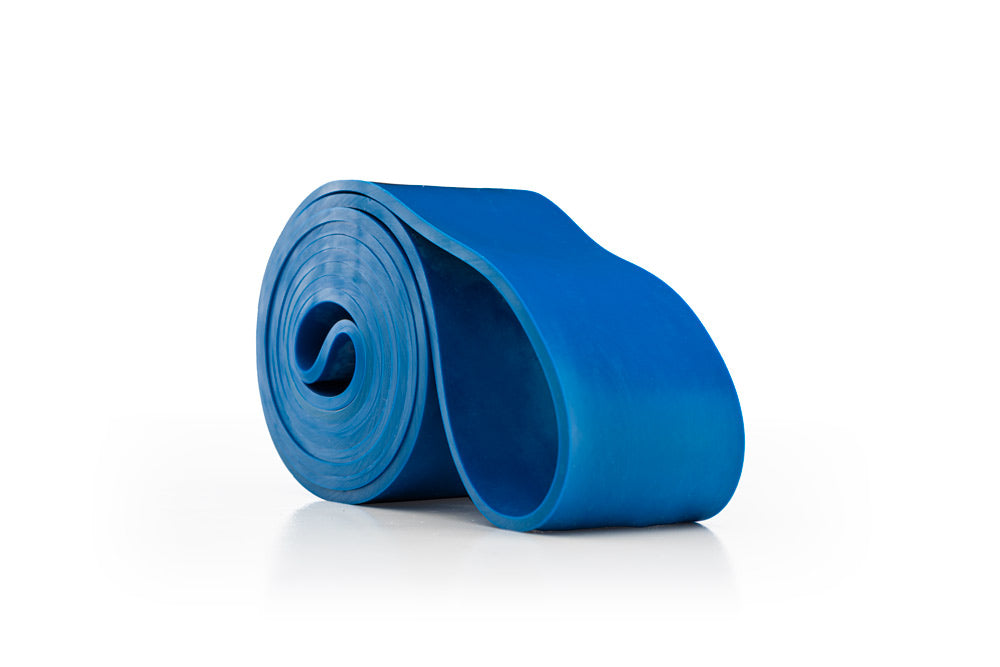
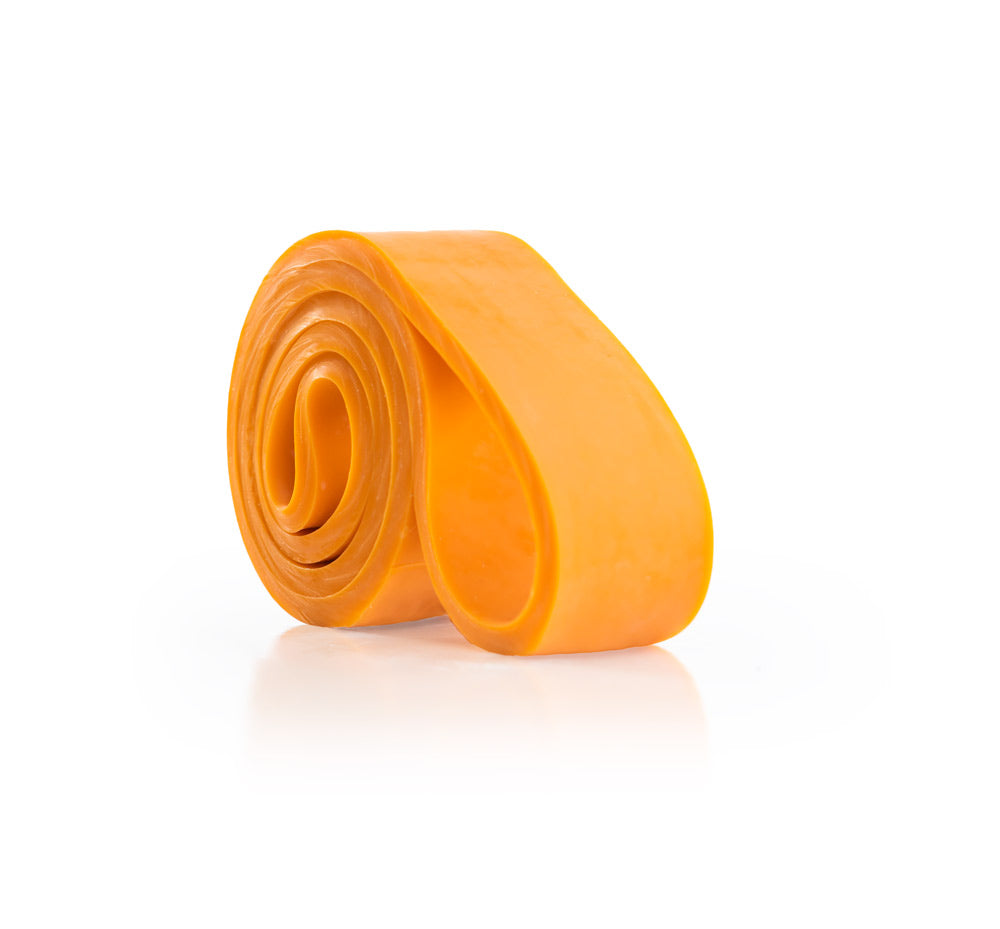
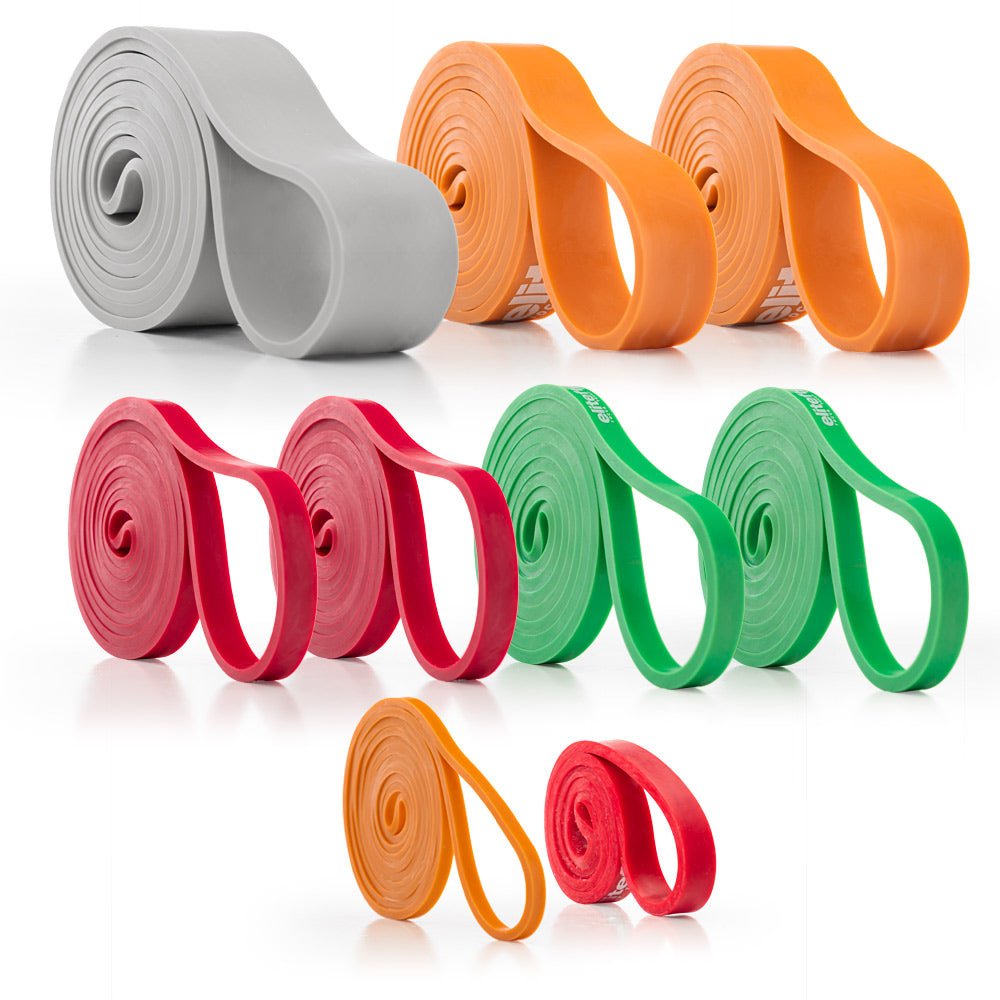
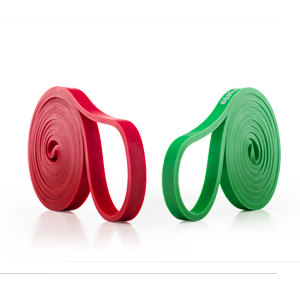
Shop on elitefts →Elitefts Pro Light Resistance Band
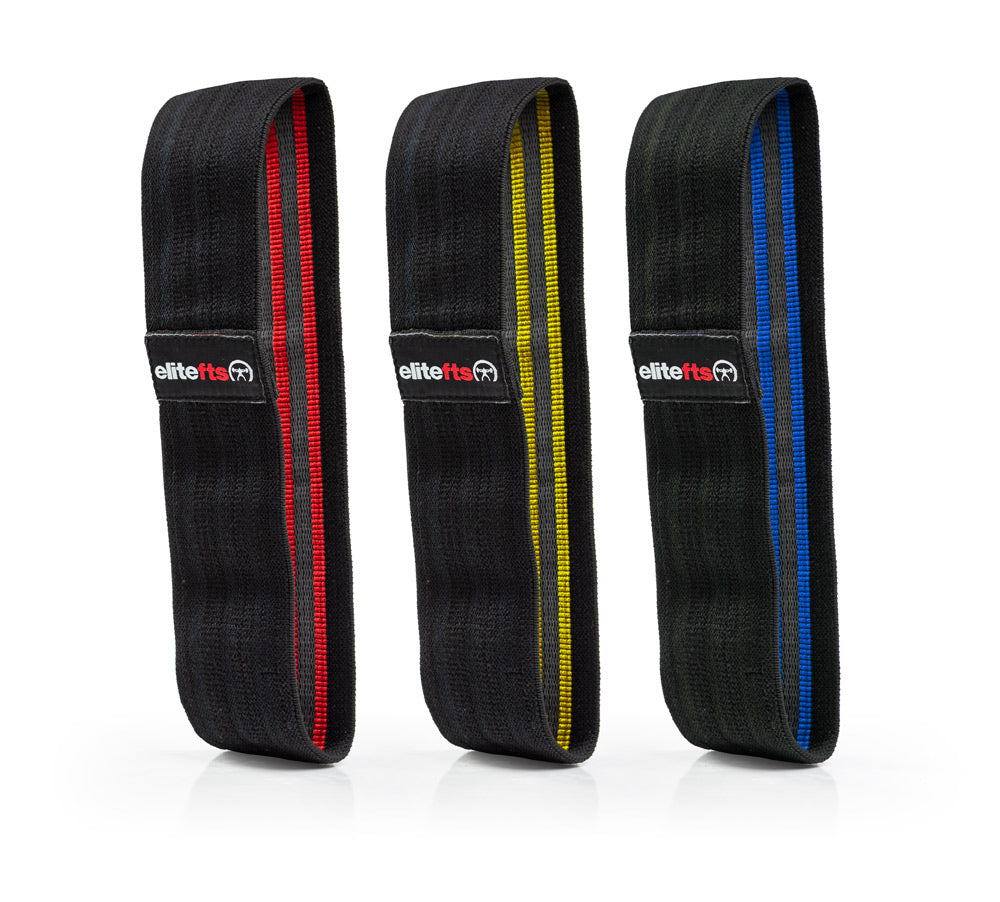
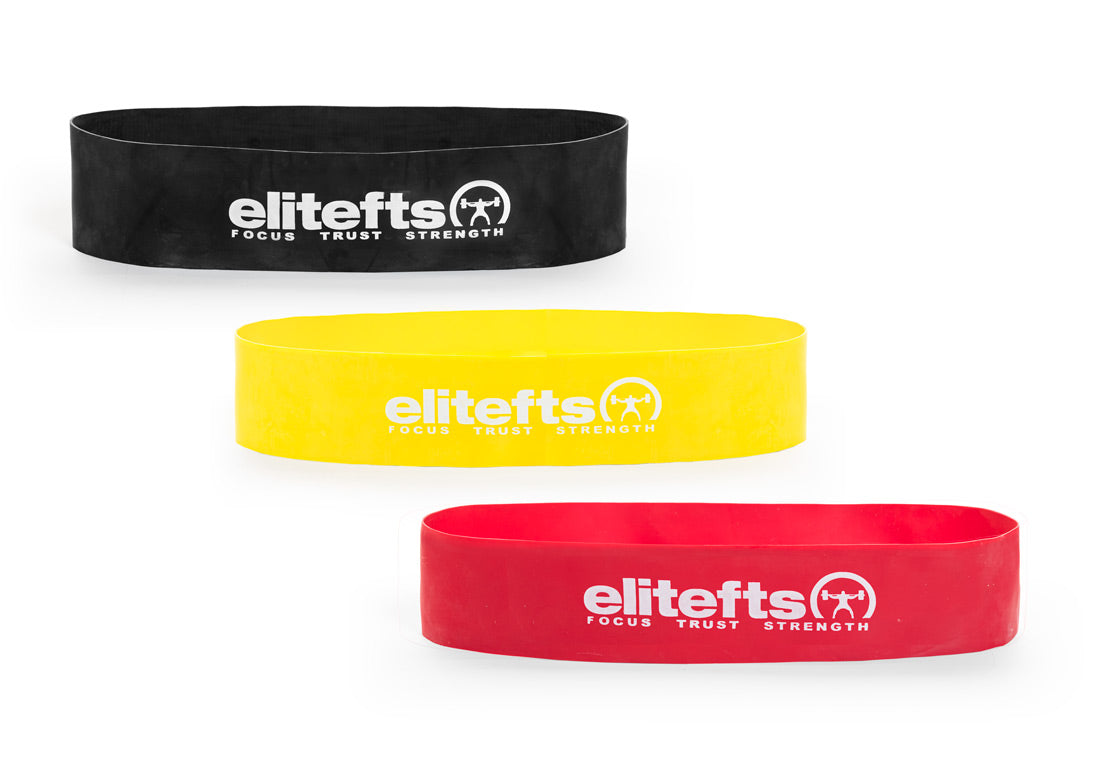
A versatile band for warm-ups, mobility, assistance work, and accommodating resistance.
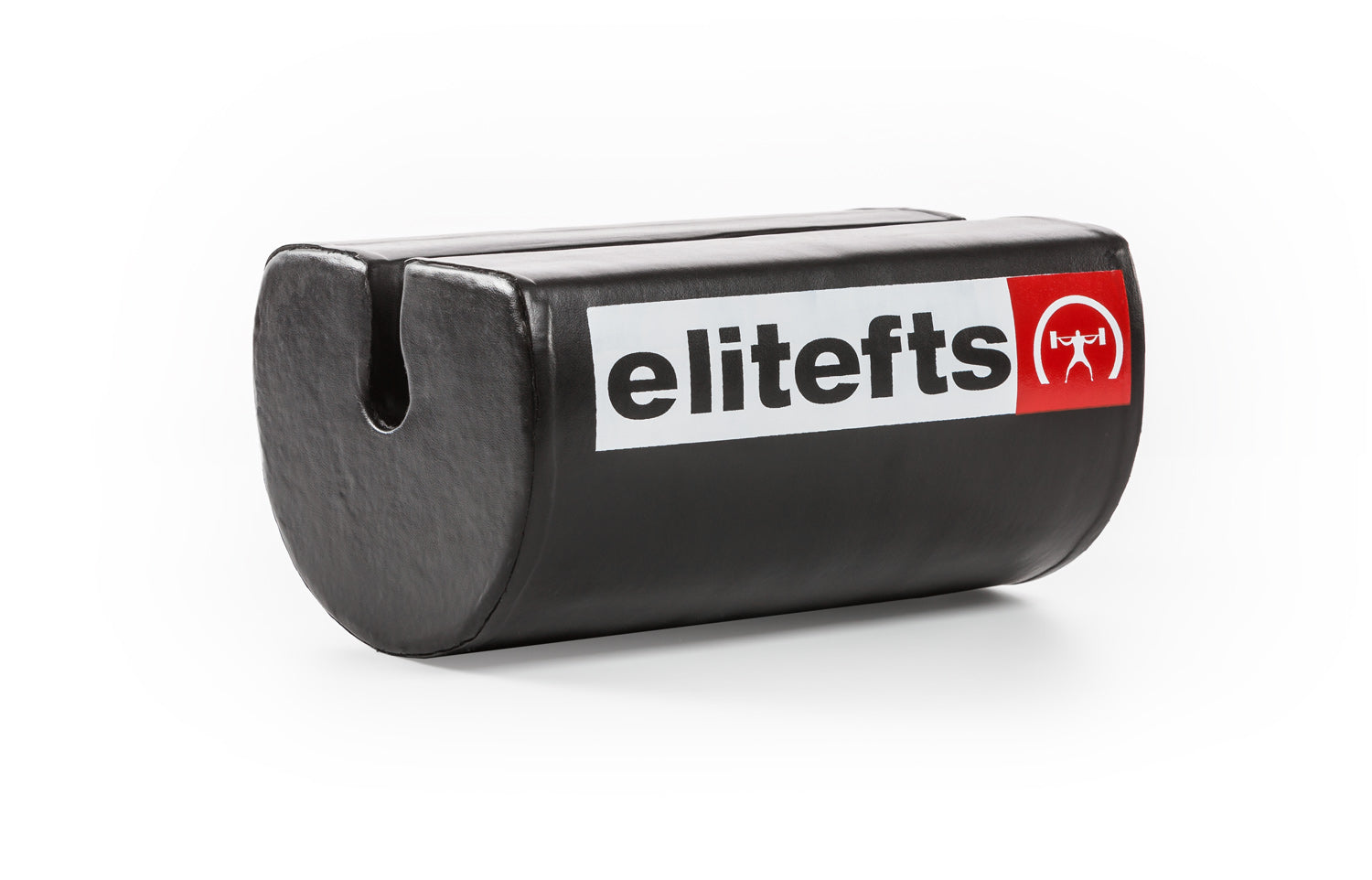
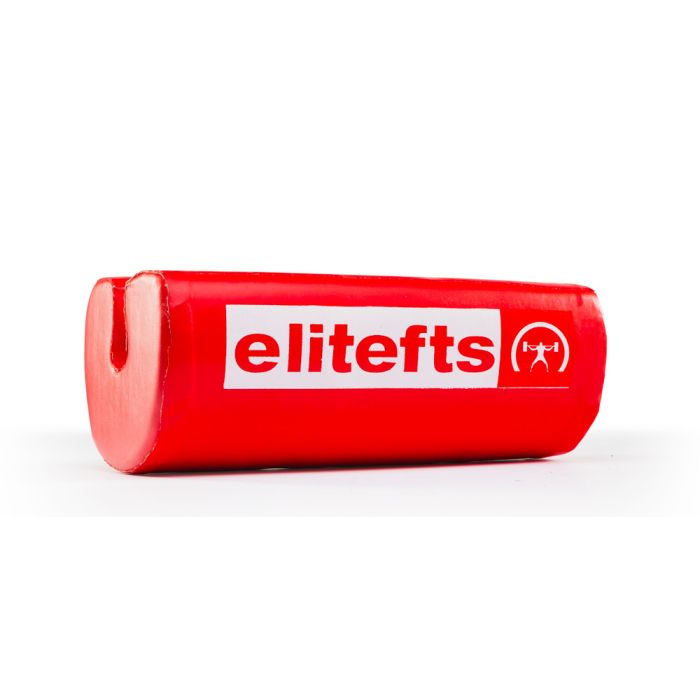
Shop on elitefts →elitefts Shoulder Saver™ Pad Black
A board-press style tool for shoulder-friendly pressing, overload, and controlled range-of-motion work.
Shop on elitefts →Gym Chalk
Simple, useful, and always relevant: keep your hands dry and the bar locked in when it matters.
Shop on elitefts →Product availability, pricing, colors, and variants can change. These links point directly to live Elitefts product pages.
Clickable source links.
The requested embedded video, opened directly on YouTube.
The official Elitefts Table Talk landing page.
Meet history, totals, weight classes, and DOTS.
The July 2022 recap for the 922.5 kg / 2033 lb total.
The November 2022 recap for another 2,000-plus-pound performance.
Do it anyway.
The Sheriff story is not about perfection. It is about replacing escape with execution, chaos with structure, and a short-term high with a lifelong practice.
Live. Learn. Pass On.