
The Grit and Glamour of Modern Gladiators
Why the look can be bought—but true strength, earned through years of discipline and adversity, cannot.
Weight loss can be bought now; you can lose fat and take the easy road, but if you want to get truly strong, you have to earn it in the trenches. It's time to keep it real, cut the bullshit, and talk about what it actually takes to build a body and a mindset that can withstand the physical and mental beatdowns of elite athletics.
When the iconic American Gladiators franchise returned to television, it demanded a new generation of titans. Enter Lu Faustin (Empire), Kailey Latimer (Hurricane), and Daniella Means (Voltage)—three women who prove that genuine strength is forged long before the arena lights turn on. This isn't a story about overnight social media fitness influencers. This is a story about a bodybuilder, a pro wrestler, and a powerlifter who bled for their respective sports long before they ever put on a spandex uniform.
It is a masterclass in the difference between looking the part and actually being built for war.
“You can buy a certain look. You cannot buy the grit required to become genuinely strong.”
Forged in the Trenches: Diverse Paths to Power
You don't just wake up one day and decide to become a gladiator. For these three athletes, the road to prime-time television was paved with decades of grueling, unglamorous work. Lu Faustin, known to the world as "Empire," grew up in a household that felt like "Fort Knox" when it came to athletic discipline. Coming from an intensely athletic family of Olympians and dancers, she started running track at 12 years old, driven by a childhood desire to have visible veins in her arms like the heroes she watched on TV—Xena and Hercules.
Despite her physical gifts, she walked on to a Division 1 track team but eventually prioritized her education, earning a master's degree in international relations overseas. But the iron always called her back. While studying in Belgium, she found a gym between her home and school—the exact gym where Jean-Claude Van Damme used to train. As a broke college kid, she spent her last 50 euros on a membership and ultimately dove headfirst into bodybuilding.
Armed with the discipline instilled by her parents, Lu eventually earned her IFBB Pro card in less than a year, proving that when she locks onto a goal, she will get it done—broken, battered, but victorious. Daniella Means, the lightning-fast powerhouse known as "Voltage," took a completely different route. Raised by a single Chinese mother in Hong Kong who taught her to stand on her own two feet, Daniella rejected the' 90s-era societal pressure to be skinny and to have a "thigh gap." Instead, she played rugby for Hong Kong at an elite level.
Frustrated by the limitations of team sports and the chaos of sharing a single deadlift bar with fifteen other women at 7:00 in the morning, she transitioned to the solitary grind of powerlifting and bodybuilding. Deadlifting made her fall in love with training; there was an undeniable purity in chasing numbers and putting more weight on the bar. She later pivoted to bodybuilding, winning her pro card in under a year, but the raw athleticism of pulling heavy weights always remained her core foundation.
Then there is Kailey Latimer, a.k.a. "Hurricane." Kailey is the wild card—a former collegiate softball player who despised structured strength and conditioning. For her, the weight room lacked the thrill of combat and skill-based competition. After burning out and graduating early, she found herself craving a physical outlet and Googled how to become a professional wrestler.
What followed was a gritty, trial-by-fire entry into the industry. She put down a $300 deposit on Craigslist for a wrestling school in Atlanta, only to show up at a sketchy motel surrounded by questionable activities. She packed up, drove to Florida, and found another school operating out of the back of what used to be a massage parlor. It wasn't glamorous, but it was real. Kailey didn't build her strength through static lifts; she built it through the "kill or be killed" instinct required to survive inside the squared circle.
The Combine: Egos, Reality Checks, and 30 Pull-ups
When casting began for the American Gladiators reboot, the producers didn't just want good physiques; they needed legitimate athletes who could perform under pressure. At the first fitness combine, egos naturally collided. Lu walked into the combine fresh off a bodybuilding prep, her waist snatched, and her confidence at an all-time high.
She was crushing the physical tests, casually knocking out 30 pull-ups and dominating the sit-ups and push-ups. She felt untouchable. But the producers wanted to see how the prospective gladiators handled live combat, so they tossed Lu into the ring with Kailey. For Lu, who admits she couldn't even spell the word "ring," it was a harsh reality check. She was standing upright like a pole, while Kailey—a seasoned pro wrestler with a decade of ring experience—was low to the ground and ready for war.
The whistle blew, and within five seconds, Kailey had dragged the towering bodybuilder straight to the floor. Lu was left grasping at the ground, unable to do anything but get up and laugh. Instead of letting her pride shatter, Lu gave Kailey a hug, realizing instantly, "That's a bad girl right there, I've got to be friends with her." It was the beginning of a fierce, authentic sisterhood born out of mutual respect and sheer physical dominance.
Tools for Building Strength That Have to Be Earned
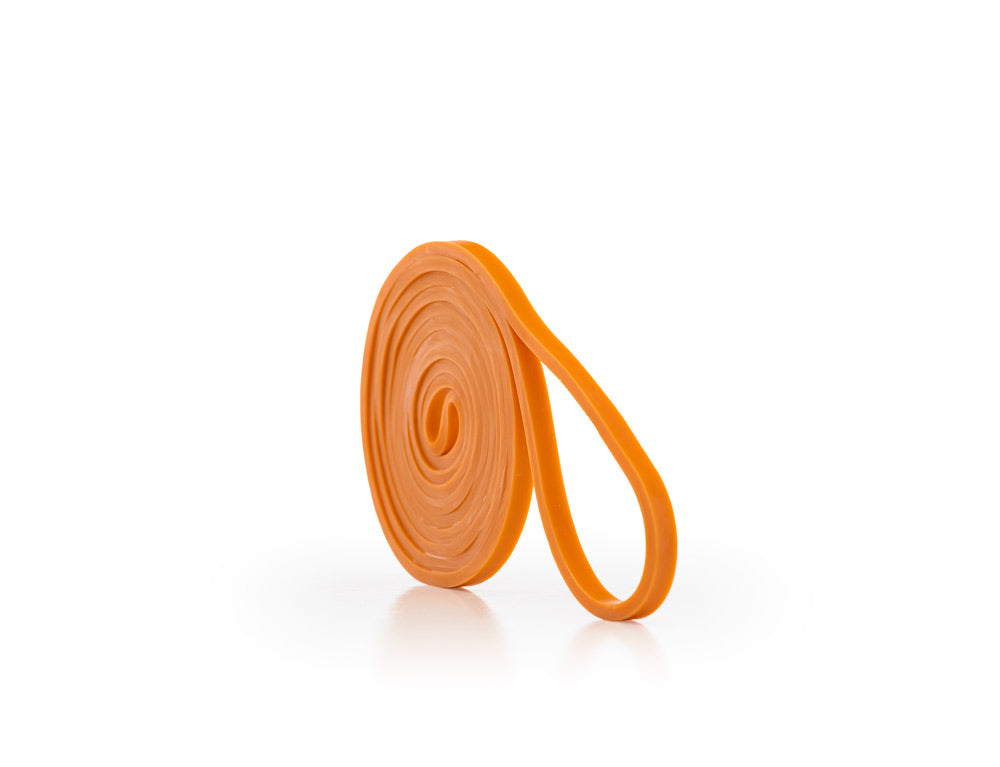
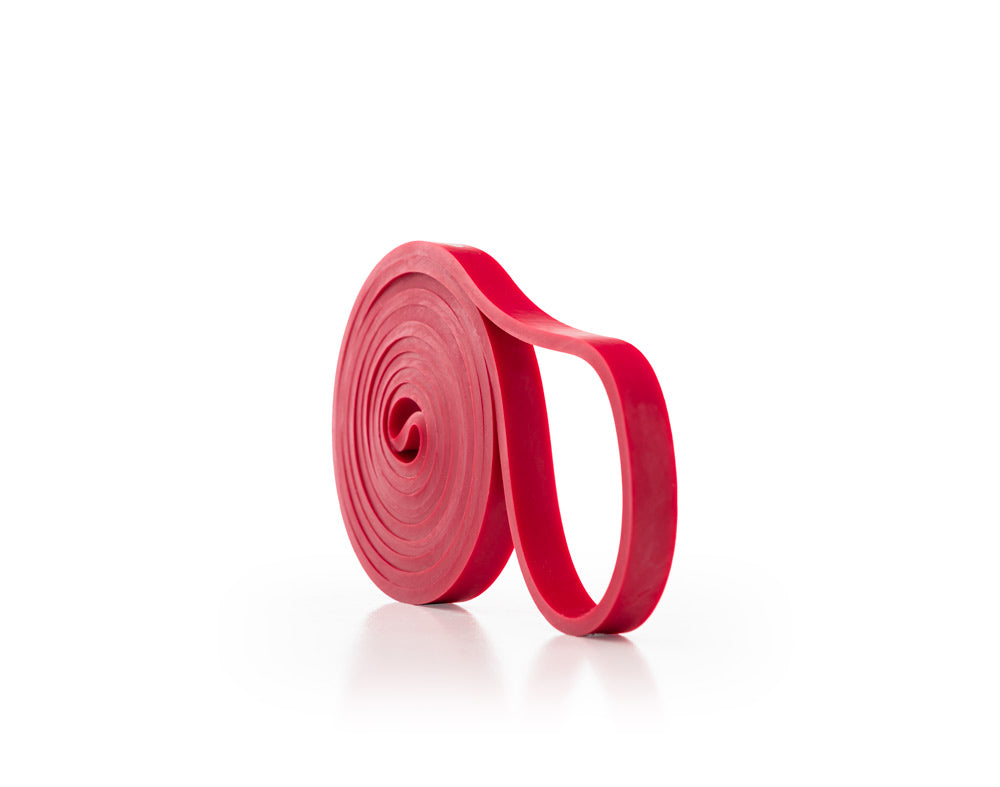
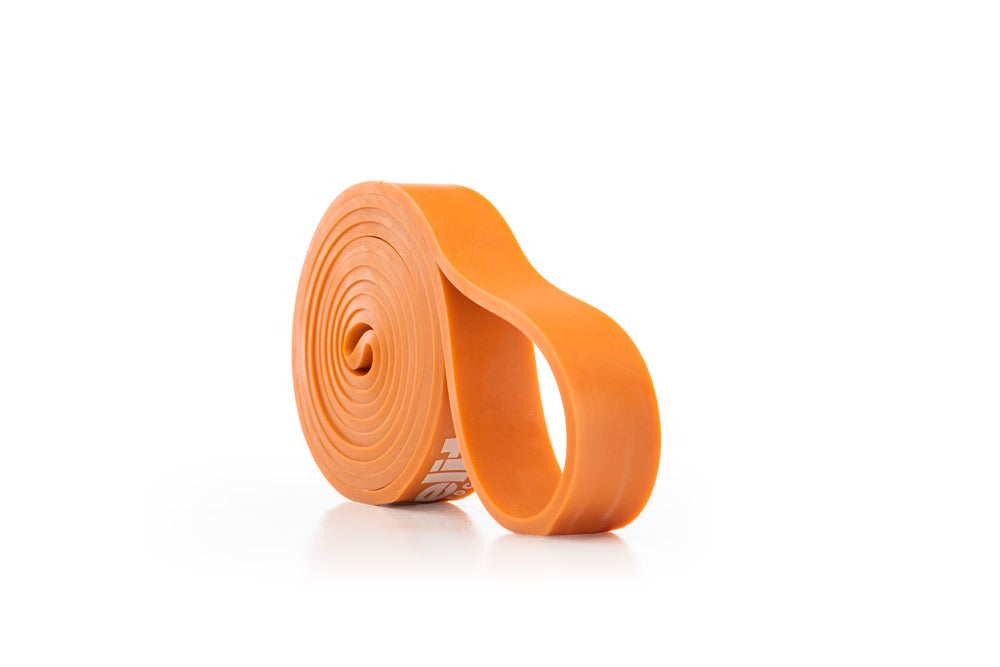
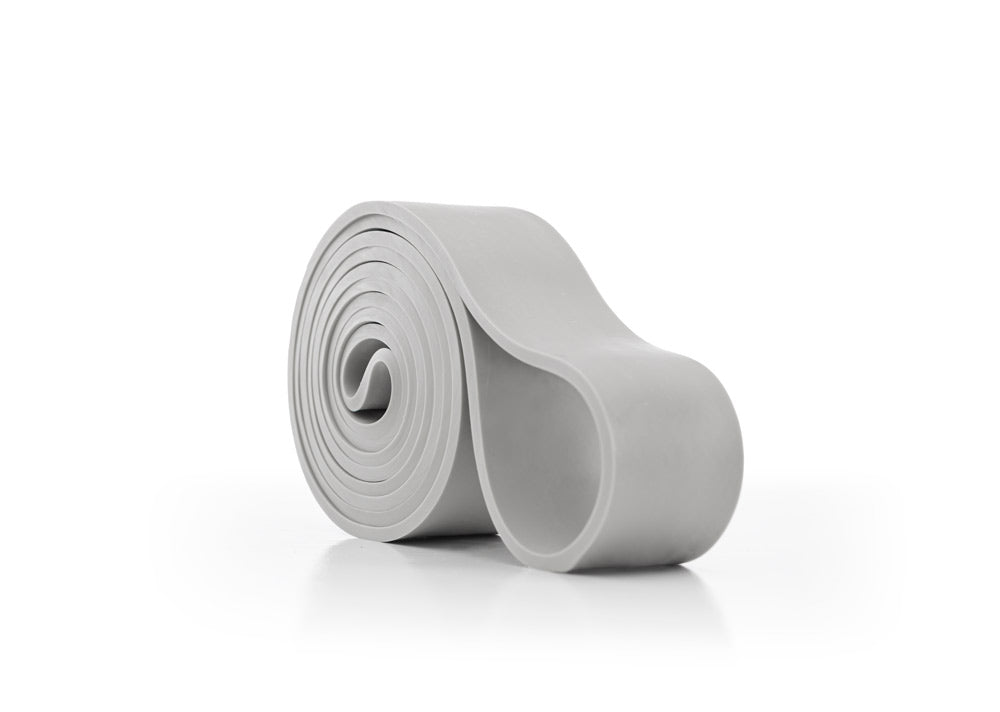
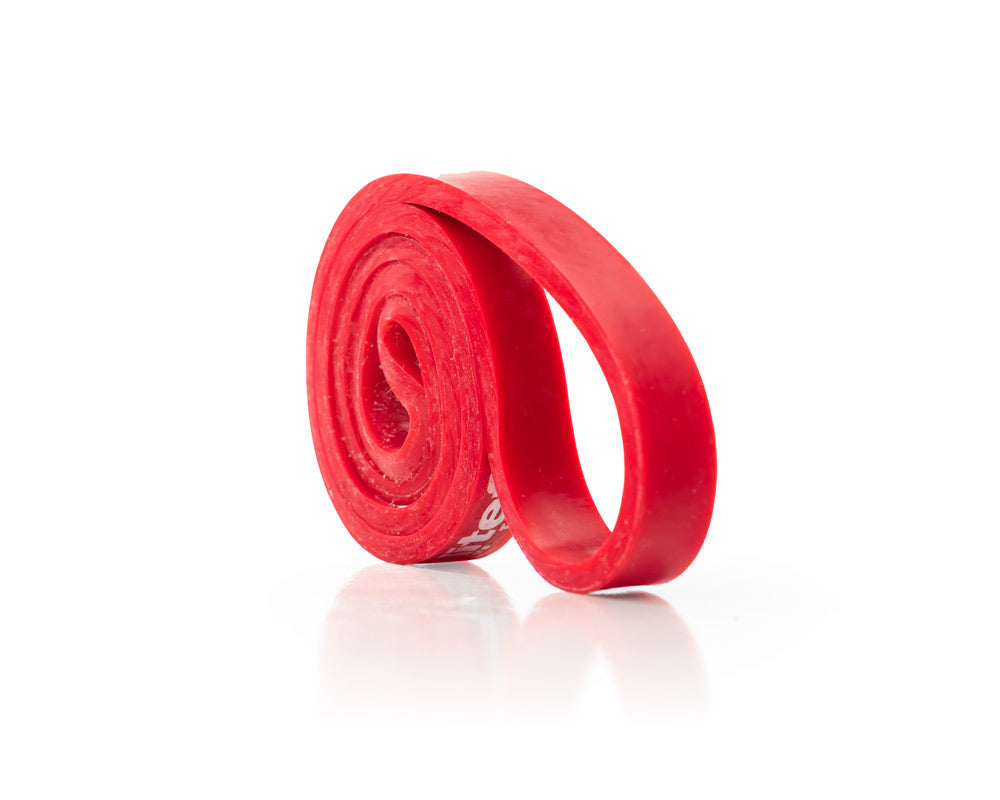
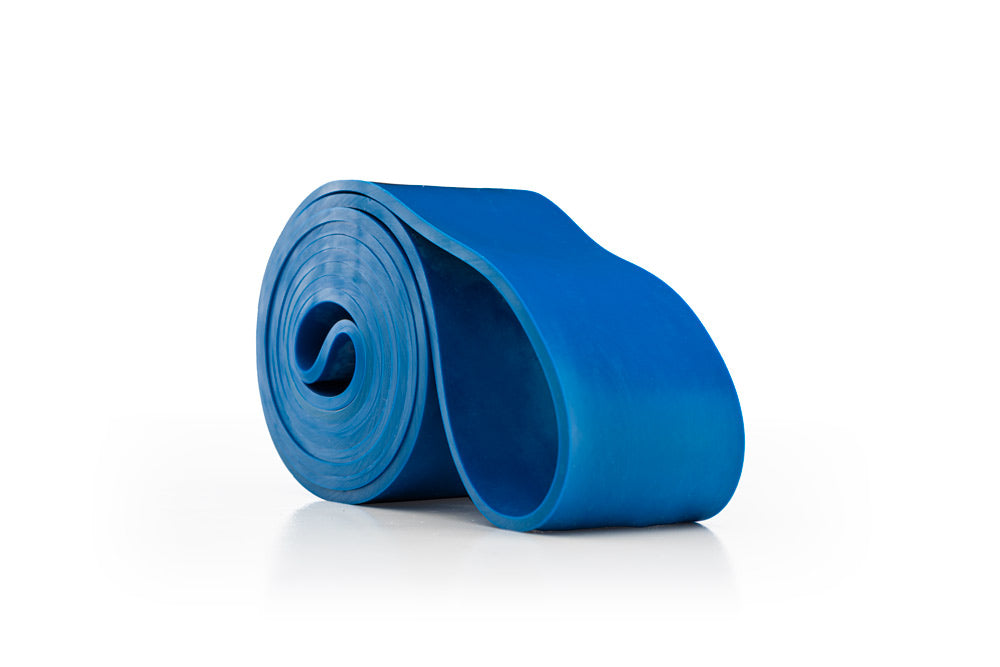
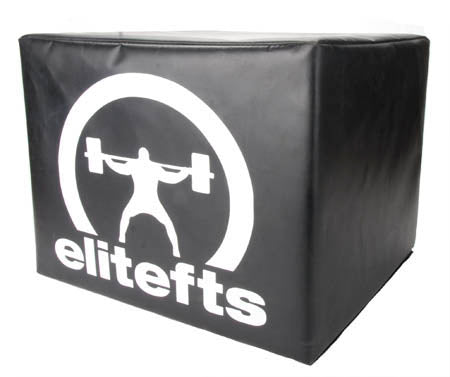
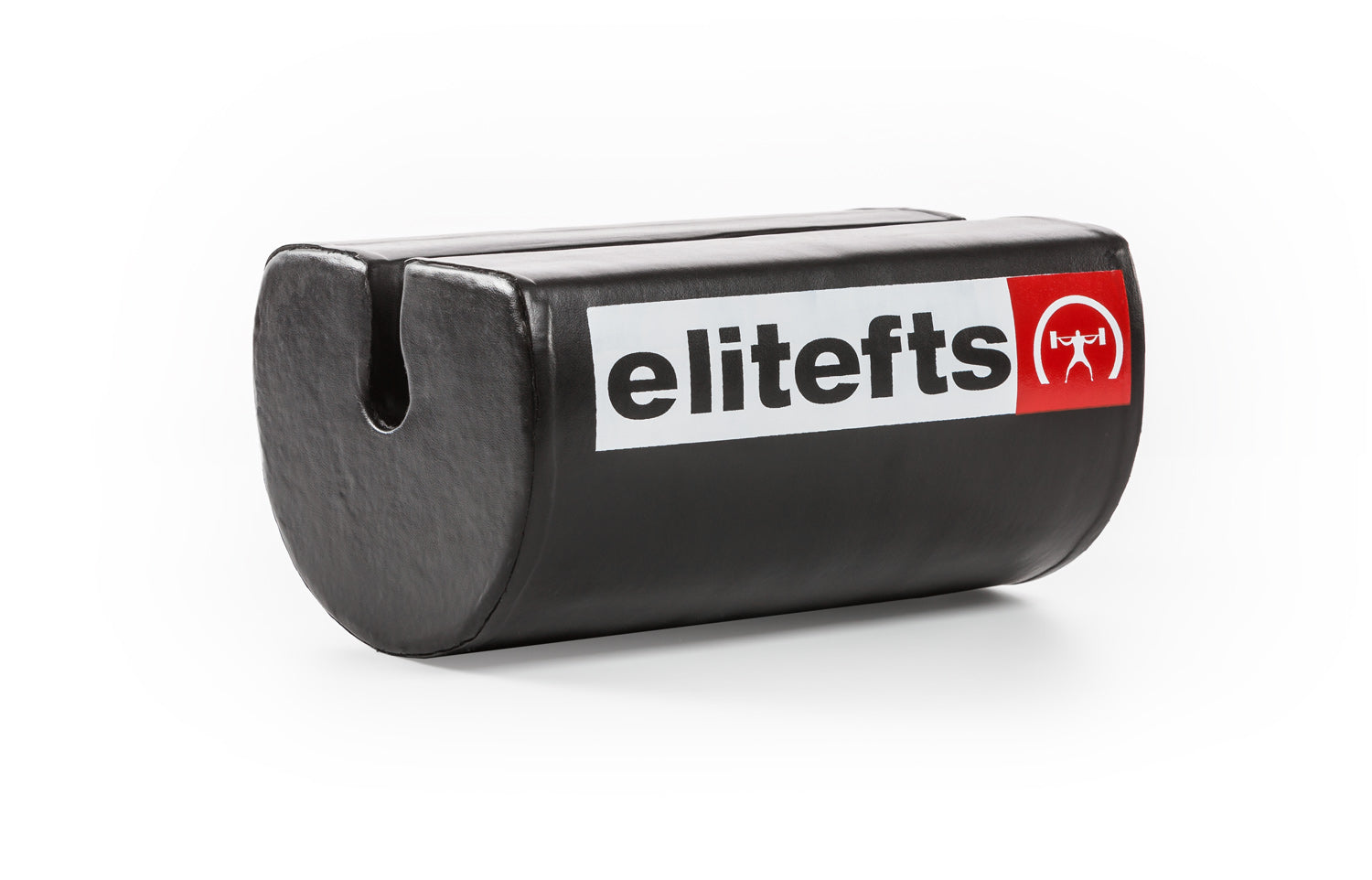
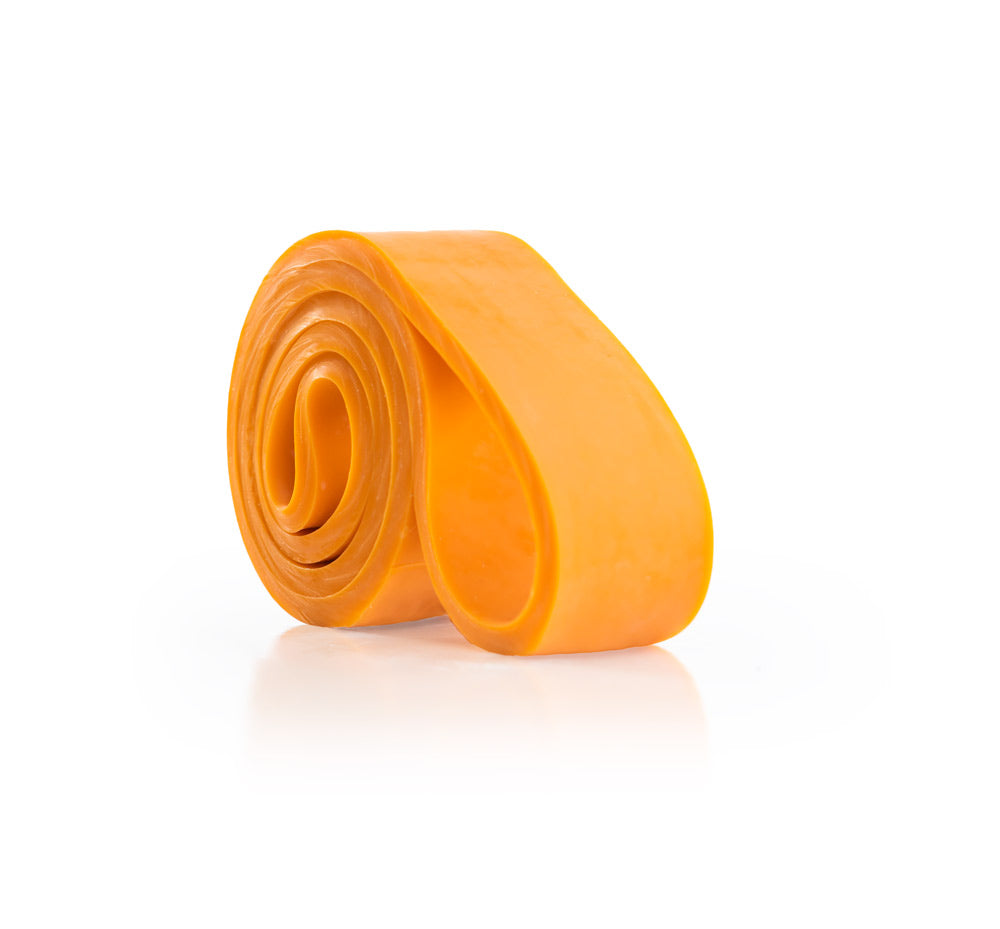
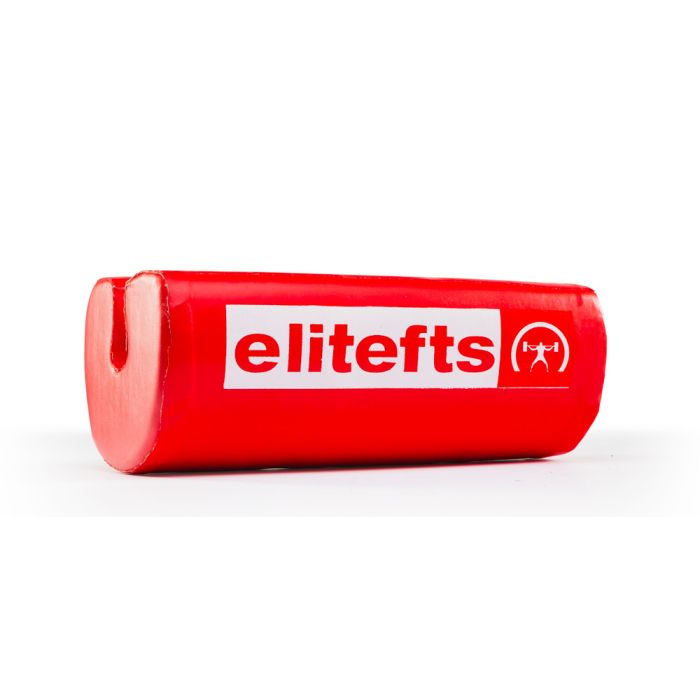
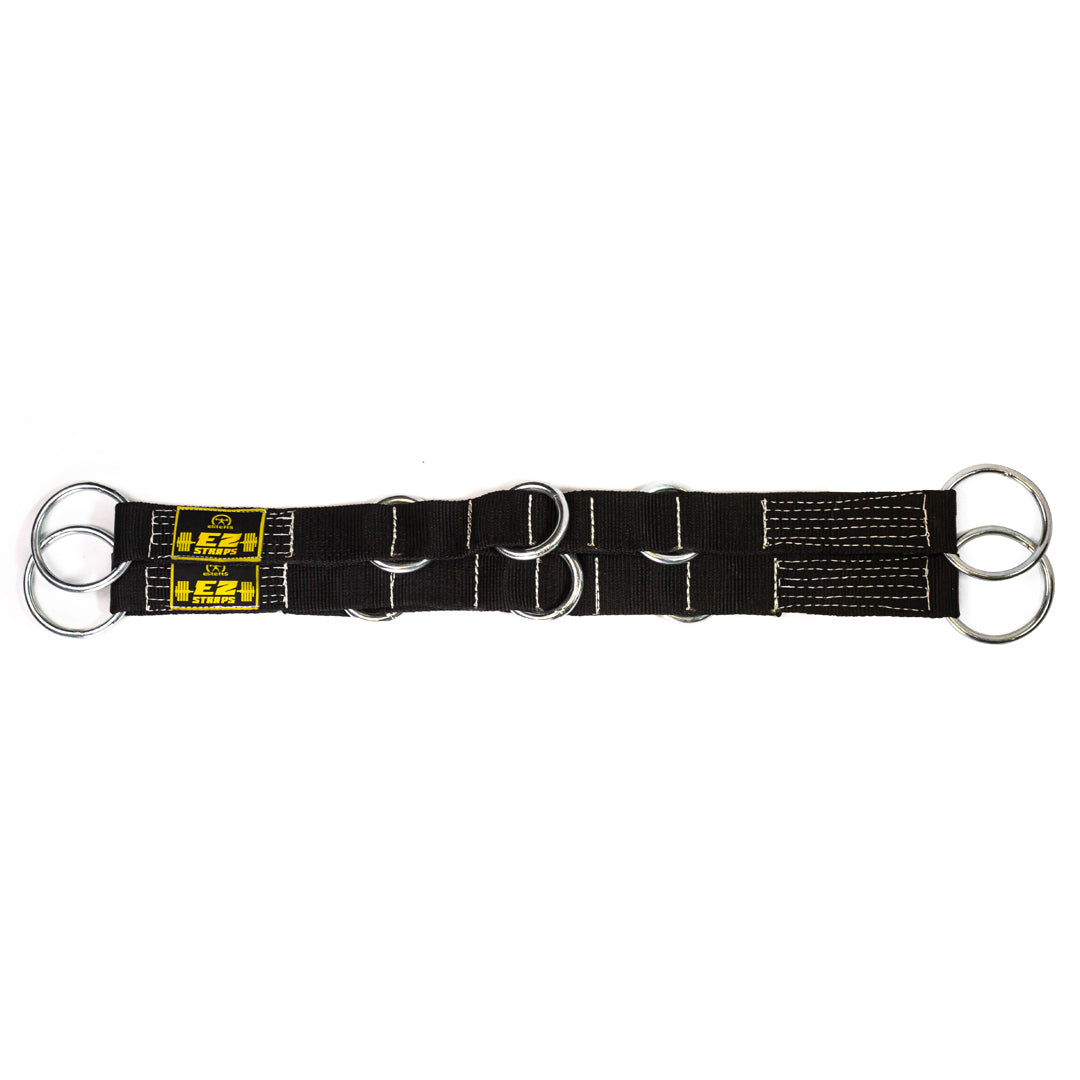
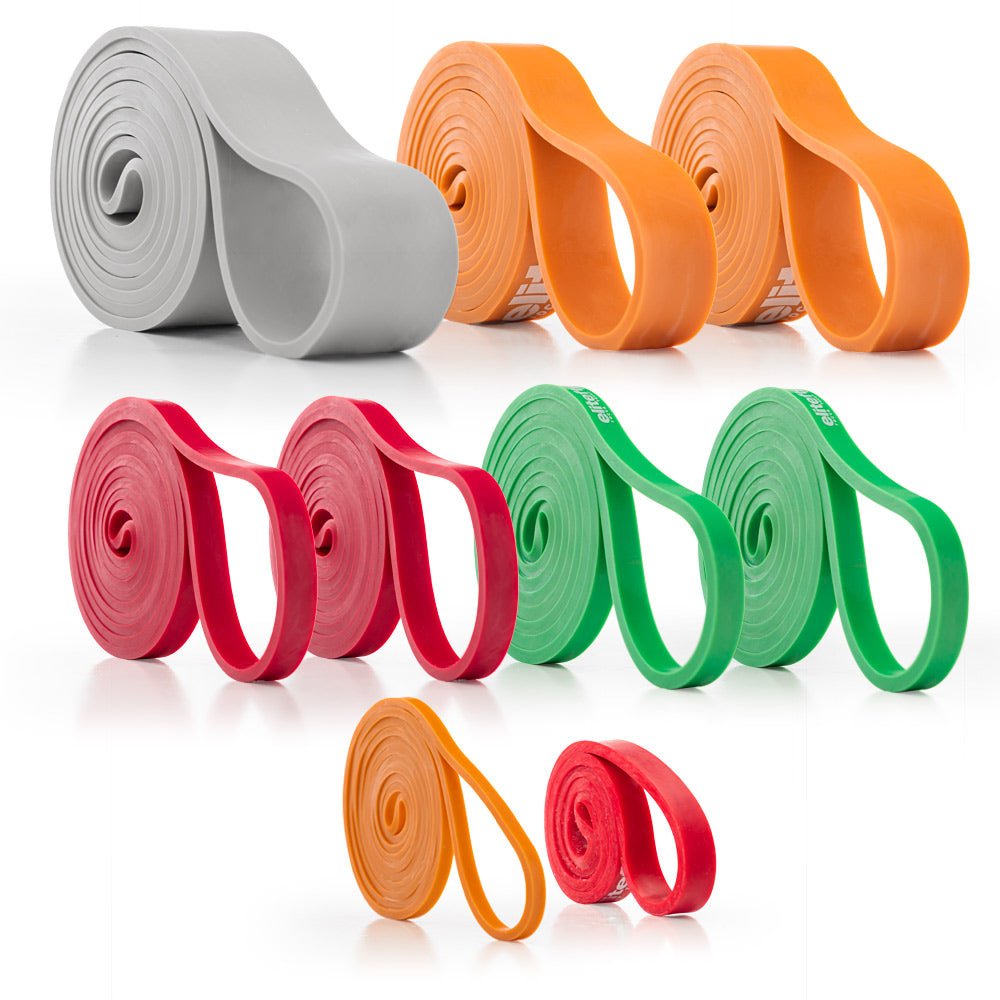
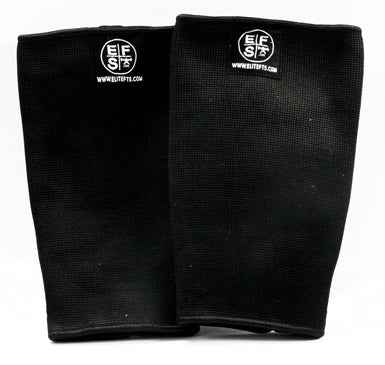
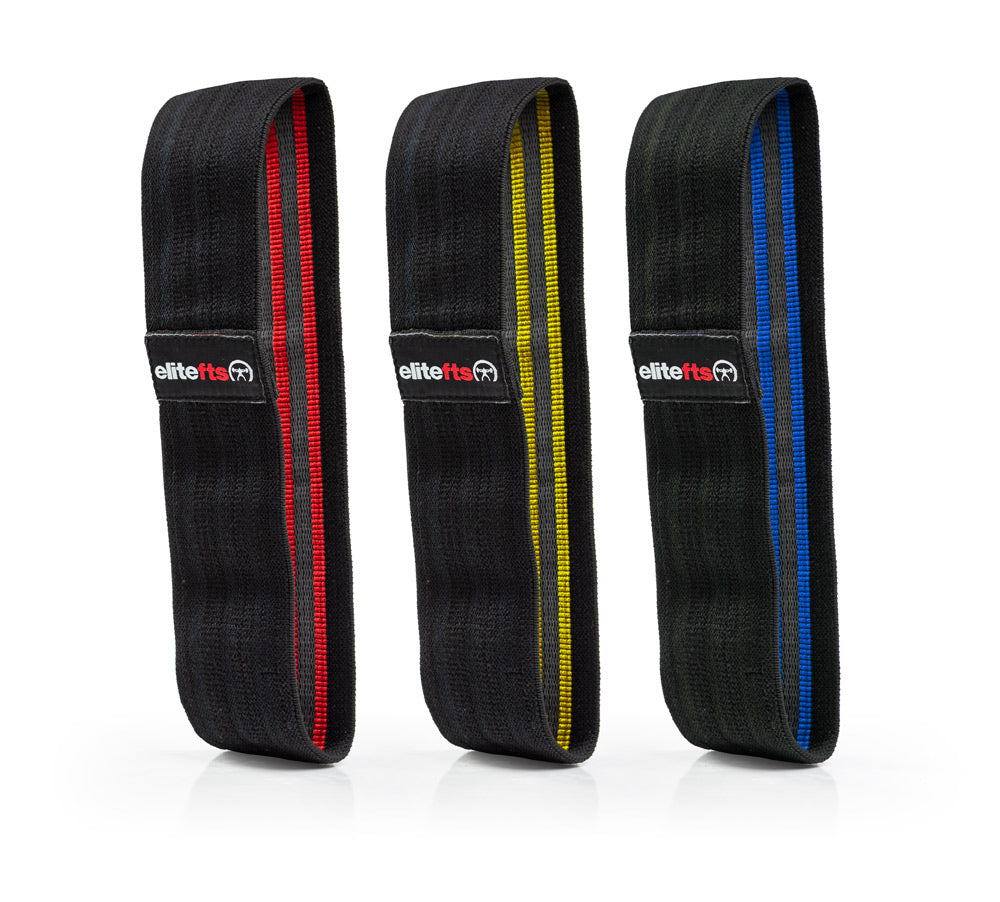
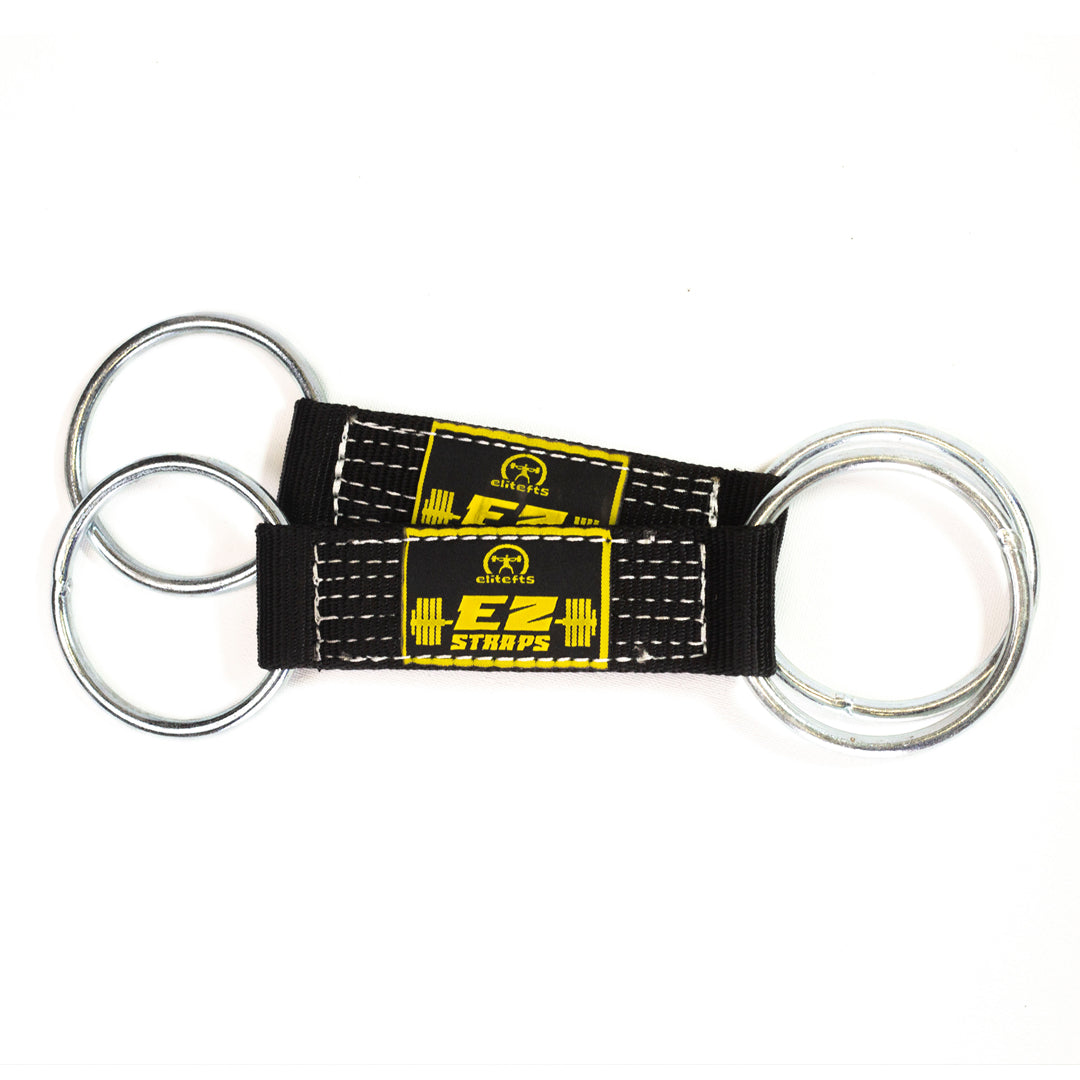
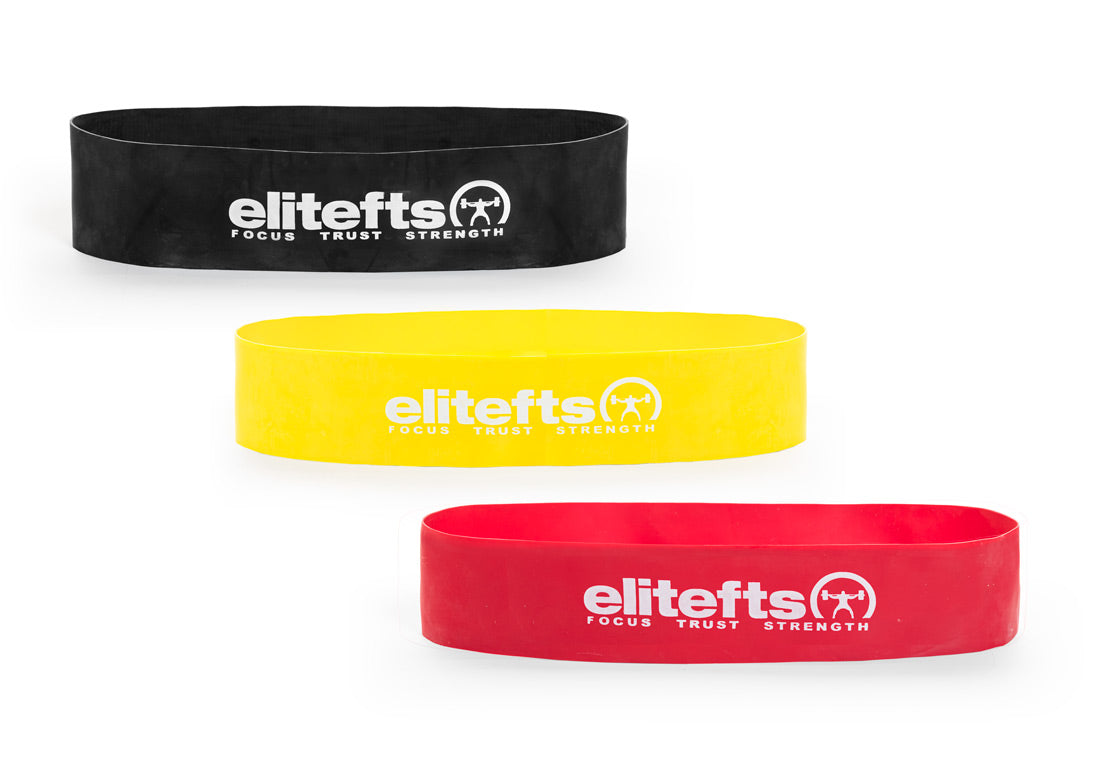
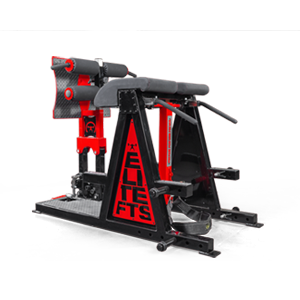
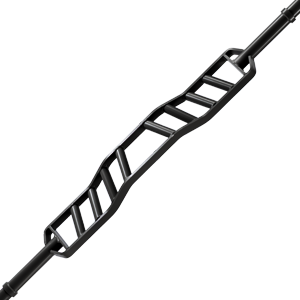
Equipment cannot replace effort, but the right tools can support years of hard, consistent training.
Behind the Smoke and Mirrors of Television Magic
Once the athletes were cast, the reality of television production quickly set in. Fans at home see the polished, high-octane 60-second bursts of action, but the behind-the-scenes reality was a mixture of bizarre training protocols, strategic maneuvering, and grueling long days. Before filming even started, the athletes were subjected to a couple of weeks of mandatory training that left them scratching their heads. Instead of working on lateral movement, change of direction, or tackling drills, production had them spending hours rock climbing—a skill that had almost zero carryover to the actual events they would be doing. When it came time to shoot the events, the athletes had to navigate the jarring disconnect between being ruthless competitors and charismatic entertainers. Directors would tell these elite, all-or-nothing athletes to dial it back and operate at "40 percent" during run-throughs.
For women who only know how to flip the switch to 100 percent when the red light comes on, the instruction was baffling. Furthermore, survival on the show required calculated business savvy. The gladiators quickly realized their contracts paid them per episode. If they went too hard and snapped an ankle in a dangerous event, their screen time—and their paycheck—would vanish immediately.
This led to intense strategic choices. Lu point-blank refused to participate in the "Atmosphere" and "Wall" events. Daniella begged to be kept out of games that covered her face with massive helmets, preferring one-on-one combat games like Powerball. Meanwhile, everyone collectively agreed that the iconic "Joust" was a massive disappointment—a wiggly, uncomfortable platform that failed to live up to its legendary reputation.
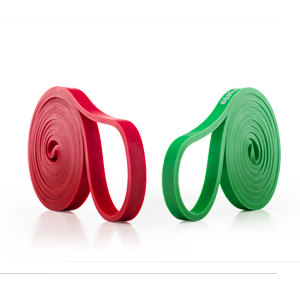
Then there was the backstage vanity, a hilarious contrast to the brutality of the games. Unlike the male competitors who allegedly slacked on their training to chase bicep pumps all day, the women brought their own brand of madness to the green room. Some of the gladiators were spotted backstage chugging maple syrup and aggressively using resistance bands to secure a massive muscle pump before stepping into the arena. Lu, ever the seasoned bodybuilder, joked that she was pumping up in her sleep so that, even if she failed on camera, she would still look phenomenal doing it.
Characters vs. Authenticity: Bringing the Thunder
In the world of sports entertainment, charisma is just as important as your one-rep max. You have to be able to connect with the audience, articulate a persona, and shut the arena down with your presence. Production originally tried to feed the athletes corny one-liners and highly curated character arcs, but true personalities refuse to be boxed in. Lu didn't need a script to be "Empire." She is a born-and-raised New Yorker with a smart mouth and zero hesitation, bringing her authentic, unapologetic self to every on-camera interview.
Kailey, performing as "Hurricane," completely ignored the provided material because she already knew how to cut a wrestling promo better than the producers could. She delivered iconic, southern-fried trash talk, famously describing a slippery contender as a "wiggly worm" and attributing her own raw strength to eating biscuits and gravy. Daniella, wrestling with the abstract concept of being "Voltage," initially struggled to figure out how to embody a "unit of measurement"
But beneath the stage names and the spandex, they all realized the secret was simple: just be a dialed-up version of yourself. The crowd didn't know what they were signing up for, but the gladiators gave them a show that seamlessly blended visceral combat with larger-than-life entertainment.
Real Life Resilience: The Weights We Carry Outside the Gym
The physical prowess displayed on television is ultimately just a byproduct of the incredible mental fortitude these women possess in their daily lives. The true measure of their strength is found in how they navigate real-world adversity and uplift their communities. For Daniella, the grit forged in the gym quite literally saved her life and her sanity. In May of 2021, while training for a powerlifting meet, she was walking her dog in downtown Los Angeles at 7:00 a.m. A man approached her, demanded her bag, and without warning, struck her across the face with a hammer.
The horrific, unprovoked attack broke her orbital bone, fractured her nose, and left her covered in blood. Despite the trauma, Daniella refused to go into hiding. Instead of letting the attack shatter her spirit, she leaned heavily on the iron. Just seven weeks after having her face smashed, she stepped onto the platform and competed in her powerlifting meet.
Returning to the structure, routine, and incremental progression of heavy lifting was her ultimate mental health therapy. The gym gave her the armor she needed to rebuild her courage and step back out into the world. Lu's strength shines brightest in the boardroom and the streets of New York City. While her fitness alter ego is busy smashing contenders, her professional life is dedicated to serving as the director of a historic nonprofit organization.
She manages programs that serve 50,000 underprivileged children and their families, providing food banks, dental care, tutorship, and maternal support. Lu doesn't just manage from an ivory tower; she looks these kids in the eye because she used to be them. She vividly remembers the childhood embarrassment of being on school lunch, and she uses her platform to show marginalized families that a girl from their exact neighborhood can rise up and literally become a superhero on television. She understands a fundamental truth about human development: you can't build a child's confidence or mental resilience if they are sitting in a classroom starving.
Kailey brings her own profound sense of purpose to the table. As the co-owner of Redemption Wrestling Academy in Florida, she mentors the next generation of athletes. More importantly, she views her physical abilities not as a vehicle for vanity or fame, but as a temporary gift to glorify God. Alongside her husband, she pours her energy into fostering children and preparing for adoption, maintaining a perspective that keeps her completely grounded.
Whether she is taking bumps in an independent wrestling ring, throwing people around on national television, or serving her community, Kailey's identity is never wrapped up in her television persona.
An Unbreakable Sisterhood
Put three fiercely competitive, alpha-female athletes in a high-pressure bubble for a month, and you are bound to get sparks. They are incredibly different women—a meticulous bodybuilder from New York, a freewheeling pro wrestler from the South, and a structured powerhouse raised in Hong Kong and living in LA. Yet, they forged a bond that is exceptionally rare. Their friendship isn't a fragile, surface-level Hollywood alliance. It is a genuine sisterhood built on the ability to have explosive, heated debates about everything from politics to personal preferences, only to sit down and break bread together three minutes later.
It's built on the humility to walk out in pajamas the morning after a misunderstanding and look each other in the eye to apologize. As Lu points out, only 0.0001% of the population will ever understand what they experienced together on that set. They lean on each other, challenge each other, and fundamentally respect the hell out of each other.
In a world hyper-focused on tearing people apart over differences in opinion, their dynamic is a masterclass in how to vehemently disagree with someone while fiercely protecting their heart.
The Truth About True Strength
As the fitness industry continues to trend toward quick fixes, GLP-1 weight loss drugs, and bought aesthetics, these modern gladiators stand as a towering reminder of what it actually means to be powerful. You can buy a certain look, and you can certainly pay for shortcuts, but you cannot buy the grit required to pull 500 pounds off the floor. You cannot buy the resilience needed to return to the gym after a brutal physical assault.
You cannot buy the empathy required to feed 50,000 struggling families. And you certainly cannot buy the killer instinct it takes to survive in the ring. Empire, Hurricane, and Voltage are entertaining characters, sure. But Lu Faustin, Kailey Latimer, and Daniella Means are real-life warriors. They didn't just step onto a television set to play tough; they brought decades of calluses, heartbreaks, and hard-earned triumphs with them. The lights, the cameras, and the spandex are just window dressing. Underneath it all is the indisputable reality: true strength will always, unequivocally, have to be earned.