
Never Put Money Before the Patient
The episode opens with a handwritten list of career goals. Marv had written down Table Talk before he was established in Texas, before the practice had a waitlist, and before The Educated Meathead had become the educational platform he wanted it to be. Some goals on the page were complete. Some were still in progress. The point was not the list itself. It was that the work had a direction.
One line mattered more than the rest: never put the money before the patient. That principle shapes how Marv describes both treatment and business. He does not want somebody in his office three times a week forever.
He wants to identify what is limiting them, use the tools that fit, teach them what to do, and move them toward independence as quickly as the situation allows.
"My goal is that you do not rely on me."
That is a difficult promise to build a service business around. The easier model is to make every patient feel dependent on the provider. The better model is to make the patient more capable. Marv says his first tool is education. The second is therapeutic exercise.
The hands-on work, technology, and modalities matter, but the patient owns the other 167 hours of the week.
That changes the conversation in the room. Instead of a generic sheet of stretches, the patient gets an explanation of what the clinician sees, an individualized warm-up or rehab sequence, and a clear expectation for frequency. Early on, that may mean doing a short sequence twice per day.
As the change becomes easier to maintain, the frequency drops. Months later, if the same area begins to tighten up, the athlete goes back to that exercise Rolodex before the problem becomes a shutdown.
There is another rule: honesty. If the exercises were not done, say so. That information matters. A clinician cannot make a useful decision based on a fake report, and an athlete cannot blame the plan for refusing to run it. The goal is not to scold anyone. It is important to know what actually happened.
The Educated Meathead is the extension of that model. Marv describes a clinician side for coaches, athletic trainers, physical therapists, chiropractors, and other professionals, as well as an athlete side for those under the bar. The platform exists to teach the thinking behind the work rather than protect the information behind a desk.
The useful standard
A treatment should leave the athlete with more understanding, more control, and a clearer path forward. If it only leaves them afraid to move without an appointment, something went wrong.
Treat the Person, Not the Billing Code
Marv built his practice around a flat rate. The patient is not deciding whether shockwave, dry needling, exercise, taping, laser, or another tool is worth an extra charge while they are already hurt. If a tool is appropriate, it is part of the visit. The first appointment is an hour. Follow-ups are either 30 or 60 minutes. The time is used for what the person needs, not to fill a predetermined script.
His criticism of insurance is blunt: it often reimburses familiar interventions more easily than it reimburses the work required to build a durable solution. A low-back billing code may not account for a restricted neck, a foot that will not move, poor bracing, or a training program that keeps feeding the same problem.
When the reimbursement structure dictates the treatment, the athlete can end up with a series of Band-Aids and no operating system.
Dave pushes on the business side. Does getting people out of pain and out of the office reduce lifetime value? Marv's experience has been the opposite. Trust creates return visits when something new comes up, and word of mouth replaces endless paid lead generation.
People remember whether they were educated, whether the plan made sense, and whether they felt ripped off.
Loading is part of healthcare
The conversation moves from business to older adults, falls, and bone health. Before chiropractic school, Marv ran group classes in retirement communities. One facility reported fewer falls after the program. The larger point is not the exact number.
It is that strength, balance, and exposure to appropriate loading are not optional extras for an aging person.
Calcium and vitamin D can matter, but a passive solution cannot replace a loading signal. The same applies to a weighted vest. Wearing one while walking may increase demand, but the studies people cite often include step-ups, squats, jumps, or lunges.
The training effect comes from what the person does under the load, not from the vest existing on their torso.
Evidence Without the PubMed Costume
Marv has no problem with research. He has a problem with people using an abstract as a costume. A paper becomes a weapon, context disappears, and a six- or eight-week study on a small group of poorly defined "trained" subjects gets treated like the final word on a lifter with fifteen years under the bar.
His version of evidence-based practice is a three-legged stool: research, practical experience, and the preference of the person doing the work. Remove one leg, and the answer gets unstable. Research keeps experience from becoming folklore. Experience shows that a protocol survives outside a laboratory. Preference determines whether the athlete will actually repeat the plan long enough for it to matter.
"Powerlifting is making a heavy weight feel light. Bodybuilding is making a light weight feel heavy."
That distinction drives the hypertrophy discussion. A powerlifter organizes the entire body to move the load from A to B. A bodybuilder tries to keep the stress on a target tissue. Those goals overlap, but they are not identical.
On a hack squat, are you driving the sled as hard as possible, or are you keeping the quads loaded as the set gets hard? On a curl, are you training the biceps, or are you turning the last six reps into a standing hip extension?
Mechanical tension remains the central idea, but "more weight" is not a complete definition of tension. There is a useful loading range where the athlete can control the movement, keep the intended tissue working, and get close enough to failure for high-threshold motor units to join the set. Beyond that range, the weight may increase while the target muscle stimulus decreases.
Muscles also respond differently. Marv likes continuous tension, cables, machines, and deliberate execution for biceps. Triceps often tolerate and benefit from heavier compound work. The exercise, the athlete's structure, training age, joint history, and the muscle's position all affect the answer.
Failure is a performance standard, not a rep target
Prescribed reps can become a trap. An athlete starts with the right intent, reaches the point where the target muscle is almost done, then changes the technique to force five more repetitions because the sheet said ten. The set continues, but the objective ended earlier.
Marv uses a metronome to keep the negative, pause, and positive consistent. Dave's version is simpler: pause in the stretch, remove momentum, contract to start the rep, and use the least load that creates the result.
A 100-pound dumbbell press may become a 60-pound press, but if the chest is doing more work and the joints are taking less load, the lighter number is not a regression.
Training styles can rotate. A block of high-intensity failure work can be followed by a higher-volume block with reps in reserve. A novel stimulus often works because it is different from what the athlete has adapted to, not because one system defeated every other system forever.
Put the priorities in order
- Execution: Can you keep the intended position and direct the stress where it belongs?
- Effort: Can you take that execution close enough to failure to create a reason to adapt?
- Load: Can you add resistance without sacrificing the first two?
The Rep Before the Pec Tear
The dangerous rep is rarely a complete surprise. The elbow starts drifting. The bar feels wrong. A weight that should move cleanly grinds for no obvious reason. The athlete knows something is off and responds by trying harder instead of listening better.
Dave tells the story of a pec rupture at a meet. His opener, around 440 pounds, moved badly enough to create confusion. Rather than treat that as information, he jumped to 500 and tried to force the day back on schedule. The tendon went on the descent. Looking back, the opener was the warning.
Marv points to elbow position as a common visual clue on the bench. As fatigue rises, the elbow can creep into a position that increases demand on vulnerable tissue. This is where an advanced lifter has to make an advanced decision: repeat the warm-up, correct the setup, and see whether the pattern returns. If the problem persists, pivot to another movement or end the heavy work.
The strongest call in the room may be: "I do not have it today."
That decision is brutal during a meet prep. It is also cheaper than permanently changing careers. A lifter who has trained for years is conditioned to ignore discomfort. That quality builds strength, but it can also erase the line between productive strain and a warning signal.
Muscle, tendon, or joint?
The conversation offers practical observations rather than a remote diagnosis. Where is the pain? Is it shallow or deep? Is there focal tenderness near an attachment? Does the area feel better as it warms up, or does every set make it worse? Those details help a qualified clinician decide what to examine next.
Marv notes that tendon complaints can sometimes feel better after warming up and worse when cold, while an irritated muscle may deteriorate as loading continues. That pattern is not a universal self-test. It is a reason to pay attention and collect better information.
Bruising, a visible deformity, a sudden loss of strength, or a significant change in range of motion should end the guessing.
Movement variability is another piece of the prevention strategy. Rotating flat, low-incline, incline, and other pressing patterns changes joint stress and gives a lifter more than one way to train the chest. The best incline angle is not a sacred number. Sternum angle, shoulder structure, and where the lifter actually feels the work all matter.
Equipment that fits this part of the conversation
These are relevant options for reducing unnecessary joint costs, building safer variations, and controlling missed lifts. They are not substitutes for assessment or sound programming.
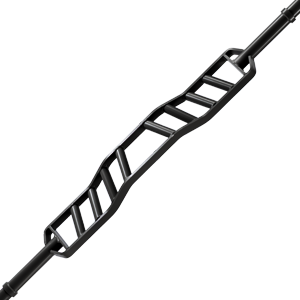
Super Shoulder Saver Bar
A fixed-range pressing option built for lifters who need to reduce shoulder strain while still training the press and lockout.
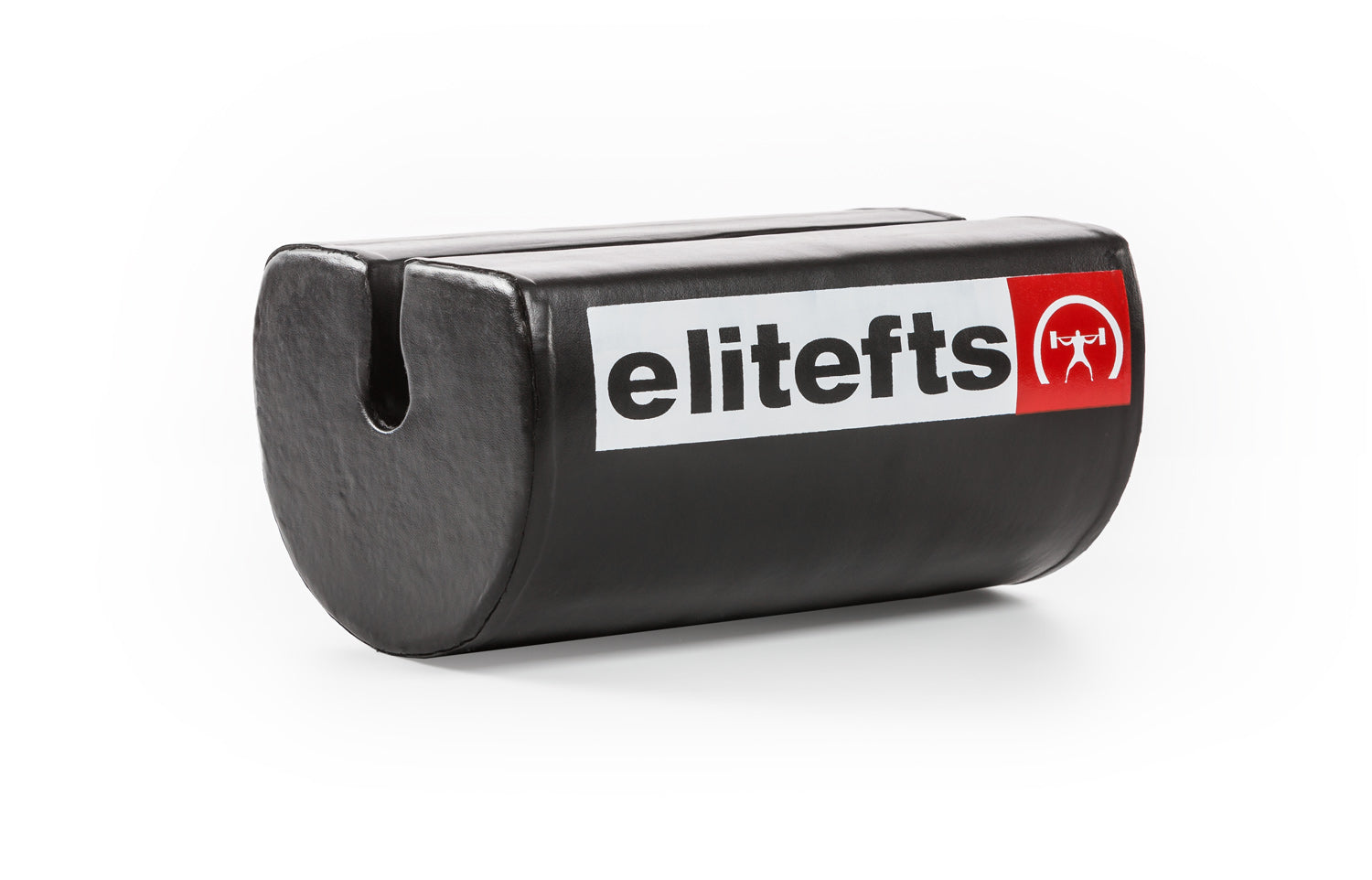
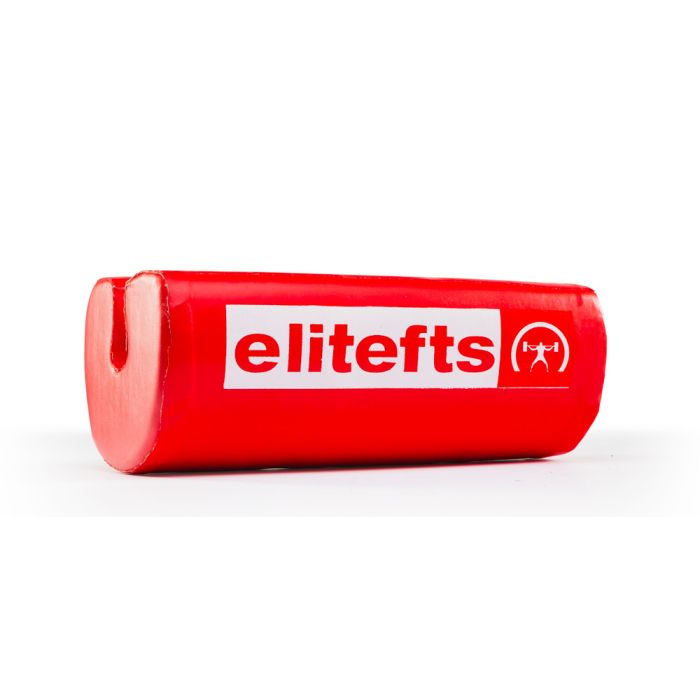
View at elitefts.comelitefts Spotting Straps
A controlled catch for missed squats and presses, with less bounce than a bar hitting hard metal safeties.
View at elitefts.comProtect What Needs Protection. Load What Can Be Loaded.
Rest has a place. So does movement. The hard part is knowing which one the tissue needs today. Marv separates a small tweak without bruising from an injury with obvious bleeding, major swelling, deformity, or function loss. The more severe the presentation, the less room there is for improvised rehab.
For a mild strain, a gentle range of motion and isometrics may begin early under appropriate guidance. For a more serious injury, aggressive stretching, loading, or scraping can worsen the situation. The episode repeatedly returns to the same rule: severity determines the starting point.
PEACE and LOVE, not a reflexive shutdown
Marv uses the PEACE and LOVE framework to organize the process:
- Protect: reduce movement or load on the injured tissue.
- Elevate: Use elevation when appropriate for swelling management.
- Avoid unnecessary anti-inflammatory overuse: medication choices belong with the prescribing clinician.
- Compress: apply appropriate compression when indicated.
- Educate: explain what is happening and what the person can safely do.
- Load: reintroduce stress in a graded, tissue-appropriate way.
- Optimism: Avoid language that turns an injury into a permanent identity.
- Vascularization: Use appropriate conditioning to keep blood moving.
- Exercise: rebuild capacity instead of waiting for perfect feelings.
The discussion challenges the automatic use of ice for every injury. Marv views ice primarily as a short-term pain-management tool, not something to apply endlessly in an attempt to erase the inflammatory phase. The same caution applies to blanket medication advice. The right decision depends on the injury, timing, health history, and clinician overseeing the case.
Frequency beats the heroic session
A short rehab drill performed several times throughout the day can be more useful than a single punishing session followed by 23 hours of nothing. Isometrics, gentle motion, light band work, and later progressive resistance can be distributed according to tolerance.
The next morning becomes feedback: if baseline pain is clearly worse, yesterday's dose was probably too high.
High-level athletes often call themselves all in while skipping sleep, warm-ups, rehab, and nutrition. They are all in for the drug, the hard set, or the dramatic intervention. They are not all in for the boring work. Marv's point is that the boring work is the rehab.
The nutrition section stays practical: do not pair serious tissue repair with an aggressive calorie deficit; eat enough complete protein; keep carbohydrates available to support training and hydration; and review supplements with a qualified professional.
Vitamin C, collagen or gelatin, omega-3 intake, magnesium, zinc, copper, and other nutrients come up in the conversation, but none of them replace adequate food, sleep, and progressive loading.
Simple tools for graded work
The article does not prescribe a protocol. These options match the episode's repeated use of bands, controlled resistance, circulation work, and low-cost movement.
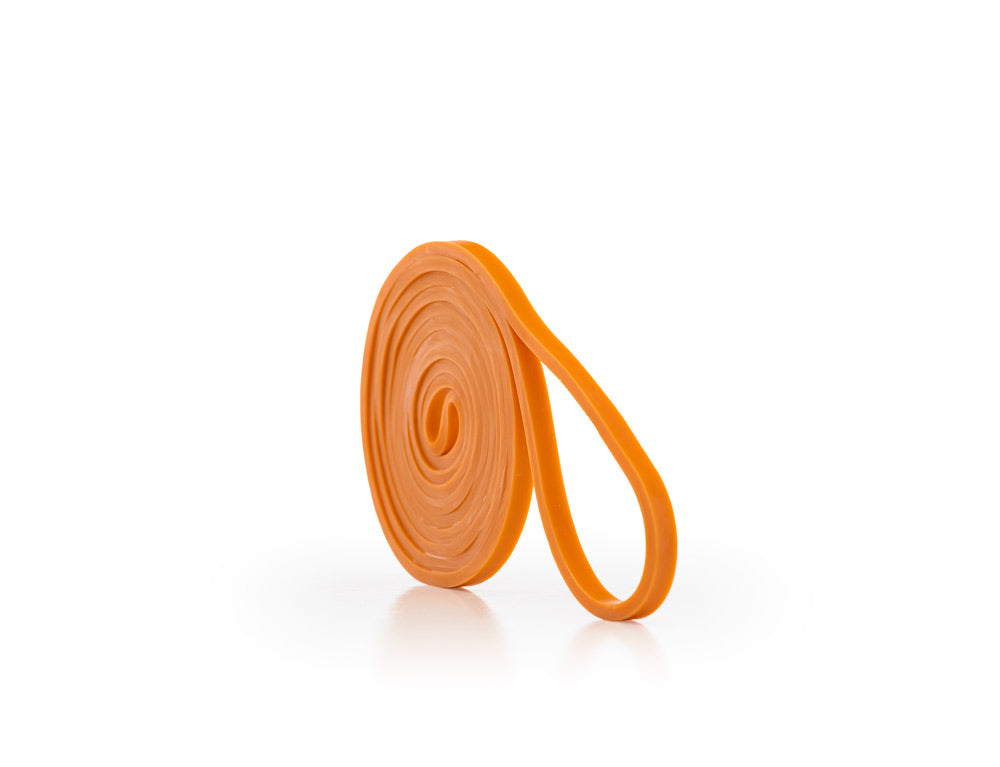
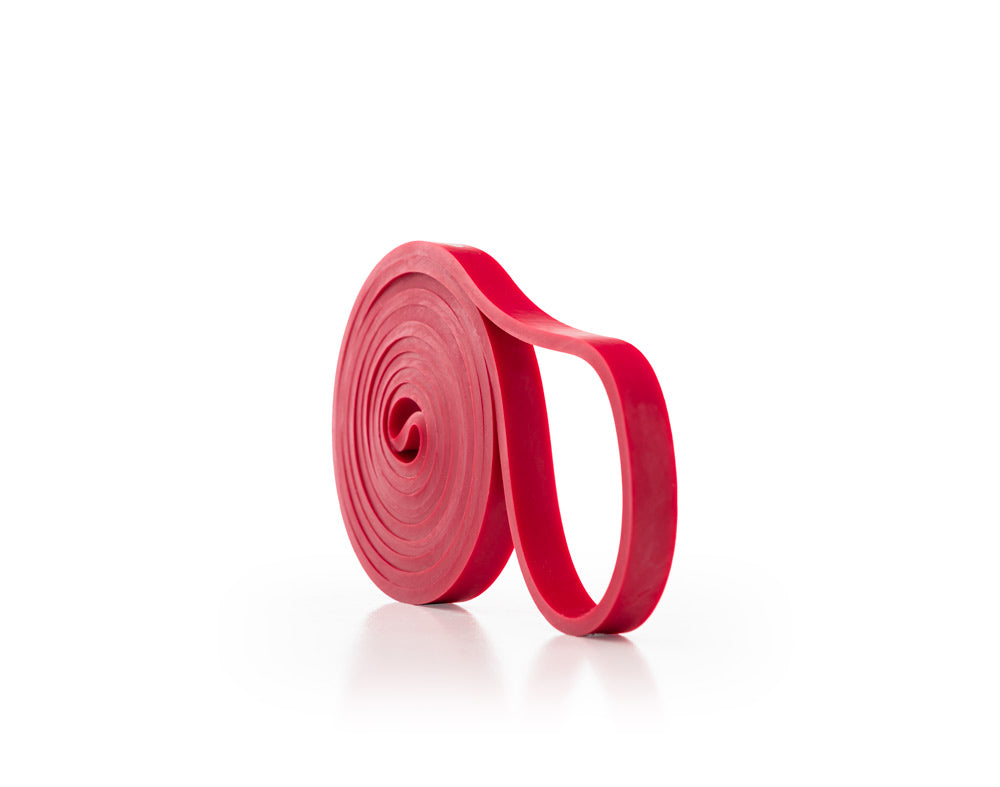
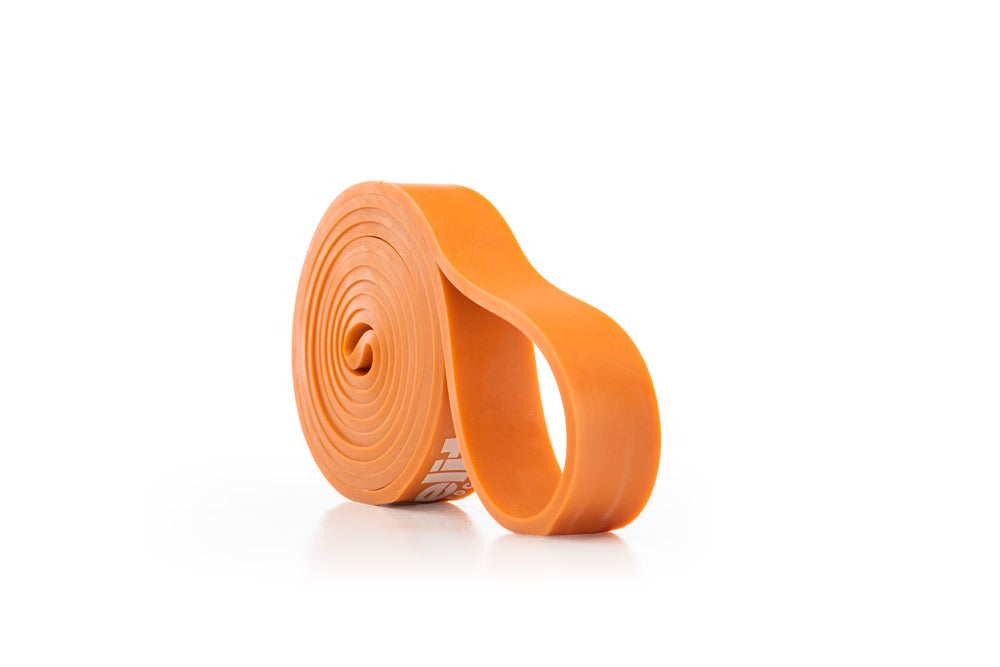
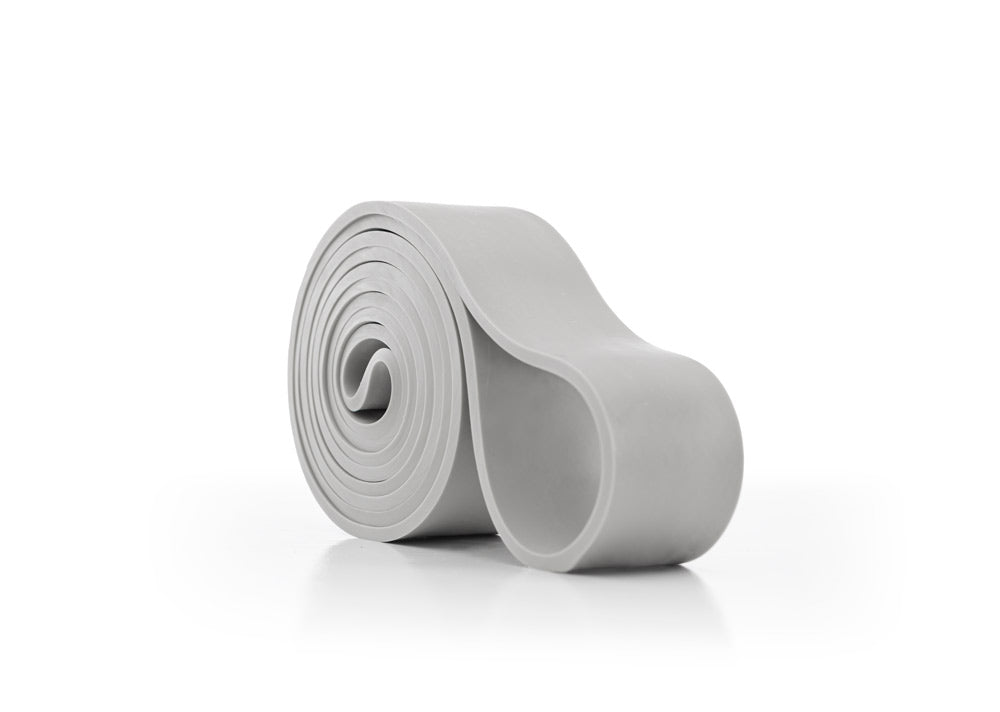
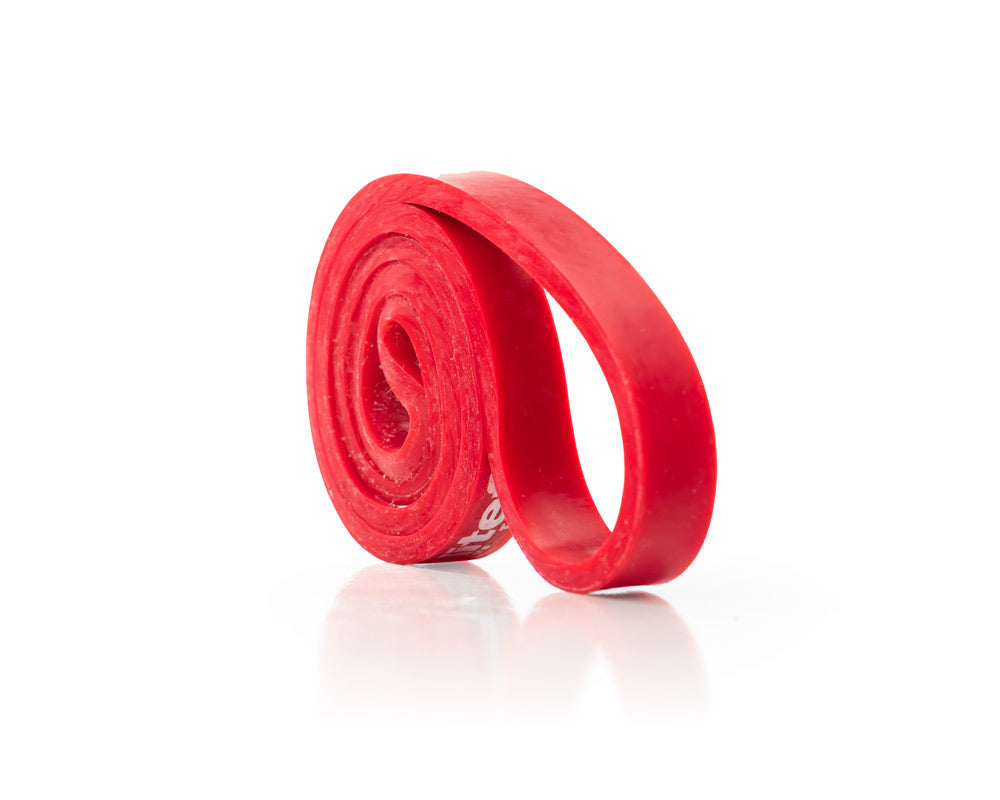
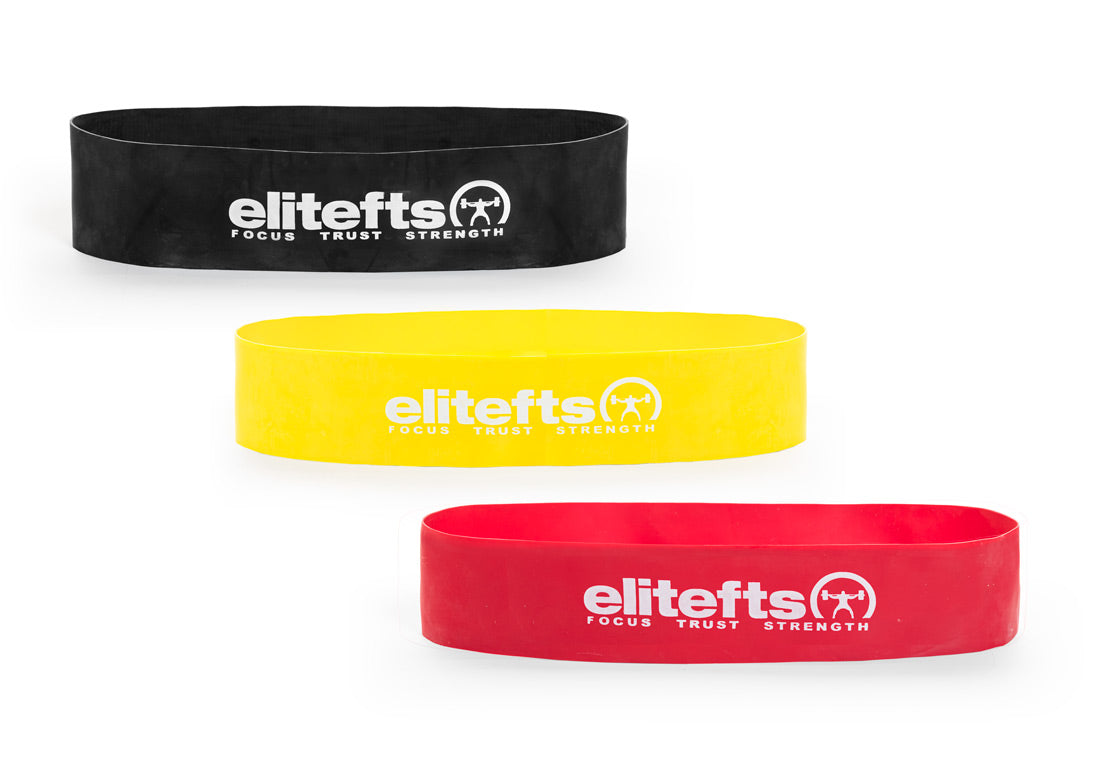
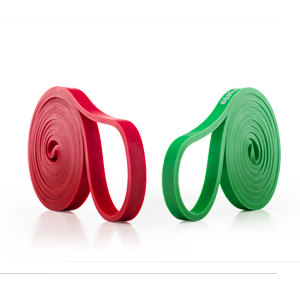
elitefts Pro Micro Resistance Band
Light enough for many prehab and rehab drills, but useful for pull-aparts, spider crawls, step-ups, push-ups, and accessory work.
View at elitefts.comCompression Bands
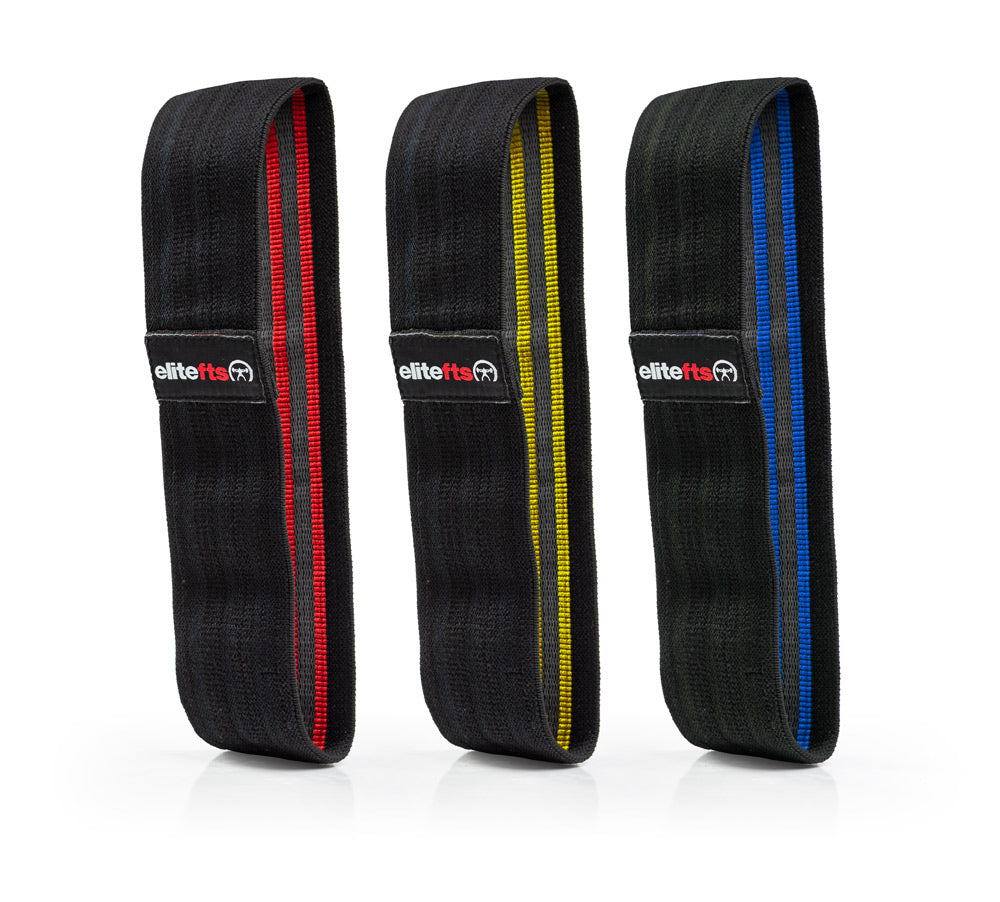
A collection of floss-style bands commonly used around mobility and circulation work when appropriate.
View at elitefts.comImaging Is Data, Not a Verdict
Two people can see the same scan and walk away with completely different futures. One hears "degenerative disc disease" and decides the spine is failing. The other hears "common age-related change" and keeps moving while the clinician compares the image with symptoms and the physical exam.
Marv calls the first response a nocebo: the expectation of harm begins to shape the experience of pain, movement, treatment choices, and fear. Technical language can be accurate and still be delivered badly. A report is not neutral when the patient leaves believing normal wear means they are fragile.
"You are not broken. You are not fragile."
That does not mean scans are useless. It means they need a question. Imaging is valuable after significant trauma, when red or yellow flags are present, when symptoms do not fit the expected pattern, or when the result will change management. The problem is routine early imaging used without a clinical context or as a sales tool.
Marv's three-part frame is simple: exam, symptoms, and imaging. A structural finding without matching symptoms may be incidental. Severe symptoms with a relatively ordinary scan still deserve attention. The clinician's job is to connect the pieces rather than let one piece dominate the case.
Fear changes lifting, too
The same psychology appears under the bar. An athlete approaching a 500-pound squat may decide the number itself is dangerous. Dave and Marv discuss controlled methods for building familiarity: heavy walkouts, high-box variations, accommodating resistance, and carefully planned exposure to loads above the athlete's current work sets.
The goal is not reckless overload. It is removing the shock of the weight. If a lifter unracks 450, holds position, and then strips to 405, the work weight often feels different. Confidence improves when the athlete has a safe structure for experiencing the demand.
Warm-up sets deserve the same attention. Many injuries happen when the load feels too light to command focus. The athlete is thinking about the next set, the phone, or the drive home. Heavyweights demand presence automatically. Light weights do not. A useful warm-up switches the body and the mind into the session.
Training age matters as much as biological age. A 42-year-old who started lifting at 38 is not the same case as a 42-year-old with 25 years of hard training and multiple surgeries. "How should people over 40 train?" is incomplete without the accumulated history.
Back to contentsWhy the Feet Can Change the Whole Lift
Marv's daily movement list starts on the floor. Roll one foot with a baseball or lacrosse ball, then retest a toe touch. The immediate change does not prove every claim made about fascia, but it gives the athlete a simple way to feel how sensory input from the foot can change a movement farther up the chain.
The foot alternates between a more rigid, higher-arched shape and a more adaptable, pronated shape as a person walks or runs. The big toe, arch, shin, knee, and hip do not operate as separate parts. If the big toe cannot extend or the arch does not change shape, the athlete may find another way around the restriction. That compensation can change glute recruitment, knee mechanics, and how force reaches the ground.
For a squat, Marv uses a foot tripod: heel, pinky-toe knuckle, and big-toe knuckle. Push through all three rather than rolling to one edge. The cue often gives the athlete a stronger sense of the floor and a more stable path out of the hole.
The four-part daily sequence
- Roll the feet: Use brief soft-tissue work to improve sensory input and access to foot motion.
- Use an active 90/90: train hip internal and external rotation, then press the shins into the floor for control at end range.
- Expand the rib cage: Use side-lying breathing on a foam roller or block to restore movement rather than only forcing thoracic extension.
- Train shoulder rotation and control: match the drill to the athlete's restriction and the demands of pressing or overhead work.
The 90/90 is not treated as a passive stretch. Pressing the legs into the floor at low effort turns the position into active end-range work. That gives the athlete not only more range but also a better chance of controlling it when the bar is added.
At the rib cage, Marv argues that lifters often live in compression. Compression helps produce strength, but an athlete who cannot expand the rib cage may lose rotation, overhead position, and scapular motion. A few minutes of deliberate breathing can change where the sternum and shoulder blades sit before the first work set.
The orthotics discussion is intentionally provocative. Marv does not throw every insole away. He questions the use of passive support forever without asking whether the foot can be strengthened or taught to move. Any transition away from long-term support or highly cushioned footwear should be gradual and individualized.
Build control before chasing load
Suspension work and a shoulder-friendly squat bar fit the episode's emphasis on scapular control, trunk stability, and continuing to train around limitations.
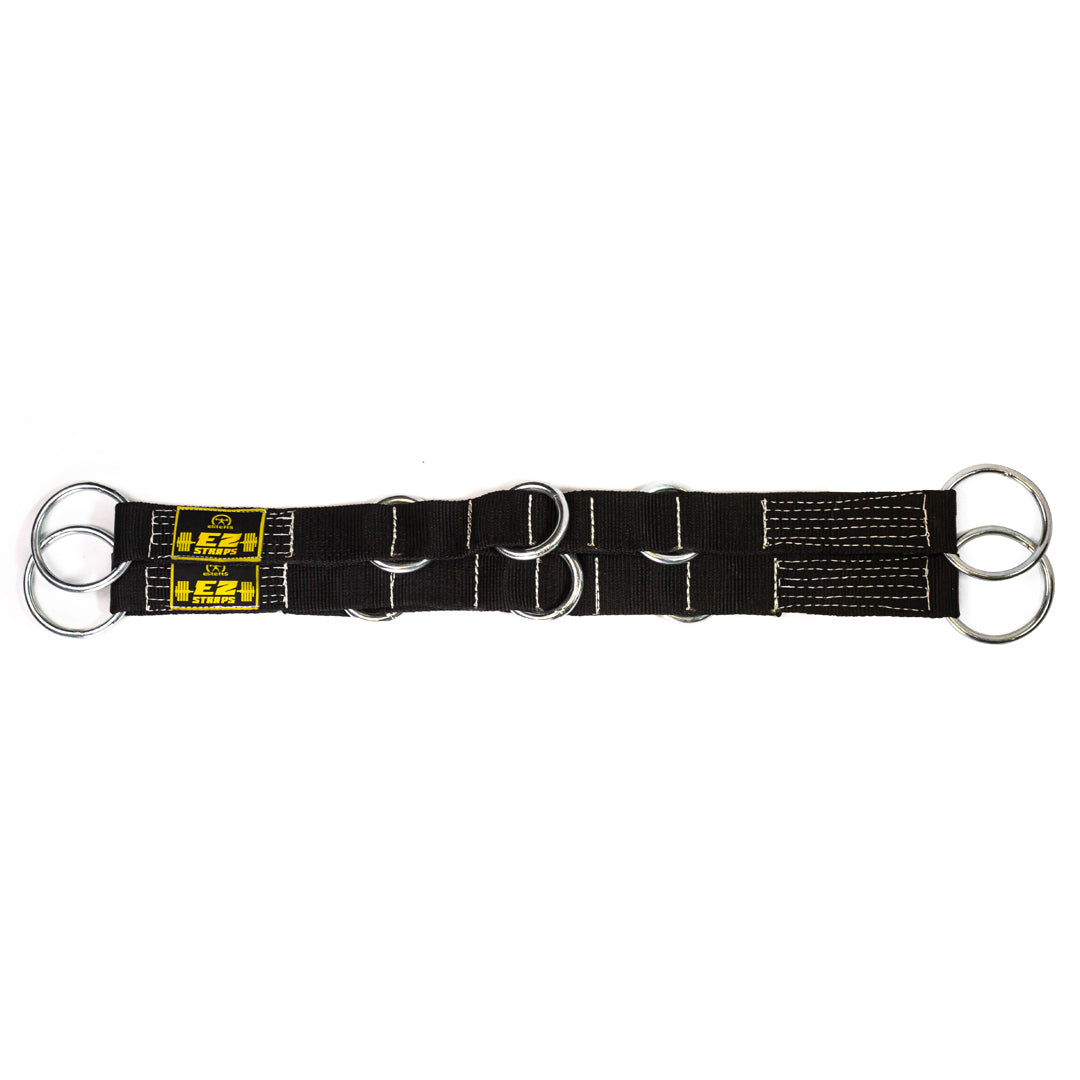
elitefts Blast Straps
Rows, face pulls, suspended push-ups, fallouts, and assisted lower-body work in one heavy-duty setup.
View at elitefts.comSS Yoke Bar
A safety-squat-bar option for lifters who need to reduce shoulder demand while training the legs, upper back, and trunk.
View at elitefts.comThe Bracing Skill That Transfers Everywhere
Marv calls bracing a cheat code because the change can be immediate. He tells the story of an athlete who learned the concept, flew home, and hit a large front-squat PR while underslept, and without the glute pain he expected. That is an anecdote, not a guarantee, but it shows why the skill gets his attention.
The basic model consists of a stacked rib cage and pelvis, with pressure distributed around the trunk. The brace is not only a hard stomach. It is a 360-degree cylinder that resists forces that would pull the lifter into a weak position. If the ribs flare and the pelvis tips away, force leaks through the opening.
For a heavy single, the lifter can inhale while creating tension and hold the breath through the critical portion of the rep. For higher-repetition work, breathing has to continue without losing trunk pressure.
Marv's waterline cue is useful: inhale before going below the line, hold through the change of direction, then exhale after rising above it while keeping the brace.
The brace is not finished when the breath leaves. The cylinder still has to stay on.
That is the difficult part. Many strong athletes know how to brace when a maximal weight demands it. They lose the same discipline on warm-ups, accessories, or high-repetition work. The skill should be rehearsed between early sets using a bird dog, Pallof press, or another drill that creates pressure without fatigue, making it the main event.
A properly executed plank is another reality check. A five-minute hip-flexor plank is not the same as ten hard seconds with the pelvis controlled and the trunk fully braced. Duration is only useful if the intended tissues are doing the work.
Do not rebuild a lift eight weeks from the platform
Bracing changes are a project. They can temporarily reduce load while the athlete learns a new pattern. Marv avoids major technical changes late in a meet prep. Get through the competition with the system the lifter can execute, then rebuild when there is room for frustration, mistakes, and lighter training.
This is also where individuality matters. Some athletes need more scapular control before benching. Others should not fatigue an already weak stabilizer before heavy work. The answer may be fewer activation sets before training and more work later in the day. The model serves the person; the person does not get forced into the model.
A ten-minute warm-up with a job
- Address the tissue or joint restriction that changes today's main movement.
- Rehearse the brace before the load is high enough to hide bad habits.
- Prepare scapular control for pressing and pulling, or hip and ankle motion for lower-body work.
- Use the first warm-up sets to focus, not to scroll or socialize.
Train the Muscle, Not Just the Movement
An arm day built around a barbell curl and a dumbbell curl, with the elbows in the same position, offers little variety. The implement changed. The muscle length did not. Marv organizes advanced hypertrophy work around shortened, lengthened, and midrange positions.
For a biceps example, a preacher curl emphasizes a shortened position, an incline curl loads a lengthened position, and an elbow-at-the-side curl covers the stronger midrange. His preferred order is shortened first, lengthened second, and midrange last.
The reason is practical: fatigue makes it harder to reach and contract a fully shortened position, while the athlete can still produce useful force in the midrange at the end.
He does not treat lengthened partials as magic. Lengthened work can be valuable for hypertrophy, tissue tolerance, and restoring what repeated shortened positions take away, but more stretch and more load are not automatically better.
At the end of a set, extending the duration of a stable loaded stretch may be smarter than turning it into a max-effort stunt.
"Execution is one. Effort is two. Weight is third."
The same idea applies across the body. Overhead triceps work trains the long head in a position most prone to pressing misses. Hip-flexor training can be paired with glute work instead of treating every tight hip flexor as something to stretch.
Hanging leg raises can provide hip extension and distraction benefits, but only a deliberate pelvic curl turns the top into abdominal work.
Squat mechanics are goal-dependent
There is no universal shin angle. A quad-focused squat and a hip-focused squat use different moment arms. Heel elevation does not guarantee a quad bias if the knees do not travel and stay forward. A wider stance can shorten bar travel for a powerlifter, but also raises the need for strong adductors and usable hip rotation.
Marv and Dave work from the floor upward: foot tripod, knees and shins, hips, back tension, and finally the brace. Sometimes fixing the brace cleans up the entire stack. Sometimes the athlete still needs a local solution, such as ankle work, a reverse-band drill to teach hamstring contribution, or a slight stance change.
For general-population lifters, a simple jump test can help identify a comfortable stance: jump several times and note where the feet naturally land. It is a starting point, not a law. The athlete still has to match the stance to anatomy, goals, and symptoms.
Recovery is part of program design
The chapter widens into hydration, nutrition, and the long game. Marv uses half of body weight in fluid ounces as a rough floor, then adjusts for climate, activity, body size, and the enormous individual differences in sweat sodium. A dramatic jump in water intake is not the goal. Measure the current amount, increase gradually, and watch how the athlete responds.
During rehab, he wants adequate calories, protein distributed across the day, carbohydrates to support training and fluid storage, and sufficient micronutrients. Creatine is discussed as a useful tool for performance and recovery, but again, the big rocks come first. Four hours of sleep and poor food choices do not make for a recovery plan, because a supplement stack is expensive.
Training careers also change. Early on, the challenge is building enough skill and muscle to become competitive. Later, the challenge is preserving the ability to train, selecting battles, and refusing the five-pound jump that may cost six months. A powerlifter does not have to peak four times per year forever.
A bodybuilder does not have to keep adding exercises when the target muscle only responds to two of them.
Tools for smarter variations
These options support the episode's themes of controlled depth, safer overload, accommodating resistance, and using the right variation for the day's objective.
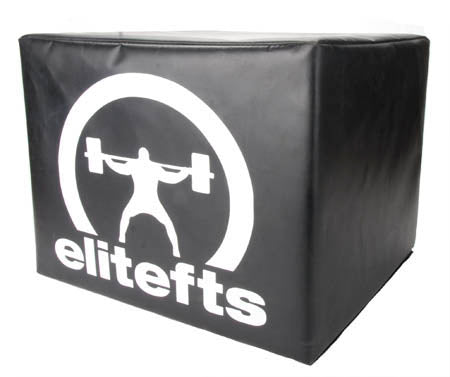
elitefts Squat Box
Three usable heights in one stable foam block for high-box exposure, parallel box work, or lower-range training.
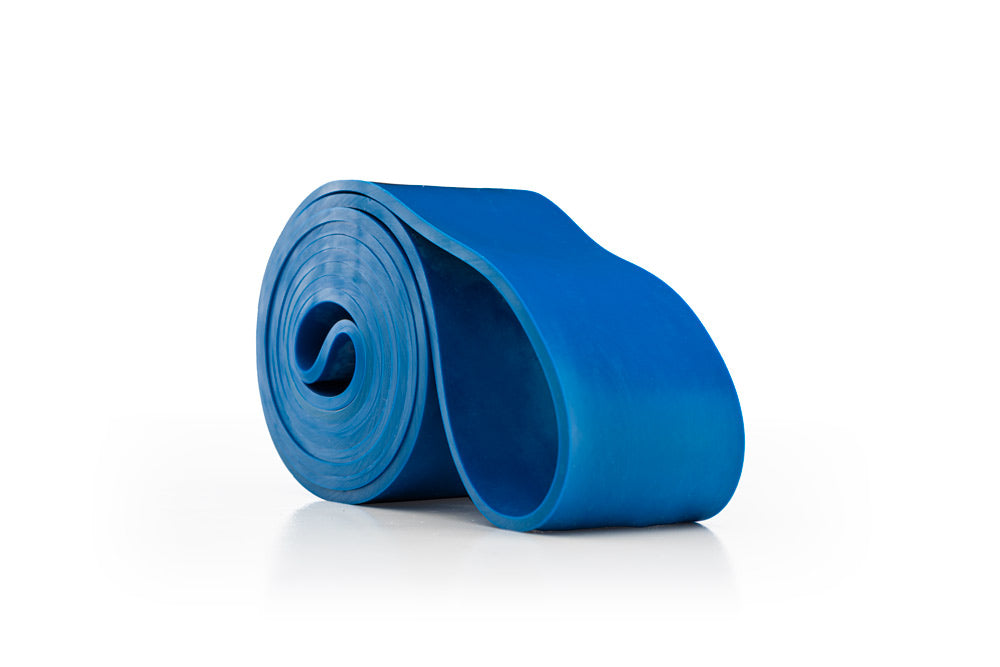
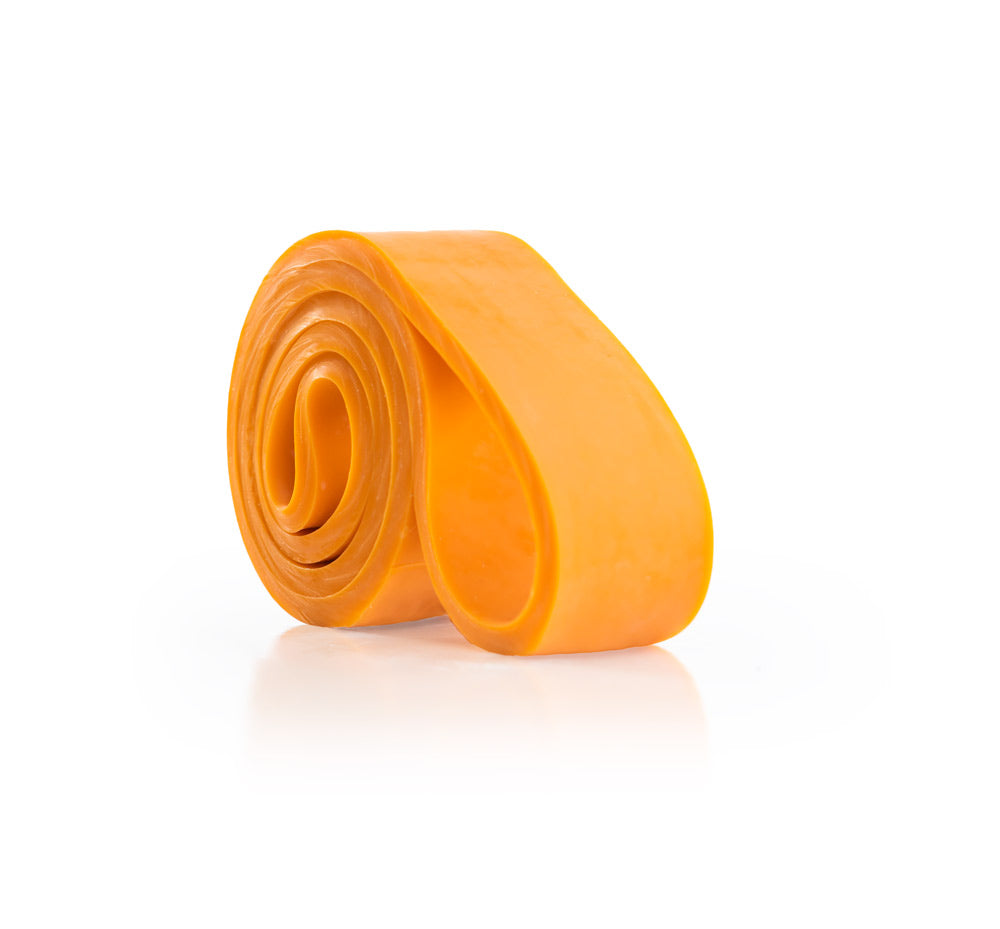
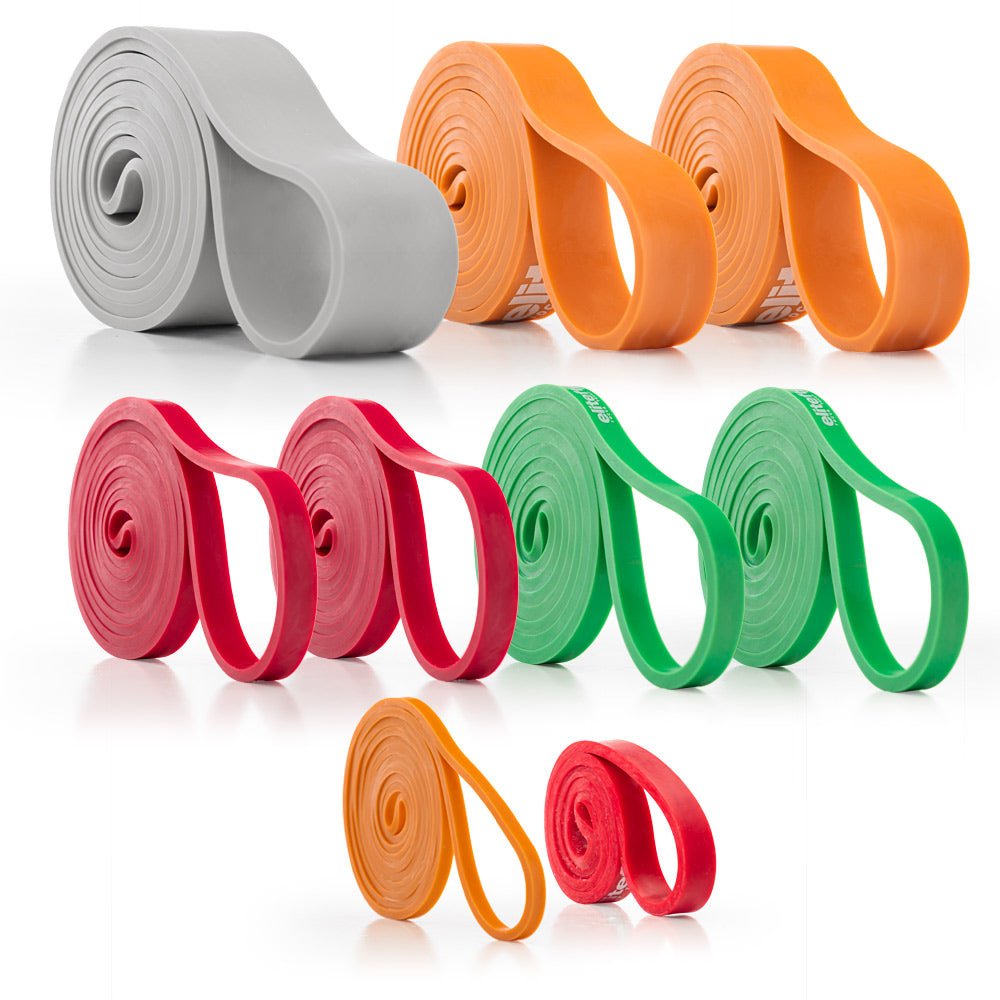
View at elitefts.comelitefts Bands
Long and short bands for squats, presses, deadlifts, assistance work, warm-ups, and machine resistance.
View at elitefts.comBFR: Useful, Specific, and Brutal
Blood-flow restriction is not presented as a replacement for heavy training. It is a tool for moments when low external load, high local demand, increased motor-unit recruitment, or a temporary change in pain response can solve a specific problem.
Marv uses BFR in three broad ways. First, as a short performance primer before another attempt. He describes lifters doing low-load BFR squats, resting several minutes, then returning to the bar with better recruitment and confidence.
That is an advanced, supervised application built partly from his clinical experience, not a reason to wrap a random band around the thighs before a max.
Second, he uses it as a bodybuilding intensifier. The classic sequence discussed is 30 repetitions, 30 seconds of rest, then three sets of 15, with the same short rest between sets. A BFR leg extension can fill the quads with blood before a more stable compound movement, allowing a strong local stimulus with less external load.
Third, BFR can bridge rehab. Low-load exercise may preserve or rebuild capacity when heavy eccentrics are not yet tolerated. A short BFR bout can also change pain sensitivity long enough for the athlete to perform the next stage of loading more comfortably.
Stacking tools requires judgment
Marv discusses combining BFR with shockwave, laser, e-stim, dry needling, and other clinical tools. He is clear that some combinations are extrapolations from separate bodies of evidence rather than directly researched stacks. That distinction matters. A plausible mechanism and a successful case are not the same as a universal protocol.
Real BFR depends on appropriate cuff placement, pressure, medical screening, and exercise selection. Arms and legs are not treated identically. People with relevant cardiovascular, clotting, vascular, neurological, post-surgical, pregnancy, or medication considerations need professional clearance.
The desired sensation is hard work and pressure, not numbness, loss of control, or a do-it-yourself tourniquet.
The right question
Do not ask whether BFR is good or bad. Ask what problem it solves, whether the athlete is an appropriate candidate, and whether a simpler tool already does the job.
When an X-Ray Answers the Wrong Question
The final argument is the most direct. Marv does not believe routine day-one X-rays should be standard chiropractic care for every joint complaint. His objection is not to imaging itself.
It is to radiation and cost without a clear clinical reason, postural or "subluxation" measurements presented with more precision than the method can support, and fear-based sales built around normal degenerative changes.
A patient with trauma, neurological signs, an unusual pattern, or a red flag is a different case. Earlier in the episode, Marv describes refusing to adjust a patient's neck until imaging clarified a serious concern. That example makes the distinction clear: indicated imaging protects the patient; routine imaging can become a script.
The proper sequence begins with history, orthopedic and neurological examination, and an understanding of what would change the plan. If the answer is "nothing," the image may not be the first useful step.
If the answer is "this could be a fracture, instability, neurological compromise, or another condition outside routine care," imaging and referral move to the front.
Measurements also vary with position, time of day, hydration, muscle tone, and the way the image is taken. A tiny difference in a picture can look scientific while saying very little about the athlete's symptoms. The danger is not only an unnecessary scan. It is the story told afterward.
Image to answer a clinical question, not to manufacture fear.
That closes the loop on the entire episode. A scan, a research paper, a treatment tool, a cuff, a band, or a specialty bar can all be useful. None of them gets to replace judgment. The athlete still needs context, the clinician still needs honesty, and the coach still has to decide what matters today.
Back to contents