
No two reps at left tackle ever felt the same.
A defensive end might try to beat me with speed on one snap, then come back the next play and drive straight through me with a bull rush. My hands, feet, hips, and trunk had to solve a different problem every time the ball was snapped, usually in less than a second, while absorbing force from angles I could never completely predict.
That was the job.
I played offensive line in the NFL for four seasons after the Seattle Seahawks drafted me in the third round in 2016. I later spent time with the Indianapolis Colts, Atlanta Falcons, and Arizona Cardinals.
Nothing was symmetrical.
Nothing was evenly loaded.
Almost nothing was predictable.
That experience changed the way I look at strength training.
I’m not knocking the barbell squat, bench press, or deadlift. Those lifts helped build the strength base that allowed me to survive at the professional level in the first place. Heavy, traditional strength work matters.
But once you’ve had 280 pounds of moving mass drive into you from the side while your feet are still searching for leverage, you start to understand that there is a difference between being strong in a controlled environment and being strong when force comes from somewhere you didn’t expect.
Strength is one thing when the bar moves exactly where you expect. It is something else when the problem moves back.
THE FOUNDATION
Strength Rarely Happens in a Straight Line
Most traditional strength programs are built around controlled movement.
That makes sense when the goal is building maximum force production. You need controlled movements to progressively overload the body and develop a foundation of strength.
The problem comes when that becomes the only type of strength you train.
Sport doesn’t care about perfect positioning.
Neither does carrying furniture up a staircase, lifting something awkward off the ground, catching yourself when you slip, wrestling with another athlete, or controlling a heavy object that shifts in your hands.
Real-world strength requires you to produce force while simultaneously resisting unwanted movement.
That is why I started intentionally incorporating controlled asymmetry into the way I coach athletes through ThriveXDNA. The goal isn’t to turn every workout into a circus act. The goal is to introduce small, manageable amounts of instability so the body learns how to respond when everything isn’t perfectly balanced.
THE ORDER MATTERS
Chaos Training Does Not Replace Strength
This is the part that often gets lost.
If your squat is weak, adding instability will not magically make you strong.
If your hinge pattern is poor, carrying an awkward object isn’t going to fix that.
If you haven’t built a basic strength base, adding more variables usually creates more problems than it solves.
I usually program asymmetrical and controlled-instability work after the primary strength movement.
The main lift remains the main lift.
Then I might add two or three exercises that challenge rotation, balance, grip, trunk stability, or an uneven load. You don’t need an entire hour of this. Fifteen focused minutes at the end of a session can be enough.
THE COACHING PIECE
Coach the Correction.
Not Just the Rep.
The biggest mistake I see with this style of training is treating survival as success.
Just because someone completed the exercise does not mean they performed it well.
If I give an athlete an offset carry, I am not only watching whether they make it from one side of the room to the other.
I’m watching what happens when the load pulls them out of position.
There is a major difference between reacting to instability and simply becoming stiff enough to tolerate it. The goal is controlled correction. The athlete needs to recognize the changing demand and make the appropriate adjustment.
LESSONS FROM THE TRENCHES
What Great Offensive Linemen Taught Me
One of the things I noticed throughout my football career was that the best player in the weight room wasn’t always the best player on the field.
Raw strength mattered. There is no question about that.
But once you reached a certain level, nearly everyone was strong.
What separated players was often how they responded when the play stopped going according to plan.
That ability is difficult to measure with a traditional strength test.
It doesn’t show up perfectly in a squat max.
It doesn’t show up in a bench press.
It doesn’t show up in a deadlift.
But it matters when the game starts. And I believe it can be trained.
TRAIN THE QUALITIES
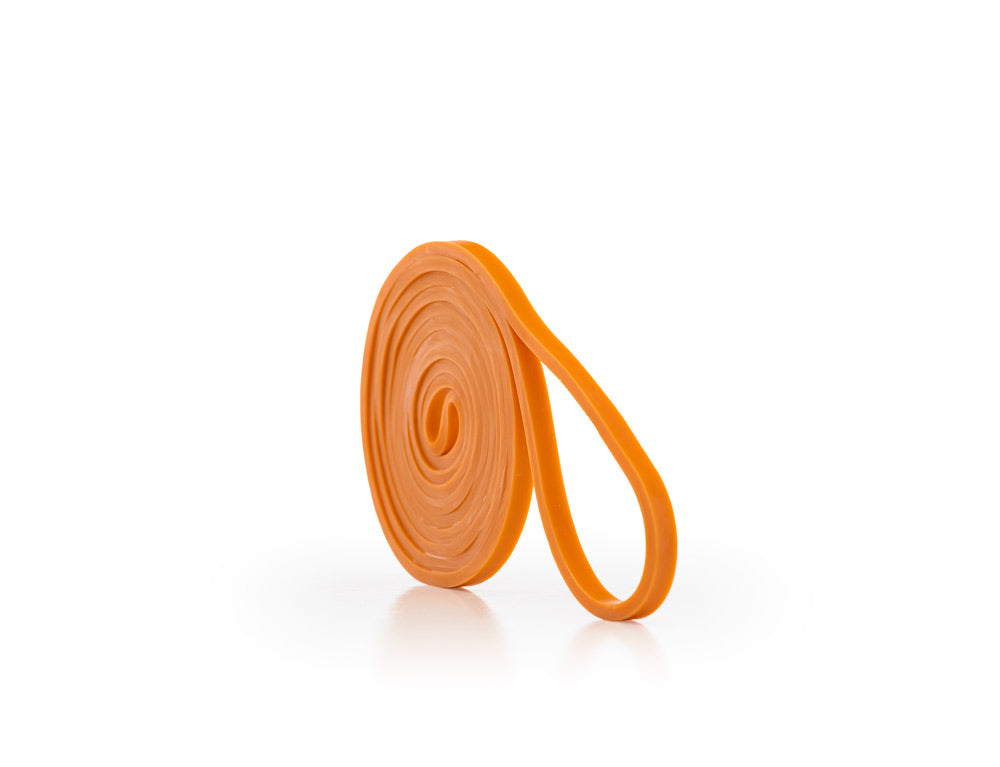
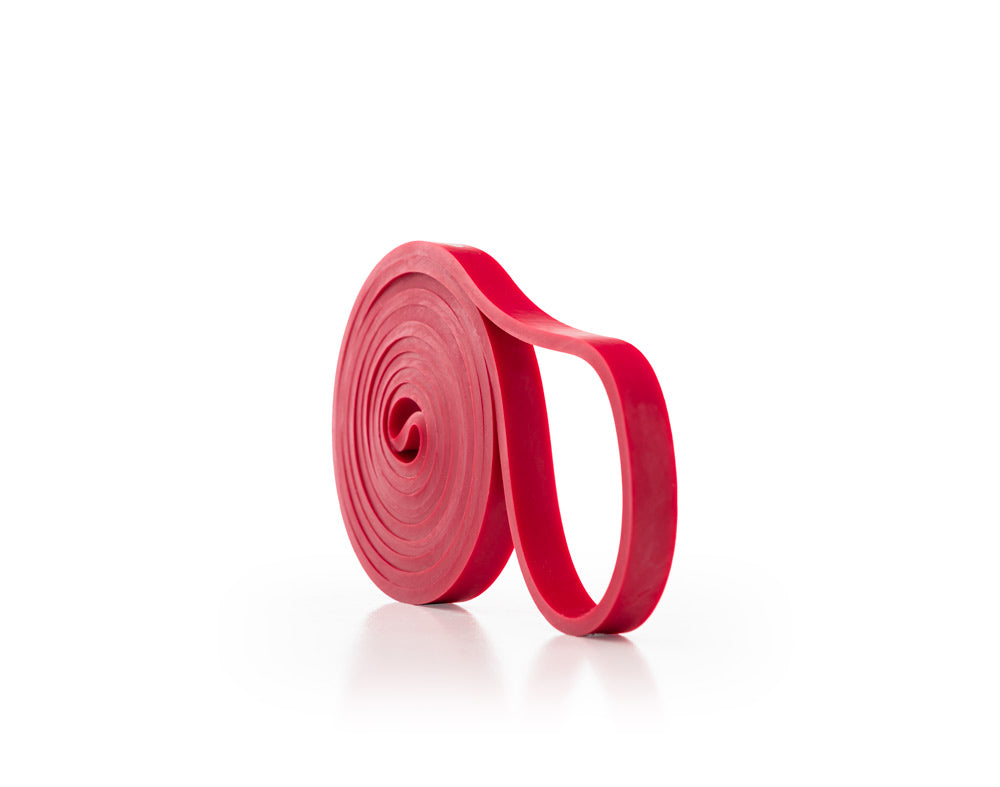
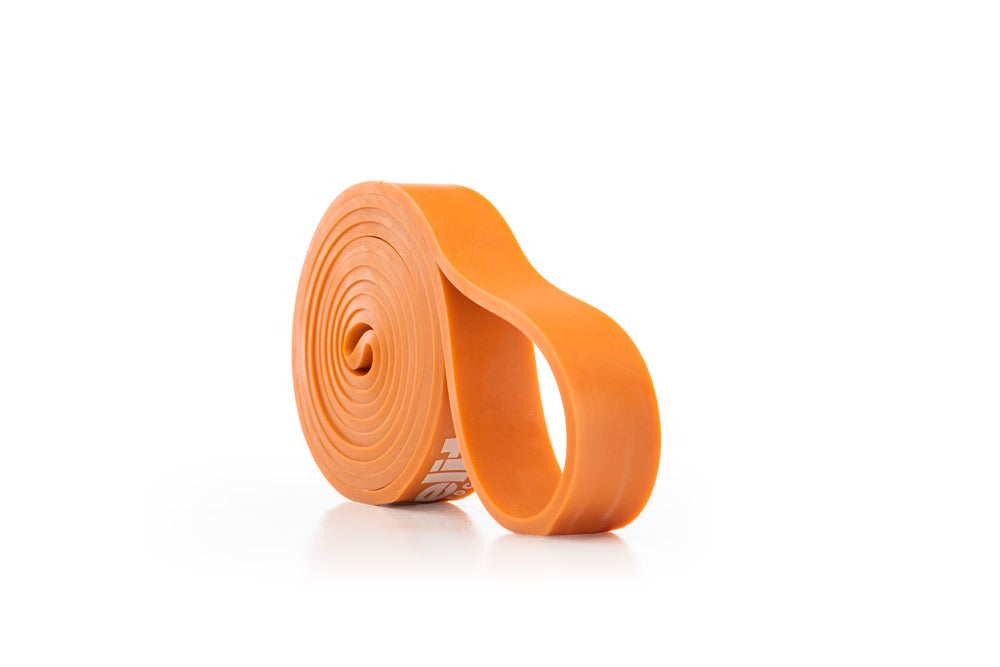
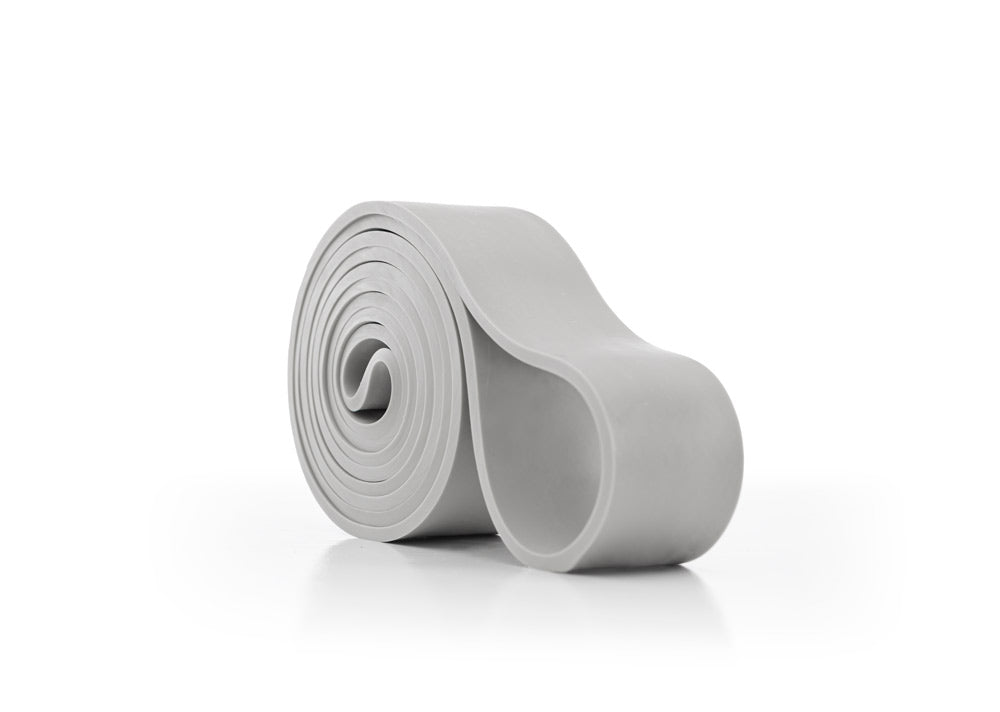
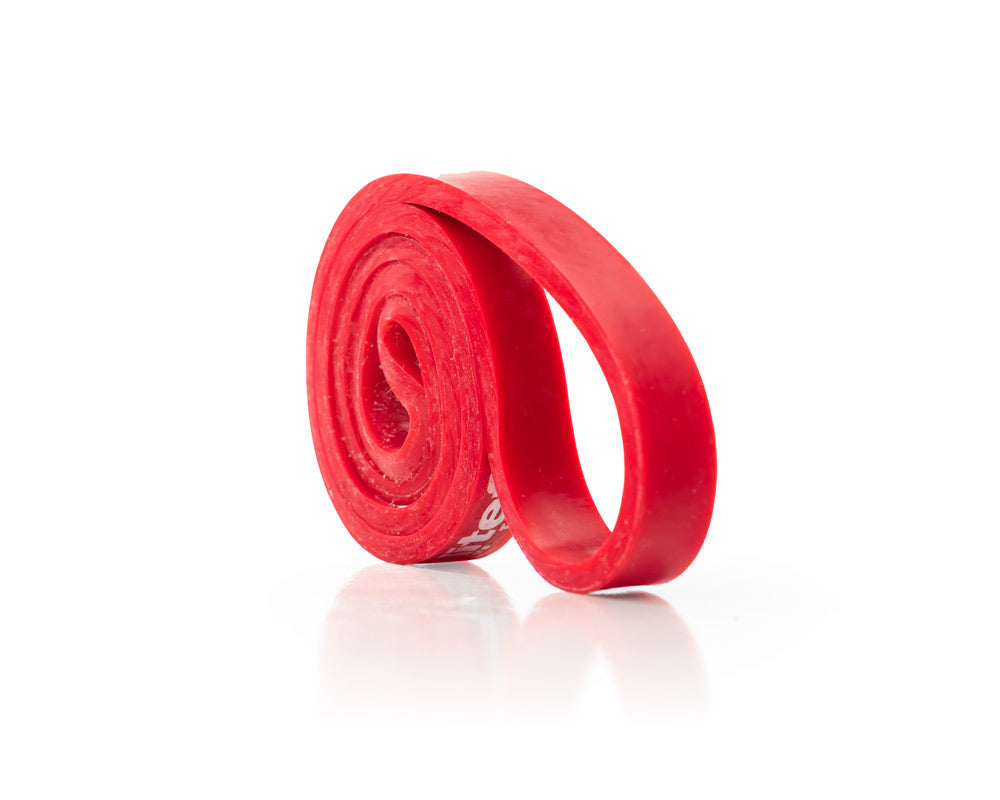
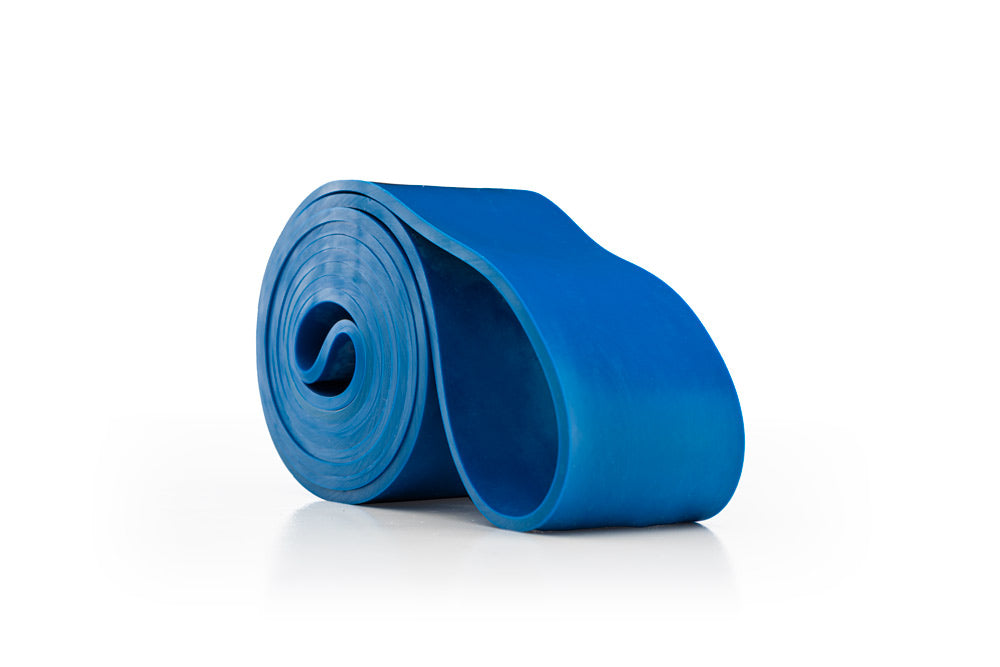
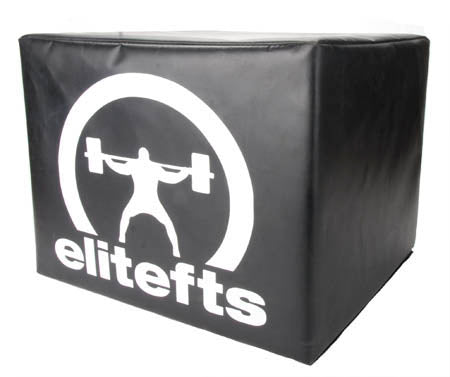
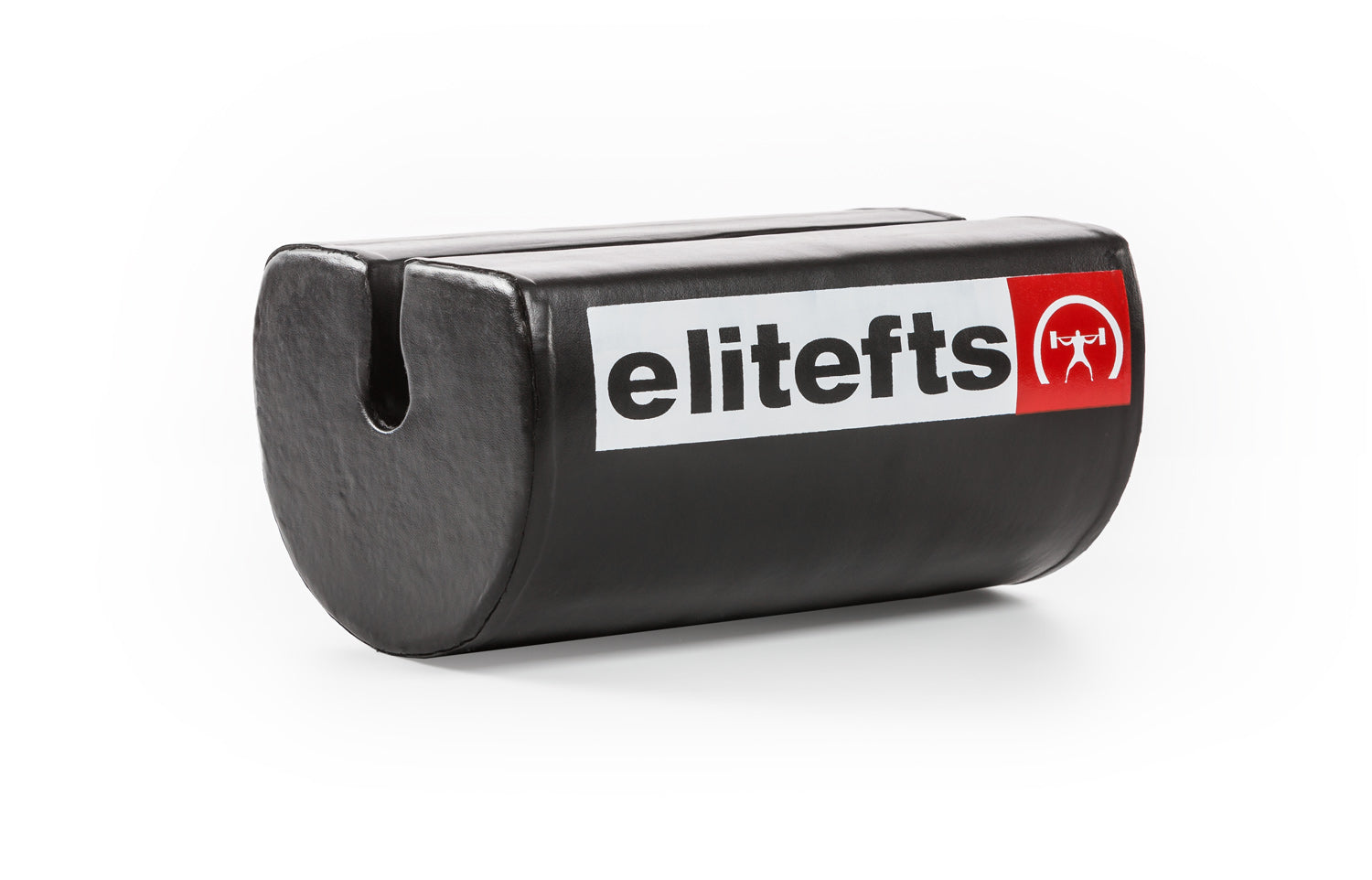
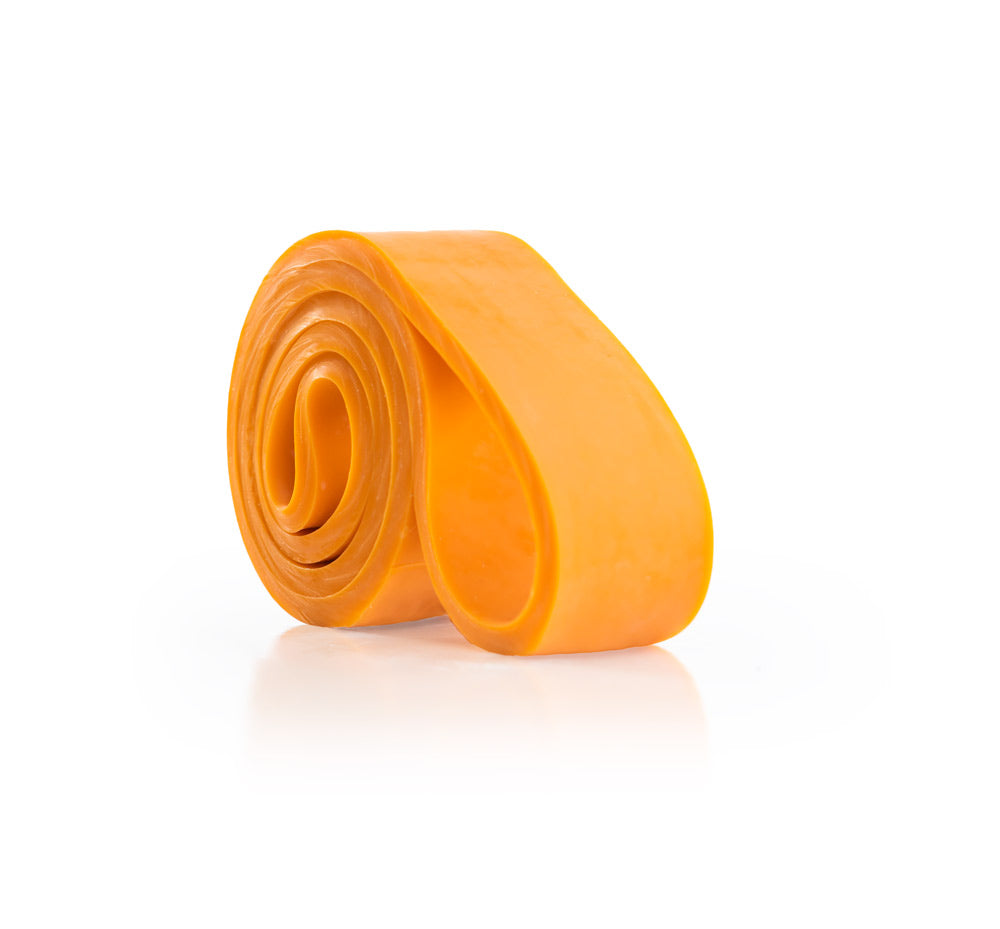
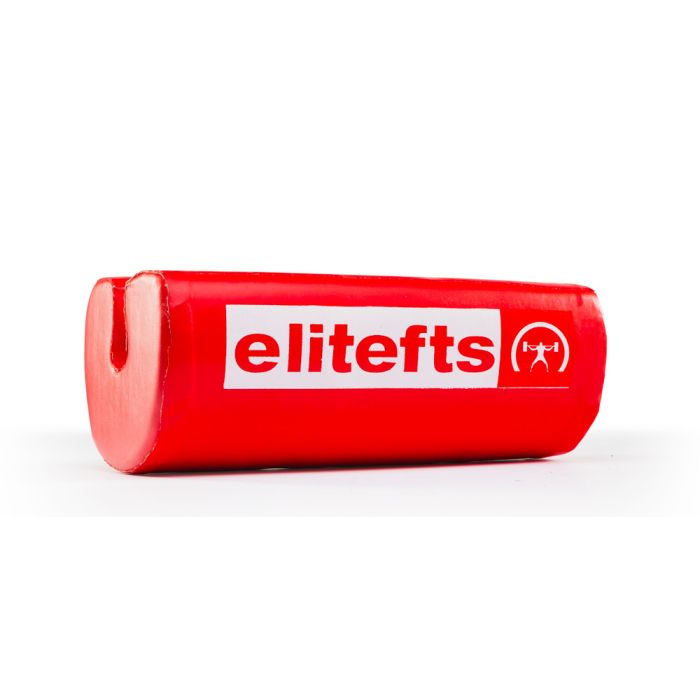
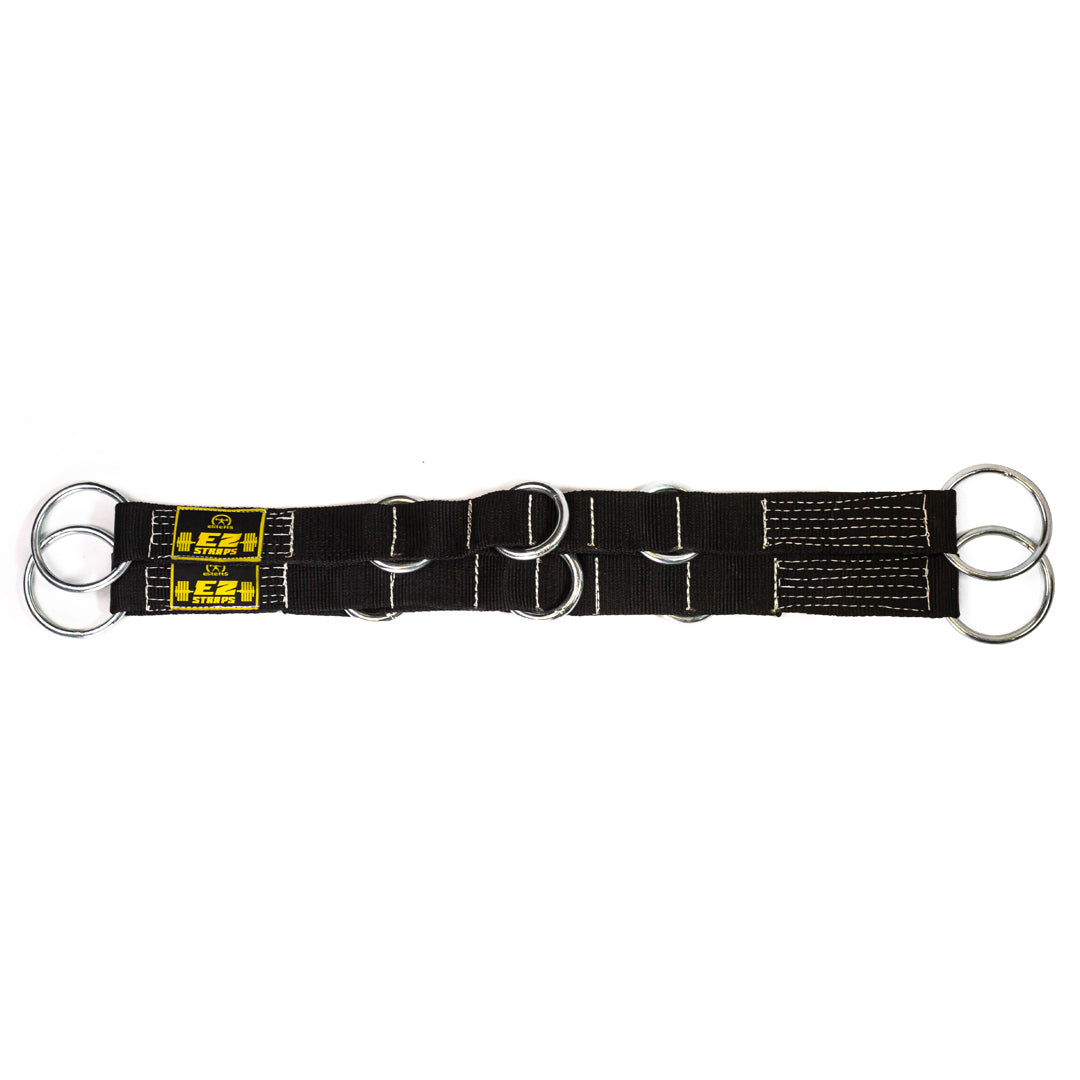
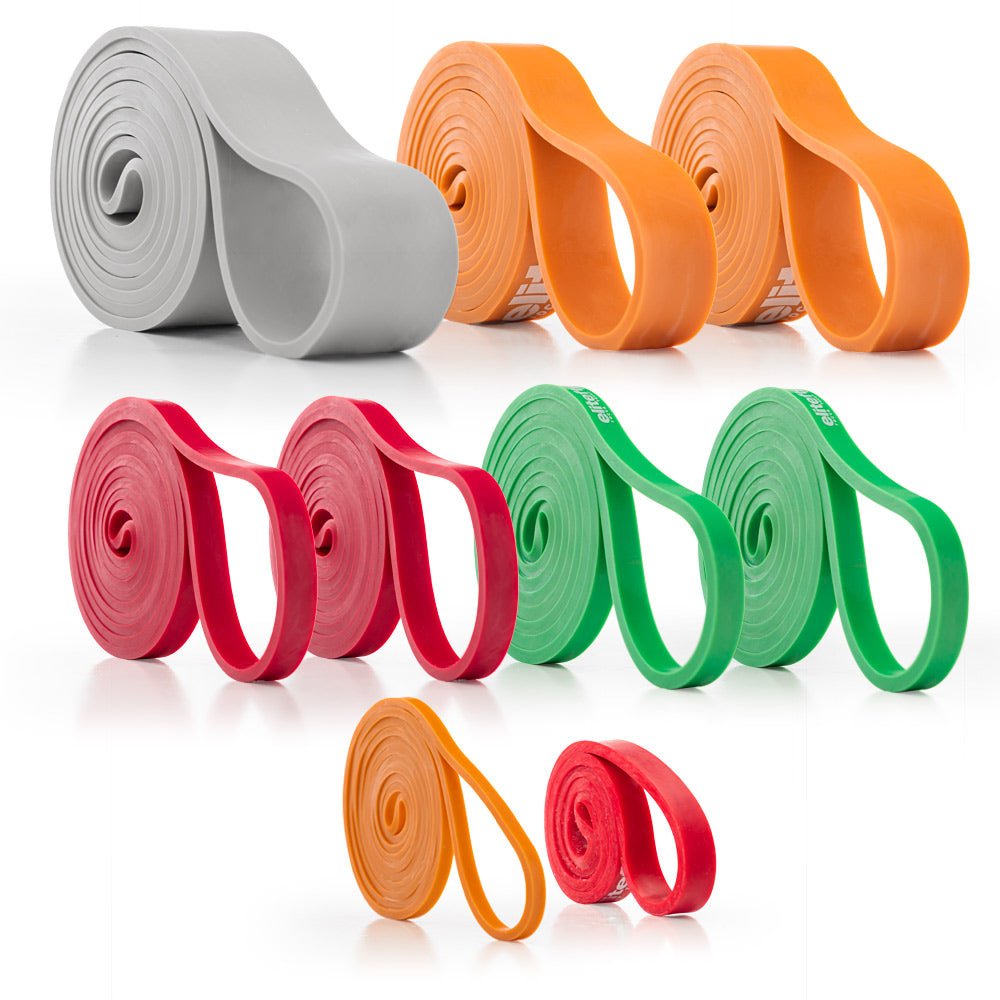
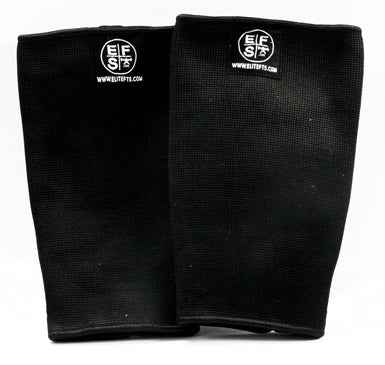
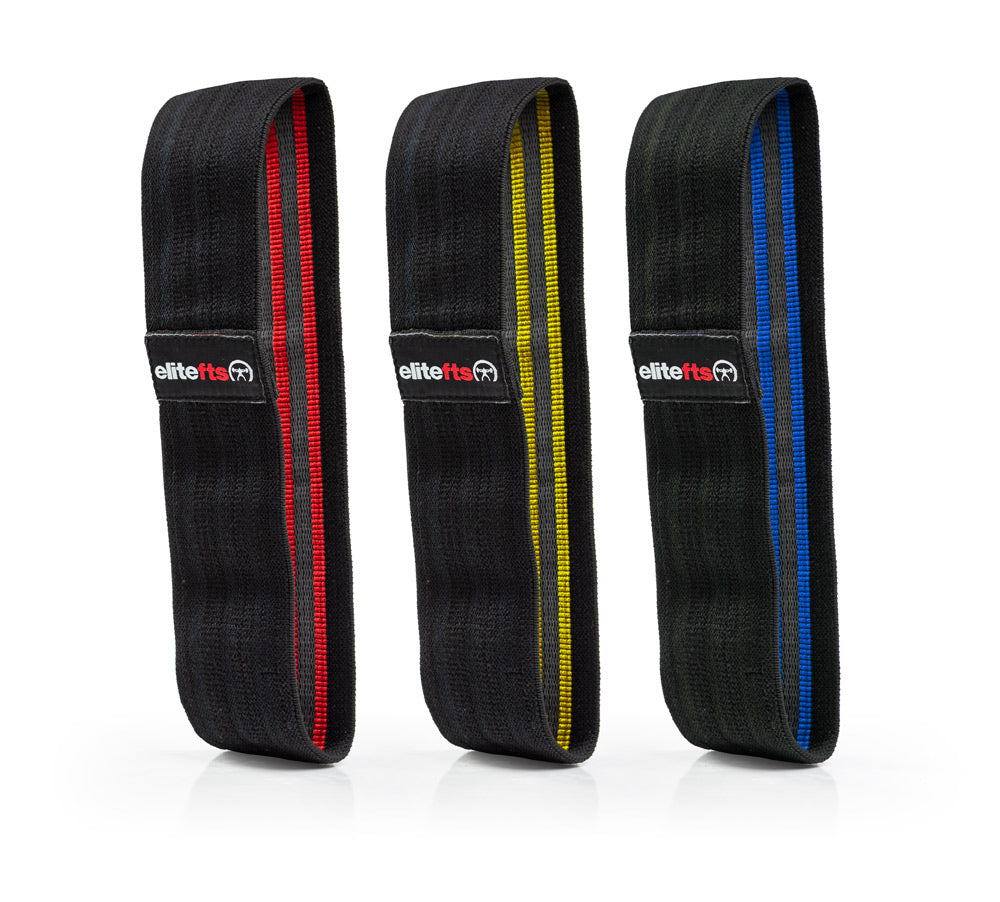
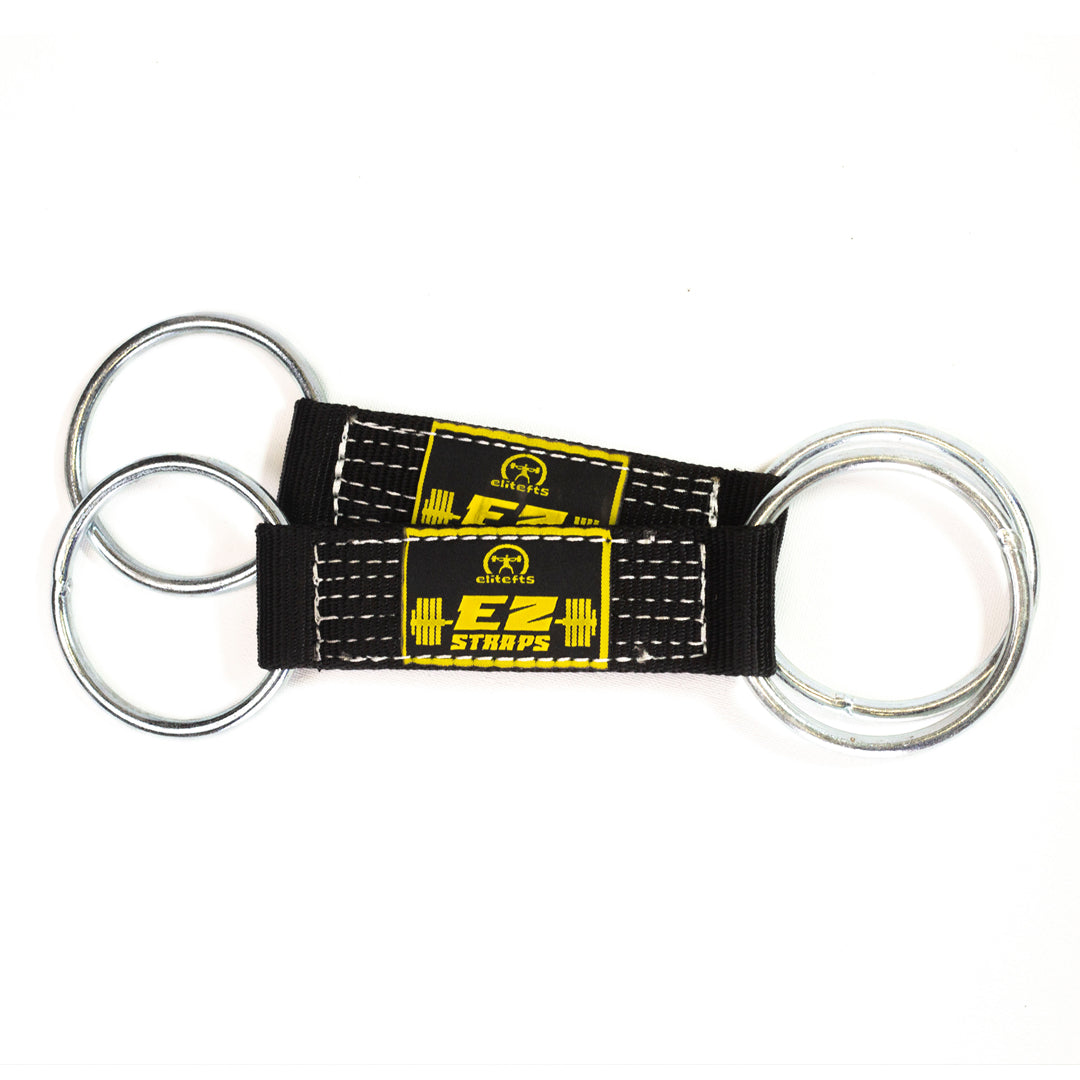
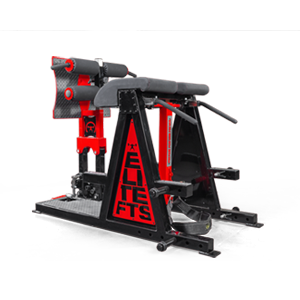
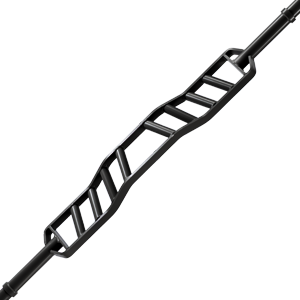
Equipment for Controlled Chaos
ABOUT THE AUTHOR
Rees Odhiambo
Rees Odhiambo played offensive line in the NFL for four seasons after being drafted by the Seattle Seahawks in the third round of the 2016 NFL Draft. He also played for the Indianapolis Colts, Atlanta Falcons, and Arizona Cardinals.
He holds a B.A. in Exercise Science from Boise State University and is the founder of ThriveXDNA.
support@thrivexdna.com