REAL-WORLD STRENGTH

TRAINING
CHAOS.
NOT SYMMETRY.

What trench football teaches about building strength that still works when the load, angle, and problem stop cooperating.

Written By
Rees Odhiambo
Background
Former NFL Offensive Lineman
Coaching
Founder, ThriveXDNA

No two reps at left tackle ever felt the same.

A defensive end might try to beat me with speed on one snap, then come back the next play and drive straight through me with a bull rush. My hands, feet, hips, and trunk had to solve a different problem every time the ball was snapped, usually in less than a second, while absorbing force from angles I could never completely predict.

That was the job.

I played offensive line in the NFL for four seasons after the Seattle Seahawks drafted me in the third round in 2016. I later spent time with the Indianapolis Colts, Atlanta Falcons, and Arizona Cardinals.

THE REALITY OF THE POSITION

Nothing was symmetrical.

Nothing was evenly loaded.

Almost nothing was predictable.

That experience changed the way I look at strength training.

I’m not knocking the barbell squat, bench press, or deadlift. Those lifts helped build the strength base that allowed me to survive at the professional level in the first place. Heavy, traditional strength work matters.

But once you’ve had 280 pounds of moving mass drive into you from the side while your feet are still searching for leverage, you start to understand that there is a difference between being strong in a controlled environment and being strong when force comes from somewhere you didn’t expect.

STRENGTH OUTSIDE THE WEIGHT ROOM

Strength is one thing when the bar moves exactly where you expect. It is something else when the problem moves back.

00

THE FOUNDATION

Strength Rarely Happens in a Straight Line

Most traditional strength programs are built around controlled movement.

Balanced Bar Predictable Load Planned Stance Known Direction

That makes sense when the goal is building maximum force production. You need controlled movements to progressively overload the body and develop a foundation of strength.

The problem comes when that becomes the only type of strength you train.

Sport doesn’t care about perfect positioning.

Neither does carrying furniture up a staircase, lifting something awkward off the ground, catching yourself when you slip, wrestling with another athlete, or controlling a heavy object that shifts in your hands.

Real-world strength requires you to produce force while simultaneously resisting unwanted movement.

That is why I started intentionally incorporating controlled asymmetry into the way I coach athletes through ThriveXDNA. The goal isn’t to turn every workout into a circus act. The goal is to introduce small, manageable amounts of instability so the body learns how to respond when everything isn’t perfectly balanced.

01
OFFSET

Offset Loading

One of the simplest ways to introduce this type of training is offset loading.

Take a familiar movement and make the load uneven.

You might perform a carry with different weights in each hand, hold a kettlebell on only one side of the body, or introduce an uneven load that forces the trunk and hips to prevent rotation.

The exercise itself may look familiar, but the demand changes immediately.

Instead of simply producing force vertically or horizontally, your body now has to prevent itself from twisting toward the heavier side.

Your obliques have to work.

Your hips have to stabilize.

Your upper back has to maintain its position.

Your feet have to keep applying pressure to the ground while the load tries to pull you out of alignment.

When you’re driving a blocking sled, wrestling with a defensive lineman, or moving an object that isn’t perfectly balanced, the resistance rarely stays where you want it. Offset loading gives you a way to train that quality without abandoning basic strength work.

RELATED EQUIPMENT
E-Series Farmer's Walk Handles
↗
02
UNILATERAL

Single-Limb Carries and Presses

Single-arm carries are another simple way to expose weaknesses that bilateral exercises can hide.

Take a heavy farmer walk.

With a weight in each hand, both sides of the body are sharing the workload. You may still have imbalances, but they can be difficult to detect because the opposite side compensates.

Now remove one implement.

Carrying a heavy suitcase immediately changes the exercise.

If your lateral core isn’t doing its job, you’ll lean.

If your glutes aren’t stabilizing the pelvis, your hips will shift.

If you can’t maintain proper rib and shoulder position, the entire movement starts to fall apart.

A single-arm overhead carry creates another challenge. Now you have to maintain shoulder stability while keeping the trunk from extending, rotating, or leaning under the load.

These movements don’t require complicated programming. They simply force one side of the body to manage a load while the rest of the system keeps you organized.

03
ODD OBJECTS

Sandbags and Odd Objects

Barbells are designed to be efficient. That is one of the reasons they are so useful.

The load is evenly distributed, the center of mass is predictable, and the implement is easy to grip.

Real-world objects usually aren’t.

The load moves. The weight shifts. The center changes.

A sandbag doesn’t always stay exactly where you put it. That forces your body to make constant small adjustments.

Sandbag cleans, carries, shoulder variations, and get-ups all create this effect.

You are still developing strength, but now the load is slightly less predictable.

A cardboard box doesn’t have knurling.

A piece of furniture doesn’t stay balanced.

Another athlete definitely doesn’t cooperate.

RELATED EQUIPMENT
Ultimate Sandbags™
↗
04
VARIABLE

Reactive Resistance

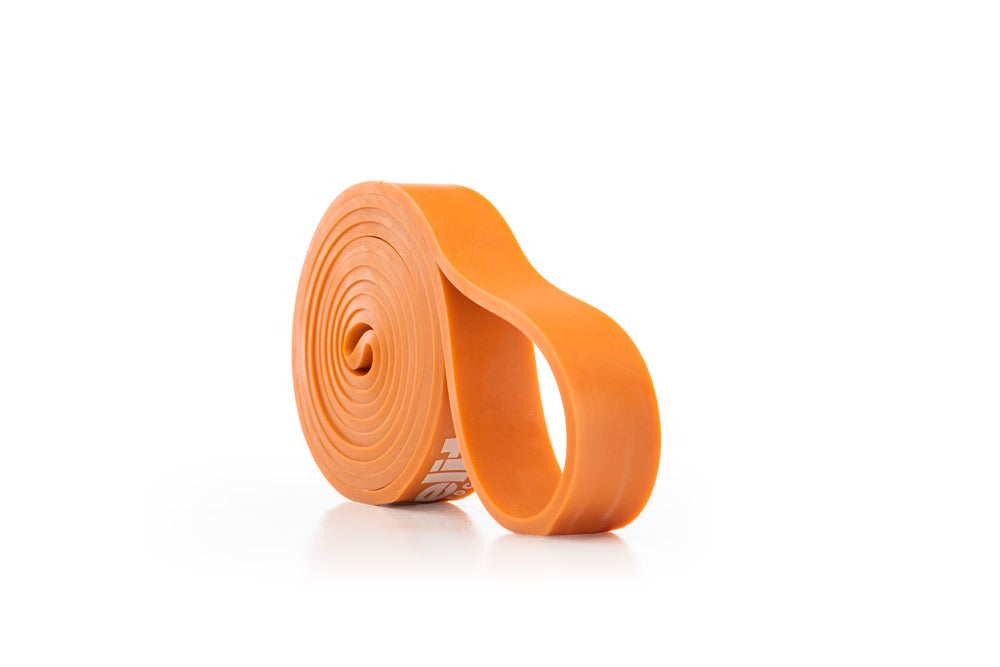
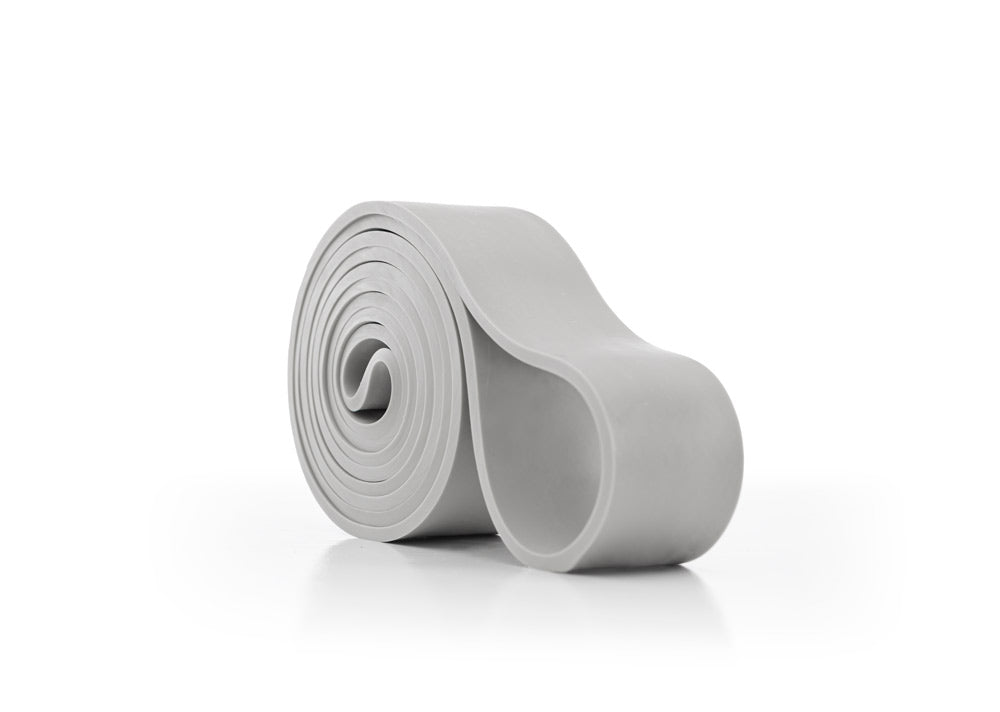
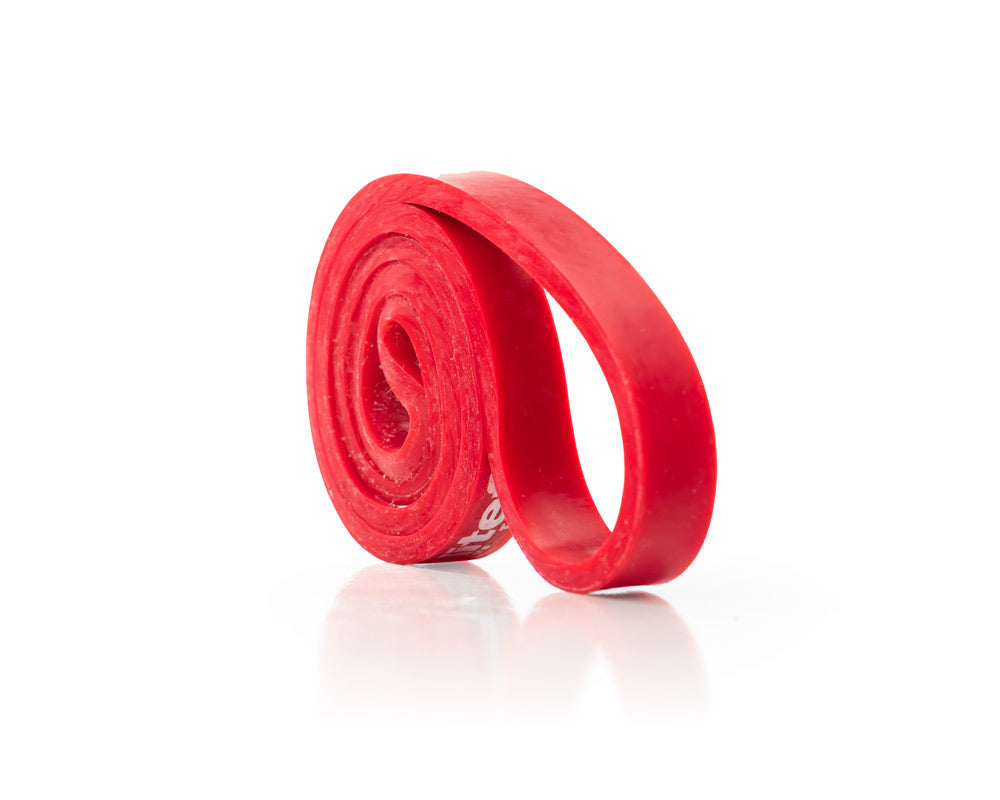
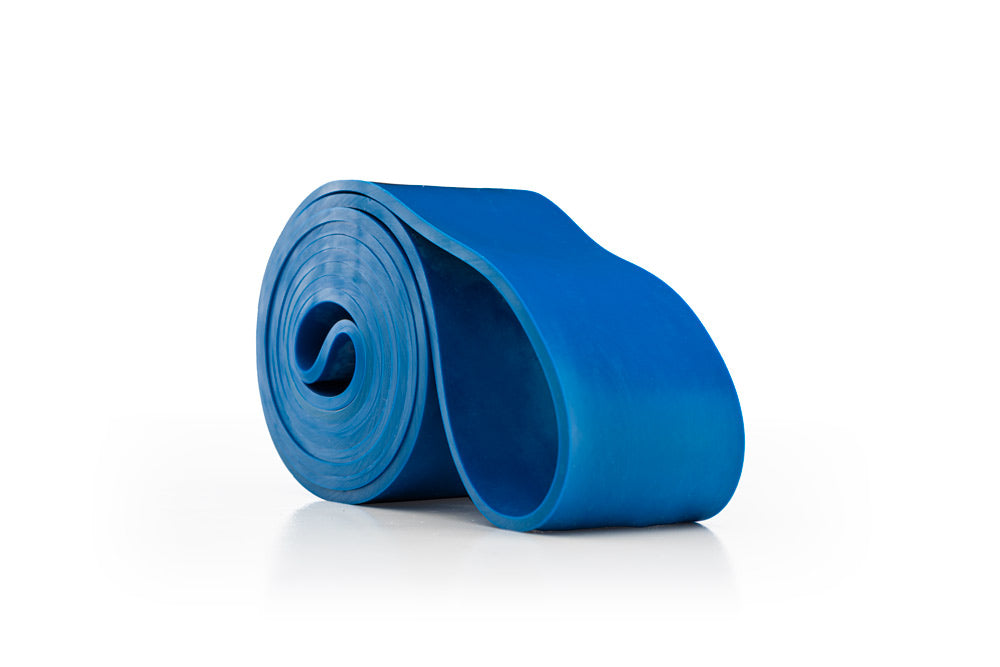
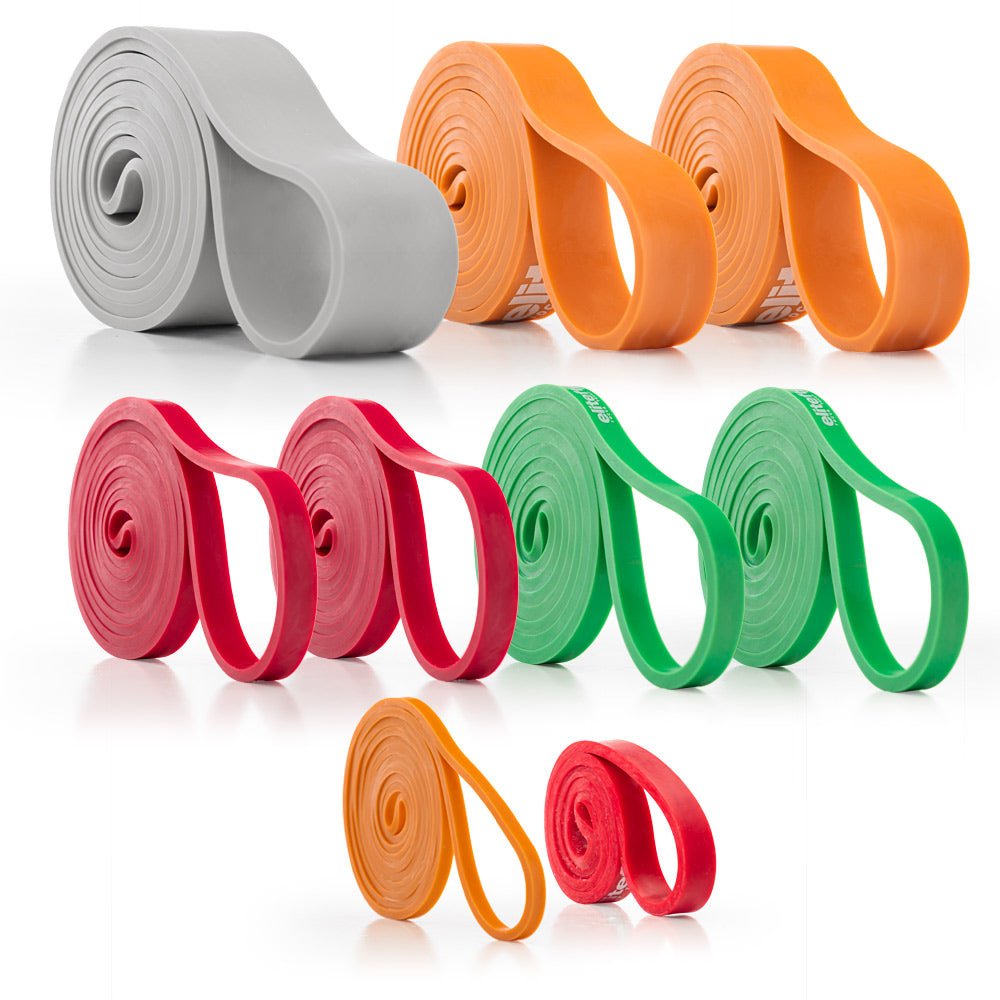
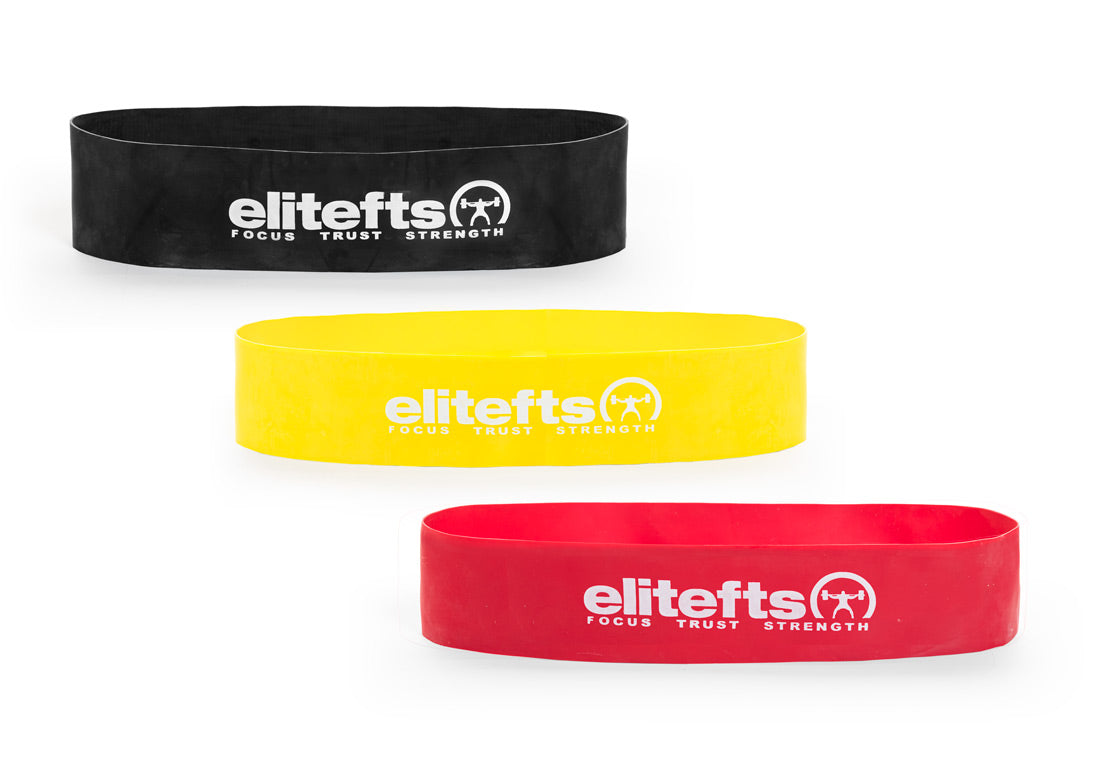
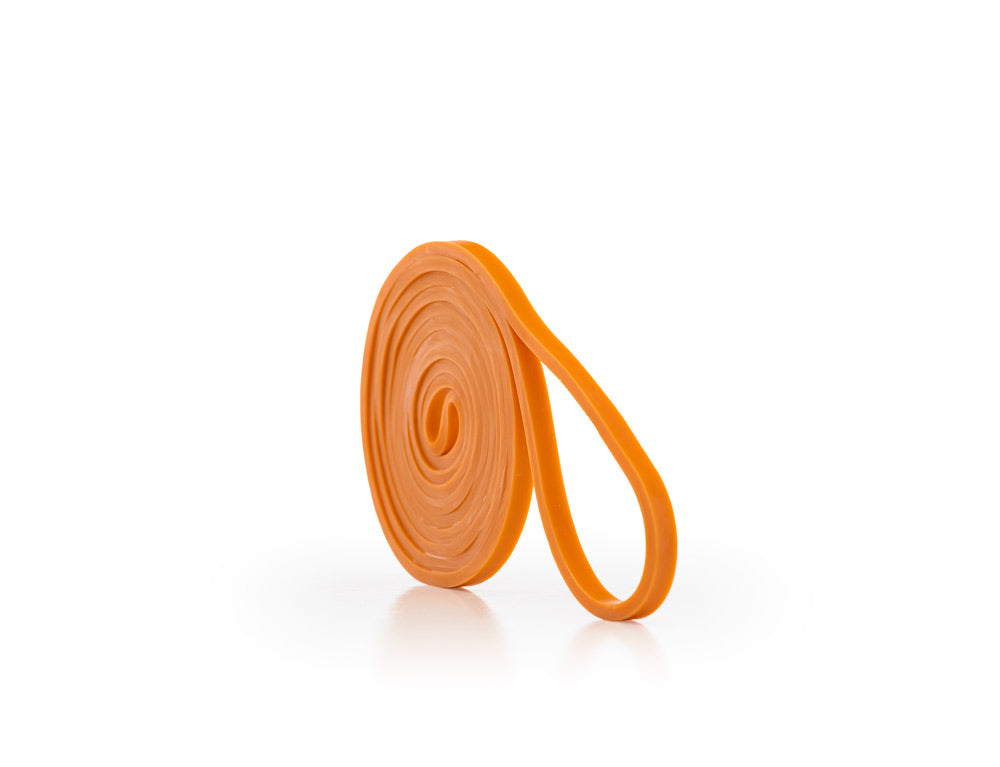
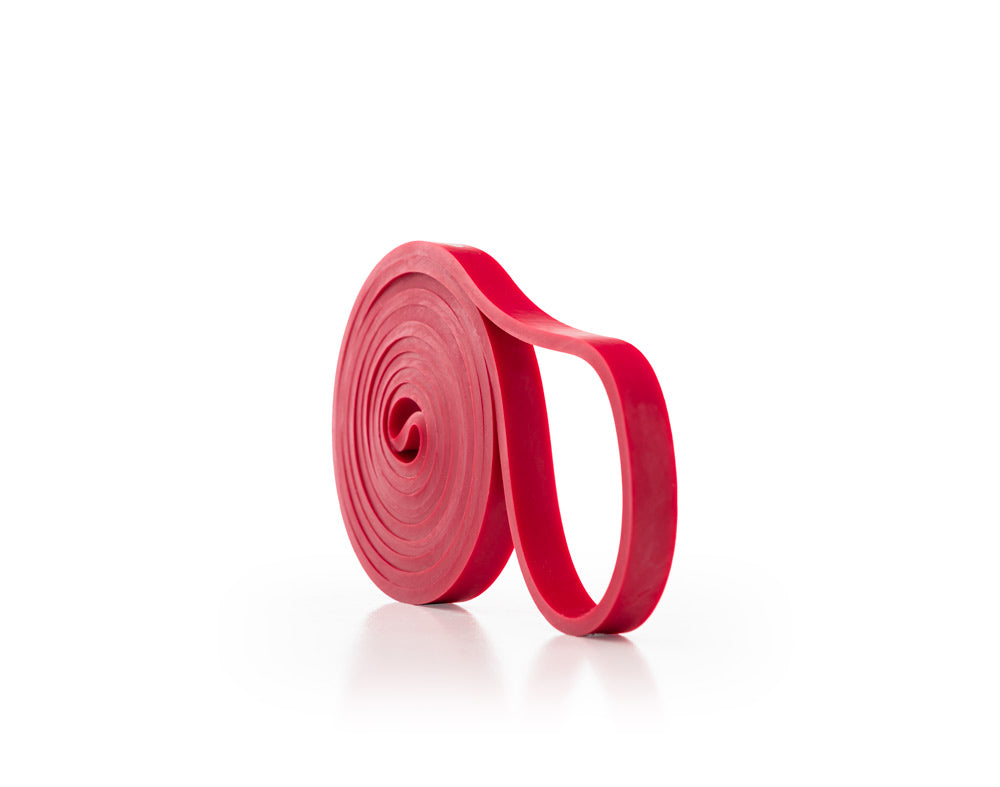
Bands and chains can also introduce a different type of variability.

The resistance changes throughout the movement.

Bands increase tension as they stretch.

Chains gradually come off the floor as the bar rises.

That changing resistance forces you to continually adjust force output rather than applying the exact same effort throughout the entire range of motion.

I use this type of training sparingly. It is not something I would build an entire program around.

It works best when layered onto a strong foundation of traditional strength work. Straight weight still matters. Heavy squats still matter. Strong hinges still matter. Bench presses, rows, pulls, and presses still matter.

THE ORDER MATTERS

Chaos Training Does Not Replace Strength

This is the part that often gets lost.

If your squat is weak, adding instability will not magically make you strong.

If your hinge pattern is poor, carrying an awkward object isn’t going to fix that.

If you haven’t built a basic strength base, adding more variables usually creates more problems than it solves.

STEP 01
BUILD THE BASE
Squat. Hinge. Press. Pull. Carry.
→
STEP 02
ADD THE CHAOS
Offset. Carry. Resist. React. Correct.

I usually program asymmetrical and controlled-instability work after the primary strength movement.

The main lift remains the main lift.

Then I might add two or three exercises that challenge rotation, balance, grip, trunk stability, or an uneven load. You don’t need an entire hour of this. Fifteen focused minutes at the end of a session can be enough.

THE COACHING PIECE

Coach the Correction.
Not Just the Rep.

The biggest mistake I see with this style of training is treating survival as success.

Just because someone completed the exercise does not mean they performed it well.

If I give an athlete an offset carry, I am not only watching whether they make it from one side of the room to the other.

I’m watching what happens when the load pulls them out of position.

Hips Ribs Breathing Rotation Balance

There is a major difference between reacting to instability and simply becoming stiff enough to tolerate it. The goal is controlled correction. The athlete needs to recognize the changing demand and make the appropriate adjustment.

LESSONS FROM THE TRENCHES

What Great Offensive Linemen Taught Me

One of the things I noticed throughout my football career was that the best player in the weight room wasn’t always the best player on the field.

Raw strength mattered. There is no question about that.

But once you reached a certain level, nearly everyone was strong.

What separated players was often how they responded when the play stopped going according to plan.

ABSORB FORCE FROM AN UNEXPECTED ANGLE.
RECOVER AFTER LOSING POSITION.
REDIRECT FORCE WITHOUT PANICKING.
FINISH THE BLOCK ON YOUR FEET.

That ability is difficult to measure with a traditional strength test.

It doesn’t show up perfectly in a squat max.

It doesn’t show up in a bench press.

It doesn’t show up in a deadlift.

But it matters when the game starts. And I believe it can be trained.

CHAOS

Build the Base.
Then Add Chaos.

Strength should still be the foundation.

GET STRONGER.
SQUAT.
HINGE.
PRESS.
PULL.
CARRY.

Build the physical capacity first. Then begin exposing that strength to slightly less predictable situations.

Load one side.

Carry something awkward.

Press with one arm.

Use bands.

Use chains.

Pick up a sandbag.

Have the body solve a problem rather than simply repeat a perfectly balanced movement.

The point isn’t to make training look more complicated. The point is to prepare the body for situations that actually are complicated.

Sometimes you simply have to stay strong, solve the problem, and keep moving.

TRAIN THE QUALITIES

Equipment for Controlled Chaos

RO

ABOUT THE AUTHOR

Rees Odhiambo

Rees Odhiambo played offensive line in the NFL for four seasons after being drafted by the Seattle Seahawks in the third round of the 2016 NFL Draft. He also played for the Indianapolis Colts, Atlanta Falcons, and Arizona Cardinals.

He holds a B.A. in Exercise Science from Boise State University and is the founder of ThriveXDNA.

 support@thrivexdna.com
ELITEFTS
LIVE. LEARN. PASS ON.
MORE TRAINING ARTICLES ↗
ELITEFTS - TABLE TALK PIC

EliteFTS Table Talk— Where strength meets truth. Hosted byDave Tate, Table Talk cuts through the noise to bring raw, unfiltered conversations about training, coaching, business, and life under the bar. No fluff. No hype. Just decades of experience — shared to make you stronger in and out of the gym.

ELITEFTS - join-th-crew-hero-shopify

Join the Crew!

Support us and access premium content monthly!