
Understanding the Foundation of Spinal Health
Movement is not neutral. Used with intent, it builds tissue capacity, skill, and resilience. Used recklessly, it can push the body past its ability to recover. Spinal health comes down to dosage, mechanics, recovery, and the athlete in front of you.
|
1
Movement acts like a dose, not just an activity.
|
2
Knee-dominant and hip-dominant athletes distribute force differently.
|
3
Stress only builds you when recovery supports it.
|
Movement Is the Ultimate Health Modulator
Movement affects far more than muscles. It influences endocrine, cardiovascular, neurological, and psychological systems too. For coaches and practitioners, that means training is not just exercise programming. It is dosage management.
The key question is whether that dosage keeps the athlete on the productive side of adaptation or pushes them into a state where tissue quality degrades faster than it can recover.
The Biomechanics of Adaptation: How Bone Gets Stronger
1. Mechanical BendingBone is living tissue, not passive structure. Under meaningful load, it deforms slightly and receives a mechanical signal that can drive adaptation. |
2. Mineral BindingThe source describes this signal as part of a process that helps draw calcium and magnesium into the area to reinforce the lattice. |
3. Consolidation WindowNew bonds need time to become robust. Repeating the same high-intensity pattern too frequently can interrupt adaptation instead of reinforcing it. |
Practical takeaway: frequency matters. Hammering the same movement pattern hard every day may not lead to greater adaptation; it may simply interrupt the recovery process.
Anatomy Changes the Way Force Travels
Limb length and torso length shape how an athlete naturally organizes movement. That is one reason why two athletes can do the same lift while exposing their spines to very different stress patterns.
Profiles in Spinal Stress
The Strength AthleteIn the source material, the powerlifter profile is described as a high-pressure hydraulic problem. Under heavy flexion-based loading, pressure can drive the disc nucleus toward the rear wall of the disc. Main risk: excessive flexion-based pressure under load. |
The Mobile AthleteIn highly mobile athletes, the article frames the issue differently: the collagen system may be compliant enough that the disc loses shape under extension rather than classic flexion-driven pressure. Main risk: instability or buckling when tissues cannot maintain shape under strain. |
A Behavioral Approach to Recovery
One of the strongest ideas in the article is that healing often requires behavior change more than novelty. The “Virtual Surgery” concept is essentially a compliance strategy: treat the healing process with the same respect you would after surgery, even if surgery never happens.
Reported OutcomeThe source reports a 95% avoidance rate of surgery in a specific subgroup of patients who had already exhausted other options and then closely followed the protocol. |
The “Glute Trick”Backward uphill walking is used to fatigue the quads so the nervous system is more likely to recruit the glutes again. The broader idea is simple: restore useful movement options through smart constraints. |
Strength Is Also a Neurological Skill
Maximal strength is not only a matter of muscle size. It also depends on how well the nervous system organizes tension, bracing, timing, and intent. The original article uses aggressive language to describe this state; the cleaner takeaway is that elite performance requires concentrated, deliberate neural drive.
Educate Segmental ControlUse small, precise spinal and trunk drills to teach the body to create stiffness where needed, rather than just tensing everything. |
Build Strategic StiffnessCreate a neutral, rigid trunk so the hips and shoulders become the engines while the spine acts as the transmission. |
Manage High-Intensity EffortThe article’s “Zippy Cards” metaphor is a reminder that all-out neural effort is a limited resource. Use it strategically, not daily. |
elitefts Product Suggestions for This Topic
These picks match the article’s themes: reducing unnecessary spinal load, building the posterior chain, and supporting recovery and movement quality.
|
Load Management
SS Yoke BarEliteFTS describes the SS Yoke Bar as a way to reduce shoulder strain while improving strength and stability, which makes it a strong fit for lifters who want to squat hard while changing the loading pattern. Shop SS Yoke Bar |
Lower Body Without Axial Load
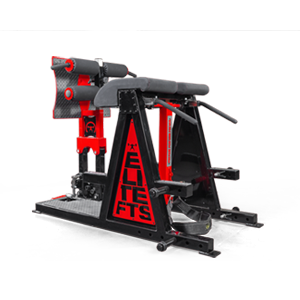
Elitefts Belt Squat MachineEliteFTS positions the Belt Squat Machine as a way to build stronger legs without spinal compression, which aligns with the article’s emphasis on keeping stress productive rather than excessive. Shop Belt Squat Machine |
|
Comfort and Positioning
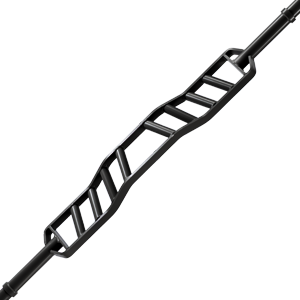
Marrs-BarEliteFTS describes the Marrs-Bar as a specialty squat bar designed to reduce spinal compression while allowing a more natural squat position. Shop Marrs-Bar |
Recovery
elitefts Foam Roller 12x6This compact foam roller is listed by EliteFTS as a durable recovery and mobility tool that fits well in warm-ups, cool-downs, and travel kits. Shop Foam Roller |
|
Mobility Prep
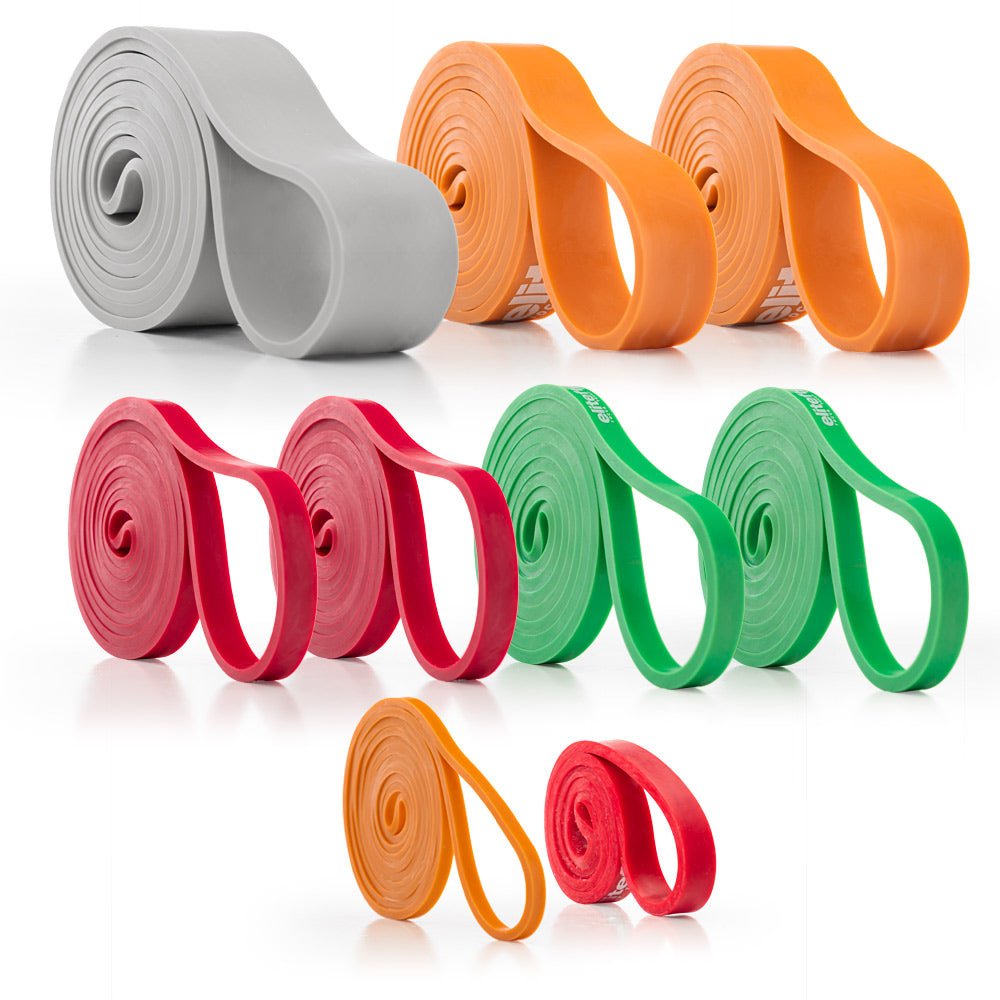
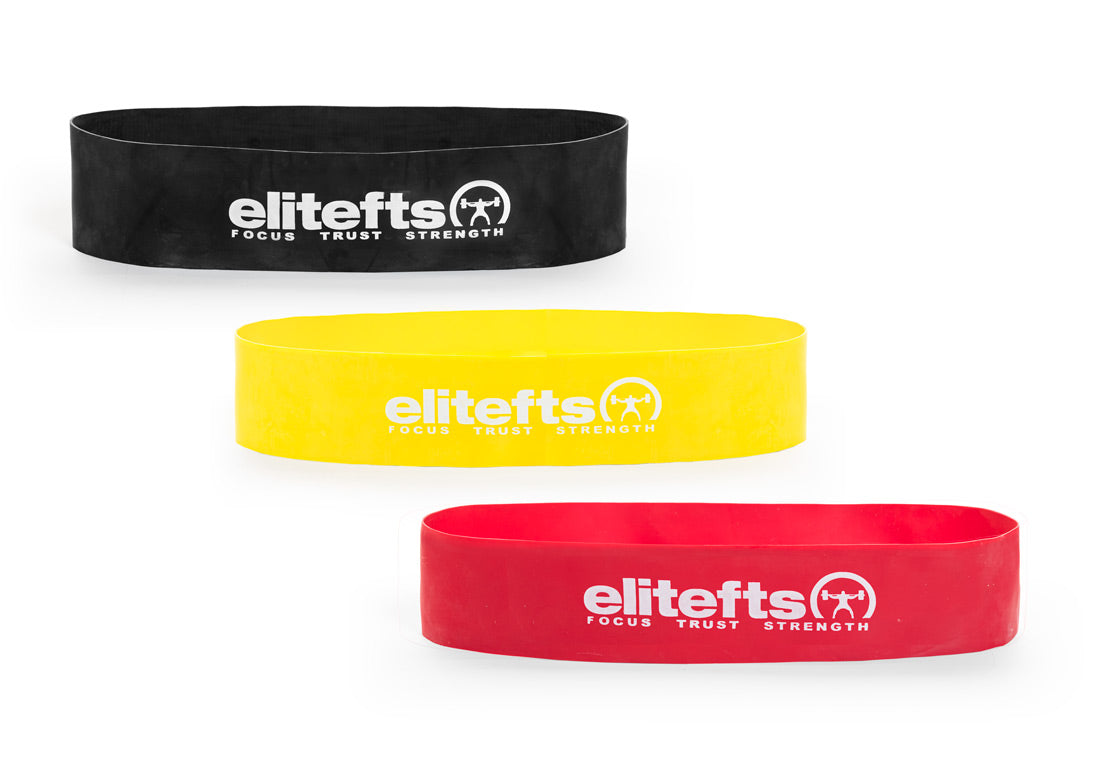
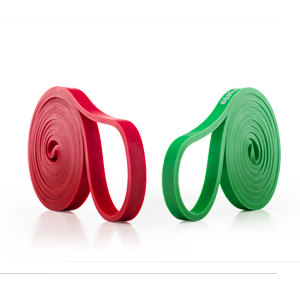
Pro Compression Floss Band PackEliteFTS positions this floss band pack as a recovery and mobility tool for serious lifters, which pairs well with the article’s focus on preparation, movement quality, and tissue tolerance. Shop Floss Band Pack |
Posterior Chain
Posterior Chain CollectionFor readers who want to explore more options for glutes, hamstrings, and low-back training, the Posterior Chain collection is a strong click-through path in the elitefts catalog. Explore Posterior Chain |
The Goal Is Not Less Stress. It Is Better Stress.
Spinal health is not built by avoiding hard training. It is built by respecting the athlete in front of you: their anatomy, their recovery capacity, their injury history, and the actual mechanism of the stress you are asking them to tolerate.
That is the difference between generic programming and coaching.