

Upper Body Programming: A Structured Approach to Force, Velocity, and Movement
By Ashley Jones.
Upper body training is often reduced to a collection of exercises—bench press, chin-ups, shoulder press—without a clear system connecting them. The result is predictable: stagnation, overuse, and incomplete development.
A more effective approach is to organize training around movement planes and force–velocity qualities, then systematically rotate emphasis to ensure complete athletic development.
This framework integrates three key elements:
- Neural (explosive) training
- Mechanical strength development
- Mechanical hypertrophy (structural development)
Layered across:
- Vertical
- Horizontal
- Diagonal planes of movement
The outcome is a system that develops force production, movement variability, and structural resilience—without losing clarity or intent.
The Order of Training
Training sequence is not random—it reflects how the nervous system and muscular system function.
1. Neural
High Velocity / Low Force
- Low load, high intent
- Maximal acceleration
- Focus on speed of movement
Purpose: Prime the nervous system and develop rate of force development.
2. Mechanical Strength
High Force / Moderate Velocity
- High load
- Lower velocity
- Longer rest periods
Purpose: Increase maximal force production.
3. Mechanical Size
Moderate Force / Fatigue Resistance
- Moderate loads
- Higher repetitions
- Controlled tempo
Purpose: Build tissue tolerance, structural balance, and durability.
Each session = full curve exposure
Each week = shifted emphasis
Each cycle = complete development
The Philosophy
- Strength feeds power
- Power expresses strength
- Hypertrophy supports both
- Density builds repeatability
Intent dictates adaptation more than load alone.
Sets & Reps Guidelines
Neural & Mechanical Strength
- Reps: 2–6 per set
- Sets: 4–12 per movement, depending on training age, goal, and available training time
The key to success in both neural and mechanical strength development is intent—every concentric action should be performed explosively, regardless of load. This should be paired with a controlled eccentric phase to maximize force production and technical consistency.
Mechanical Size (Hypertrophy) & Strength
While exercise selection may overlap with strength work, the distinction lies in execution and loading parameters:
- Reps: 8–15
- Set Duration: roughly 45–75 seconds
- Tempo: Controlled concentric and eccentric
- Effort: Sets taken to near concentric failure
To maximize hypertrophy:
- Avoid full lockout to maintain continuous muscular tension
- Focus on time under tension rather than load alone
Advanced Hypertrophy Methods
Mechanical size development benefits from varied stimuli. Effective methods include:
- 6–12–25 method
- Supersets (same or opposing muscle groups)
- Tri-sets and giant sets
- Drop sets and forced reps
UB Poliquin Shock Method (6–12–25)
| Body Part | 6 Reps | 12 Reps | 25 Reps |
|---|---|---|---|
| Pectorals | Bench Press | 15-degree Low Incline DB Press | Cable Flyes |
| Deltoids | Military Press | Single-Arm KB Savickas Press | Banded DB Victory Raise |
| Latissimus Dorsi | Weighted Chins | DB Pullover | Incline Cable Pulldown |
| Triceps | Weighted Dips | JM Press | Triceps Death |
| Biceps | Barbell Curls | DB Twist Curl | Cable Preacher Curl |
Accumulation Methods (30s / 40s / 50s)
- Select a load approximately equal to your 6–8RM.
- Perform reps to failure.
- Rest 30 seconds.
- Repeat until a total of 30 / 40 / 50 reps is achieved.
This method drives both metabolic stress and mechanical fatigue, making it highly effective for hypertrophy.
Wave Loading for Hypertrophy
- Example: Week 1 – 2 x 12 / 10 / 8
- Week 2 – 2 x 10 / 8 / 6
- Week 3 – 2 x 8 / 6 / 4
This allows for progressive overload within a session or cycle while maintaining quality execution.
The Movement Matrix
Instead of thinking in exercises, think in patterns and planes.
| Category | Push | Pull | ||||
|---|---|---|---|---|---|---|
| Vertical | Horizontal | Diagonal | Vertical | Horizontal | Diagonal | |
| Neural / Explosive |
Push Press Split Jerk Band-Assisted Military |
Band/Chain Bench Press Band-Assisted Bench |
Landmine Split Jerk Landmine Push Press Rotational Jammer Push Press |
Hang/Block Power Clean Power Snatch Split Versions Pulls |
Bench Pull Band Hammer Low Row Pendlay Row |
Gi/Rope Rotational Low-to-High Band Pull Landmine Rotational Hang Clean |
| Mechanical Strength |
Military Press Hammer Press Savickas Press Javelin Press Single-Arm Savickas Press Standing Single-Arm DB Press |
Bench Press Floor Press Dips |
Incline Press Half-Kneeling Landmine Press |
Chins Pulldowns Shrugs Upright Row Hang Muscle Snatch Seated DB Clean |
Pendlay Row Bent Row Seated Row Bench Pull One-Arm DB Row |
Yates Row Hammer Low Row Half-Kneeling Single-Arm Pulldown Incline DB Row |
| Mechanical Size | 3-Way Shoulder Raise |
Seated Cable Press Push-Ups |
Triple Angle Drop DB Incline | Mechanical Advantage Chins |
Gorilla Row Renegade Row Landmine Kroc Row |
2 Up, 1 Down DB Incline Row |
The 3-Week Rotational Progression
The system’s effectiveness lies in its rotation of emphasis, not constant variation.
| Week | Neural Focus | Strength Focus | Hypertrophy Focus |
|---|---|---|---|
| 1 | Vertical | Horizontal | Diagonal |
| 2 | Horizontal | Diagonal | Vertical |
| 3 | Diagonal | Vertical | Horizontal |
Why this works
- Balanced development across planes: Most programs overemphasize sagittal patterns and neglect diagonal movement. This system ensures all planes are trained consistently.
- Reduced overuse and joint stress: Rotating emphasis distributes stress across joints and tissues, reducing the likelihood of chronic overload.
- Full force–velocity exposure: Each session includes high velocity work, high force work, and moderate load fatigue-based work so no quality is left underdeveloped.
- Built-in variation without chaos: The structure remains constant, but the emphasis shifts. This creates novelty without sacrificing progression.
Simple Coaching Summary
Intent Drives Adaptation
Especially in neural work, load is secondary to intent. Every repetition should be performed with maximal speed.
Diagonal Work Is Often the Weak Link
Most athletes are underdeveloped in diagonal patterns. Over time, this plane should receive slightly more attention, particularly in hypertrophy work.
Train Patterns, Not Exercises
Exercises are interchangeable. The goal is not to improve a lift, but to improve:
- Horizontal force production
- Vertical pulling strength
- Rotational stability and power
If you had to explain your system in one line:
“We build the engine (strength), convert it to speed (power), armor it (hypertrophy), and ensure it lasts (capacity)—all within a structured progression.”
Other considerations for the development of upper body programming are the CARE program and armor plating, listed at the end of this article.
Kairikido Framework
I have written previously in elitefts.com about a system I call Kairikido, a made-up word of Japanese origins meaning “The Way of Super Human Strength.”
The Kairikido system is about progressive mastery, not just loading. Think of each quality as a “belt level” athletes cycle through repeatedly at higher standards.
Structural Foundation
- Hypertrophy methods dominate
- Movement quality and tissue tolerance
- Introduction to accumulation work
Mechanical Strength
- 6–12 → 8–10 → 5–8 rep progressions
- Introduction of wave loading (12/10/8)
- Controlled tempos
Neural Development
- Shift toward 2–6 reps
- Emphasis on intent and bar speed
- Introduction of contrast methods
Force Application
- Strength-speed and speed-strength
- Complexes, plyos, resisted and assisted work
Integration of All Strength Qualities
- All qualities trained within a session or microcycle
- Methods layered
- Contrast + hypertrophy finishers
- Strength + accumulation pairing
Framework, not randomness
Effective upper body programming is not about complexity—it’s about clarity and structure.
By organizing training around force–velocity qualities, planes of movement, and rotational emphasis, you create a system that is adaptable, balanced, and sustainable.
Most importantly, it produces athletes who are not just stronger—but more complete.
- Principle over exercise: You’re not training bench press. You’re training horizontal force production.
- Rotation = adaptation: No stagnation. No pattern fatigue. Always slightly unfamiliar, always adaptive.
This is not just programming. It’s a framework for long-term development.
CARE and armor-plating menu
| Neck | Thoracic / Scapular / Traps | Rotator Cuff | Unloaded Core | Elbow Integrity | Isolateral Push |
|---|---|---|---|---|---|
| Banded Look Away | Banded Face Pulls | Incline Y, T, I's | Rollouts |
Zottman Curls Rolling DB Extensionns |
Half-Kneeling Landmine Press |
| Neck Plank Series (prone, supine, lateral) | Quadruped Reach & Rotate (band) | Cuban Press | Hanging Leg Raises |
DB Twist Curl DB Tate Press |
Javelin Press |
| Plate Extension, Flexion & Lateral | Chinese Back Planks | Cable External Rotation | Banded Janda Sit-Ups |
DB Hammer Curl DB Floor Press |
Single-Arm Bench Press |
| Banded Protraction & Retraction | Powell Raise | Supine 90/90 Overhead Y's | Banded Pallof Press |
EZ Bar Curl Swiss Bar Bench Press |
KB Z Press |
| Neck | Thoracic / Scapular / Traps | Rotator Cuff | Loaded Core | Grip | Isolateral Pull |
|---|---|---|---|---|---|
| Wrestler’s Bridge Series | Shrug Variations | Banded Victory Raise | Landmine Twist or Landmine Sit-Up | Thick Bar / Towel / Rope Chins | Half-Kneeling Single-Arm Pulldown |
| Swiss Ball Neck Series | Banded Standing Snow Angels | Banded KB Upright Row | Half-Kneeling KB Rotational Swing | Grip Circuit Options | One-Arm DB Row |
| Partner Yielding Isometric | Band Pull-Aparts | Band External Rotation + Press | Suitcase Deadlift | Gripper | Landmine Meadows Row |
| Self-Isometric Series | Scapular Retraction on TRX | Band Robot Arms | KB Around the World | Pronation / Supination | KB Gorilla Row |
| Neck Harness Extension | Half-Kneeling Band Thoracic Rotations | Prone Weighted Swimmer | Renegade Row | Bucket of Rice, Squeeze & Twist | Incline DB Row 2 up, 1 down |
Boulder Shoulders, Big Back Maniac, Pectoral Punishment, Arms Race
Boulder Shoulders

Big Back Maniac

Pectoral Punishment

Arms Race

elitefts product suggestions:
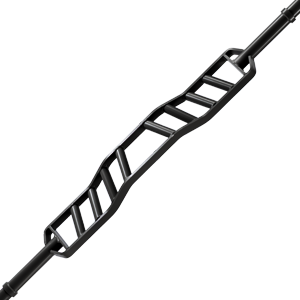
American Thin Press Angled Grip Bar
A shoulder-friendly Swiss-style bar for pressing, triceps work, and joint-friendly upper-body volume.
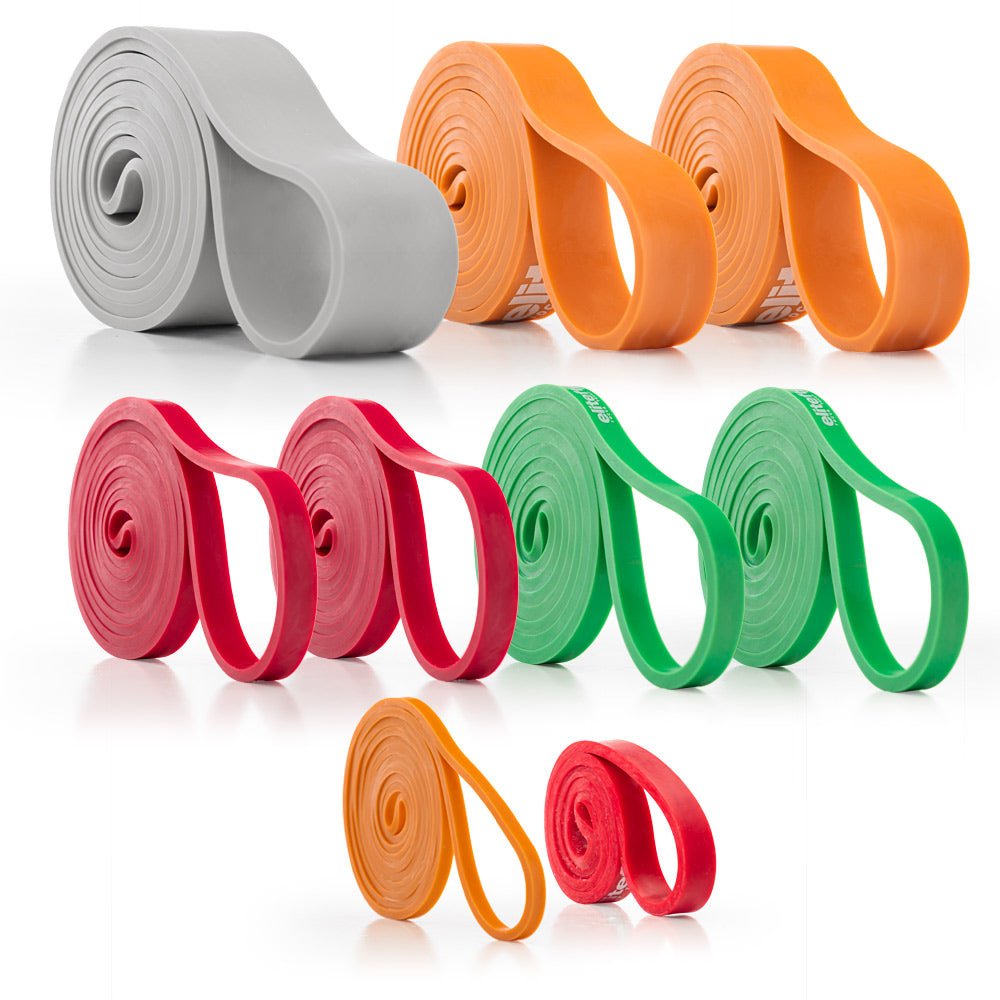
View ProductBands Collection
Useful for assisted pressing, speed work, face pulls, warm-ups, and accommodating resistance.
Shop BandsPair of Chains
A natural fit for dynamic benching and overload work inside this force–velocity framework.
Shop Chains3-Loop Tricep Strap
Great for extensions, face pulls, pushdowns, and cable rows with more wrist freedom.
View StrapT-Bell
Pairs well with landmine presses, rotational work, loaded core drills, and rows.
View T-Bellelitefts Flat Bench
A stable bench option for dumbbell pressing, supplemental work, and repeated upper-body sessions.
View BenchAuthor Bio
Ashley Jones is a strength & conditioning coach with 30+ years in professional sport across seven countries, best known for his work in rugby from club to international levels—including two Rugby World Cups with teams from both hemispheres. He was named NSCA Professional Coach of the Year (2016) and received the NSCA Boyd Epley Lifetime Achievement Award (2023). He’s also a long-time Elitefts columnist.