

Powerlifting | Training Science | Programming
What the New ACSM Strength Guidelines Actually Mean for Competitive Powerlifters
The ACSM just updated their resistance training guidelines for the first time in over 15 years, and what the headlines say and what the document actually says are two different things.
I remember when I first got into the NSCA journal back in the early days. Linear periodization laid out in neat little tables, percentages for every phase, and a clear on-ramp for building strength. It was the framework I started with before Westside, before Louie, before I understood that the science of strength for general populations and the science of getting a competitive powerlifter ready to total more at their next meet are two fundamentally different conversations.
The ACSM just dropped their first major resistance training update in over 15 years. And right on schedule, mainstream fitness media ran with it. "10 sets for hypertrophy." "New research says you need more volume." "Here's what the science says you should be doing."
We've seen this cycle before. A major organization publishes something written for the general healthy adult population, and the internet translates it into gospel for every athlete in every sport at every level of training age. That's not what the guidelines say, and it's not what they were built to address.
Here's the actual breakdown.

What the ACSM Document Says vs. What You're Hearing
The ACSM position stand on resistance training is written for apparently healthy adults. That's the target population. Not competitive powerlifters. Not strength coaches working with advanced athletes. Not someone who has squatted for 20 years and is trying to peak for a meet in 10 weeks.
For strength development, the guidelines recommend training at 70% of 1RM or higher, progressing toward heavier loading over time, with multiple sets performed across a training week. For hypertrophy, they note higher-volume work in the moderate-rep range. Some of the headlines pulled the high end of the hypertrophy volume recommendations for advanced trainees and ran them as universal prescriptions.
That's the media problem, not the guidelines problem.
The document is actually more nuanced than the coverage. It acknowledges periodization. It addresses the need for progression, for individualization, and for recovery. It distinguishes between novice, intermediate, and advanced training needs. If you want to read the actual document before drawing your own conclusions, it's publicly available here.
The disconnect isn't the ACSM getting strength training wrong. The disconnect is that a document for healthy adults who aren't currently lifting is treated as if it were a competitive training manual.
The Key Distinction
The ACSM isn't wrong. It's aimed at a different population. A document built for untrained healthy adults was never designed to serve as a competitive powerlifting training manual, and treating it as one creates confusion that doesn't need to exist.
Why "2-3 Sets at 80%" Is a Beginner Recommendation
For someone who hasn't been under a bar before, or who has been training inconsistently for a year or two, 80% of 1RM for 2-3 sets produces real adaptations. That's not an opinion. The novice effect is one of the most robust findings in resistance training research. Put an untrained person under load at moderate to high intensity and they'll respond.
Competitive powerlifters don't work that way. The more trained you are, the more specific, strategic, and higher-volume your programming has to be to keep driving adaptation. This isn't a loophole or an exception. It's the basic principle of specificity and progressive overload applied to an advanced athlete.
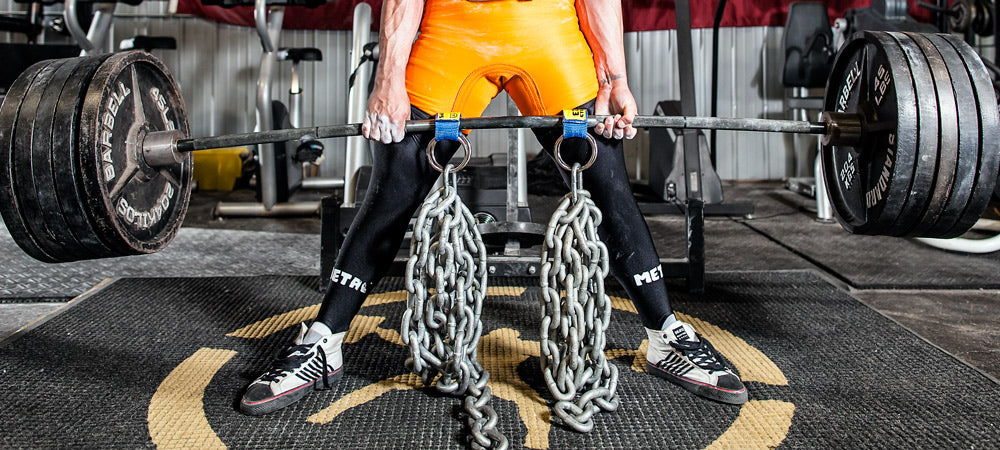
I've trained with people who needed more in a single squat session than what a general-population guideline would suggest for an entire week. The volume, the variation, the specificity of training methods, the integration of accommodating resistance -- these aren't fringe ideas. They're the tools that have produced world-level strength athletes for decades.
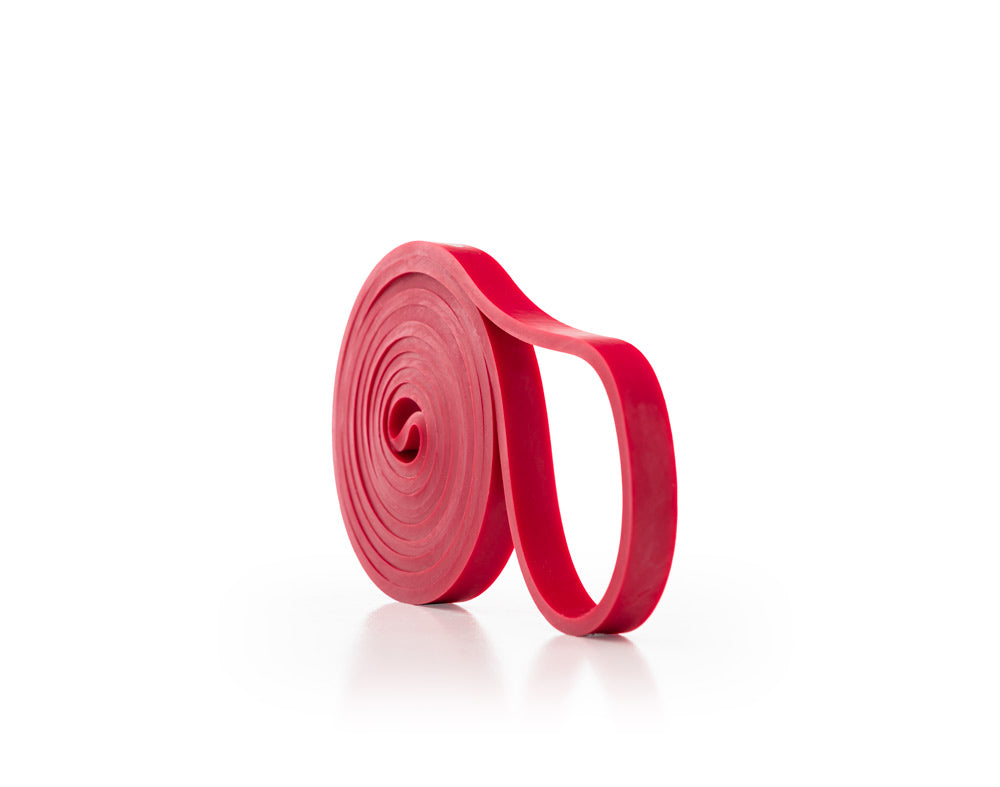
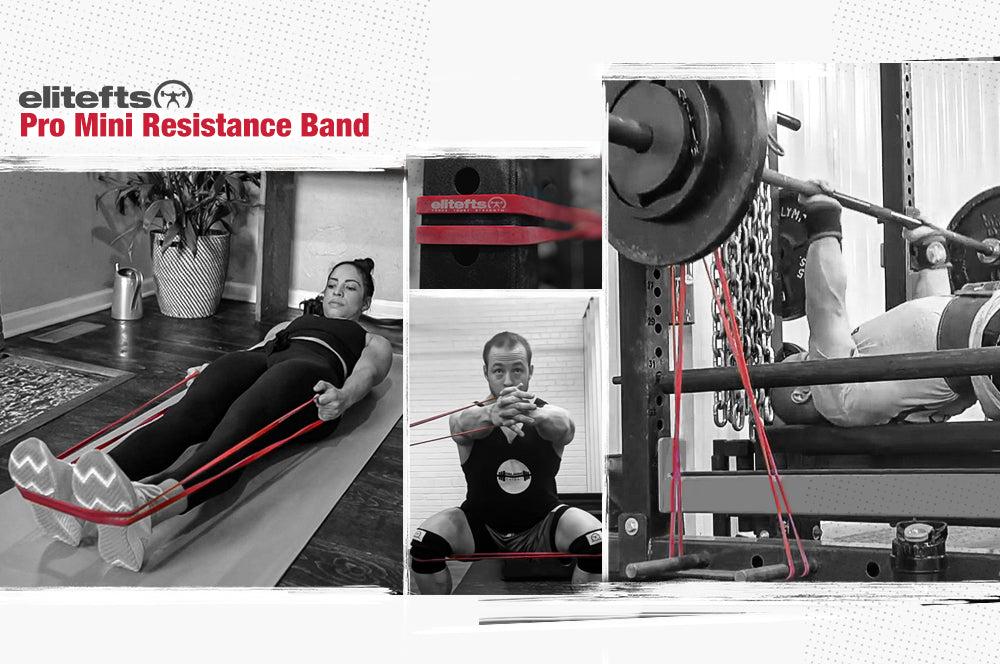
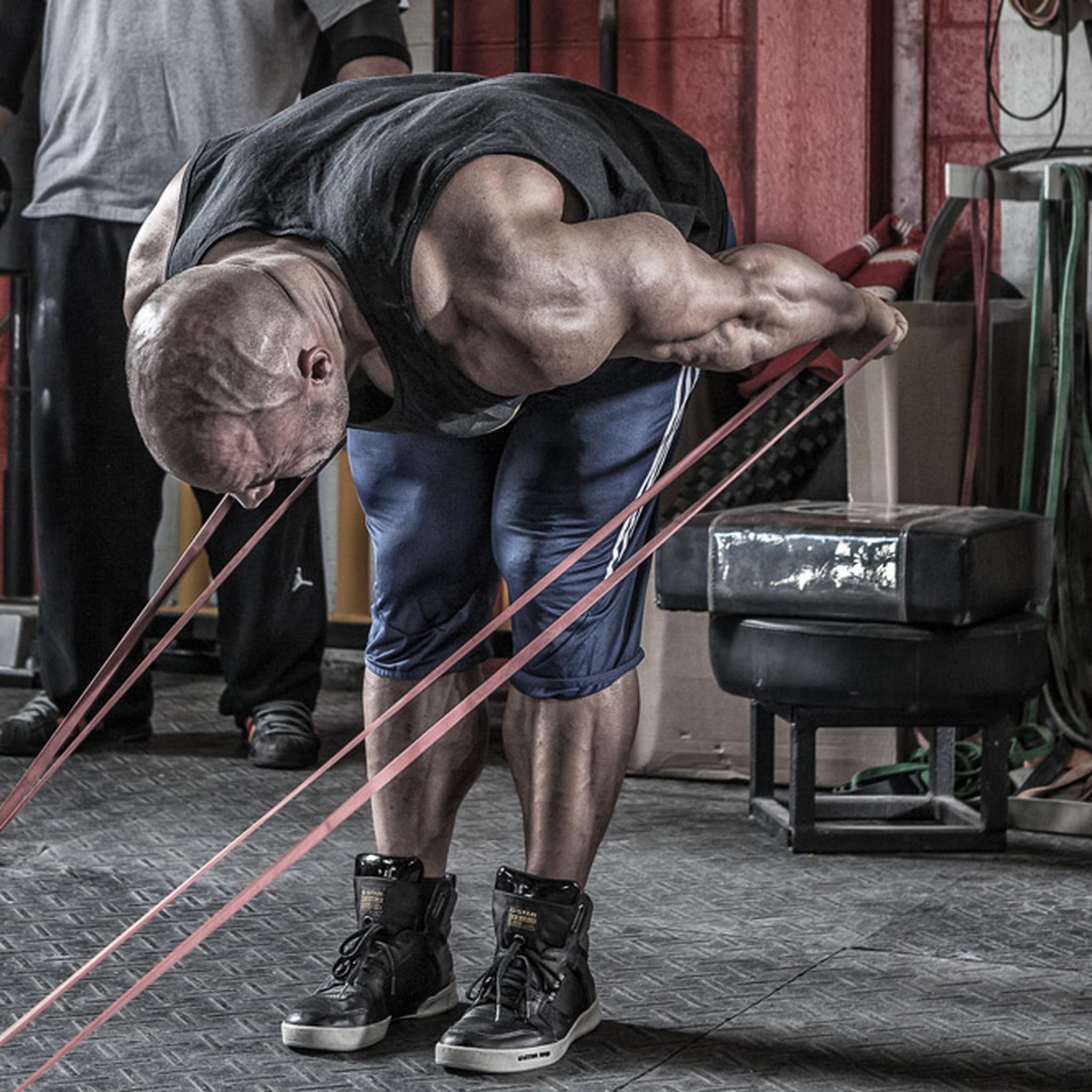
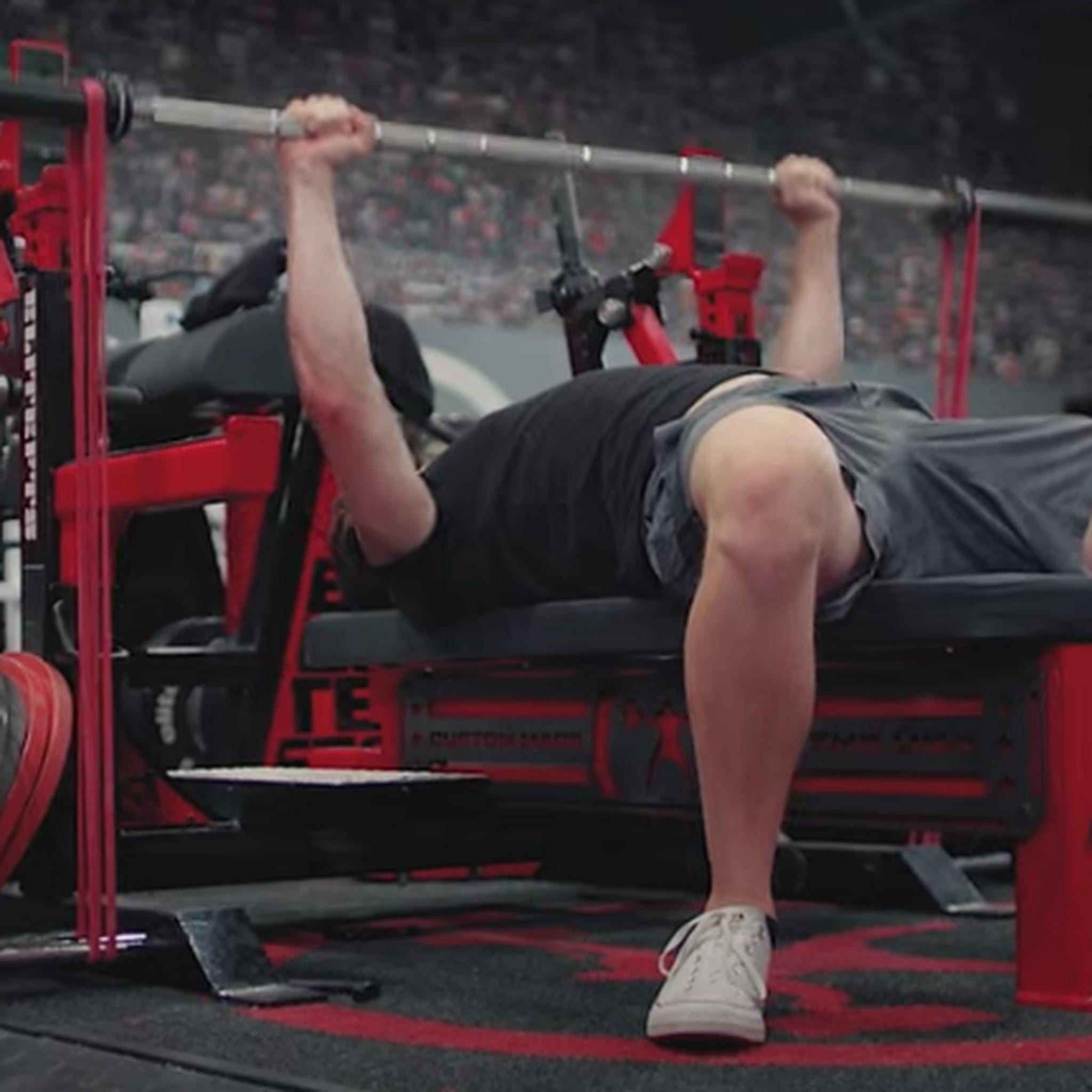
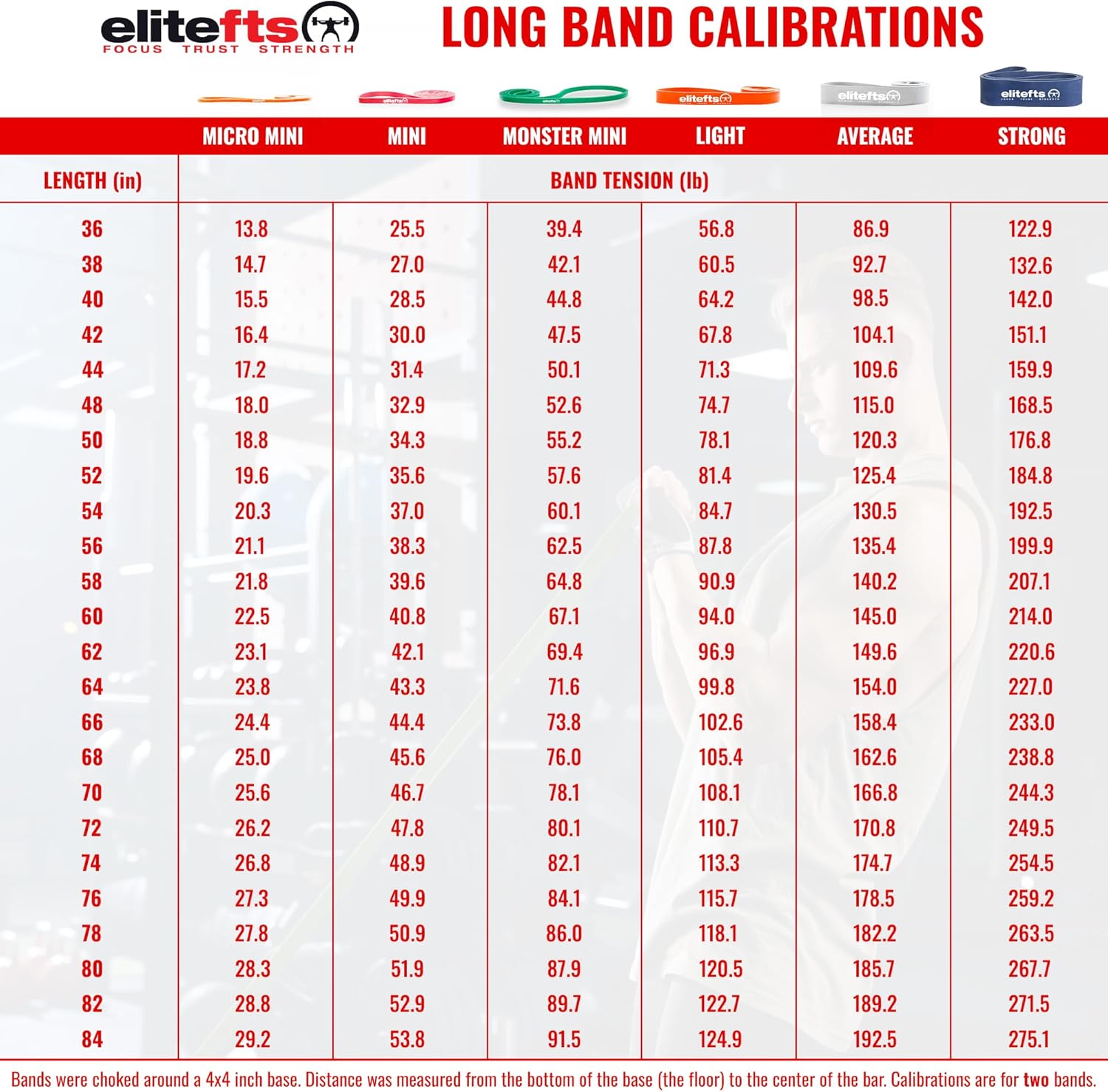
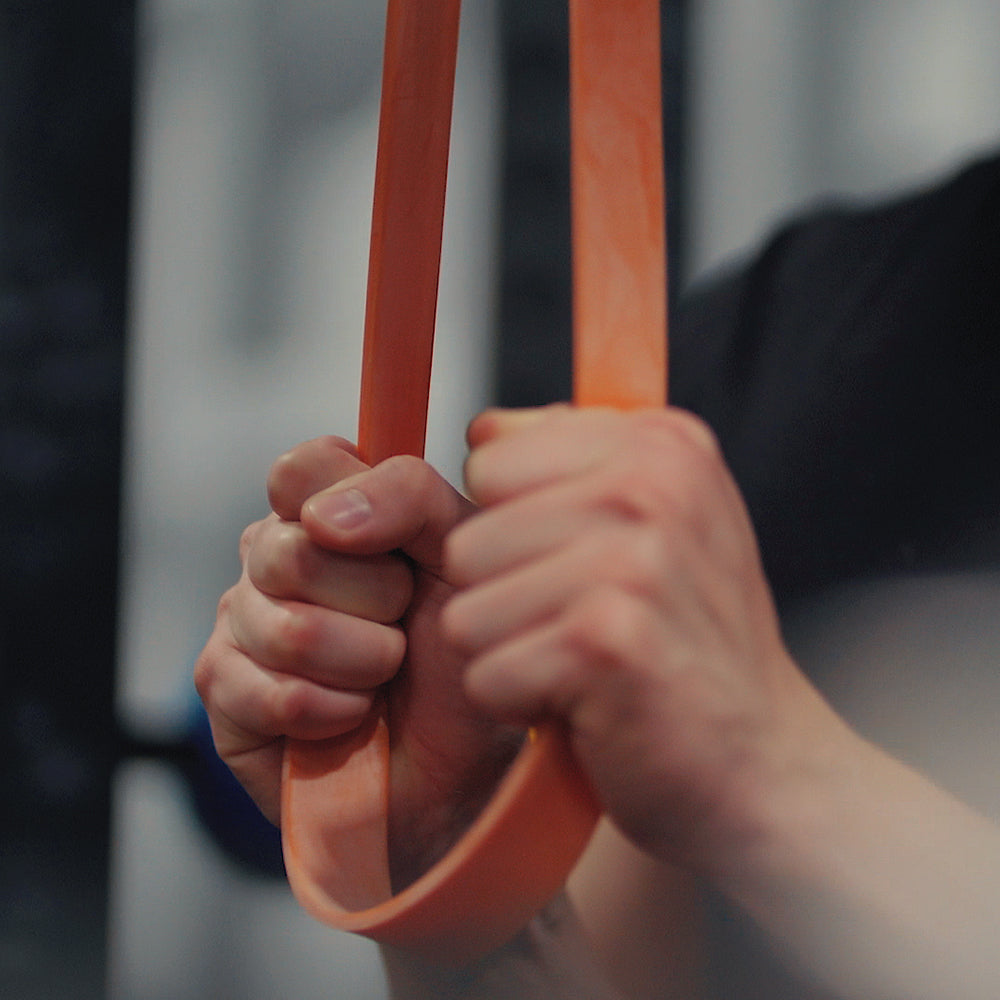
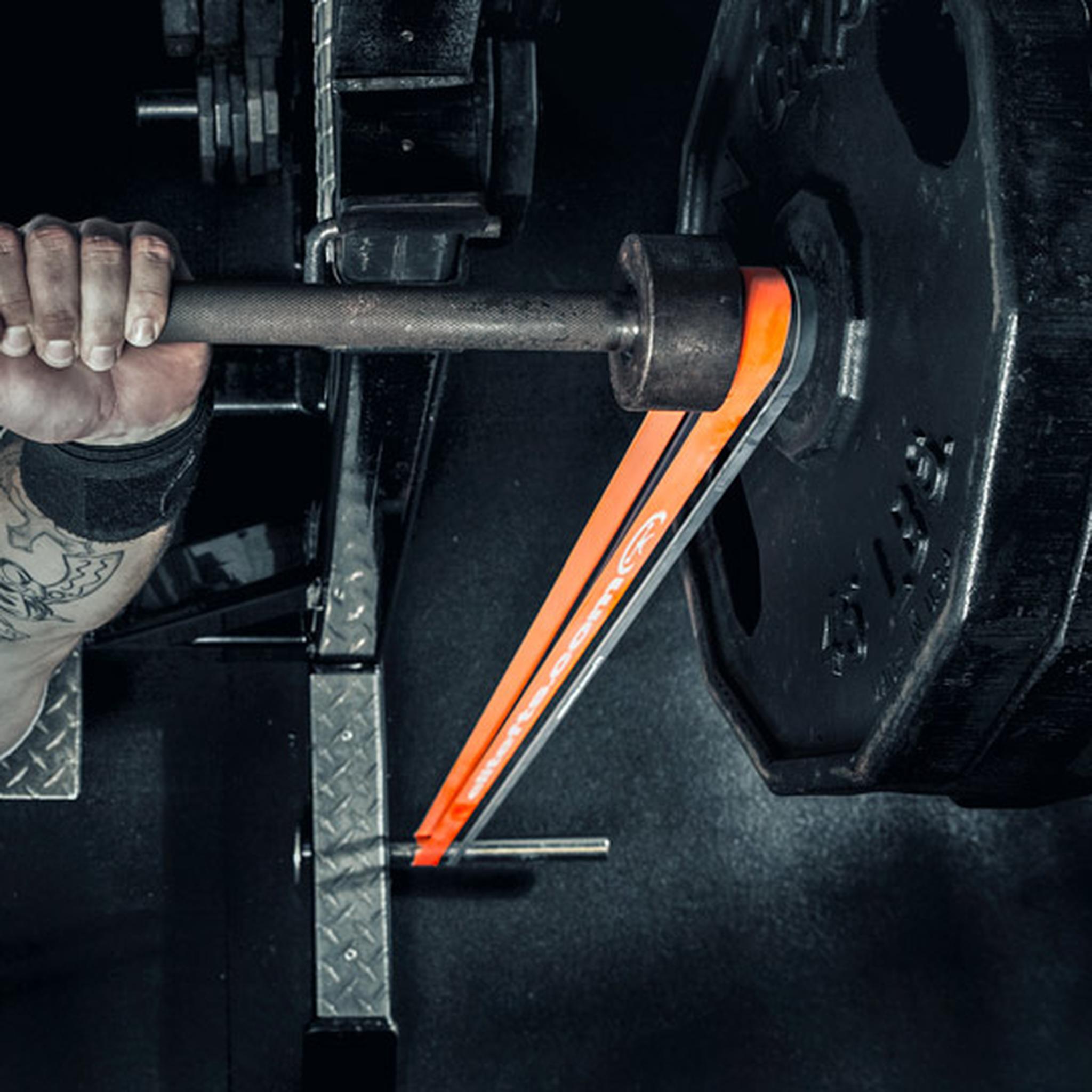
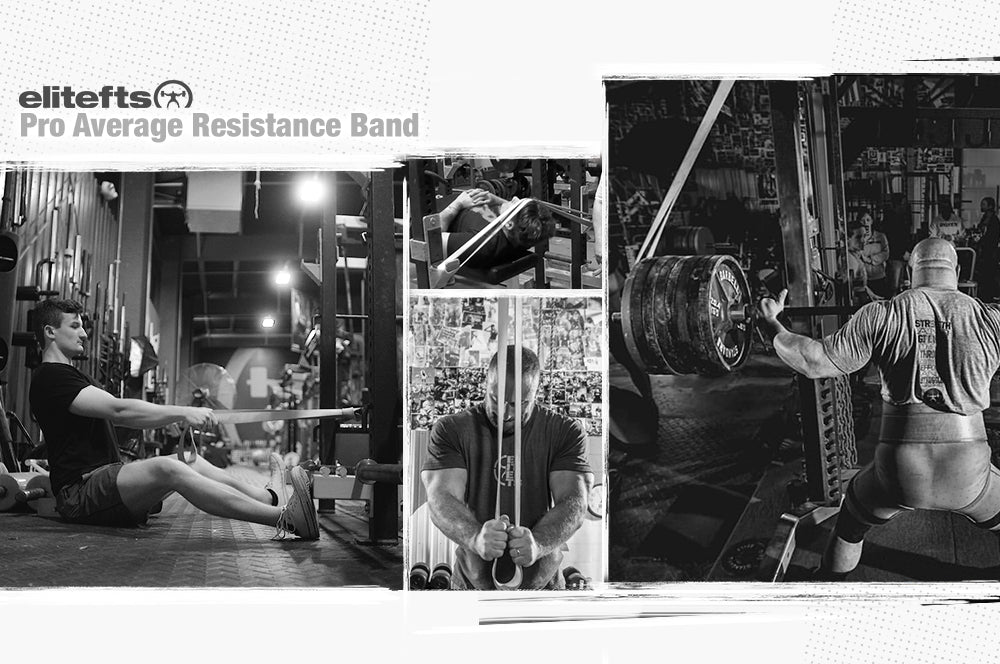
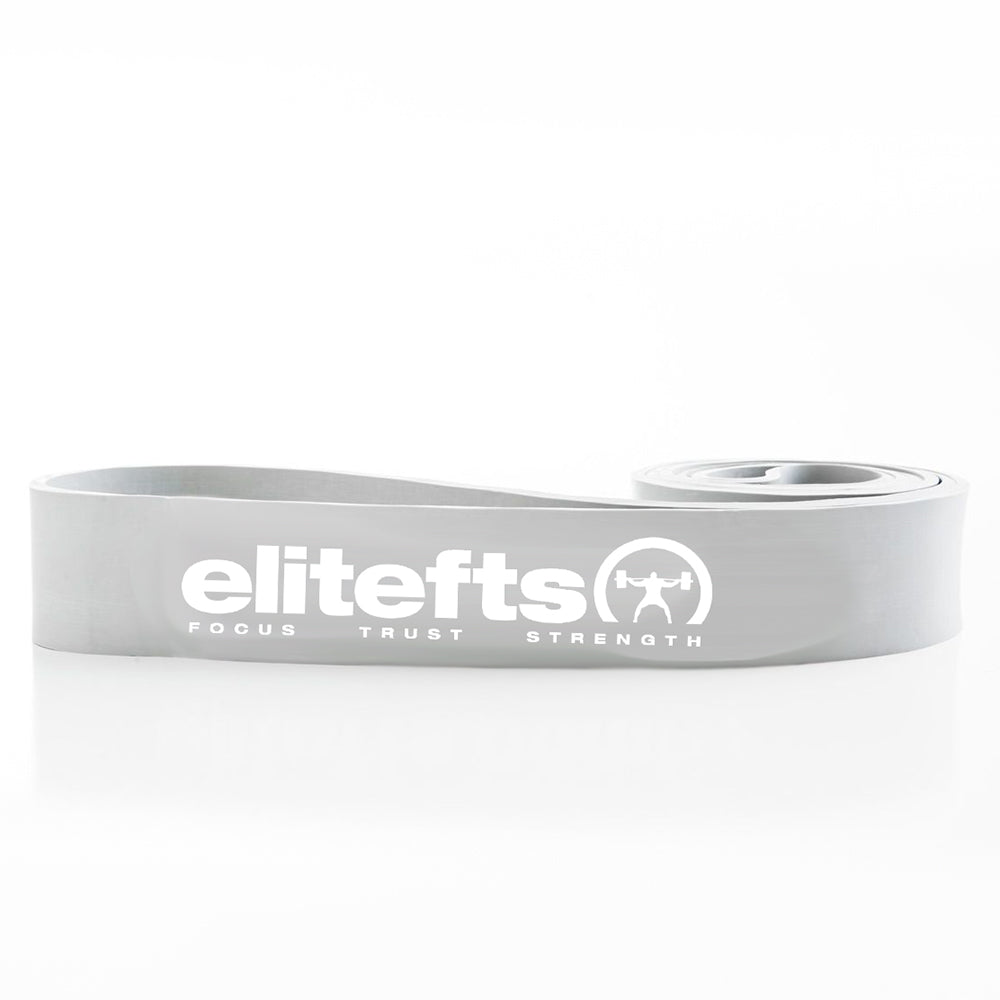
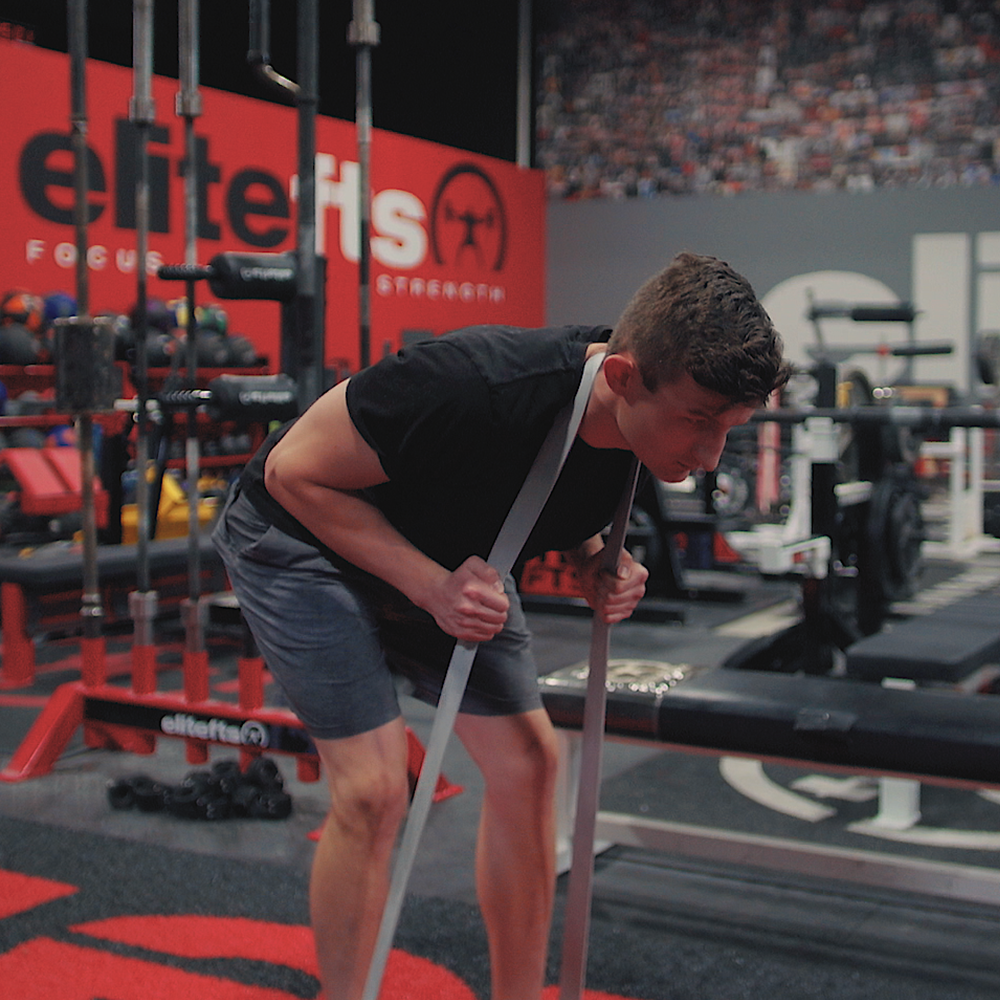
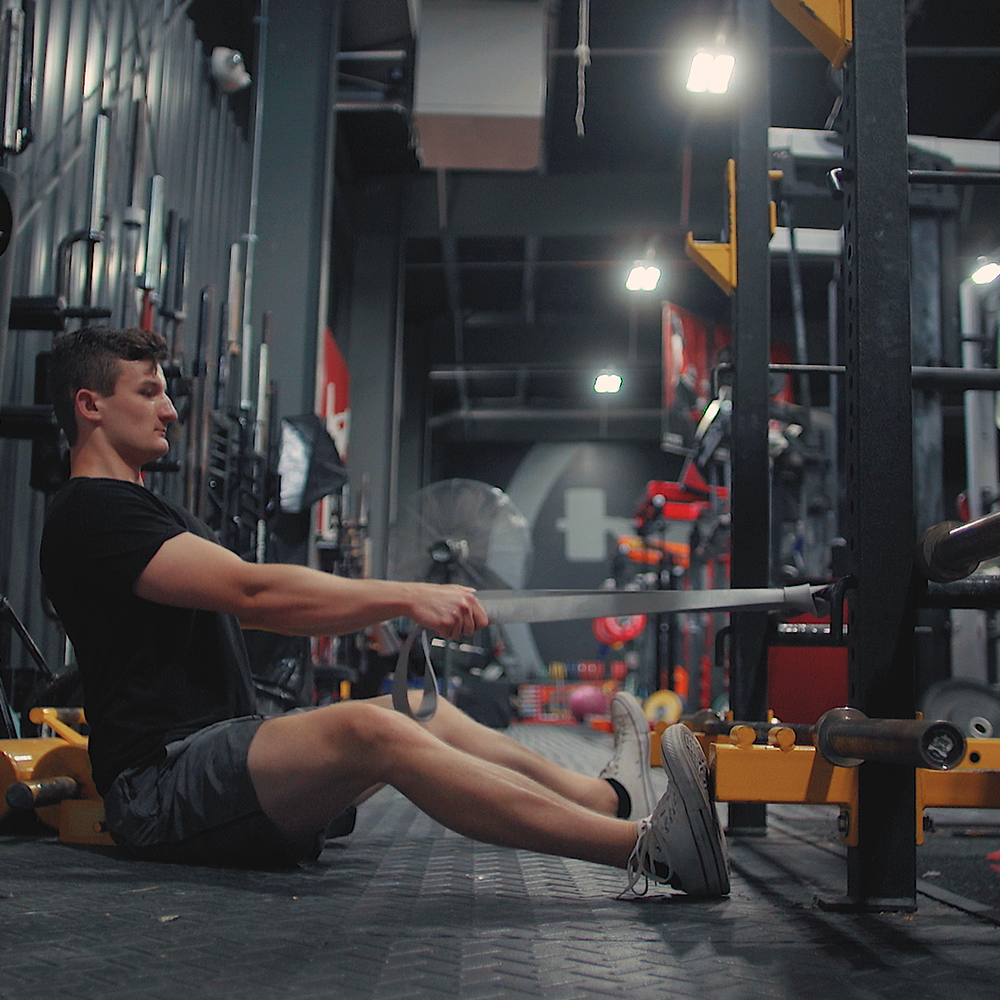
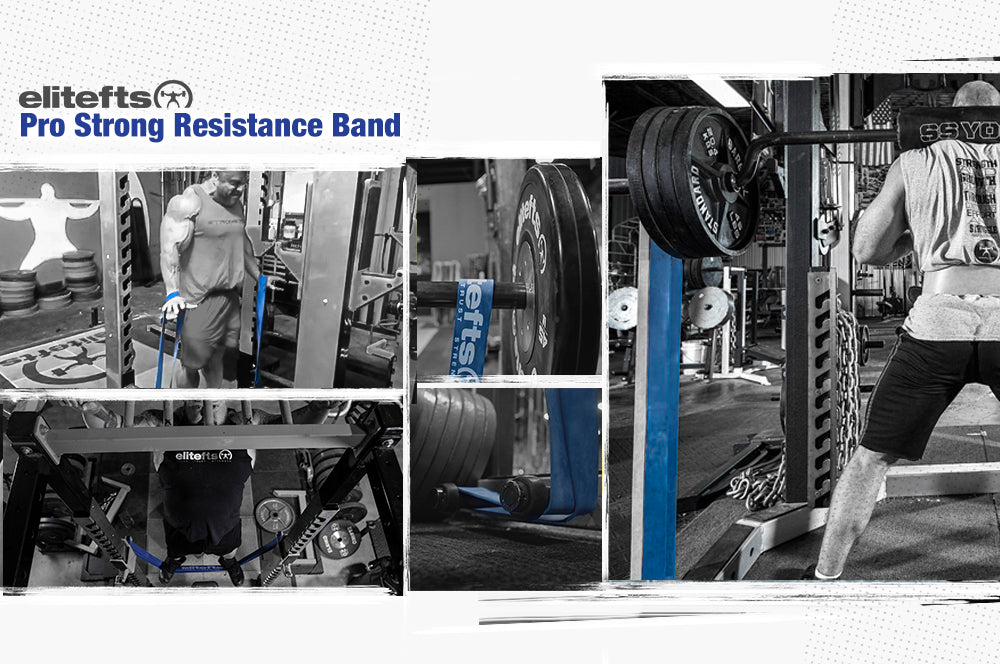
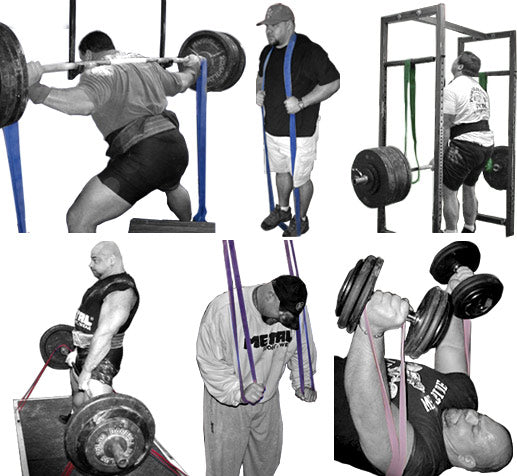
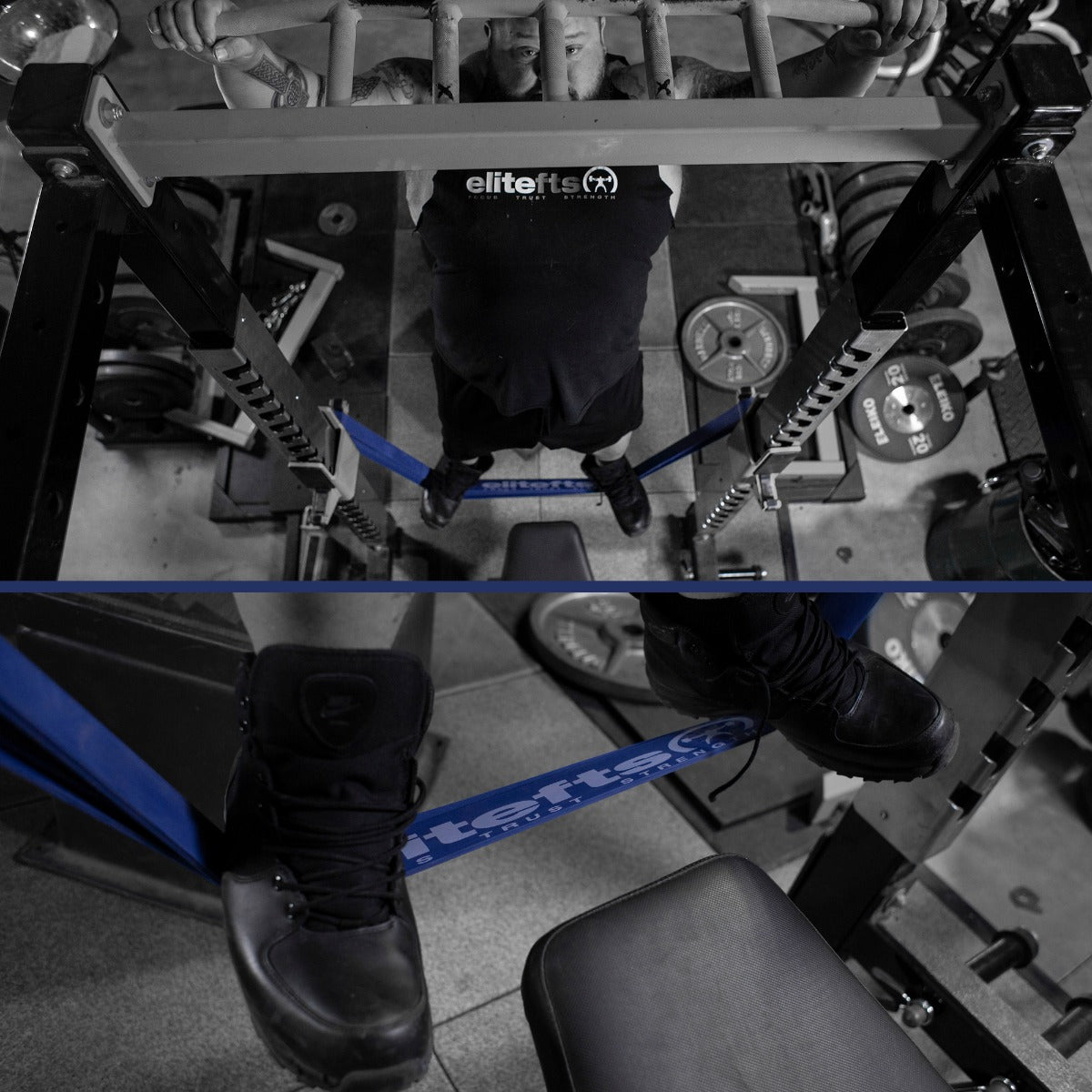
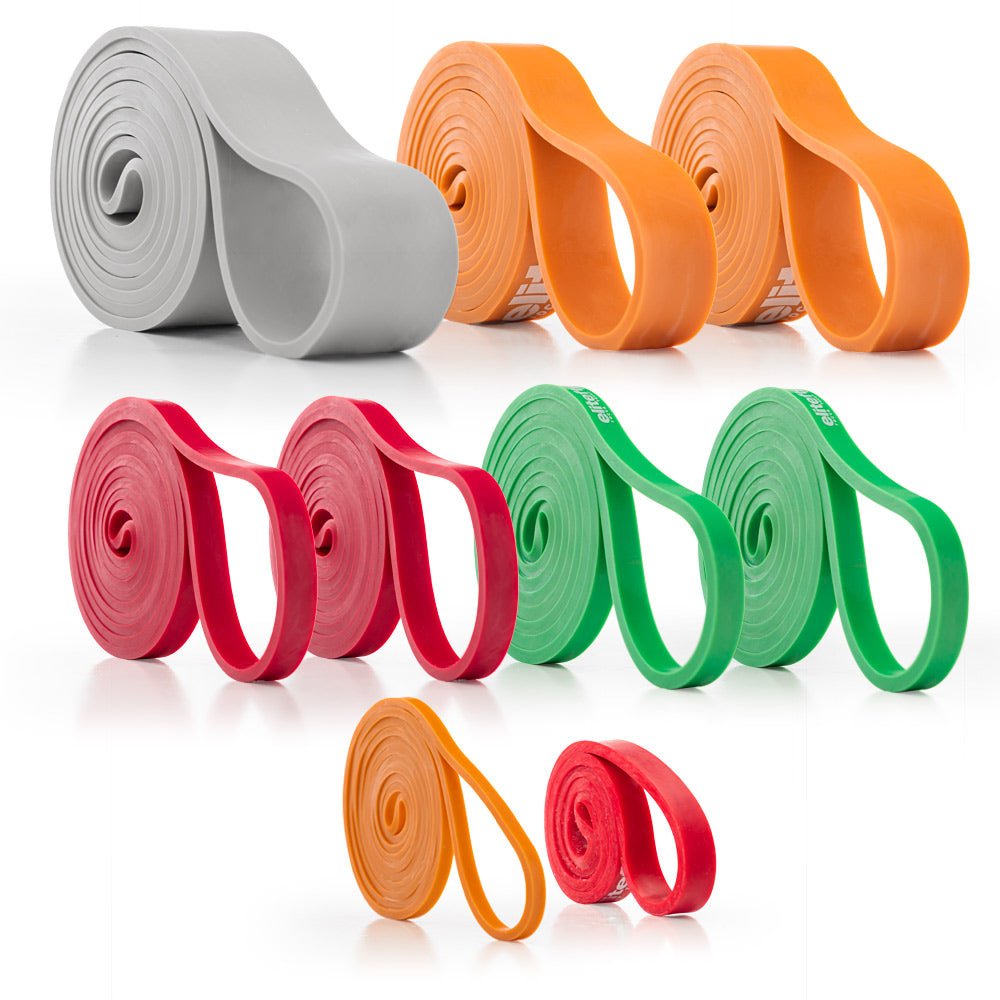
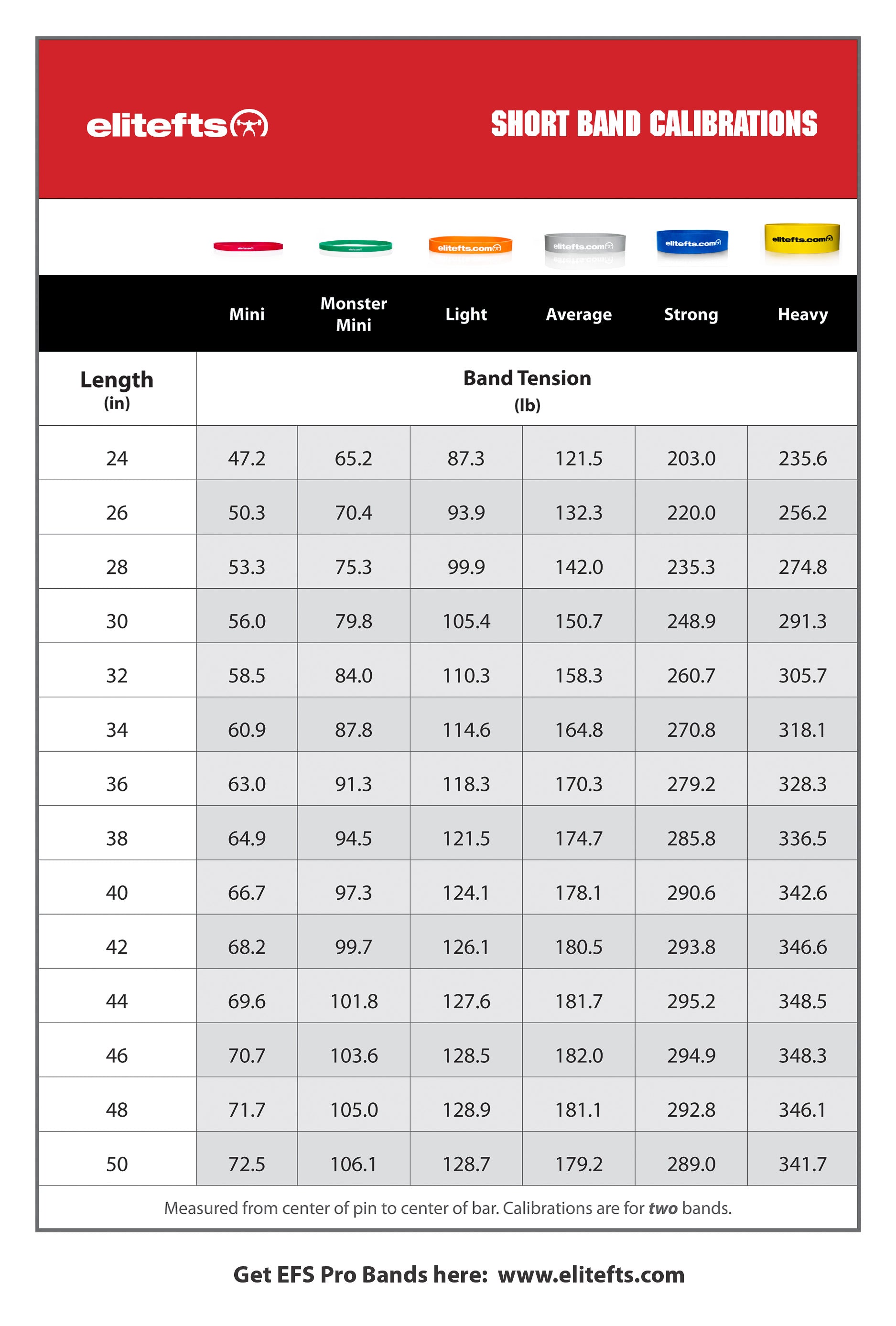
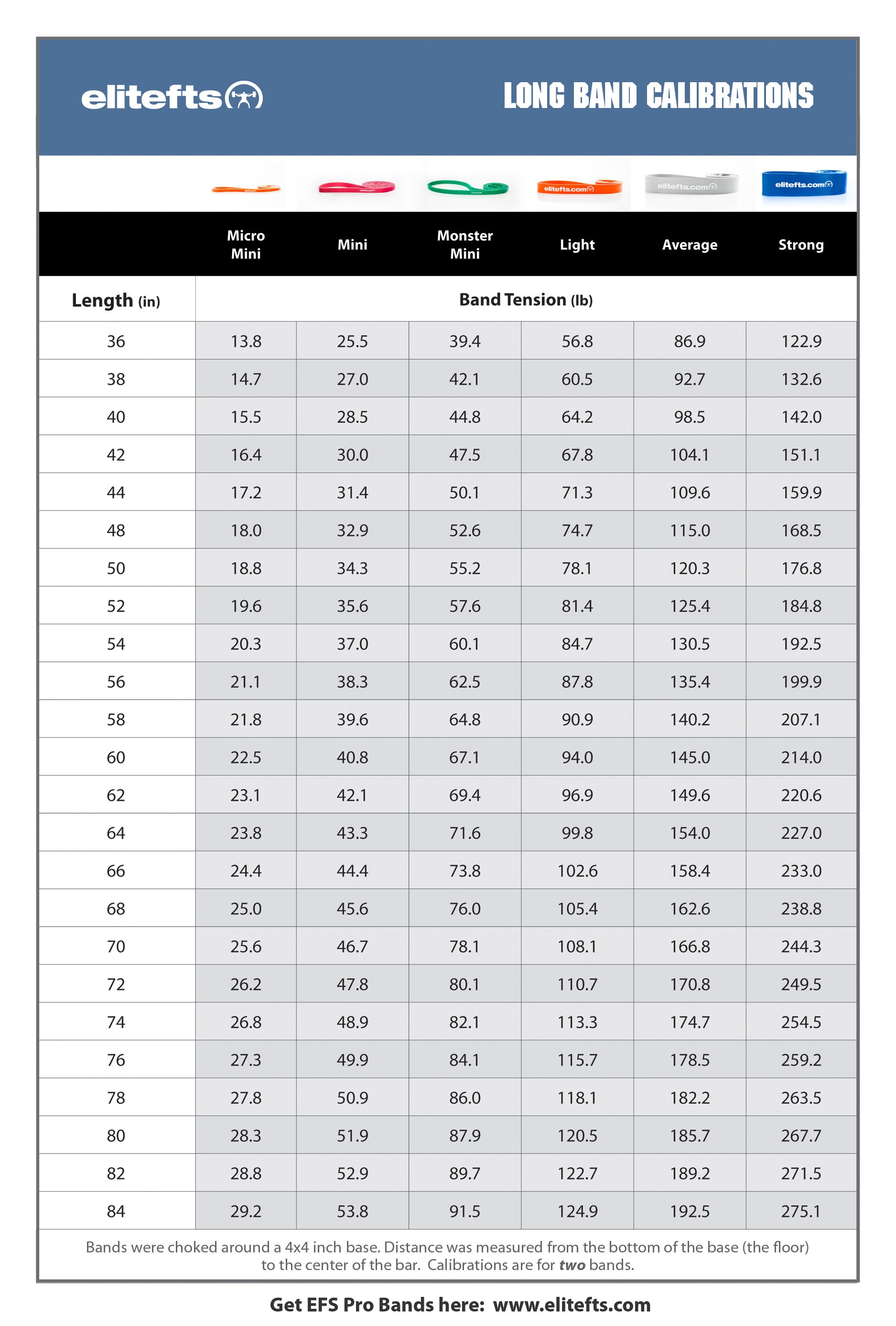
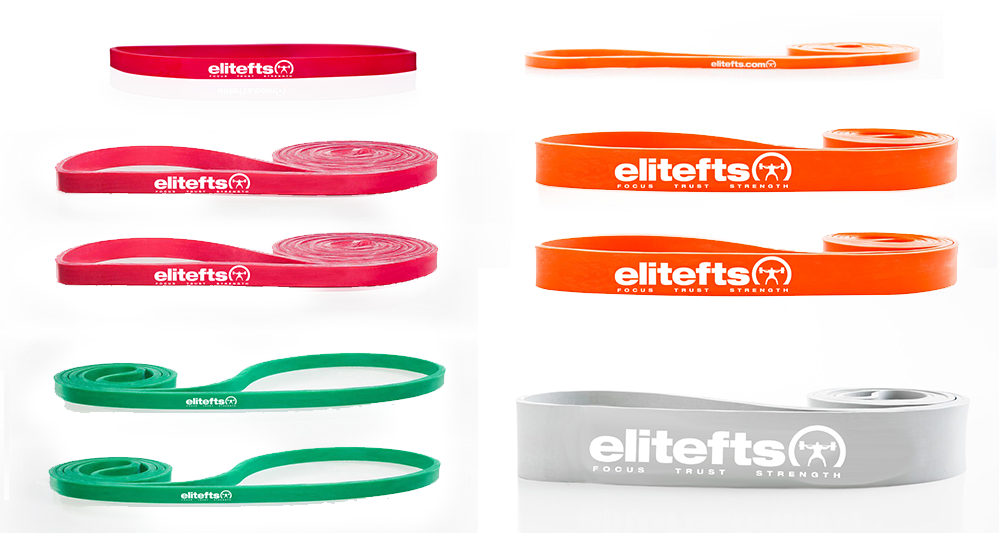
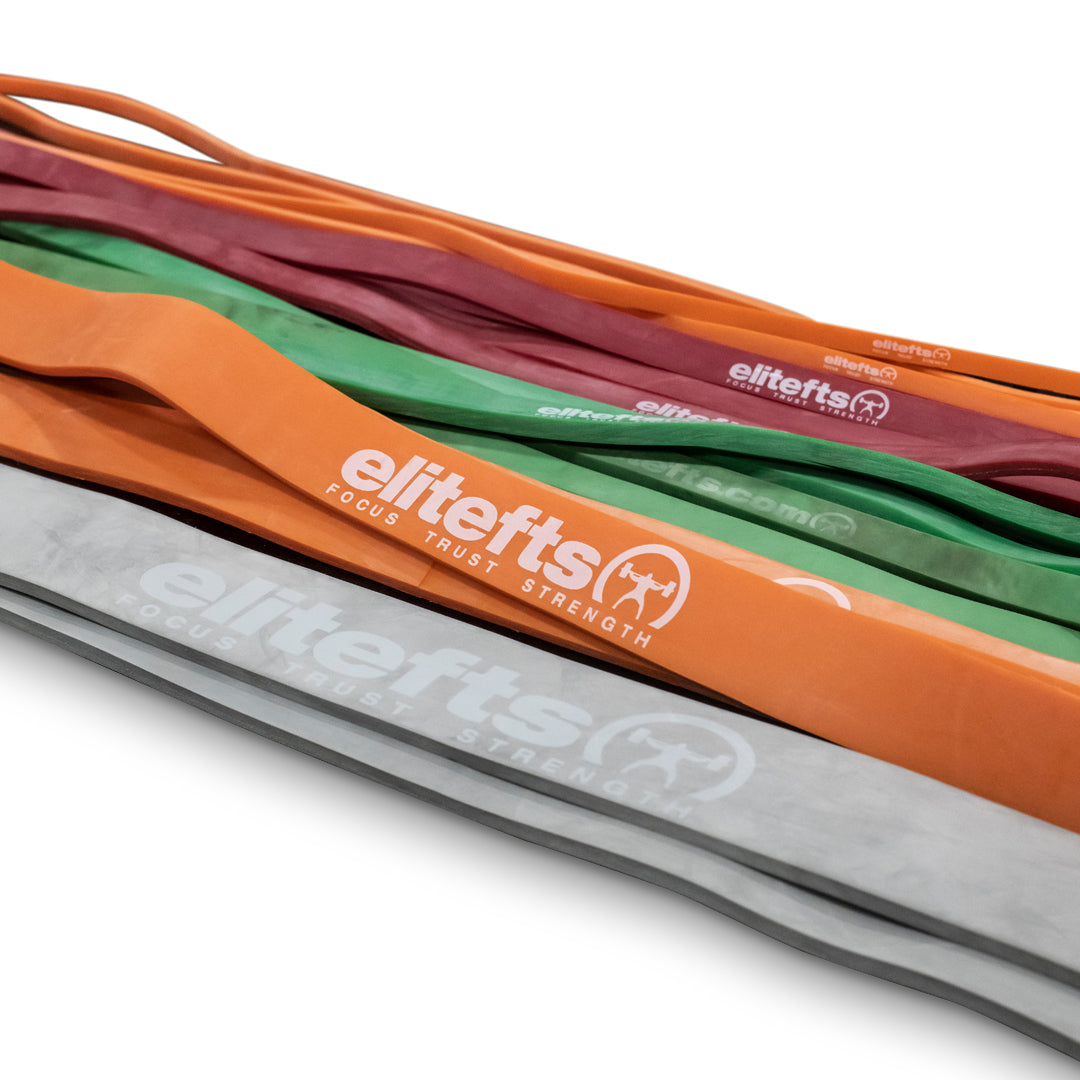
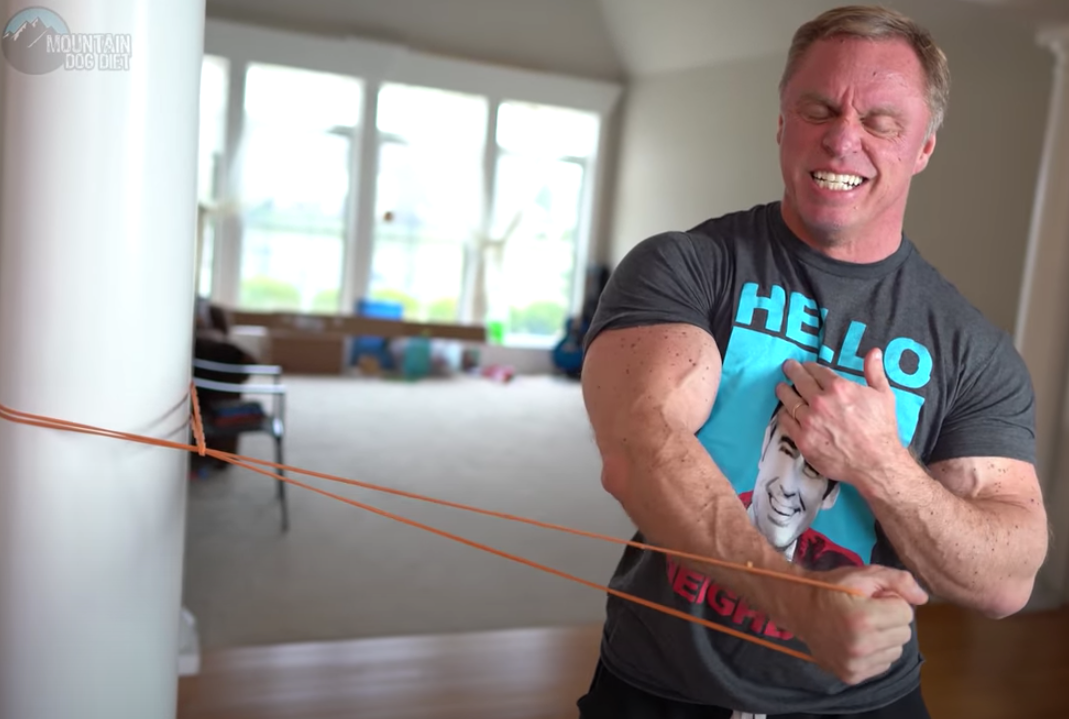
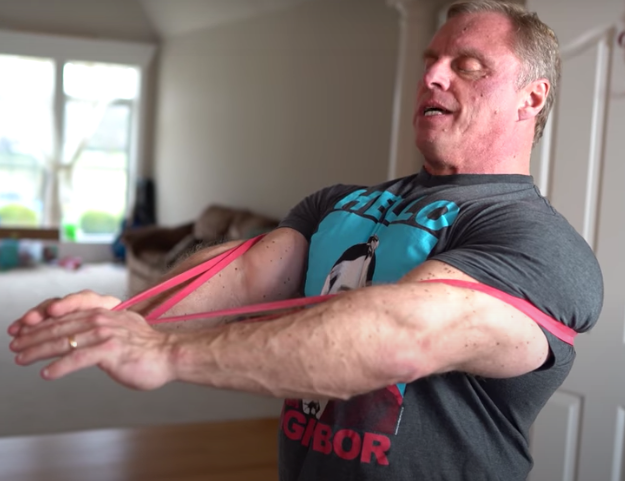
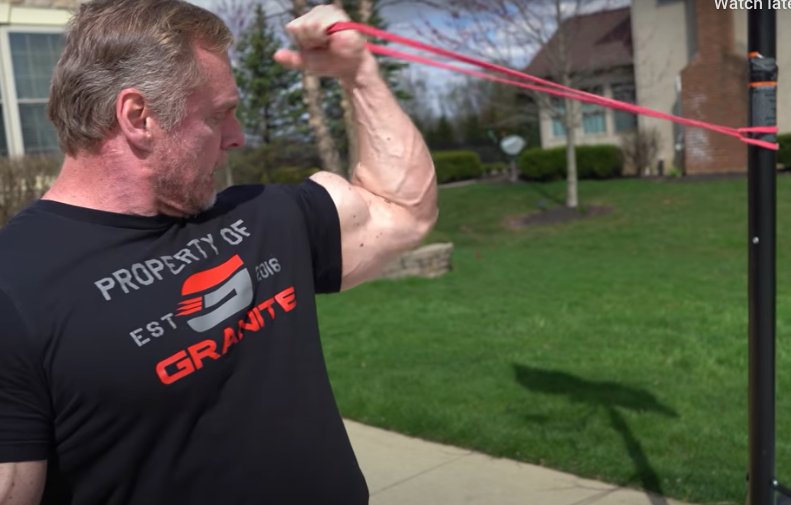
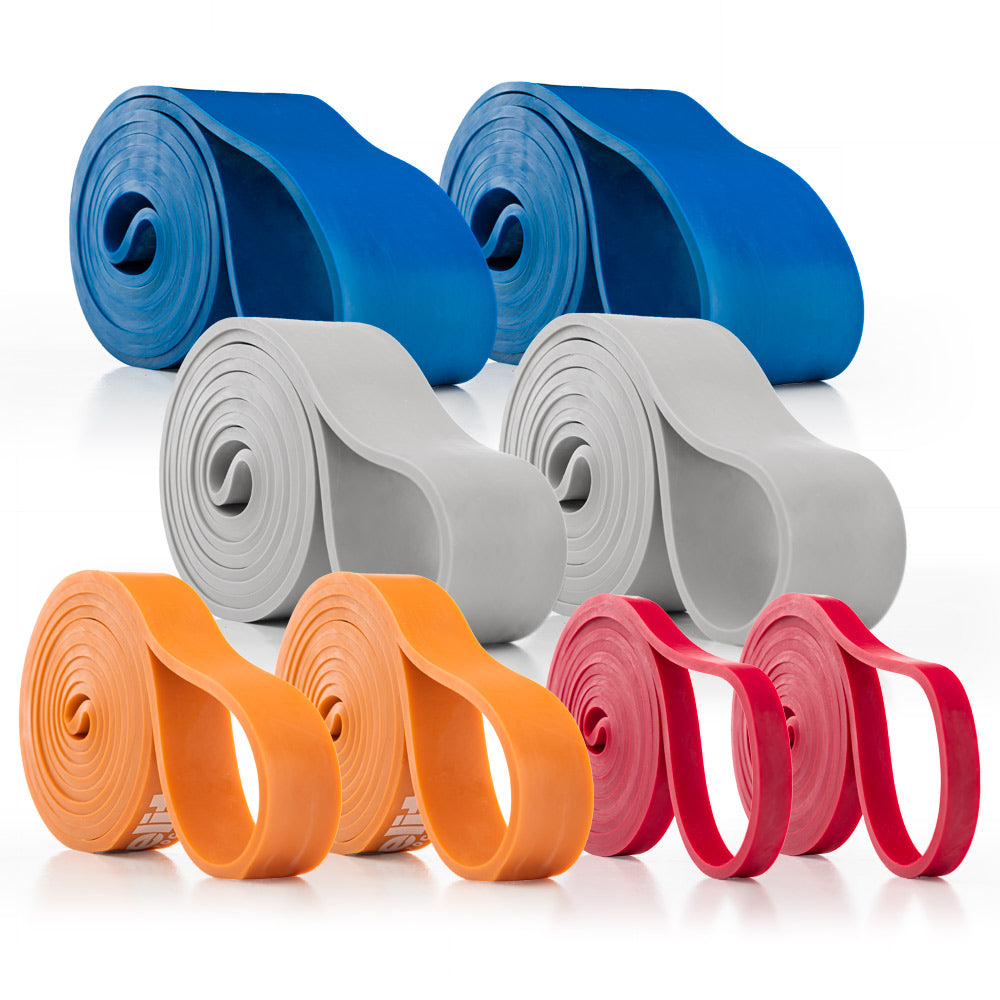
If you're pulling against resistance bands at 60% because the speed work is training your rate of force development, that doesn't neatly map onto the ACSM's loading recommendations. It's not supposed to. The ACSM isn't writing for you.
The danger isn't in following the ACSM guidelines. The danger is in a competitive lifter assuming those guidelines represent the ceiling of what's possible or appropriate for their training.
Where the Periodization Concepts Actually Align
Here's where it gets interesting. Underneath the population-level prescriptions, the ACSM's updated framework acknowledges several things that advanced powerlifting programming has operated on for a long time.
Progressive overload is the foundation. The document is clear that you have to progressively increase the training stimulus over time, or adaptation stops. That's not new to anyone who has run a conjugate template or a peaking cycle. What it means for you is validation, not instruction.
Periodization is addressed directly. The guidelines acknowledge that organizing training in phases, manipulating volume and intensity over time, and building toward specific performance outcomes is appropriate for advanced training. They're not prescribing exactly how to do it, but they're not dismissing it either.
Individualization is one of the stronger themes in the updated document. This aligns directly with everything we've learned through years of coaching and programming at a high level. What works for one lifter doesn't automatically work for another. Genetics, training history, recovery capacity, life stress -- these all matter, and the best programs account for them.
The Western method -- hypertrophy phase, strength phase, power phase, peak phase -- follows this logic exactly. You're building across a macro cycle, managing volume and intensity, and arriving at competition prepared. The ACSM's endorsement of periodization concepts lands in the same neighborhood, even if the application looks different.
Where they diverge is in the specifics of loading, volume, and exercise selection for competitive athletes. That gap is expected. It's also where the coaching and programming work actually happens.

What the Guidelines Get Right That Many Strength Coaches Under-Emphasize
There are a few things in the updated position stand worth paying attention to, because they're areas the strength community doesn't always handle well.
Recovery Is Treated Seriously
The guidelines address rest periods, training frequency, and the need to manage overall fatigue. In the powerlifting world, it's easy to default to "more is more" until something breaks down. The lifters who last and who continue to set PRs into their 40s and beyond are the ones who figured out how to manage recovery as seriously as they manage loading. The ACSM document isn't saying anything revolutionary here, but it's right.
Adherence Matters More Than Optimization
This comes through in the document's framing around realistic prescriptions for general populations, but the principle holds at every level. A program a lifter will actually run consistently, with adequate recovery and sustainable volume, will outperform an optimal program they can't sustain. I've seen more athletes get broken by perfect programs than by imperfect ones they believed in and executed.
Sleep and Wellness Are Not Soft Variables
Sleep and recovery markers are flagged as factors in adaptation. This gets dismissed in hardcore training culture. It isn't. The lifters I've seen fall apart mid-cycle almost always had something going on outside the gym that wasn't being managed. The guidelines are right to include it. Most serious coaches already know this. Not enough of them are talking about it with their athletes.
Worth Remembering
A program a lifter will run consistently beats an optimal program they can't sustain. Every time. The guidelines get this right. Too many coaches don't talk about it enough.
How to Talk to Athletes and Clients When They Bring This Up
Your athletes are going to show up with headlines. They're going to ask if they should be doing more sets. They're going to wonder if the program they're on is wrong.
Start with the population. Ask them: Who is this document written for? A healthy adult who wants to improve their general fitness responds to different stimuli than a competitive powerlifter with 10 years of training history trying to total elite. The guidelines are not wrong. They're just not aimed at us.
Then explain where the guidelines and your programming actually agree. Progressive overload, periodization, individualization, recovery. If you're running a sound program, those principles are present. The ACSM validating those principles isn't a reason to change what you're doing. It's confirmation that the foundation is solid.
For the volume question specifically, explain that the high-end recommendations for advanced trainees in hypertrophy-focused blocks aren't out of range for what experienced powerlifters do in their general physical preparedness phases. But volume for a competitive lifter is periodized across a training cycle. You're not hitting maximum hypertrophy volumes in your peak week.
Finally, use these conversations as a coaching opportunity. When an athlete comes to you with questions pulled from mainstream coverage, that's engagement. They're thinking about their training. That's a good sign. Meet them where they are, correct the context, and use it to reinforce why the program they're on is built the way it is.
The Bottom Line
The ACSM guidelines update is useful context. It's not a training manual for competitive powerlifters, and it was never meant to be.
What it confirms is that the underlying principles of progressive overload, periodization, and individualized programming are evidence-based. What it doesn't address is the specific application of those principles for a competitive strength athlete. That's where coaches and programmers earn their keep.
Read the document if you want to. Use it to ground your general knowledge and to frame conversations with athletes who come to you with questions from the fitness media cycle. But don't let it shake your confidence in a program that's working. Science has always been downstream of what serious lifters figured out through thousands of hours under the bar.
The ACSM caught up on some of it. That's a good thing.
The training you're doing, if it's serious and intelligent, was already there.
Train With the Right Tools
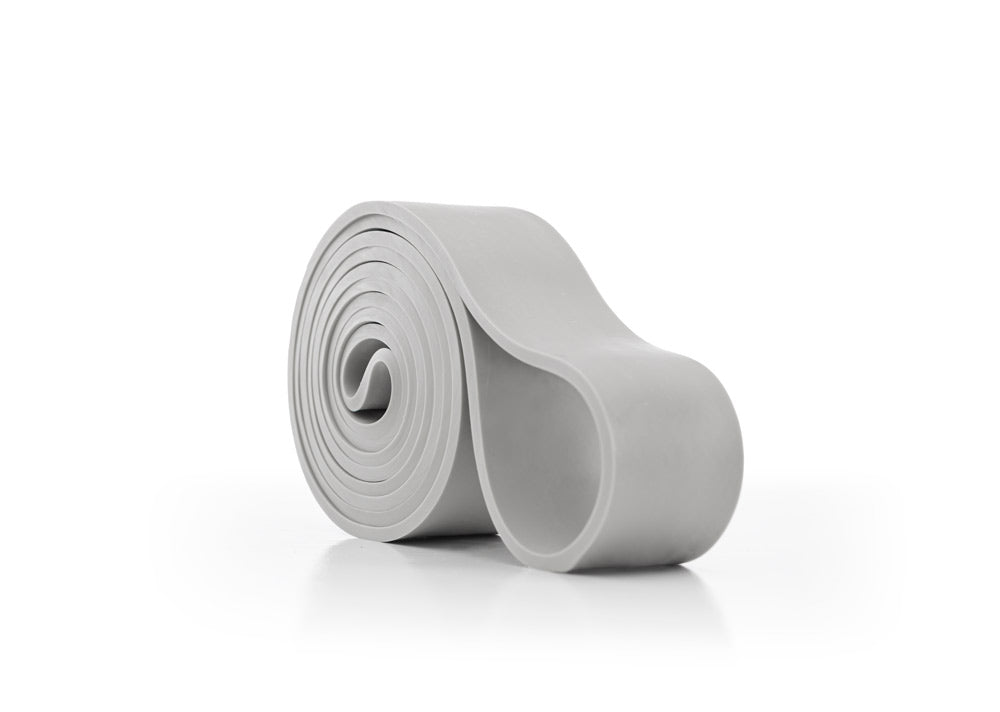
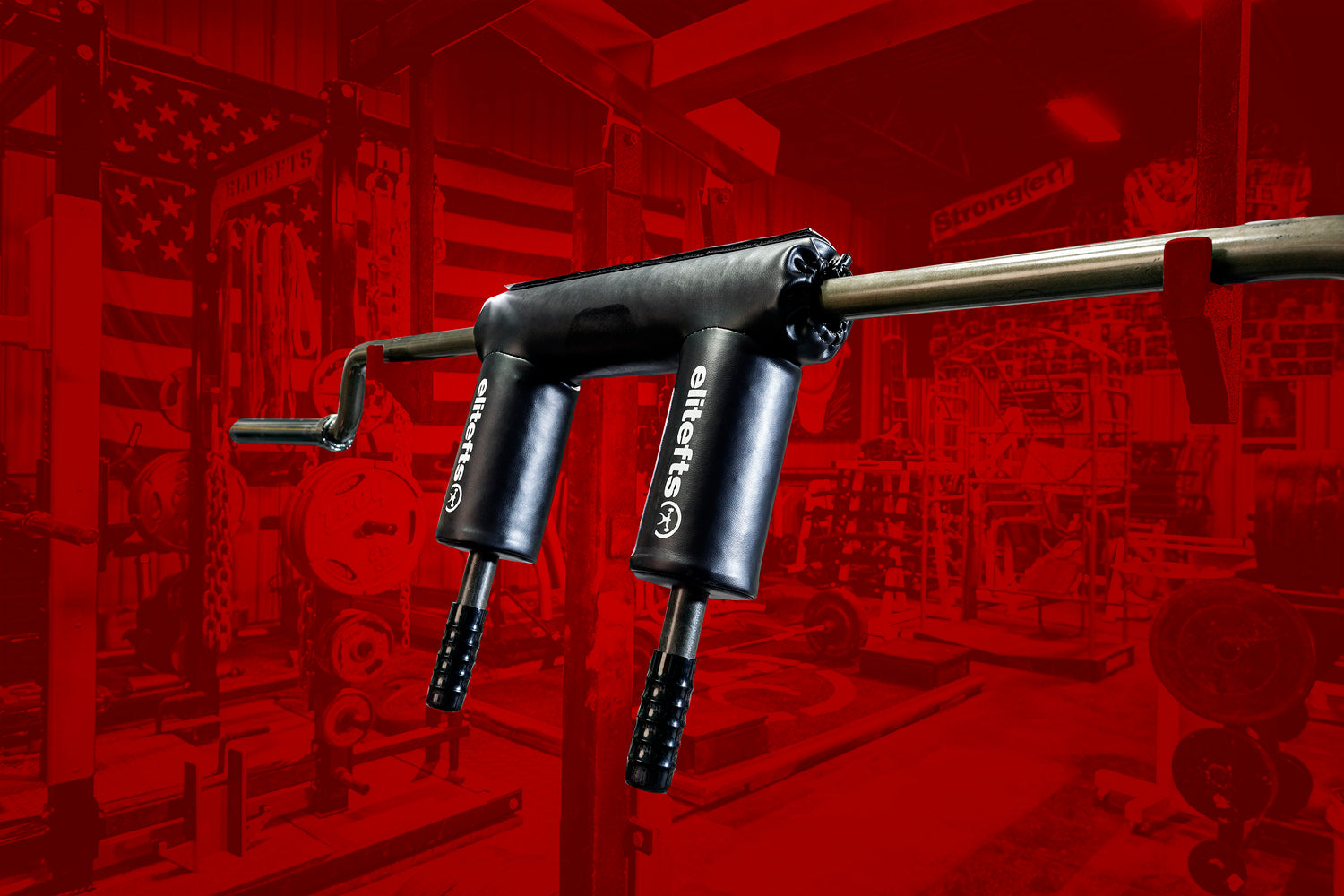
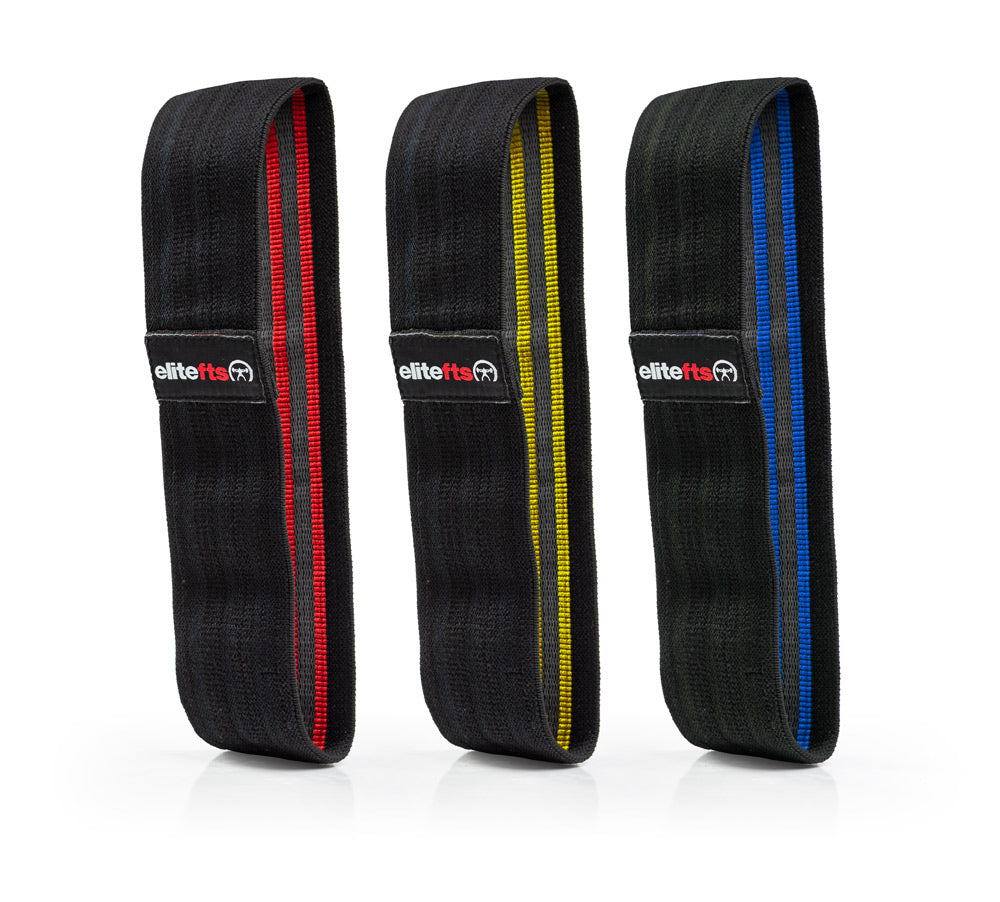
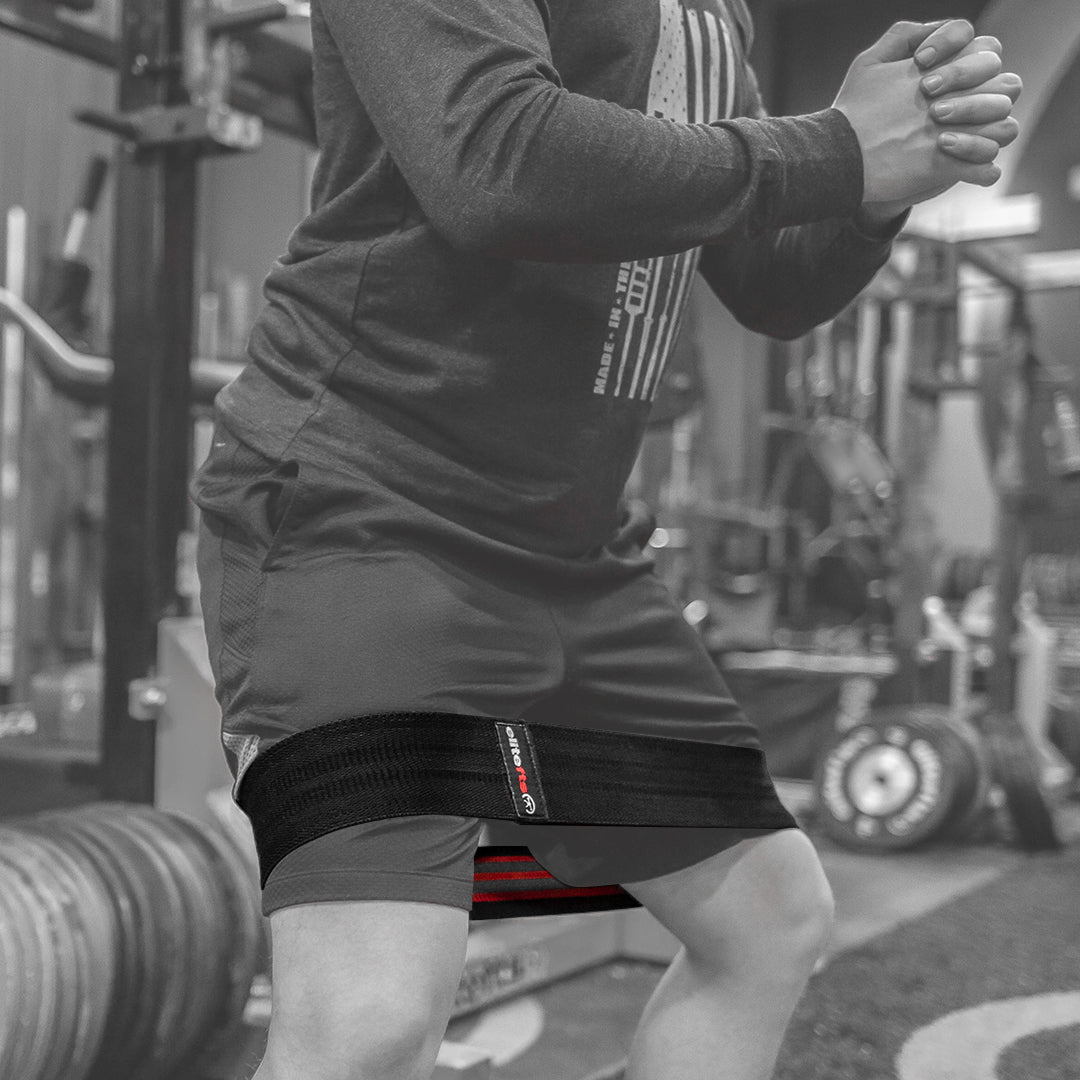
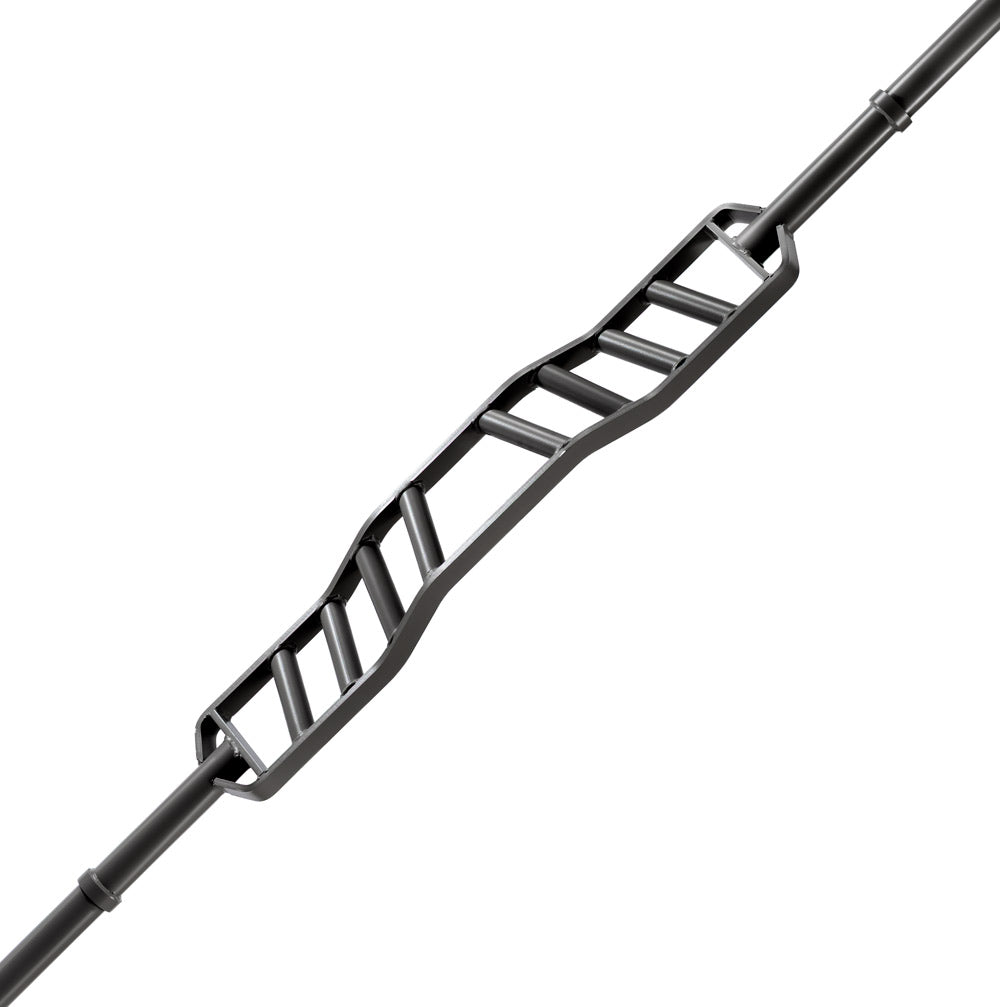
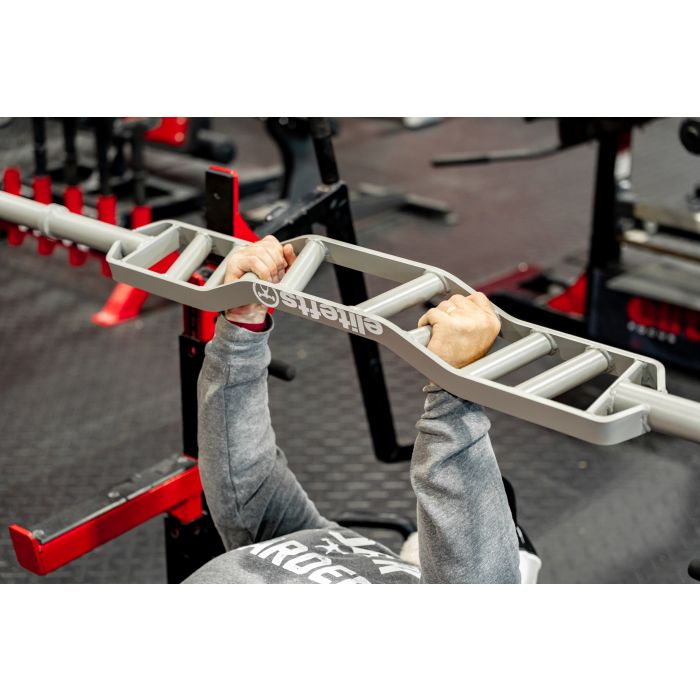
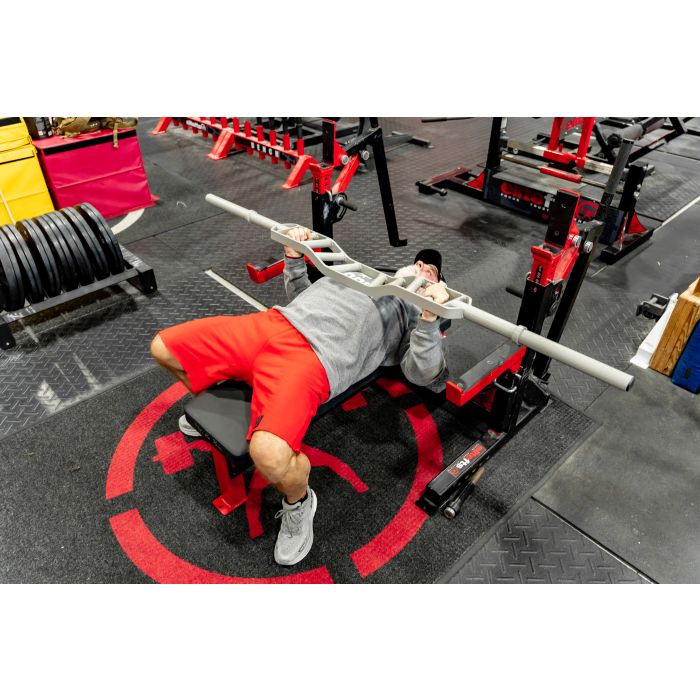
Advanced programming requires equipment that keeps up. From resistance bands for accommodating resistance work to specialty bars that let you manage loading and deload intelligently, elitefts has what serious lifters need.
Shop eliteftsLive, Learn, Pass On.