

Why Every Serious Gym Needs a Monolift
By Dave Tate / elitefts
I spent two decades training with a monolift. At Westside, on contest day, in commercial gyms I'd help build out, and now at the S5 Compound. I've watched lifters who couldn't squat 405 in a power rack hit 500 the first time they got under a monolift. I've watched seasoned competitors save their meets with it. I've watched coaches stop wasting half their session on bad walkouts because the monolift took that problem off the table.
If you're serious about squatting, you need one in your gym. Not a knockoff. Not a "kind of similar" attachment for a power rack. A real, built-to-last monolift.
Let me walk you through why.
The Walkout Is Killing Lifts You Should Be Making
Pull up any meet on YouTube. Watch the squat session. Count how many misses start before the descent.
You'll see it everywhere. The lifter unracks, takes one step back, the bar shifts, the second step is uneven, the third step is a rescue, and by the time they're set up to squat they've already spent half their tank just trying to get into position. Then they descend, lose tightness, and get buried.
The walkout is one of the most underrated energy leaks in the sport. Every single step backward burns gas you should be using on the lift. Every wobble forces a micro-correction that pulls you out of position. Every uneven foot placement gets baked into your setup before rep one.
In training, it's worse. You don't get three attempts. You get five sets of five, or three sets of three, or whatever the day calls for. Multiply a sloppy walkout across every working set across every week across every training cycle, and you start to see the cost. Hips that are beat to hell. A lower back that's tweaked from compensating. Reps that didn't have to be that hard.
Now imagine eliminating all of it. That's what the monolift does.
What a Monolift Actually Does
The monolift removes the walkout entirely. You set up under the bar. The hooks swing forward. You squat. The hooks swing back. You re-rack. That's it.
The principle is simple, but the implication is huge. Every ounce of energy you used to spend on getting in position now goes into the lift itself. Every setup is identical. Every rep starts from the same spot.
Here's a quick tour of how it actually works on the floor.
The history matters here. Ray Madden invented the monolift. Westside Barbell put it on the map. Louie Simmons used it for thousands of squat sessions across decades, and the lifters who came through that gym used it to break world records that still stand. There's a reason the monolift outlived every gimmick that came and went in the squat world. It works.
It works because squatting is hard enough on its own. The bar is heavy. The descent demands everything you've got. The drive out of the hole is where lifts are won or lost. Anything that lets you put more energy into those moments and less into the parts that don't matter is going to make you stronger.
The monolift also changes the structure of a squat session. When you're not walking out every set, you can do more quality work. You can run heavier singles without burning out by set four. You can run a group of lifters through a session in half the time. You can train wave after wave on the conjugate system without the cumulative fatigue of a hundred bad walkouts.
It's Not Just for Geared Lifters
Here's where most people get it wrong. They think the monolift is a piece of geared powerlifting equipment, useful only for lifters in suits and briefs. That's old thinking.
Geared lifters were the original use case. When you're squatting in a canvas suit with the straps up, walking the bar out is borderline impossible. The monolift solved that problem. But the equipment doesn't care what you're wearing.
Raw lifters benefit just as much. Maybe more. Most raw guys I know who've been at this a while have a back that's been through some things. Hips that don't love what we ask of them. A lower back that picks its fights. The monolift eliminates the walkout, which means three or four fewer high-load steps per set. Across a training cycle, that's the difference between waking up sore and waking up busted.
Older lifters need this. If you're north of 40 and still pushing real weight, you don't have reps to waste. You don't have warm-ups to waste. You don't have steps to waste. The monolift respects that.
Coaches running squat sessions for teams need this. If you've ever tried to put fifteen high school athletes through heavy squats in a power rack, you know the math. Half the session is spent setting up. Half the cues are about the walkout. With a monolift, everybody sets up the same way, everybody squats the same way, and everybody gets more quality reps.
Commercial gyms that actually serve serious lifters need this. If you're running a gym in 2026 and you don't have a monolift, you're telling your strongest members they're not the priority. You're sending them somewhere else for their squat work, and somewhere else for their friends, and somewhere else for their money.

The Setup Has to Be Right
Here's the thing about the monolift. The walkout is gone, but that doesn't mean the lift gets easier. It means you have to be tight before the bar leaves the hooks. There's no walkout to fix a sloppy setup.
This is one of the best teaching tools in strength training. The monolift forces you to do everything right the first time. Feet under the bar. Mid-foot directly under the bar. Lats locked. Hips under, ribs down. Air full. Tight before the hooks pull.
If you're sloppy, the monolift exposes it immediately. If you're tight, the monolift rewards you with the cleanest squat you'll ever take.
Here's a walkthrough of how to actually set up under one.
That's why I tell coaches who are skeptical of the monolift: it doesn't just help your lifters squat more. It teaches them to set up like they mean it. Every single rep. That carries over to every other piece of equipment in the gym.
What Most Gyms Get Wrong
I've walked into too many gyms over the years and seen the same mistake. They skipped the monolift to save floor space, then filled that space with three different cable attachments nobody uses. They bought a cheap knockoff that flexes under 405, binds at 500, and becomes a liability at 600. They treated the monolift as a luxury instead of a foundation.
The cost of those decisions shows up later. The strongest lifters in the area train somewhere else. The squat sessions are slower and sloppier than they should be. The athletes who could be making real progress are stuck working around a setup that's actively making them weaker.
Then there's the lifter side. I've talked to guys who've spent ten years training in a power rack with a bad walkout and never figured out why their squat plateaued at 500. The walkout was costing them every session. They didn't see it because it was always there. The monolift fixes that overnight.
Don't be the gym that figures this out too late. Don't be the lifter who spent a decade training around a problem you didn't have to have.
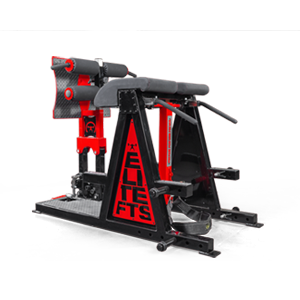
The elitefts Deluxe Monolift
The elitefts Deluxe Monolift is what I'd put in your gym if I were building it. We've been building monolifts since the early days of the company, and the Deluxe is what comes from twenty-plus years of refinement. Real lifters. Real weight. Real feedback.
Here's a quick rundown of what's on it.
A few specifics worth calling out.
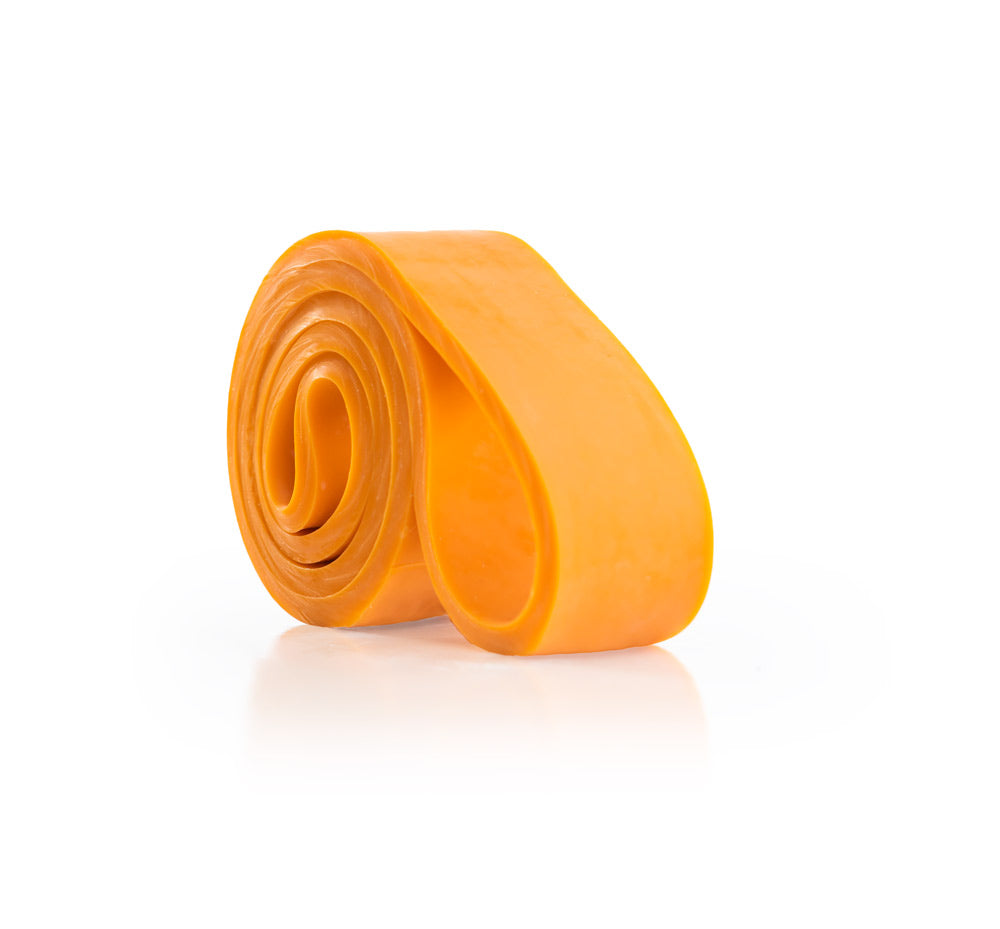
The band attachments are built right into the design. If you're running accommodating resistance work, and you should be, the band pegs let you set up faster and pull more tension than any add-on system I've used. The widest setting will give you more band tension than you've probably ever felt under the bar.
The textured posts are the same vertical posts we use on the EFS Collegiate Rack. They look cleaner, but more importantly, they hold up. These are the parts of the equipment that take the most abuse. Cheap rack posts get scratched, dinged, and eventually start to show rust. These don't.
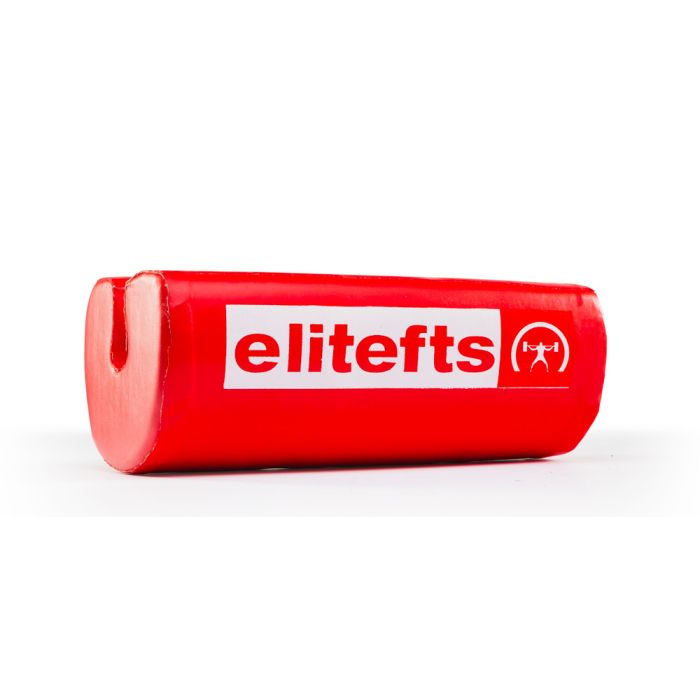
The UHMW protection is a small detail that tells you who built this thing. UHMW is a heavy-duty plastic shielding. It's bolted onto the spots that take the most abuse from chains and plates. The top of the feet, the sides where the plates lean. It's not glamorous. It's the kind of thing you only notice when it's missing, which is exactly the point.
The total footprint is 63 inches wide by 53.5 inches deep. That's wide enough for any squat stance you want to take, including the kind of wide stance work we do at S5. The hydraulic jack and lever support stands adjust quickly between lifters, so a group session doesn't bog down every time someone needs a different rack height.
It comes in nine colors. That part doesn't matter for the lift. It matters because if you're spending real money on a piece of equipment that's going to live in your gym for the next twenty years, you might as well have it look the way you want.
The price is $5,833. I'm not going to dance around that. It's not a small purchase. But if you've ever done the math on what one tweaked back costs you in lost training, lost meets, lost income, lost momentum, the monolift looks pretty cheap. If you've ever been the gym that lost a member because you couldn't serve their training needs, this looks even cheaper.
The Deluxe Monolift ships within three to four weeks. Custom colors, designs, attachments, and pads are available if you'd like to speak with one of our equipment specialists.
Pass On Better Tools Than You Got
When I started lifting in the eighties, none of this existed. We figured out the squat with the equipment we had, which was usually a power rack and a prayer. Some of us got hurt. Some of us never figured out why our squat stalled. Some of us spent years training around problems we didn't have.
The lifters who came after us started getting better tools. Better bars. Better belts. Better racks. Better monolifts. The job of every coach, every gym owner, every serious lifter who's been at this a while, is to give the next group fewer reasons to fail.
A monolift is one of those tools. It's not optional. It's not a luxury. It's the difference between a gym that takes squatting seriously and a gym that doesn't.
If you run a gym, build it in. If you train serious lifters, give them this. If you're a lifter who's been hammering away in a power rack and wondering why you can't break through, look at your walkout. Look at how much energy you're spending before you even start the lift. Then look at what changes when you take that variable out of the equation.
Live, Learn, Pass On.
Dave Tate / elitefts