
Most lifters train everything except the thing that actually keeps the bar in their hands.
You cannot pull what you cannot hold.
I never had a grip issue training at Westside.
Louie would say it’s because I never pulled enough to develop one. He might be right. But I watched Chuck Vogelpohl lose pulls for years because of grip—weight his body was more than capable of handling slipping out of his hands before he got the command. It drove him crazy. Watching that happen up close is what made me take grip training seriously.
Here’s what I found out: most lifters at every level treat grip as an afterthought. They train their back, their legs, their hips. They obsess over squat mechanics. Then they step up to a heavy pull and wonder why their hands can’t hold on.
Grip Is Not a Small Detail
If your grip fails, the lift is over. It doesn’t matter how strong your back is. It doesn’t matter how locked in your setup is. If you can’t hold it, you can’t pull it.
We’ve all seen it. A lifter walks up to a bar they’ve pulled in the gym a dozen times, gets it off the floor, makes it past the knee, and then the bar starts sliding. The body was ready. The hands weren’t.
That is a training problem, and it is fixable. But you have to stop treating grip work like the thing you do only if there’s time left at the end of the session.
The point is simple: grip strength is trainable, and if you are not training it directly, you are leaving pounds on the platform.
Understanding Why Grip Fails
Before you can fix grip, you need to understand what you’re actually dealing with.
When people talk about grip failing on heavy deadlifts, it usually comes down to one of three things:
- Not enough raw grip strength. The hands simply are not strong enough for the load.
- A weak link in the grip chain. Usually, a finger gives out first—most often the pinky—then the rest of the fingers start to unravel.
- A focus problem. A grip that is “almost” locked in is not locked in when the weight gets heavy.
The first problem is fixed by direct grip work and getting stronger overall. If you’re dropping 700 but pulling 650 easy and can handle 700 with straps, then the answer is simple: get strong enough with straps to pull 750. Now 700 feels like 650, and your hands can keep up.
The second problem is more specific. Grip is not one thing. It’s a system. And inside that system, one finger usually fails first. For most people, it’s the pinky. Once the pinky goes, the ring finger follows, and the whole grip starts falling apart.
The third issue is mental. You can have the grip strength to hold a bar and still lose it if your focus isn’t there. The setup matters. The commitment matters. Once the bar gets heavy, half-committing to your grip is the same as missing the lift.
The 3 Types of Grip You Need to Train
For strength athletes, grip training really comes down to three things:
Crushing Grip
The force you generate by closing your hand around an object. This is the grip most people think of first, and it matters every time you grab a barbell.
Pinching Grip
The strength between the thumb and fingers. Important for certain implements, sumo setups, and controlling awkward objects.
Supporting Grip
The ability to hold under load for time. This matters most when a deadlift turns into a grind and lockout takes longer than expected.
Most grip training only addresses one of these. A complete approach hits all three.

The Methods That Actually Work
Here’s what I’ve seen work over years of training and watching some of the strongest people in the sport work through grip problems.
Dumbbell Holds
Chuck Vogelpohl had a real grip problem for a long time. He would lose pulls that his body could handle. What finally helped fix it was single dumbbell holds.
Grab the top of a hex dumbbell. Keep your fingers off the grooves where the numbers are stamped. Pick it up and hold it for as long as you can. If you go past 20 seconds, use more weight next time.
No reps. No gimmicks. Just hold it until you can’t.
Binder Clips
Ed Coan told me this at the SWIS conference years ago, and I’ve never forgotten it.
Go buy heavy black binder clips. Use them like a gripper, but only with your thumb and one finger at a time. Start with the pinky and work your way through every finger.
This is cheap, simple, and easy to fit into everyday life. At your desk. Watching film. Between calls. It adds up.
Hook Grip for Deadlift
With a hook grip, both hands are pronated. You push the bar deep into the hand, wrap the thumbs around it, then lock the index and middle fingers over the thumb. Done right, your thumb gets trapped between the fingers and the bar, making the hold incredibly secure.
The honest warning: it hurts. There’s a callus that takes time to build. It requires total commitment every rep. But when it’s dialed in, it eliminates the risk of bicep tears from mixed grip, keeps the body symmetrical, and is one of the strongest grip options you can use.
Implement Variety
Grip strength on a standard bar doesn’t always transfer perfectly when bar thickness or texture changes. Using thicker handles forces the hands to work differently and builds a stronger, more adaptable grip.
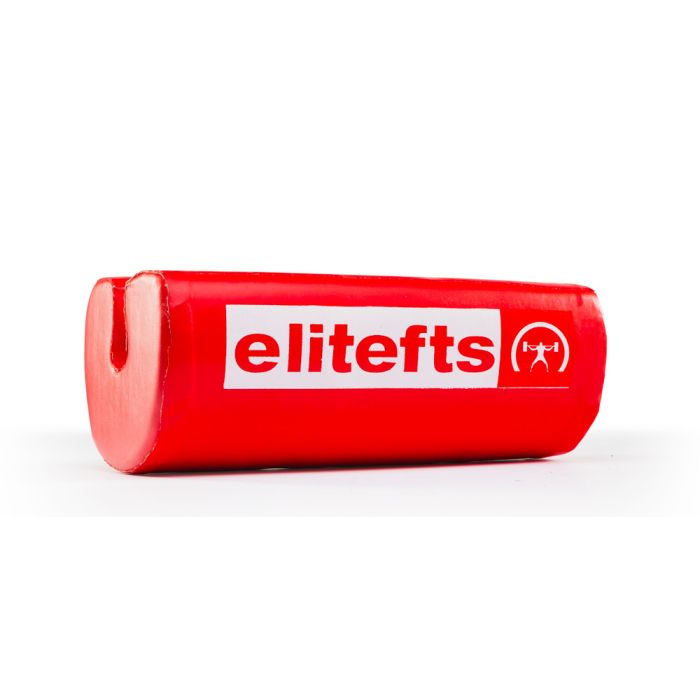
Fat Gripz are one of the easiest tools for this. They slide onto barbells or dumbbells and instantly increase the grip demand on rows, curls, and other pulling work without needing a separate grip-only session.
Get Stronger Overall
This sounds obvious, but it gets missed. If you’re dropping 700 pounds, one of the best things you can do is pull 750 with straps until it feels normal. Then take them off. A weight your body is already prepared for is a much easier grip problem than a weight that is also a full-body PR.
Straps are not a crutch. They are a training tool.
Use straps on volume work, accessory pulling, and any set where grip is not the main variable you want to train. Pull raw on the sets where grip is part of the goal.
When Straps Are the Right Answer
There’s always somebody who reads a grip article and decides straps are bad. That’s the wrong takeaway.
Straps let you overload pulling movements beyond what your raw grip can support. That overload builds your back, hamstrings, and hips. Over time, that stronger posterior chain makes your raw deadlift stronger too.
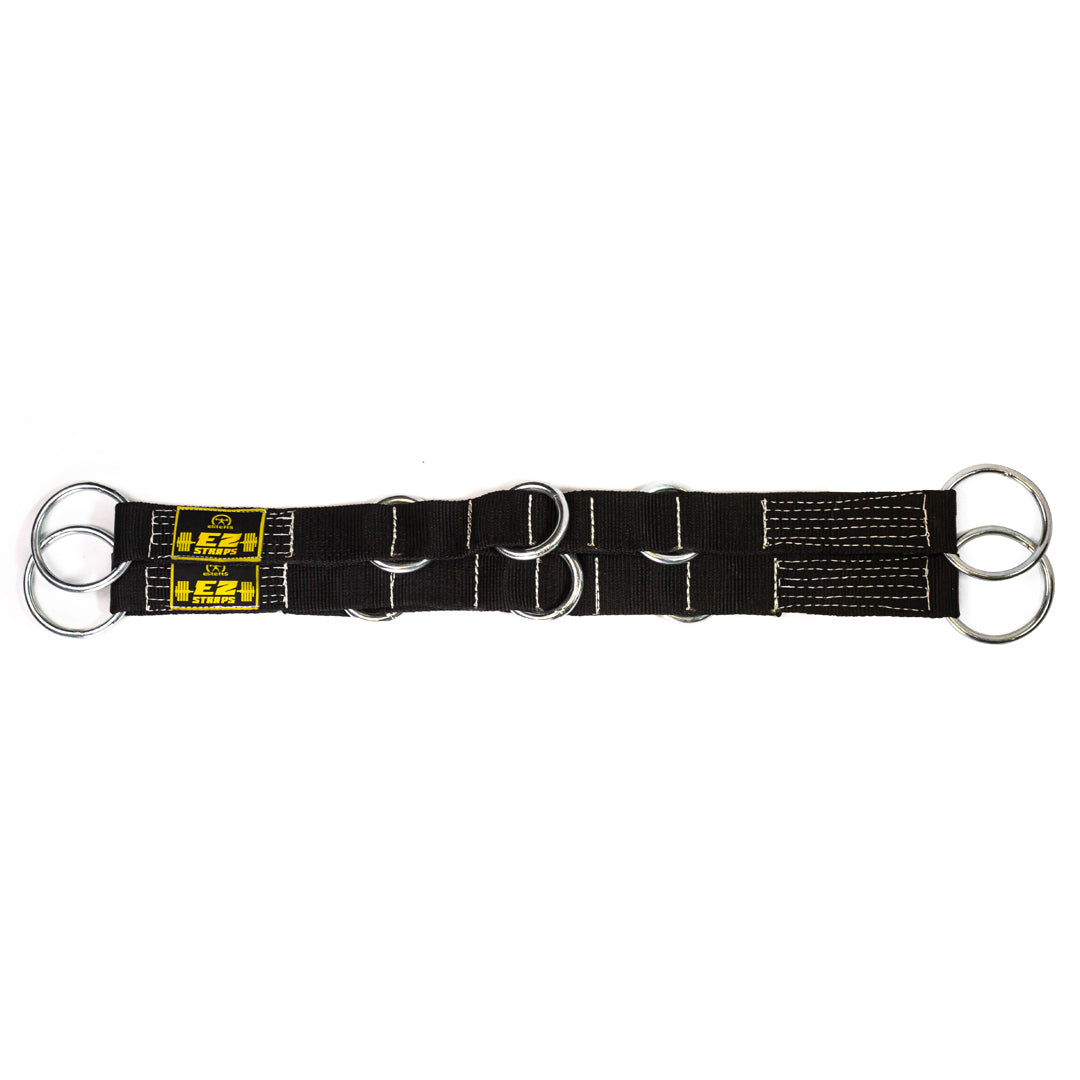
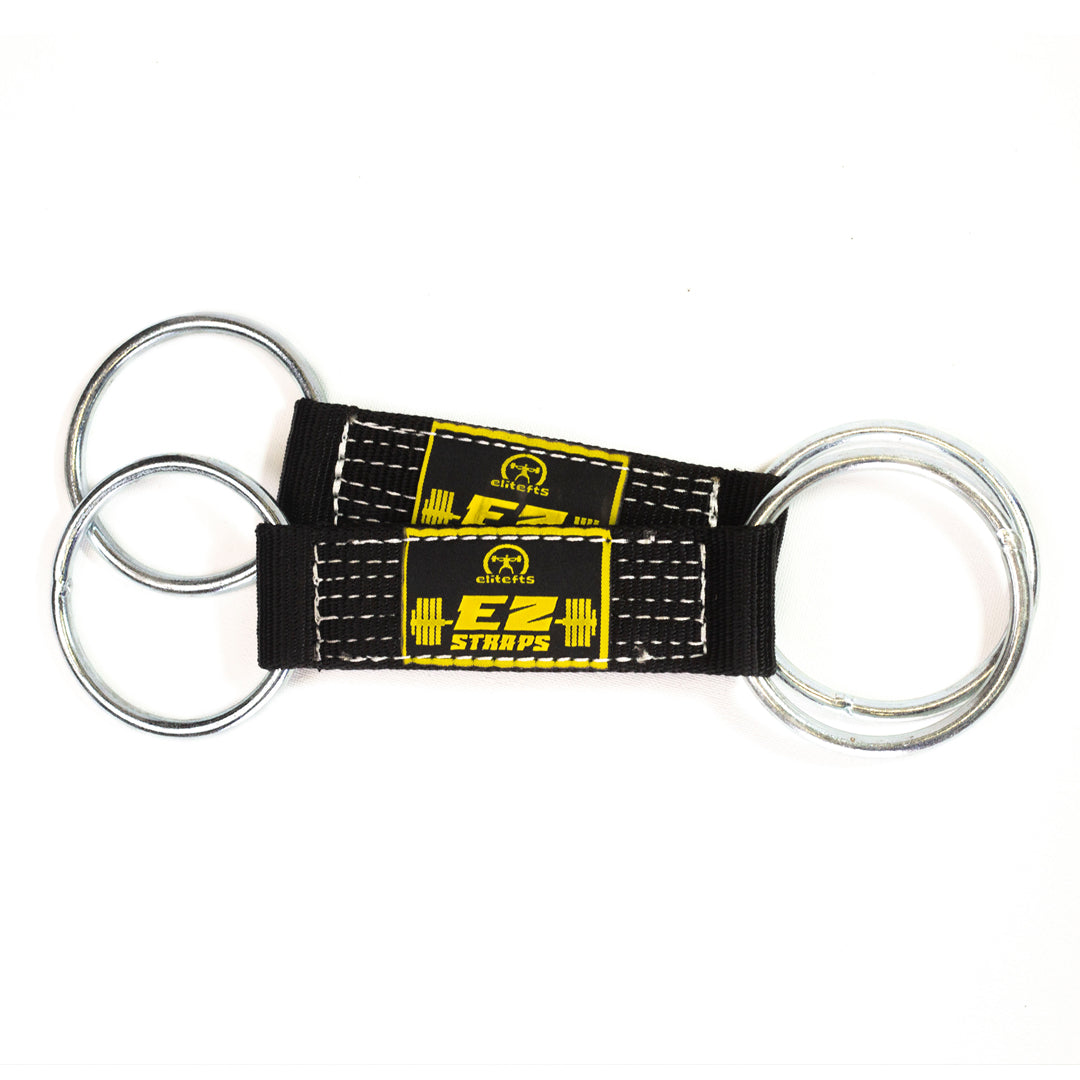
The elitefts Grippy Straps are a solid everyday option—comfortable on the wrist, easy to control, and reliable in regular training. The elitefts Third Generation GripMax Wrist Strap steps it up with polymer-coated nylon and a tackier grip surface that locks down hard on the bar.
If you want more palm protection for high-rep work, the elitefts Pro Grips are a strong option. Premium leather, Velcro closure, and better hand protection without losing direct bar contact.

A Simple Grip Training Protocol
Here’s how to structure it so it actually gets done:
- 2–3 times per week: Dumbbell holds at the end of training. Start with a weight you can hold for 15–20 seconds. Add weight when you hit 25 seconds.
- Daily: Binder clips with thumb and pinky first. Then work through the rest of the fingers.
- During training: Use straps on accessory pulling and volume deadlifts. Pull raw on top sets.
- 1 variation per week: Add Fat Gripz or a thicker handle on rows or curls somewhere in the program.
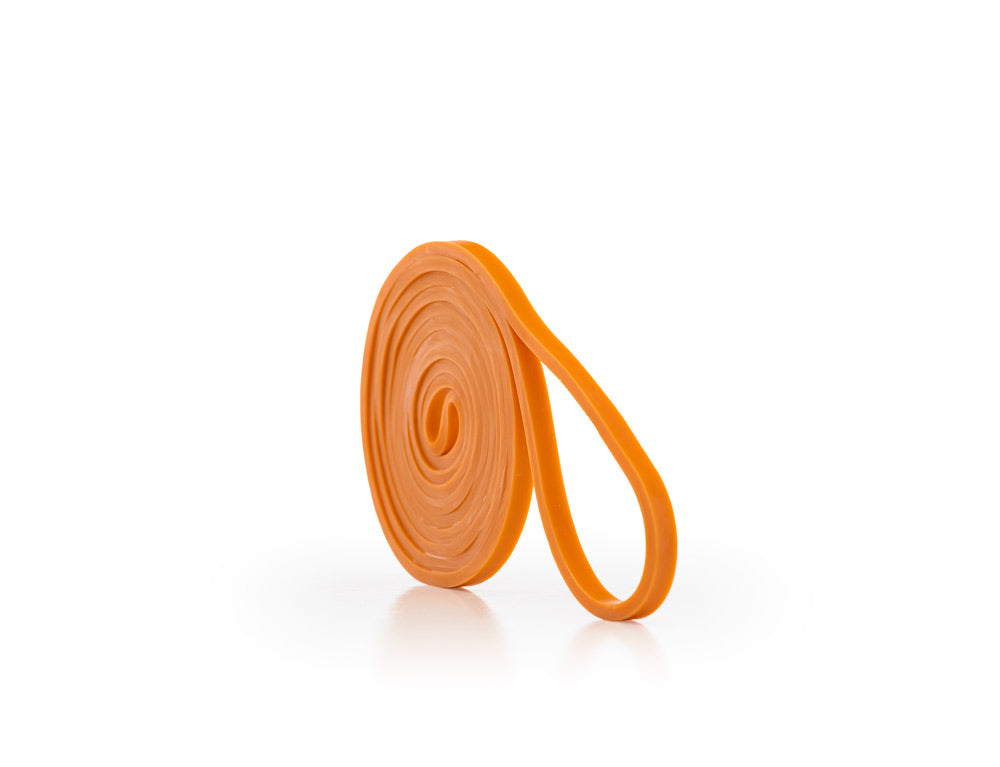
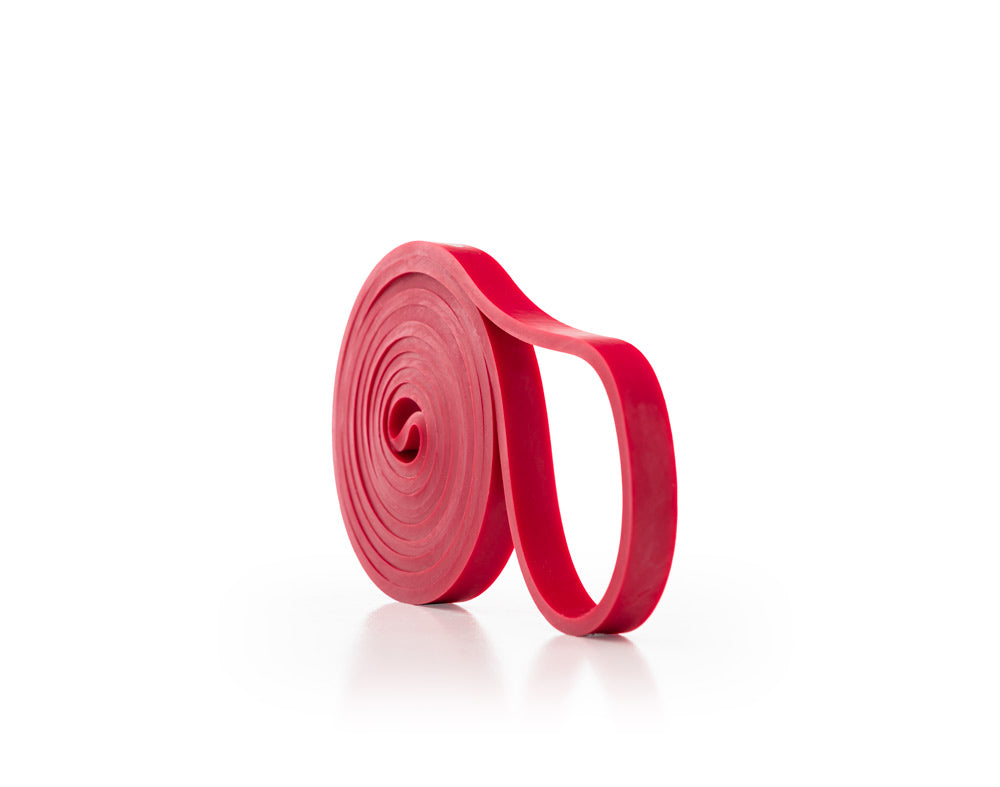
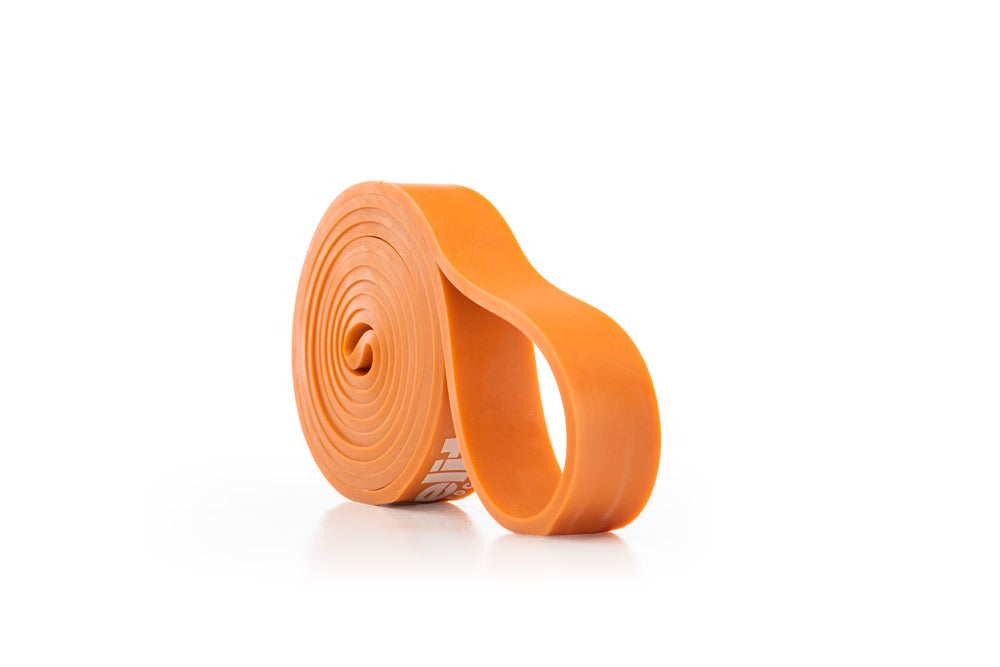
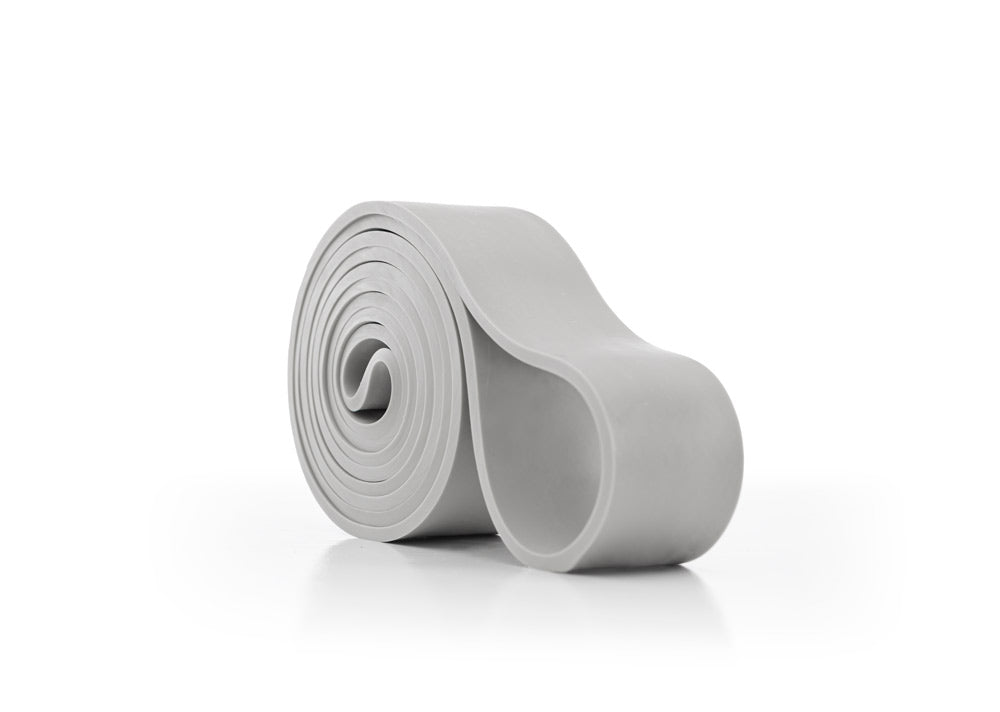
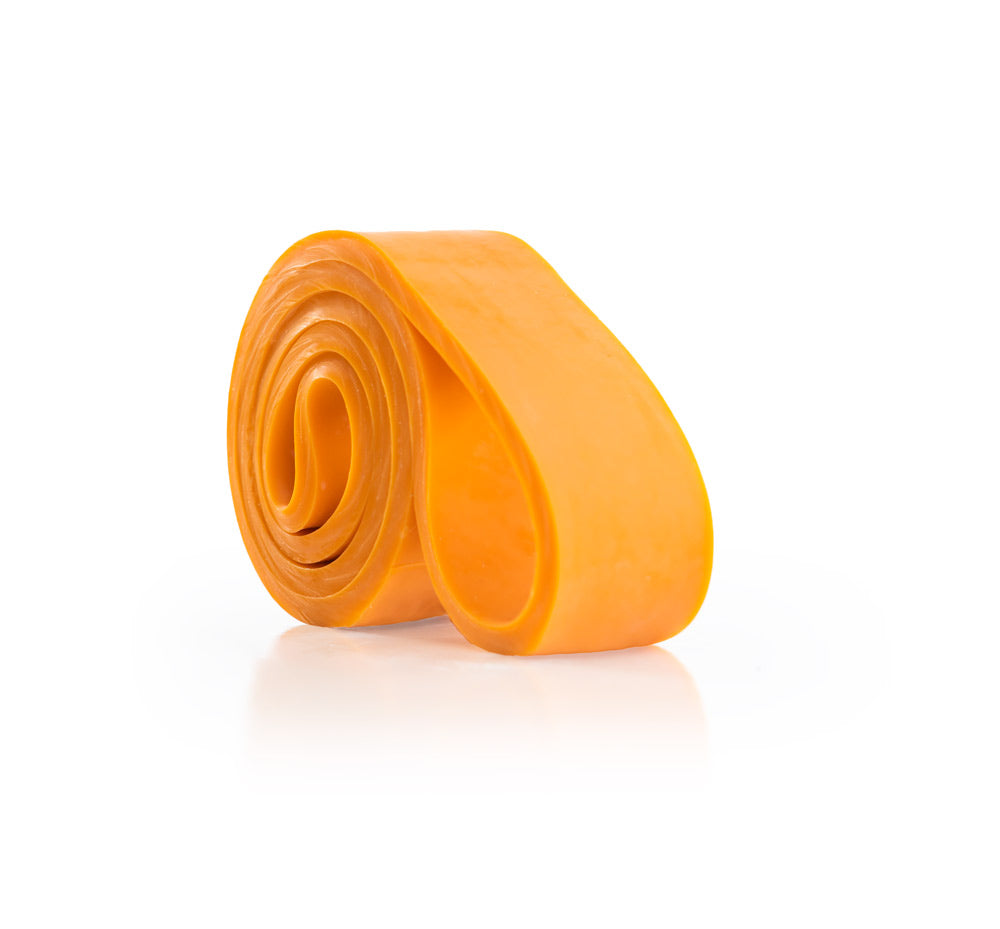
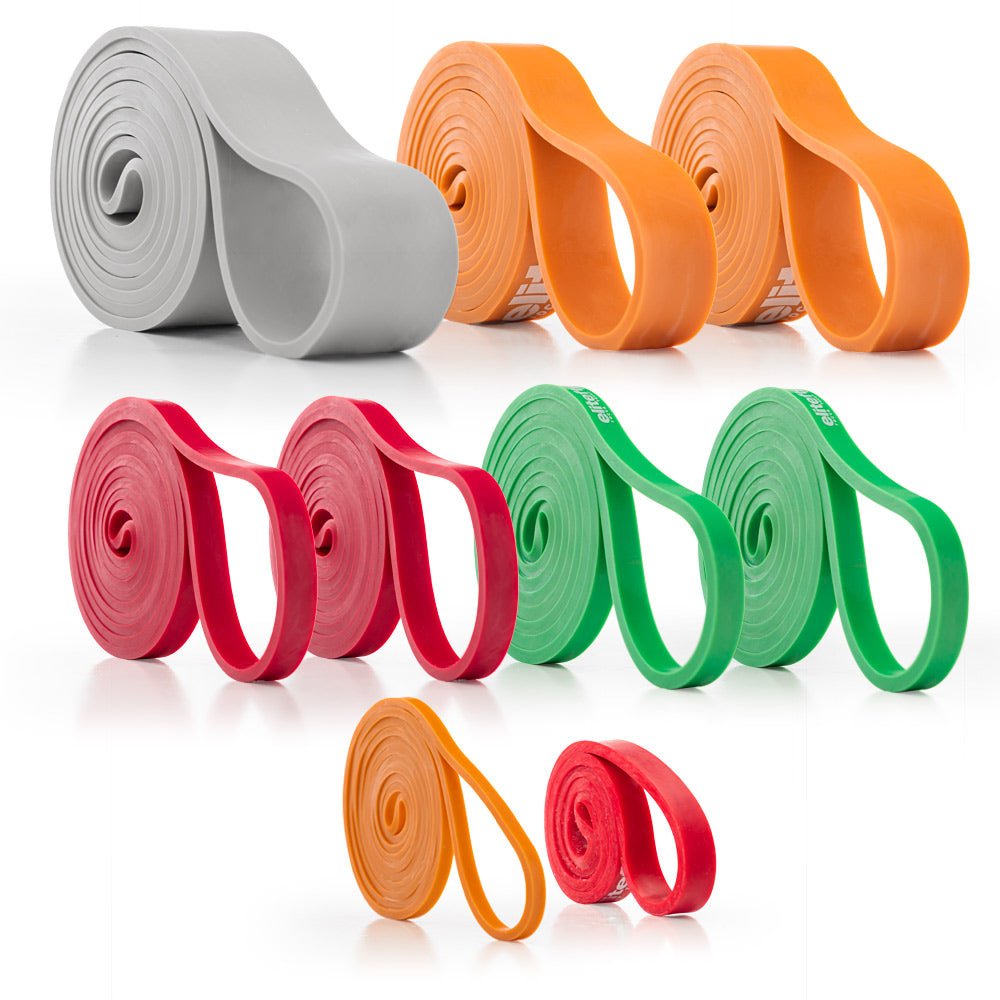
If you want one compact tool for standalone grip work, The Grip Kit gives you multiple resistance levels for crushing, pinching, and supporting grip work. Portable, simple, and easy to use consistently.
The Mental Side of Grip
Grip isn’t only physical. It’s also commitment.
Louie Simmons told me he’d never train with anyone who didn’t scare him in one way or another. There’s a difference between training and just working out, and nowhere is that more obvious than in a heavy deadlift, where grip is the limiting factor.
The lifter who crushes the bar from the moment they touch it is not the same as the lifter who grabs it and hopes it stays there.
Your approach matters. From the second your hands touch the knurling, you commit. You don’t ease into a heavy pull. You create tension before the weight leaves the floor, and that tension starts with your hands.
Every cue about leg drive, hip position, and upper back tightness is useless if your hands aren’t locked in. Grip is where the bar meets the body. If that connection is weak, everything above it is compromised.
Bottom Line
Grip fails because most lifters do not train it with the same intent they bring to everything else. Fix that.
You don’t need to rebuild your whole program. You need dumbbell holds a few times a week, binder clips during downtime, a smart plan for when to use straps, and enough variation to make your grip stronger under different conditions.
At elitefts, we’ve been around this long enough to know the lifters who stay in the sport are the ones who close every gap in their training—not just the obvious ones. Grip is one of those gaps for most people.
Go fix it.
Train your hands like the lift depends on them—because it does.