

For decades, many of us have been taught to fear letting our knees travel over our toes during exercises like squats. This idea, often presented as an absolute rule, has left people feeling hesitant and confused about how to build firm and resilient knees.
This guide will show you a different philosophy—a simple, step-by-step method for building knee strength safely by intentionally and progressively training this very position. This powerful approach is a blend of ideas from two legendary strength coaches, Louie Simmons and Charles Poliquin. It's the same system the program's creator used to get off painkillers and return to playing basketball, proving that what was once a source of fear can become your most significant source of strength.
The Foundation: Where This Philosophy Comes From
This methodology doesn't come from a single playbook; it synthesizes powerful concepts from two different but complementary worlds of strength training. By understanding the origins of these ideas, you can appreciate the logic behind the step-by-step progression.
|
Louie Simmons (Powerlifting) |
Charles Poliquin (Olympic Athletes) |
|
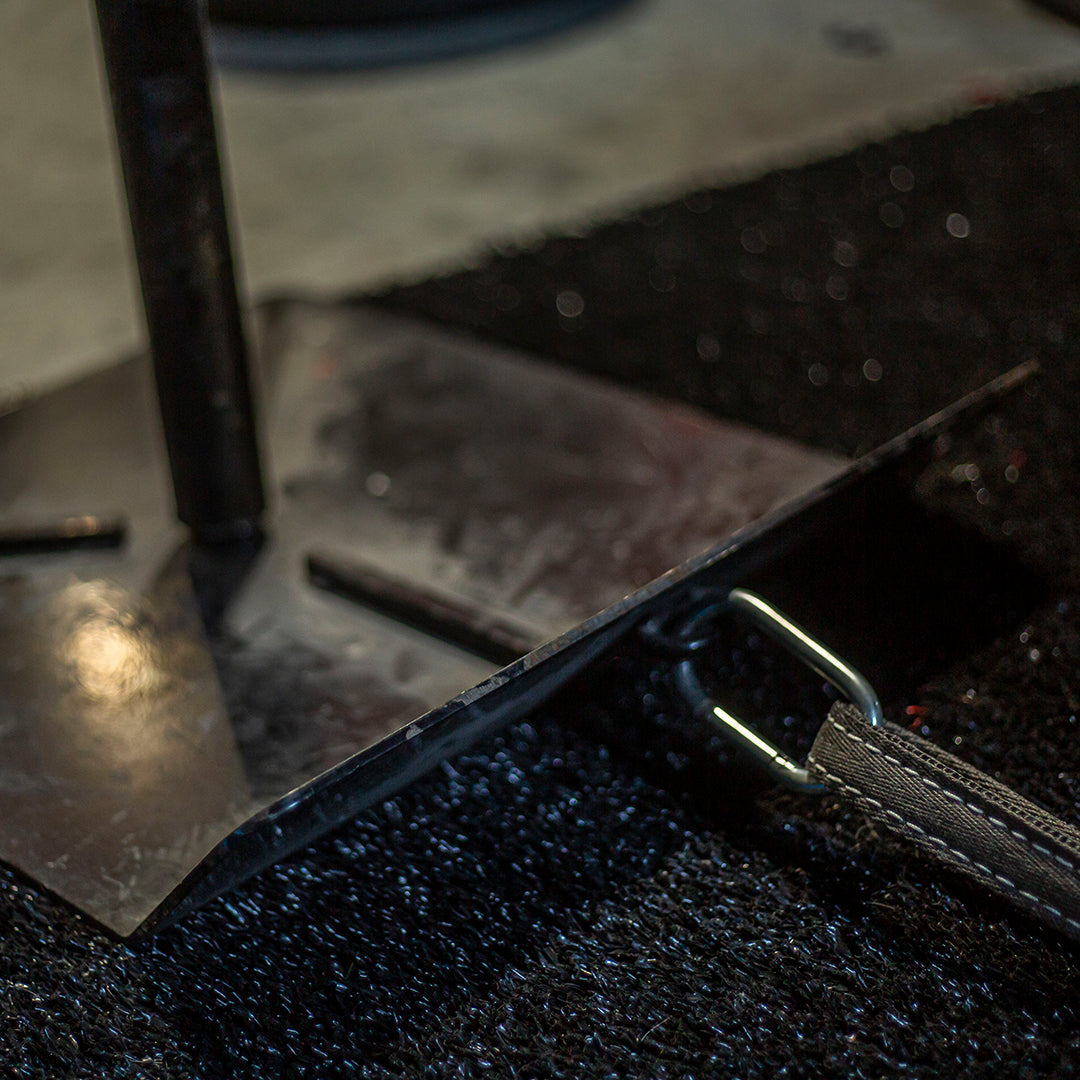
• Popularized the sled for resistance training. |
• Adapted the sled for backward drags to help athletes recover from knee injuries. |
|
• Sled work is concentric-only (no lowering phase), making it exceptional for recovery. |
• Progressed athletes to reverse step-ups to build eccentric control and stability. |
|
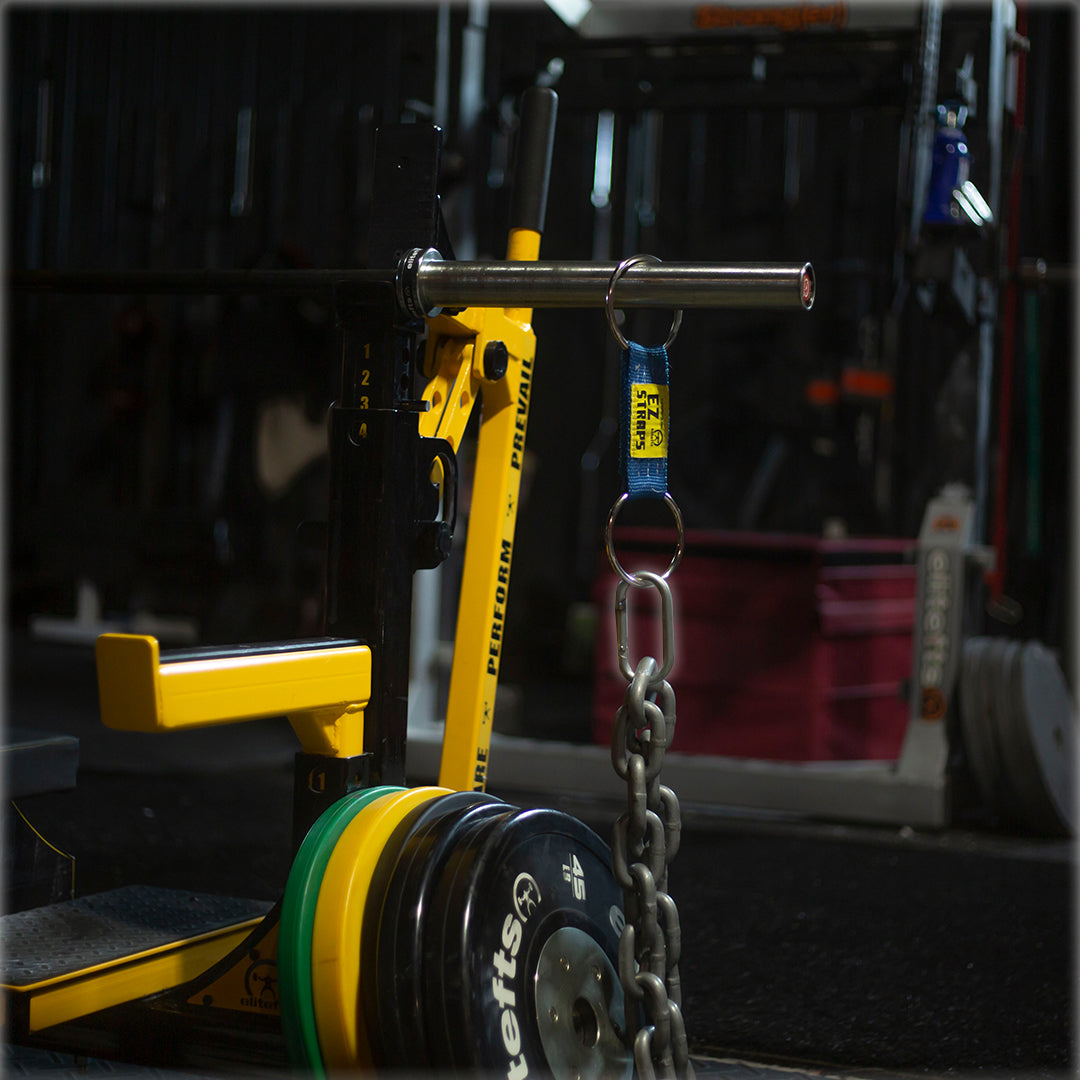
• Invented/popularized barbell chains to accommodate an athlete's strength curve during squats. |
• Used these principles to help Olympic skiers go from constant knee surgeries to winning medals. |
Simmons provided the tools for building raw, pain-free strength (concentric), while Poliquin provided the methodology for adding essential control and stability (eccentric). Together, they create a complete system for bulletproof knees.

Your Step-by-Step Path to Stronger Knees
The key to this philosophy is logical progression. You start with movements that are pain-free and build a solid foundation, only adding complexity and load once you've mastered the previous step. This ensures you are always building strength, not causing strain.
Step 1: Build a Pain-Free Base with Backward Sled Drags
Your journey begins by strengthening the knee in the "knees over toes" position without the stress of handling weight on the way down. The backward sled drag is the perfect tool for this. Every step you take backward strengthens the muscles around the knee in that "over-the-toes" position, but the sled's design removes the stressful lowering (eccentric) phase of the movement.
This concentric-only work is incredible for recovery because it increases blood flow to the joint without causing the typical muscle damage associated with lowering a weight.
"With the sled, you get to work the 'knee over toes' position, but you're not having to handle the way down. There's no eccentric... It's concentric, concentric, concentric, so it's helping with recovery."
For a beginner, this is the most crucial benefit. You are building foundational strength and promoting healing blood flow around the knee joint. This is precisely why the exercise allowed the program's creator to get off painkillers and regain function.
Step 2: Master Control with Reverse Step-Ups
Where the backward sled built your foundational strength without stressing the joint on the way down, the reverse step-up teaches you how to master that downward phase. This control is essential for building stability and preventing future injuries. The primary exercise for this phase is the "reverse step-up," also known as the "Poliquin step-up."
This exercise is accessible to anyone, regardless of their current strength level. You can scale it easily to meet you where you are:
-
Start small: Think of it "just as if you were hiking downhill... and you took a small step." You don't need a large range of motion at first.
-
Use support: Feel free to use a "walking stick" or find "something to hold on to" for balance and support.
- Adjust the incline: You don't need a full slant board to start. A less steep angle or even a flat surface works perfectly.
The goal of this step is simple: to gain confident control of the "knees over toes" position without pain."
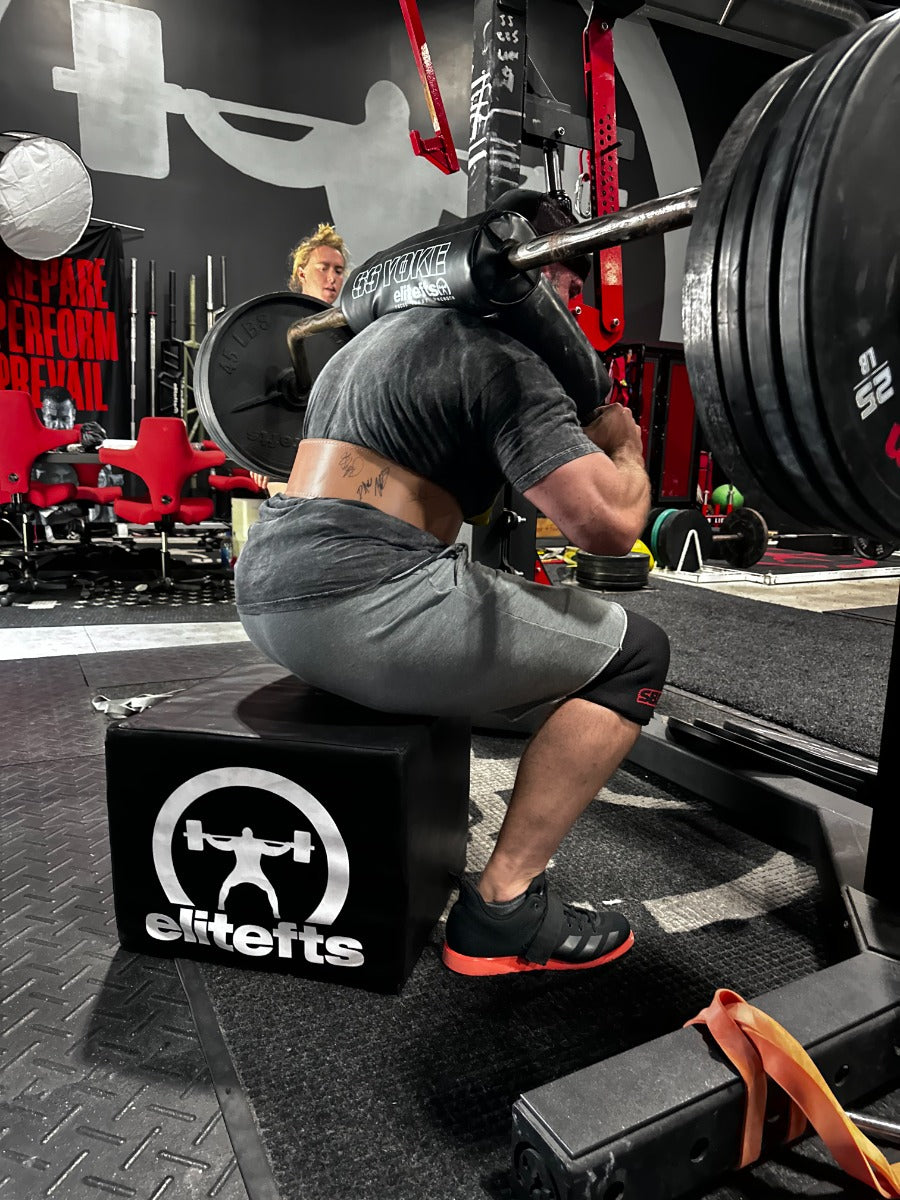
Step 3: Integrate Full-Range Strength with Squats & Chains
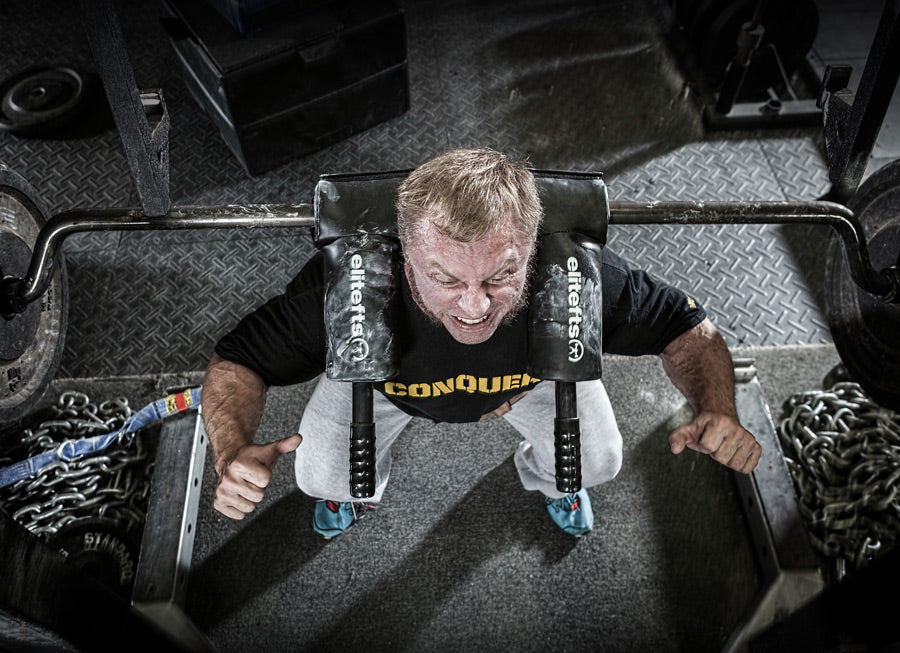
This is the pinnacle movement for developing explosive athletic ability, especially for improving vertical jump—the "king of vertical jump exercises." For many athletes, there is a conflict: squatting to full depth is crucial for joint health and performance, but going that deep often means using less weight. This exercise solves that problem.
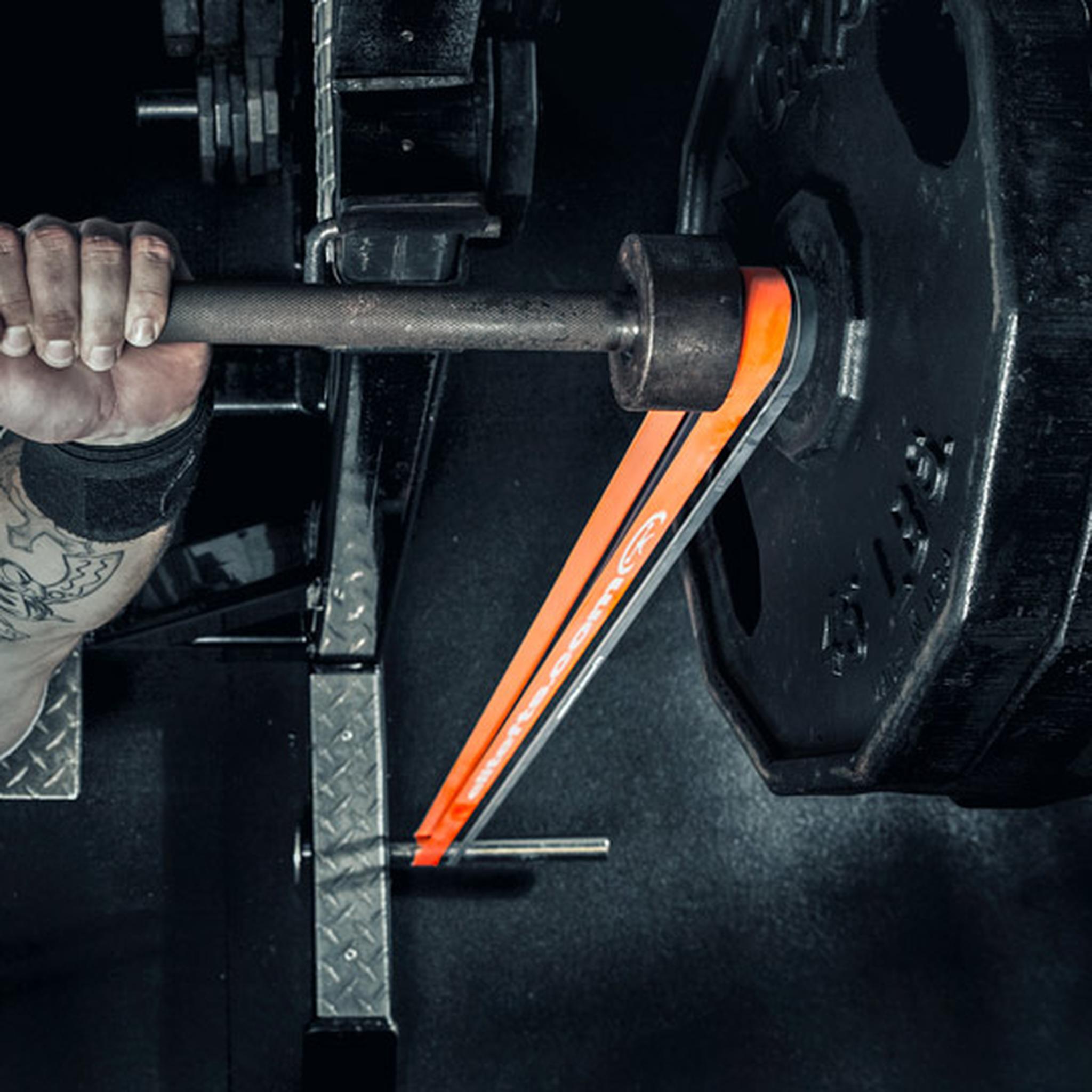
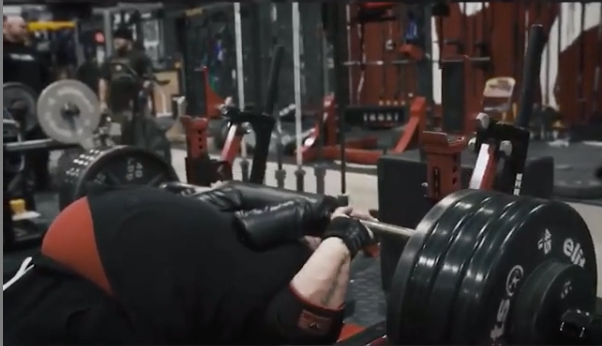
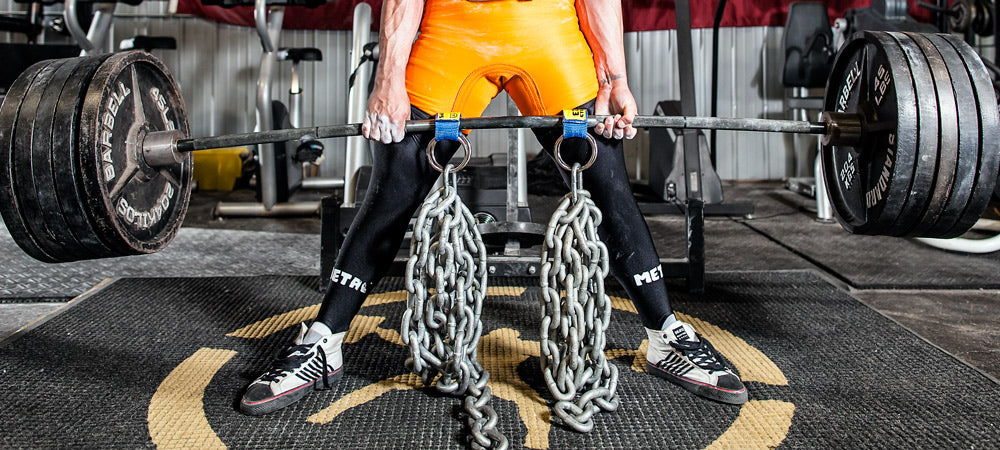
By adding chains to the barbell, you can train a full range of motion without sacrificing load. The chains provide three key benefits:
-
Accommodates Strength: The chains make the weight lighter at the bottom of the squat (where you are weakest) and heavier at the top (where you are strongest). This allows you to challenge your muscles effectively through the entire lift.
-
Encourages Depth: Because the load gets lighter as you descend, it "would actually encourage guys to go deeper," making it easier and safer to reach a full range of motion.
- Provides Audible & Coachable Feedback: When you set the chains correctly, you can hear them dragging on the floor until you reach the bottom. When the sound stops, you know you've hit your target depth. This provides instant feedback, and it also allows for a brilliant coaching trick: a coach can subtly adjust the chains without the athlete knowing, forcing them to squat just a little bit lower to make the sound stop, progressively increasing their depth over time.
But what if you can't squat that low to begin with?
Common Question: What About Poor Mobility?
It's a common challenge: you try to squat deep, but a lack of mobility causes you to pitch forward. The solution is simple and remarkably effective: elevate your heels.
By placing a small weight plate or a specialized wedge under your heels, you can instantly change the mechanics of the squat, allowing your torso to stay more upright. The effect is profound.
"...if you elevate those heels enough, every guy in the team can get all the way down."
Let's address a standard critique head-on: Is this just a temporary solution for poor mobility? The answer is no. This is a strategic tool that allows you to train the full range of motion safely while you simultaneously work on improving your ankle and hip mobility through other exercises. It lets you reap the benefits of deep squats today, rather than waiting until your mobility is perfect.
A New Philosophy for Knee Health
Building strong, bulletproof knees doesn't have to be complicated or scary. By following a logical progression, you can turn a position of fear into a foundation of strength. The path is clear: start by building a pain-free foundation with concentric-only movements, such as backward sled drags. Then, master control on the way down with reverse step-ups. Finally, integrate that strength through a full range of motion using squats with chains.
This logical progression proves that the "knees over toes" position, once a source of fear, is actually the key to unlocking truly strong, resilient, and pain-free knees.