

The GHR Paradox: Why Strength Doesn’t Equal Execution
The Glute Ham Raise (GHR) is the gold standard for developing hamstrings that can survive the demands of elite sport, yet most lifters treat it like a sloppy accessory movement rather than a high-skill technical lift. At elitefts, we see a massive disconnect between perceived strength and actual execution. Take "Nick" at a recent training event: he walked up to the machine with a big grin, claiming he regularly knocks out 15 to 20 reps. However, once we applied strict technical standards, Nick couldn’t even descend a single inch on his first rep. He went from "strong" to stalled in seconds.
The "So What?" is simple: Because the entry-level barrier for a GHR is full bodyweight, most athletes are forced to trade integrity for reps. When an exercise is too heavy to perform correctly, the body subconsciously finds the path of least resistance. This creates "ego-driven disasters" in which the lifter moves through space while the hamstrings barely do the work. If you can’t control the movement under your own weight, you aren't training your hamstrings—you're just training your ability to cheat.
Deconstructing the "Cheat Sheet" for Poor Performance
In most commercial gyms, GHR execution is an exercise in spinal extension and hip compensation. If your goal was to intentionally strip every ounce of tension away from the hamstrings, you would follow this "cheat sheet" of common errors:
-
Flared Foot Position: Setting up in a wide "sumo" stance with feet turned out.
-
Loss of Heel Pressure: Letting the heels lift off the plate kills the stable base required for hamstring recruitment.
-
Knees Inside Ankles: Using a stance so wide that the knees collapse inward, breaking the kinetic chain.
-
Anterior Pelvic Tilt: Dumping the pelvis forward and arching the lower back to "shorten" the distance.
-
Spinal Extension: Arching the entire spine to "whip" the body back to the top.
- Overactive Glutes: Squeezing the glutes into extension, which paradoxically forces the spine into a compromised arch.
These mechanical failures shift the load away from the hamstrings and dump it directly into the lumbar spine and glutes. To fix this, we need an engineering solution that allows for perfect mechanics before adding the load.
The Engineering Solution: Benefits of the Assisted/Resisted GHR
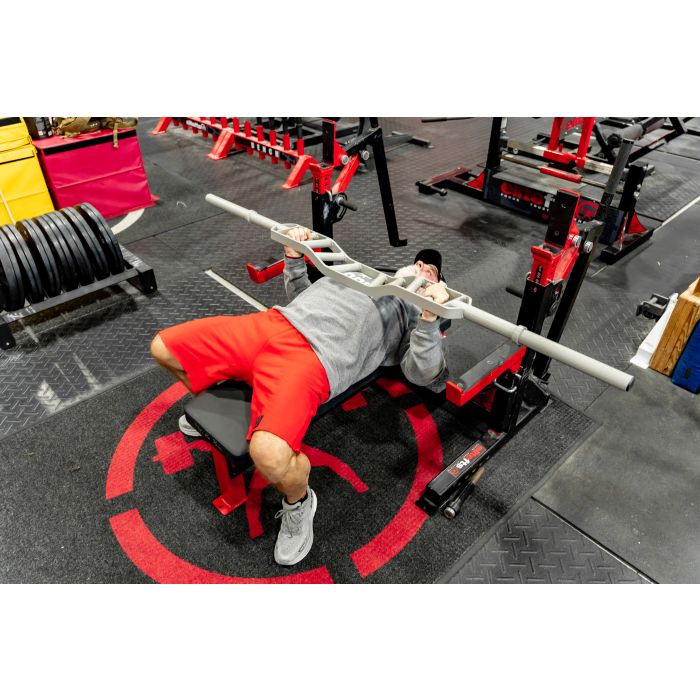
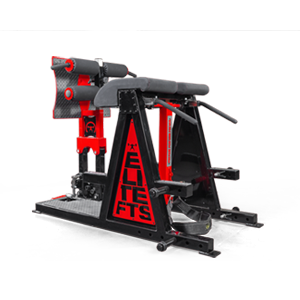
The Assisted/Resisted GHR isn't a "scaled-down" version for weak lifters; it is a precision tool designed to bridge the gap between technical failure and optimal stimulus. By providing adjustable assistance, we allow athletes to maintain the correct posture and actually hammer the hamstrings in the positions where they are most vulnerable.
Strategic advantages of the Assisted/Resisted unit include:
-
Lengthened State Training: It allows for controlled execution in the fully lengthened position—the "red zone" where most hamstring injuries occur and where resiliency is built.
-
Heavy Loading without Spinal Compression: Unlike stiff-leg deadlifts or Good Mornings, the GHR provides massive hamstring stimulus without crushing the spine, making it a superior choice for high-frequency training.
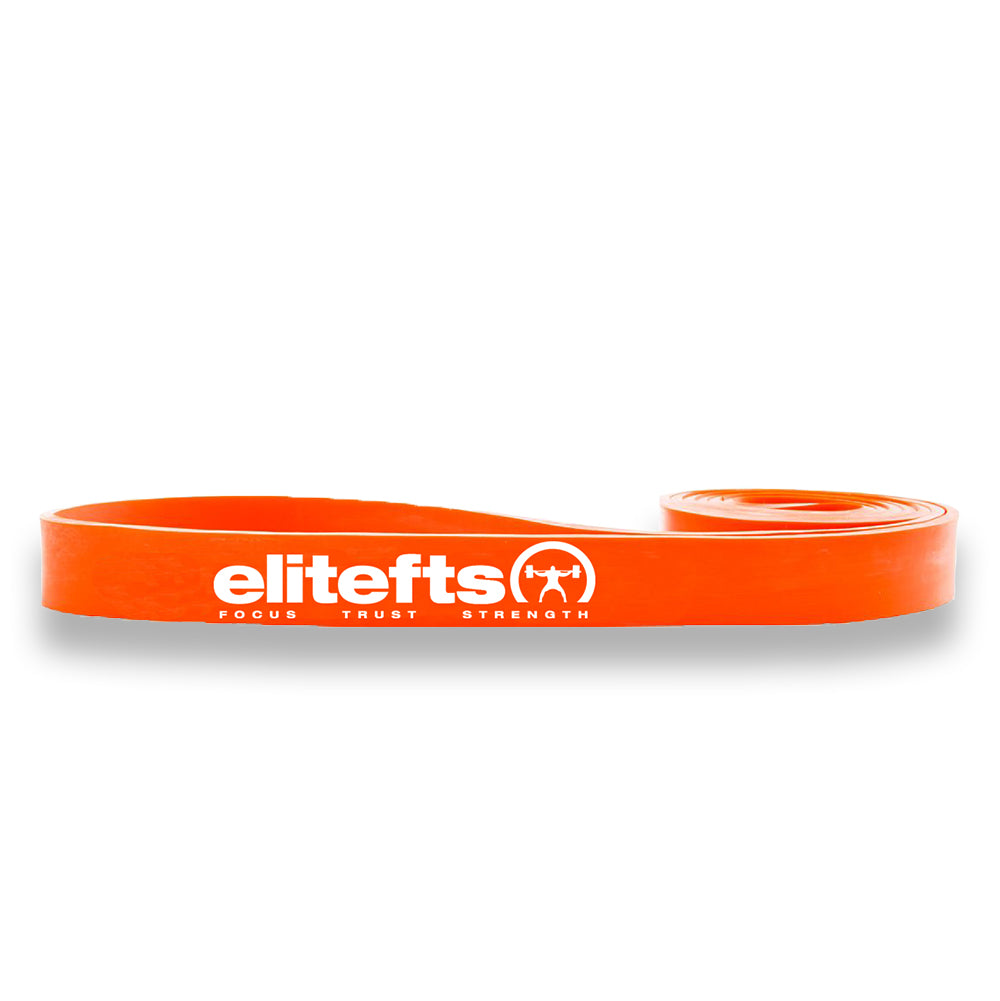
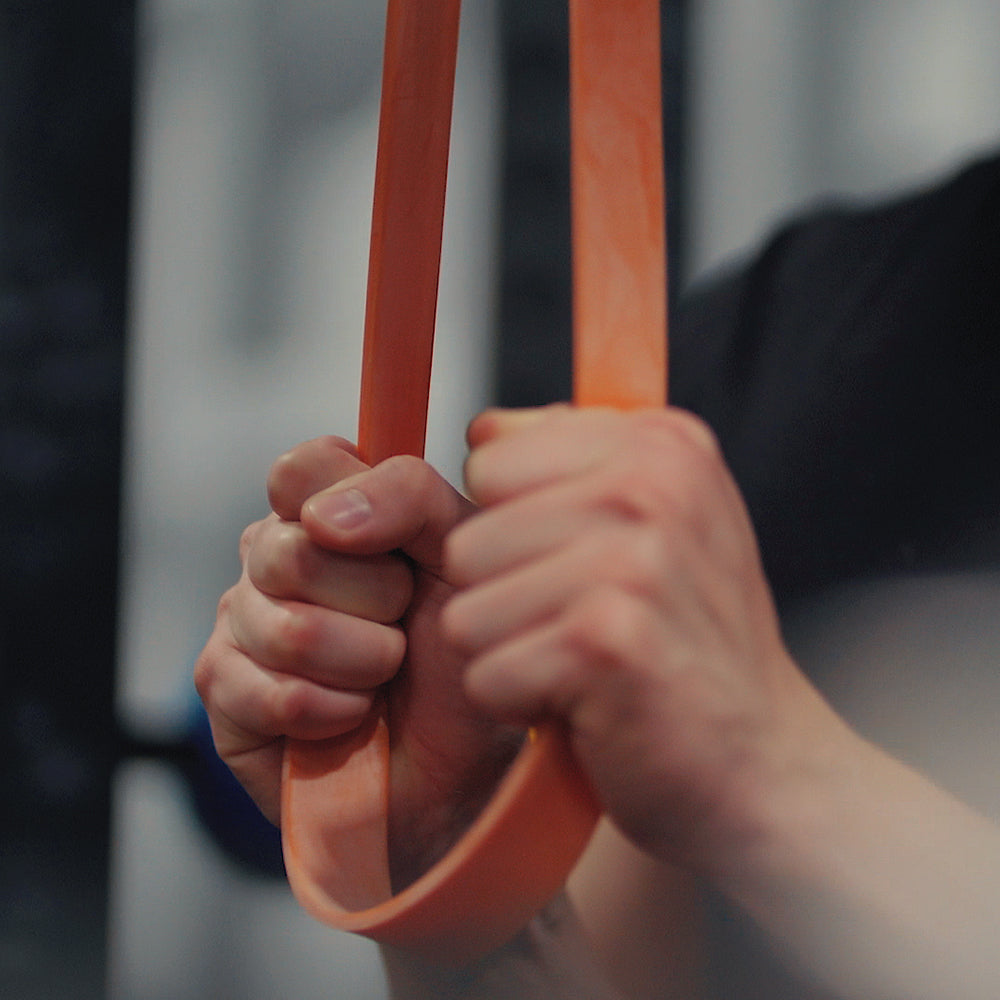
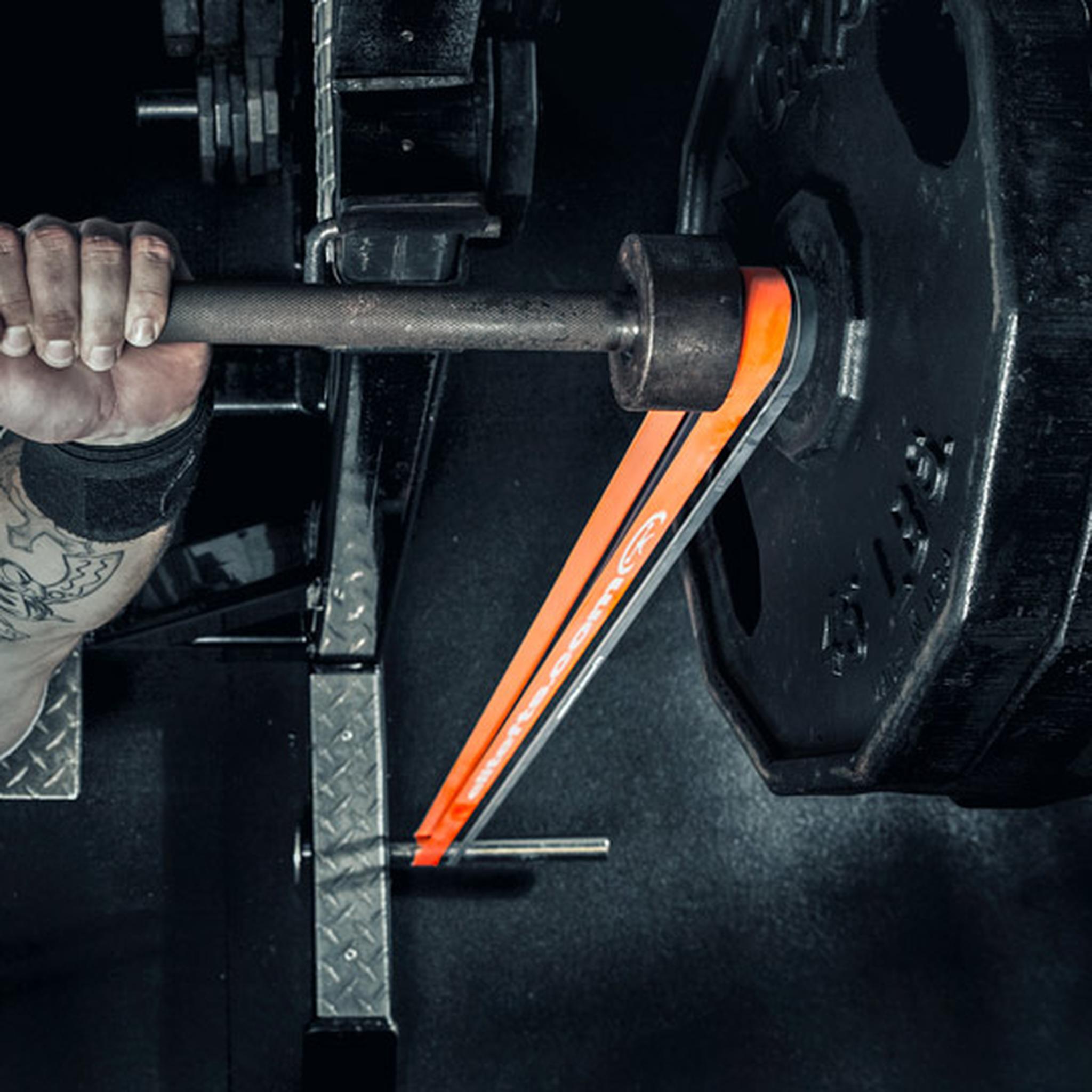
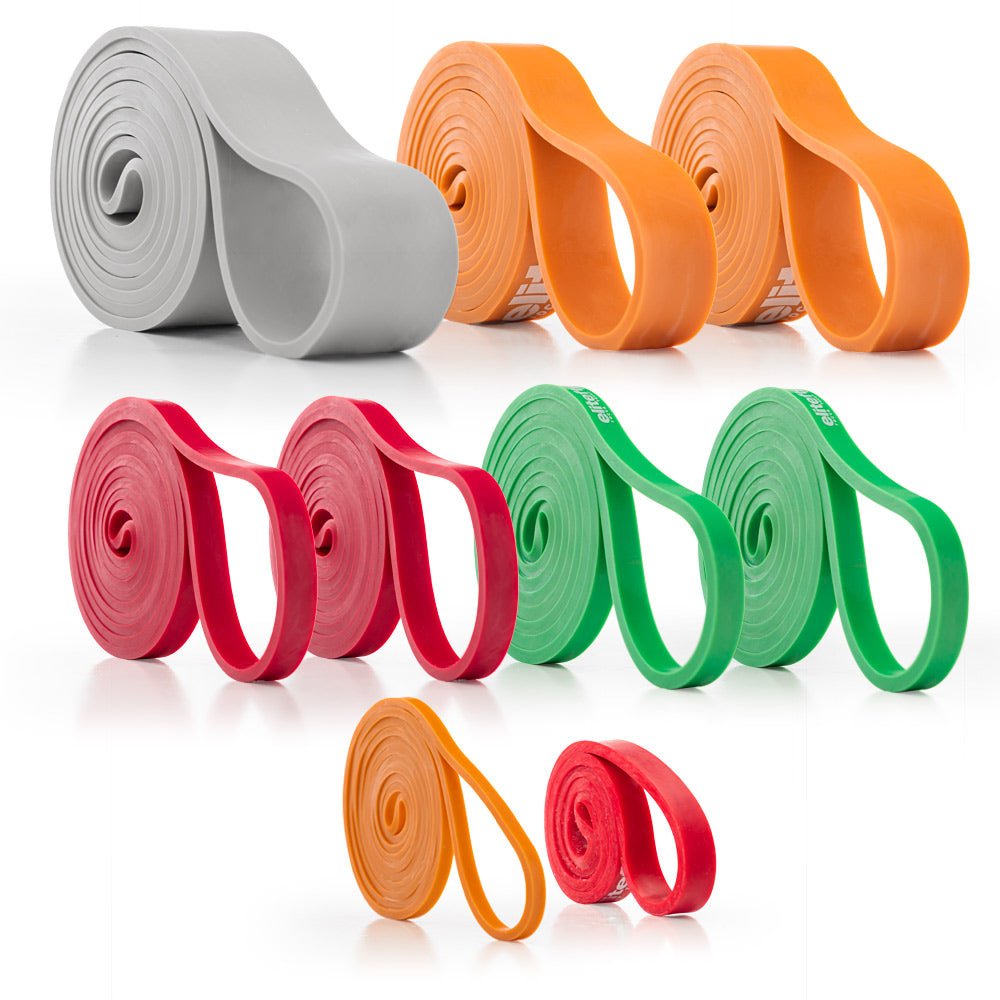
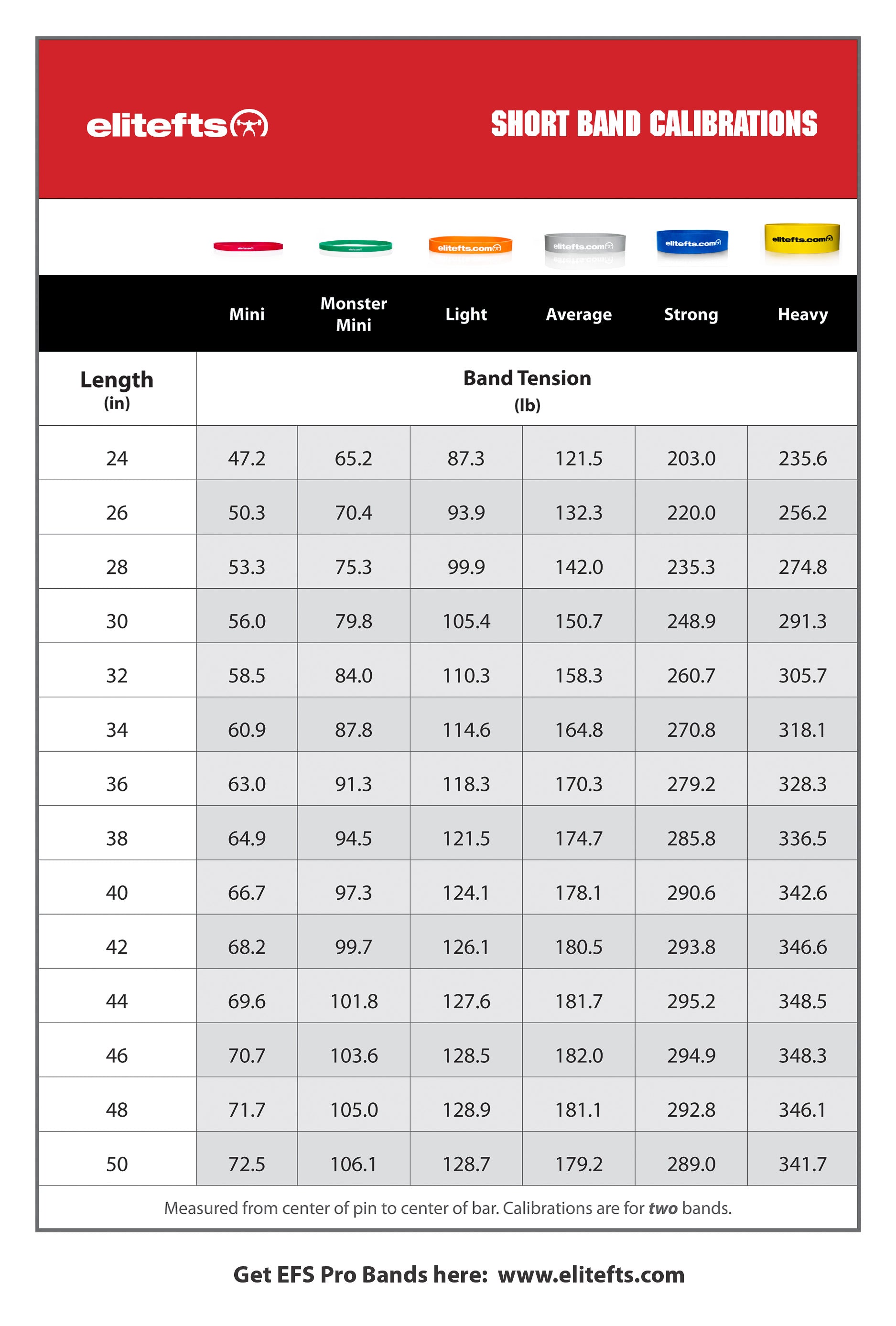
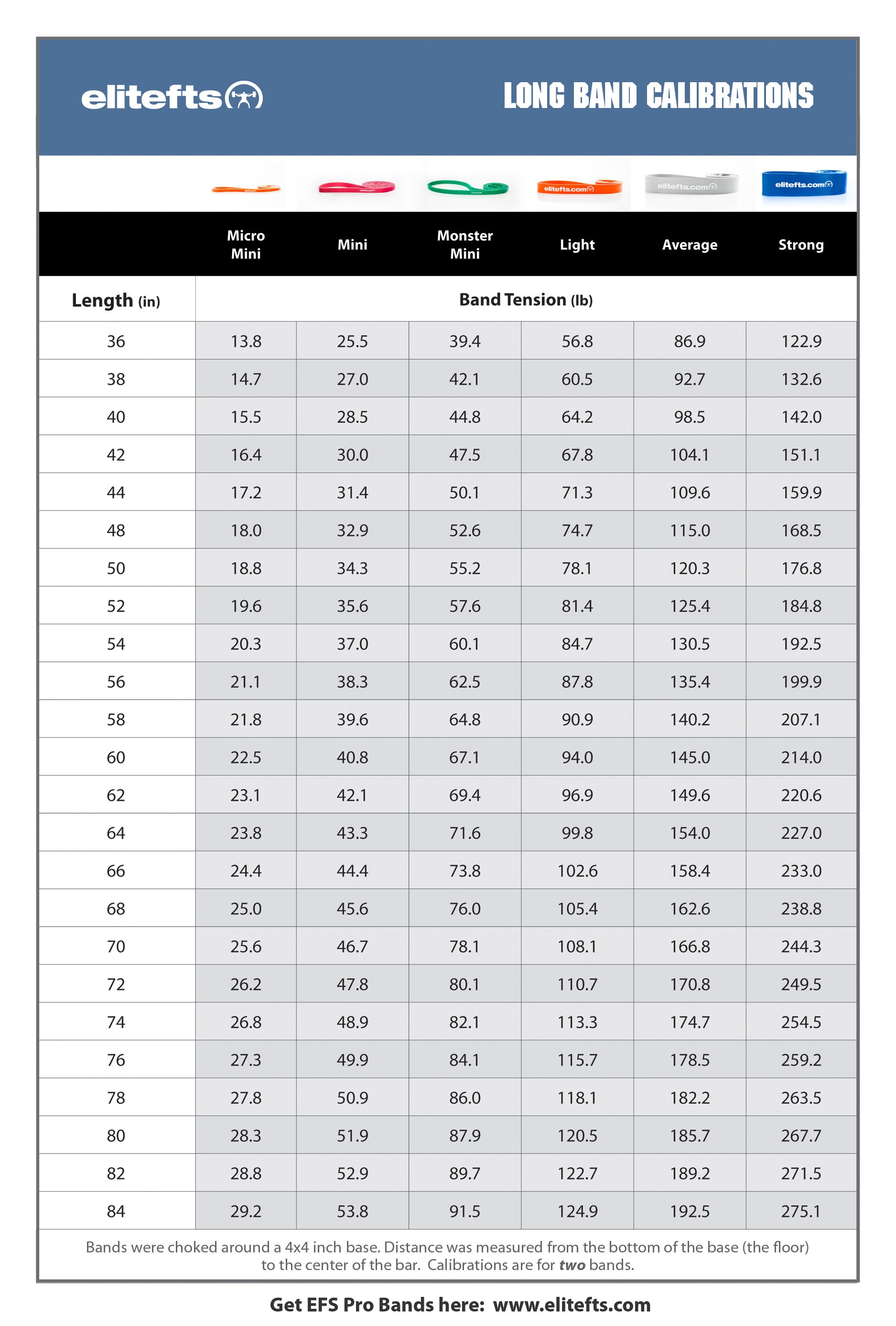
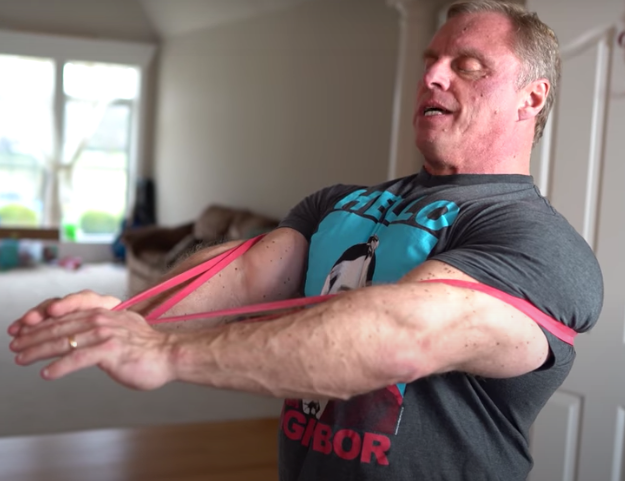
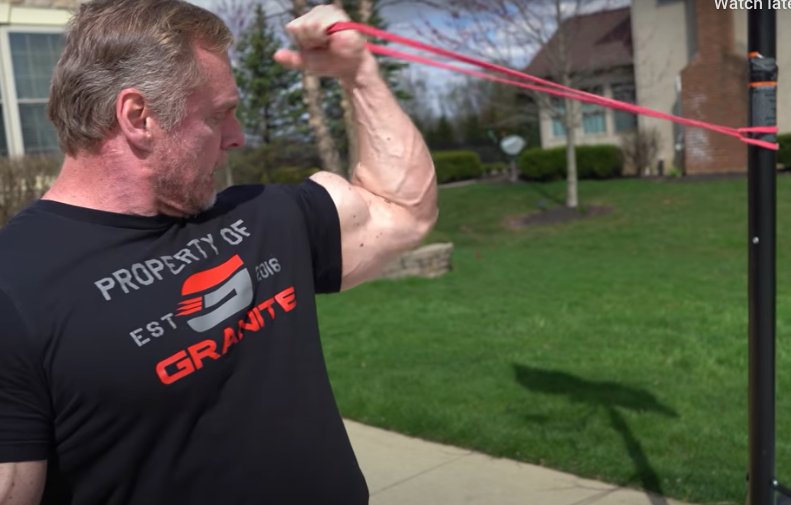
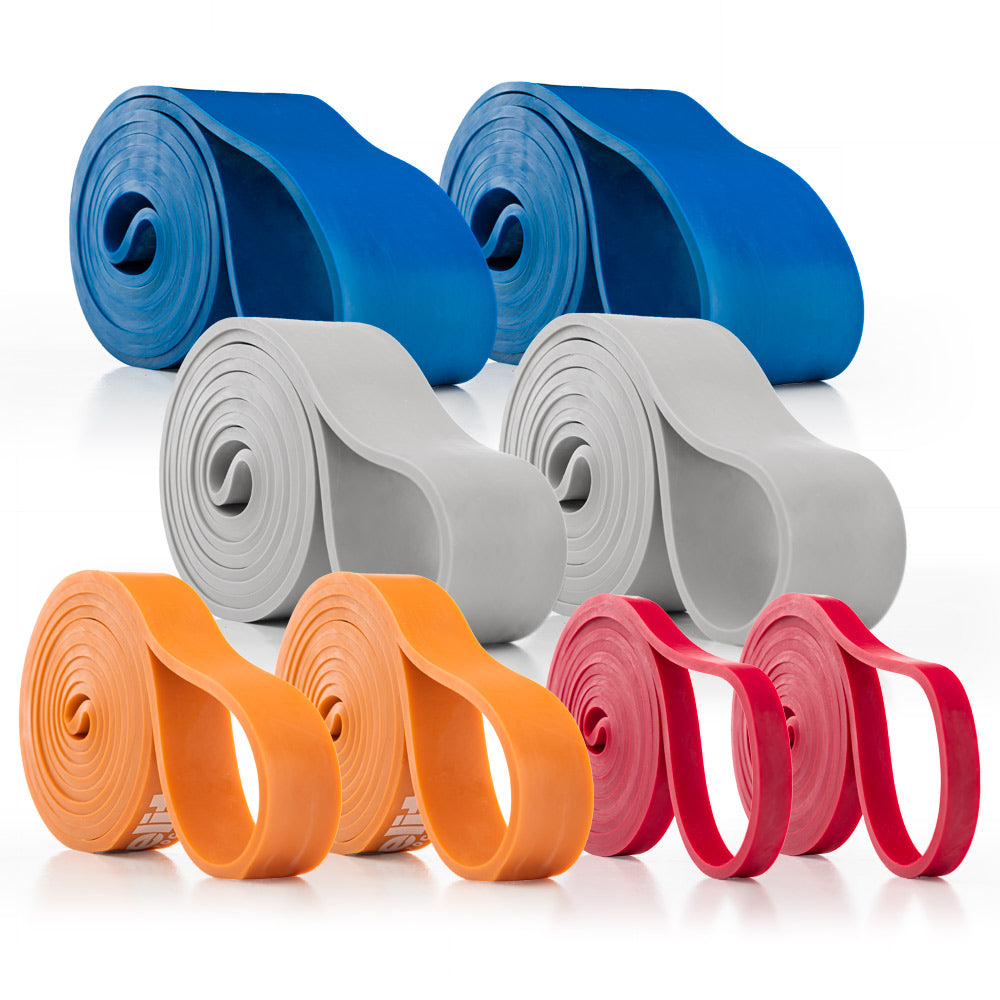
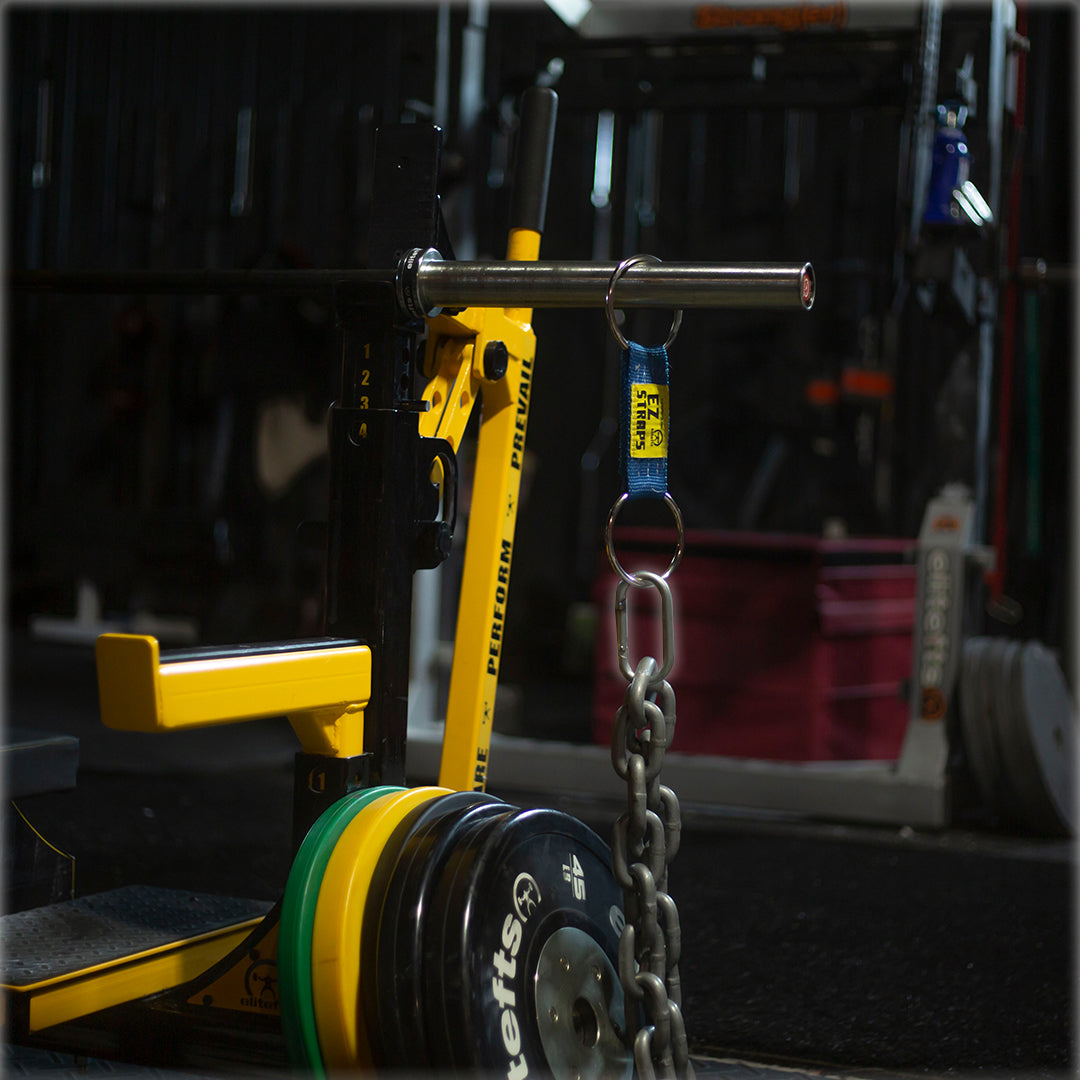
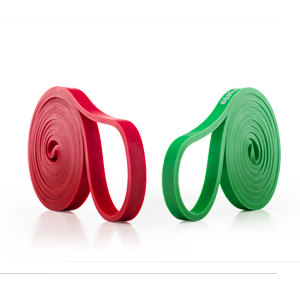
- Solving the Band-Assistance Flaw: Traditional band-assisted setups involve anchoring a band around the chest. This is counter-productive because the band actively pulls the chest back into extension—the exact postural error the lifter is already fighting. This unit provides assistance without compromising the "packed" torso position.
Technique Masterclass: The "How-To" for Optimal Tension
Executing a GHR correctly will humble any athlete. The objective is to keep the hip joint static, removing its ability to cheat by flexing or extending.
Tactical Execution Guide
-
The Stance: Set your feet in a conventional deadlift or vertical jump stance (straight forward). Ensure shins are parallel; do not let the knees sit inside the ankles. Keep your whole foot planted firmly on the platform.
-
Pelvic Alignment (The "Tuck"): Achieve a posterior pelvic tilt by pulling your tailbone down toward the floor. The primary indicator of success is the waistband cue: your waistband should be level from front to back, not dipping down in the front.
-
The Glute Paradox: Ensure there is zero tension in your glutes. Because your hip is already "stacked" and fully extended in the neutral starting position, the glutes should just be "hanging out." If you squeeze them, you will likely drive yourself back into an arched extension.
-
Torso Position: Imagine the beginning of a cable crunch. Pull your ribs down and "hug" the pad with your sternum. Spread your collarbones and keep your neck long with the chin tucked.
-
The Descent (The Leg Extension Cue): This is the central "Aha!" moment. As you move forward, do not think about your hamstrings. Instead, think "Leg Extension." Push yourself away from the footplate with your quads. This quad-driven push is the secret to keeping your torso "hugged" to the pad and maintaining the pelvic tuck.
- The Ascent: Only after you have reached the bottom with a controlled descent do you focus on the hamstrings to pull yourself back up. Maintain the "hug" on the pad through the entire range.
From Ego to Excellence
The GHR is only as effective as its execution. When done correctly, the hip does not flex or extend; it simply holds the position while the hamstrings manage the load across the knee joint. By removing glute and lower back compensation, you force the hamstrings to bear the entire burden of the movement.
Shifting from "hitting reps" to "maintaining tension" is how you build a robust, injury-resistant posterior chain. You will be humbled, your rep counts will drop, and you will likely realize you’ve been doing them wrong for years. That is the price of progress.
Stop trading integrity for reps. Explore the Assisted/Resisted GHR to fix your execution gaps and start building true hamstring resiliency.