

The Sudden Shift from Athlete to Patient
The transition from elite performance to a hospital bed is a jarring, violent shift. One moment, you are handling 660lb squats; the next, you are navigating the indignity of "bed rest and bed pans." Whether it is a catastrophic bilateral quad rupture or a recurrent pec tear that looks like "sewing wet cardboard to wet cardboard," the physical trauma is only half the battle.
To understand the stakes, consider the reality of a failed repair: imagine a surgeon pulling 36 inches of nylon fiber wire from a wound that looks like a "brain with a wire coming out of it." This is the "trenches" of recovery. Tendons are re-attached in the OR; athletes are rebuilt in the headspace between sets. Physical healing is impossible without a structured psychological strategy to manage identity and doubt.
The Identity Crisis: "Who Am I When I’m Not Lifting?"
For the high-level lifter, the gym is the primary source of community, significance, and self-worth. When an injury strips away the ability to perform, athletes fall into a "weird spot" where they no longer recognize themselves. This crisis is a filter; it removes those in it for ego and leaves the adaptable.
Recovery is a forced transition from a "childhood need for validation"—where worth is tied to the weight on the bar—to an "adult sense of self-respect." This period is not a pause; it is a tactical pivot.
Action Items for Identity Diversification:
-
Audit Your Significance: Your value must transcend your three-lift total. Use this time to evolve from a "performer" to an "expert."
-
Master the "Other 22 Hours": Training is only two hours of your day. Recovery is won in the other 22. This means obsessive discipline regarding sleep hygiene, anti-inflammatory nutrition, and stress management to maximize the efficacy of a limited training window.
- Maintain Tactical Connection: Transition to coaching or mentorship. Using your "intellectual capital" to help others reinforces your value to the sport without requiring a physical load.
Mastering the Long-Term Timeline: The "Spiral Up" Methodology
The "meathead urge" is to chase previous numbers within 12 months. This is a recipe for re-rupture. The "Spiral Up" methodology requires a multi-year perspective, focusing on the interplay between dose per exposure (how much you lift in a single session) and exposure frequency (how often you train). Early recovery focuses on building the capacity for a high dose; later phases spread that work out to increase frequency and refine movement.
The Recovery Reality Check: Expected vs. Actual Timelines
|
Phase |
The "Meathead" Expectation |
The Elite Athlete Reality |
|
Initial Rehab |
Back to heavy work in 3 months. |
Relearning to walk; engaging VMO/Adductors. |
|
Foundation |
Chasing old PRs by month 6. |
Multi-year hypertrophy blocks to build tissue. |
|
Return to Load |
Competition-ready in 12 months. |
2–3 years to reach the previous baseline. |
|
Peak Performance |
Retired or re-injured. |
4–5 years to exceed old PRs via adaptability. |
Action Items: Mental Benchmarks
-
Celebrate Technical PRs: Treat a 315lb squat with perfect form with the same enthusiasm as an old max. These are the markers of a new trajectory.
- Acknowledge "Strike Zone" Limits: Recognize when you are "displaying" strength versus "building" it. In recovery, you are strictly a builder.

The Discipline of Restraint: Navigating "Movement Days"
Choosing a "movement day" over the urge to "grab stuff and lift heavy" is a tactical requirement for survival. To protect the repair, utilize Mechanical Disadvantage. By choosing movements that are inherently harder with less weight, you create high internal tension without the catastrophic external loads that threaten your recovery.
Action Items: The Restraint Protocol
-
The Self-Correction Question: Ask: "Am I doing this because I want to (ego), or because I need to (recovery)?"
-
Restraint-Focused Variations:
-
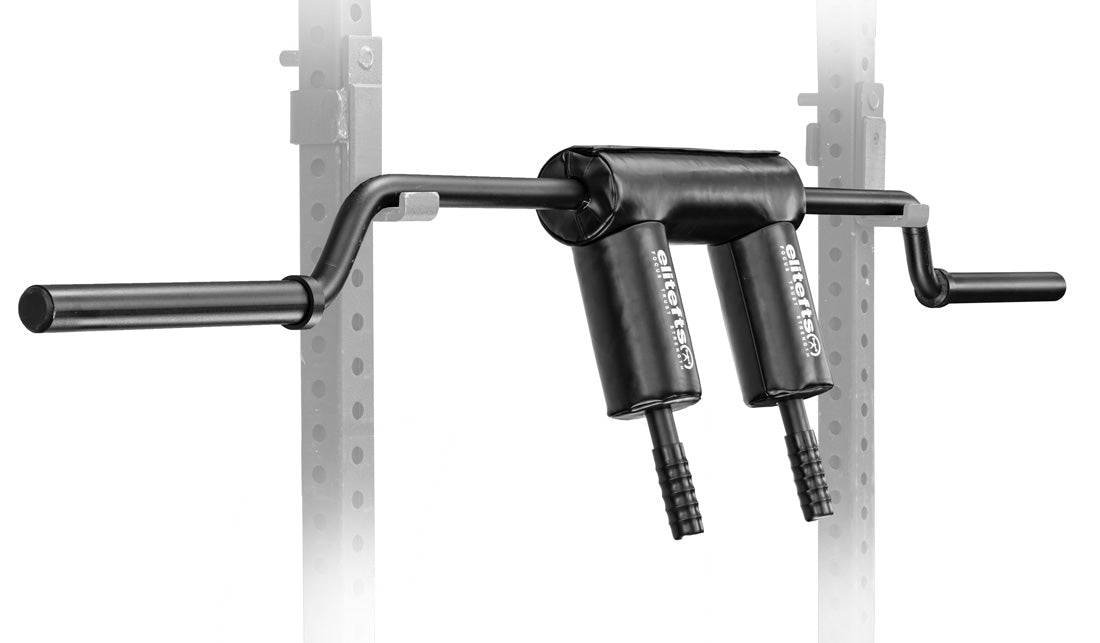
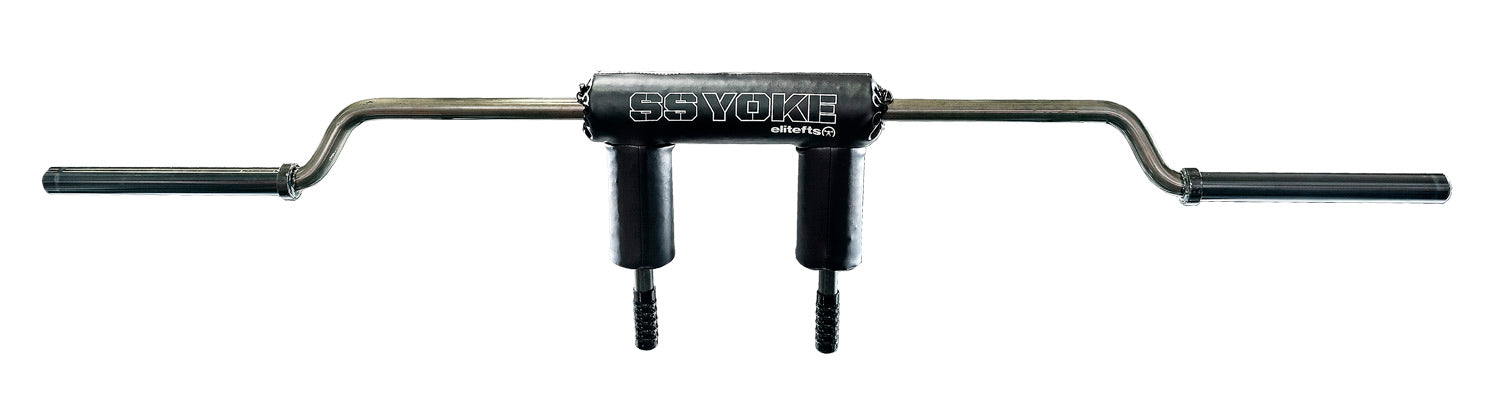
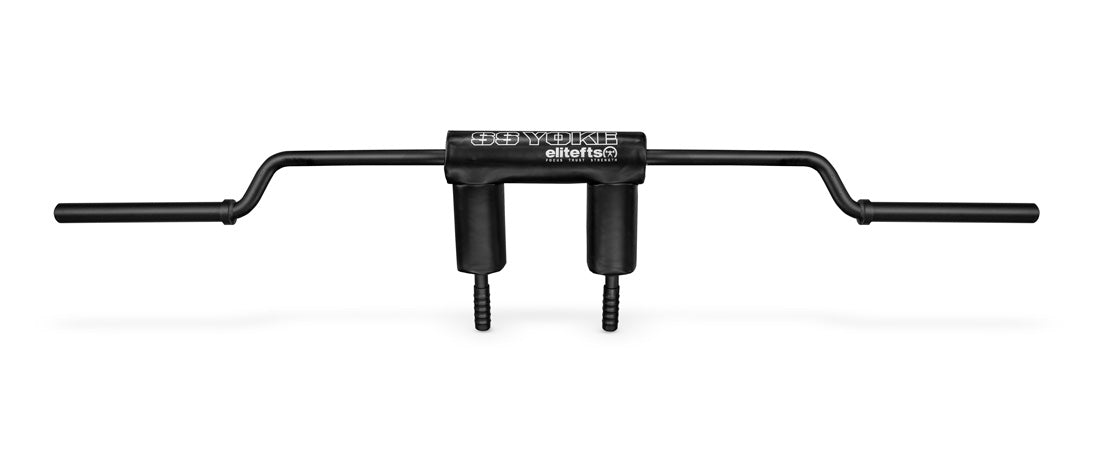
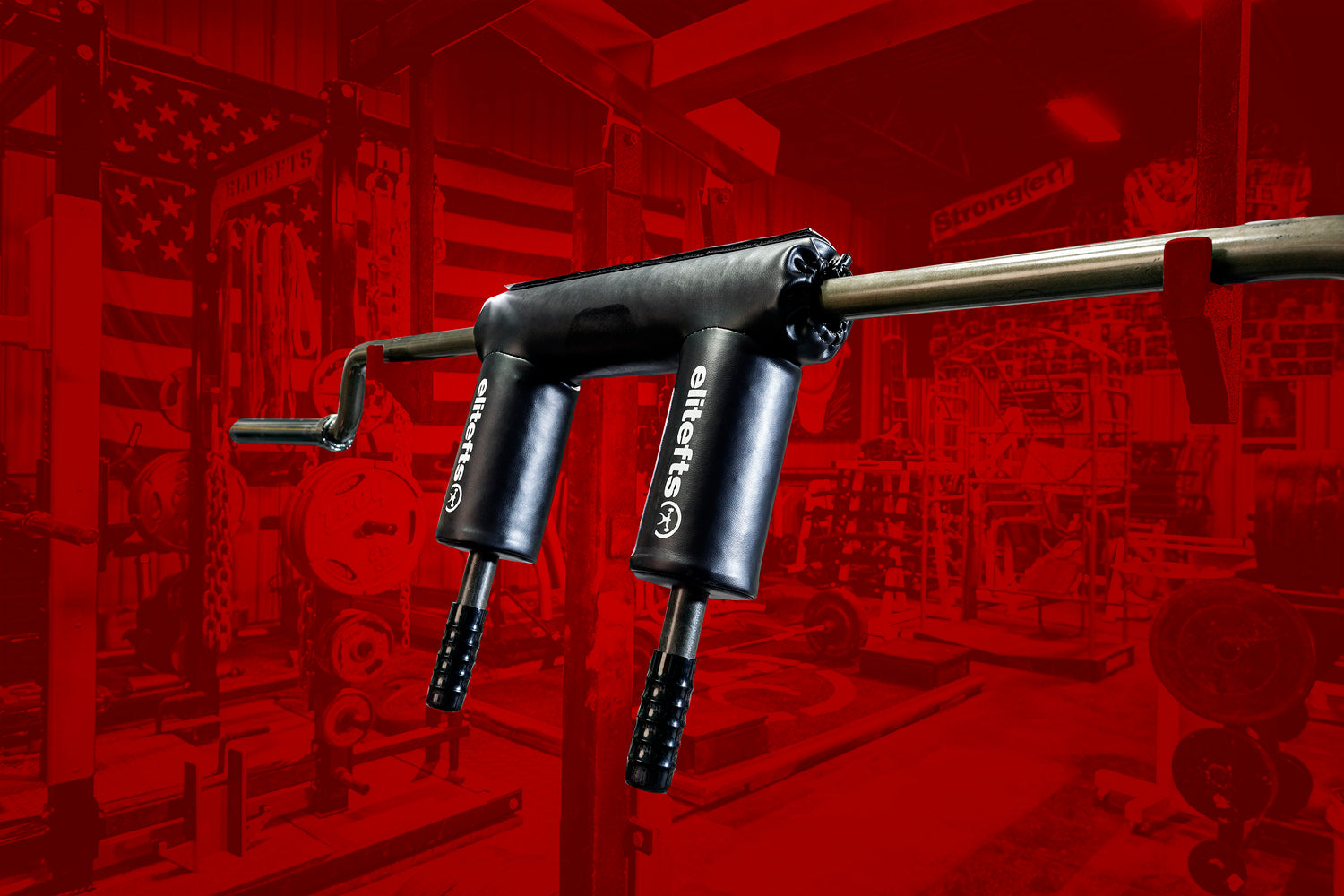
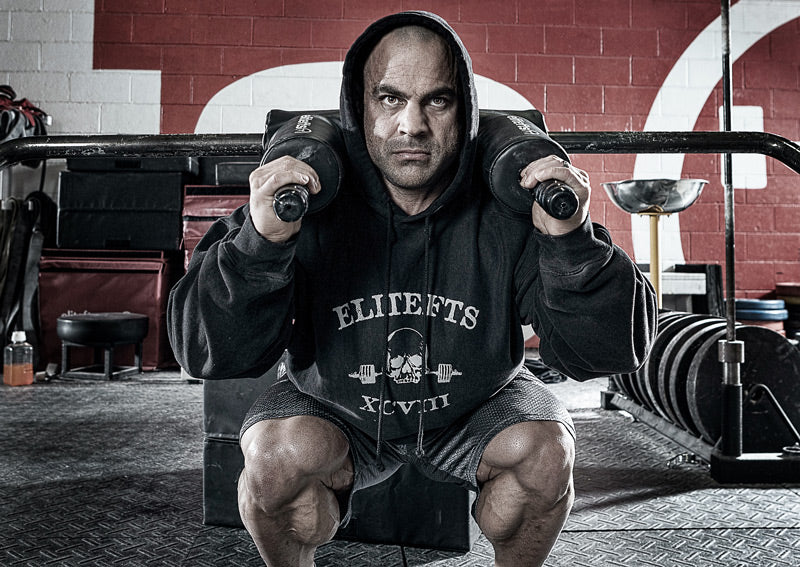
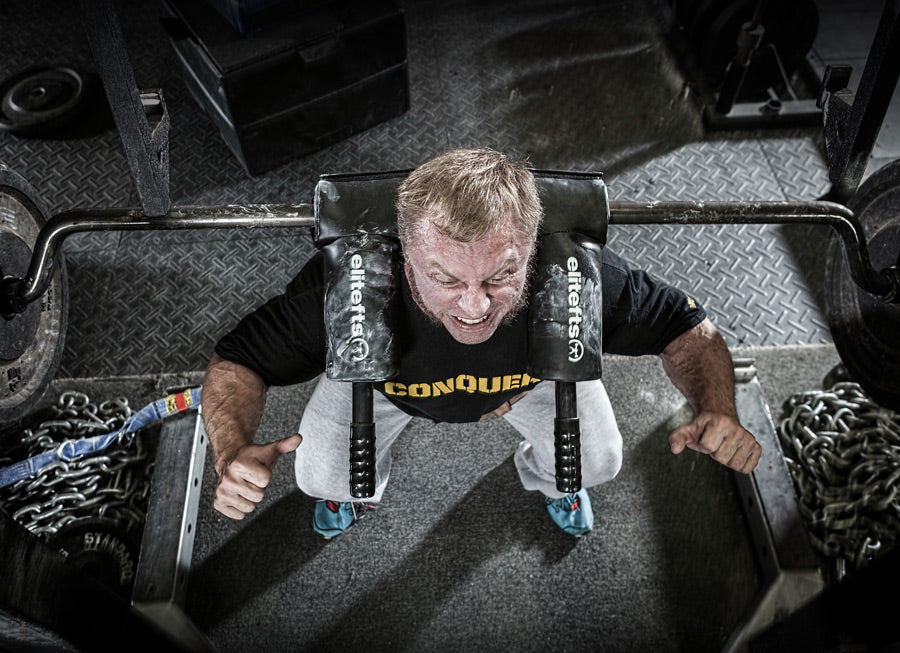
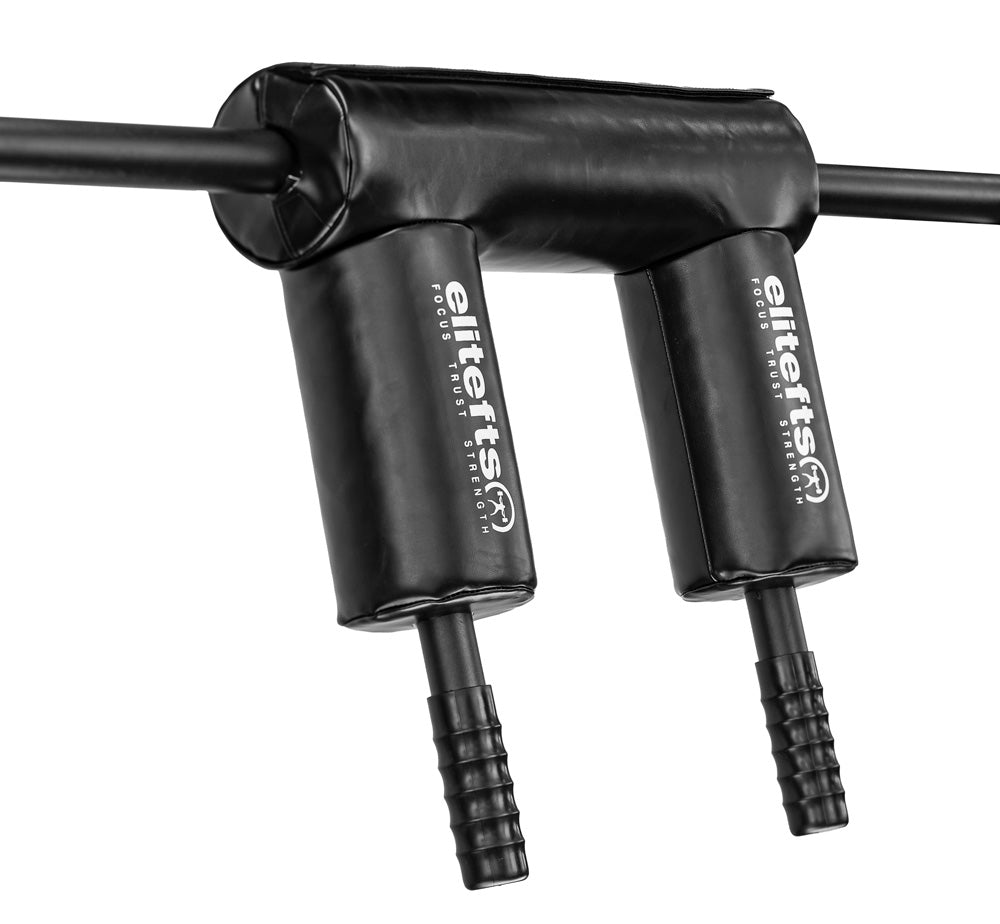
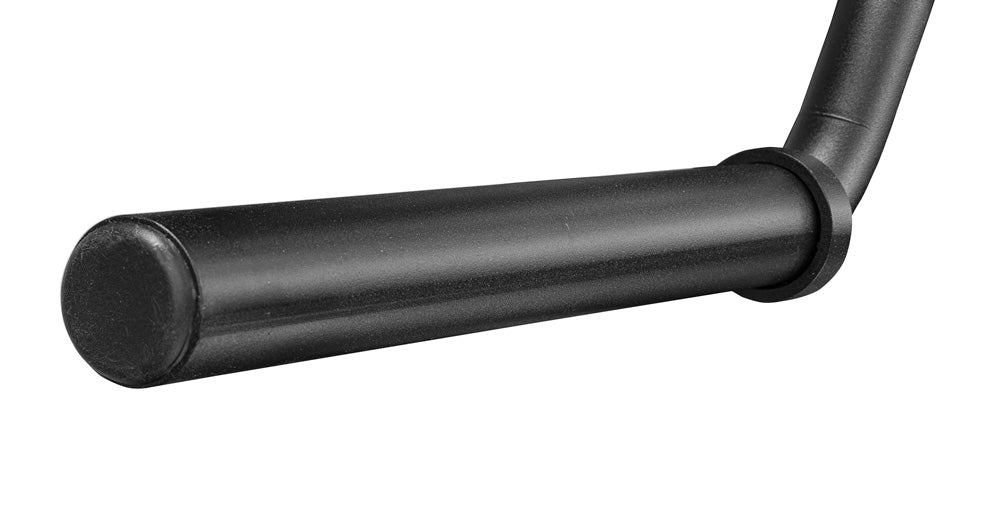
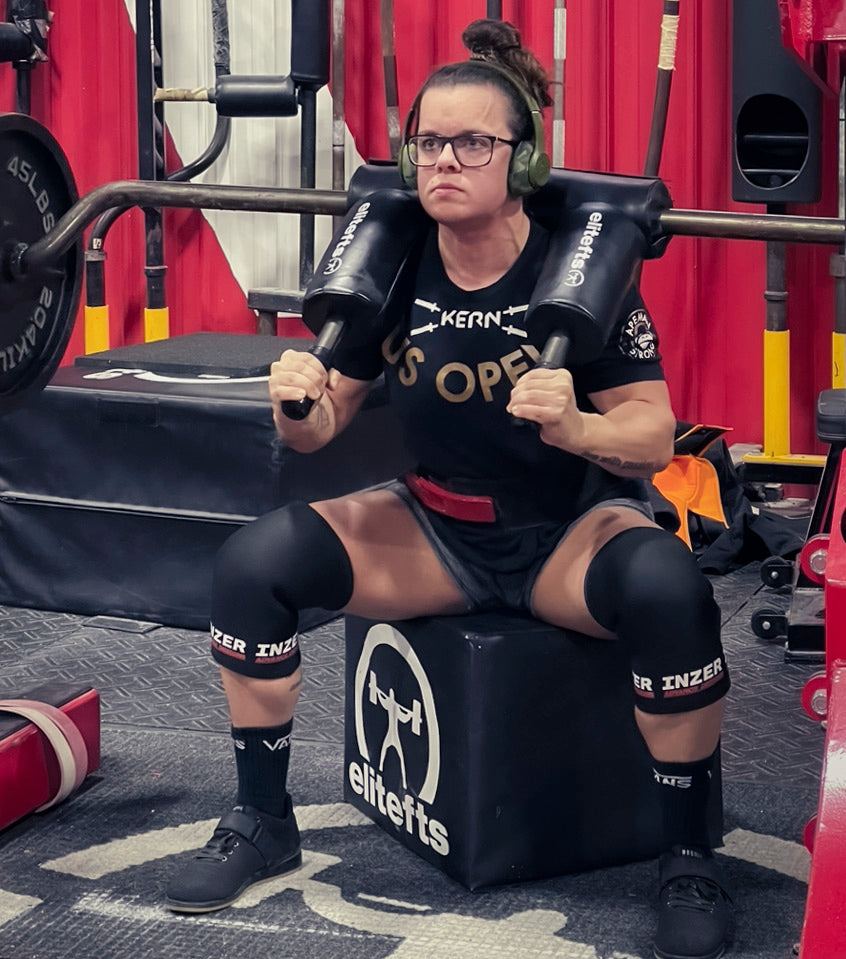
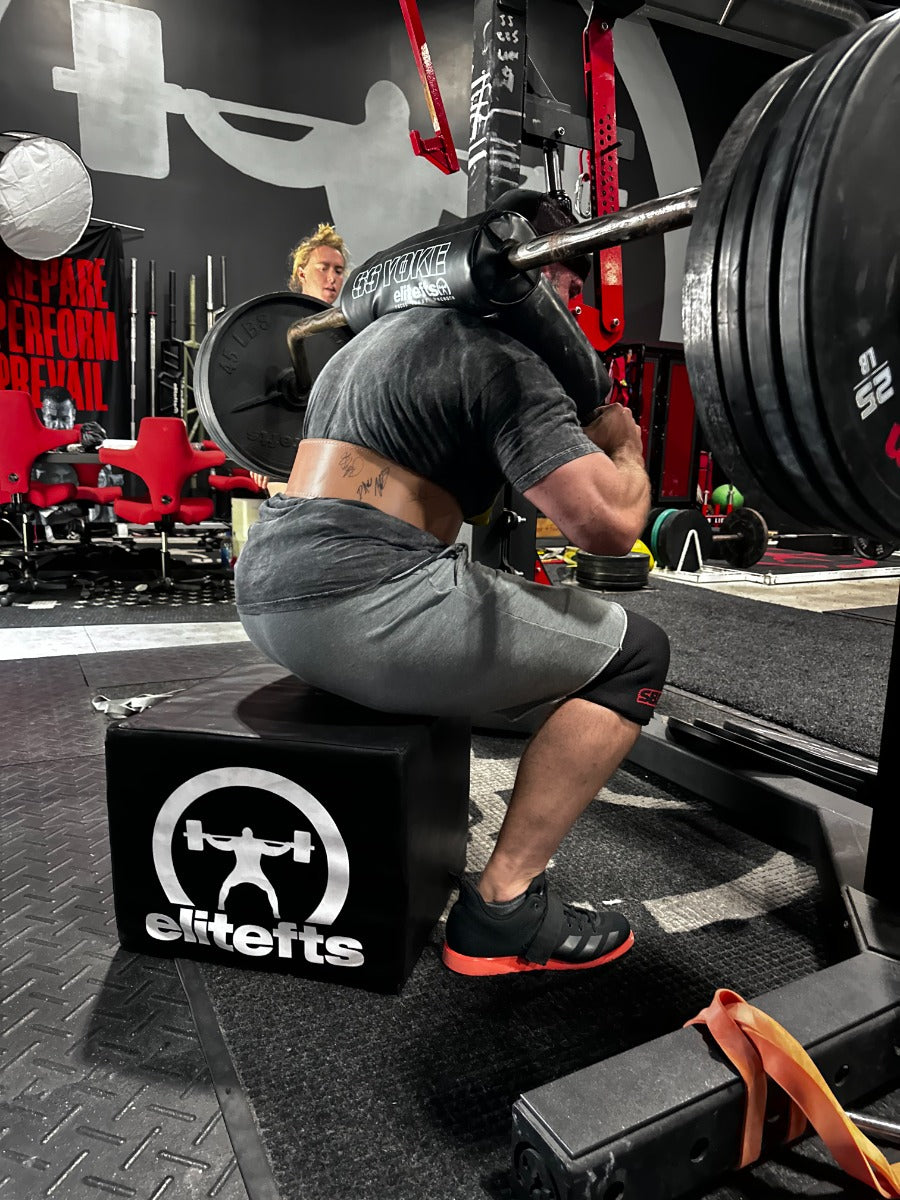
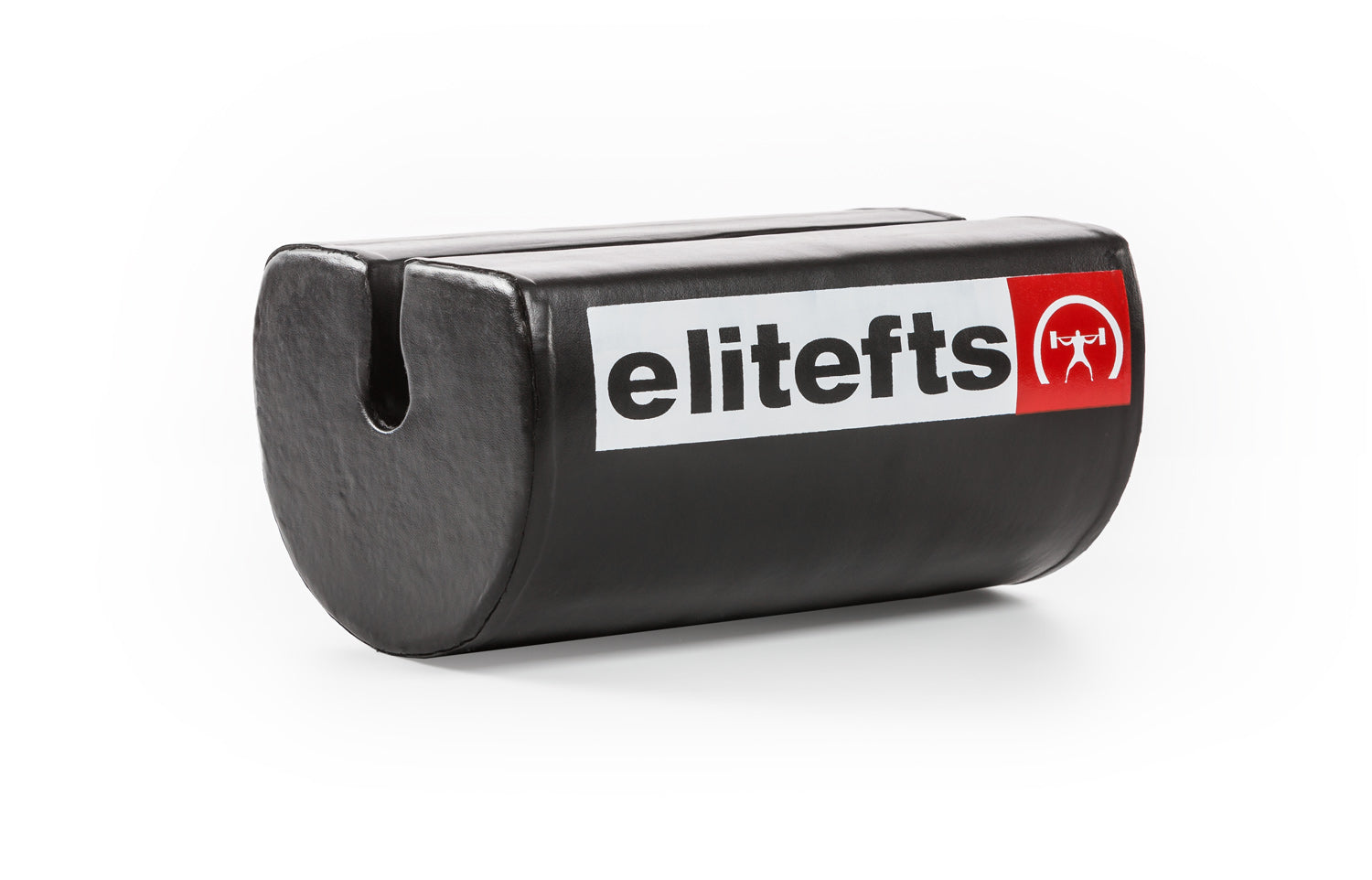
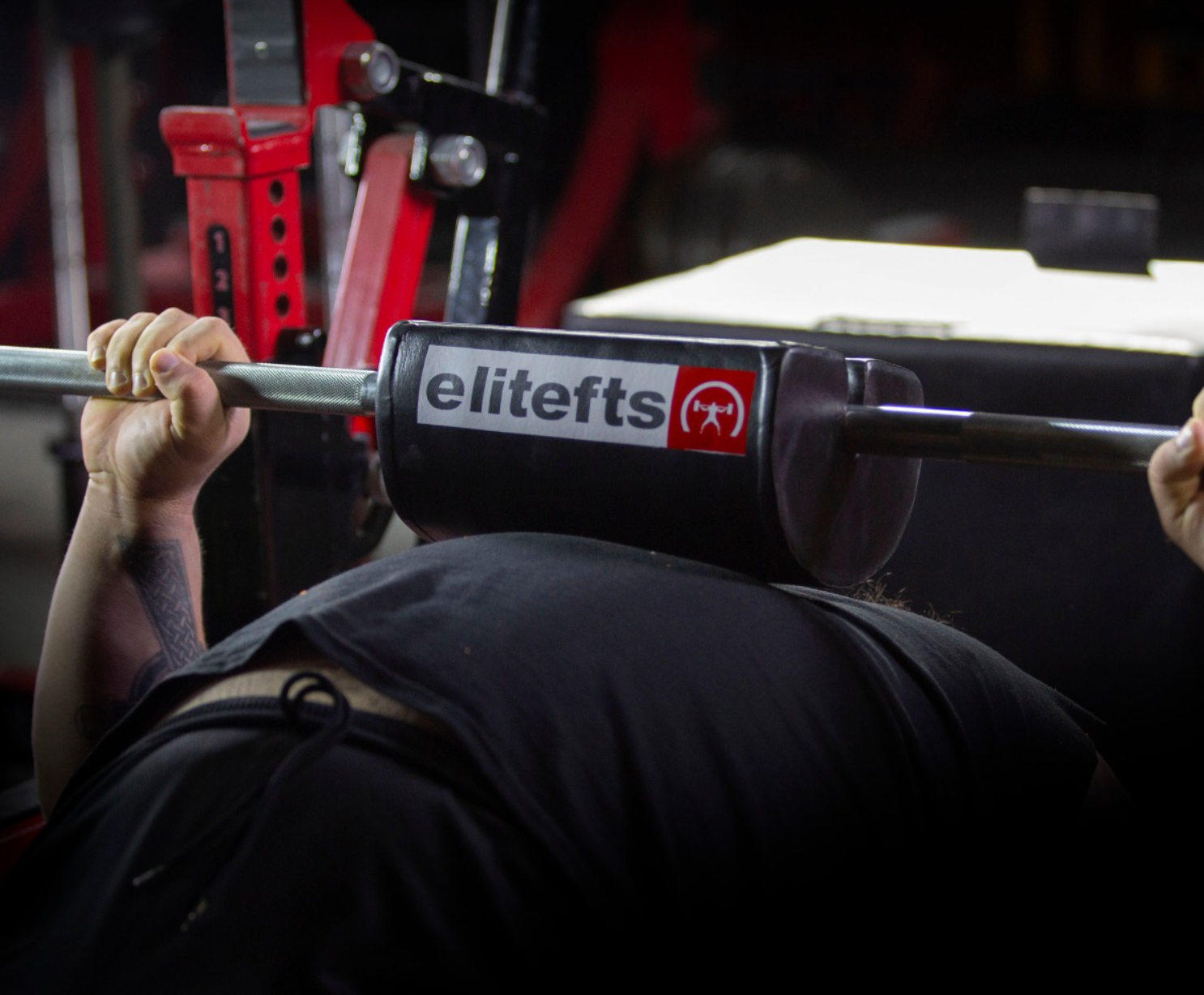
Safety Squat Bar Front Squats: Forces upright posture and core engagement with lower absolute weight.
-
Zercher Squats: Shifts load to a mechanical disadvantage that torches the musculature while sparing the spine.
- Isometrics: Build joint health and load tolerance without high-velocity eccentric risks.
-
Safety Squat Bar Front Squats: Forces upright posture and core engagement with lower absolute weight.
Rebuilding Confidence Through Technical Cues
Confidence is rebuilt by replacing fear with data. After a rupture, "the wobble" creates doubt. You must use technical feedback to confirm the body is a coordinated unit.
The "Marshmallow vs. Rock" Analogy: If your core is a marshmallow, force from the legs is lost. You must turn the middle of the body into a rock to ensure the transfer of force is secure.
Action Items: Psychological Systems Check
-
The Rooting Foundation: Rooting is the precursor to the brace. You must feel pressure through the feet, and the whole chain connects before the movement begins.
-
The Floor Press Protocol: Use the floor for tactile feedback. Detect exactly which side hits the floor first; this is data on neurological unevenness. Feel the "globalized core" lock in before the press.
- VMO/Adductor Engagement: Perform leg extensions while squeezing a medicine ball between the knees. This ensures the patella tracks correctly, and the VMO is active, preventing the "cranking" feeling in the joint.
6. The Power of Autoregulation: Knowing When to Push
The recovery process is a debate between "pushing through" and "being smart." Use RPE as your safety net to avoid being "one scream away" from injury, as Ed Coan famously noted.
Action Items: The Traffic Light Intensity Guide
-
Green Light (RPE 8): Leaving reps in the tank. This is the "strike zone" for consistent growth.
-
Yellow Light (Technical PR): Pushing to the limit of perfect form only. If the groove breaks, the set is over.
- Red Light (Over-Arousal): Screaming, head-whapping, and "masking doubt" with rage. This state inhibits recovery and increases the risk of mechanical failure. Real confidence is "calm confidence"—approaching the bar like it's just another day at the office.
The Adaptation of Life
A major injury is a destructive but necessary part of the process. It forces you to look at your training and your life through a long-term lens. Adaptability is the essence of survival. By navigating this battlefield with discipline, you emerge as a more authentic, resilient, and intelligent athlete.
"You don't get stronger on the sidelines. Recovery is a full-time discipline, stay focused on what you need to do, not just what you want to do."