
I competed in powerlifting from 1983 to 2004. That's over two decades of squatting heavy, multiple days a week, in training halls that didn't care how your knees felt going in. By the time I hit elite status in multiple weight classes and a 935-lb squat, I'd also accumulated everything that comes with that kind of volume: joints that had opinions, mornings that required a plan, and a very clear understanding of the difference between equipment that helps you train and equipment that just looks serious.
Knee sleeves fall into one of those two categories. Most lifters don't figure that out until they've wasted a few cycles on the wrong one.
The Problem With Competition Sleeves in Training
There's a category of equipment that exists almost exclusively for meet day. Competition knee sleeves are a perfect example. Sized down, stiff, two people, and a prayer to get them above the knee. On the platform, that's the point. You want the pop. You get your carryover, you hit the lift, and they come off as fast as possible.
The problem is when lifters try to use that same sleeve three days a week through an entire training block. By setting three, your leg is half-numb. You spend more time fighting the sleeve than training. And the sleeve itself starts breaking down faster than it should because it was never designed for repeated use.
I know this because I spent years watching guys at every other gym I trained in do exactly that. They'd pull on competition gear for every session because it was what they had, or because they thought more compression meant more support. It doesn't work that way. What you actually get is a sleeve that wins the battle and loses the war.

What "Built for Training" Actually Means
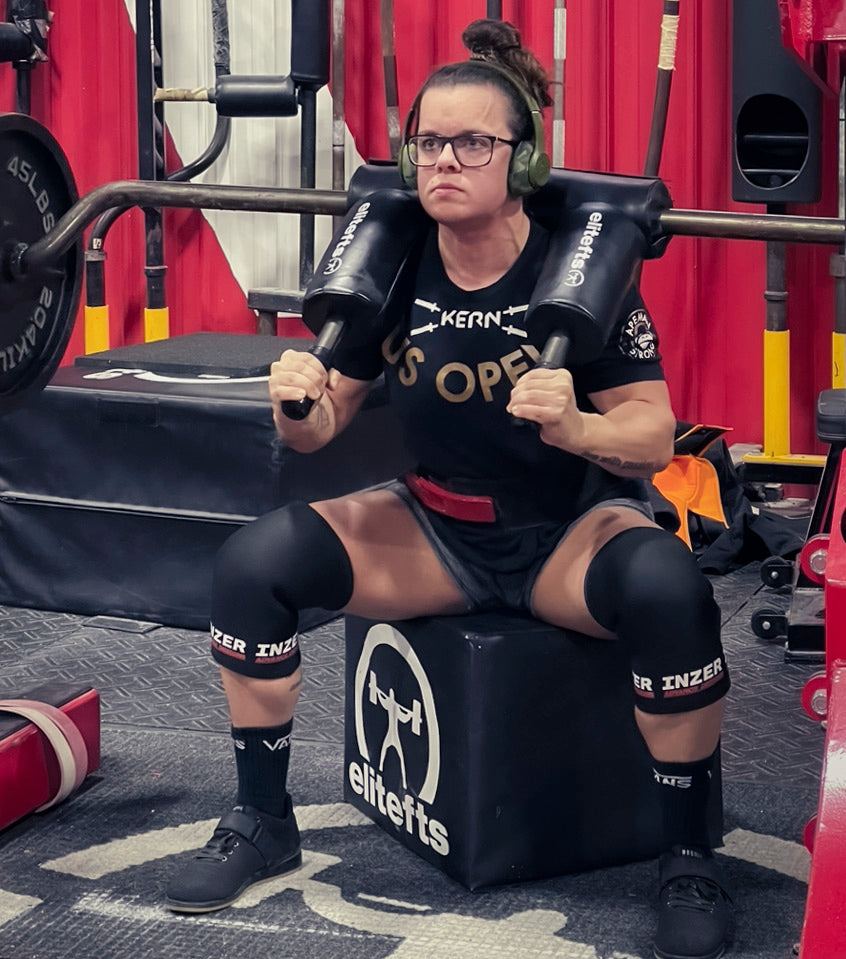
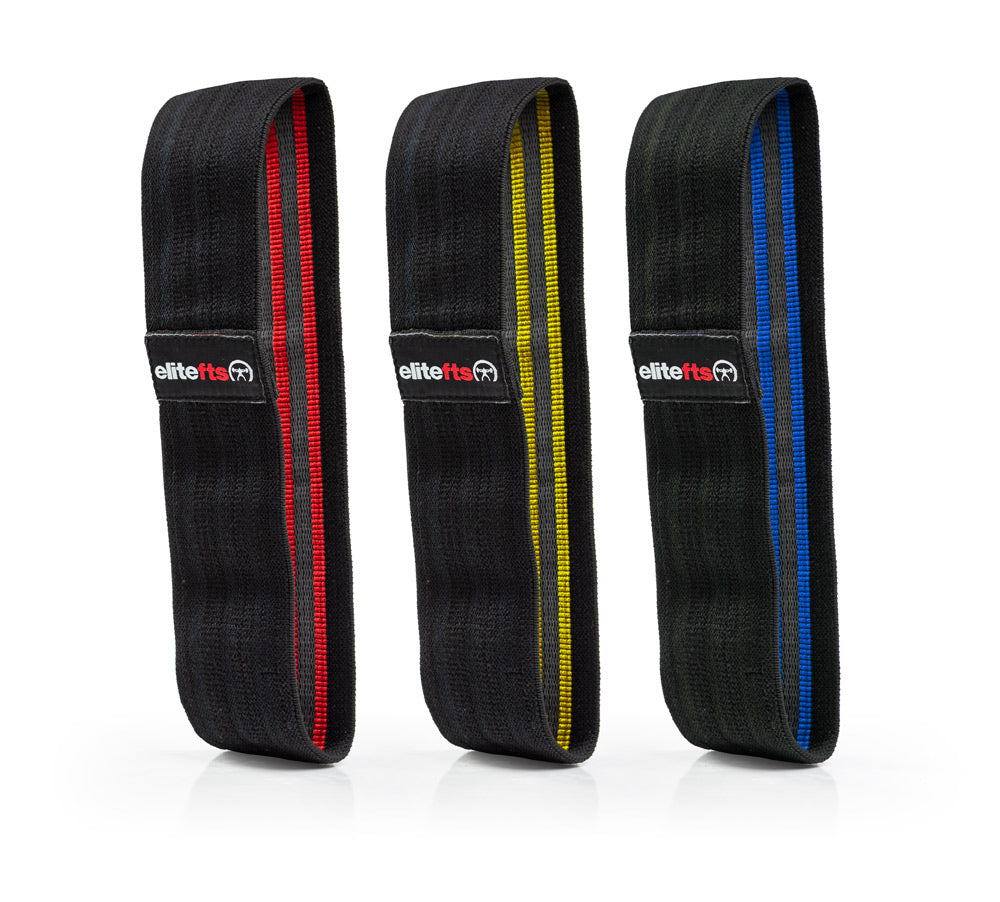
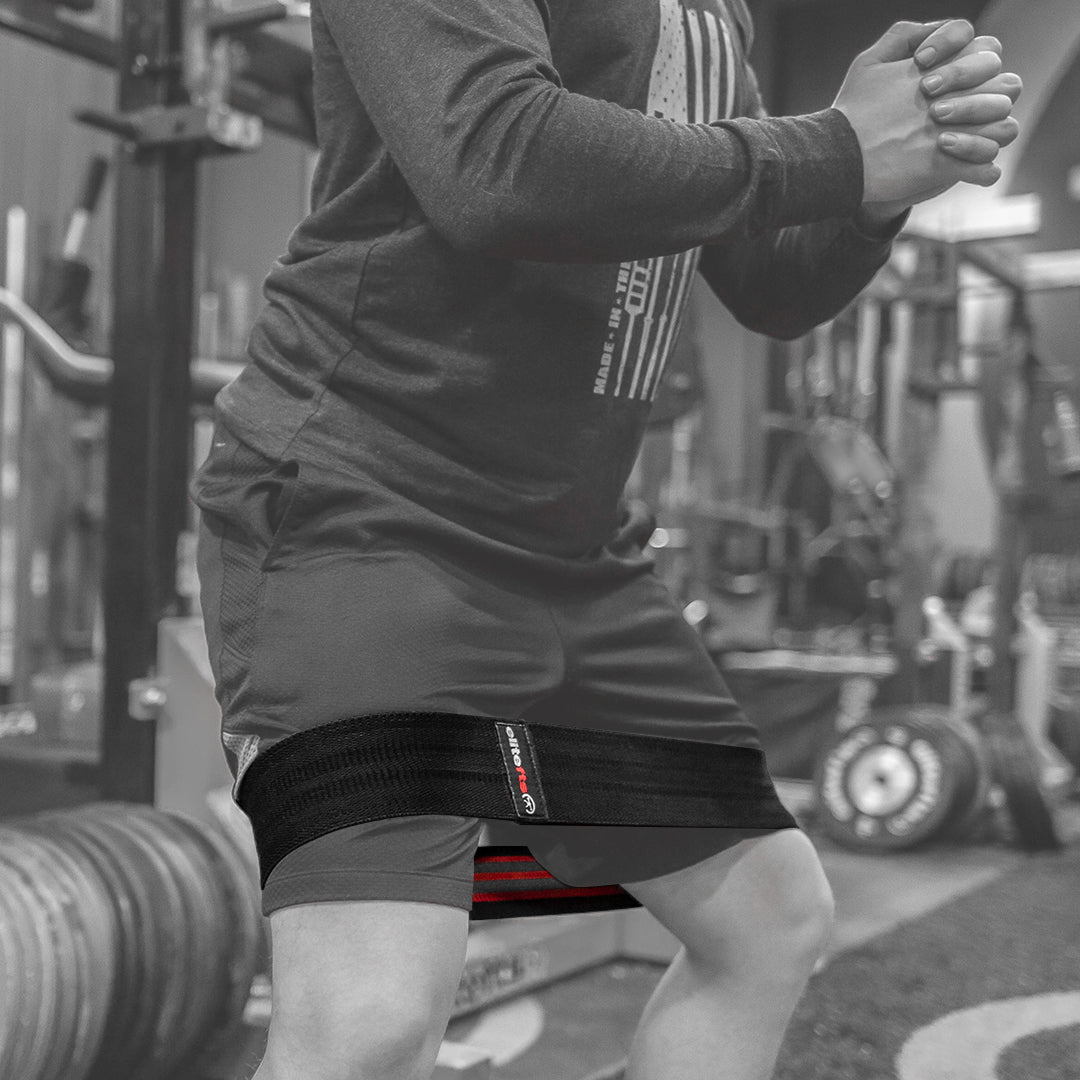
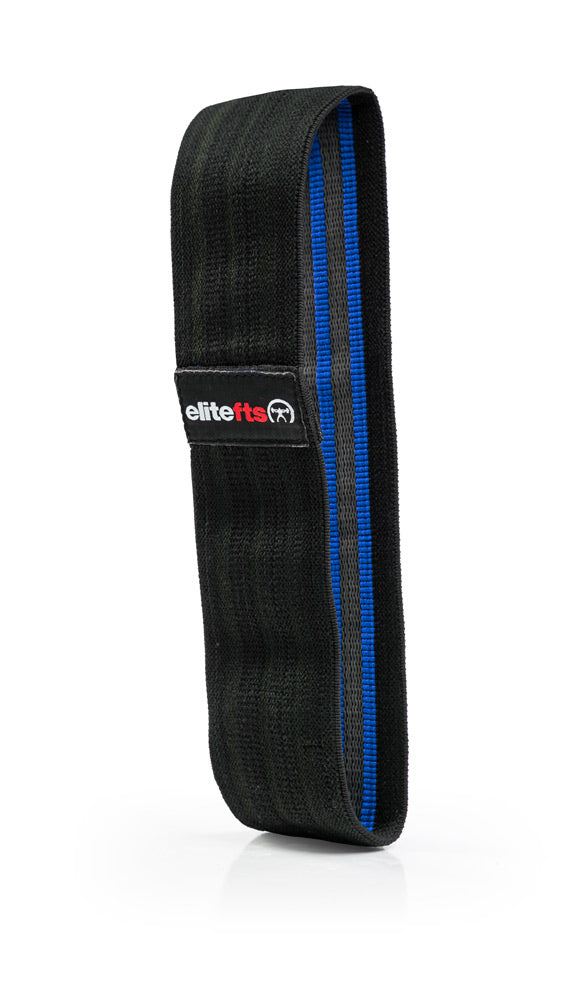
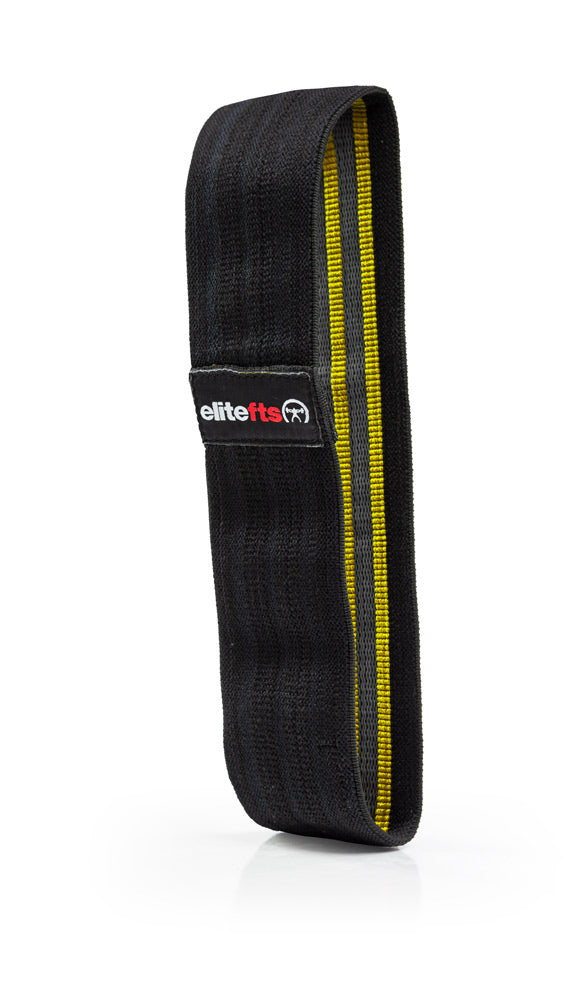
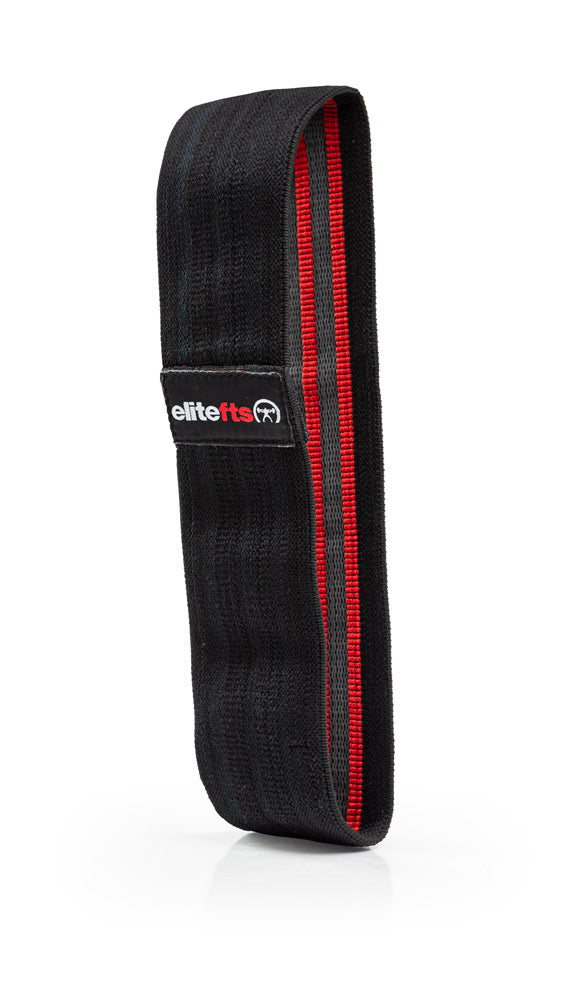
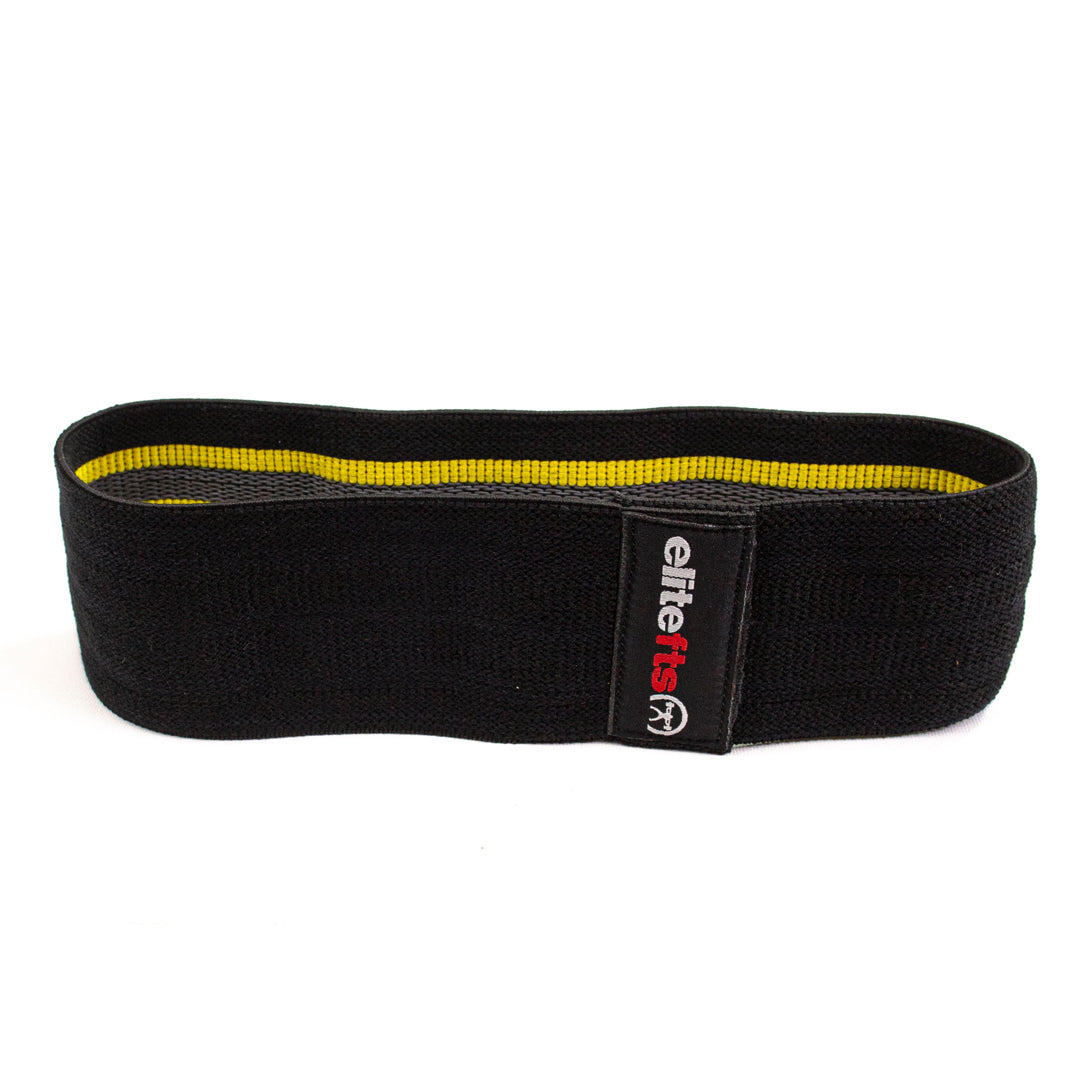
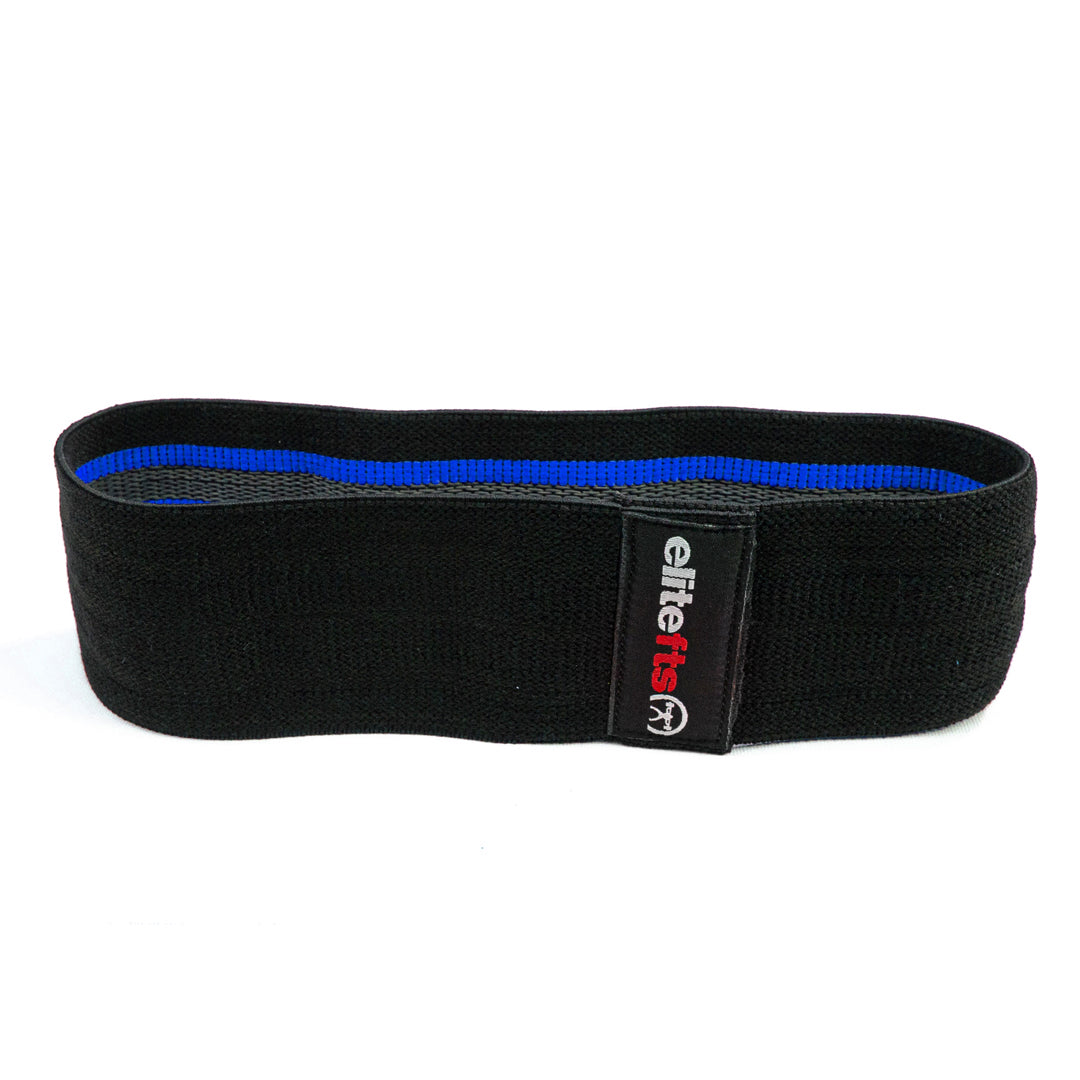
The elitefts WarGrip Training Knee Sleeves were designed to solve a specific problem: give hard-training lifters a sleeve they can actually live in. Not one they battle. Not one they dread getting on between sets.
We spent over a year testing these before they went anywhere near the site. Real testing means people wearing them through real training blocks, accumulating real volume, to find out what worked and what didn't. The dual-ply knit construction gives you genuine compression. Warmth. Patellar tracking support. The things that matter when you're stacking sets of squats or RDLs or anything else loaded through the knee. What it doesn't do is lock your leg into something you need help getting out of.
The pull tabs at both ends are part of the design of this sleeve for repeated use, not occasional use. You pull them on, you train, you take them off. Fast. Session after session.
Why Knee Support Matters More Than Most Lifters Think
Here's the thing I've said in the Beat-Up Lifter Blueprint and have said for years in seminars: the goal isn't to be pain-free. The goal is to stay trainable. Those are two different things. Pain-free is a bonus. Trainable is the mission.
Keeping your joints warm and supported throughout a full session is one of the simplest, most repeatable ways you can stay in the game long-term. Not because sleeves fix problems. They don't. But compression and warmth between sets keep the knee from sitting cold, give you feedback on positioning, and add up over a long training career in ways that matter. After 40-plus years in this, I've watched the lifters who treated their gear as an afterthought wear out years before they had to.
A good training sleeve is part of smart equipment use, just as a belt is. You use it when the load justifies it. You make it part of the routine. The WarGrip makes that easy enough to actually stick to.

Sizing: Don't Size Down
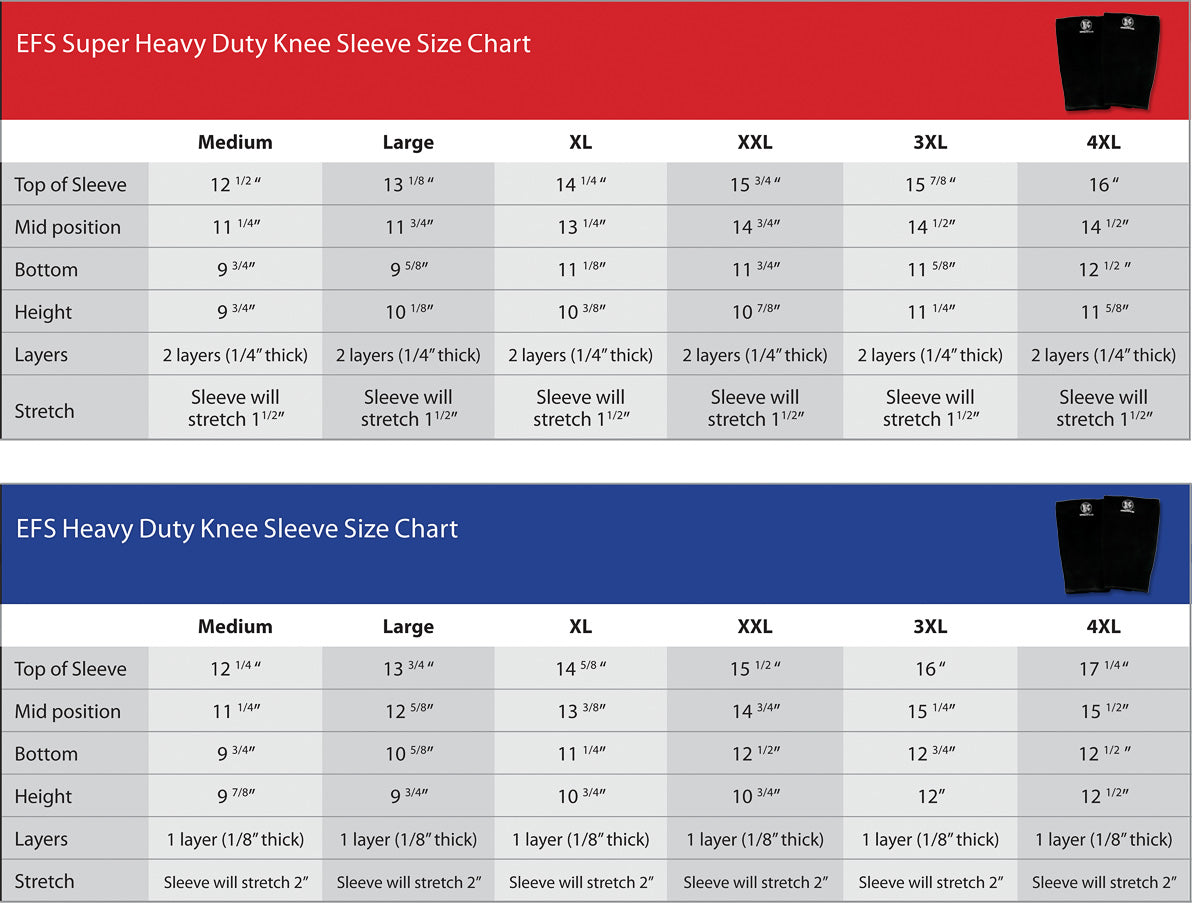
This is where people get tripped up. With competition sleeves, sizing down is standard practice to ensure carryover. The WarGrip is not a competition sleeve. Order your true size. Measure the circumference of your knee at the top (above the kneecap) and at the bottom (below the kneecap) and match to the chart. These are built for all-session wear, and they perform correctly at your actual measurement. Sizing down makes them uncomfortable and defeats the entire purpose.
| Size | Top Circumference | Bottom Circumference | Length |
|---|---|---|---|
| Small | 15cm / 5.9" | 12cm / 4.7" | 27cm / 10.6" |
| Medium | 16cm / 6.3" | 13cm / 5.1" | 28cm / 11" |
| Large | 17cm / 6.7" | 13cm / 5.1" | 29cm / 11.4" |
| X-Large | 18cm / 7.1" | 14cm / 5.5" | 30cm / 11.8" |
| 2X-Large | 19cm / 7.5" | 15cm / 5.9" | 31cm / 12.2" |
| 3X-Large | 20cm / 7.9" | 16cm / 6.3" | 32cm / 12.6" |
Other Support Gear Worth Having in Your Kit
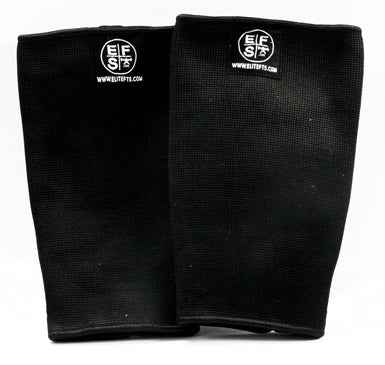
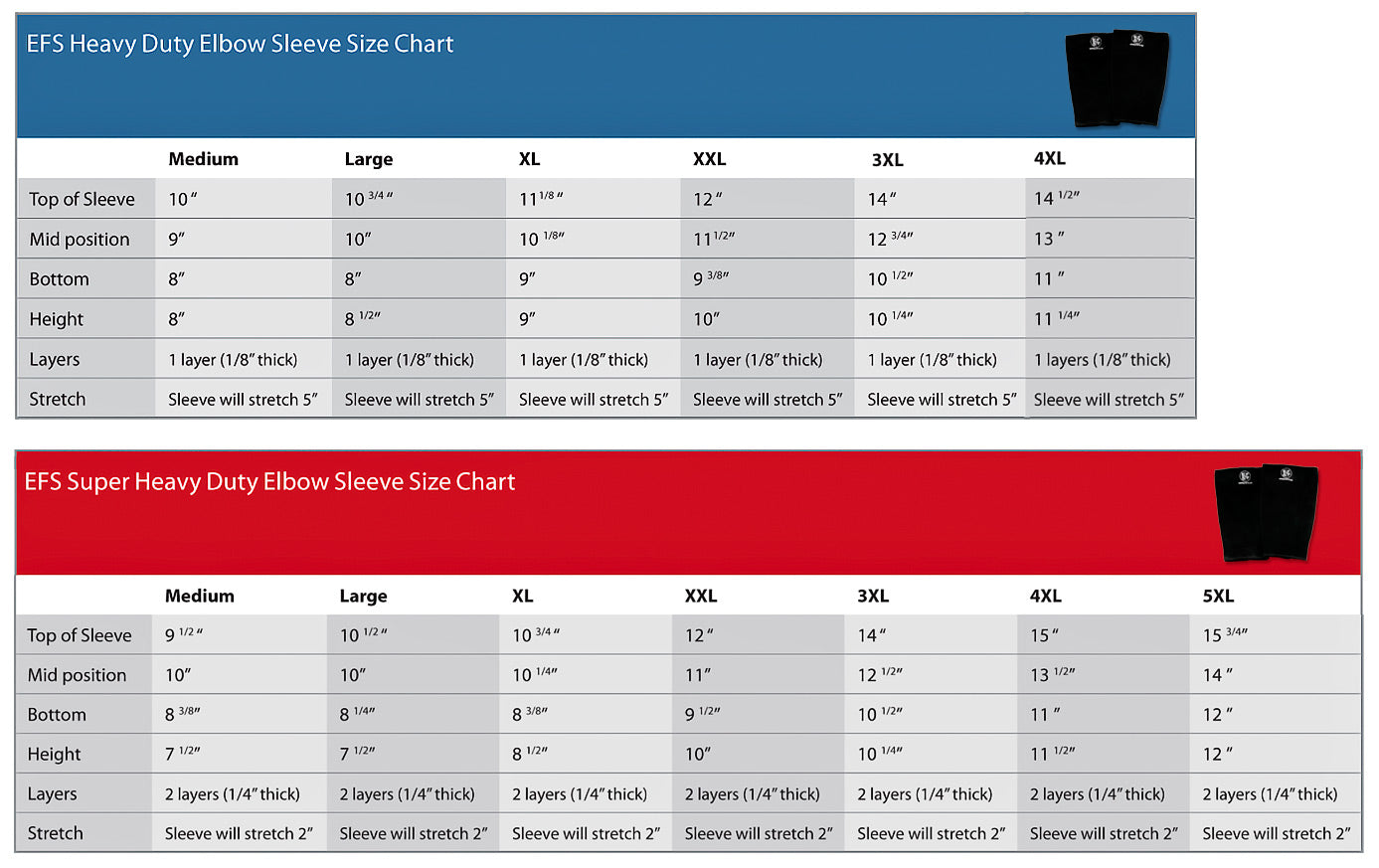
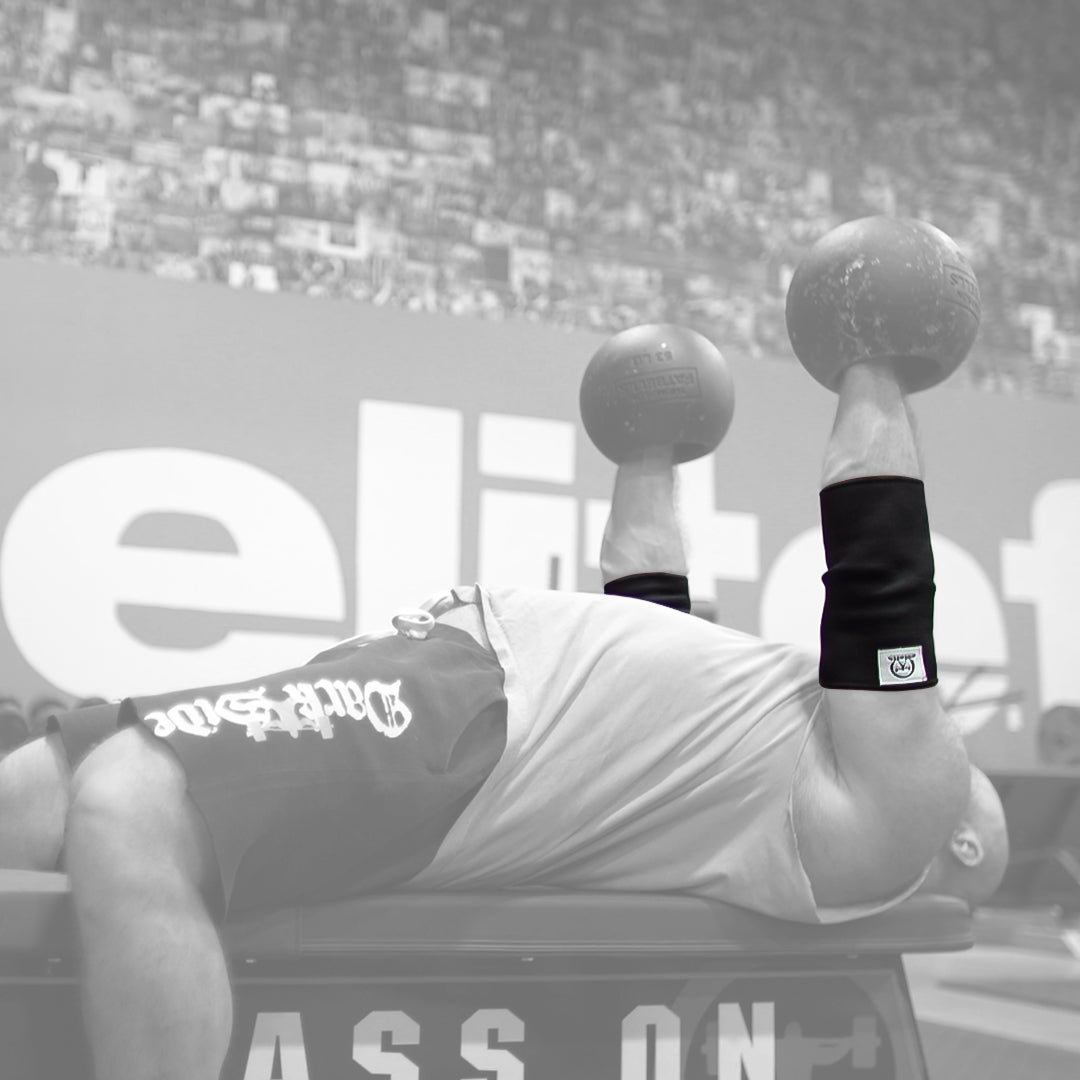
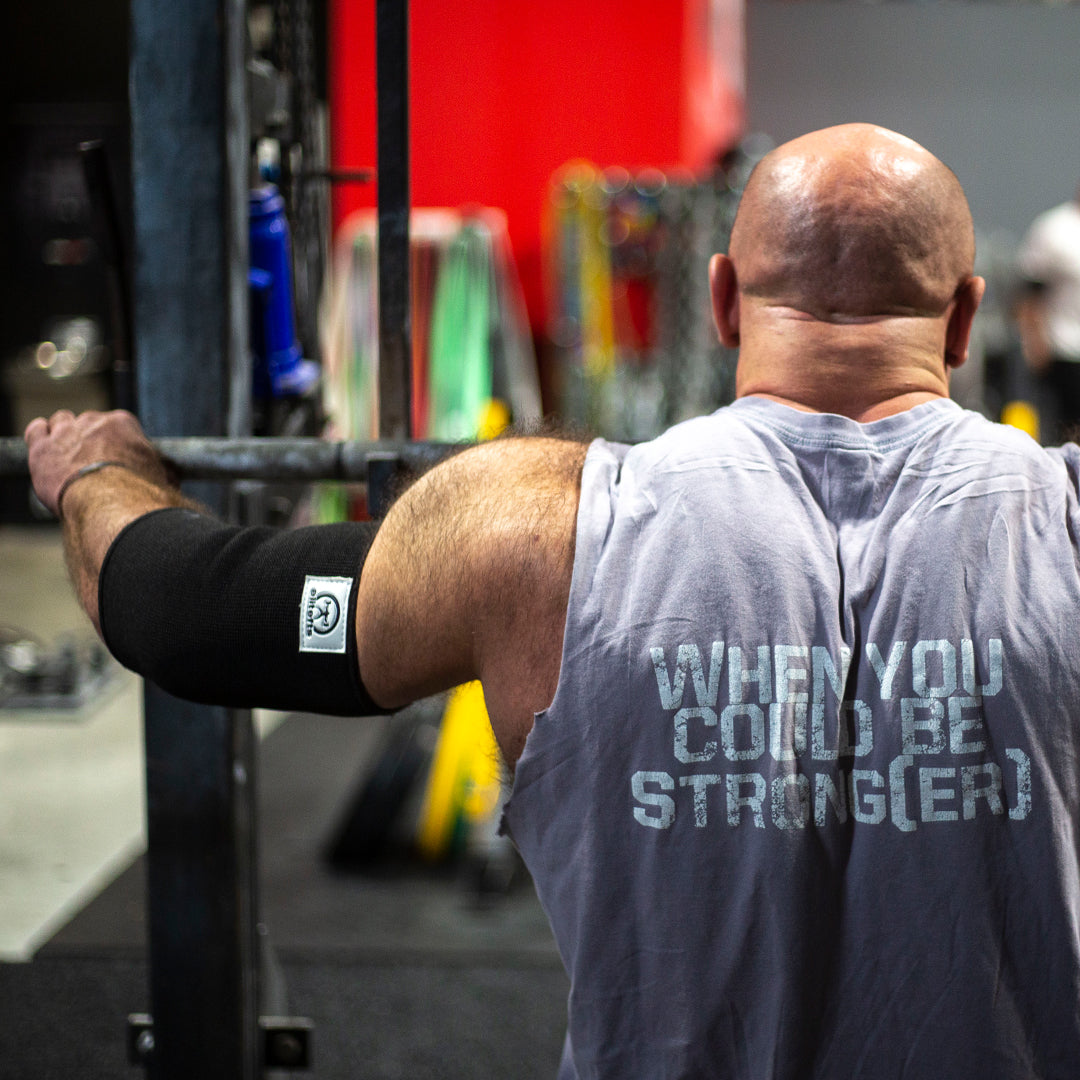
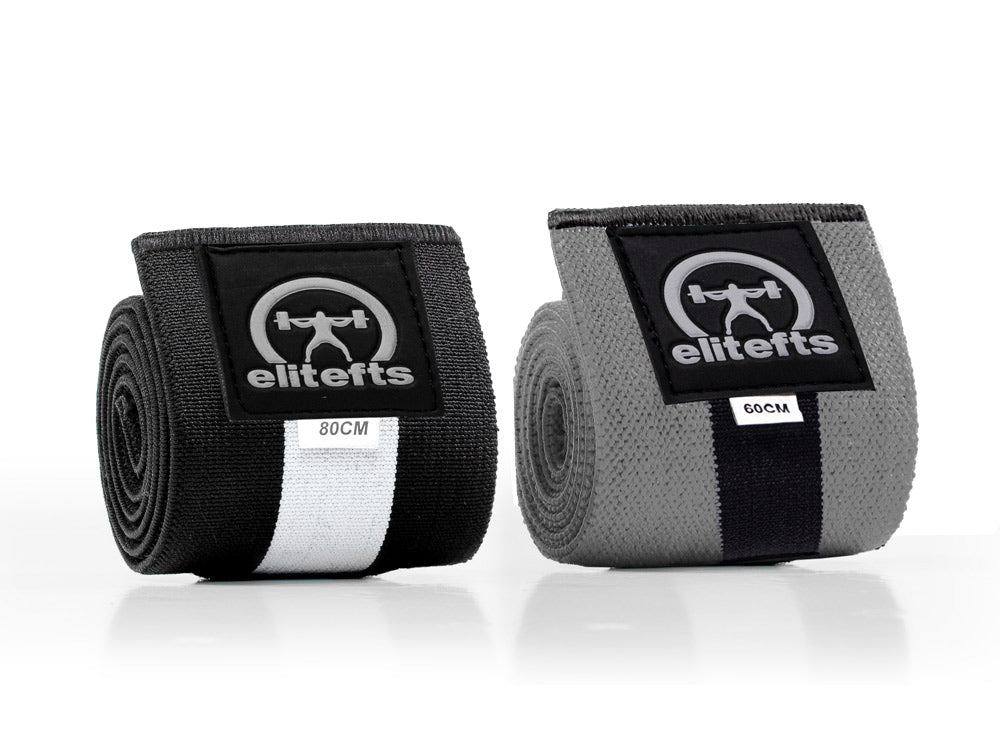
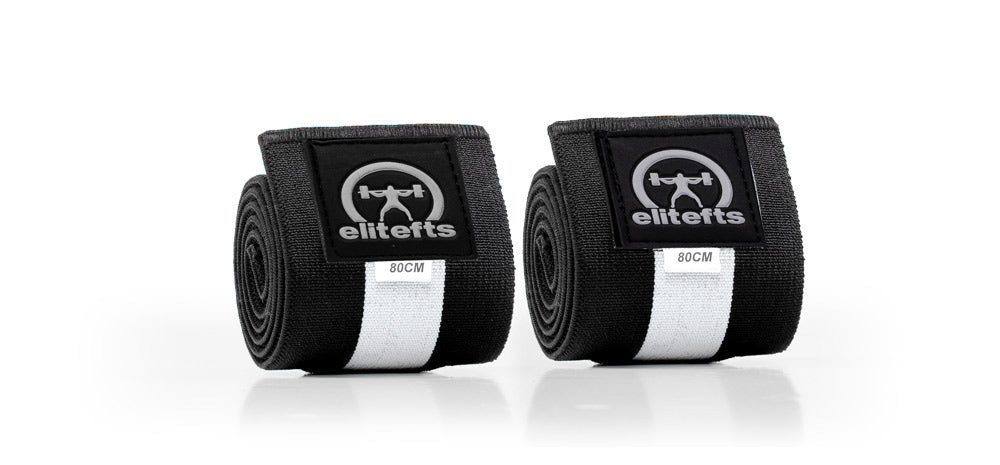
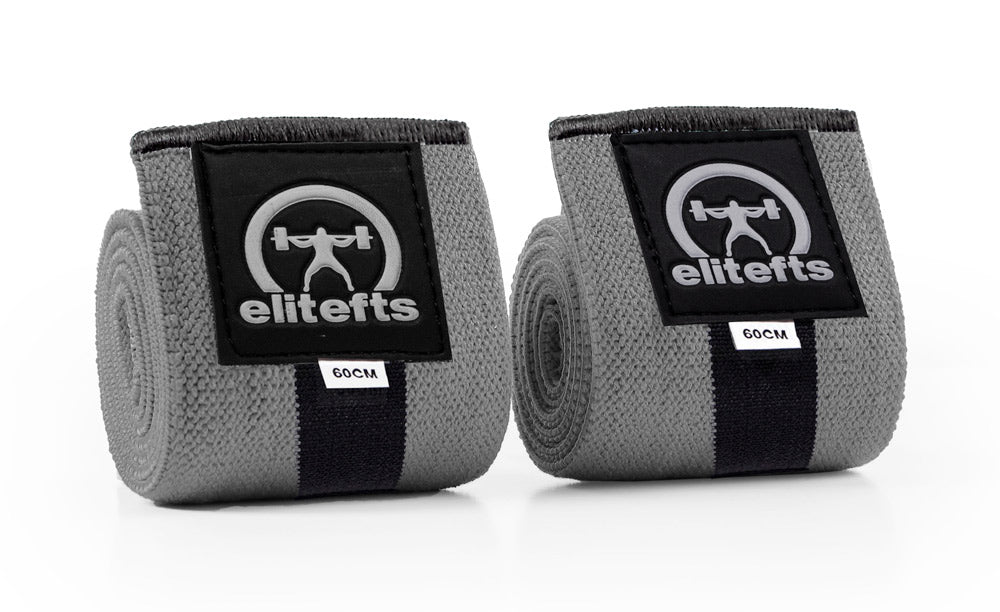
If you're building out your training setup, the rest of the support gear section is worth a look. For wrist support on pressing and squatting days, the elitefts wrist wraps offer a range of stiffness levels to suit your training. For upper body days when the elbows start complaining, the elitefts elbow sleeves are built on the same principle as the WarGrip: daily-use support that works for training, not just for show. And if you want a deeper read on how to think about training when things hurt, The Beat-Up Lifter Blueprint covers all of it.
Pick up the elitefts WarGrip Training Knee Sleeves here.