

The Devil's Pit: Inside the Westside Barbell System
How Louie Simmons Built the World's Strongest Gym on Chaos, Brotherhood, and the Conjugate Method
The Westside Barbell training methodology is a highly individualized yet strictly disciplined system built for one purpose: elite strength gains.
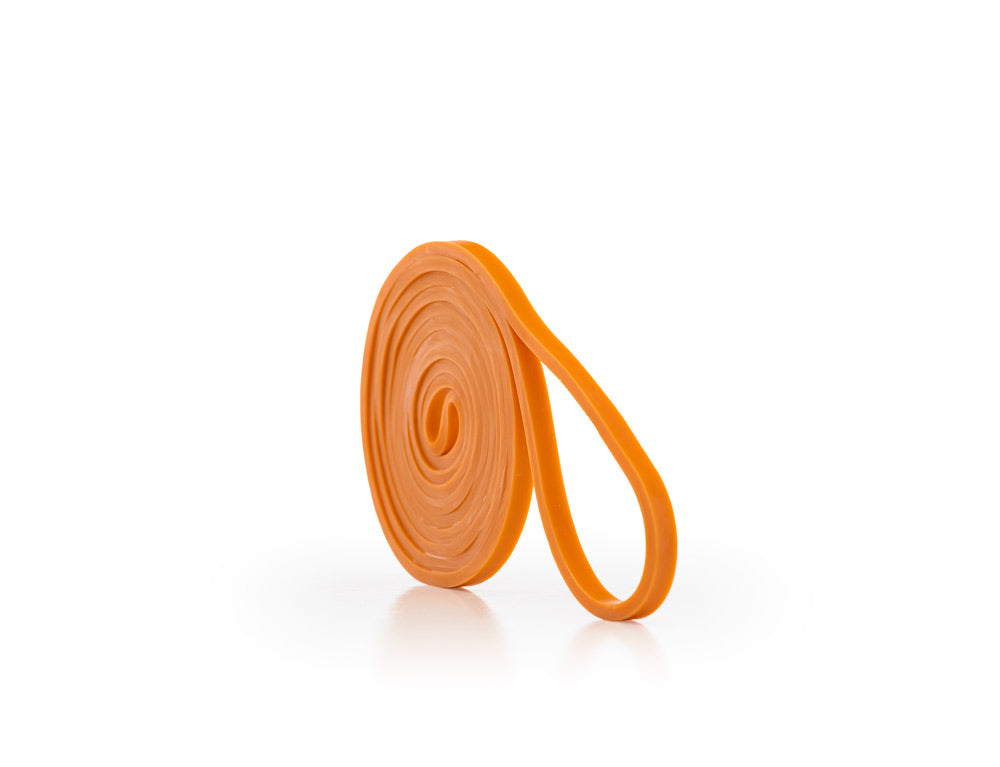
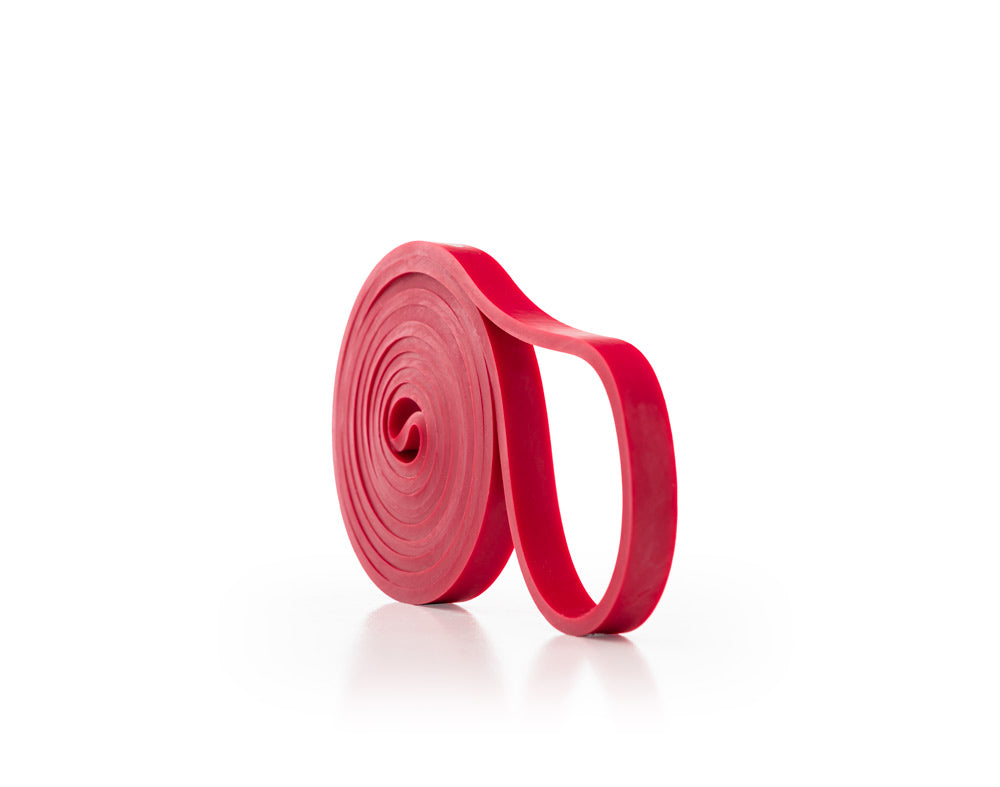
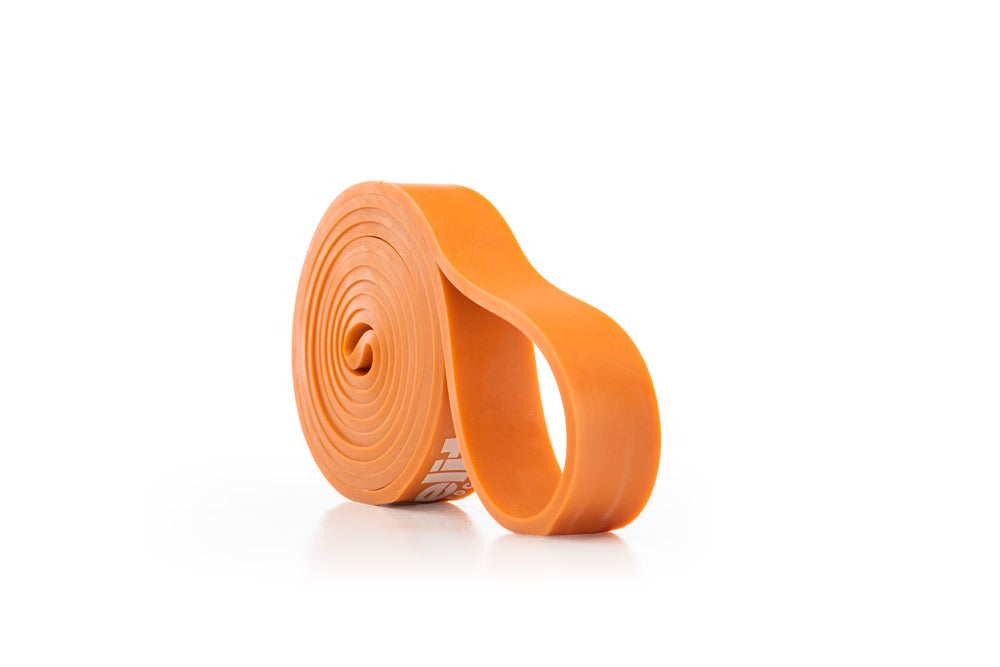
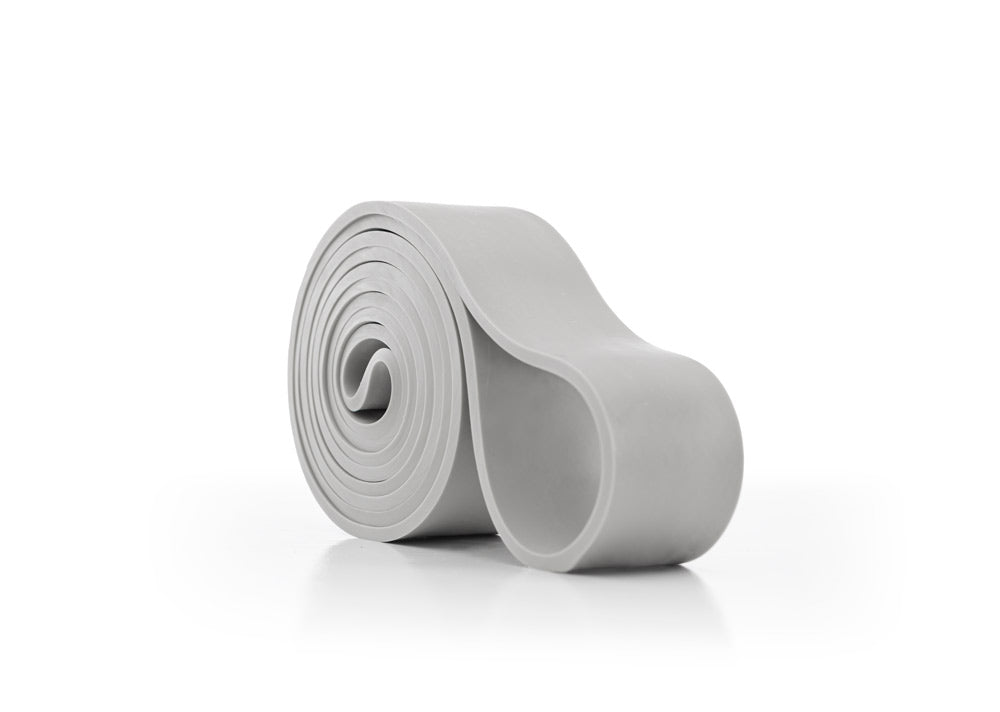
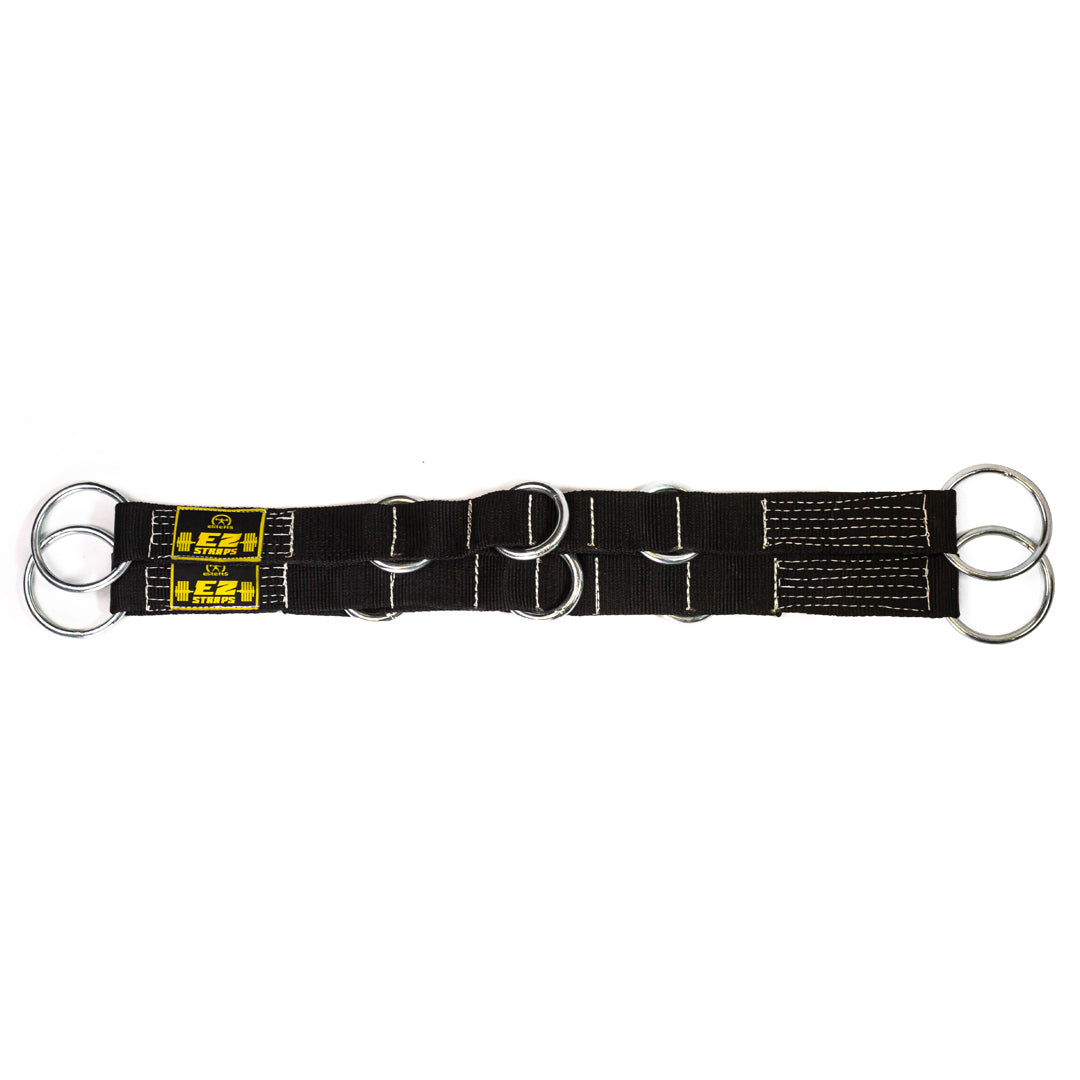
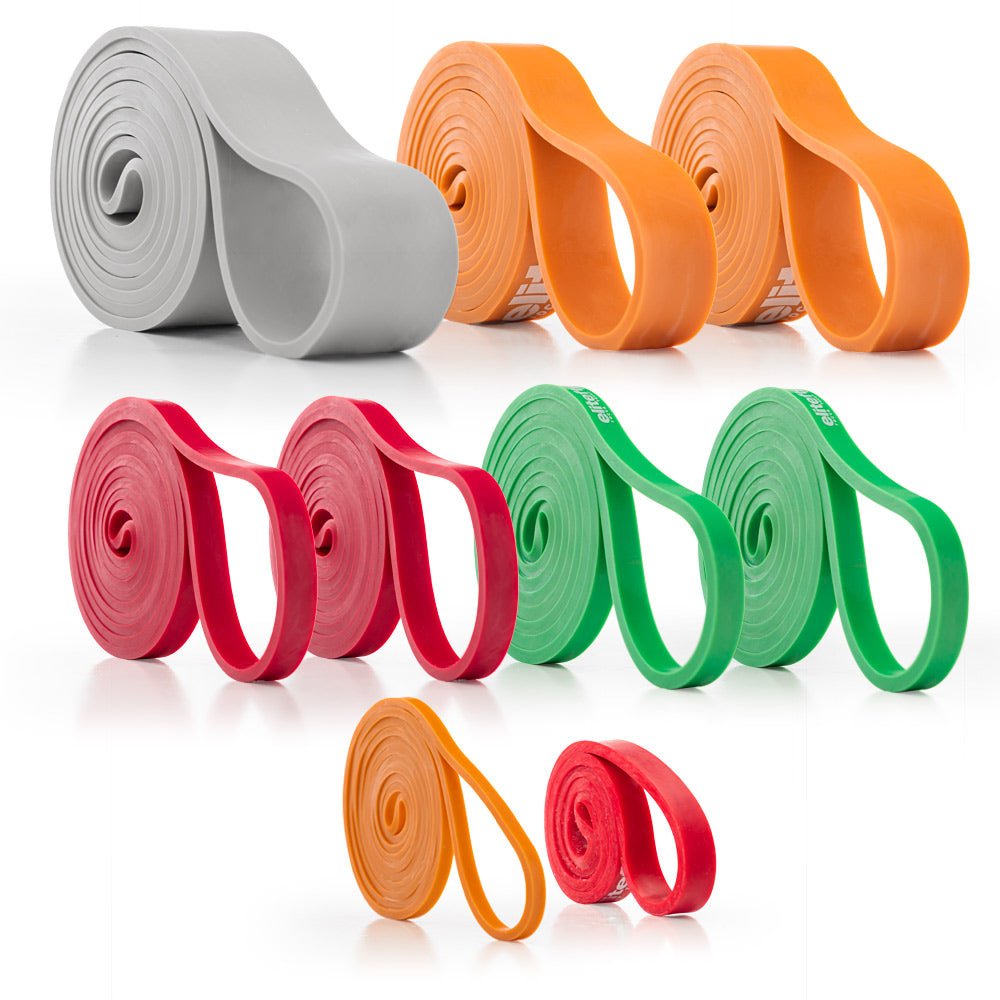
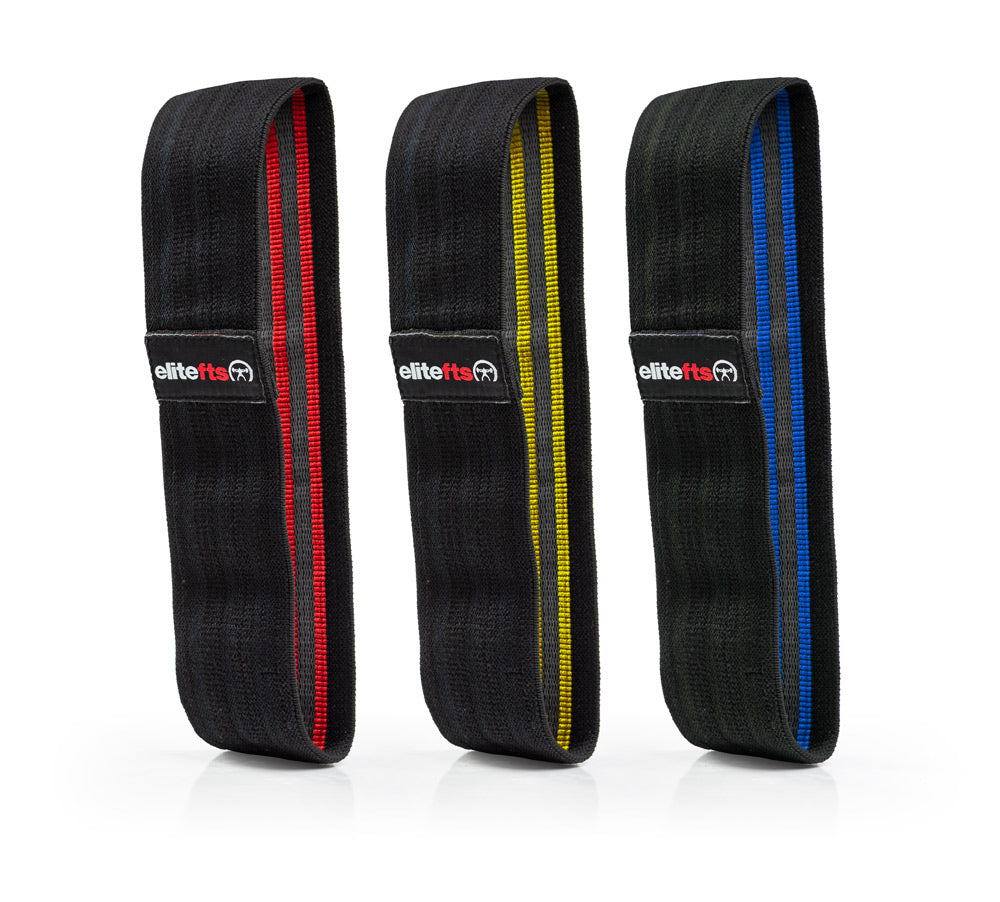
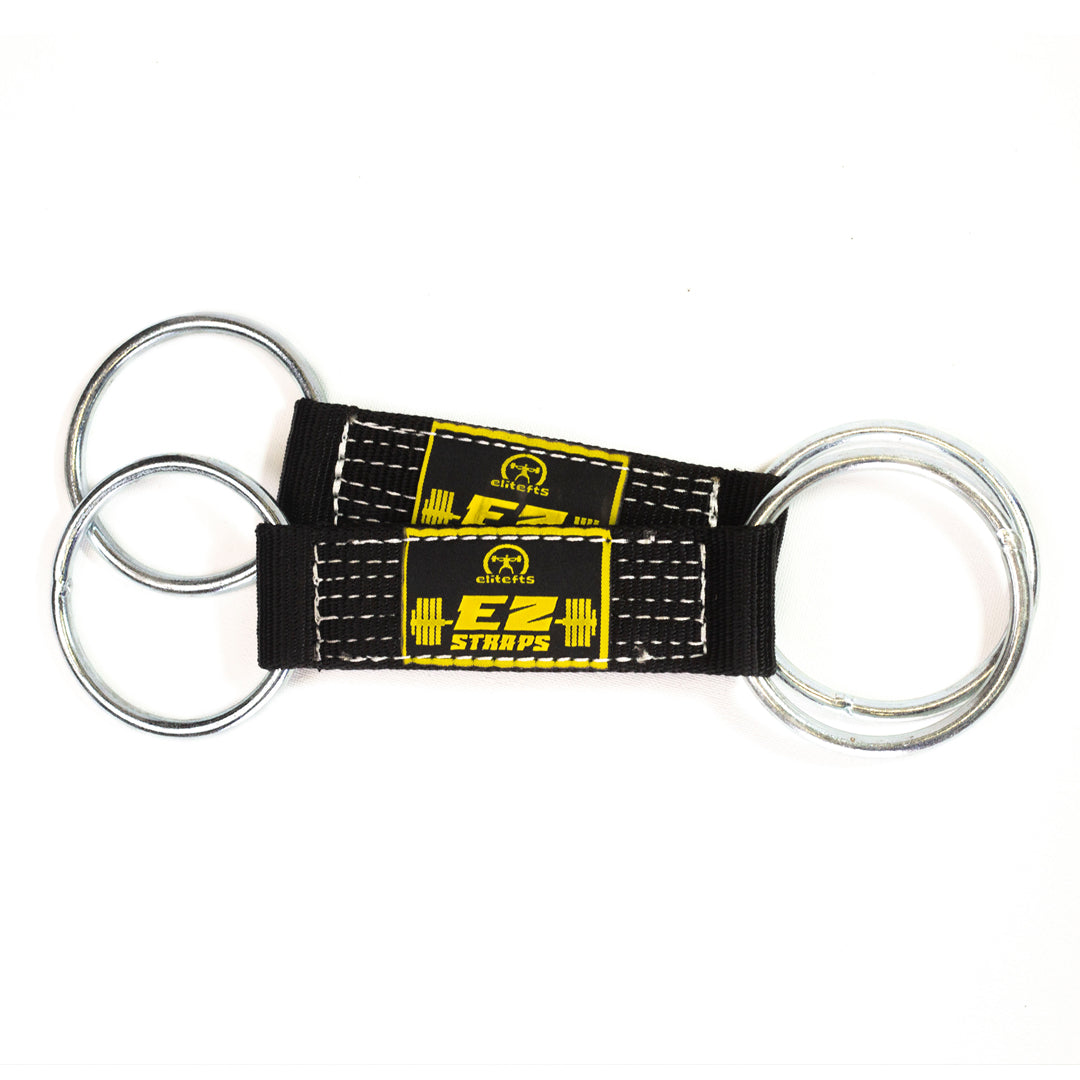
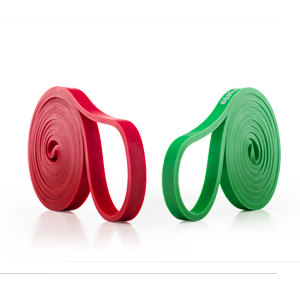
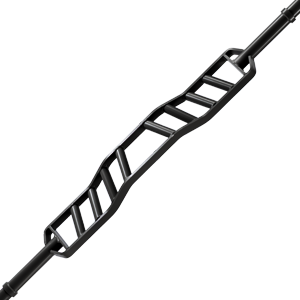
At its core sits the Conjugate Method, a structure that balances Max Effort, Supplemental, and Accessory exercises while building variability through bands, chains, and specialty bars.
Its effectiveness comes down to two things: a culture of extreme, uncompromising intensity, and a training structure that favors auto-regulation over rigid linear models.
Unlike random training systems, Westside uses percentages to ensure proper recovery and progressive development. The culture is a Brotherhood, not a friendship, and the singular goal is improvement. Those who don't align with that mission don't stay in the building long.
The Westside system is built on a template that provides a consistent framework while allowing for significant internal variation. Four components anchor everything:
- ▶ Max Effort (ME): Heavy loads to build absolute strength.
- ▶ Supplemental Work: Exercises that support the main movements and address specific technical needs.
- ▶ Accessory Work: Targeted exercises to build muscle and address weaknesses, often incorporating high volume or specialized tools like bands and chains.
- ▶ Speed Work and Waves: Structured wave loading to manage fatigue and build explosive power. Elite lifters may go heavy every week — the standard approach uses waves to ensure recovery.
The Role of Percentages
A successful training system uses percentages, not random weight assignments. Training off a percentage of your personal max creates an even playing field for lifters of varying strength levels and enables controlled recovery.
The contrast is early CrossFit, which assigned fixed loads, 225 lbs for men, for example. Some athletes went too heavy, risking injury. Others went too light and got no stimulus. Neither outcome is acceptable at this level.
Exercise Rotation and Variability
Lifters rarely perform the same Max Effort exercise more than once in a row. The goal is to prevent stagnation and avoid "blowing your brains out" from monotony, which kills linear models.
Training choices are often made the day of, based on the available crew, how the lifter feels, and whatever weaknesses have been identified. The goal in every session is to never miss a lift.
Hit a PR. Then stop. Preserve your edge for the platform.
"The Strongest Guy Is the Guy Who Can Lift the Heaviest the Most Often."
— Louie Simmons
Not every lifter is built for this system. The Westside method identifies two distinct psychological profiles, and it's built for one of them.
| Profile Type | Preferred Structure | Training Style Suitability |
|---|---|---|
| Certainty-Seekers | Planners, 12-week schedules | Linear models (Squat / Bench / Deadlift 3x per week) |
| Chaos-Seekers | Fluidity, variety, intuition | Westside / Conjugate models (varied bars, bands, exercises) |
Individualism and Auto-Regulation
The methodology thrives on individualism within a collective template. Lifters debate exercise selection based on recovery levels. They introduce new movements when feeling sub-par to guarantee a positive training outcome. They experiment with bands on dumbbells, different bars, different angles, anything to target what's lagging.
It is fluid by design. That fluidity is the point.
Walking into Westside Barbell is described as walking into the Devil's Pit.
The atmosphere is intentionally aggressive. Lifters are there to push each other, not to make friends. Personal friendships are secondary to the Brotherhood of improvement. If you do not contribute to the collective goal, you are removed from the team. No conversation about it. You're just off the team.
Members follow Louie Simmons' guidance without hesitation. A common mistake among new members is skepticism toward unconventional advice. Simmons has an uncanny ability to identify physiological weaknesses that lifters can't see in themselves — one lifter struggling with deadlift lockouts was identified as having weak glutes despite their size, requiring specific remedial work no one else had caught.
While Simmons provided that guidance, he extended autonomy to his strongest lifters, allowing them to train how they preferred, because the numbers backed it up.
"There Was No 'I Would Still Be Your Friend.' You're Off the Team."
— Westside Culture
Intensity for Solo Lifters
Training without a high-pressure crew means you have to build your own manufacturing intensity. Two tools cover most of that gap:
- ▶ Bands and Chains: Alter the resistance curve and increase accessory difficulty.
- ▶ Drop Sets: Push past plateaus when there's no one behind you to push you.
Note: Preparation & Recovery
The lifestyle this method demands is grueling. Lifters limp to their cars in pain, yet maintain rigid routines — specific high-calorie meals between sessions to fuel the next one. The competition mindset and the daily physical toll exist in constant tension. That tension is the environment. You either learn to function inside it or you don't train here.
Watch
Live • Learn • Pass On