


Training Methodology
The 8-Box Framework That Explains Why Some Exercises Build Muscle and Others Don't
By Dave Tate | elitefts
I've had a lot of smart people come through the S5 Compound over the years. Most of them know a lot about one specific thing. Some know a little about everything. Dr. Pat Davidson is neither. He's one of those rare people who can take something genuinely complicated and make you feel like an idiot for not seeing it sooner.
Pat has a PhD in exercise physiology. He left academia, taught at the university level, and then built his own seminar and certification business. When he came to elitefts and laid this framework out on a whiteboard, I sat there and started looking at every exercise we've programmed here differently. That doesn't happen often.
What follows is my breakdown of Pat's 8-box system, translated into what it means for serious lifters. If you've been training for any length of time, you're going to recognize a lot of this. You're just going to have the language to describe it now.
The Three Variables
Muscle Length. Shortened (concentric) or stretched (eccentric). One or the other.
Velocity. Slow or fast. Controlled training versus live sport.
Moment Arm. The horizontal distance between the load and the rotating joint. Short distance, low torque. Long distance, high torque. Measured in centimeters. Multiply by 10 for every 10 centimeters of increase.
The Three Variables
Before the boxes make sense, you need to understand what Pat is measuring. Three variables. Every exercise you've ever done lives somewhere on this spectrum.
Muscle Length. Every muscle has a shortened position and a stretched position. Pat calls them concentric and eccentric. For this framework, it's one or the other. You're either on the short end of the range or the long end.
Velocity. Slow or fast. Think controlled training versus live sport. A deliberate squat descent is slow. A hamstring tearing during a sprint is fast.
Moment Arm. This is the one most lifters have never explicitly thought about, even if they've felt it. The moment arm is the horizontal distance between the load and the joint that's doing the rotating. Short distance, low torque. Long distance, high torque.
Here's the line that stopped me: muscles don't respond to load. They respond to torque. Torque is load multiplied by horizontal distance. That distance is measured in centimeters. For every 10 centimeters of additional horizontal distance, the torque on the tissue multiplies by a factor of ten.
Not adding ten. Multiplying by ten.
That's why a Romanian deadlift with 315 can be harder on your hamstrings than a conventional pull with 405. The load isn't the point. The position is.
The Eight Boxes
Pat laid these out in sequence, from least stressful to most. Here are the ones that matter most for the work we do.
Box 1: Concentric, Slow, Short Moment Arm
This is rehab territory. Quadruped holds. Clamshells. The movements you get from a physical therapist when they need to make sure nothing goes wrong. The muscle is shortened, the movement is controlled, and the load is sitting essentially under the joint, so the horizontal distance is close to zero.
There's nothing wrong with this box. If you're rebuilding after an injury or returning from a long layoff, this is where you start. You earn your way out of it. The people who skip it are the ones who get hurt again.
Box 2: Concentric, Slow, Long Moment Arm
This is where a dumbbell lateral raise lives. As the arm rises into abduction, the deltoid shortens. The moment arm gets longer because the dumbbell is moving horizontally away from the shoulder joint. By the time the arm is fully raised, you have maximum torque applied at the point of maximum shortening.
The research on hypertrophy is increasingly showing that exercises in this box don't stimulate growth as effectively, rep for rep, as exercises where the muscle is loaded in a stretched position. You're applying the most mechanical stress at the wrong end of the range.
Hip thrusts live here, too. At the top of the movement, the glutes are shortened and the moment arm is at its longest. The internet will not like reading that sentence, but the mechanics are what the mechanics are.
Box 6: Eccentric, Slow, Long Moment Arm
Pay close attention to this one.
Pat calls box six the hypertrophy jackpot, and the science backs that up. The muscle is in a stretched position and the moment arm is long, which means maximum torque is being applied exactly when the tissue is under its greatest stretch. Everything about that profile says grow.
Look at the squat. As you descend, your knees track forward, and your hips sit back. The moment arm increases as the quadriceps and glutes lengthen. Box six.
The Romanian deadlift. As the bar travels down and your hips push back, the hamstrings stretch and the horizontal distance from the hip joint increases with every inch of travel. Box six.
The bench press. As the bar descends, the elbows project out, the humerus moves horizontally away from the shoulder joint, and the chest and anterior delts lengthen under load. Box six.
This is not a coincidence. The movements that have built the most muscle and strength in this sport are the box six movements. The squat, the deadlift, the press. They're not staples because tradition says so. They're staples because the mechanics justify it.
Box 8: Eccentric, Fast, Long Moment Arm
Pat introduced this one as the blinking red light box. Danger zone.
The muscle is stretched. The moment arm is long. Now add velocity. This is where catastrophic injuries happen. A quarterback takes a hit while his arm is extended at the point of release. A sprinter's hamstring tears because the foot struck too far in front of the center of mass, creating an enormous moment arm on an eccentrically loaded muscle moving at full speed.
You can't train your way into box eight safely. But you can prepare for it.
"Muscles don't respond to load. They respond to torque. For every 10 centimeters of additional horizontal distance, torque multiplies by a factor of ten."
Dr. Pat Davidson
Box 6 as Injury Prevention
This is where Pat tied the whole framework together.
Box six is the inoculation for box eight.
The Nordic hamstring curl is the example Pat used. As you lower yourself, the knee extends and the body moves horizontally away from the knee joint. The moment arm becomes enormous while the hamstring is under maximum stretch. It's a slow, controlled exposure to an extreme box six stimulus. Research supports the idea that training in this profile reduces hamstring injury rates in sprinting events, which are box eight situations.
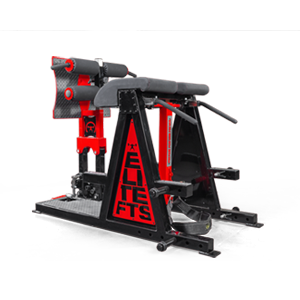
But Pat was clear that the Nordic isn't magic. The RDL does the same thing. The elitefts GHR, performed in full through the back raise into the leg curl, trains the hamstring across both joint angles under load in a stretched position. That's a box six exposure. The elitefts GHR has been an industry standard in serious training facilities for decades, and if you've ever tried to grind through hard sets of full GHRs, you already understand why your hamstrings respond to them the way they do.
What matters is the profile, not the specific exercise. Stop being emotionally attached to movements. Understand the mechanics. Find what creates the right stimulus. Then you have options.
What This Means for How You Train
Here's where this goes from interesting to actionable.
Most lifters are undertraining in the stretch. If your accessory work consists of lateral raises, hip thrusts, and machine curls that load the top of the movement, you're doing a lot of box two work. You're applying the most stress at the wrong end of the range. This doesn't mean those exercises are worthless. It means you need to audit whether you're getting enough stretch-loaded work across every major muscle group.
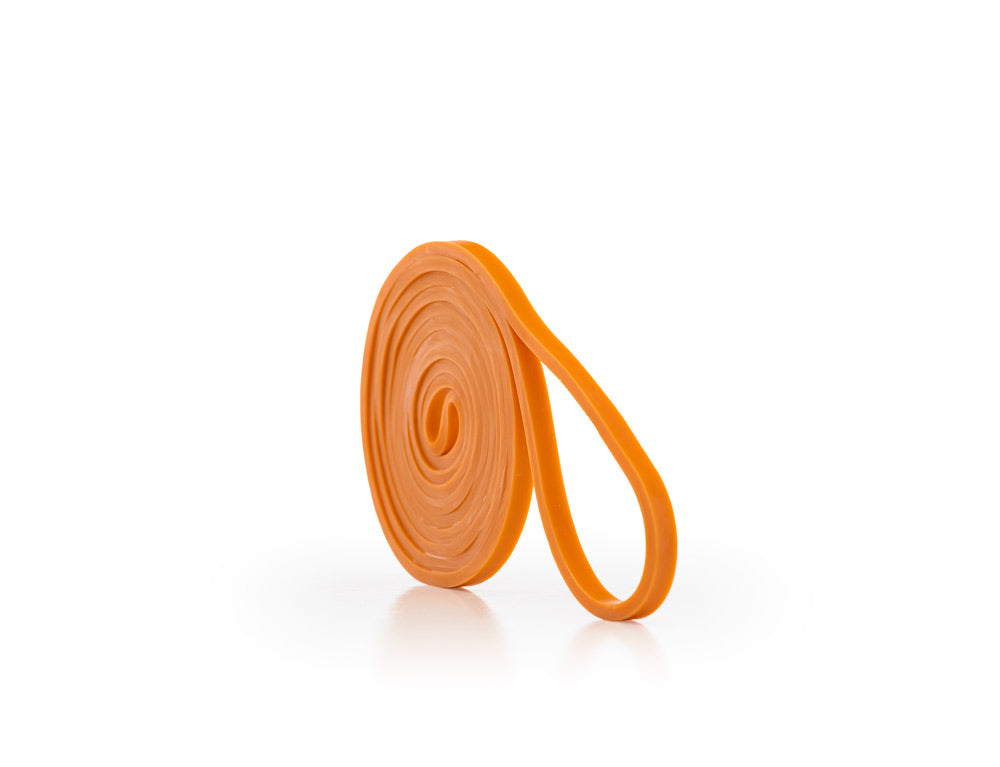
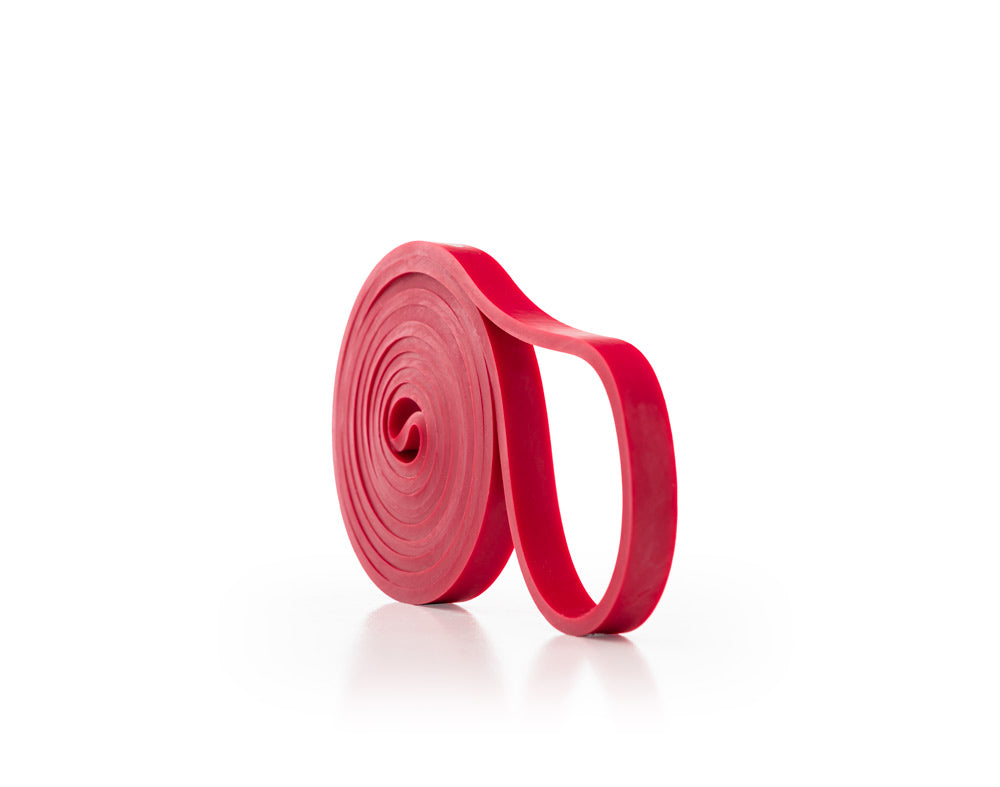
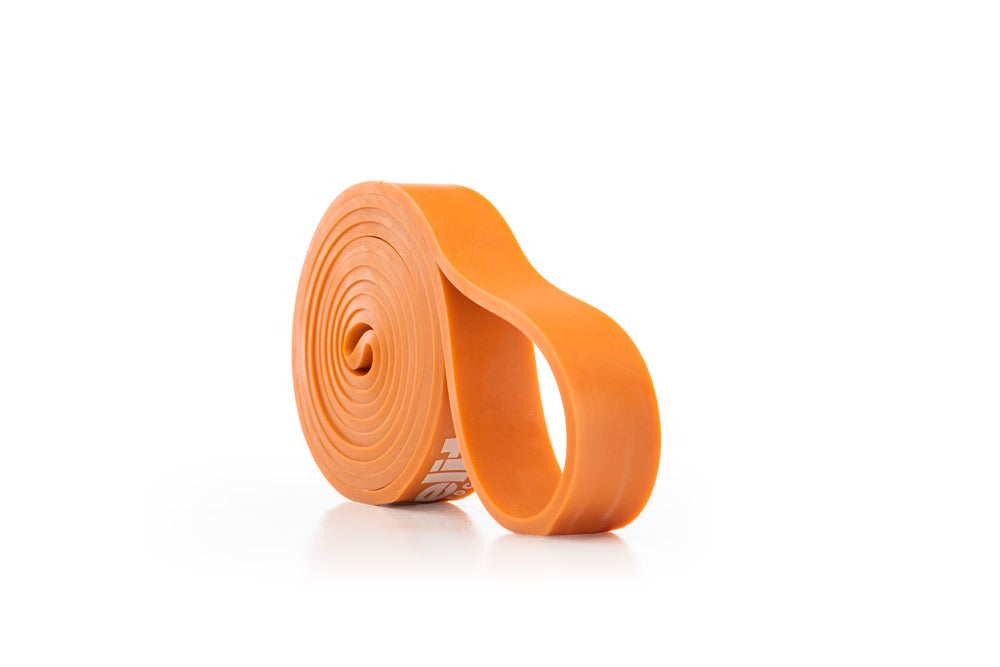
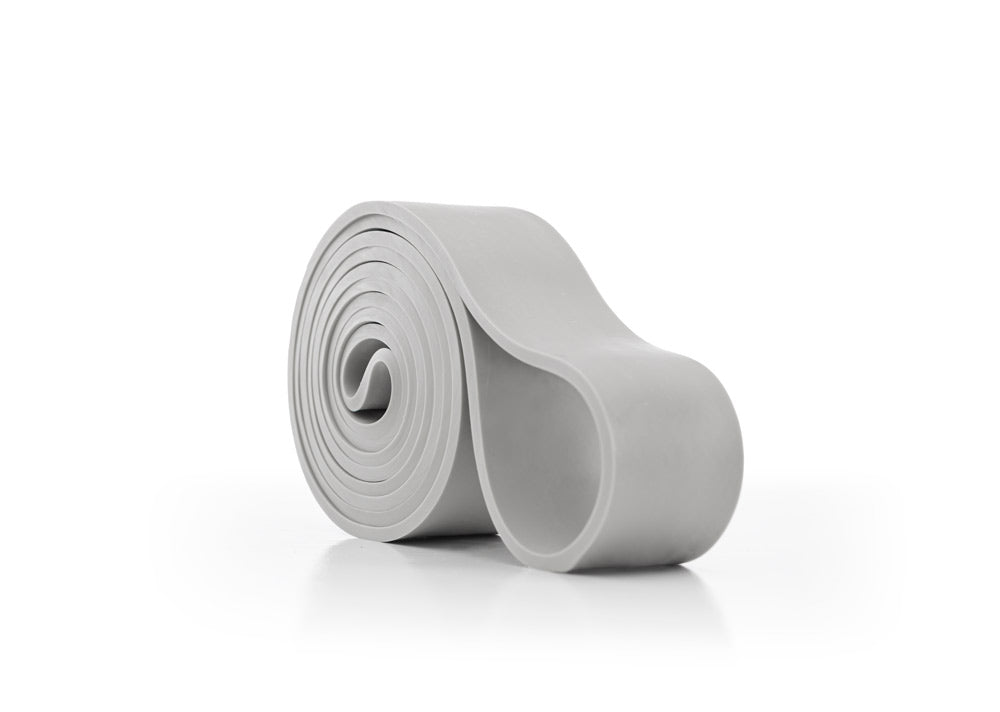
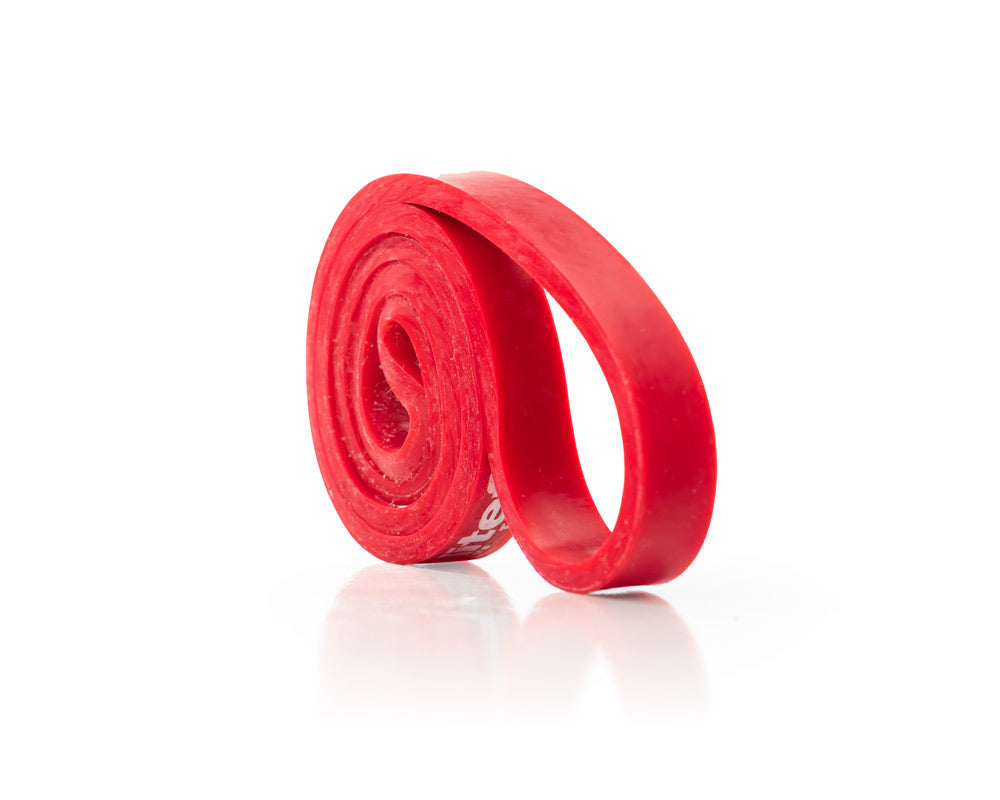
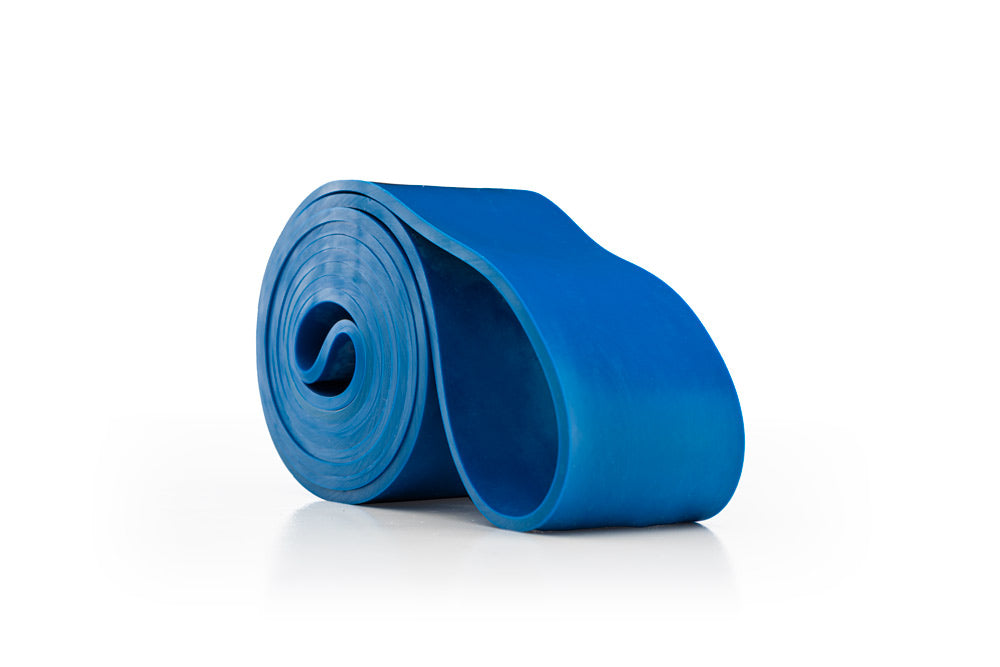
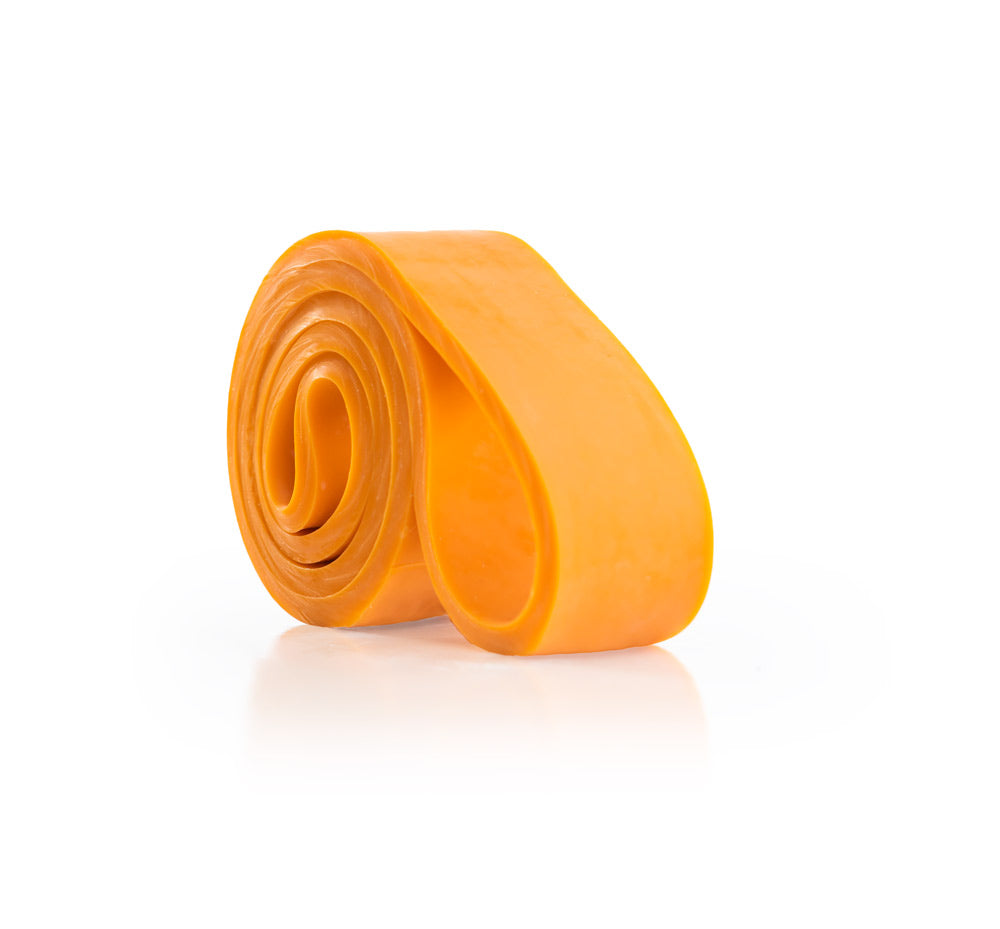
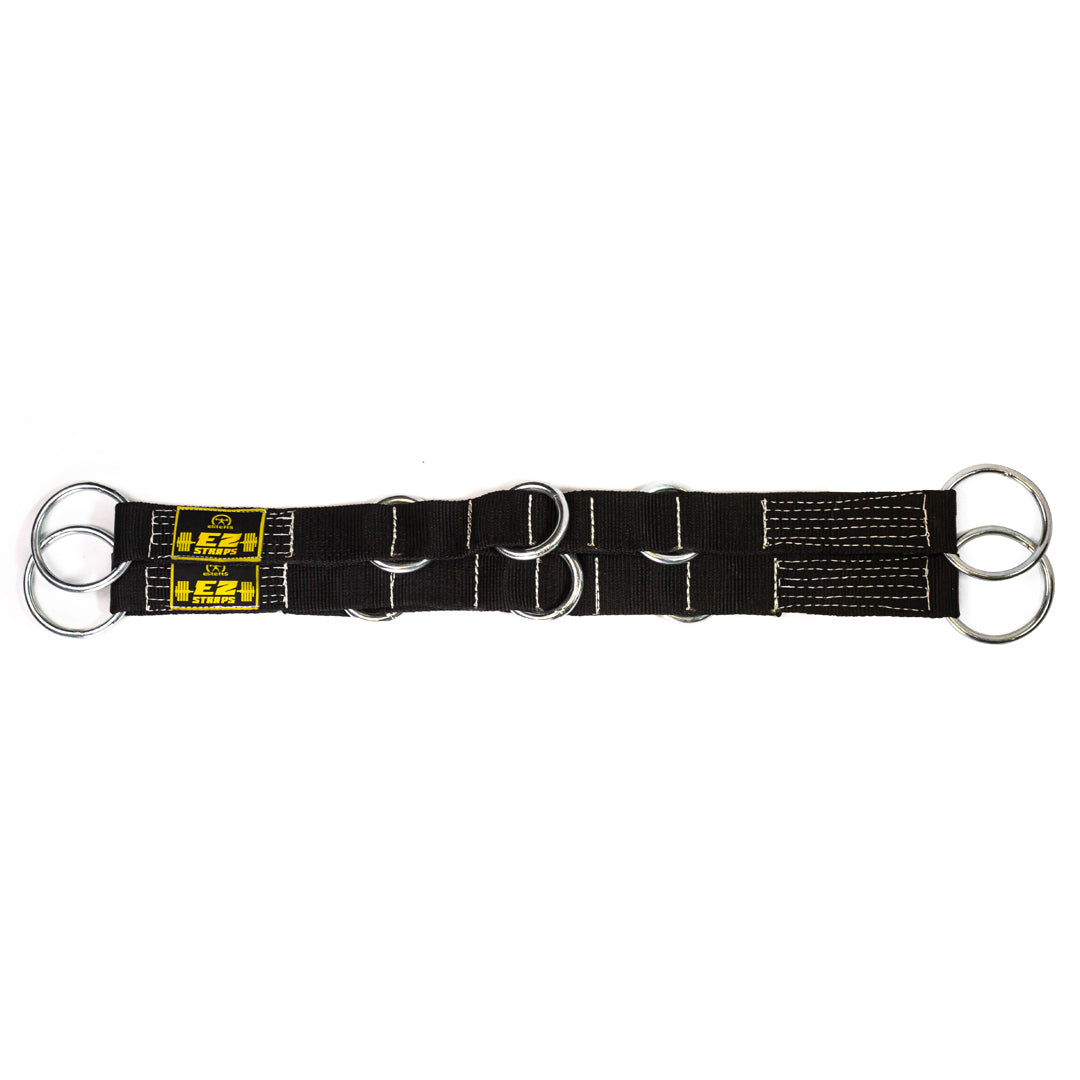
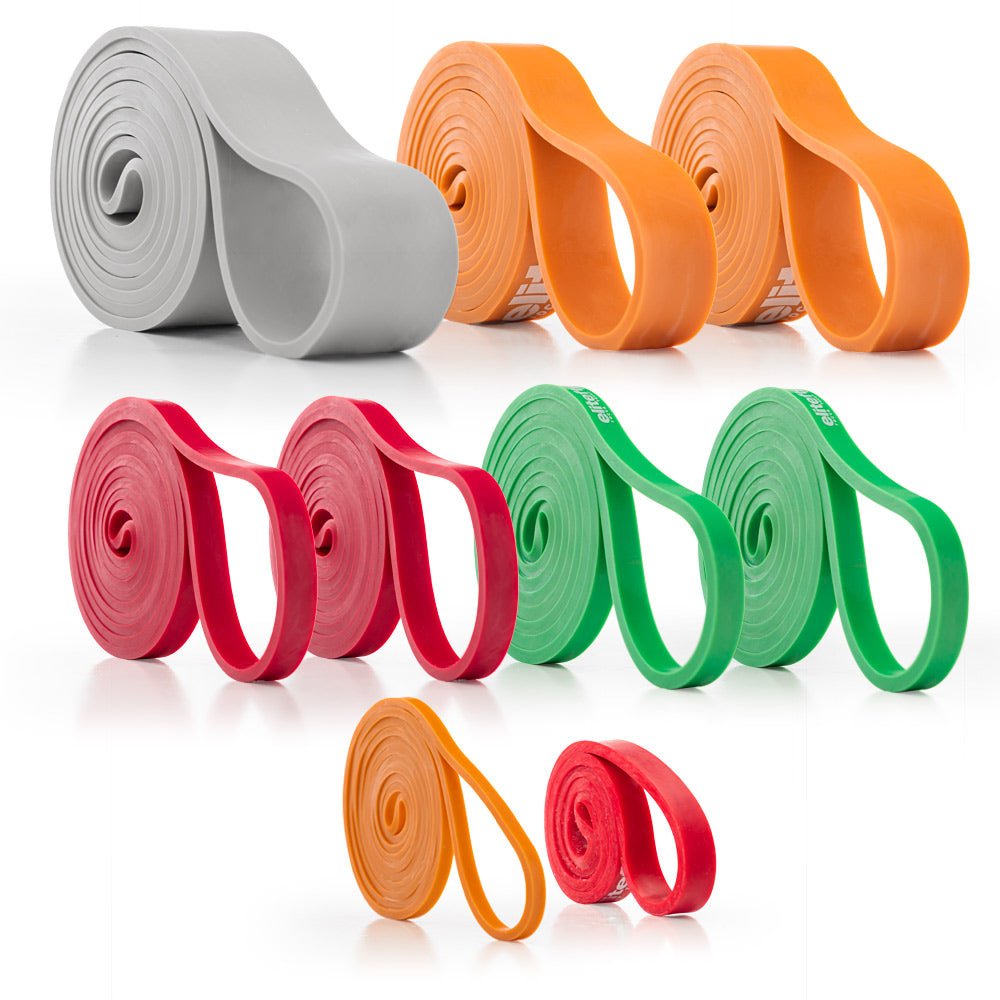
Accommodating resistance changes what box you're in. Bands and chains have been part of the elitefts training system for a long time. The primary argument for them in powerlifting is that they match the strength curve, loading heavier where you're strongest. But there's another dimension here. Bands attached to the floor or rack and pulling against a squat increase the posterior chain demand in the stretched position. They shift where the peak demand occurs within the range.
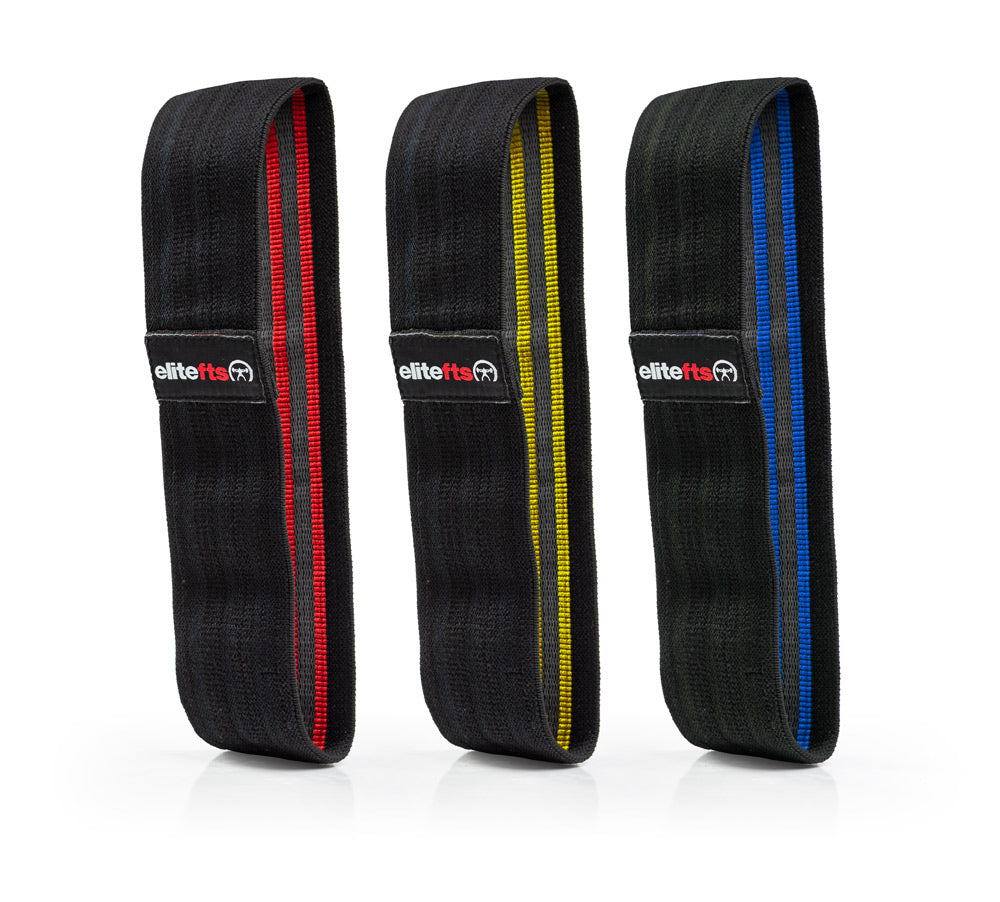
When you're using elitefts resistance bands on a squat or a press, you're not just accommodating your strength curve. You're manipulating the mechanical profile of the movement. Understanding that distinction changes how you program them.
Back development is where free weights fail you most. With rows, pull-downs, and pull-ups, when the lat is at its longest, the weight is essentially hanging directly under the shoulder. The moment arm is near zero at the stretched position. Peak torque happens at the shortened end. That's a box two profile for the lats.
This is why bodybuilders with serious back development have always relied heavily on cables and machines that create resistance when stretched. The instinct was right. The science now explains why. If you want to drive more growth in the upper back and lats, you need to load the stretch, which means cables, machines, or creative band placement that creates perpendicular tension when the lat is at its longest.
Building the Sequence
One of the most practical aspects of this framework is that it provides a map. You don't have to guess at where to start or how to progress.
You start in box one. Slow, controlled, muscle shortened, moment arm short. This is where you rebuild after injury. This is where a new lifter learns to control a joint without excessive tissue stress. This is also where you go when something hurts and you need to figure out why.
You spend most of your training life in box six. The big compounds. The stretch-loaded accessories. The movements that build tissue because the mechanics say they should. The squat, the deadlift, and the press. The GHR, the RDL, the incline dumbbell press, and the properly set up cable row.
You work toward the fast-velocity boxes when training demands it. Dynamic effort work. Speed pulls. Power-based training. These develop the ability to express force at velocity. This is where conjugate dynamic effort work belongs in the sequence, not as a replacement for box six training, but as a complement to it once the base is built.
And you respect box eight. You don't train there on purpose. It finds you in competition, in sport, in the moments where things go wrong and there's no controlled exit. Your job is to be prepared for it through what you do in the boxes below it.
Train the Right Part of the Range
The GHR is one of the highest-return investments in box six training for the posterior chain. elitefts has been building them longer than anyone else in the industry.
Shop GHR Shop BandsThe Takeaway
Pat Davidson is one of those guys who makes you realize how much of what serious lifters have done intuitively has a rigorous mechanical explanation behind it. The movements that have always built the most muscle and strength do so because they load the tissue in a stretched position with a long moment arm. That's not a new idea dressed up in academic language. That's the foundation of what we've done here since day one.
Get in the stretch. Load the right part of the range. Understand the mechanics of what you're doing before you add more weight to it. Build the base in the lower boxes before you try to live in the dangerous ones.
That's the point.
Live, Learn, Pass On.
Dave Tate | elitefts