
You Can Train Anywhere: Bob Merkt's Complete Band Workout Guide
Bob Merkt of Atlantic City Barbell breaks down a full-body resistance band workout system you can run from a hotel room, a classroom, or a beach in Panama.
Bob Merkt was on an island in Panama. No gym. No barbell. Just a beach and a giant tree branch. He set up his bands, looped them over that branch, and got his work in.
That's not a story about desperation. That's a story about habit. When training is part of who you are and not just what you do when conditions are perfect, you find a way. A branch works. A chair works. A hook in a classroom wall works. Bob has trained in all of those places and more.
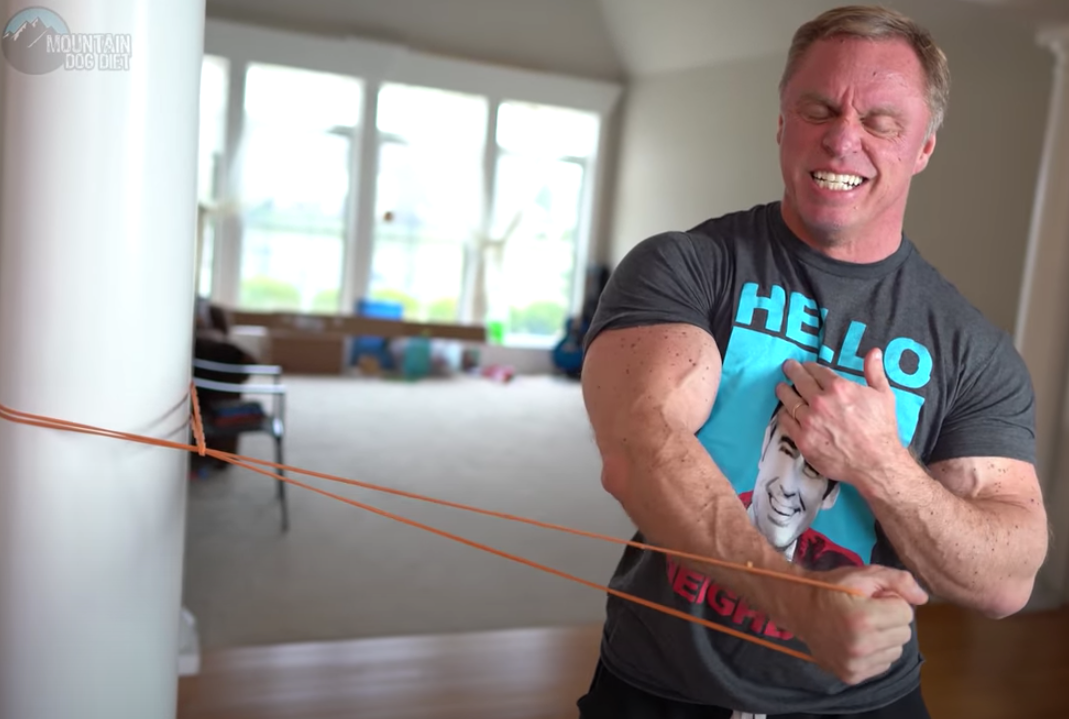
Bob Merkt is the owner of Atlantic City Barbell and has built a reputation as someone who trains too much. His words, not ours. He travels constantly, and somewhere along the way he got exceptionally good at making resistance bands do everything a full gym can do. In the video below, he walks through the entire system, movement by movement. If you have a band and something to anchor it to, you have a workout.
Watch it first. Then read what's below.
Before getting into the specifics, it's worth addressing the skepticism. If you've spent any real time under a bar, your first instinct when someone says "just use bands" is to dismiss it.
Don't.
The goal of a travel workout or a hotel room session isn't to replicate a max effort day. It's to keep the body moving, maintain joint health, stay in the habit, and come back to the gym the following week without feeling like you took a week off. Bands accomplish that with zero compromise.
"If You Have a Band and Something to Anchor It To, You Have a Workout."
Bob points out a few things that matter here. First, bands are easy on the joints. The accommodating resistance curve works in your favor during recovery-style training. Tension increases as you extend, meaning peak load hits where you're structurally strongest. That matters when you've been traveling, sleeping in bad positions, and sitting in tight airplane seats for hours.
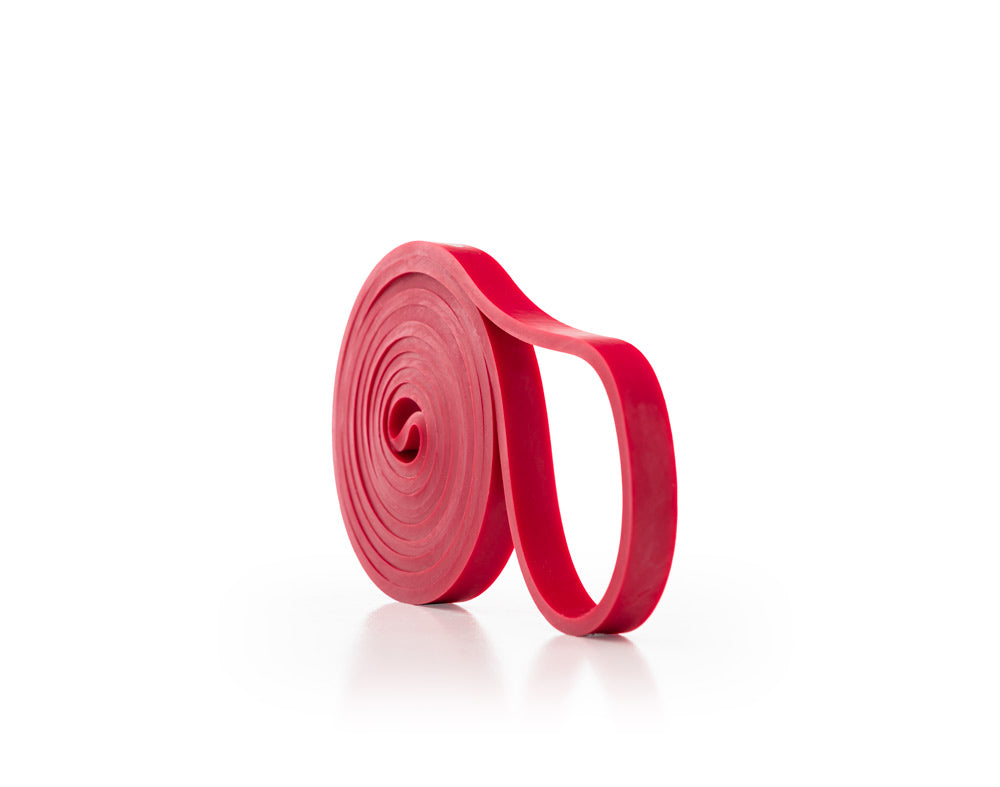
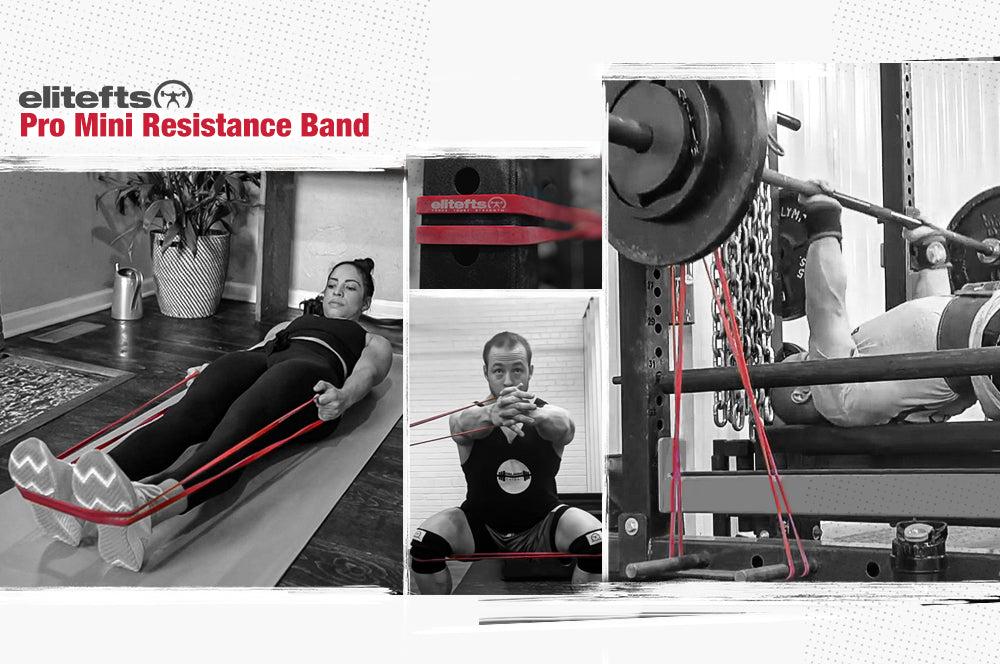
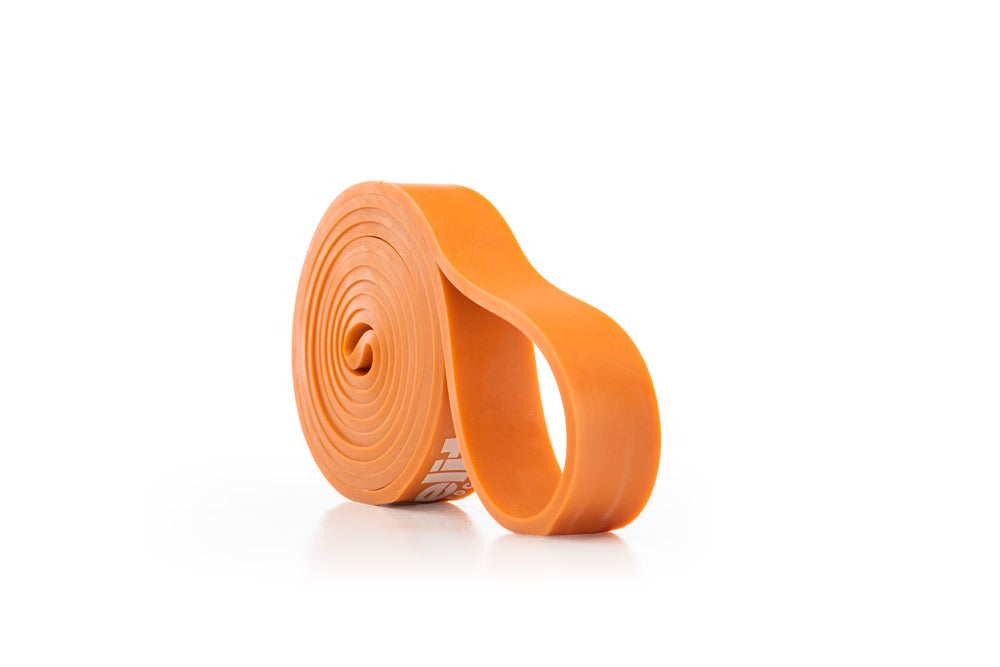
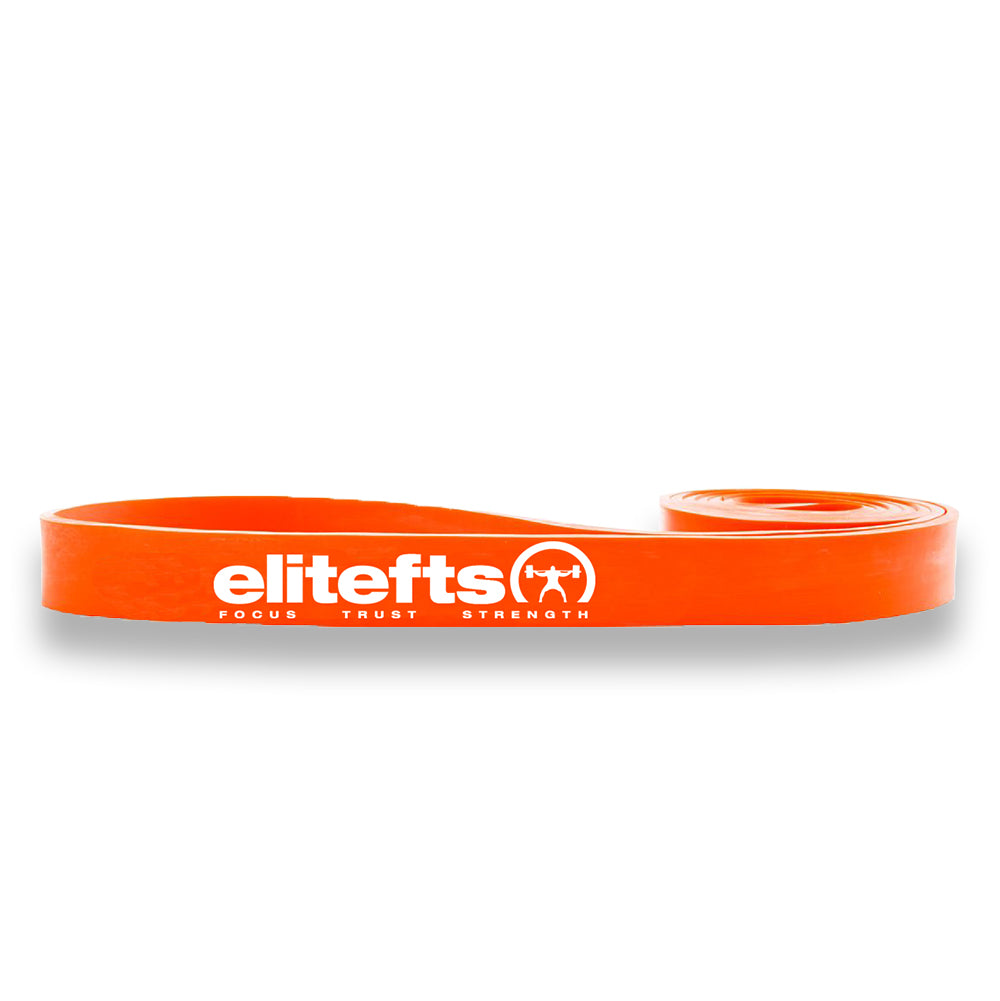
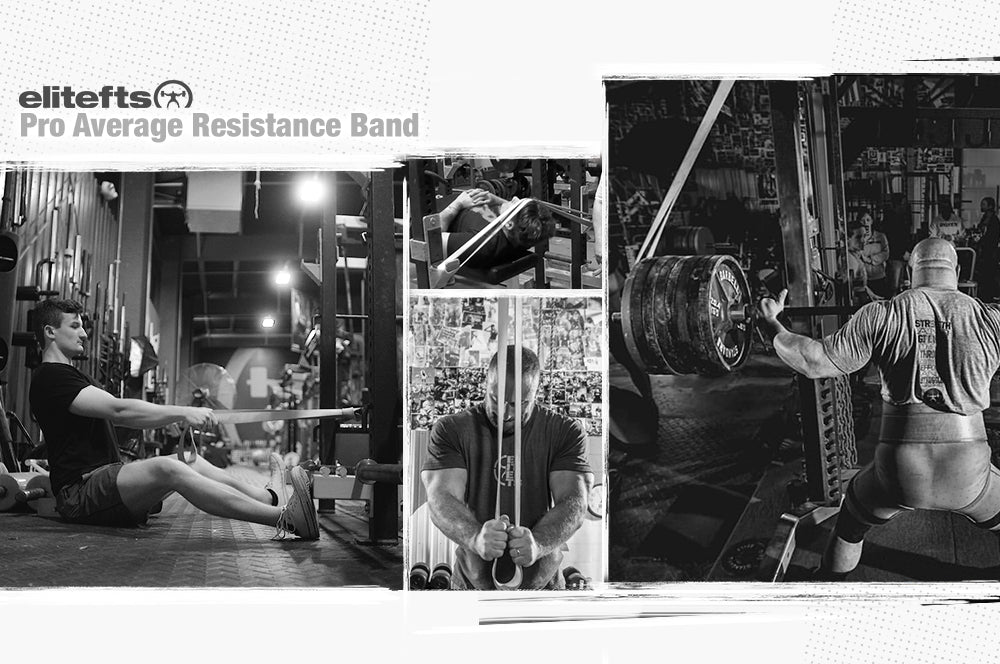
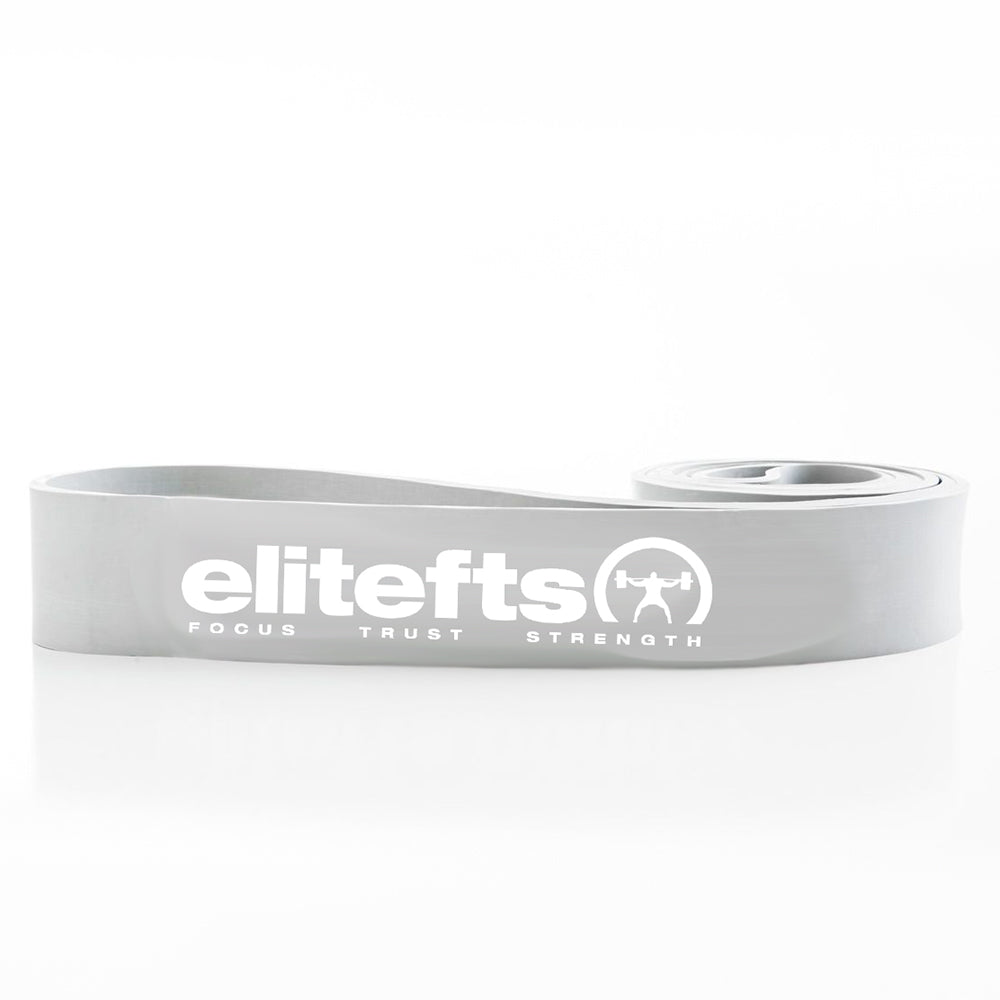
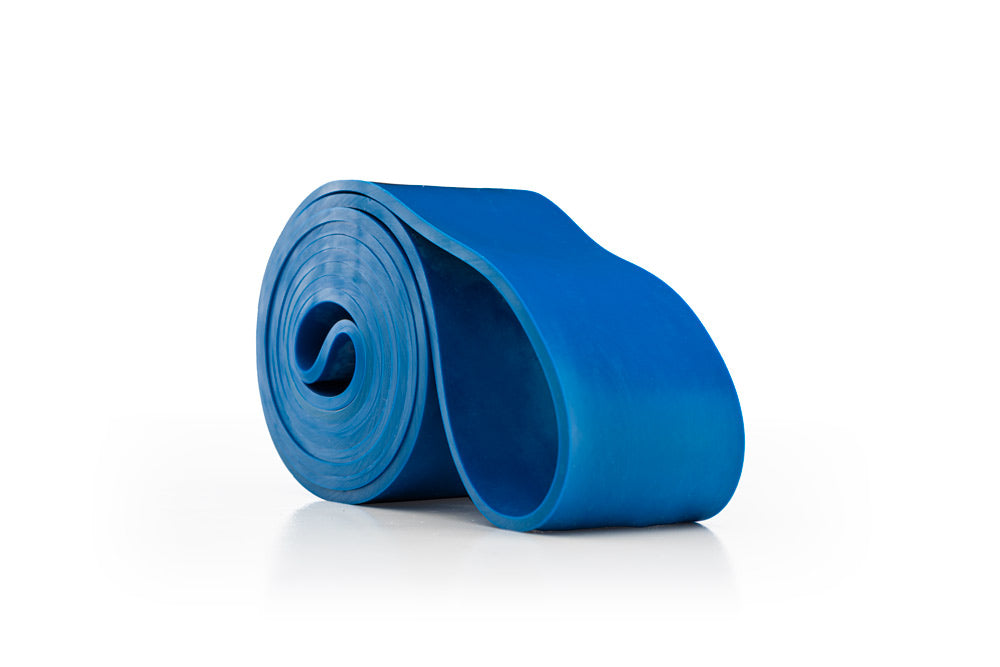
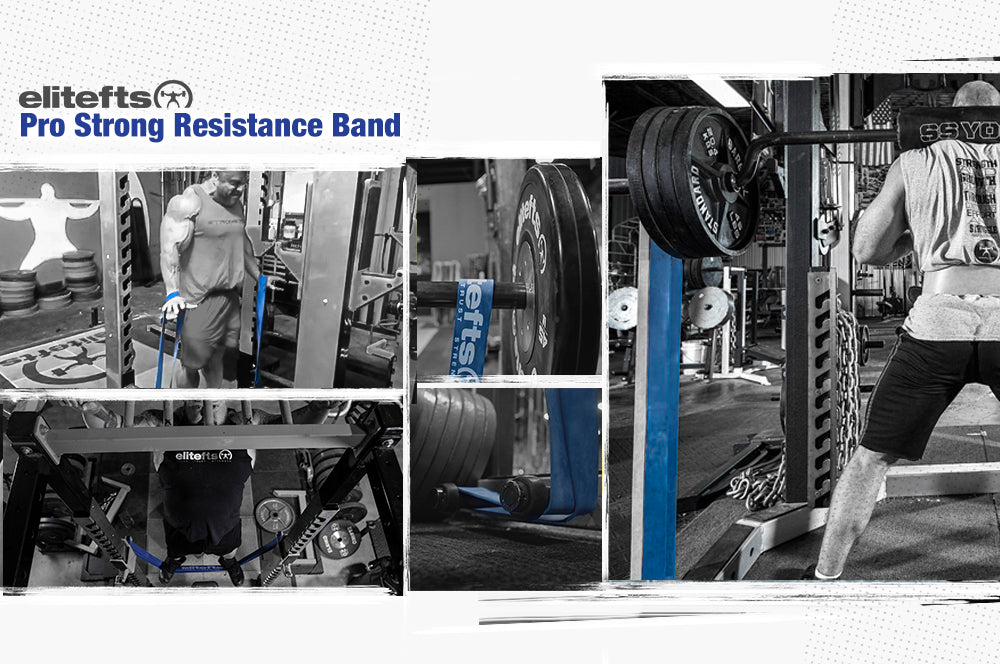
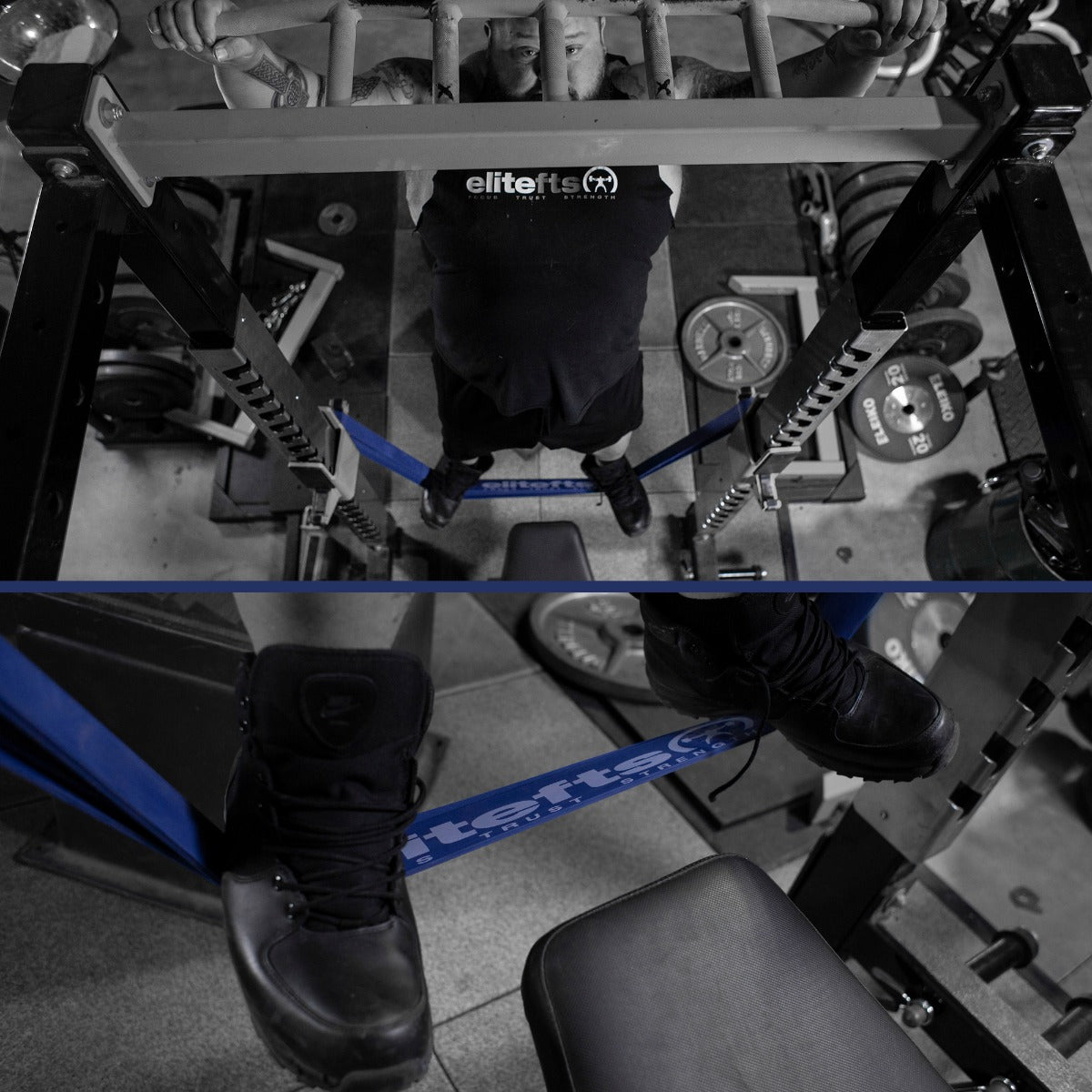
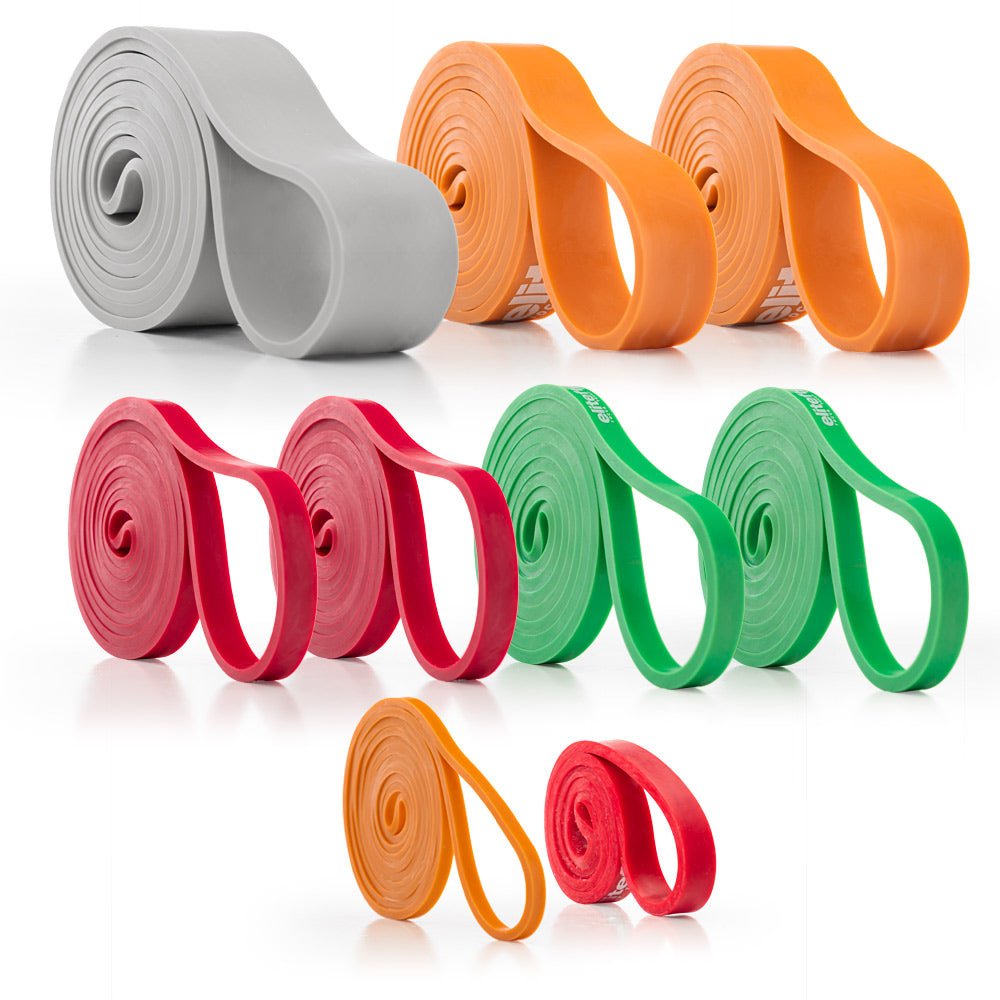
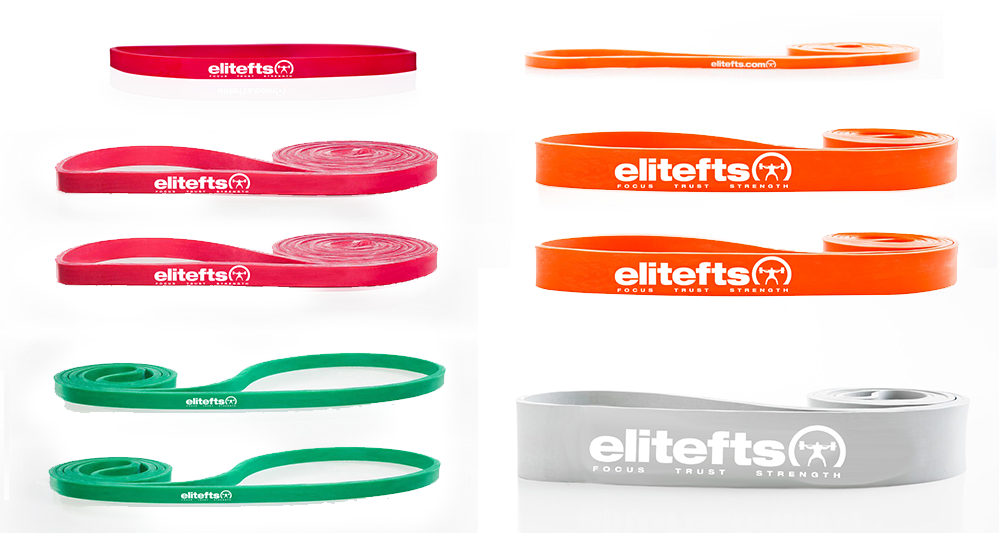
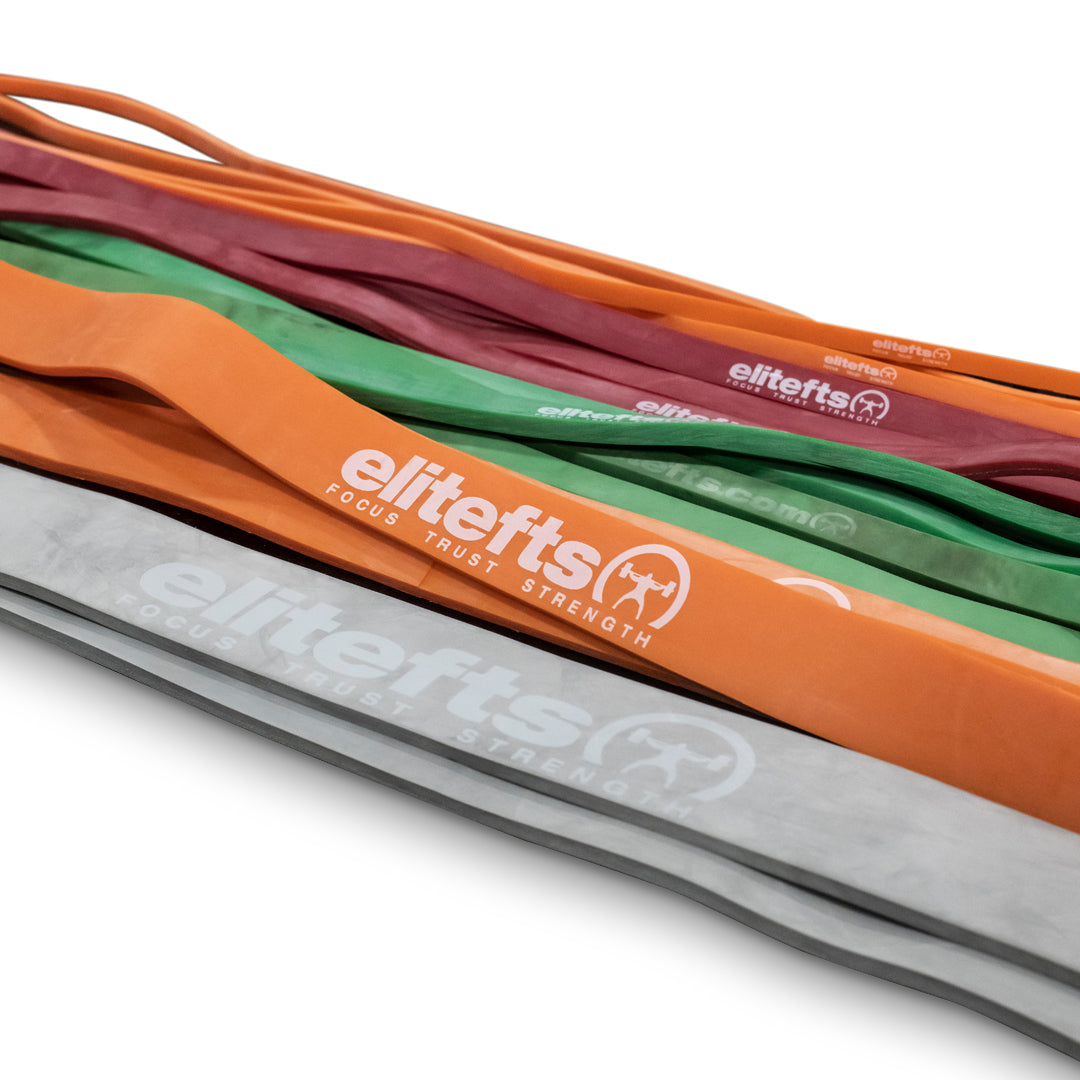
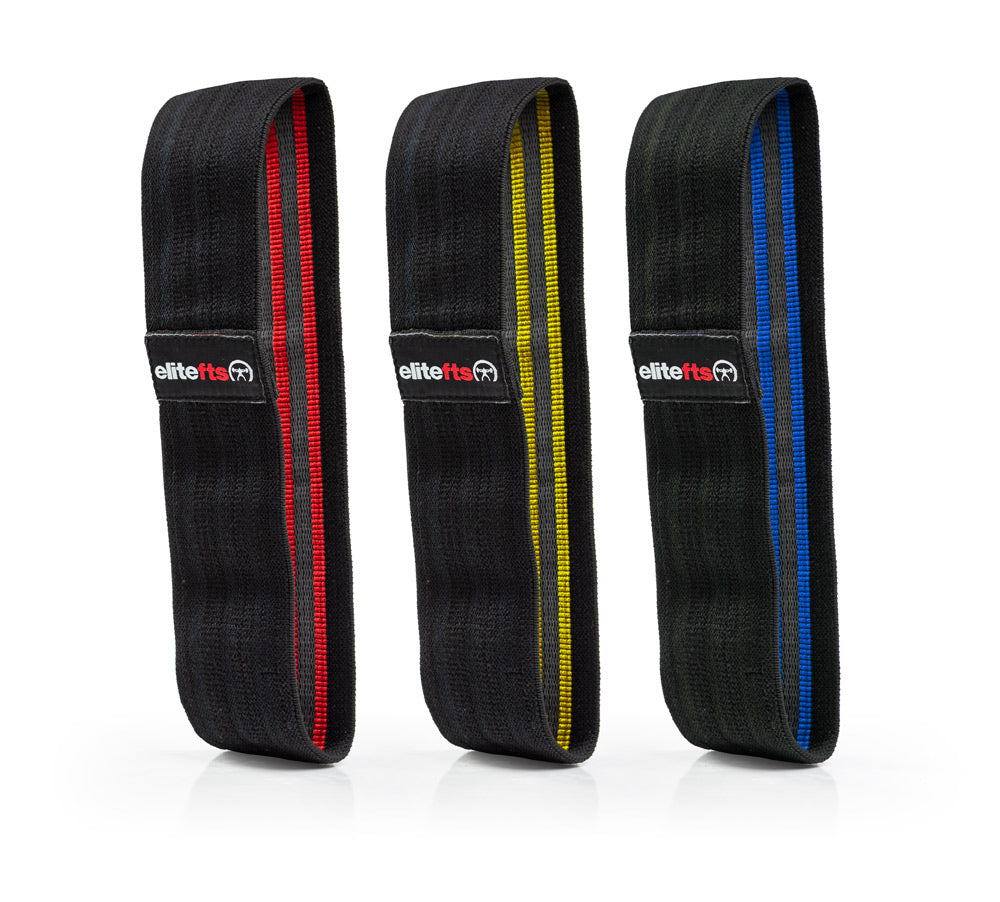
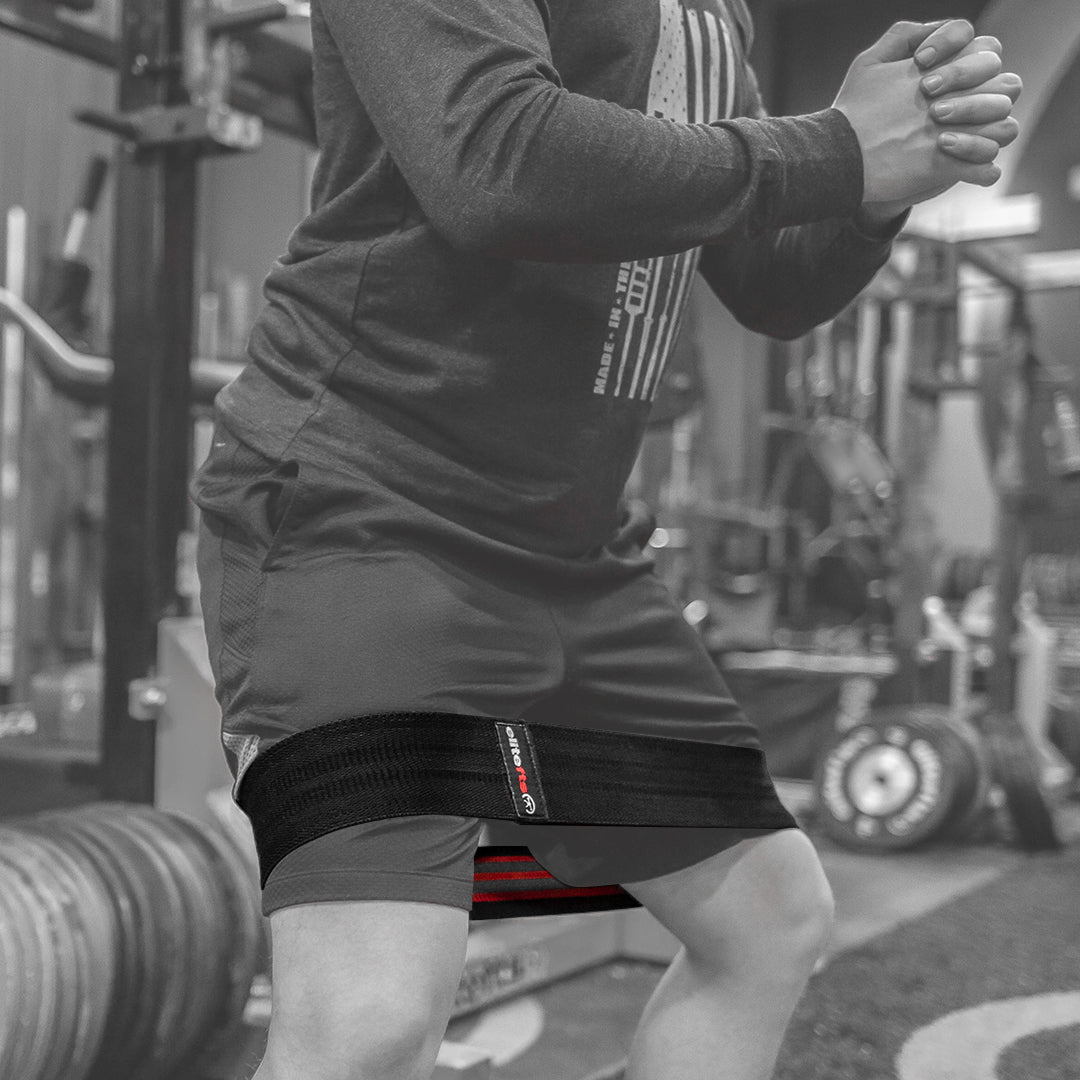
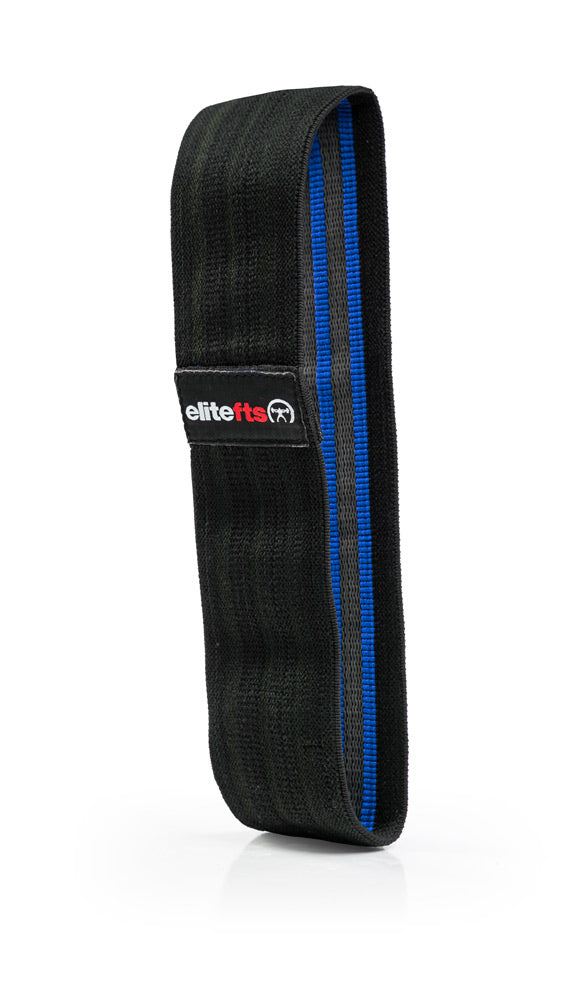
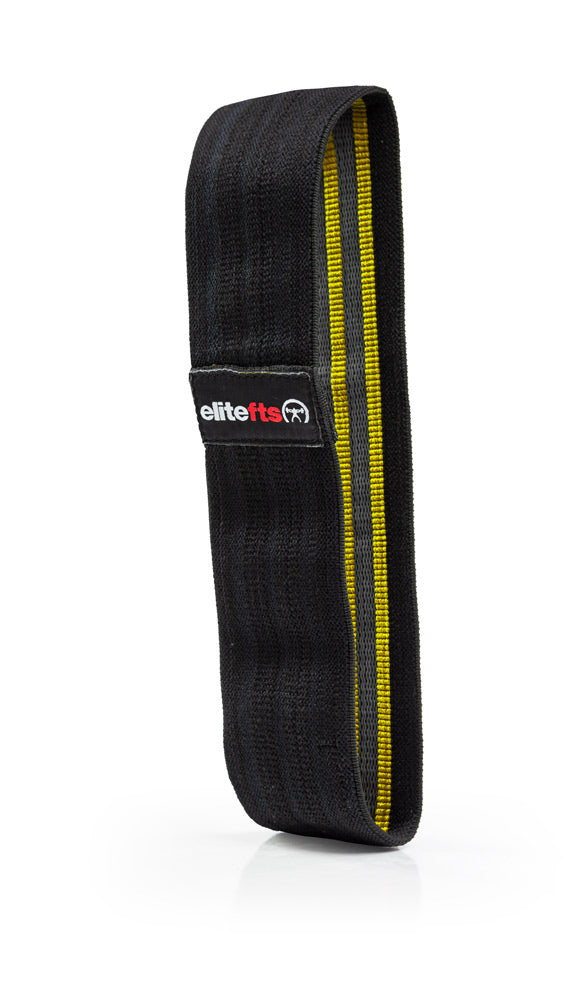
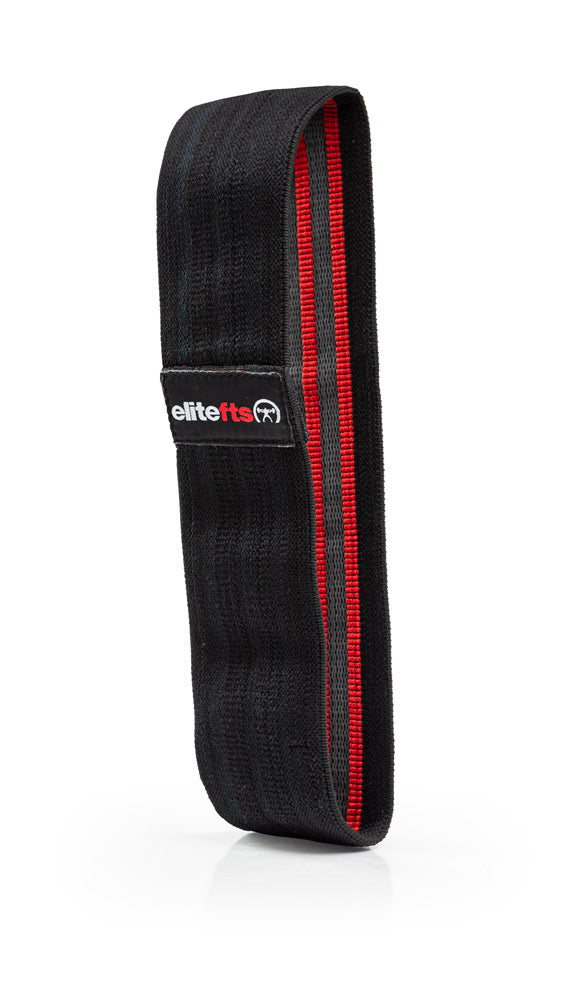
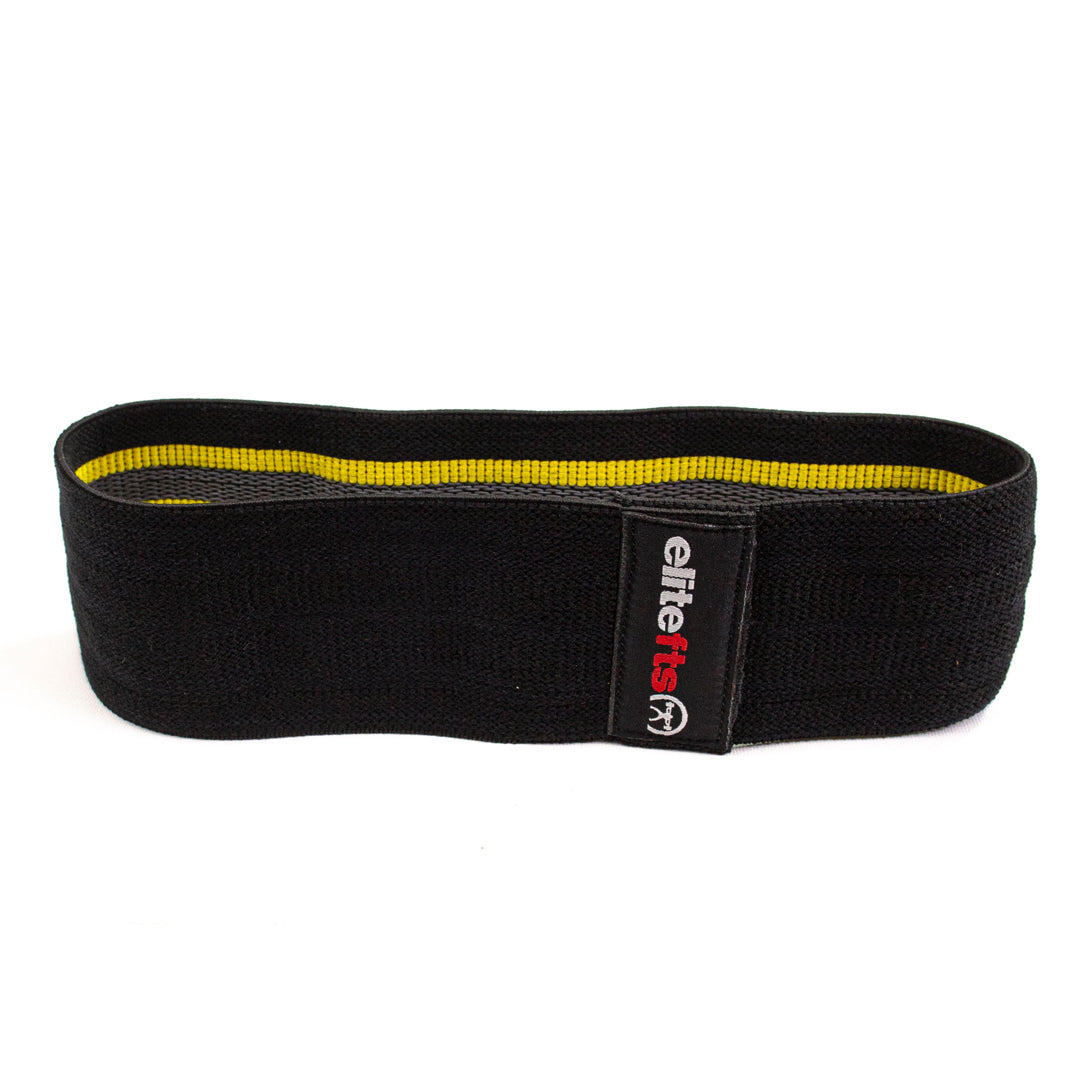
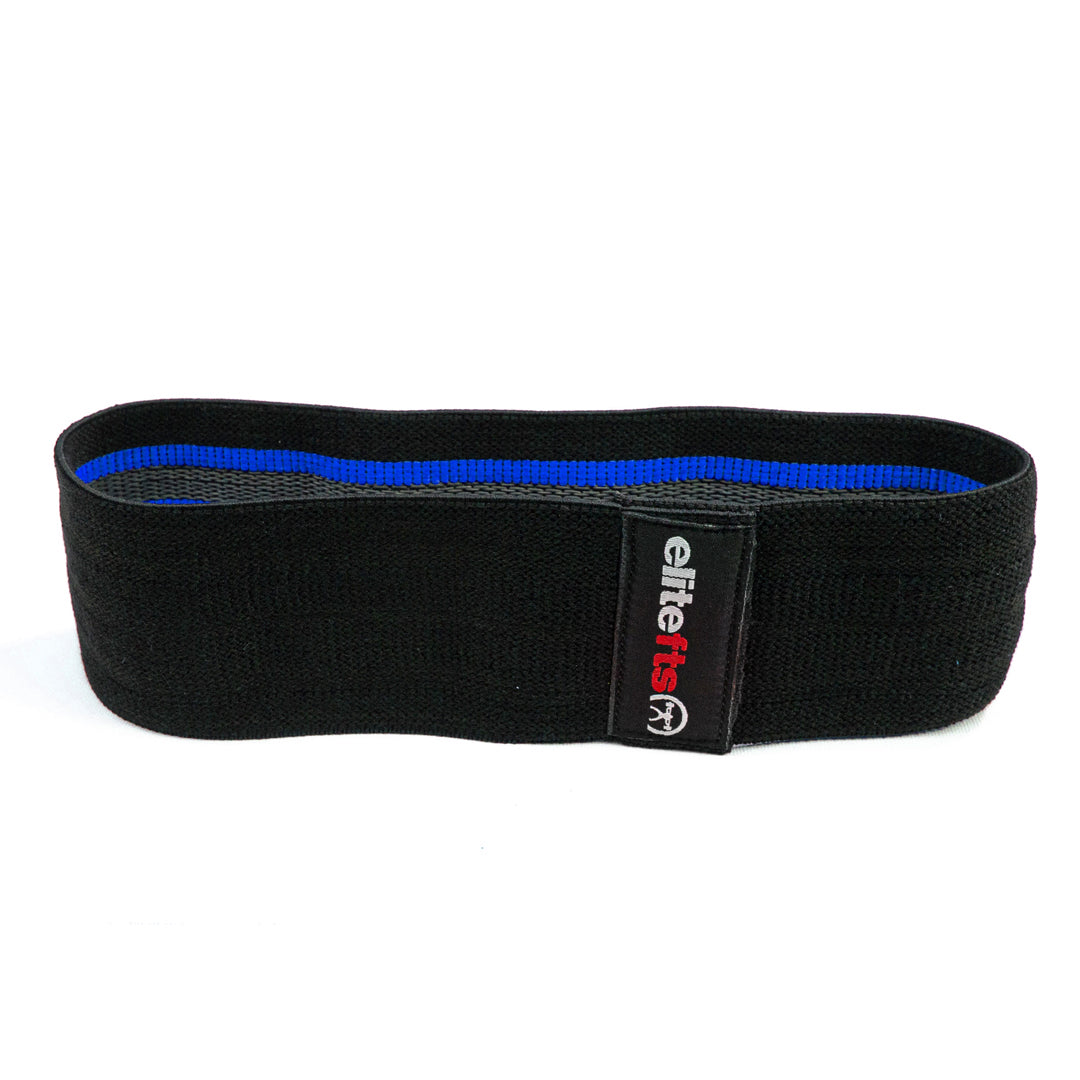
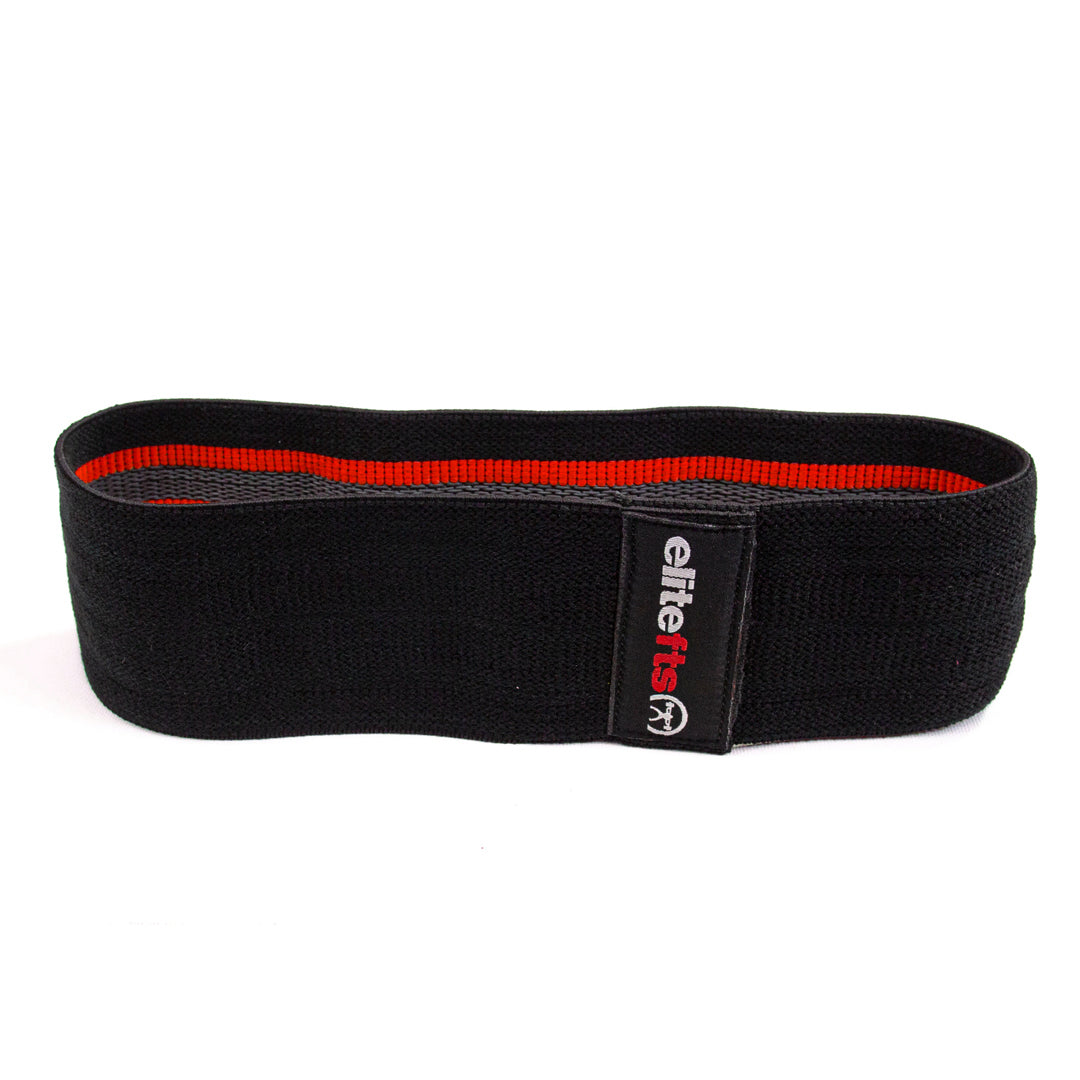
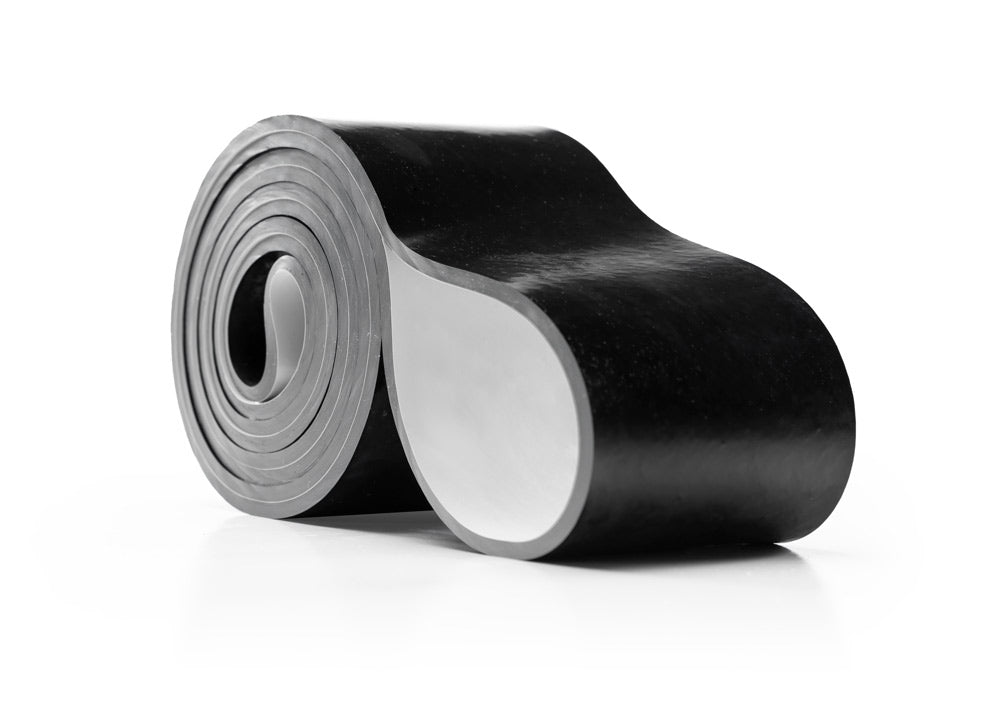
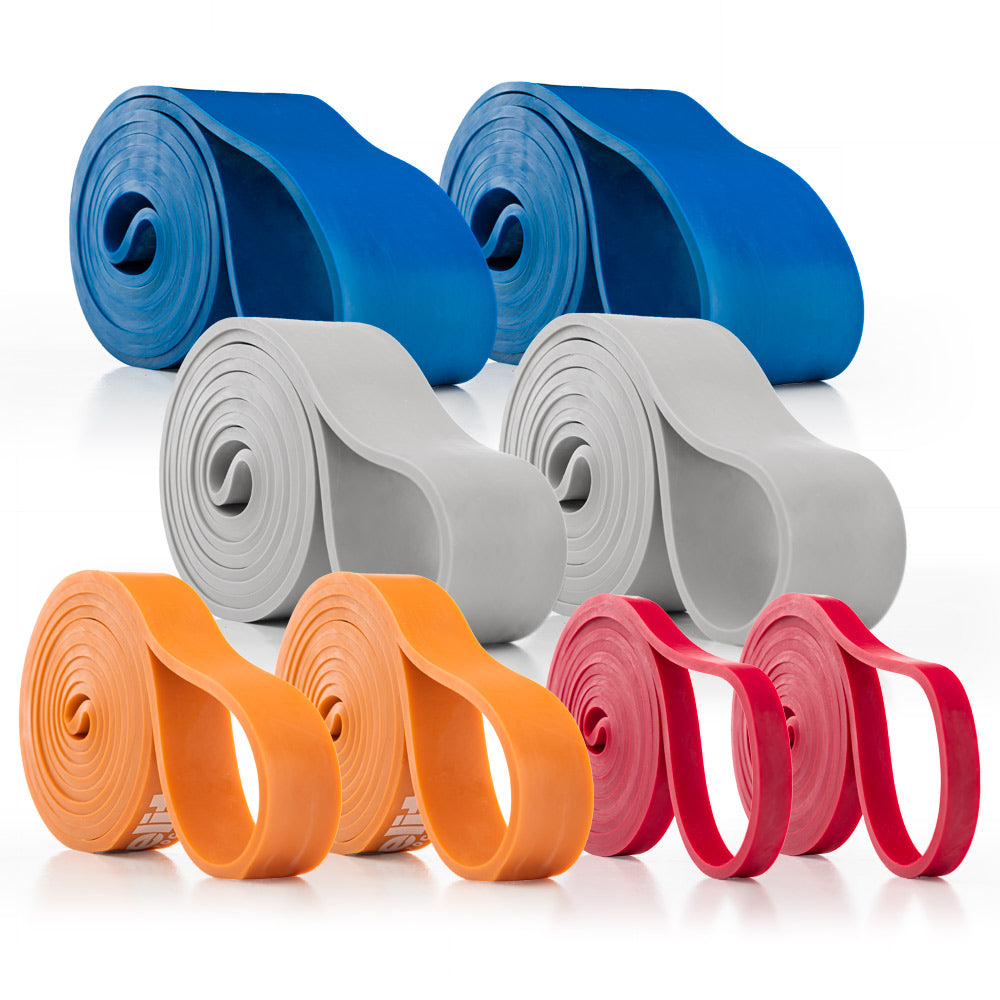
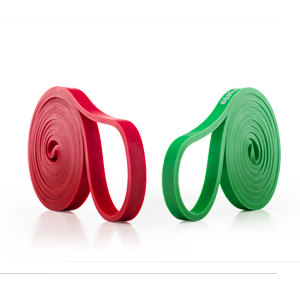
Second, bands are genuinely portable. You can carry a complete training kit in a pocket. A handful of elitefts Pro Mini Bands, a couple of Monster Minis, and a Micro Band cover every movement pattern Bob demonstrates in this video. Less than a pound of gear. Fits in a carry-on pocket.
Third, and this matters more than people realize: using bands forces you to think about what you're actually training. What muscle? What angle? What tension? That level of intentionality carries over to your regular training.
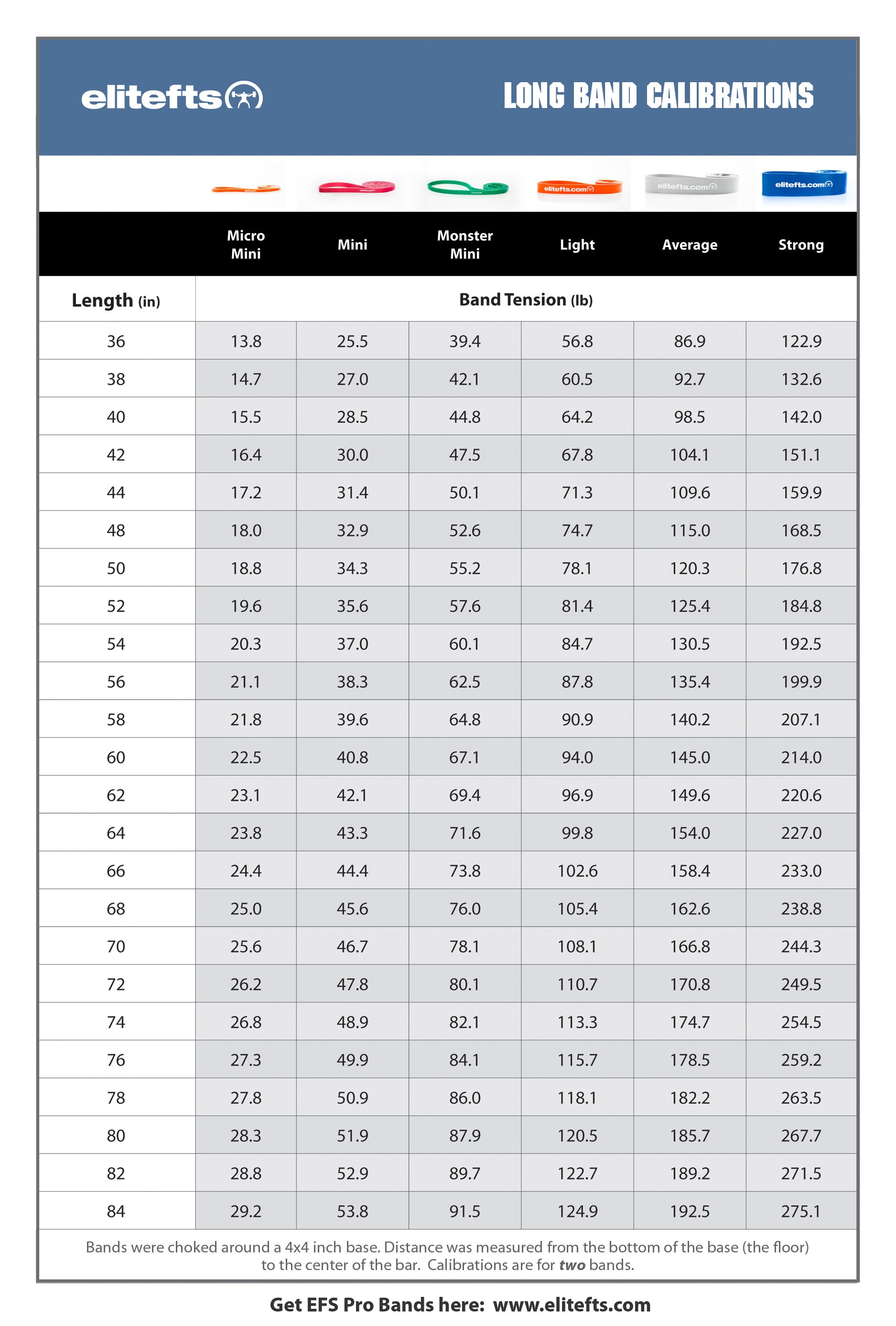
Bob works primarily with micro minis, minis, and monster minis for the movements in this video. That range covers light warm-up and prehab work through serious upper body and leg pressing resistance.
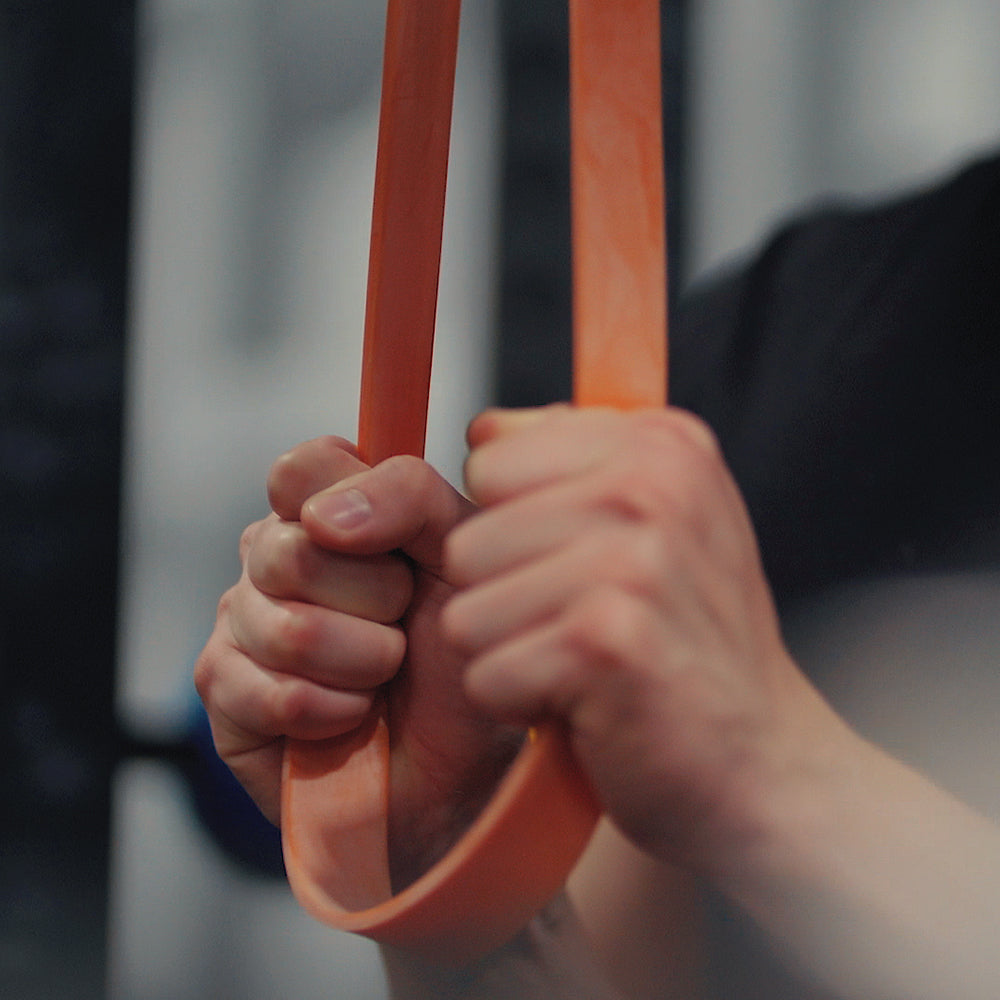
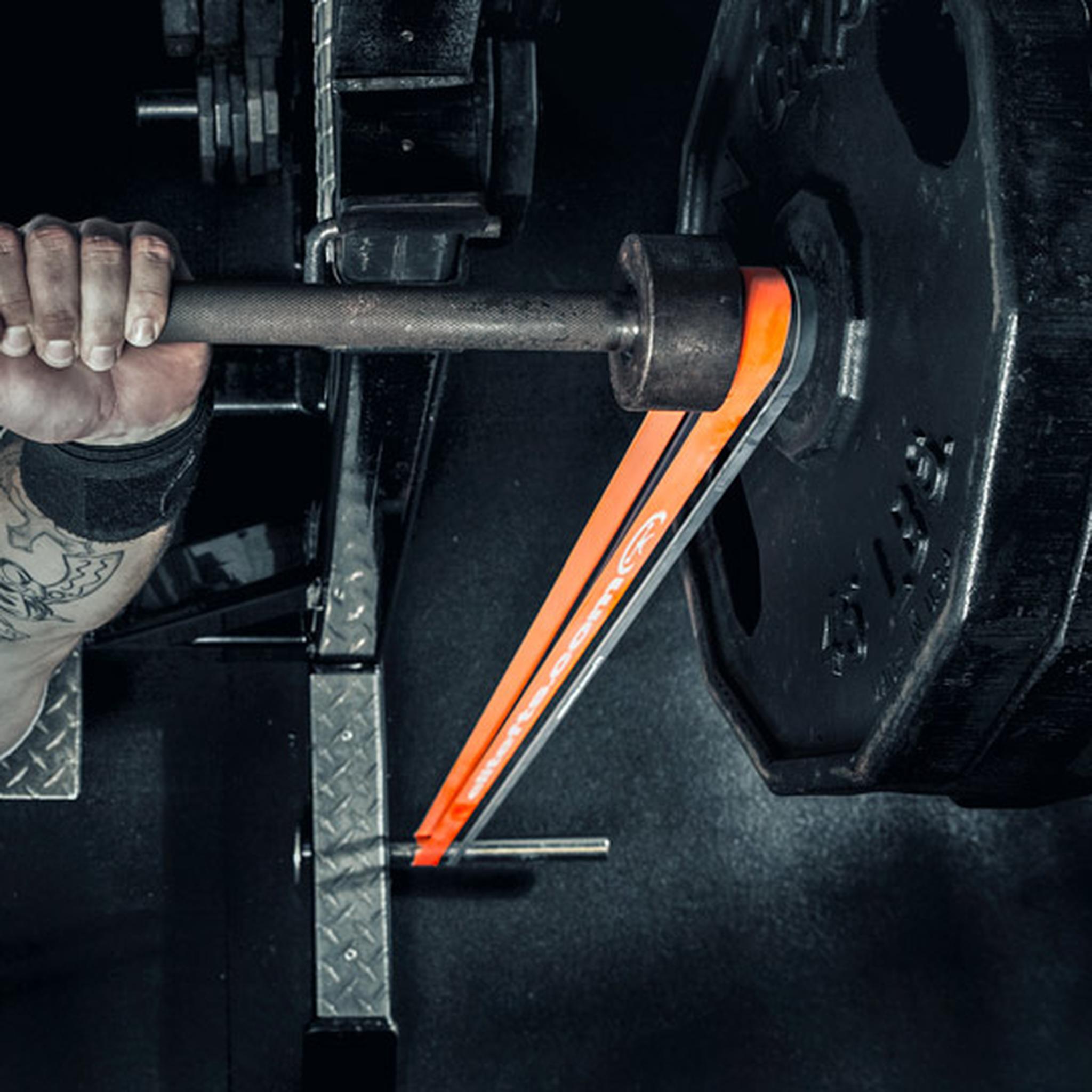
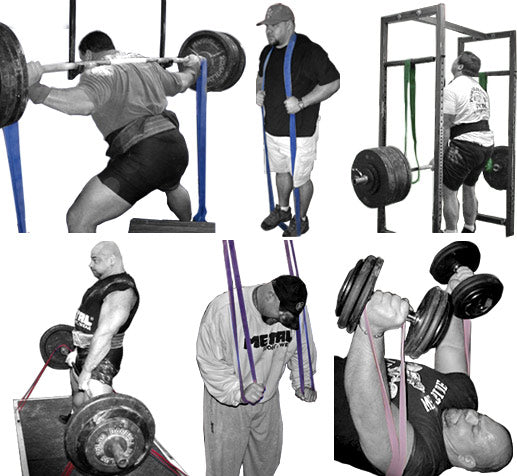
For anchoring, the rules are simple. Whatever is solid and won't move under load is your anchor. A chair leg. A doorframe. A squat rack upright. A tree branch. A hook on a classroom wall. The back of a chair, looped through the band handles, allows most seated pressing work without any separate anchor at all.
Anchor Height Quick Reference: High anchor for lat pulldowns and face pulls. Low anchor for rows and curls. Behind you for any pressing movement. Once you internalize that, setup takes about ten seconds.
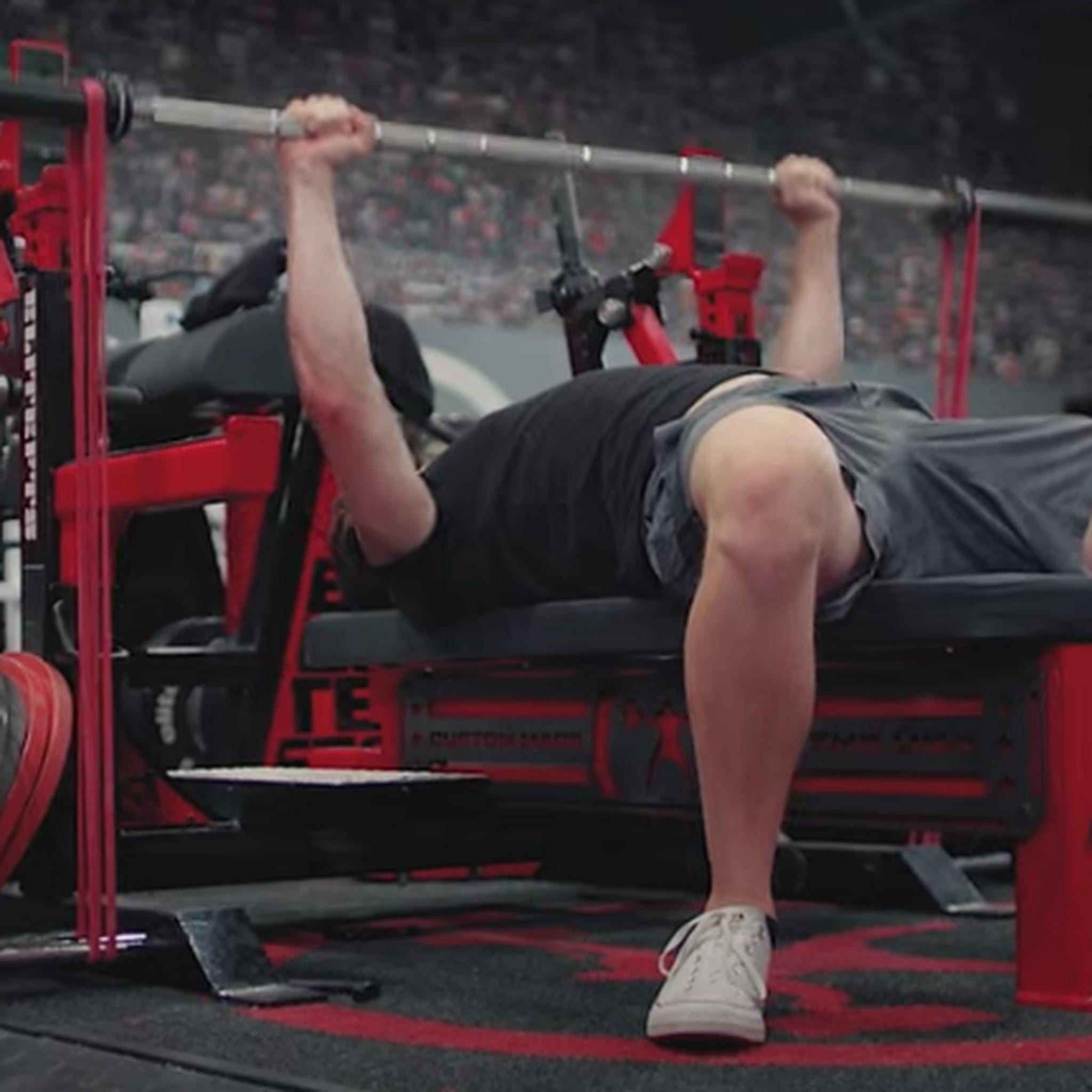
Run the band behind your back and under your armpits to lock it in place. Press out from there. Adjust your grip angle, and you hit flat, incline, or decline variations. Stack a second band to add tension. High volume here. Moderate tension, controlled reps, full range.
Same setup and anchor position as the bench press. Open the arms and squeeze at the finish. Light enough to feel the chest work, heavy enough to make high reps a challenge by the end of the set.
Anchor the band high. Lock the elbows and push down. To shift into skull crushers, lower the anchor, lie back, and extend from over your head. Both movements run well in sequence.
Band behind the back or anchored below you, hands overhead, extend and squeeze. Easy to integrate from a chair between pressing sets.
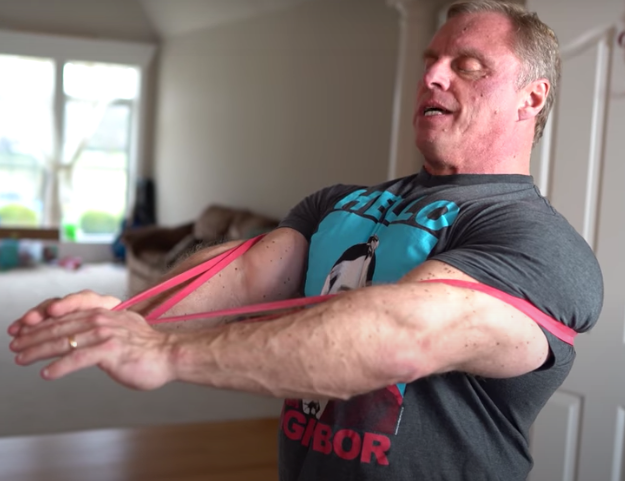
Grab the band at shoulder width, pull it apart to full extension, control it back. Bob uses these as a morning warm-up. If you have chronic shoulder issues, this movement alone is worth building into a daily habit.
Arms in a W position, pull back against the band, return under control. Bob has dealt with shoulder problems for years and keeps coming back to this movement. That should tell you something.
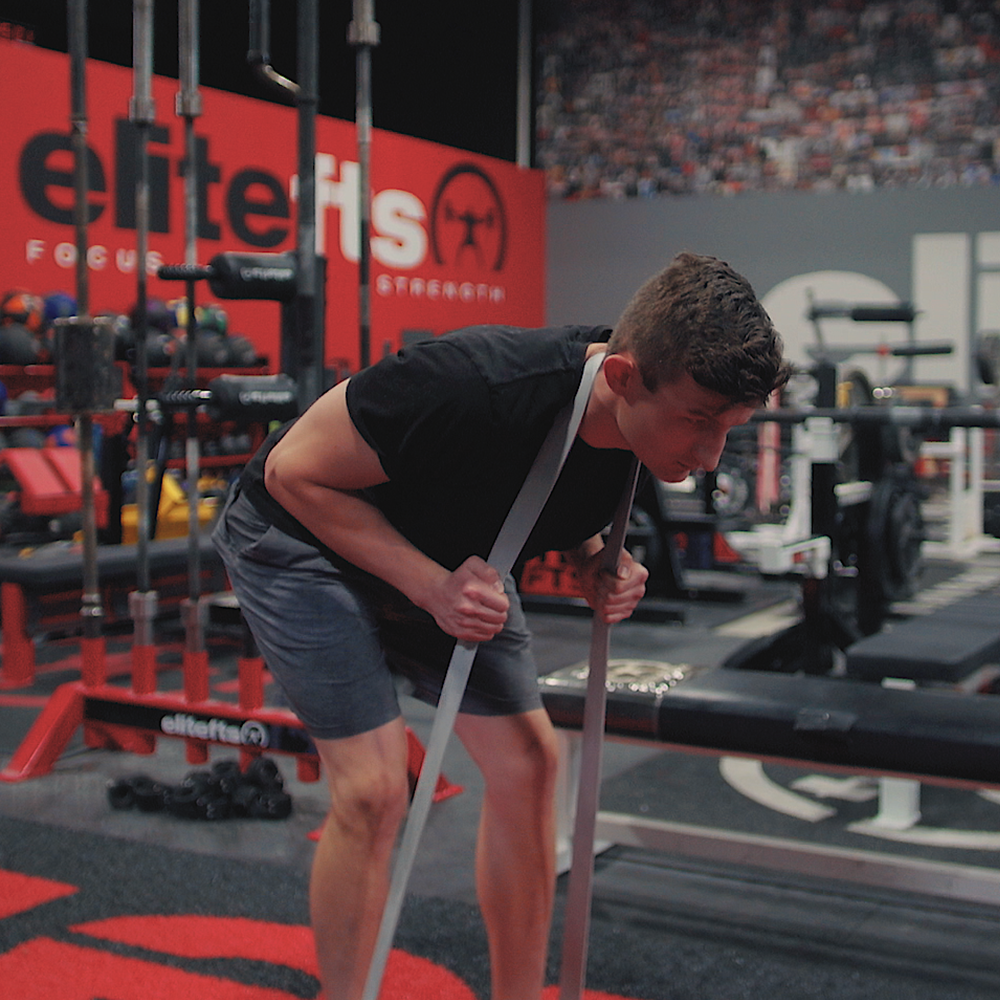
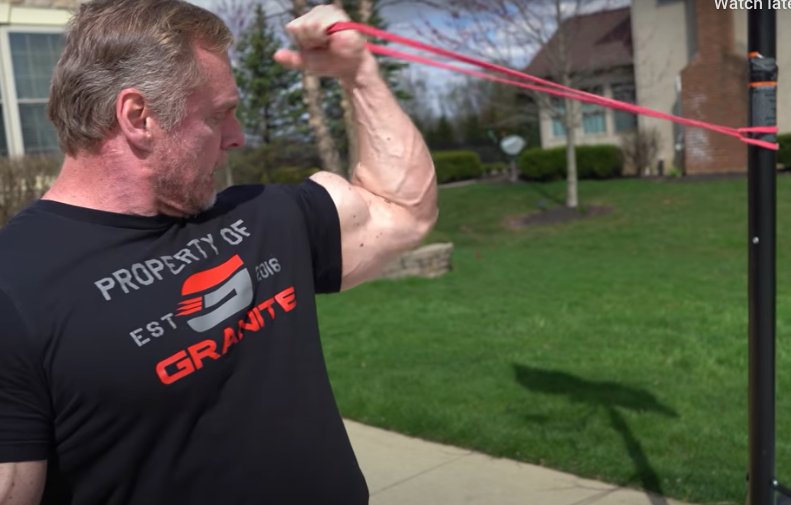
Anchor two bands high. Find something to hold as a bar. Bob has used broomsticks, mop handles, PVC pipe, and one time a branch in Panama. Pull down to the chest, control the return. Switch to an underhand grip for a different pull angle. If you only have one band, use one and run more volume.
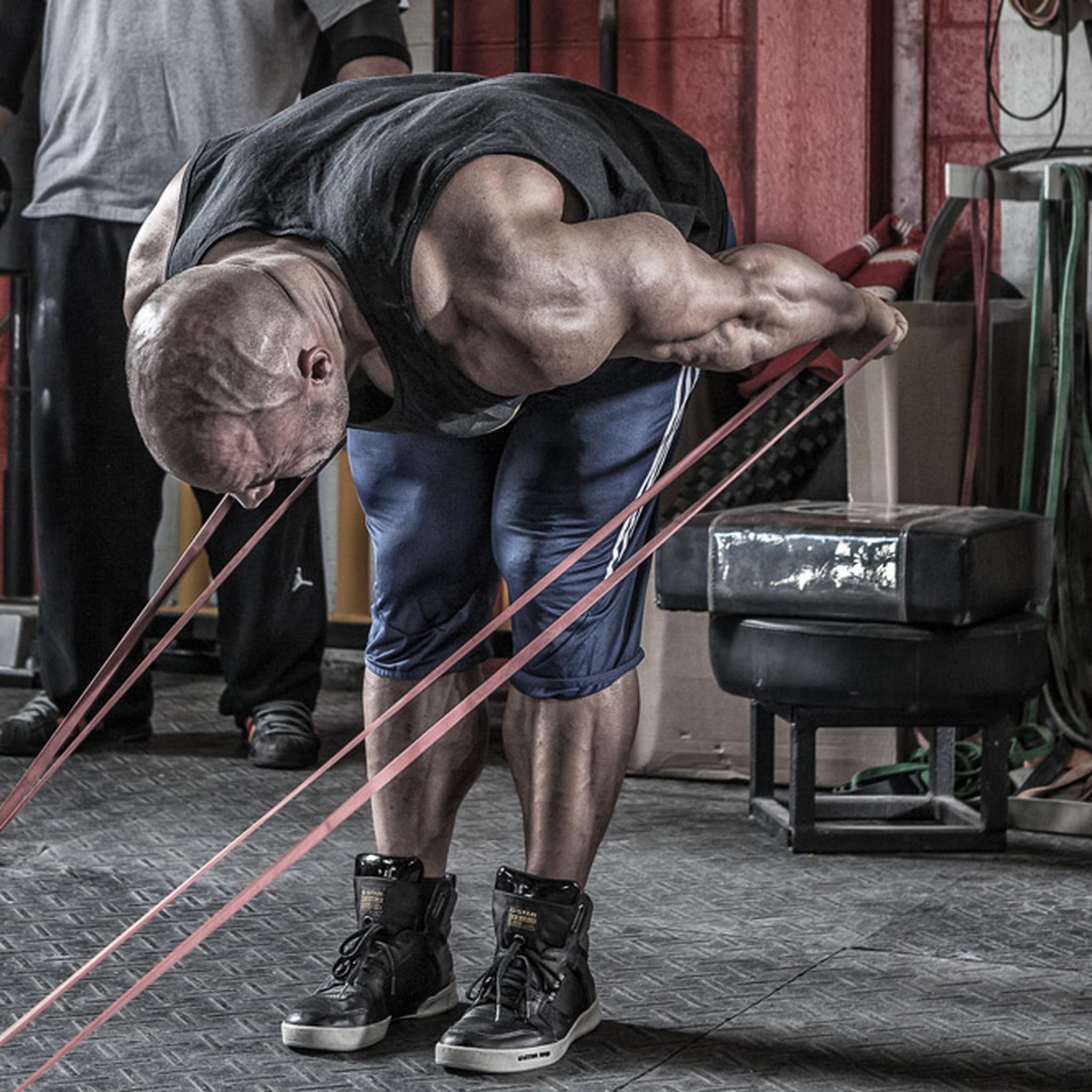
Same high anchor, no bar needed. Grab both sides of the band and pull toward your face, elbows flared. One of the most important movements for shoulder longevity that most people skip when they travel.
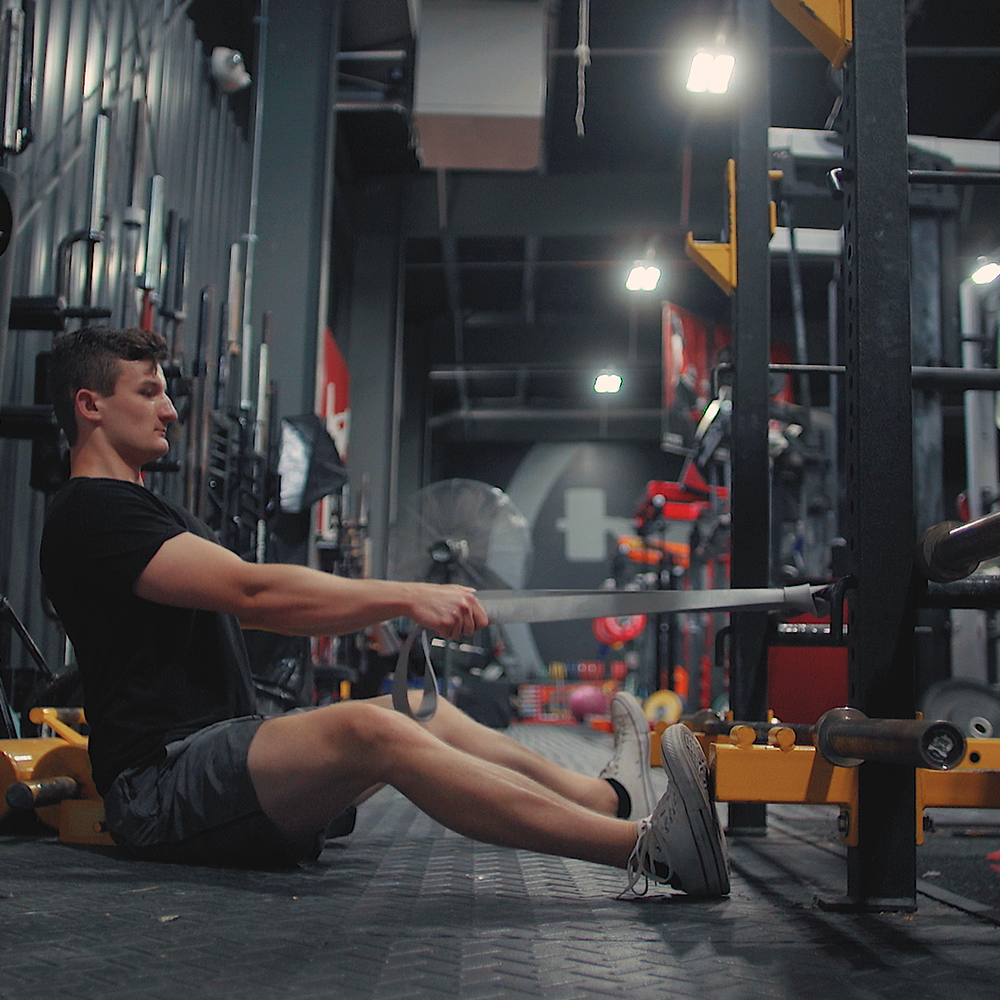
Anchor at mid-height or below. Pull back to the hip and squeeze. Bob demonstrates this from a chair, which makes setup fast and keeps it stable. Pair directly with curls since the anchor position is identical.
Stand on the band or anchor it below you. Curl from the hip to full contraction. Transition from rows without resetting. Same anchor, different movement.
Band over the shoulders and across the upper back. Sit back to a chair, stand up. Bob starts his students at 25 to 50 reps. It sounds easy until about rep 35.
The chair also serves as a teaching tool. Forcing someone to sit back and stand up without pitching forward teaches squat mechanics faster than most cuing. If your athletes are caving forward, put them on a chair with a band and watch what changes.
Same band position over the shoulders, standing. Hinge at the hip until you feel the hamstrings, return under control. Move to a heavier band or take more tension if the current setup is too light.
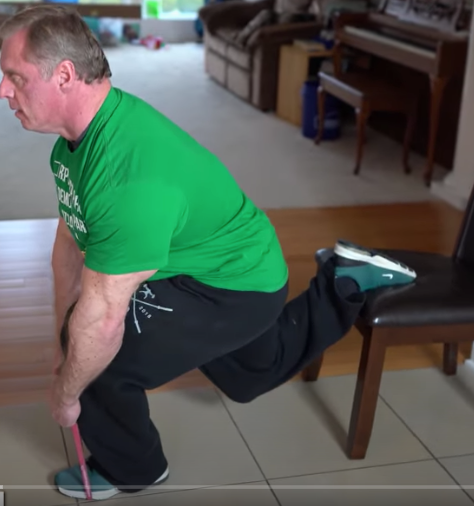
Find something low to anchor to. Loop the band, attach it above the heel, and curl. Not glamorous. Gets the job done.
Two adjustments. Both work immediately.
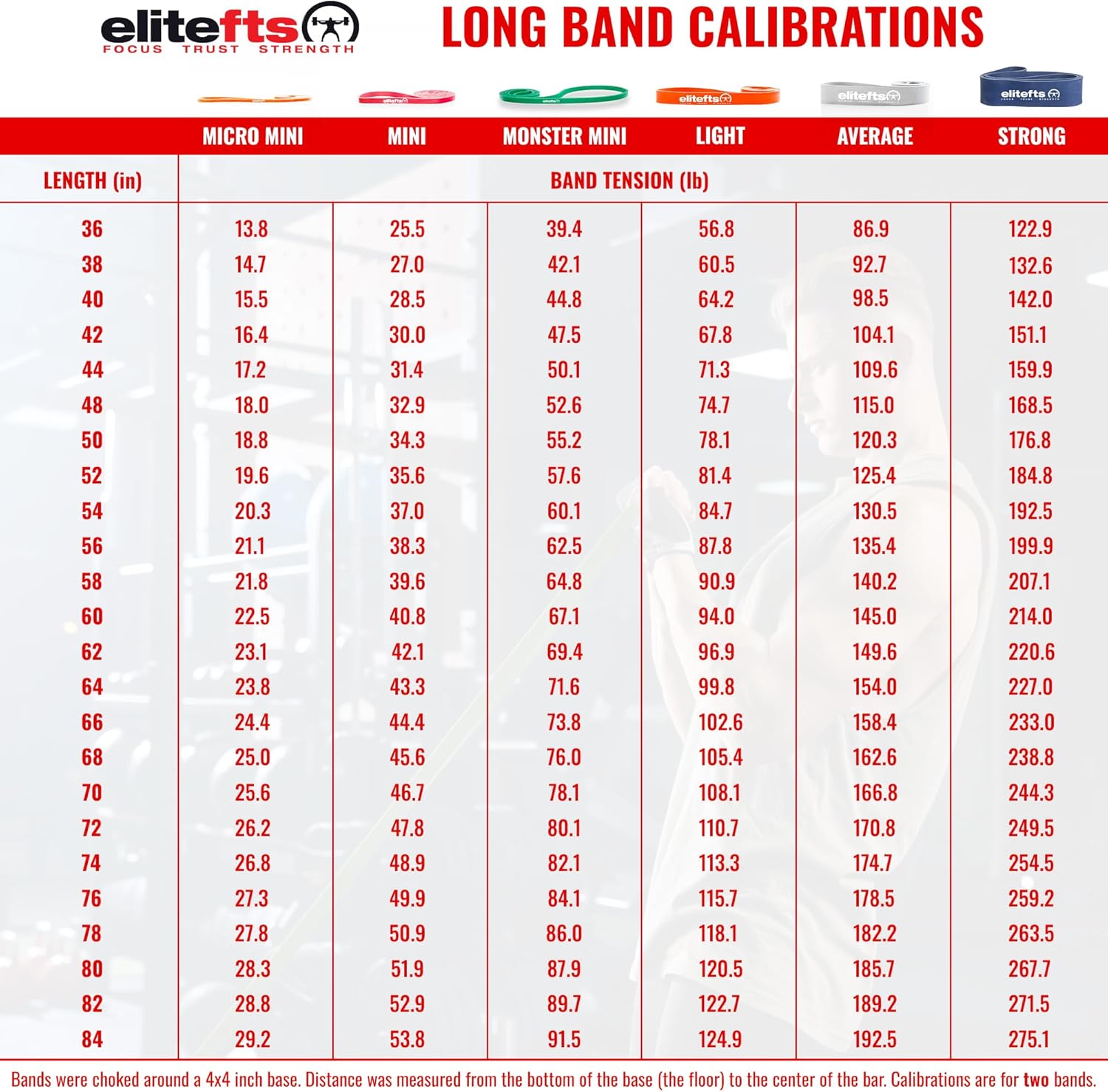
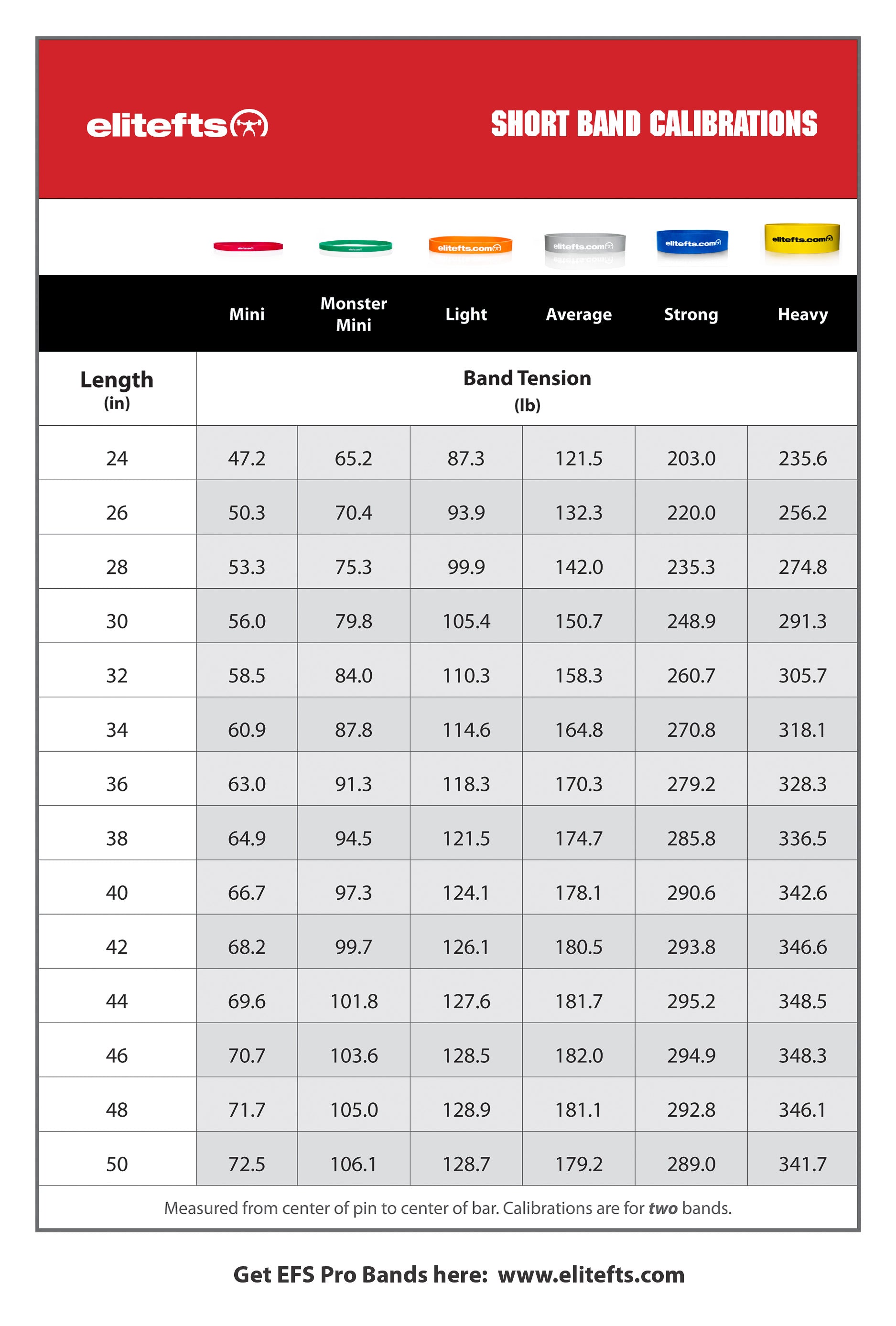
- Change the band. Move from a mini to a monster mini to a light band. Heavier band, more tension across the full range of motion.
- Change your position relative to the anchor. Step back from a low anchor, and you reduce starting tension. Step closer and you increase it. You can make this adjustment mid-set without stopping.
Those two variables give you more practical control over load than most people realize. A pair of elitefts Mini Bands and a pair of Monster Minis in your bag is a complete load management system. The elitefts Resistance Band collection covers every situation without having to think about it.
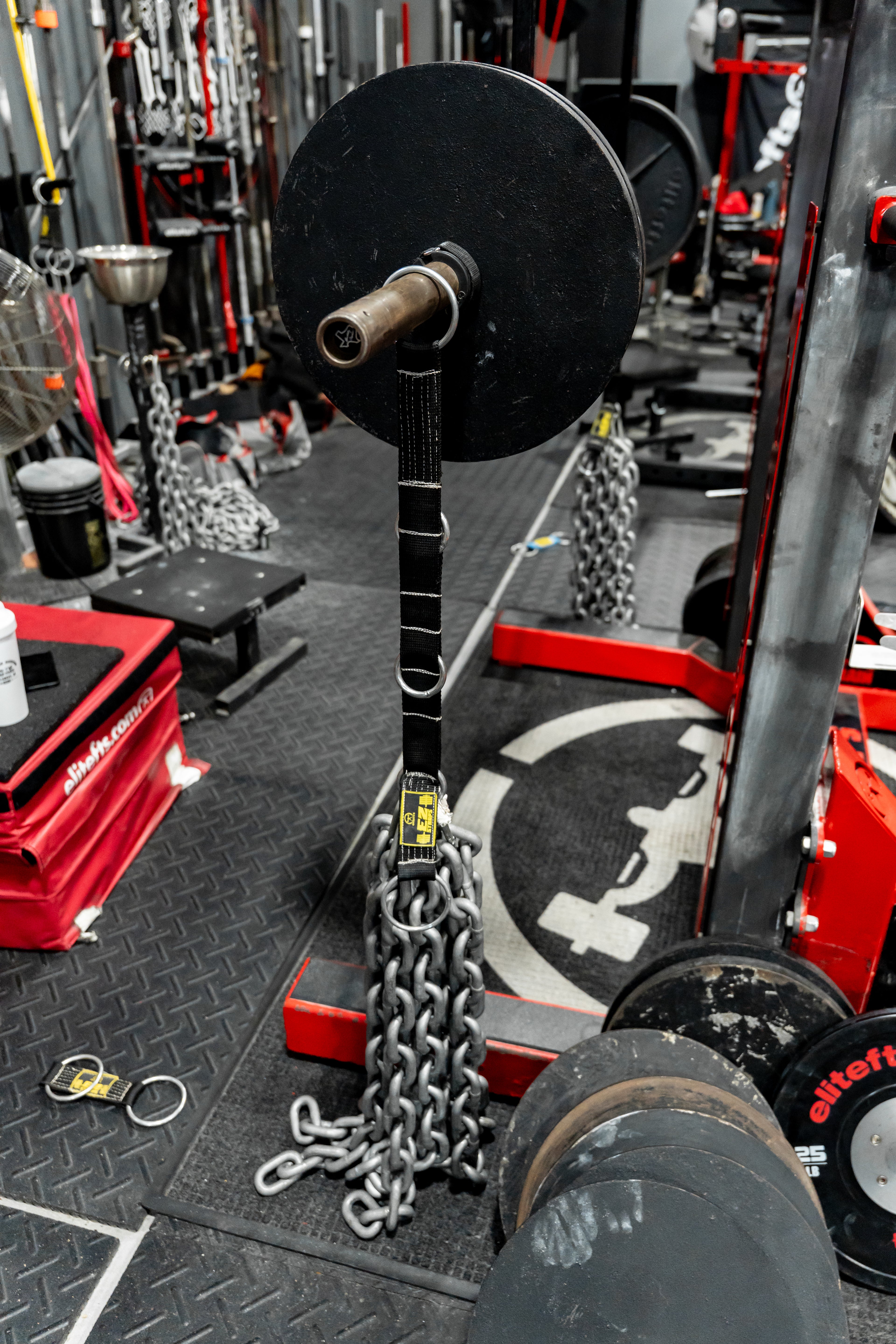
Every lifter who uses bands long enough breaks one. Bob's answer to a broken band is to keep training with it. Lower tension work. Pull-aparts. Accessory movements. The band doesn't get thrown out. It becomes a training band.
You Don't Need Perfect Conditions. Work With What You Have. Keep the Habit Alive.
Bob Merkt has trained on islands, in hotel rooms, in classrooms, and in competition gyms. The location changes. The habit doesn't.
The excuse that you can't train because you're traveling is gone now. You've seen what's possible with a band and a chair. You've seen pull-aparts, face pulls, and lat pulldowns done with a tree branch in Panama.
Carry your workout in your pocket. That's the lesson.
Pick up a few bands before the next trip: elitefts Pro Mini Band, Monster Mini, Micro Band. You'll use all three.