


In the modern fitness landscape, training is often treated like a solved equation. We're flooded with "science-based" prescriptions, optimal rep ranges, and rigid rules about exertion. However, for those who have spent decades toiling under heavy iron, the real lessons are often messier, more intuitive, and earned through grit and experimentation, rather than just reading studies.

This hard-won wisdom was on full display in a raw, unfiltered conversation between elitefts founder Dave Tate and coach Cris Edmonds, the protégé of the late, legendary bodybuilder John Meadows. Their discussion cut through the noise, unearthing several surprising and counterintuitive truths that directly challenge today's prevailing training dogma.
Here are the top five takeaways from their conversation—brutal truths forged in the trenches that could fundamentally change how you approach your training.
1. "Reps in Reserve" Can Be a Trap for the Inexperienced
Concepts like Rate of Perceived Exertion (RPE) and Reps in Reserve (RIR) are cornerstones of modern programming. However, there's a fundamental problem: teaching lifters who have never truly discovered their limits is like teaching a driver about the redline before they've ever pushed a car past 30 miles per hour.
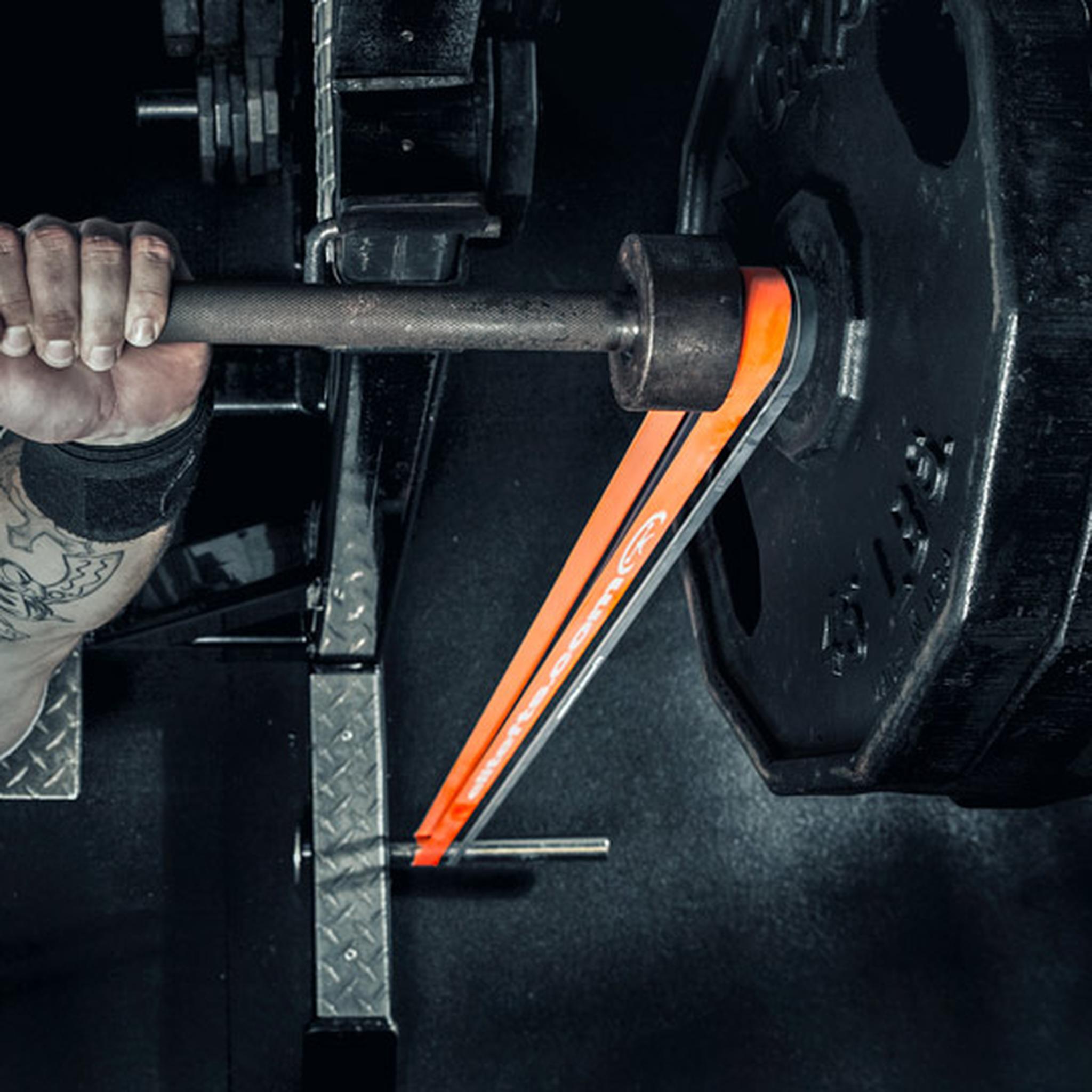
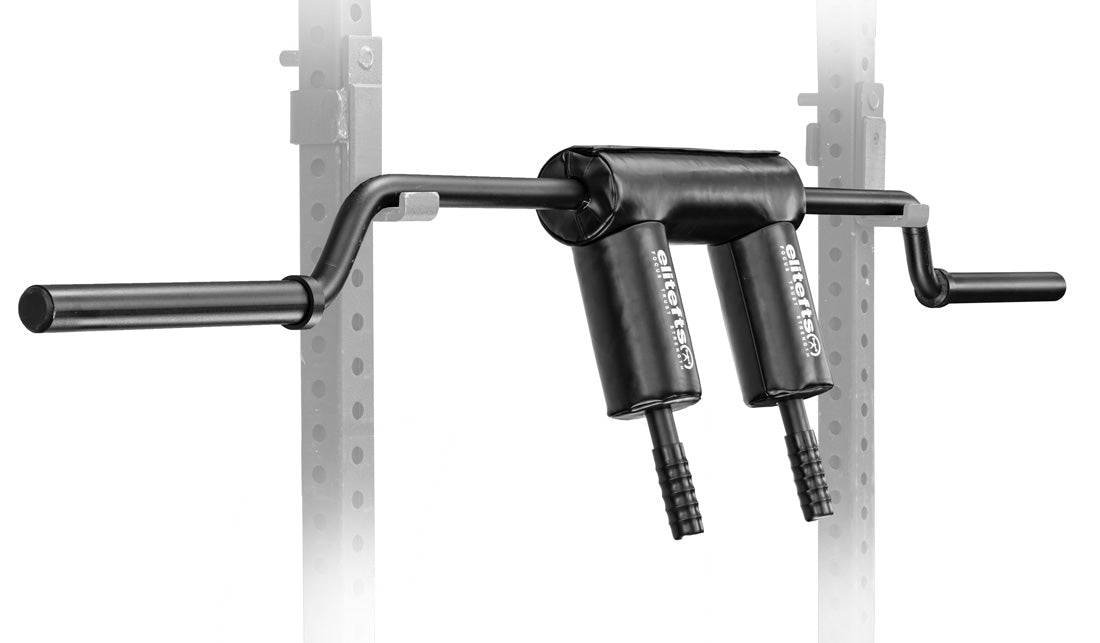
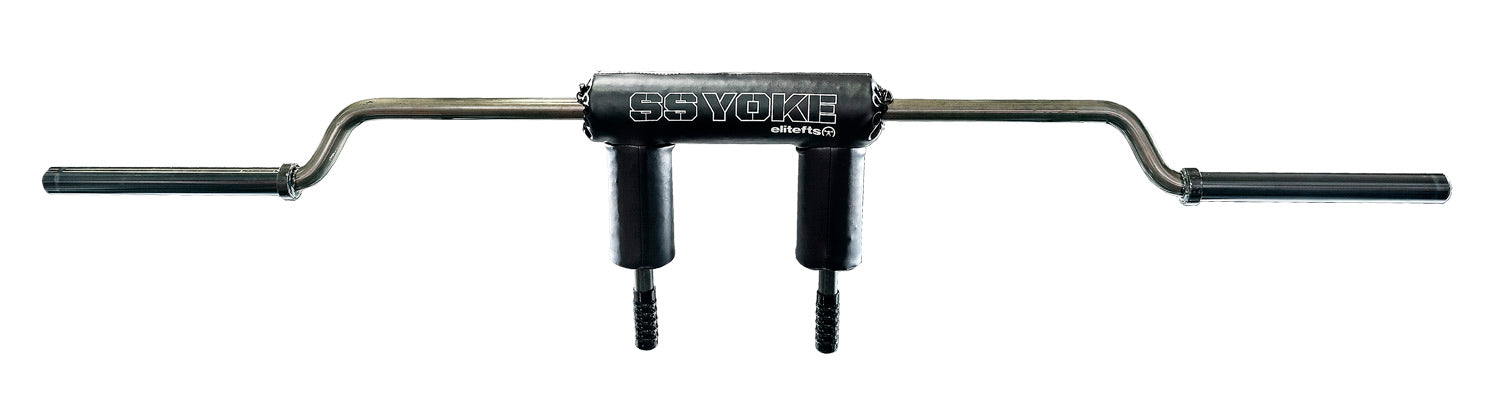
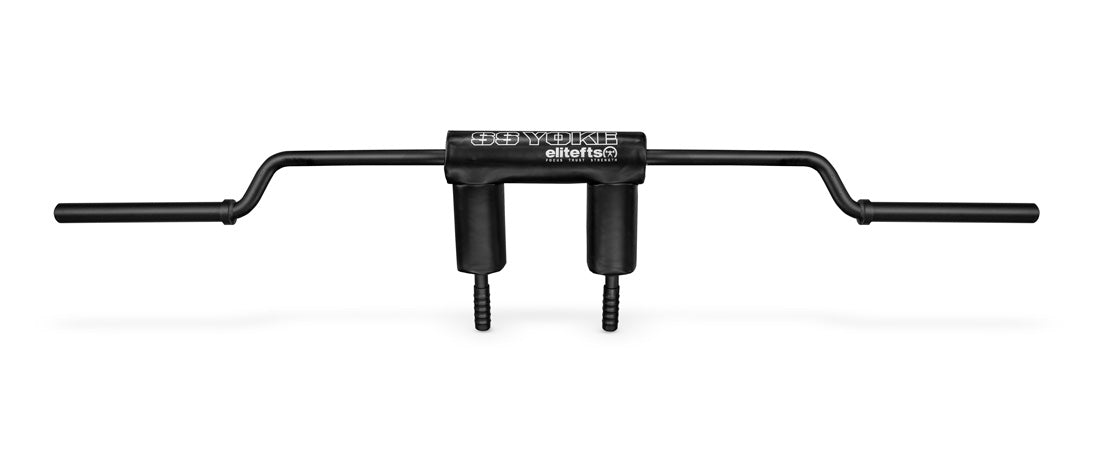
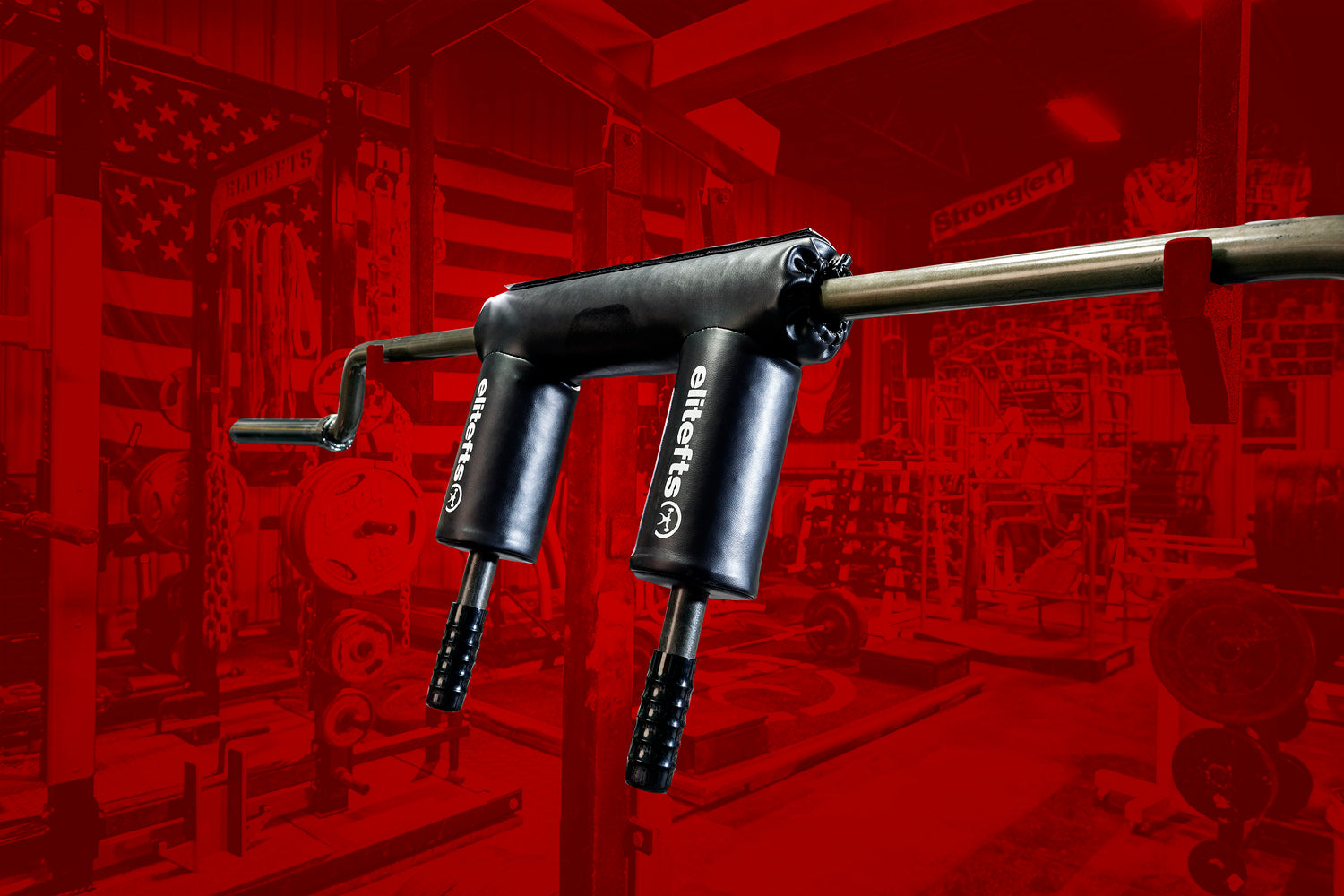
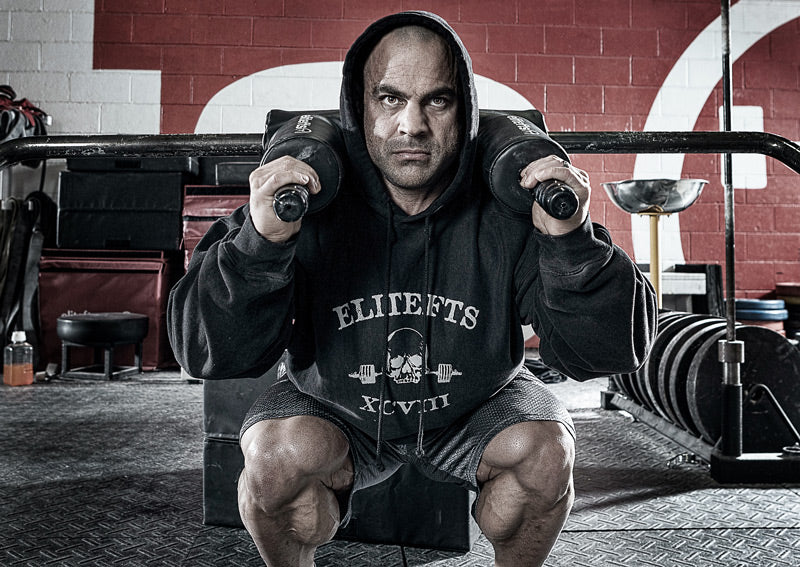
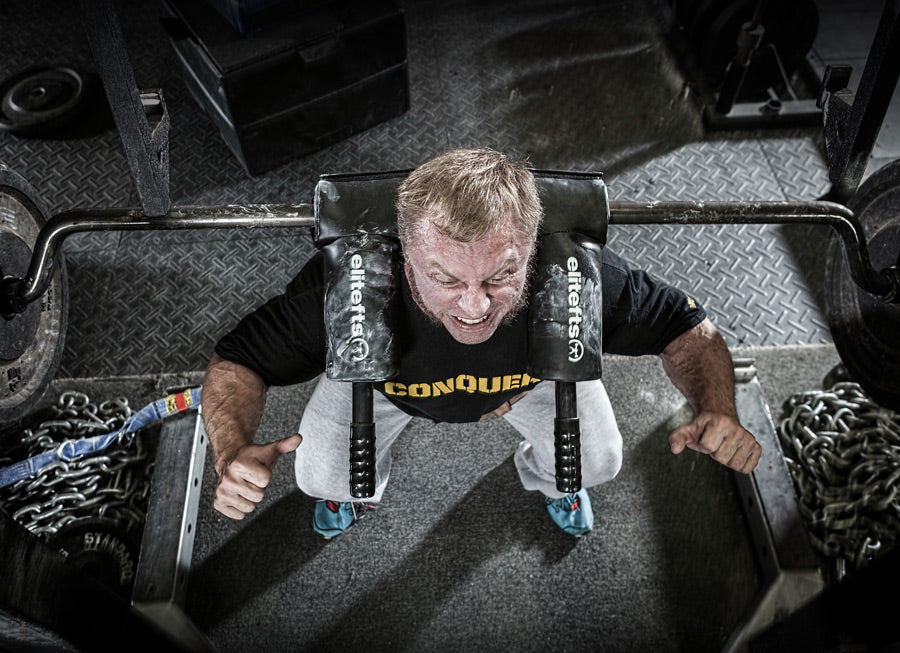
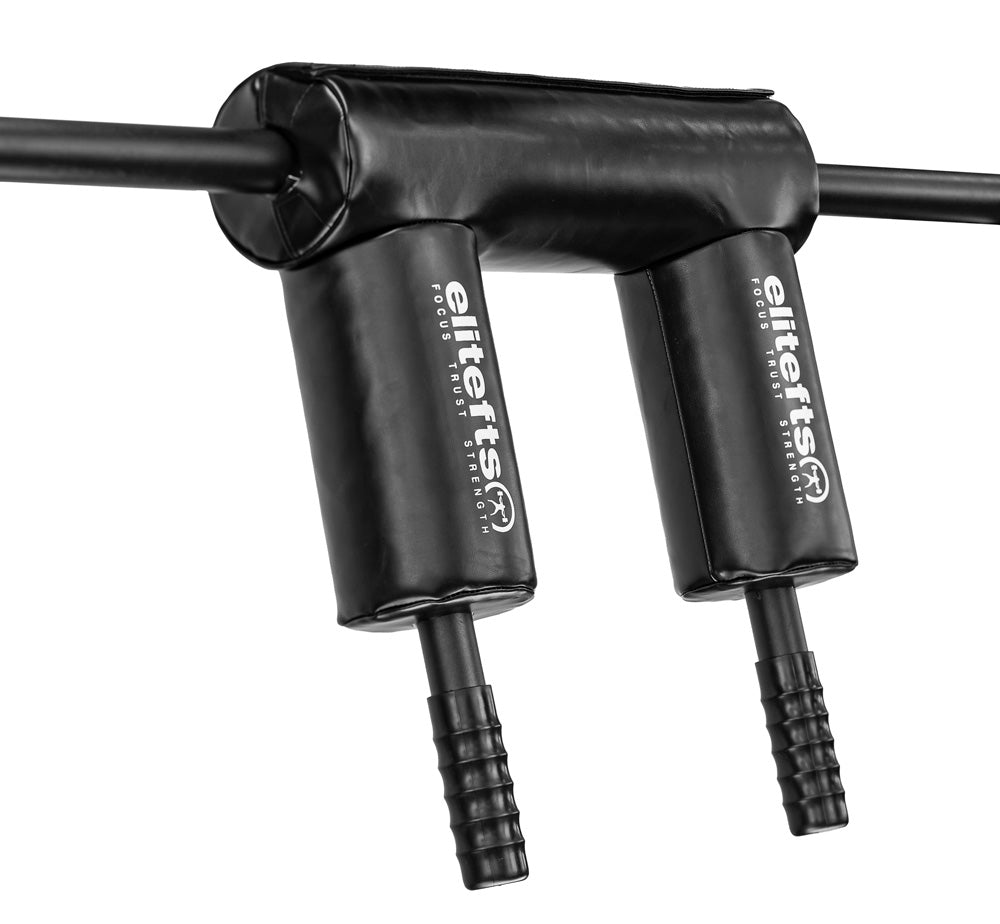
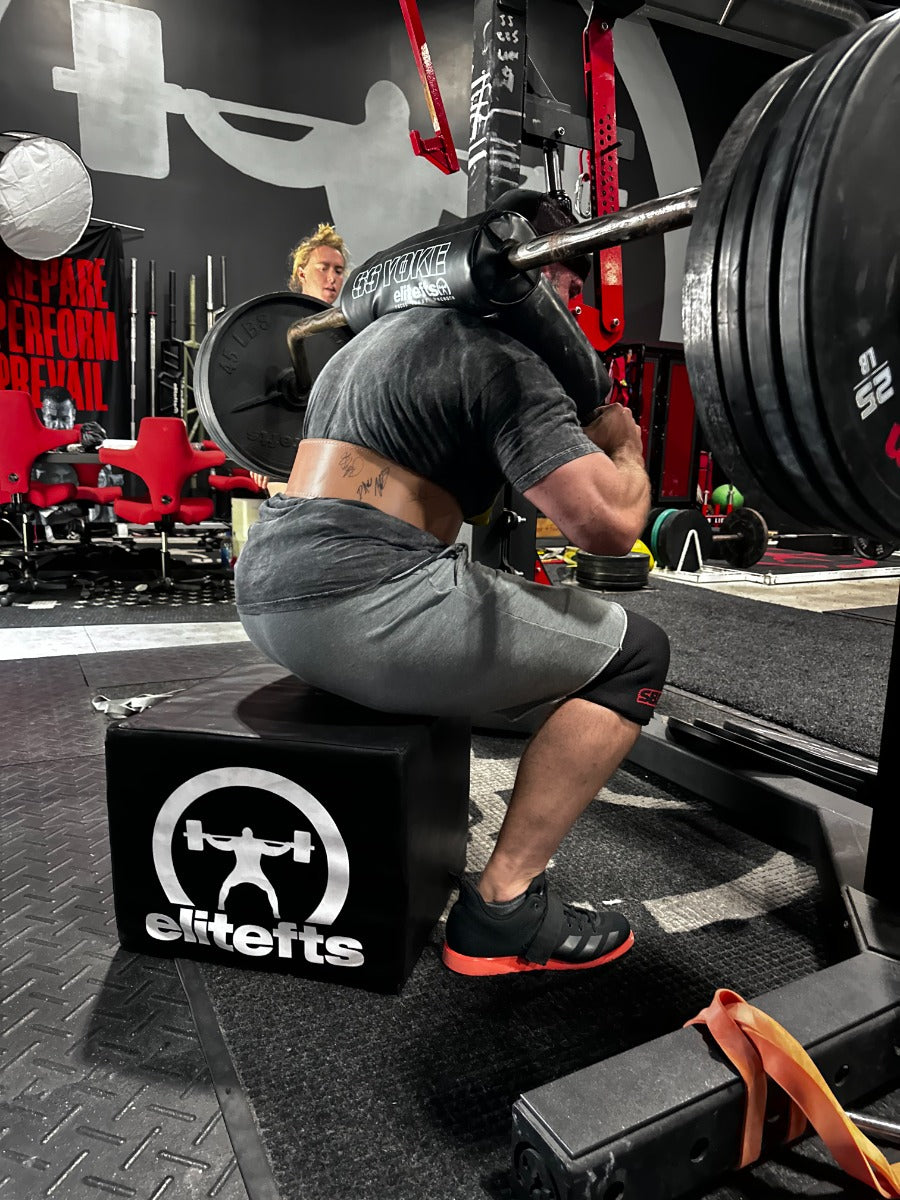
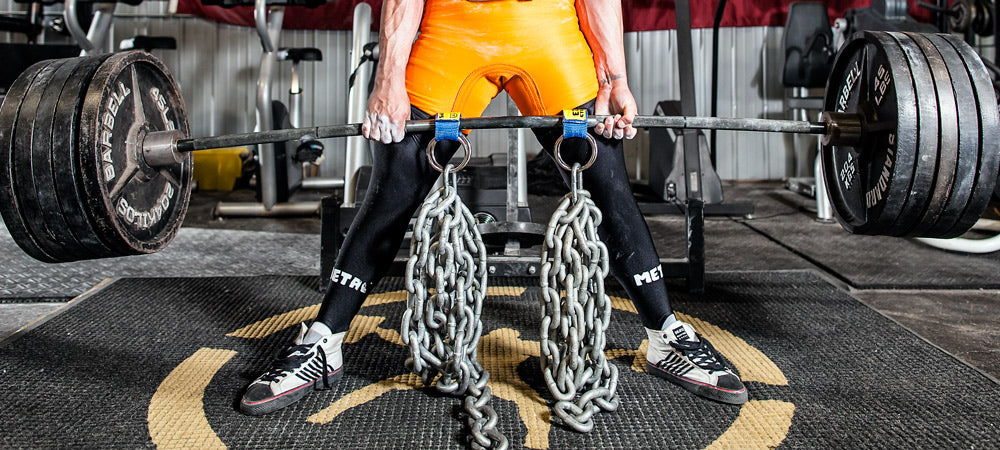
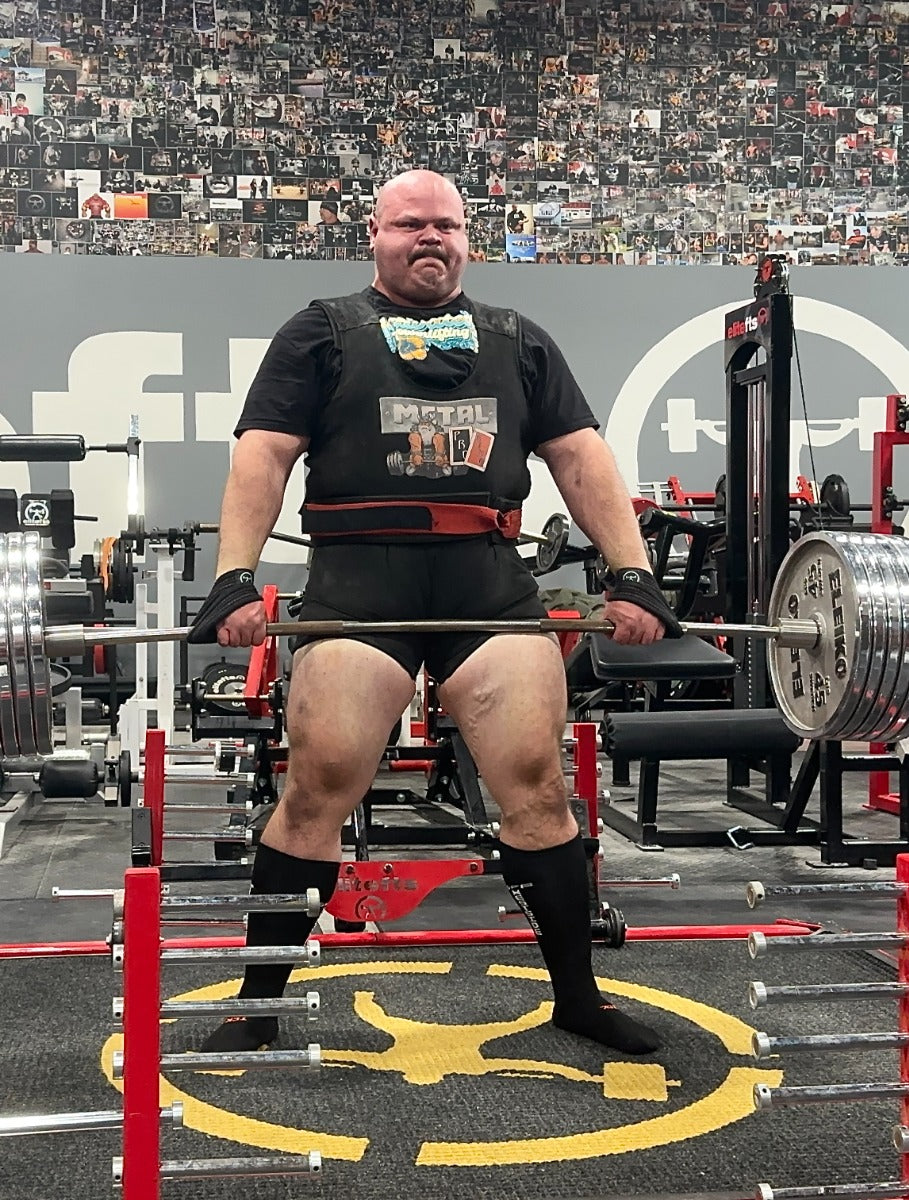
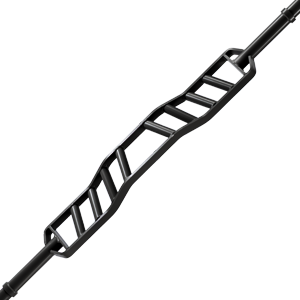
Dave Tate shared a powerful anecdote that perfectly illustrates this gap. During a brutal leg day, he was working up on the spider bar squat, performing a set of five reps with 10 chains per side that felt heavy. By all conventional measures, he might have logged it as an RPE 8, with maybe two reps left in reserve. Later in the workout, however, he decided it was time to access another mode. He went and put on squat briefs, a ritual to "flip a switch", loaded the bar with 12 chains per side, and proceeded to grind out a top set of 30 reps.
The analytical takeaway is jarring: his previous set didn't have 2-3 reps in reserve; it had "26 reps in reserve." Many lifters, especially novices, operate so far from their actual point of failure that they are severely limiting their progress. When Tate enters that other mode, a state where his vision gets a "red tint," the usual rules no longer apply. This raises a critical question for anyone logging RPE: Does your brain fail, or does your body or muscle fail?
As Cris Edmonds puts it:
"That's why I have such an issue with inexperienced lifters being taught RPE cuz I'm like you don't know what a 10 is... So how can you judge a six like or a seven or an eight Like that's what I always struggle with teaching is you'll have someone like 'Oh I failed.' Like, does your brain fail or does your body or muscle fail?"

2. Fixing a Weak Point Isn't Always About Adding More Weight
The default answer for a lagging body part is almost always "do more" or "lift heavier." But as Cris Edmonds learned directly from John Meadows, this intuitive approach can be precisely the wrong one, especially when poor execution is the real culprit.
Edmonds shared the story of his shoulders, a significant weak point. The goal was to build capped, round delts, but he had overdeveloped traps that took over on every pressing movement. As he explains, "people want capped delts, but they have traps developed. And that to me is exercise execution all day long." Recognizing this, Meadows instructed him to remove all heavy shoulder pressing. The solution was a complete strategic pivot. He focused exclusively on high-rep (15-30 reps) rear and side lateral movements. The goal was to learn how to isolate the deltoids, increase pain tolerance, and work smarter. This often meant reallocating volume—swapping a front delt exercise for another rear delt movement—rather than simply doing less overall.
This counter-intuitive approach is what ultimately transformed his shoulders into one of his best body parts. The broader lesson is that progress isn't just about adding weight. It's often about better execution, more brilliant exercise selection, and a willingness to abandon a failing strategy, even if it seems like the "hardcore" thing to do.
3. The Post-Diet "Rebound" is a Golden Window for Growth
According to Cris Edmonds, the 6 to 8-week period immediately following a grueling diet is the single most productive time to build new muscle. He states that he is at his best as a coach during this specific window, and for good reason.
After an athlete has pushed their body to a state of extreme leanness—think squared-off glutes and sub-8% body fat—the body is primed for an incredible anabolic response. When calories are strategically reintroduced, the hormonal environment is perfectly configured to shuttle nutrients into building new muscle tissue.
This is not an excuse for an uncontrolled binge. It's a highly strategic phase requiring a masterclass in psychological and physiological management. Edmonds tailors the approach to the client's mindset. For some, he might prescribe a two-day free-for-all to "get it all out of their system" before locking back in. For a highly disciplined pro, the plan might involve zero cheat meals for six straight weeks to maximize every ounce of progress. The common mistakes are either staying too restricted or rebounding uncontrollably. The real magic lies in the disciplined, purposeful management of this hyper-responsive state.
4. The Volume vs. Intensity Debate Misses the Point
The fitness world is trapped in a cyclical debate: is high-volume or high-intensity training superior for muscle growth? According to Dave Tate, this entire argument misses the forest for the trees.
He observed a simple pattern: a high-volume lifter switches to a low-volume, high-intensity program and makes excellent progress. Conversely, a high-intensity lifter switches to high volume and also makes significant progress. The key factor isn't that one style is inherently superior, but that the lifter simply changed their stimulus.
As Dave Tate explained:
"And the whole time I'm thinking you ever all just think that maybe it's because you've been doing the same shit for three years and then you just changed it... And it's a new stimulus and you you adapted to what you were or you exhausted all the adaption capabilities of what you were doing."
John Meadows' programs were often mislabeled as purely "high volume." In reality, they were a far more sophisticated hybrid model. Tate noted that it wasn't until he had to integrate his own periodization into one of Meadows' programs that he discovered the true genius behind them: "there were phasic structures to every exercise that he had in there." The secret wasn't just rotating volume and intensity between programs; it was a meticulous, periodized structure within each program itself. Long-term progress requires this kind of smart variation, not dogmatic adherence to one camp.

5. You Shouldn't Automatically Get Weaker on a Diet
One of the biggest misconceptions Cris Edmonds has to fight is the deeply ingrained belief that getting weaker is an inevitable part of a fat loss phase.
He argues that for an enhanced athlete, this is largely a mental block. "Now are you enhanced? Yeah? Okay cool. Is your protein dropping? No... That's here, bro," he states. For a lifter in this context, keeping protein intake high means that a slight reduction in carbohydrates should not cause a significant drop in strength. The weakness is often a self-fulfilling prophecy: the lifter decides they are going to be weaker, so they approach the bar with less intent and put less weight on it.
Edmonds mentioned that even when he was on zero carbs for weeks, his strength didn't drop because he simply refused to let it. This isn't about ignoring biofeedback; it's about a decisive mindset shift. During a diet, you must treat your strength as something to be actively defended, not passively surrendered.
The Legacy of the Logbook
The most profound training wisdom isn't always found in a peer-reviewed journal. It's often discovered through years of real-world application, relentless trial and error, and an honest accounting of what truly works in the logbook.
This approach to training, built on relentless real-world testing, is the legacy of John Meadows—a legacy that continues to be shared and built upon by those he mentored, honoring a promise to keep the iron truths alive. He and the lifters he influenced, like Dave Tate and Cris Edmonds, remind us that the greatest progress comes when we're willing to question the rules.