

The Void: Mastering the Mind Under the Bar
"The void" is described as a transformative mental state of freedom and peace where an athlete sheds their daily stressors to become a different, often more aggressive, version of themselves, pushing past physical limits into a space of absolute nothingness.

The Deflation Paradox: Hard-Won Lessons on Being ‘Every Type of Jacked’
"If you want to achieve your ultimate physical goals, you must become 'every type of jacked' by mastering autoregulation and truly understanding the biological systems that drive your performance and recovery."

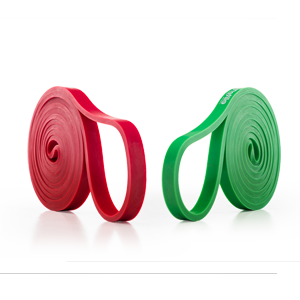
What Floss Bands Actually Do (And Why Every Serious Lifter Should Have Them)
If your joints are beat up and you need something that actually works between now and your next training session, floss bands might be the most practical recovery tool you're not using.
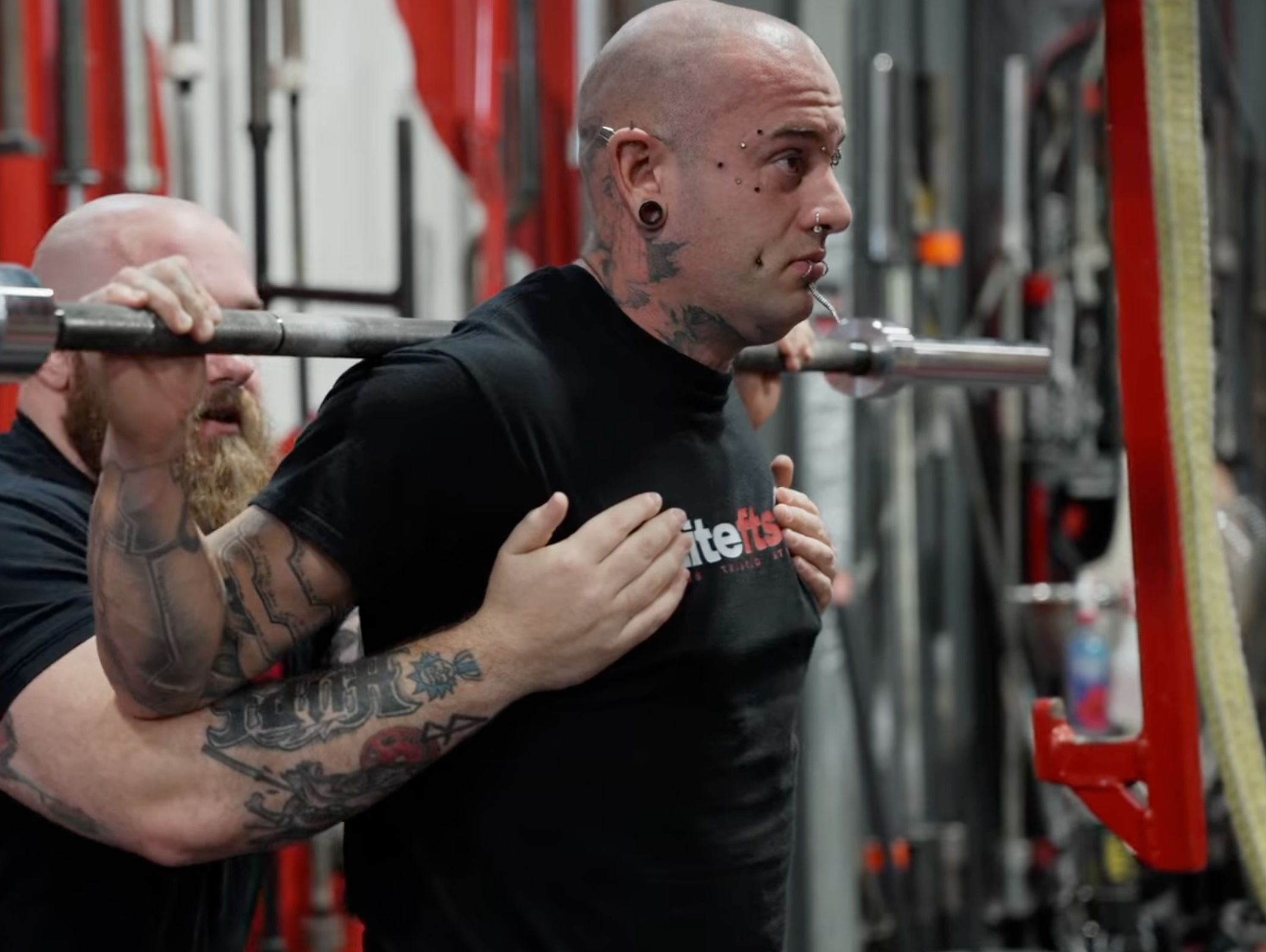
Why Your Gym Spotting is Actually Dangerous: 4 Lessons from the Pros
"What you always want to do when you are spotting a squat from the back is you never want to be over the bar with your hands, you always want to be under the lifter".
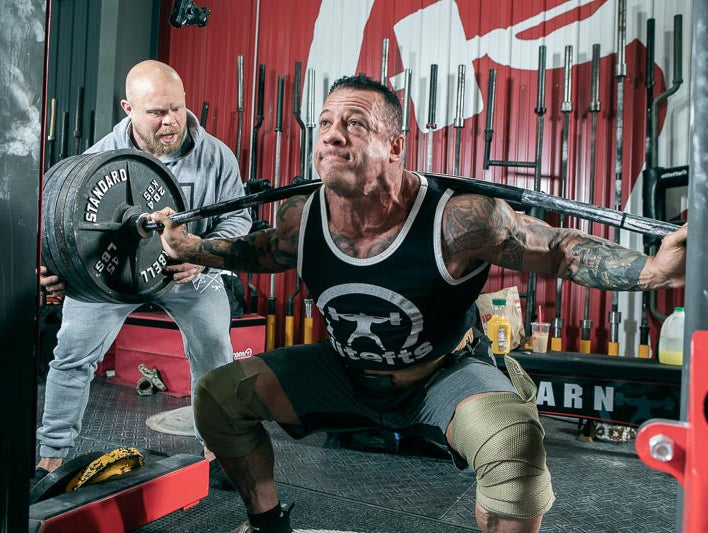
How to Get the Most Out of Working With Any Coach
Most lifters hire a coach and then immediately get in their own way. Here's the framework that will make every session count.
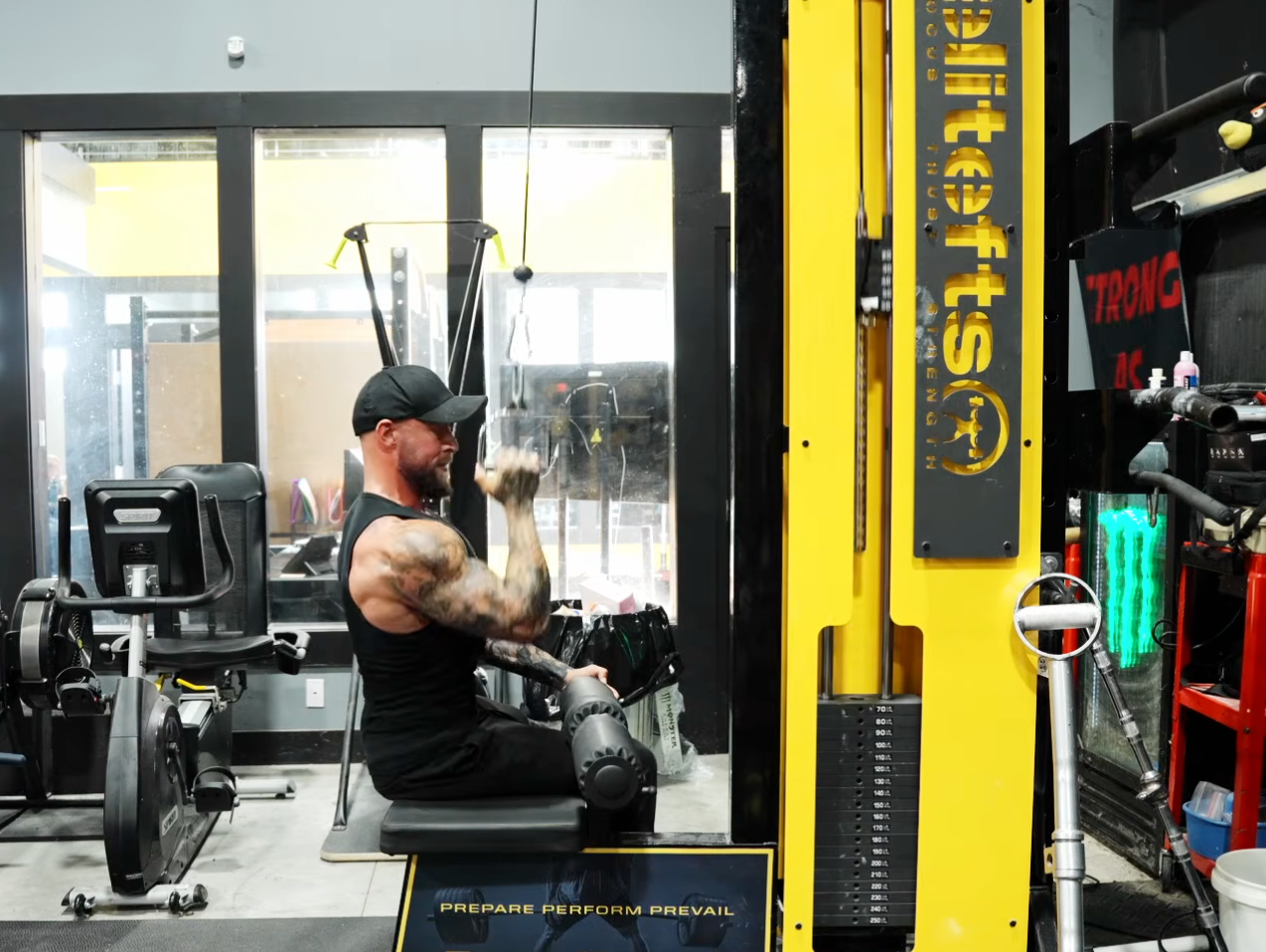
Stop Choosing Sides: How to Build an Efficient Upper Body Workout That Actually Works
Drew Donaldson brings 20 years of coaching experience to the S5 and lays out a glycolytic upper body session that merges research with what's been working in gyms for decades.
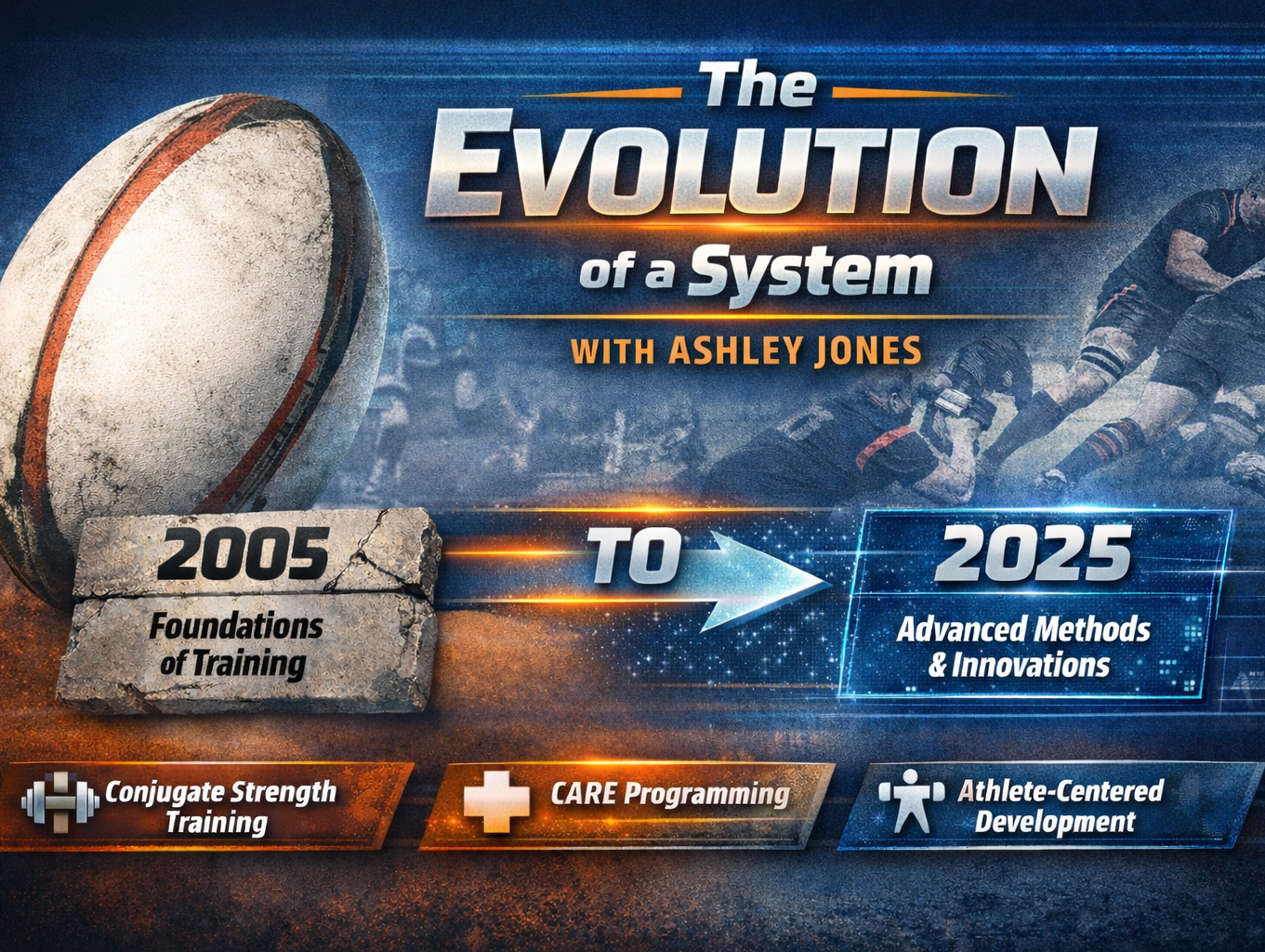
Evolution of a System by Ashley Jones
Ashley Jones explores the evolution of his rugby strength and conditioning system from 2005 to 2025, detailing advancements in Conjugate training, CARE programming, and athlete-centered performance development.
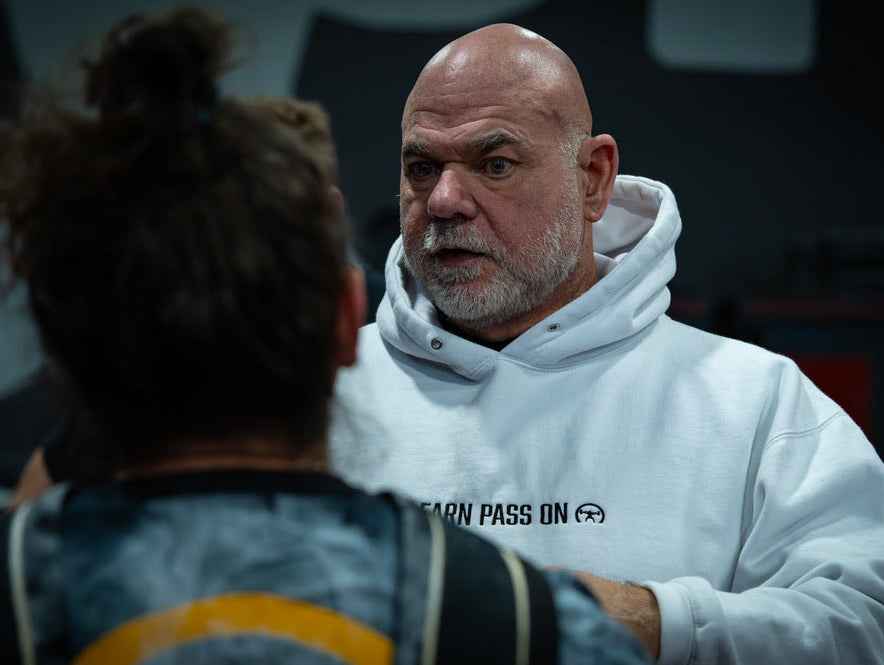
The Generation That Figured It Out: How Growing Up Gen X Built the Way I Train
Gen X didn't have YouTube, apps, or on-demand coaches. We had a bar, a rack, and the stubborn refusal to quit, and that built something most lifters today never find.

The 8-Box Framework That Explains Why Some Exercises Build Muscle and Others Don't
Dr. Pat Davidson breaks down the three mechanical variables that determine whether an exercise builds muscle, inoculates against injury, or gets you hurt.

The Perfect Press: A Narrative Journey of the Overhead Press
"The overhead press is probably the single best exercise for ingraining your ability to root into the floor and maintain a neutral posture compared to any other exercise."

She Trained Through a Brain Tumor. Here's What She Learned About Autoregulation, Resilience, and Showing Up Anyway
elitefts Rebuild Series: Tom Sheppard sits down with powerlifter, gym owner, and brain tumor survivor Holly Torrez on autoregulation, sobriety, and what real resilience looks like.

Did You Exchange a Walk-On Part in the War for a Lead Role in a Cage?
A Pink Floyd lyric I used to open seminars in 2018 still stops people cold because most of us already know the answer

Beyond the Mirror: Rethinking Strength for Functional Longevity
By periodizing cardiorespiratory exercises with your strength workouts, you can build a "lactate sink" in your slow-twitch muscle fibers that enhances metabolic flexibility, sustains muscular power, and serves as the ultimate predictor of a long health span.

The "Meathead" Manifesto: 6 Unconventional Lessons on Performance, Recovery, and the Edge of Sanity
"I wanted to know what it felt like to break a PR one more time."

The Lifter’s Lexicon: A Beginner’s Guide to Weight Room Cues and Commands
"We will stay on this movement until the athletes are showing proficiency in the things that we are looking for with trunk control ankle mobility squat depth all those things."

What a Business Strategy Book Taught Me About Why Most Lifters Never Reach Their Potential
I picked up a book about organizational strategy and ended up reading a chapter-by-chapter breakdown of every training mistake I made for the first decade of my career.

Time as a Factor in Determining Programs
Discover how to optimize your training success by aligning your program with your realistic time availability and recovery needs, featuring detailed workout schedules ranging from two to six days per week.

What the New ACSM Strength Guidelines Actually Mean for Competitive Powerlifters
The ACSM just updated their resistance training guidelines for the first time in over 15 years, and what the headlines say and what the document actually says are two different things.

Mastering the Essentials: A Learner’s Guide to Dips and Chin-Ups
"Hopefully by the end of this video, not only are you going to be better at performing your dips and chin-ups, but you're going to be doing them in a way that allows you to get better carryover to the other things that you're doing outside of these lifts."

5 Surprising Lessons from World-Class Strength Athletes on the Art of the Pivot
"I really started to lean into like let's be as healthy as we can while we wreck our bodies... and then as I've gotten older and my priorities have shifted, my avatar has shifted with me."

The 4:00 AM Standard: How The Spot Athletics is Killing the 'Gig Economy' Gym Model
J.L. details the evolution of The Spot Athletics from a humble 2,000 square-foot start to two 20,000 square-foot facilities, emphasizing how custom EliteFTS equipment, a client-first "family" culture, and salaried coaching positions are pushing the strength and conditioning industry forward.

The Biological Overhead of the "Enhanced" Era: Why Optimization is a Career-Killer
"If they do all the things exactly as they should which is the most optimized for their own performance from the very jump I think they limit their career."

What You Have Is More Than You Think: A Lesson From Marcus Aurelius and a $1,000 Loan
I didn't get here by having more than everyone else. I got here by understanding what less actually looks like.

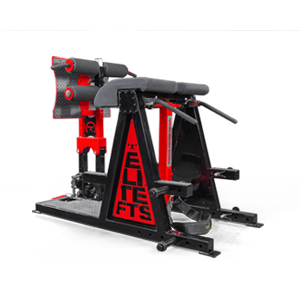
Mastering Hamstring Resiliency with the Assisted/Resisted GHR
By maintaining a neutral pelvic position and initiating the descent by pushing through the quads like a leg extension, lifters can isolate the hamstrings without relying on the lower back or glutes for compensation. This technique allows for heavy training in a lengthened position with zero spinal loading, making the Glute Ham Raise (GHR) a superior tool for injury prevention and long-term resiliency.
