


![WATCH: The Method Behind Brian Alsruhe's Training [Whiteboard Edition]](http://elitefts.com/cdn/shop/articles/BrianWhiteboard.jpg?crop=region&crop_height=350&crop_left=117&crop_top=0&crop_width=465&v=1761080277&width=700)
WATCH: The Method Behind Brian Alsruhe's Training [Whiteboard Edition]
Brian Alsruhe's background in strongman, martial arts, MMA, and counter-terrorism led to his training system being "messed up" and unique from everyone else's. Despite that, he's found great success with his programming and will be breaking it down in this video.
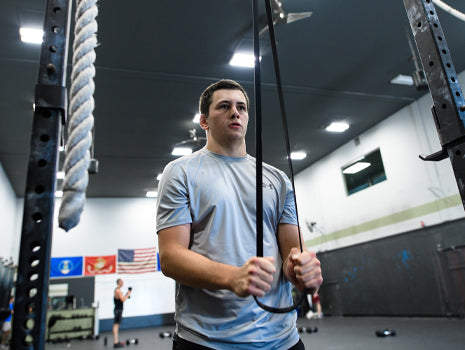
How to Increase Work Capacity Without Overtraining
There's a fine line between doing enough work and too much work. Don't fall into this trap. Be realistic with yourself (and your clients, if you're a coach) and train for long-term success, not for short-term burnout.
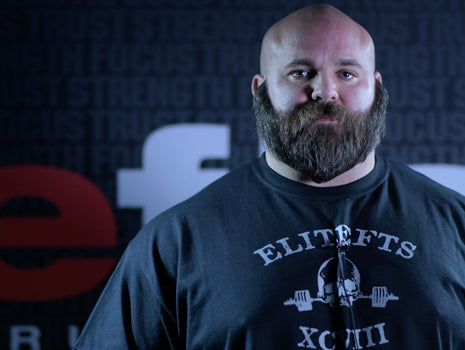
How Athletes Come to College
I never cease to be amazed at how messed up new collegiate athletes are when they start lifting in the weight room. Year in and year out, this keeps happening without any sign of improvement. Why does this keep happening?
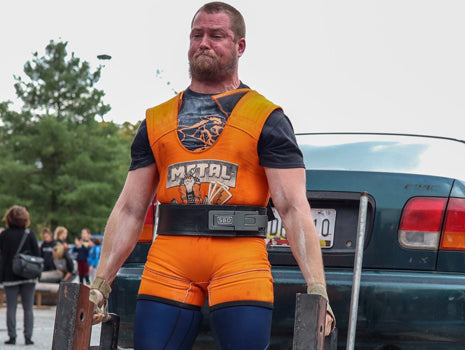
7 Reasons Why Conjugate For Strongman Makes Sense
Strongman, like any strength sport, can be programmed intelligently, allowing an athlete to reach their zenith for that time in their life. No training style has allowed me to do that quite like the conjugate method.
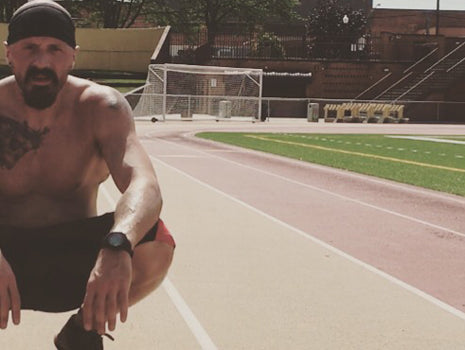
A Strength Athlete's Running Journey
I always had an interest in running. I enjoyed it. It always seemed to help me mentally, and honestly, I feel it’s in all of our blood, and we are predisposed to endurance. But I had pain in my right angle and big toe, so I told myself I'd never be able to run. Until now.

Progressions in Exercise Selection Based on Technical Proficiency
I firmly believe you have to start at the simplest movement that someone can master correctly, and then, over time, progress from that simple movement to the more complex movements. The process is one of progressive skill acquisition.
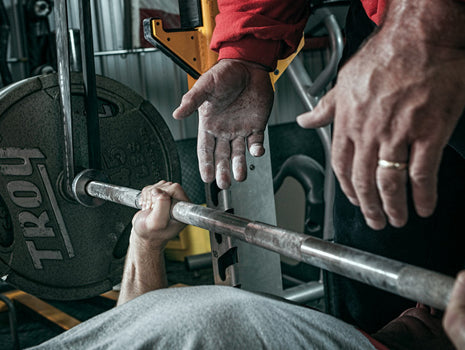
Practical Prilepin Plans
It is this article’s intention to impart an easily identifiable progression in accordance with Prilepin’s stipulations and practical examples of it, all of which I’ve used at the Division I level.
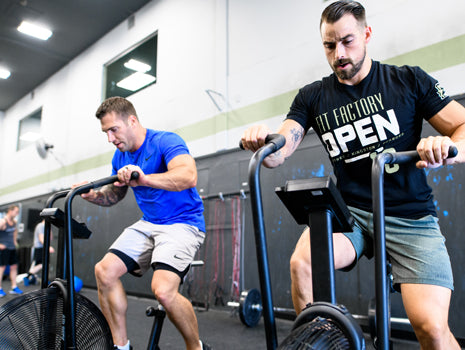
Use the Air Bike to Train All 3 Energy Systems
Believe it or not, the Air Bike can provide more benefits than just smoking your clients.
Conjugate for General Population Personal Training
Not sure how to apply the conjugate method for training general population clients? Don't worry about it; I'll break it down for you right here. It's easier than you think.
How My Programming's Improved Over the Years
I love and hate programming. When I'm doing research and reading stuff, my brain goes a million miles per hour. Of course, everything I read seems like the greatest idea ever, so I have to dial it down, but I've gotten better at it over the years, and it shows.

7 Items Rugby Players (and I) Can't Lift Without
I am seeing that the specific injuries that are inherent in rugby need a modified program that’s not using traditional training equipment to get results, so here are 7 of my non-traditional tools of the trade.
How Many Exercise Variations Do You Need?
When I refer back to what worked best for me in college, I always seem to glean some "new" information by reviewing old material. This time around, I decided to use less variance in my programming by repeating the same special exercises 3 weeks at a time.
Vincent Dizenzo's BAMF Program
A few weeks ago I blogged about how I was mistakenly looking for a one-size-fits-all approach to dealing with my injuries, and my circumstances are different. But with the help of four friends (and my wife), we came up with a BAMF program. Here it is.
45 Minutes or Your Money Back
Someone once told me when it came to programming, their objective was to be able to get as much bang for your buck as possible. That stuck with me, so I ensure my programs are of good quality and don't last more than 45 minutes.
Off-Season Conditioning Lanes
These off-season lane options are meant to keep them in the ballpark of being in game shape without beating the crap out of them. They don’t have to be ready all the time; just ready to get ready. If you think they are not sport-specific enough or intense enough, that’s why.
The Best Conjugate Training Plan
If you understand the conjugate method, can devote 4 to 5 hours of training per week, not competing in sports but is trying to look and feel better, boy, have I got the perfect program for you!

The Most Important Training Article You Will Read This Year
elitefts has a strong focus on the freedom of education — so strong that we're willing to invest in all of the content we provide for you. For 20 years, the strength of this value has enabled us to earn your trust, and therefore, produce more content.

Game Day Lifting (with Sample Training Session)
During Richland High School's last football season, I combined the conjugate method and the tier system for programming game day lifts. Seeing the results thus far, I intend to continue the program with a few adjustments — but not before sharing it.

The Lost Art of Training Hard
I’m not suggesting that you destroy yourself. What I am saying is that a lot of new trainers are coming out of school with information about corrective exercises but zero practical experience of knowing how to push people in the gym.
How to Progress in Your Strength Program
Ask yourself: "Is my training program based on me being strongest at every session?" If your answer is an honest yes, you might need to reconsider your program. Here's how you can improve it.

The Grand Unified Theory of Everything
A few years ago, I attempted to bring 4 strength sports together into a training plan for rugby. This time, I want to delve deeper into the framework that makes up the programming of these sports and how we can program them into a usable athletic development plan.

GPP Training: You're Doing It Wrong
If your client cannot pull a sled or carry two heavy kettlebells without having to rest excessively between sets, you need to implement GPP to build your clients' foundations. But you need to implement it the right way.

How to Build a Mesocycle
Training is like traveling; you have to map out the route you want to take in the timeframe you have. For training, planning your mesocycle is a good place to start that journey — you have to understand the basic principle of progressive overload and take your maximum ability to recover into consideration.

How to Improve Box Programming
Consider how your clients are responding to stress and the demands of your program and what we need to consider to devise a better plan. That's how we'll improve this sport.
