


A Beginner's Guide to the Zercher Squat
The Zercher squat is an accessible anterior-loaded variation that builds the quads and upper back without requiring the wrist and shoulder mobility often necessary for a traditional front rack position. By placing the barbell in the crook of the elbows just in front of the bicep tendon, lifters can enforce a more upright squatting pattern that strengthens the core and balances out posterior-chain dominant training.
Beyond 5 × 5: Simple Variations Inspired by Bill Starr: Fives Are Alive! - Ashley Jones
In this article, Ashley Jones revisits Bill Starr’s 5×5 system and shows how loading waves, clusters, and variation can enhance strength and athletic development.
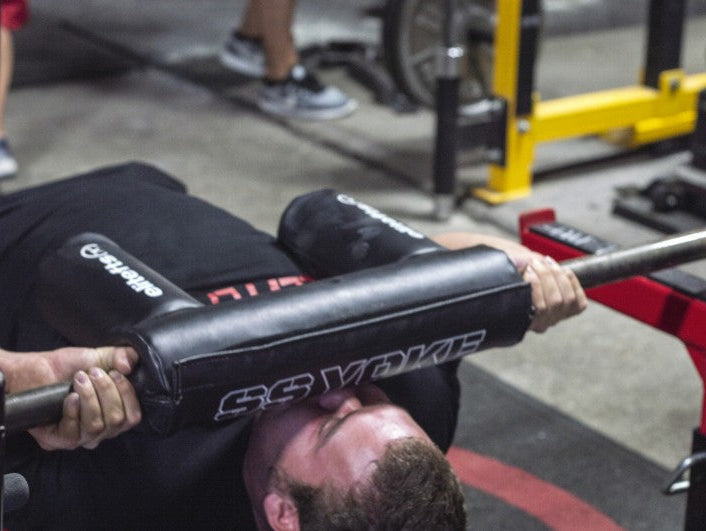
How to Use the elitefts SS Yoke Bar: Every Application Worth Knowing
The SS Yoke Bar is not just a squat bar replacement. Here is how to get everything out of the most important specialty bar in any serious gym.

What Floss Bands Actually Do (And Why Every Serious Lifter Should Have Them)
If your joints are beat up and you need something that actually works between now and your next training session, floss bands might be the most practical recovery tool you're not using.
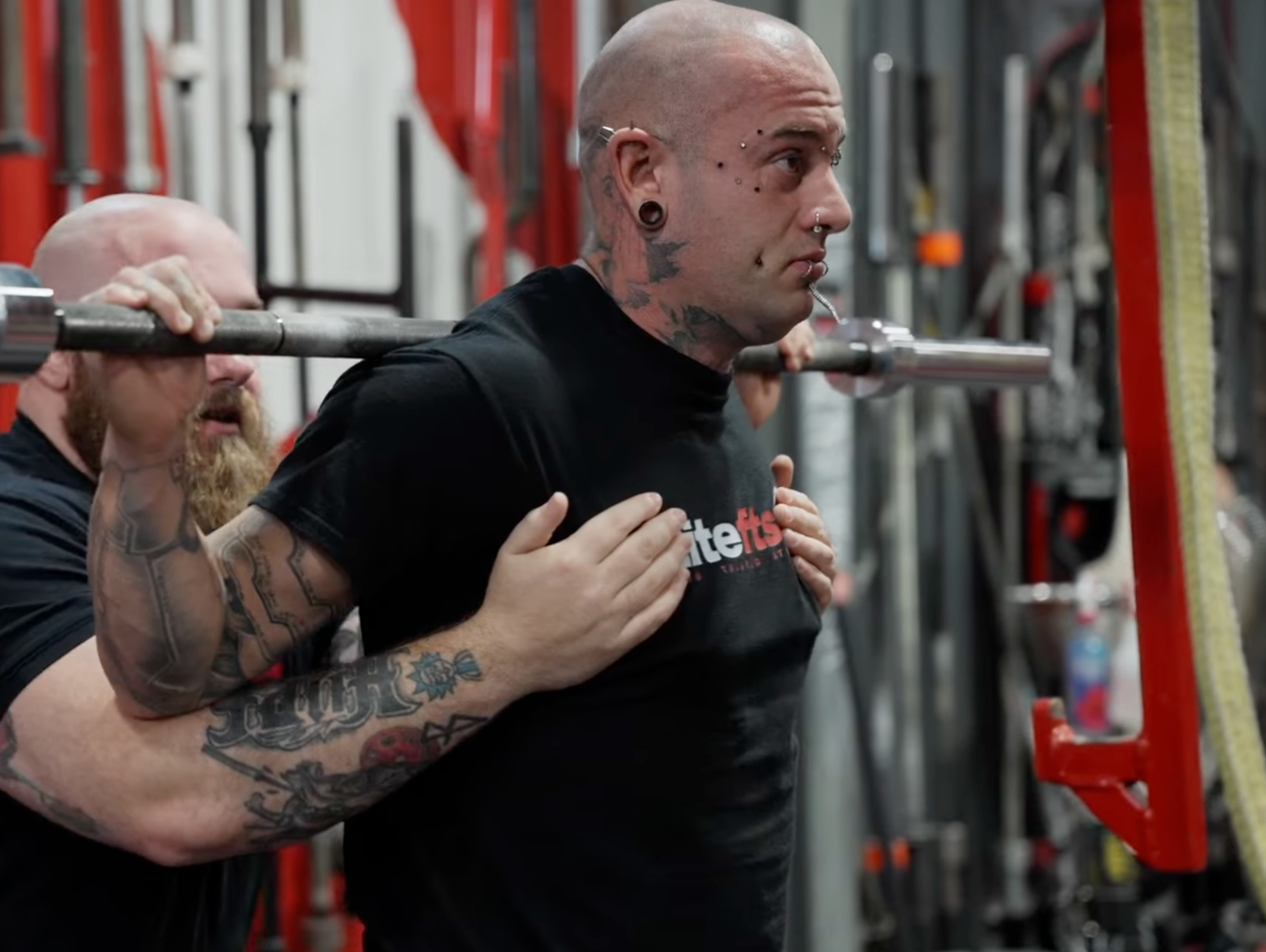
Why Your Gym Spotting is Actually Dangerous: 4 Lessons from the Pros
"What you always want to do when you are spotting a squat from the back is you never want to be over the bar with your hands, you always want to be under the lifter".
Pull, Push & Squat + CARE by Ashley Jones
The best strength programs aren’t complicated—they’re built around simple movements done exceptionally well. The Pull, Push, Squat system combines Olympic lifts, pressing, and squat variations into a powerful framework for building full-body strength, power, and long-term durability.

Conjugate for Hyrox: Why Organization Beats Volume
Most HYROX athletes are not limited by effort — they are limited by poor training organization. In this article, Ryan Gibney explains why HYROX sits between strength and endurance, why most athletes plateau from doing too much in the wrong places, and how a high / low conjugate model can build strength, speed, durability, and aerobic capacity without letting one quality sabotage the others.
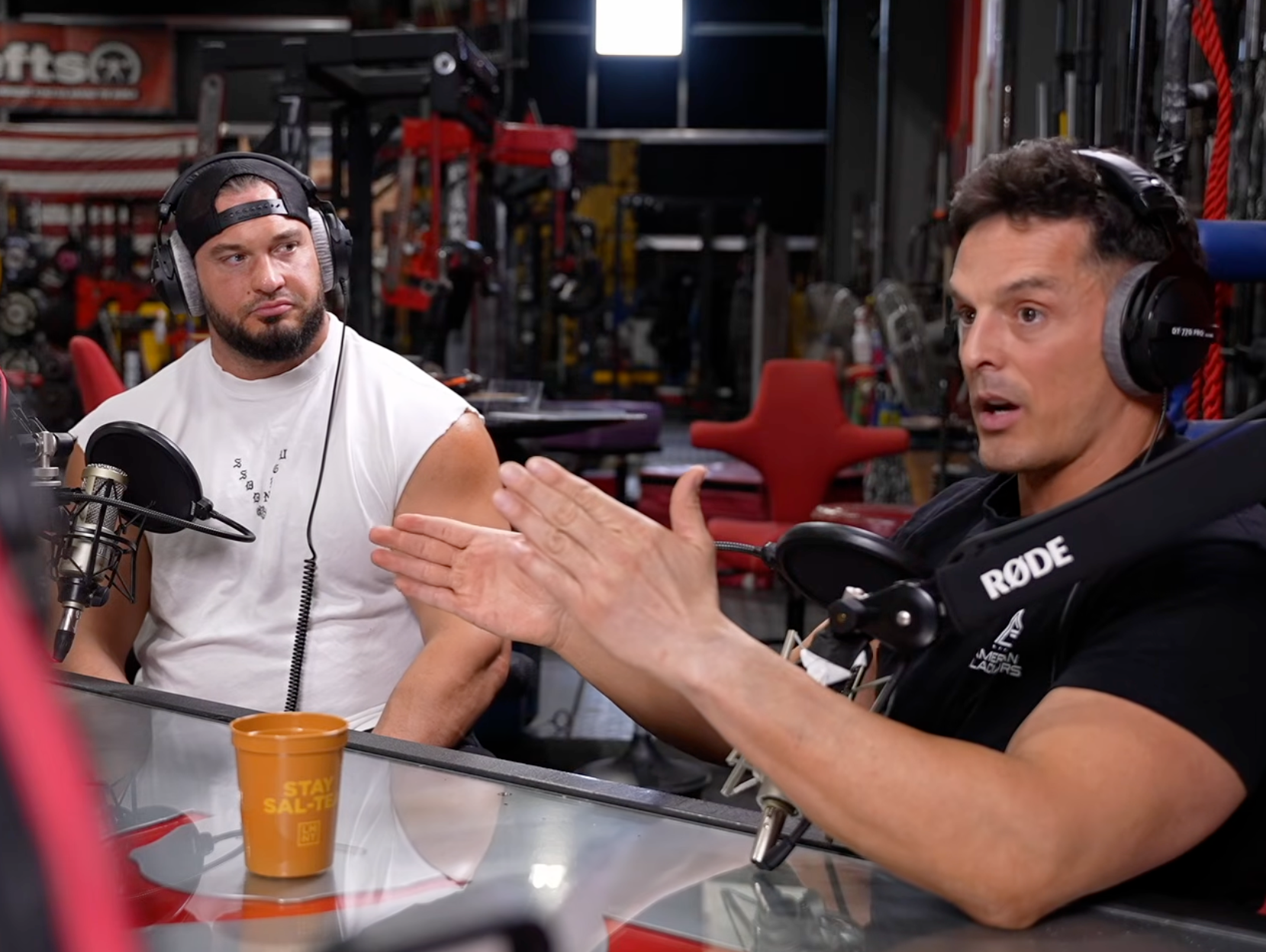
Bull, Steel, and Fang on Table Talk: What the American Gladiators Cameras Never Showed
Three elite athletes sat down at the S5 Compound and broke down the American Gladiators reboot on Prime Video, including everything the cameras didn't show.

Beyond the "Single Injury": A Comprehensive Guide to the Five-Bucket System of Chronic Pain
"Adhesion is the most common condition in the muscular skeletal system; an EMG or NCV will catch a nerve that's damaged when it's like 90 to 100% bad, but there's nothing catching it between 0% up to that 80 or 90%."
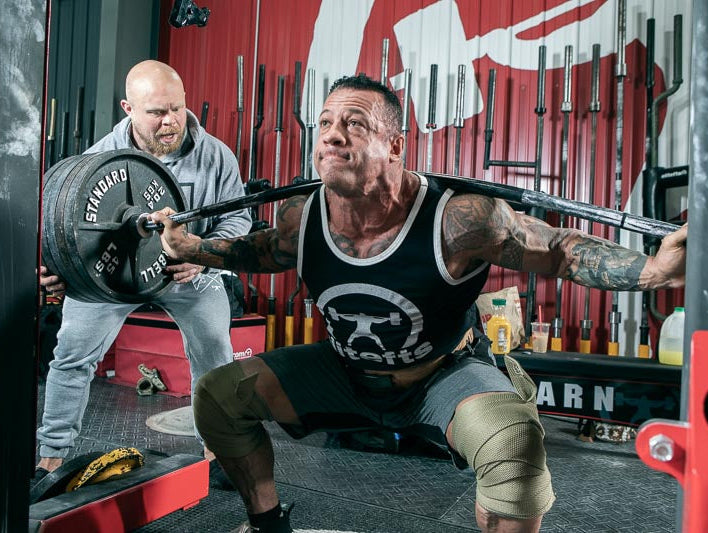
How to Get the Most Out of Working With Any Coach
Most lifters hire a coach and then immediately get in their own way. Here's the framework that will make every session count.
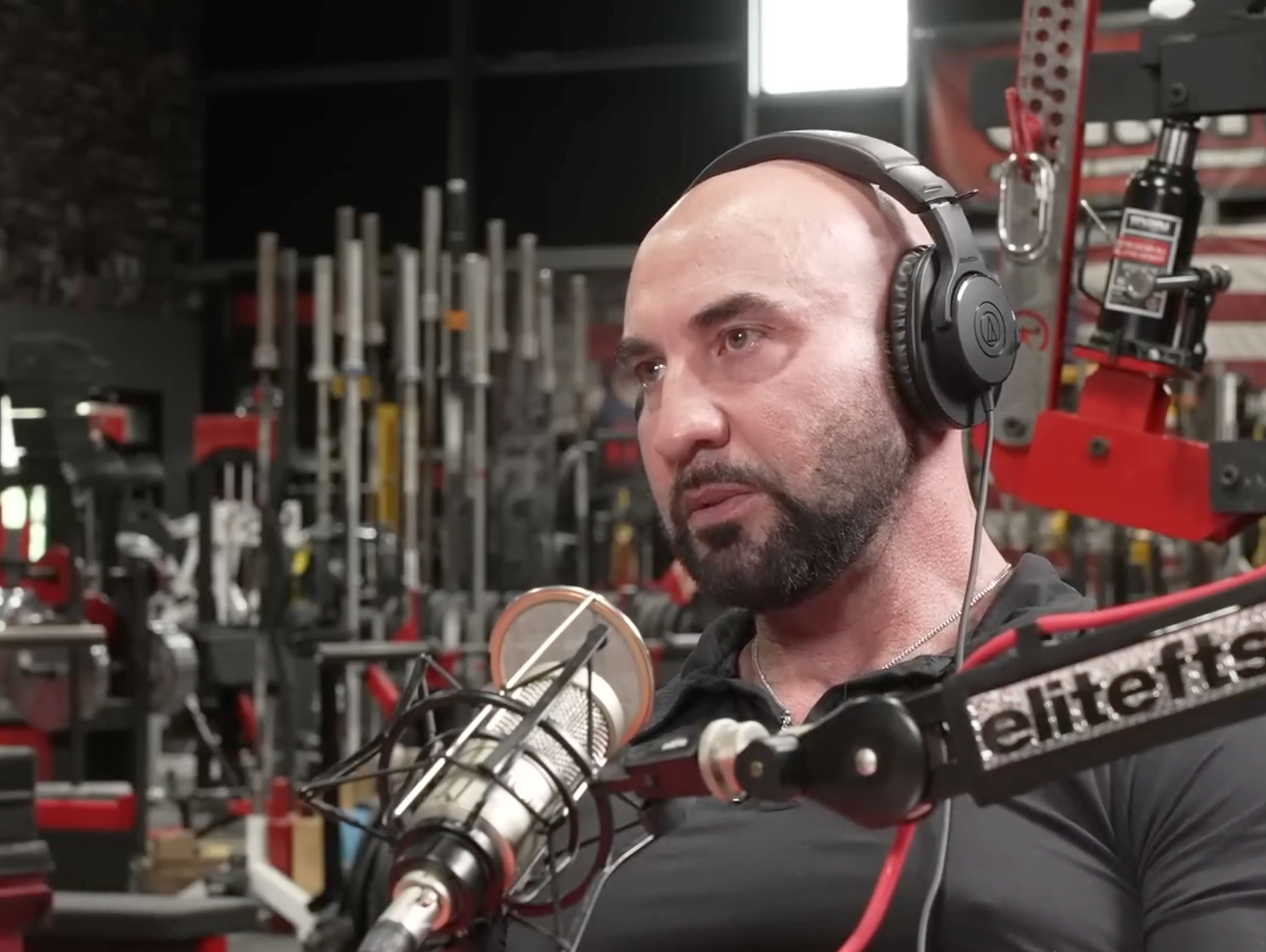
What Actually Builds Muscle (And What's Just Wasting Your Time)
Paul Carter and I sat down for Table Talk #303 and spent two-plus hours cutting through the noise around hypertrophy training. Here's what you need to hear.
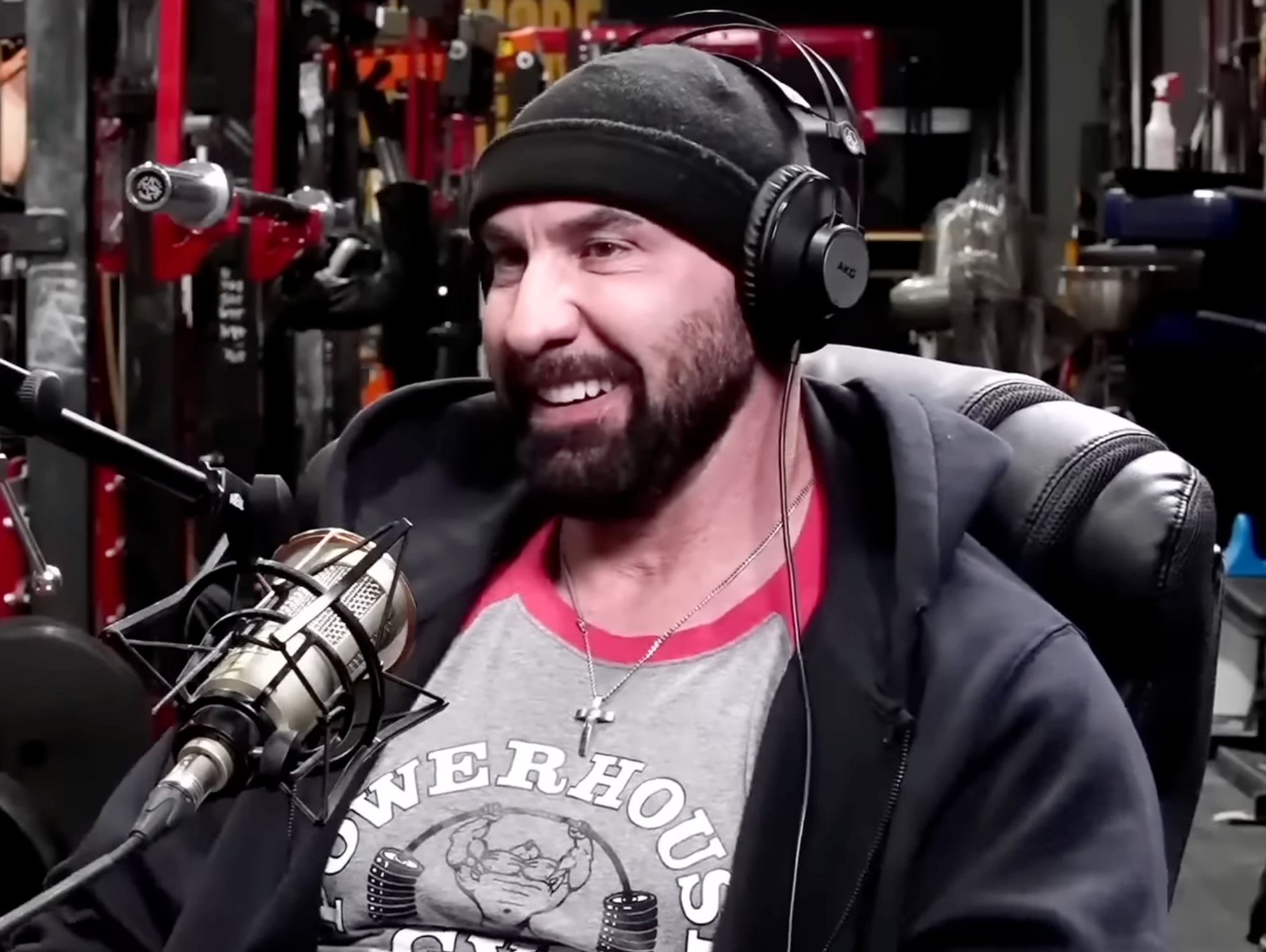
The Ultimate Guide to Explosive Training: 5 Hardcore Myths Debunked!
Paul Carter argues that because every set accumulates fatigue, which can hinder performance, lifters must mitigate this fatigue by utilizing more extended rest periods to ensure high-threshold motor units are recruited in subsequent sets. He challenges the traditional belief that fatigue is a stimulus for growth, suggesting that straight sets with adequate rest are mechanically superior to intensity techniques, such as drop sets, for maximizing effective reps.
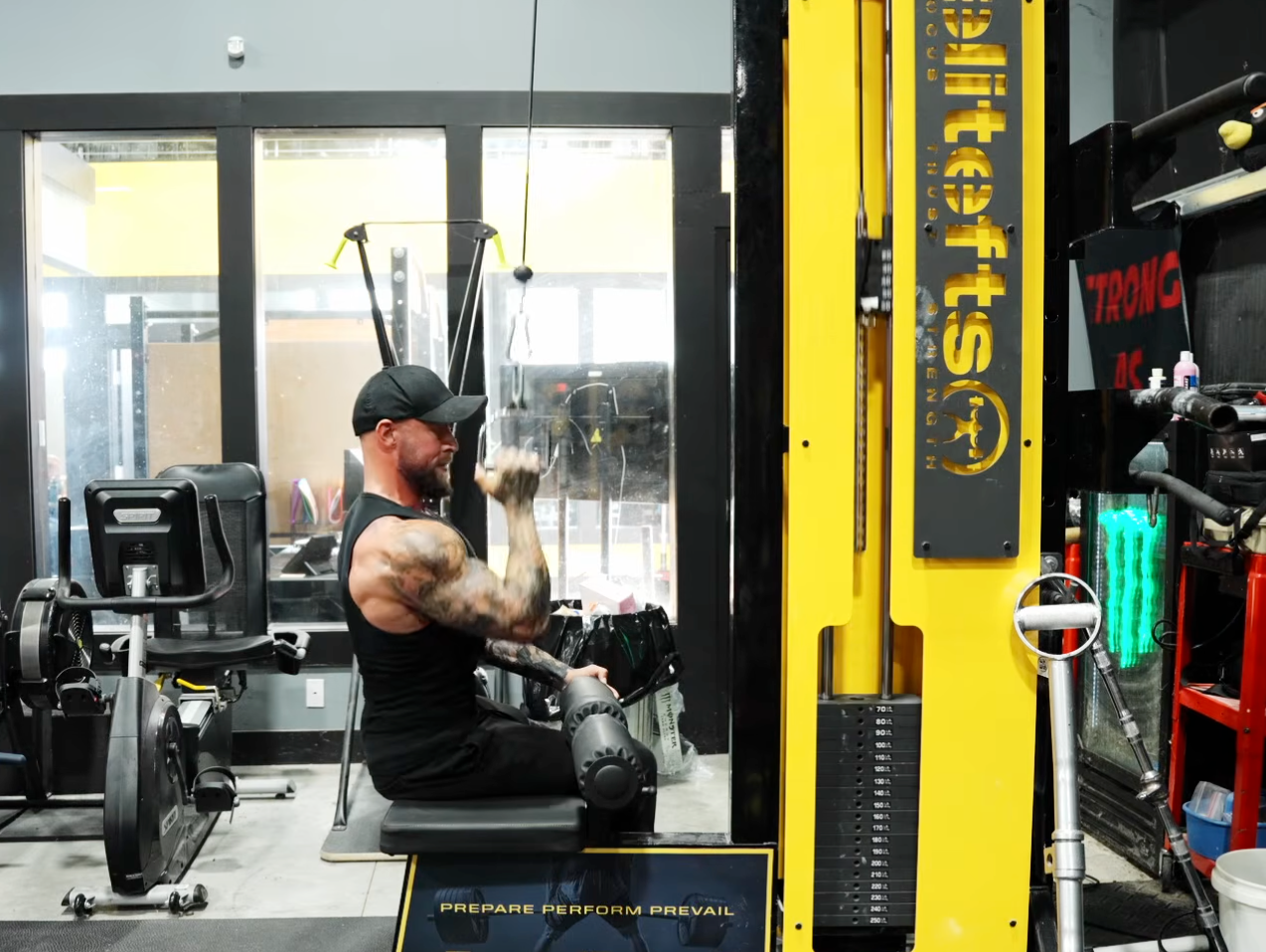
Stop Choosing Sides: How to Build an Efficient Upper Body Workout That Actually Works
Drew Donaldson brings 20 years of coaching experience to the S5 and lays out a glycolytic upper body session that merges research with what's been working in gyms for decades.
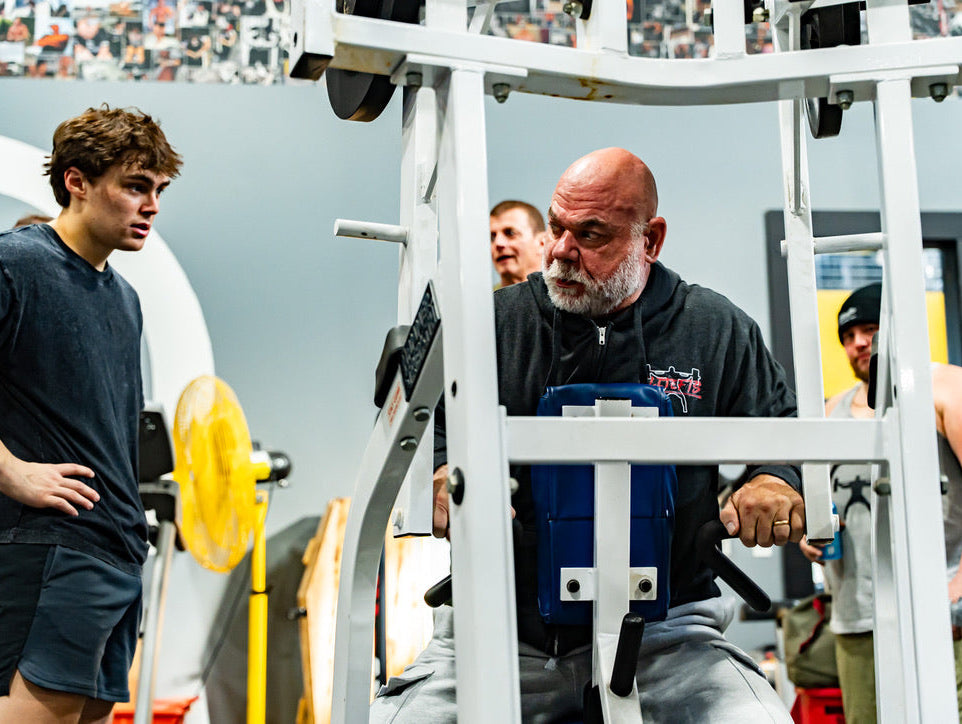
What a Neurologist's Book on Purpose Taught Me About Forty Years Under the Bar
A neurologist draws a map to purpose, balance, and fulfillment using Homer's Odyssey. Turns out, powerlifting drew the same map decades ago.
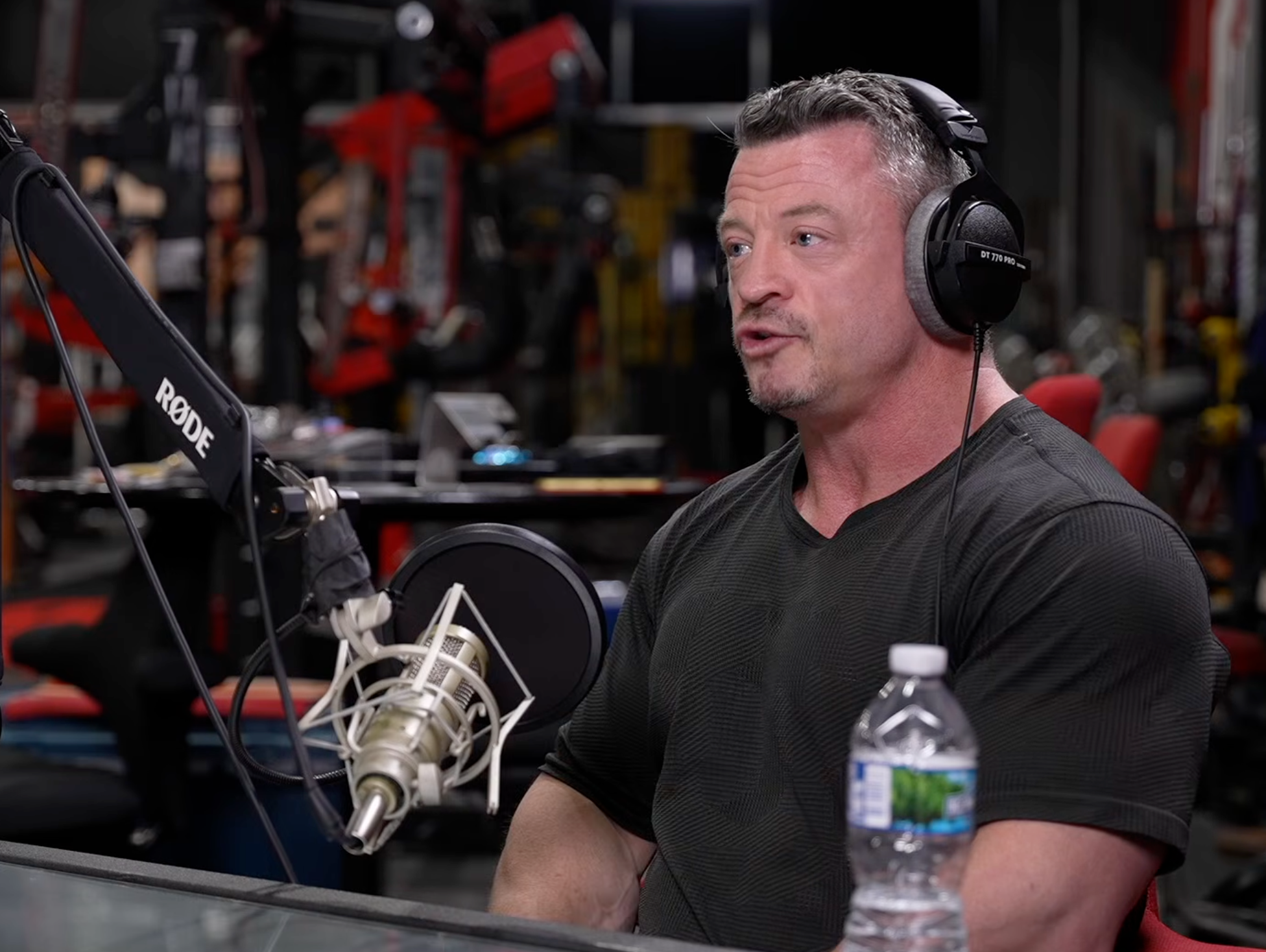
The Comical Truth About "Accidental" Muscle Growth
Dr. Pat Davidson breaks down the billionaire myth of accidental muscle growth, the meathead bell curve, and how high-ground training choices change everything for hypertrophy.
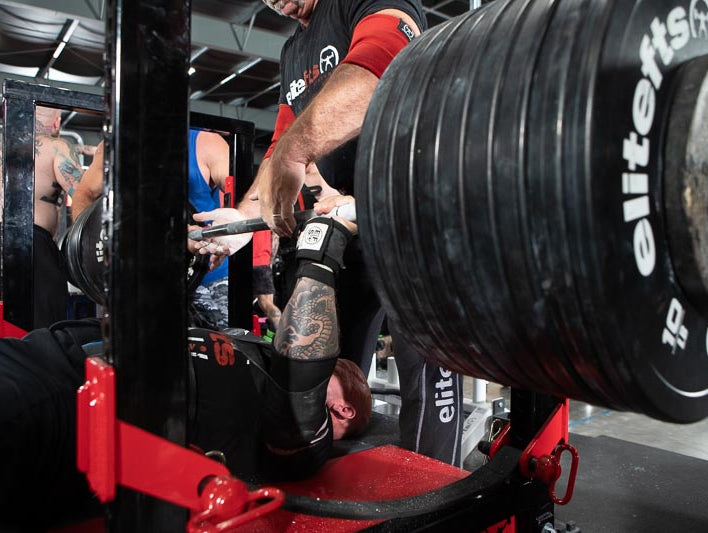
January 1980: The Dawn of a New Era and the USPF
The sport of powerlifting changed forever in January 1980. With the official adoption of the USPF name and Joseph "Doc" Rhodes revealing his world-championship peaking program, this issue is a masterclass in old-school strength and political drama.
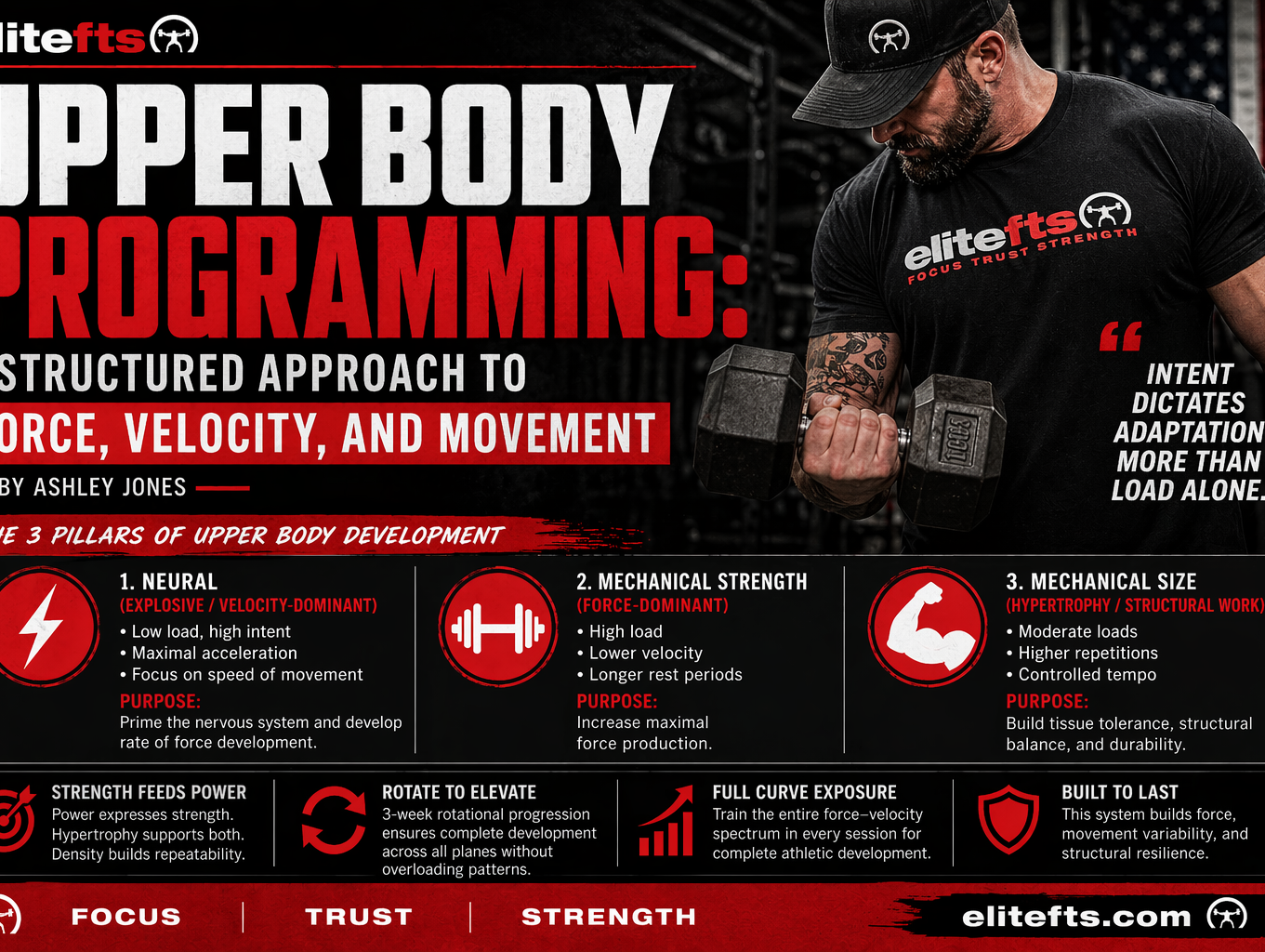
Upper Body Programming: A Structured Approach to Force, Velocity, and Movement
Most upper-body programs fail because they focus on exercises—not on systems. This structured approach organizes training around force, velocity, and movement planes to build real strength, explosive power, and long-term durability.
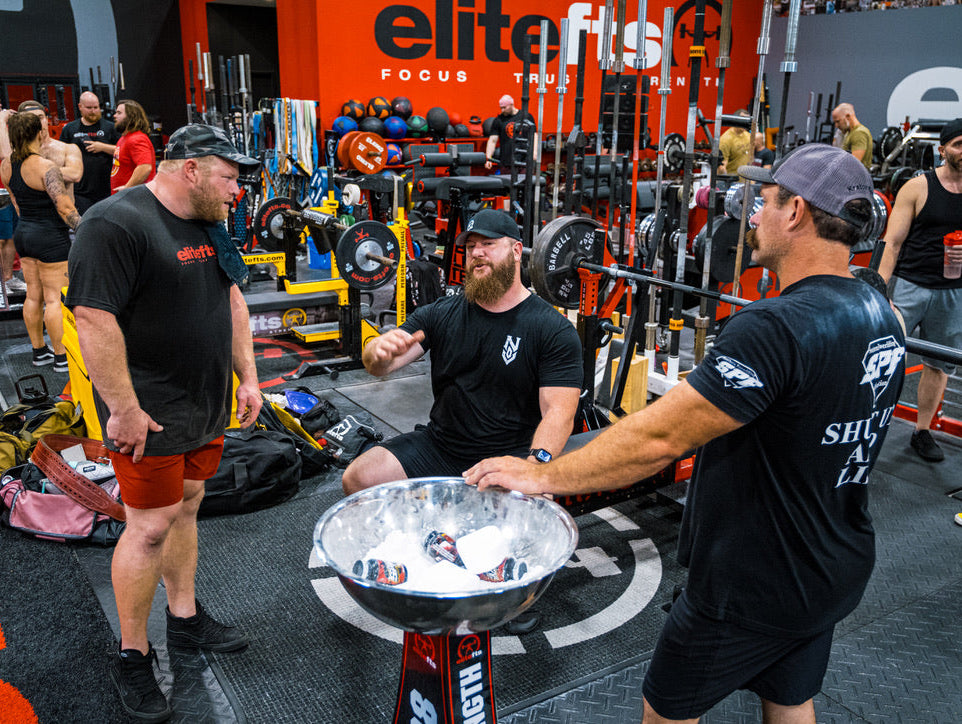
6 Hard Truths About Strength and Movement That Will Change How You Train
Dr. John Rusin redefines functional training not as a specific exercise, but as a complete human movement system that ensures you maintain physical capacities for life. He argues that adopting a "movement mastery mindset"—prioritizing foundational skills like breathing and bracing—is essential to avoid orthopedic breakdown and break through performance plateaus.
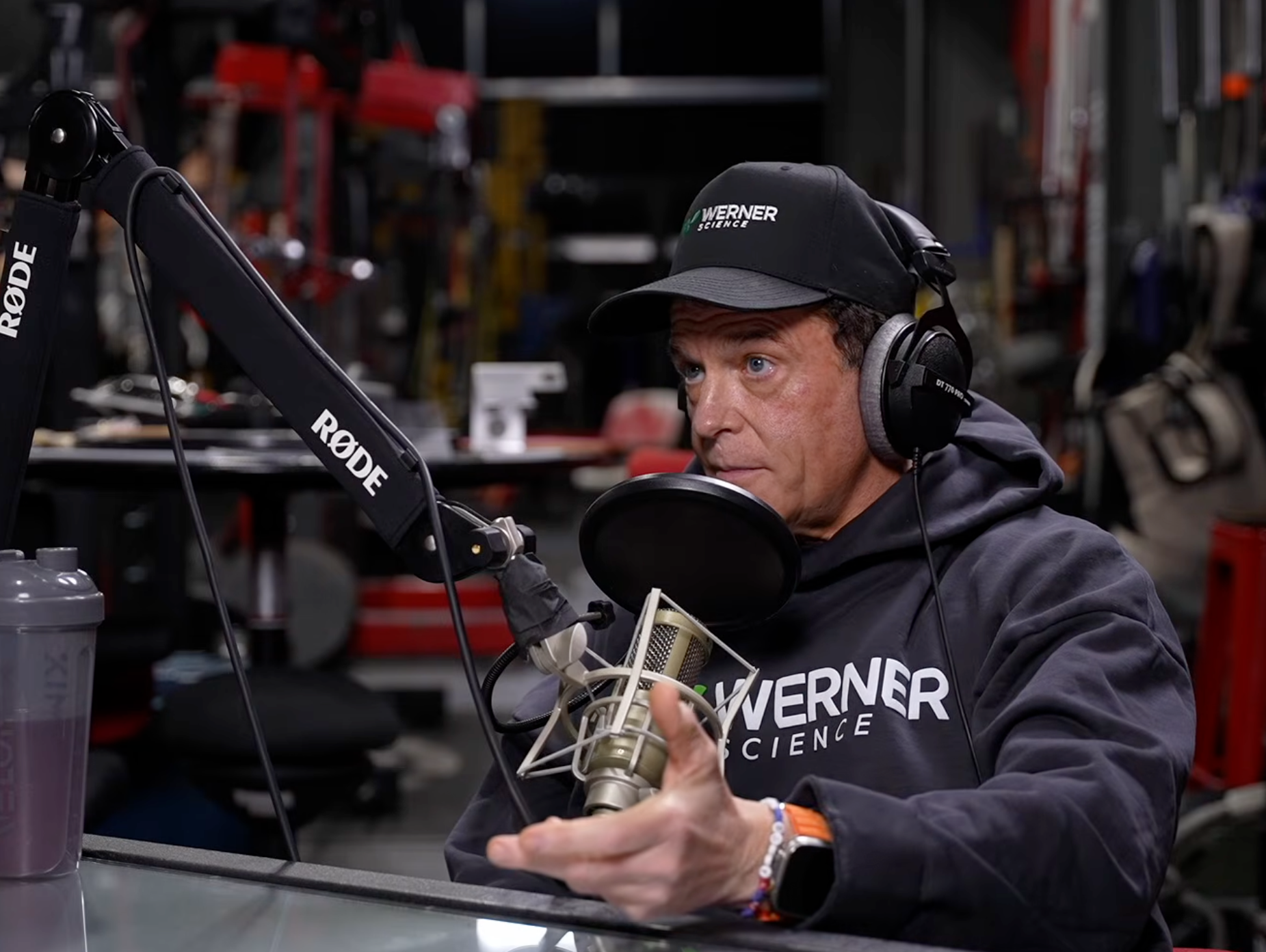
The Neural Gap: Six Training Lessons From Dr. Dwayne Jackson | Table Talk #409
Dr. Dwayne Jackson returns to Table Talk with six science-backed lessons on RPE calibration, auto-regulation, the gym as medicine, and what actually separates lifters who keep progressing from those who plateau and break down.
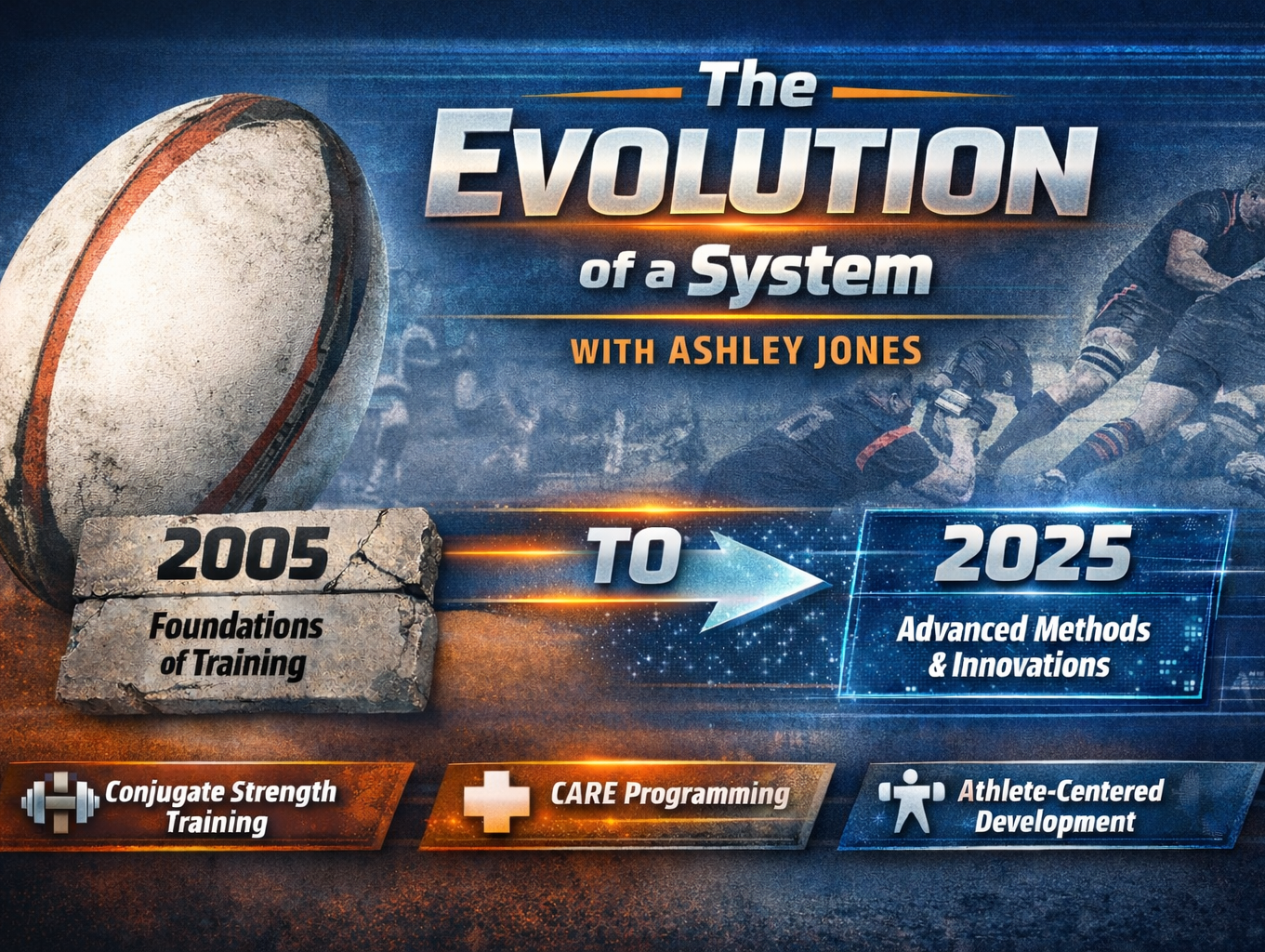
Evolution of a System by Ashley Jones
Ashley Jones explores the evolution of his rugby strength and conditioning system from 2005 to 2025, detailing advancements in Conjugate training, CARE programming, and athlete-centered performance development.
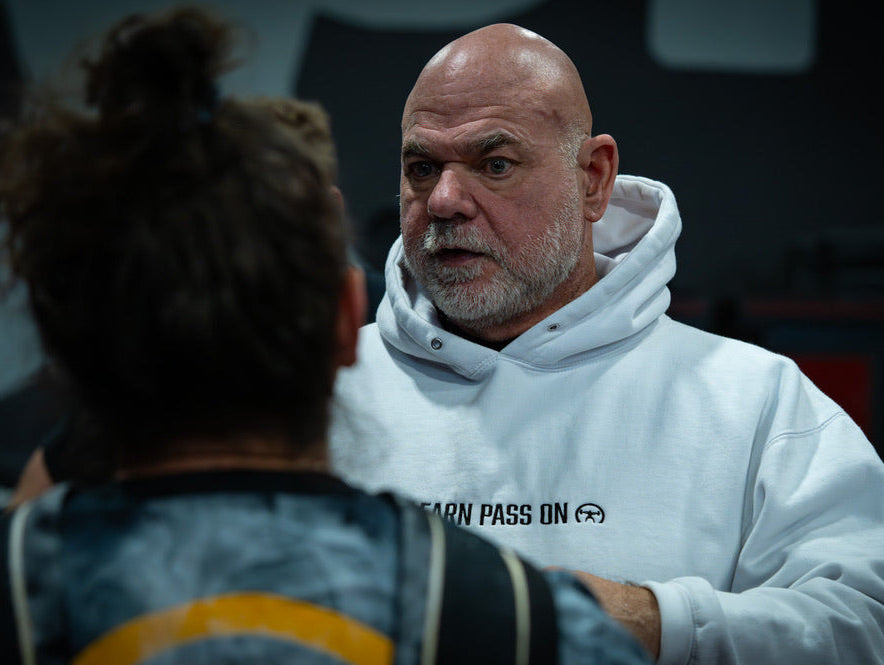
The Generation That Figured It Out: How Growing Up Gen X Built the Way I Train
Gen X didn't have YouTube, apps, or on-demand coaches. We had a bar, a rack, and the stubborn refusal to quit, and that built something most lifters today never find.
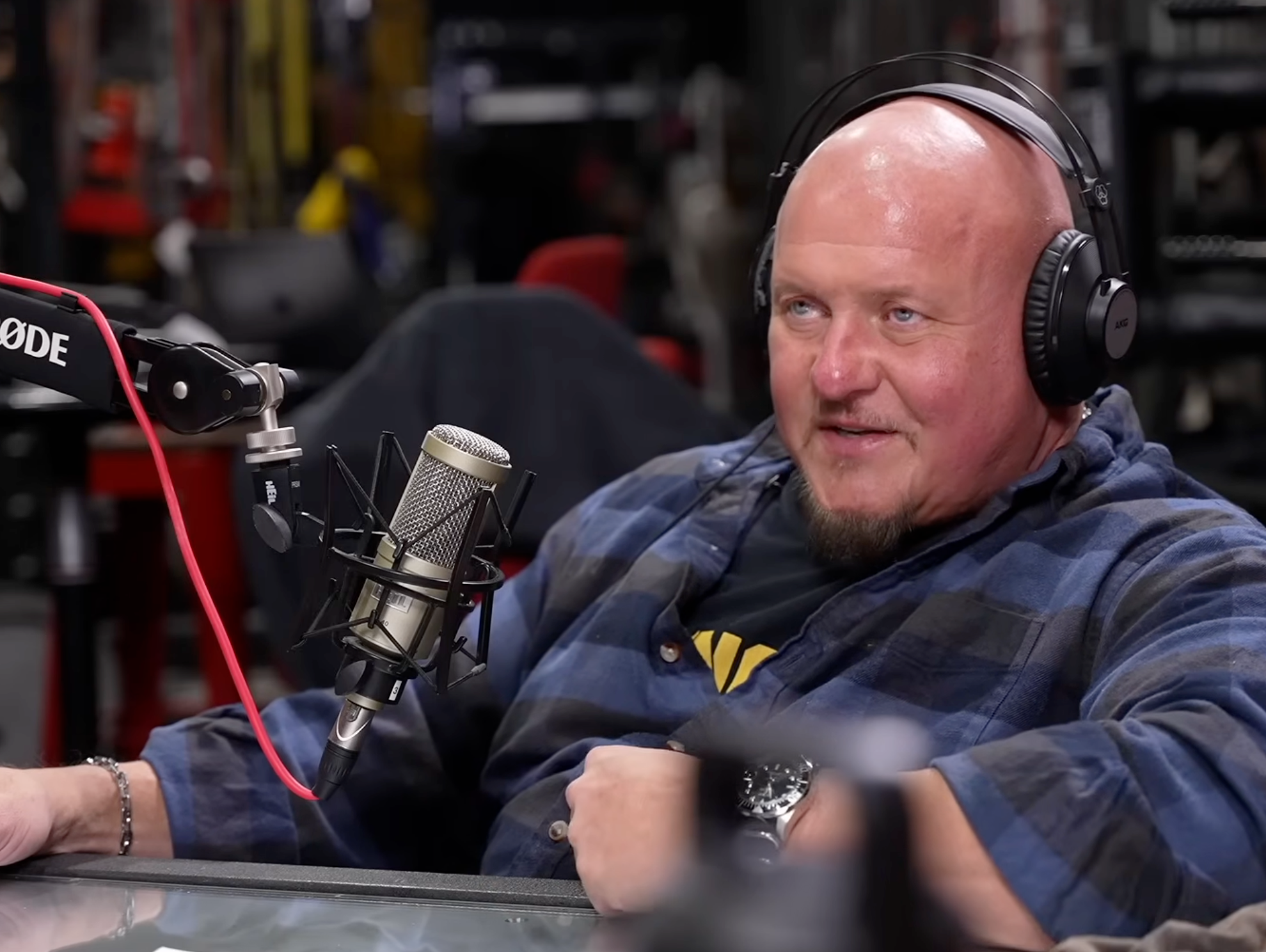
The Brutal Price of Power: A Two-Decade Journey in Strength
The all-in mentality of elite powerlifting demands a high price, often including personal health, marriages, and the complete absorption of one’s identity. Looking back after decades in the sport, veterans must reconcile the brutal physical toll of multiple surgeries and prosthetics against the initial drive to prove others wrong for the sake of a plastic or sculpture trophy.
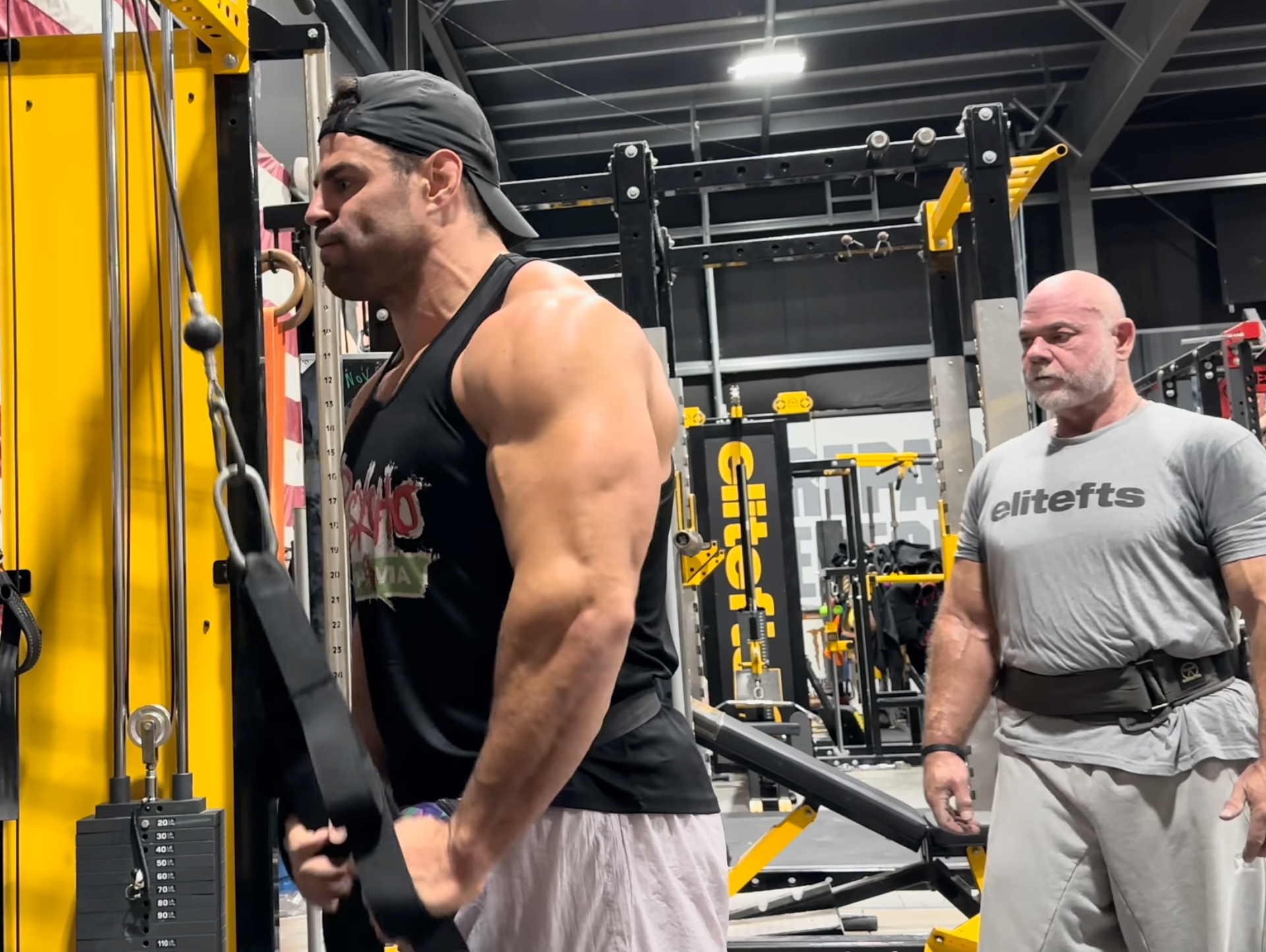
I Built This Because Nothing Else Worked
I've been competing in powerlifting long enough to know what the tricep actually does in this sport. It locks out the bench. It finishes the press. So when every strap on the market kept failing me at both ends of the pushdown, I stopped looking for a solution and started building one. This is the origin of the elitefts 3-Loop Tricep Strap, why I designed it the way I did, and why it has never left my cable machine.
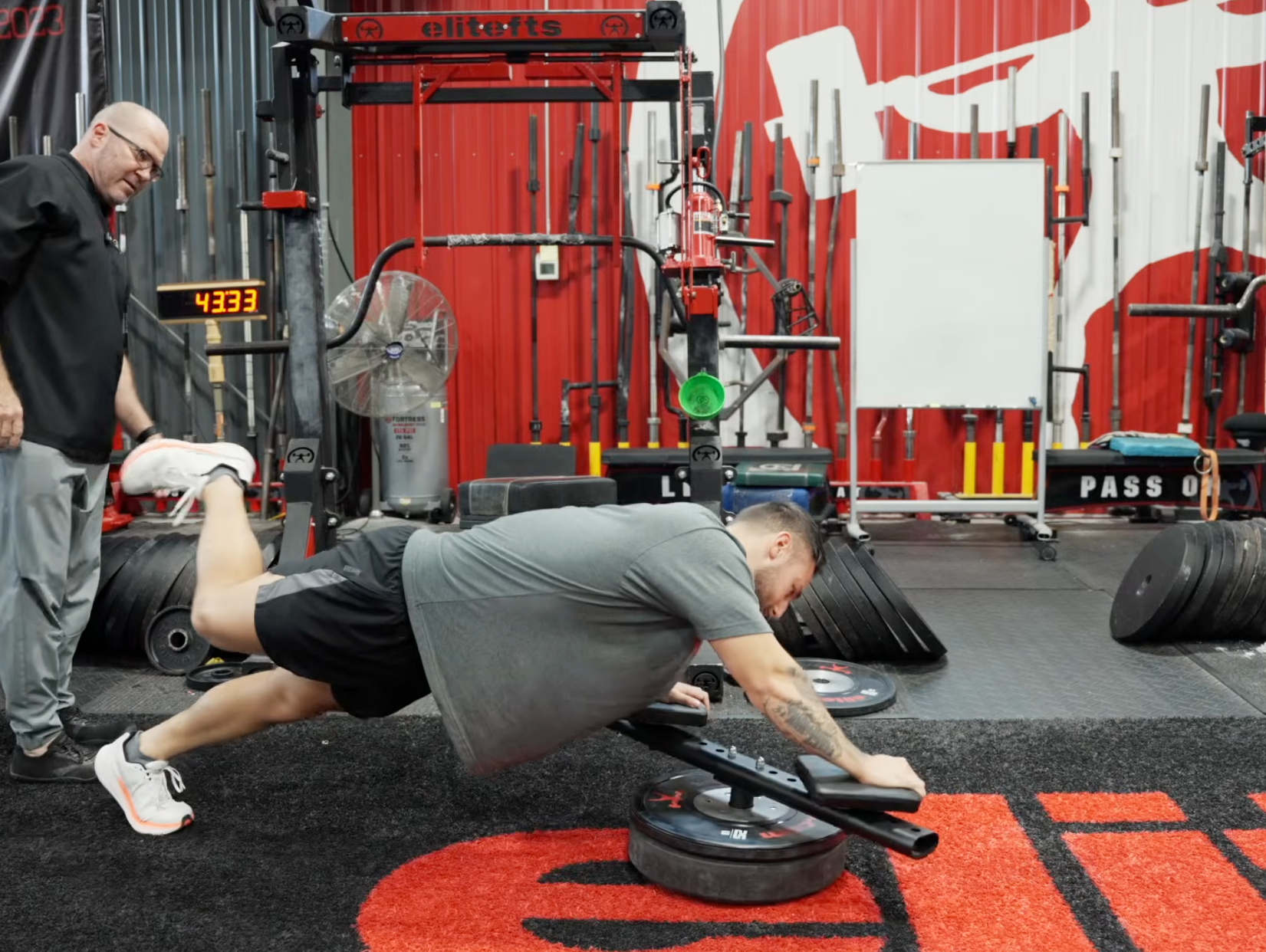
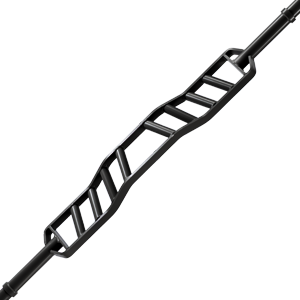
The Belden Bar Framework
The Belden Bar is a highly unique training tool that adds rotational torque to traditional closed-chain movements like push-ups and glute bridges, exposing muscular weaknesses and demanding intense full-body coordination.
.
