

training

Quadrant Management System
Quadrant Management System by Ashley Jones, a structured yet flexible strength training approach that empowers athletes through individualized programming, progressive autonomy, and performance-focused development.

Time as a Factor in Determining Programs
Discover how to optimize your training success by aligning your program with your realistic time availability and recovery needs, featuring detailed workout schedules ranging from two to six days per week.
The Professionalism Crisis: Why Most Coaches Fail and How to Build an Undeniable Culture
"You learn very quickly that any idiot can get somebody tired, but it takes a skilled, professional coach to get somebody better."

The Recomposition Trap: Why Your Pursuit of the "Holy Grail" is Keeping You Average
"While a calorie deficit is typically necessary to lose fat, rapid body recomposition—gaining muscle while losing fat—is primarily achievable for beginners, individuals with obesity, those using steroids, or athletes recovering from an injury."

Mastering the Essentials: A Learner’s Guide to Dips and Chin-Ups
"Hopefully by the end of this video, not only are you going to be better at performing your dips and chin-ups, but you're going to be doing them in a way that allows you to get better carryover to the other things that you're doing outside of these lifts."

5 Surprising Lessons from World-Class Strength Athletes on the Art of the Pivot
"I really started to lean into like let's be as healthy as we can while we wreck our bodies... and then as I've gotten older and my priorities have shifted, my avatar has shifted with me."

The 4:00 AM Standard: How The Spot Athletics is Killing the 'Gig Economy' Gym Model
J.L. details the evolution of The Spot Athletics from a humble 2,000 square-foot start to two 20,000 square-foot facilities, emphasizing how custom EliteFTS equipment, a client-first "family" culture, and salaried coaching positions are pushing the strength and conditioning industry forward.

Stop Debating the Percentage. Here's How to Actually Find Your Speed Bench Weight.
The right weight for speed bench isn't found in a book — it's found under the bar, using a simple method that tells you exactly what to use based on your own strength and skill level.
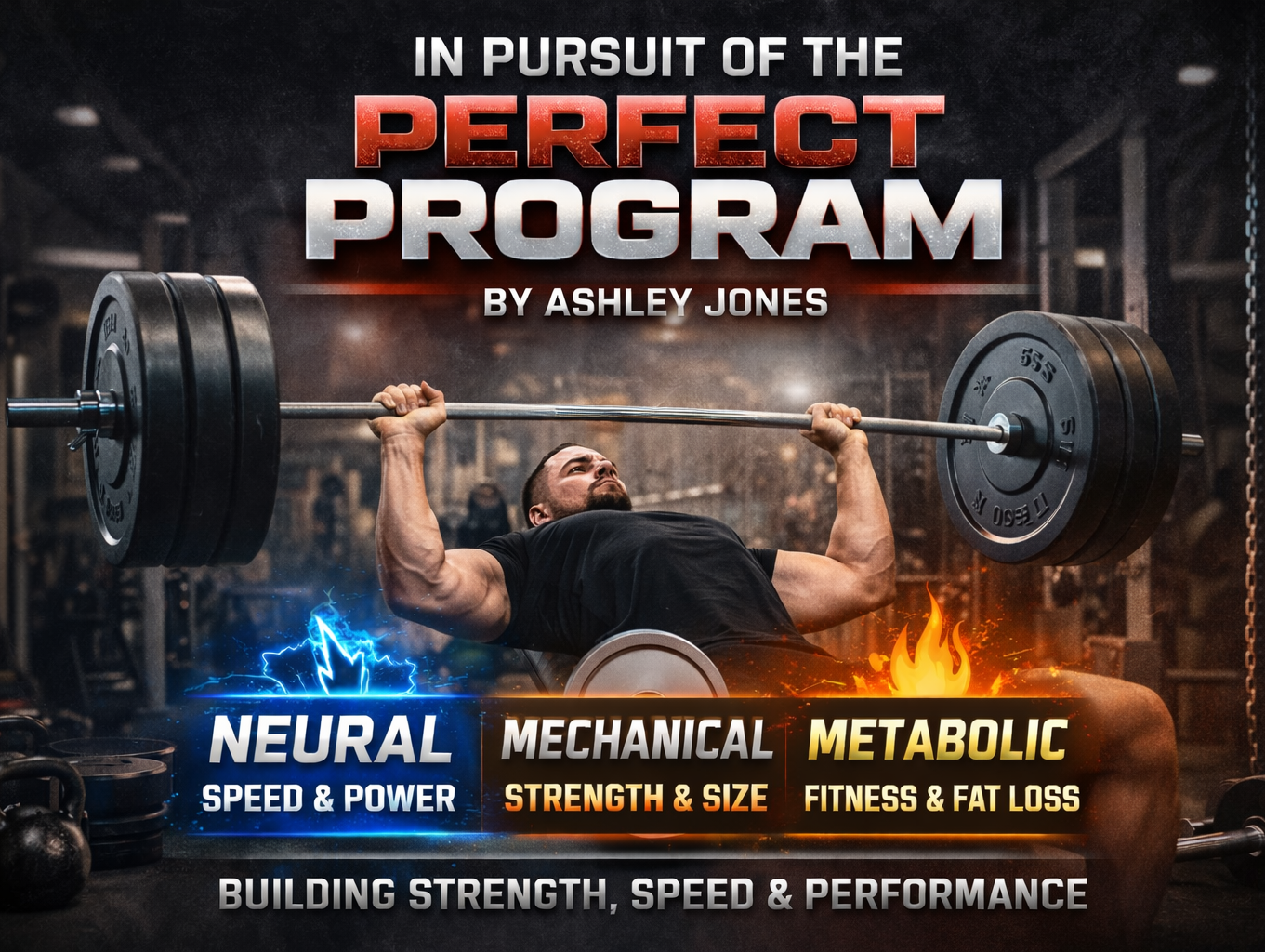
In Pursuit of the Perfect Program
In "In Pursuit of the Perfect Program," Ashley Jones shares his decades-long journey through strength and conditioning, outlining practical programming strategies that blend powerlifting, Olympic lifting, conjugate methods, and French Contrast training to develop strength, speed, and performance.
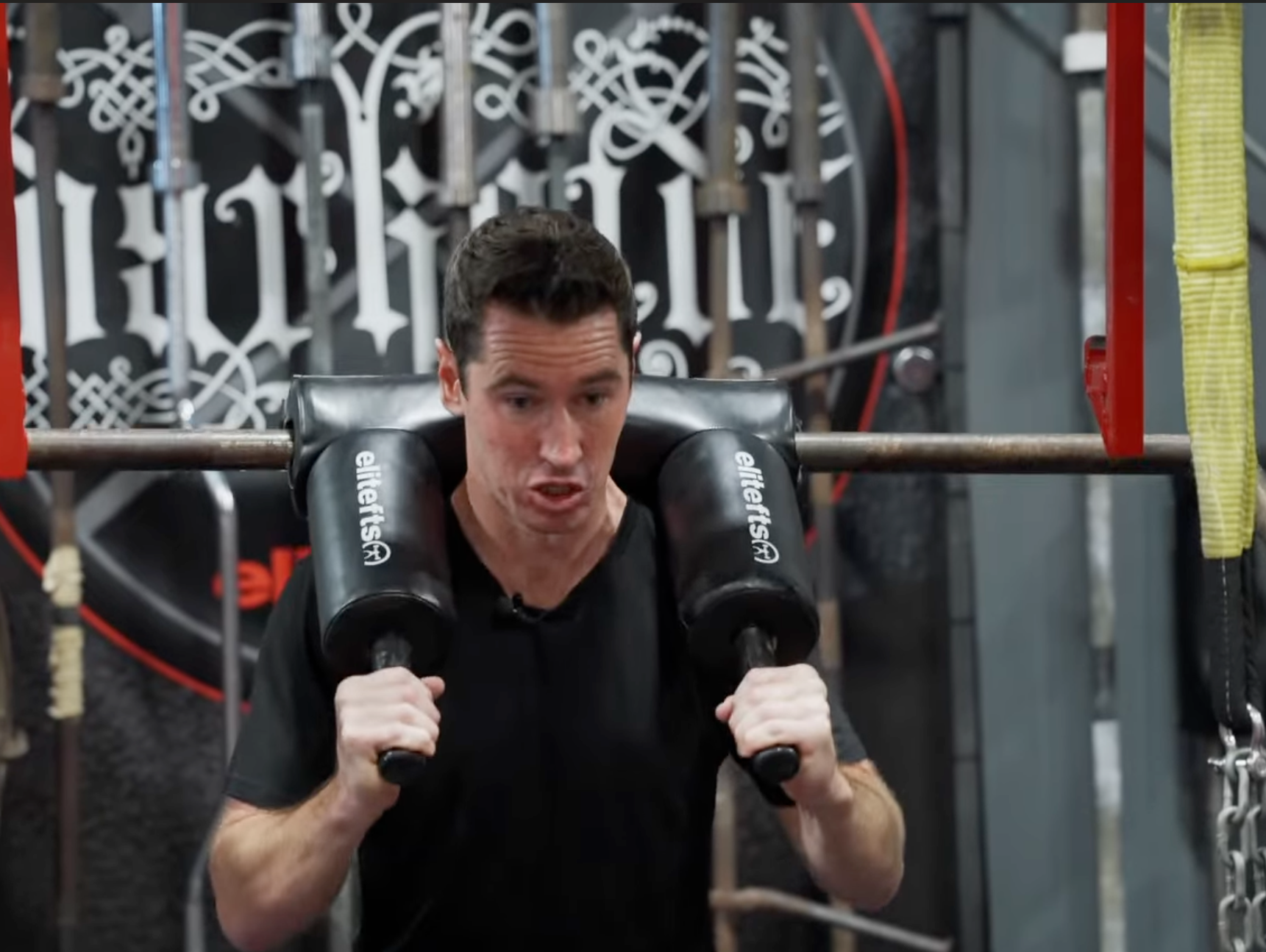
Two Different Worlds, One Answer for Your Knees
Before a recent podcast recording, a guest connected Louie Simmons' sled work to Charles Poliquin's knee rehab protocol, and the conversation filled in a gap I had lived for decades without fully explaining.
The "Russian Trick" to Shut Off Pain and 3 Other Brutal Powerlifting Secrets
To manage a torn hand mid-competition, a brutal "Russian" trick involves violently grinding a wire brush into the open wound seconds before the attempt to overload the brain's pain receptors. This extreme stimulation reportedly shuts off sensation just long enough to execute a heavy pull before the pain inevitably returns.

The elitefts Shoulder Saver Pad: Keep Pressing When Your Shoulders Are Done
The elitefts Shoulder Saver Pad lets you bench press through shoulder problems by replicating a board press without needing a board, a training partner, or a prayer.

Your Grip Is the First Link in the Chain. Here's How to Stop Letting It Break
Grip failure doesn't announce itself until the bar is already moving — here's the complete system to fix it before it costs you another pull.

The Choreography of Power: Why a Decade of Ballroom Dancing is the Ultimate Strongman Secret
Professional strongman Adam Roszkowski reveals how his 11-year career in international ballroom dancing built the foundation of balance, discipline, and deep muscle control that propelled him to success in heavy lifting and American football.
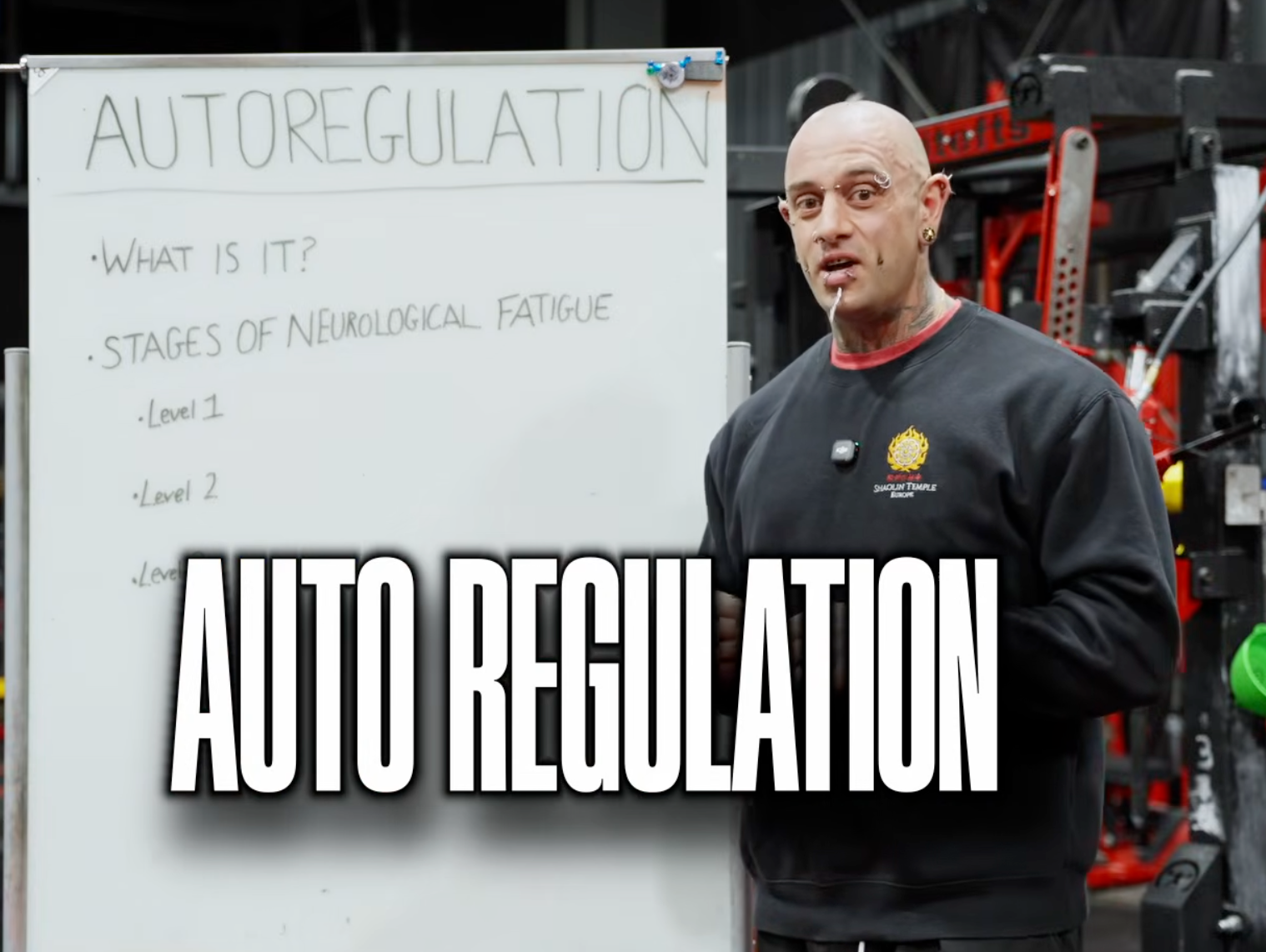
Why You’re Actually Getting Weaker: The Neurological Secret to Breaking Plateaus
Autoregulation is fundamentally about managing your neurological fatigue by strategically adjusting training volume, intensity, and load to prevent overtaxing your central nervous system.

5 Counter-Intuitive Lessons from Dave Tate That Will Reinvent Your Conjugate Training
Conjugate training is fundamentally the coupling of different methods of muscle tension, combining the max effort method, the repetition method, and the dynamic effort method. The training week is typically divided into Max Effort Lower/Upper Body and Dynamic Lower/Upper Body days, with the critical requirement that the max effort exercise must be changed every week to provide a necessary varied stimulus.

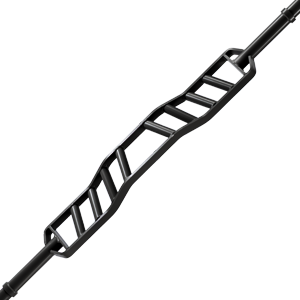
The Cambered Squat Bar Is One of the Hardest Bars You'll Ever Put on Your Back
Why the rackable cambered squat bar belongs in your training and how to use it to build a squat that doesn't fall apart under real weight.

You're Tweaking the Wrong Knobs: Why Volume and Intensity Still Run the Show
Most lifters spend their time obsessing over sleep, supplements, and nutrition while the two variables that actually drive progress sit untouched. Here's why volume and intensity are still the volume controls on your training board.
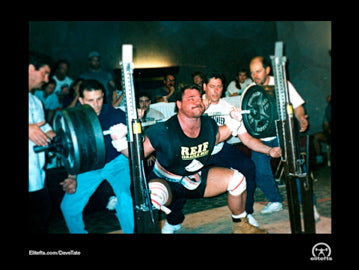
He Who Fears He Will Suffer, Already Suffers Because He Fears
A 760-pound squat, a meet in Toledo, and the moment I learned that fear doesn't wait for the bar to come down.
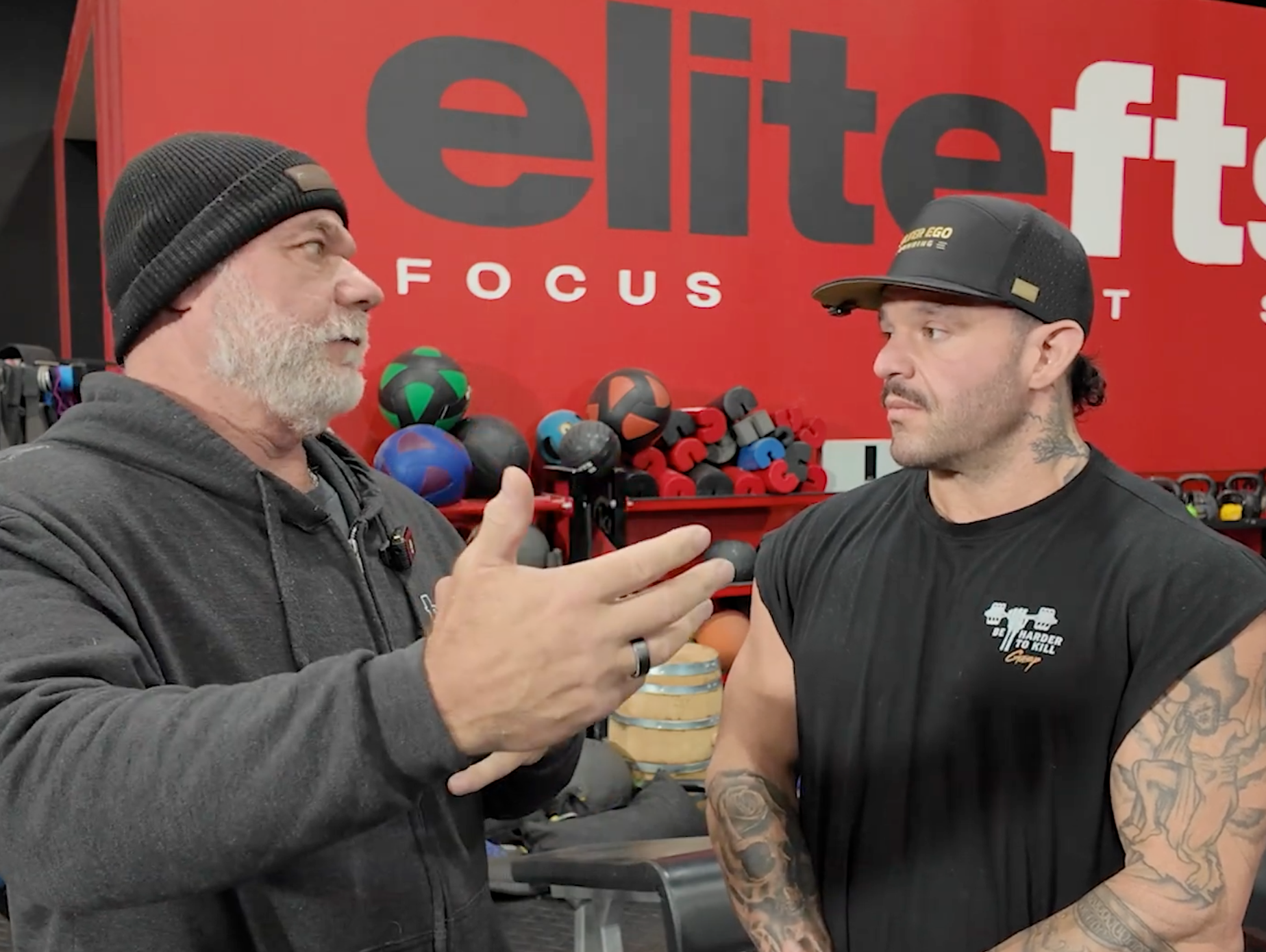
Beyond the Macros: 5 Counter-Intuitive Truths from the World’s Elite Strength Coaches
Elite coaches Jon Heck, Joey Szatmary, Dave Tate, and Sam Brown share their most critical advice for upcoming fitness professionals, emphasizing deep client empathy, effective communication, and purposeful social media use.

The Road Goes Ever On by Ashley Jones
Ashley Jones' comprehensive in-season strength and conditioning program focuses on force-velocity development, unilateral balance, modified French-Contrast training, and a three-week loading cycle to keep athletes powerful, prepared, and game-ready.
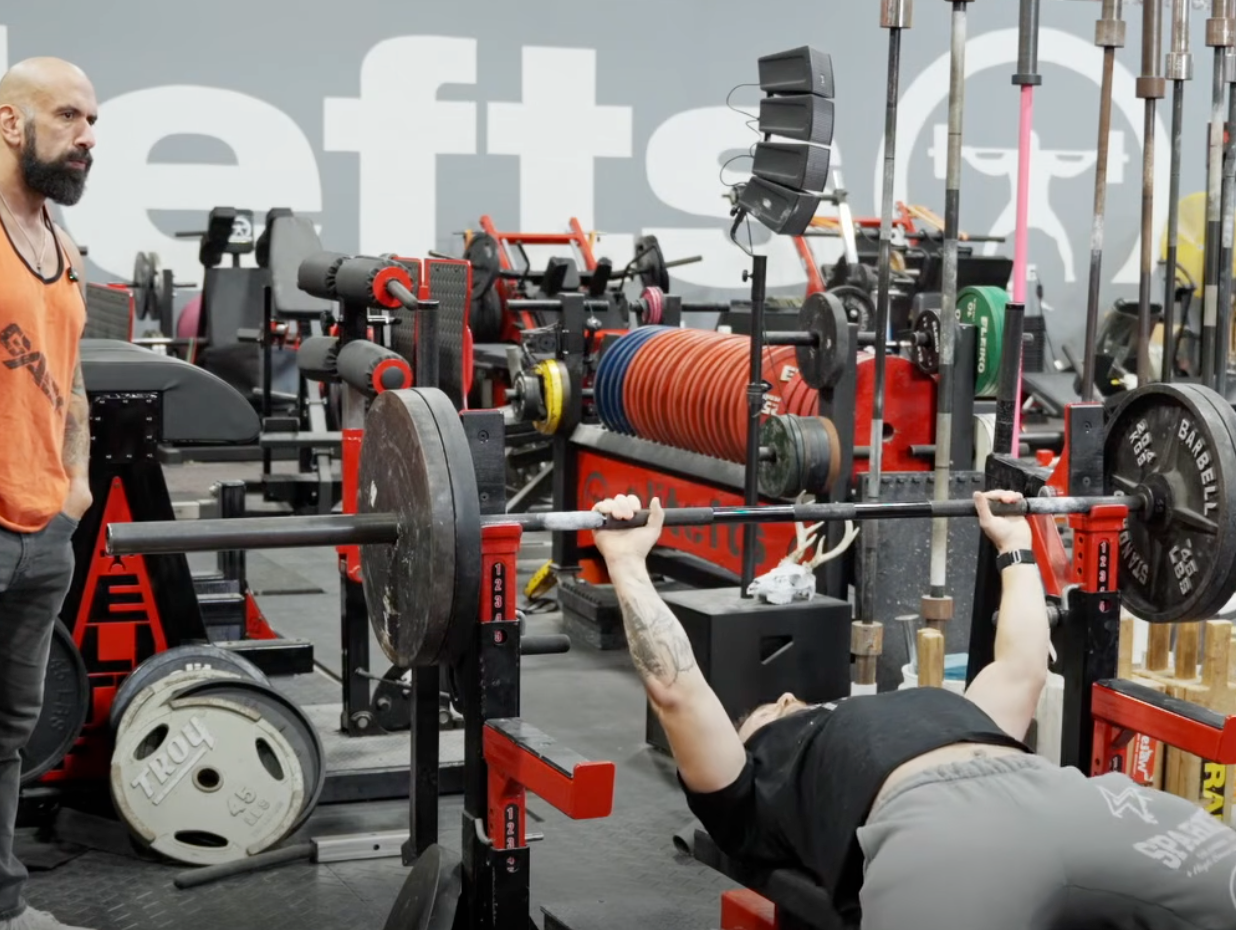
Why "Blindness is Anabolic": 5 Counter-Intuitive Secrets to a Massive, Injury-Free Bench Press
"When moving heavy weight on the bench press, holding your breath through the entire repetition maximizes full-body stability, leading to the lifting mantra that 'blindness is anabolic' because staying tight and safe is more important than having perfect vision."
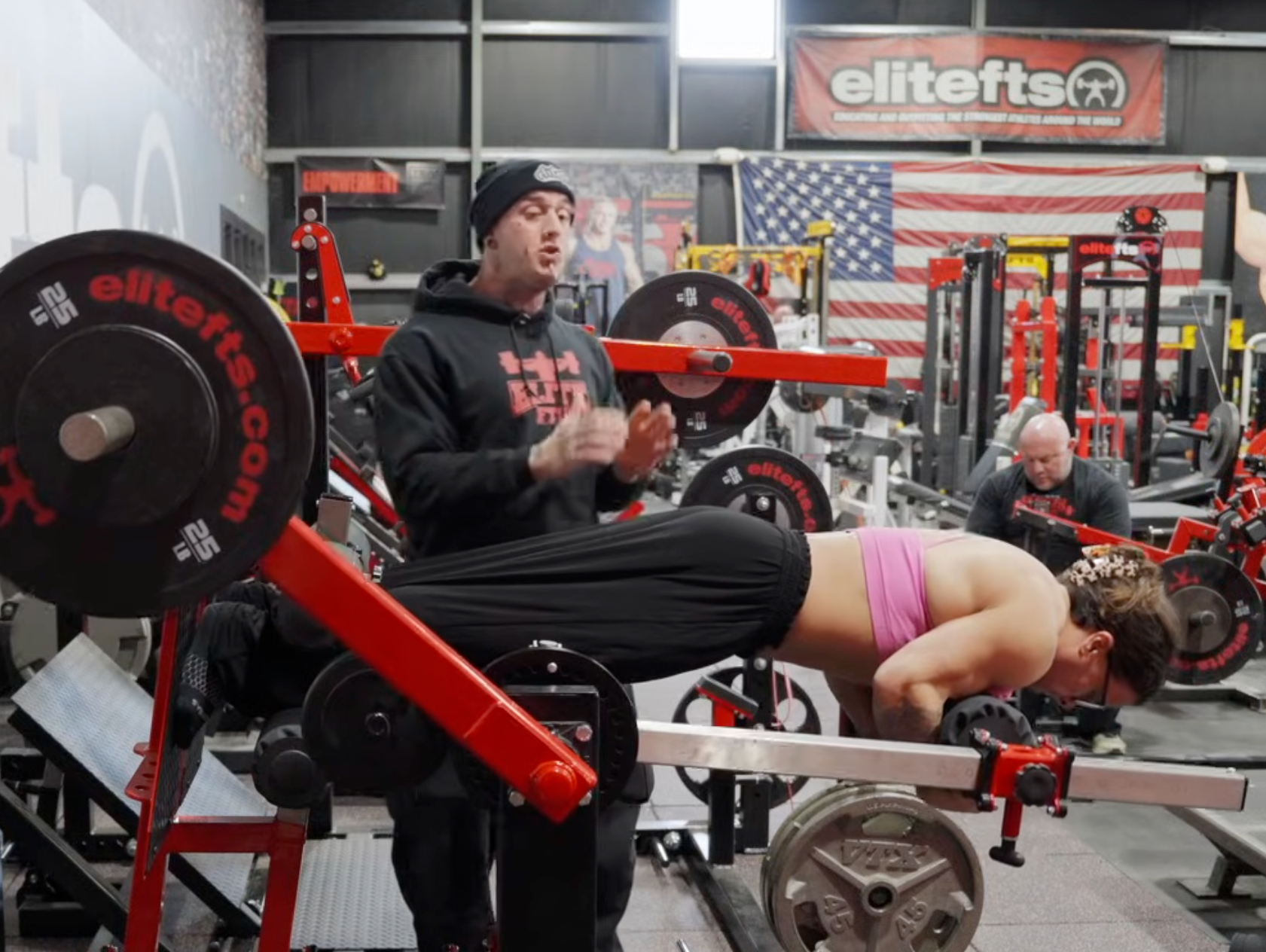
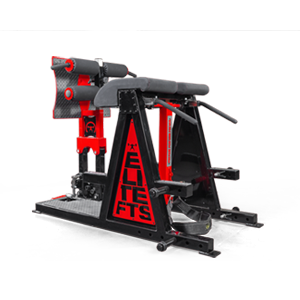
The Signature Assisted GHR: One Machine, No Excuses for a Weak Posterior Chain
The GHR has been the most neglected piece of equipment in most gyms for decades, and this is the machine that fixes that.
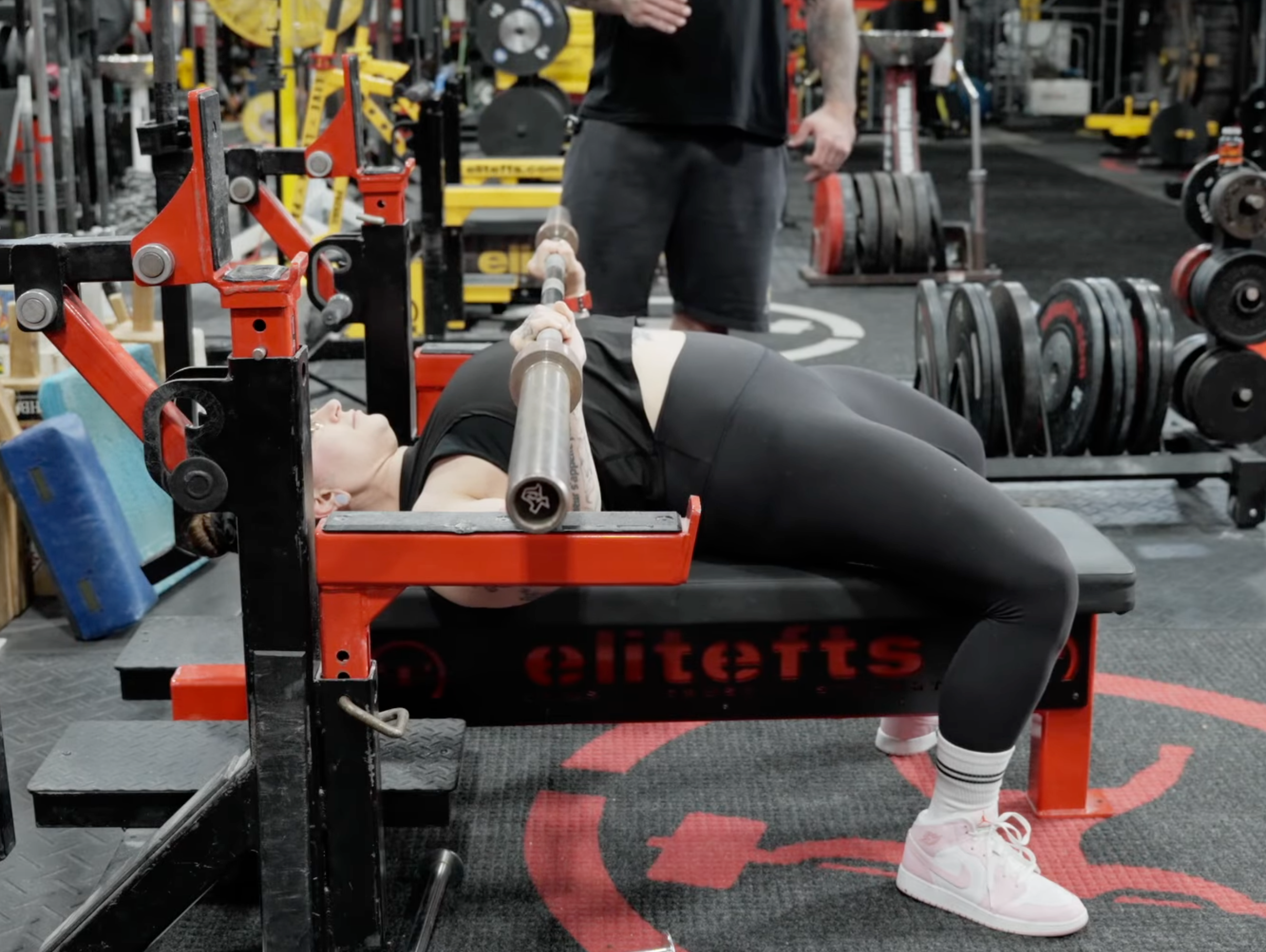
Mastering the Bench Press: A Breakdown of Four Essential Cues
Justin Zottl explains that common bench press mistakes, such as improper forearm angles and flaring elbows off the chest, cause lifters to waste energy and increase the risk of shoulder injury. To fix these issues, he recommends specific cues like squeezing the pinkies to maintain a vertical forearm and driving the knees out to keep the glutes glued to the bench for proper leg drive,.